

Note: This article contains affiliate links. If you click on these links and make a purchase, I may earn a small commission at no extra cost to you. This helps support my research and content. Read my full affiliate disclosure here.
Sandy soil presents special challenges for establishing a lawn because it drains quickly and holds few nutrients. Choosing the right grass seed for sandy soil affects how fast seedlings emerge, how deep roots develop, and how well the stand resists drought and erosion. This guide shortlists the top options for sandy lawns and explains the practical differences that matter in the garden. We evaluated seed mixes for germination speed, root development, drought tolerance, and ease of establishment so you can pick a solution that fits your yard and maintenance style. Read on for what to expect during establishment and how to set up sandy soil for success.
Top Picks at a Glance
| Best Overall The best all-around choice for most situations | Country Basics DrySite & Sandy Soil Grass Seed Mix, 5 lb |  |
| Best Value The sweet spot between price and what you get | Old Cobblers Farm Wicked Tuff Turf Sandy Soil Lawn Mix (5 lb) |  |
| Best Budget The cheapest option that still gets the job done reliably | Outsidepride Pensacola Bahia Grass Seed, 5 lb |  |
| Highest Rated A top-rated pick with lots of positive feedback | JRK Seed 4 Fescue Low Grow No-Mow Grass Seed Mix, 10 lb |  |
| Most Popular A crowd favorite that many people choose with confidence | JRK Sandy Soil Grass Seed Mix – 10 lb |  |
Country Basics DrySite & Sandy Soil Grass Seed Mix, 5 lb

| Sunlight Exposure | Full Sun |
|---|---|
| Unit Count | 1 Count |
| Brand Name | Country Basics |
| Manufacturer | Rainier Seeds |
This seed mix is built for places where water is limited and soil drains quickly. It combines sheep and hard fescues with native bluegrass, creeping red fescue, and a touch of perennial ryegrass to produce a thin-to-dense turf that needs less water, less frequent mowing, and minimal fertilizer once established. Typical use is broadcasting the seed at the recommended rate, keeping seedbed contact and moisture during the 8–21 day germination window, and expecting full maturity over a season. The high proportion of fine fescues gives good drought tolerance and slower growth for a low-mow lawn, while the bluegrass and ryegrass components help fill thin spots and improve erosion control on slopes. Limitations are that this blend is optimized for dry western-style climates and sandy soils, so it will not produce a lush, carpet-like lawn in heavy, fertile, or high-traffic yards and may take longer to look fully established than aggressive turf cultivars.
Best for: Homeowners who need a low-water, low-maintenance lawn or want to stabilize slopes and sandy patches in dry climates and are willing to accept a more natural, fine-fescue look.
Less Ideal for: People seeking a thick, high-playability turf or a quick, green carpet in fertile, irrigated yards should choose a more aggressive turfgrass mix instead.
- Formulated for low water use with drought-tolerant sheep and hard fescues
- Includes mixes for erosion control and slope stabilization
- Lower mowing and fertilizer needs once established
- Germinates in 8–21 days under proper moisture for relatively quick cover
- Designed for dry, sandy soils so it will not create a dense, lush lawn in fertile or high-traffic areas
- Full establishment can take up to a growing season
Verdict: Choose this blend if you need a water-wise, erosion-resistant lawn solution for dry, sandy, or sloped areas.
Old Cobblers Farm Wicked Tuff Turf Sandy Soil Lawn Mix (5 lb)

| Seed Type | Sandy-soil lawn mix |
|---|---|
| Key Species | Red & tall fescue, rye, clover |
| Ideal Use | Sandy, fast-draining lawns |
| Life Cycle | Perennial blend |
This sandy-soil lawn mix is formulated to establish and persist where fast-draining, coastal or gravelly soils cause other seed blends to fail. It pairs deep-rooted tall fescue for drought resilience with fine red fescue for surface cover and ryegrass for quicker germination, plus about 5% white clover to supply nitrogen naturally. Typical use is for seeding thin or bare areas on sandy lawns: prepare a firm, clean seedbed, keep the seedbed consistently moist through germination, and expect visible clover in the finished turf. Practical benefits include reduced fertilizer needs on leaching soils, a lower-maintenance lawn once established, and plants that reach moisture deeper than surface-dry topsoil. Important limitations are that the clover will be noticeable if you prefer a uniform, clover-free lawn and that this is a cool-season, uncoated seed that needs monitoring for moisture during establishment. For best results use the recommended coverage rates on the label and plan to overseed or topdress if you want denser surface cover in high-traffic areas.
Best for: Gardeners who need a low-input, drought-tolerant turf for sandy, fast-draining yards and prioritize resilience and reduced fertilizer use over a perfectly uniform lawn.
Less Ideal for: Homeowners seeking a clover-free, high‑maintenance ornamental turf or those in warm-season climates where cool‑season mixes perform poorly.
- Blend includes deep-rooted tall fescue for improved drought tolerance in sandy soils
- 5% white clover reduces fertilizer needs by fixing nitrogen in leaching soils
- Fine red fescue and ryegrass provide surface cover and quicker establishment
- Formulated specifically for fast-draining, coastal and gravelly sites
- Contains visible white clover which changes lawn appearance if you want a pure grass sward
- Uncoated seed requires careful moisture management during germination
Verdict: Choose this mix when you need a low-input, deep‑rooted cool-season lawn that stands up to sandy, drought-prone soil.
Outsidepride Pensacola Bahia Grass Seed, 5 lb

| Indoor Outdoor Usage | Outdoor |
|---|---|
| Other Special Features of the Product | Drought Tolerant |
| Sunlight Exposure | Full Sun |
| Expected Planting Period | Plant when soil temperatures are above 65F |
| Moisture Needs | Low water requirements due to extensive root system reaching 7 – 10 feet deep |
This 5 lb bag of Outsidepride Pensacola Bahia seed is aimed at creating low-maintenance lawns or pastures on sandy, acidic sites. Pensacola is a perennial warm-season bahiagrass bred for deep roots and drought tolerance, so once established it needs little supplemental watering or fertilizer and tolerates poor soil. Typical use is spring or summer seeding when soil temperatures exceed 65°F, followed by regular mowing at 2 to 3 inches; germination is reported around 21 to 30 days. Notable features include its extensive root system that helps survive heat and sporadic flooding and its adaptability across much of the southern U.S. Practical benefits are reduced irrigation and fertilizer costs and a hardy stand for roadsides, pastures, or low-input lawns. Limitations are that it prefers full sun, is a short grass variety best at 2 to 3 inches, and establishes more slowly than some turf-type seeds; it is not ideal for shady, high-finesse turf or northern cool-season lawns. For heavier traffic or fine-textured turf appearance you may want a different blend.
Best for: Buyers who need an affordable, low-input grass for sandy, acidic sites in warm climates and prioritize drought resistance and simple upkeep over fine lawn appearance.
Less Ideal for: Homeowners seeking a fine-textured, high-traffic turf or those planting in cool-season northern climates or shaded yards should consider alternative seed blends.
- Deep-rooted perennial with strong drought tolerance that reduces irrigation needs
- Heirloom Pensacola variety adapted to acidic, sandy soils common in the southern U.S.
- Low maintenance once established requiring little fertilizer and simple mowing at 2 to 3 inches
- Appropriate seeding recommendations for lawns and larger acreages make planning straightforward
- Requires full sun and will perform poorly in shaded sites
- Establishes relatively slowly with a 21–30 day germination window and frequent mowing during establishment
Verdict: Choose this Pensacola Bahia seed when you want an inexpensive, low-maintenance grass that establishes on sandy, acidic southern sites and cuts watering and fertilizer needs.
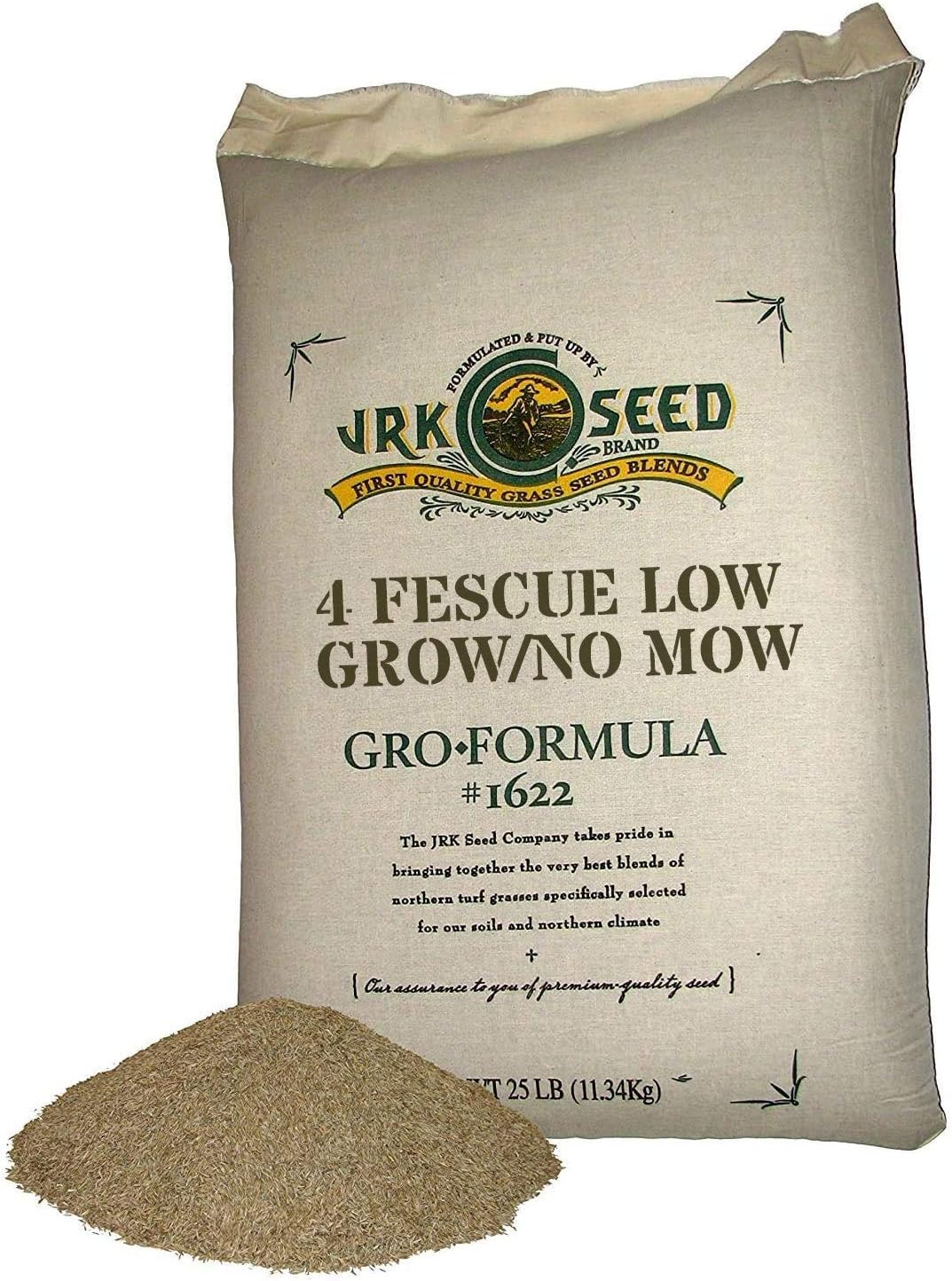
JRK Seed 4 Fescue Low Grow No-Mow Grass Seed Mix, 10 lb
| Unit Count | 1 Count |
|---|---|
| Number of Packs | 1 |
| Brand Name | JRK SEED |
| Style Name | Sandy |
This JRK 4 Fescue Low Grow mix is designed to establish a low-maintenance turf on sandy or well-drained sites where mowing is minimal or undesired. You plant it on prepared, bare soil using the recommended seeding rates; the perennial ryegrass component provides faster temporary cover while the fescues establish. The blend’s drought tolerance and varieties like creeping red and hard fescue make it suited to hillsides, tree lines, and erosion-prone areas. In practice it produces a finer-textured, slower-growing sward that often needs little or no mowing when fertility and moisture are low, and it performs better than typical lawn mixes on sandy substrates. Expect slower initial coverage than aggressive turf grasses and a more natural meadow-like appearance rather than a manicured lawn. Achieving consistent results still depends on site preparation, correct seeding rate, and initial watering during establishment.
Best for: Buyers who need a reliable, low-input ground cover for sandy or erosion-prone sites and prefer minimal mowing and maintenance after establishment.
Less Ideal for: Gardeners wanting a dense, formal manicured lawn or rapid full-coverage turf for heavy play areas should consider conventional lawn seed mixes instead.
- Formulated specifically for sandy, well-drained soils and erosion control
- Includes perennial ryegrass for quicker temporary cover during establishment
- Blend of multiple fescue types yields drought-tolerant, low-growing turf
- Low mowing requirement when fertility and moisture are kept low
- Slower to fully establish than common lawn rye or bluegrass mixes
- Creates a natural, meadow-like look rather than a tight, formal lawn
Verdict: Choose this mix when you need a dependable, low-maintenance fescue blend that establishes on sandy soils and reduces mowing effort.
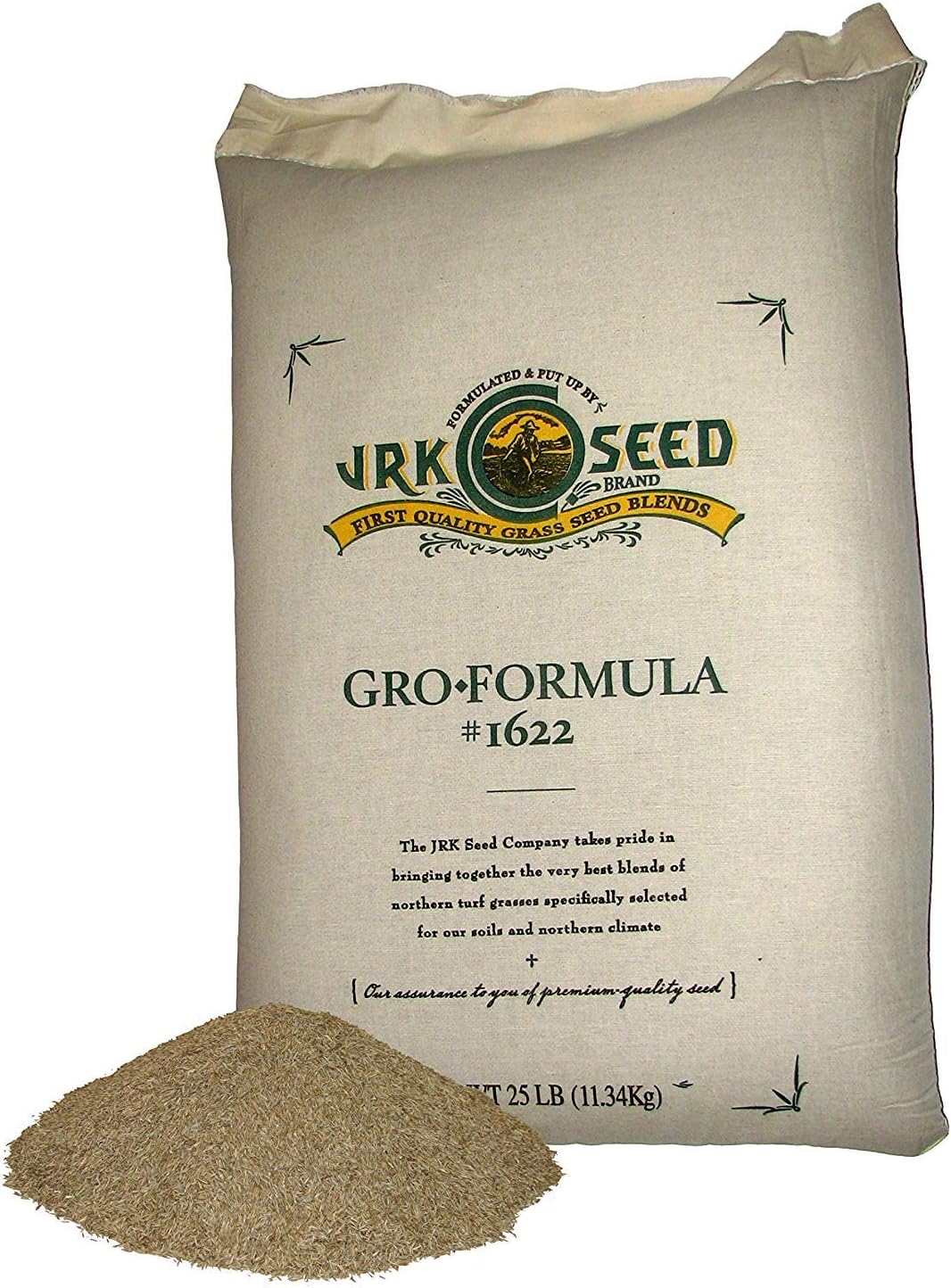
JRK Sandy Soil Grass Seed Mix – 10 lb
| Sunlight Exposure | Partial Shade |
|---|---|
| Soil Type | Sandy Soil |
| Unit Count | 160 Fluid Ounces |
| Plant or Animal Product Type | grass seed |
JRK Sandy Soil Grass Seed Mix is a purpose-built blend for establishing turf on sandy, well-draining sites where moisture is limited. The mix combines Kentucky bluegrass, perennial ryegrass, creeping red fescues, and a small portion of Gulf annual ryegrass to balance durability, overseeding speed, and fine texture. It is typically broadcast or drop-seeded at the recommended rates for new lawns or overseeding, then lightly raked and kept moist until germination. Notable features include a seed blend tailored for sandy soil and packaging in breathable cloth bags rather than sealed plastic. In practice that blend helps seedlings establish where water retention is poor, and the inclusion of perennial and annual ryegrasses speeds initial cover. Expect reasonable low-maintenance performance once established with twice-yearly fertilization advised. Limitations are that this is a general-purpose sandy-soil mix rather than a single cultivar solution, so uniformity may vary across a lawn and frequent watering will still be required during establishment in very dry climates.
Best for: Gardeners who need a ready-made seed mix to establish or revive lawns on sandy, fast-draining sites and who prioritize reliable establishment over cultivar uniformity.
Less Ideal for: Buyers seeking a single-cultivar lawn for exact color and texture matching or those in consistently wet, clay-heavy soils should choose a different product.
- Formulated specifically for sandy, low-moisture soils to improve establishment where water drains quickly
- Blend of Kentucky bluegrass, perennial ryegrass, and creeping red fescues balances durability and finer texture
- Breathable cloth packaging reduces moisture buildup compared with sealed plastic bags
- Suitable for sun and partial shade areas and can be used for both new lawns and overseeding
- Blend contains multiple species so color and texture may be less uniform than single-cultivar seed
- Requires regular watering during establishment and twice-yearly fertilization for best results
Verdict: Choose this blend when you need a low-maintenance, sandy-soil-specific seed mix that establishes more reliably in fast-draining sites.
Choosing the Right Grass Seed Sandy Soil: Key Factors to Consider
Seed Species and Mix Composition
The species in a seed mix determine how well seedlings cope with sandy conditions. Warm-season grasses such as certain bunching or stolon-forming species tend to establish well in hot, well-drained sand because they have adaptations for rapid root growth and drought avoidance. Cool-season species may work in sandy soils in cooler climates but often require more irrigation early on.
A mix that balances fast-germinating annuals with longer-lived perennials can provide quick cover while permanent grasses take hold. Pay attention to the percentage of each species in the mix; a high proportion of shallow-rooting grasses can fail in coarse sand, while mixes with deeper-rooting components build lasting resilience.
Germination Time and Seeding Rate
Germination time affects how long the seedbed must be protected and irrigated. In sandy soil, moisture drains quickly, so faster-germinating varieties reduce the window when seedlings are vulnerable. Check typical days-to-germination ranges and choose seed matched to your planting season to maximize success.
Seeding rate is equally important. Under-seeding leaves gaps that invite weeds and erosion; over-seeding can cause competition and thin stands. Sandy plots often require slightly higher seeding rates or split applications to compensate for seed settling and lower natural fertility. Follow the recommended rate for sandy soil or adjust upward slightly if erosion or washout is a concern.
Root Development and Soil Contact
Strong root development is the foundation of a durable lawn in sand. Seed varieties that produce deep or widespread fibrous roots anchor the turf and improve moisture uptake between irrigations. In sandy soil the seed must make good contact with particles to absorb initial moisture, so seed size and sowing method influence establishment.
Surface sowing without gentle raking or light rolling often leaves larger seeds exposed and more likely to wash away. Ensuring consistent seed-to-soil contact promotes uniform rooting and reduces the need for repeated reseeding.
Drought Resistance and Water Needs
Sandy soils hold less water and deliver it quickly to plant roots, which increases drought stress between irrigations. Choose seed with inherent drought resistance or physiological traits that reduce water demand, such as narrow leaf blades or deep root tendencies. These characteristics lower irrigation frequency once the stand matures.
Consider the irrigation capacity of your property when selecting seed. If you plan to water infrequently, pick mixes prioritized for drought tolerance and slower growth rates that maintain green cover without constant moisture.
Nutrient Requirements and Fertility Management
Sandy soils are typically low in organic matter and nutrients. Seed that requires high fertility to thrive will struggle unless you amend the site. Look for mixes that perform acceptably under modest fertility inputs or plan a starter fertility program that supplies nitrogen and phosphorus without promoting weak, shallow-rooted growth.
Slow-release starter fertilizers and the addition of organic matter at planting can improve outcomes, but the seed choice should not assume heavy feeding. Lower-maintenance seed options help gardeners who prefer minimal fertilization maintain a healthy stand in sandy conditions.
Resistance to Erosion and Foot Traffic
Sandy slopes and loose topsoil are prone to erosion, especially during establishment. Seed that quickly creates surface cover and rhizome or stolon networks reduces the chance of washout. Some grasses form matting systems that are particularly effective at stabilizing loose sand.
If the lawn will receive regular foot traffic, choose mixes that tolerate wear and recover quickly. Seed that roots rapidly and spreads will close gaps that form from trampling, reducing long-term maintenance and reseeding needs.
Preparing Sandy Soil Before Seeding
Preparation can make a greater difference than the seed itself. Start by removing debris and lightly grading to reduce pockets where water will run off. Incorporate a modest amount of organic matter to improve water-holding capacity without creating a dense layer that traps water at the surface.
Light raking to level the surface and create a fine seedbed helps ensure seed-to-soil contact. If erosion is likely, consider temporary measures such as biodegradable straw mats or erosion control blankets until seedlings are established.
- Work in 1 to 2 inches of compost to improve moisture retention.
- Avoid over-tilling which can further loosen sandy profiles.
- Use a light roller or rake to press seed into the soil for better contact.
Best Timing and Watering Strategy
Timing seeding to match the active growth season for your chosen grass species increases success. For warm-season grasses, late spring to early summer seeding aligns with soil warming and promotes rapid establishment. For cool-season varieties in sandy soil, early fall seeding gives roots time to develop before summer droughts.
Watering strategy matters more than daily volume. Apply frequent, light irrigations during the germination window to keep the top inch of soil consistently moist. As seedlings grow, transition to deeper, less frequent waterings to encourage root penetration into the sand.
- Keep the seedbed consistently moist until seedlings reach several inches tall.
- Gradually reduce frequency and increase depth of watering after establishment.
- Use a sprinkler pattern that avoids pooling and prevents washout.
Starter Fertilizers and Amendments
Starter fertilizers with a higher phosphorus content can support early root development. Apply according to soil test recommendations and avoid heavy nitrogen that promotes shallow, succulent growth vulnerable to drought. Slow-release formulations deliver nutrients steadily without forcing weak top growth.
If the soil is extremely low in organic matter, a light top dressing of compost at planting will help. Avoid thick layers of mulch or compost that could insulate seeds and prevent soil contact.
- Base fertilizer choices on a simple soil test when possible.
- Apply starter fertilizer at recommended rates for new seed.
- Incorporate small amounts of organic matter rather than large volumes.
Managing Weeds and Pests During Establishment
Weeds compete fiercely with young grass in sandy soil because they exploit available moisture and nutrients. Mechanical weed control and careful spot treatments are the safest options while seedlings are establishing. Avoid broad applications of herbicide until the new turf has been mowed several times and roots are more secure.
Watch for insects and soil-borne pests that favor dry, warm sand. Early detection and targeted interventions reduce the risk of major setbacks during the vulnerable establishment phase.
- Remove large weeds by hand or with light hoeing before seeding.
- Delay routine herbicide use until the stand is well established.
- Monitor for grubs and other pests if damage appears localized.
Long-Term Care for Sandy Lawns
Long-term success in sandy soil depends on maintenance that complements the site. Regular yet moderate fertilization, periodic additions of organic matter, and an irrigation schedule that encourages deep rooting will keep turf resilient. Aeration every couple of years helps reduce crusting and improves water infiltration.
Mowing height also influences drought tolerance. Taller mowing encourages deeper roots and reduces evaporation from the soil surface, which is particularly beneficial in coarse textured soils.
- Raise mower decks slightly to promote root growth.
- Topdress thinly with compost every 2 to 3 years.
- Aerate to reduce surface compaction and promote root penetration.
How We Chose the Best Grass Seed Sandy Soil
We focused on attributes that directly affect how seed performs in sandy soil rather than broad marketing claims. Primary evaluation criteria included seed species and cultivar suitability to coarse-textured soils, published germination windows under warm, well-drained conditions, expected root depth and fibrous root development, and inherent drought tolerance. Establishment speed and recommended seeding rates were assessed to predict how quickly a usable turf forms, and disease and pest resistance under low-nutrient regimes were considered to estimate maintenance needs. We excluded blends primarily formulated for clay or shade and any mixes that rely heavily on high-fertility soil to thrive. Products that required heavy soil amendments to perform in sand were deprioritized. The final list favors seed biology and mix composition that match sandy substrates: species that germinate reliably when moisture retention is limited and that develop rooting patterns suited to coarse textures. These selection metrics align with the scoring criteria used in each product card.
FAQ
Can I overseed my existing lawn if it sits on sandy soil?
Often overseeding is successful if you choose seed suited to sandy conditions and improve seed-to-soil contact. Lightly scarify bare patches, add a thin layer of compost, and keep the area consistently moist until new grass is established.
How long does it take for grass to establish on sandy soil?
It depends on species and season. Fast-germinating seed can show sprouts in a week or two, but a durable turf with good rooting typically takes several months. Expect to protect the area and manage water for the first 8 to 12 weeks.
Should I add compost before seeding sandy soil?
Yes, adding 1 to 2 inches of compost incorporated into the top few inches improves moisture retention and nutrient availability without drastically changing soil texture. Avoid very thick layers that could smother seeds.
Which watering schedule is best for seed in sand?
During germination, use frequent light waterings to keep the top inch moist. After seedlings reach a few inches, shift to less frequent, deeper waterings to encourage roots to grow down into the sand.
Will sandy soil make my lawn need more fertilizer?
Usually sandy soils require more frequent, smaller fertilizer applications because nutrients leach quickly. Using slow-release formulas and adding organic matter reduces the need for heavy feeding.
Can erosion be a problem when seeding sandy slopes?
Yes, erosion is a common issue. Use erosion control mats, straw, or temporary mulches on slopes and seed during seasons with lower rainfall. Fast-cover seed components also help stabilize soil quickly.
Final Verdict
Choose seed mixes that match the climate and the specific limits of sandy soil: favor species with fast germination, strong root development, and drought tolerance. Prepare the seedbed with modest organic matter, manage watering to keep the surface moist during germination, and then encourage deeper roots with less frequent irrigation. Prioritize establishment ease and root depth over rapid top growth. By matching seed biology to sandy conditions and following proper preparation and watering strategies, you can establish a durable lawn that withstands drought and erosion with manageable maintenance.
