

Note: This article contains affiliate links. If you click on these links and make a purchase, I may earn a small commission at no extra cost to you. This helps support my research and content. Read my full affiliate disclosure here.
Growing peppers in containers concentrates everything that matters in a few inches of soil. The right potting mix controls water, feeds developing fruit, and resists compaction under hot sun; the wrong mix quickly leads to blossom drop, root stress, or overwatering problems. This guide focuses on soils for peppers in pots and highlights seven top shortlisted mixes that suit small patios to large containers. We evaluated mixes for drainage, nutrient retention, organic matter content, and how they behave under repeated waterings and fertilizer schedules. Read on to understand which soil properties matter most for potted peppers and how the shortlisted options differ in everyday garden use.
Top Picks at a Glance
| Best Overall The best all-around choice for most situations | Espoma Organic Potting Mix, 16-Quart Bag |  |
| Best Quality Built to a higher standard if you want something more solid | Rosy Soil Garden Mix Biochar Potting Soil, 8 Quart |  |
| Best Value The sweet spot between price and what you get | Miracle-Gro Organic Outdoor Potting Mix, 16 qt. |  |
| Best Budget The cheapest option that still gets the job done reliably | Doter Organic Vegetable Potting Mix (1 qt) |  |
| Highest Rated A top-rated pick with lots of positive feedback | FoxFarm Happy Frog Potting Soil, 2 cu ft (Container Garden) with 2 Plant Tags |  |
| Most Popular A crowd favorite that many people choose with confidence | Miracle-Gro Indoor Potting Mix for All Plants, 6 qt., 2-Pack |  |
| Best Seller A high-volume bestseller chosen again and again | Back to the Roots Organic Indoor Potting Mix, 6 Quart |  |
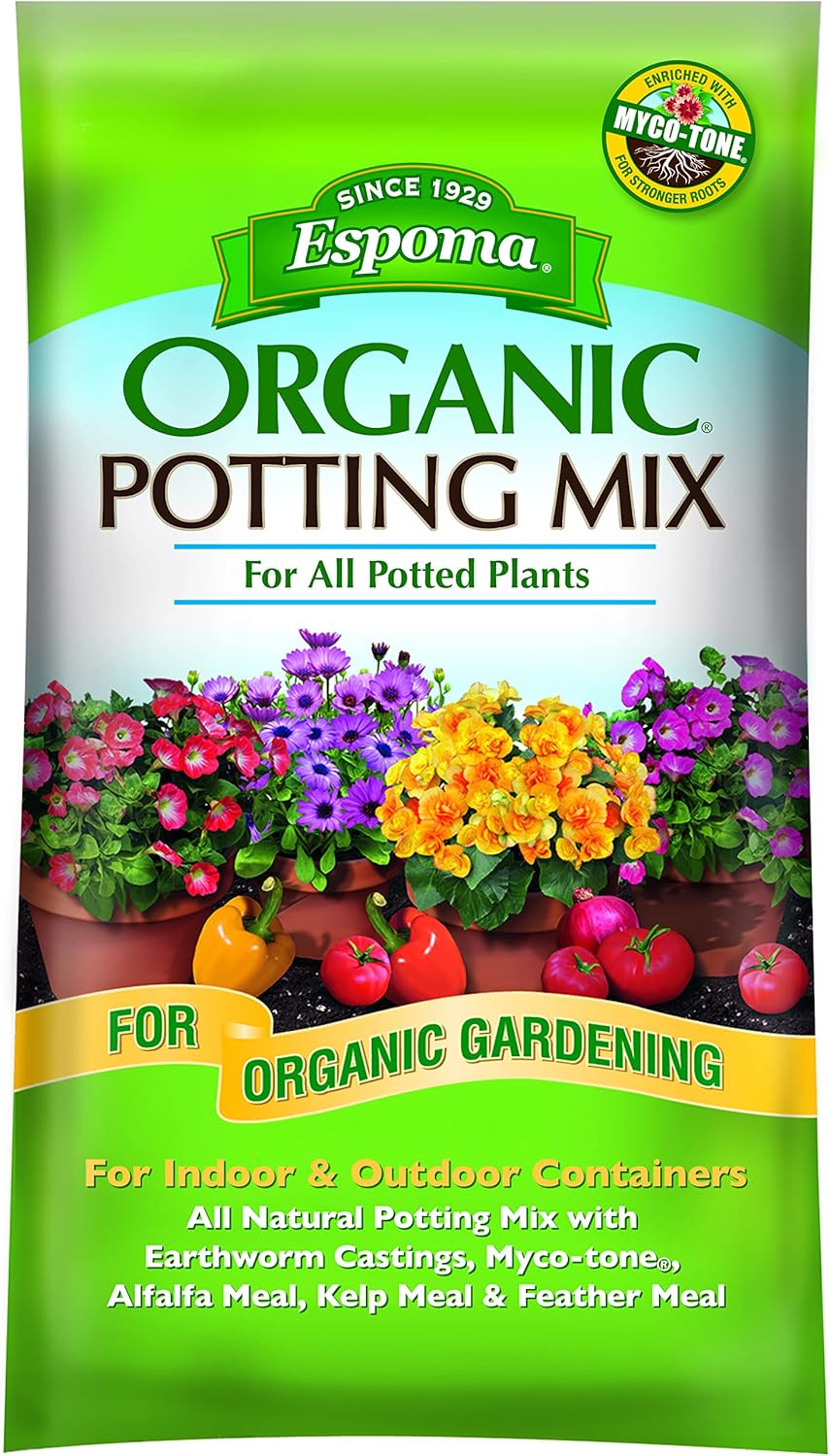
Espoma Organic Potting Mix, 16-Quart Bag
| Brand Name | Espoma |
|---|---|
| Volume | 16 quarts |
| Style Name | Mix |
Espoma Organic Potting Mix is a ready-to-use, organic blend designed for container gardening and works well when potting peppers, herbs and other vegetables. The mix combines sphagnum peat moss, humus and perlite for drainage and aeration, and it is enriched with earthworm castings, alfalfa, kelp and feather meals to provide slow-release nutrients. A proprietary mycorrhizae blend helps roots establish faster and can improve nutrient uptake in containers. In practice it is easy to work with, holds moisture without becoming waterlogged and avoids the synthetic fertilizers found in many commercial soils. Because it is a balanced general-purpose mix, you may still choose to supplement with a targeted fertilizer during peak fruiting for heavy-feeding pepper varieties. Also the bag size is modest, so plan for multiple bags if filling large pots or many containers. For typical potted pepper plants this mix gives a reliable, low-maintenance growing medium that supports healthy root development and steady growth.
Best for: Ideal for home gardeners who want an organic, ready-made potting mix for peppers and other container vegetables and prefer low-fuss, natural amendments to support steady growth.
Less Ideal for: Not the best choice for gardeners who need an extra-large volume solution for many big containers or those who prefer a custom mix with specific nutrient ratios for high-yield commercial production.
- Organic, chemical-free ingredient blend suitable for edible container plants
- Includes mycorrhizae to promote stronger root establishment and nutrient uptake
- Good balance of moisture retention and drainage from peat moss and perlite
- Contains slow-release organic amendments like earthworm castings, alfalfa and kelp meal
- Modest 16-quart volume means multiple bags are needed for several or large pots
Verdict: A convenient organic potting mix with added mycorrhizae and natural amendments that makes growing peppers in pots easier and more reliable.
Rosy Soil Garden Mix Biochar Potting Soil, 8 Quart

| Brand Name | Rosy Soil |
|---|---|
| Item Highlight | Organic Garden Soil with Worm Castings for Vegetables, Herbs, and Flowers, Peat-free Outdoor Potting Mix, Made in USA |
| Volume | 8 quarts |
This 8-quart Rosy Soil Garden Mix is a peat-free, organic potting soil designed for outdoor containers and raised beds, especially useful for growing peppers in pots. The mix combines biochar, worm castings, compost, mycorrhizae, and pine bark fines to create a well-draining but moisture-retentive medium that supports steady root development. Biochar helps hold water and nutrients longer between waterings while pine bark fines keep the mix airy to reduce soggy pockets and root-rot risk. The inclusion of worm castings and mycorrhizae supplies microbial life and gentle nutrition suitable for edible crops, so you can use it straight from the bag or blend it into existing soil to improve structure. Packaged in a resealable bag with planting guidance, a single 8-qt bag is best for topping up pots or filling several small pepper containers rather than large planters. Expect stronger structure and improved moisture stability compared with plain peat mixes, but you will need multiple bags for larger pots or full raised beds and occasional feeding for heavy-feeding pepper varieties.
Best for: Gardeners who prioritize plant performance and soil health for container-grown peppers and want a ready-to-use, biologically active mix that improves moisture stability and root aeration.
Less Ideal for: People filling large raised beds or big patio planters who need high volumes of soil in one purchase or gardeners preferring a pre-fertilized, measured NPK mix.
- Peat-free organic formula with worm castings and mycorrhizae for edible plants
- Biochar increases water and nutrient retention between waterings
- Pine bark fines and loose texture provide good drainage and aeration to reduce root rot
- Resealable bag keeps unused mix fresh and includes planting instructions
- Small 8-quart volume means multiple bags are needed for larger pots or groups of pepper plants
- No NPK numbers or guaranteed fertilizer analysis provided for precise feeding plans
Verdict: Choose this mix if you want a peat-free, biochar-enriched potting soil that boosts moisture retention and root health for better-performing pepper plants in pots.
Miracle-Gro Organic Outdoor Potting Mix, 16 qt.

| Volume | 1 cubic feet |
|---|---|
| Style Name | Outdoor |
| Item Highlight | Plant Soil For Outdoor Container Plants, Contains Quick-Release Natural Fertilizer, OMRI Listed |
This 16 qt. Miracle-Gro Organic Outdoor Potting Mix is blended for outdoor containers and includes a quick-release natural fertilizer that feeds plants for up to two months. It is made with responsibly sourced peat and upcycled green waste, and the OMRI listing makes it suitable for organic container gardens. For peppers in pots you would use it to fill or top up 12-inch containers, loosen the root ball, plant and water thoroughly; the formulation helps retain moisture under sun and wind while providing an initial nutrient boost for young plants or newly transplanted peppers. Practical benefits include predictable coverage for small to medium pots and a nutrient baseline that reduces the need for immediate fertilizing. Important limitations are that it is peat-based so gardeners seeking peat-free mixes should look elsewhere and the built-in feeding lasts only about two months, so you will need to plan regular feeding or repotting for heavy-feeding pepper varieties. Bags can compact over time so refreshing the soil or repotting biannually is recommended.
Best for: Gardeners who grow peppers in containers and want an organic, ready-to-use potting mix that provides moisture retention and an initial nutrient boost without immediate extra inputs.
Less Ideal for: Growers who require peat-free or long-term slow-release fertility solutions, or those planting very large or deeply rooted pepper varieties that need bulkier volumes of soil.
- OMRI listed for organic container gardening
- Includes quick-release natural fertilizer that feeds up to 2 months
- Formulated to hold moisture for outdoor pots exposed to sun and wind
- Made with responsibly sourced peat and upcycled green waste
- Contains peat so not suitable for gardeners seeking peat-free mixes
- Feeding period is limited to about two months requiring follow-up fertilizing or repotting
Verdict: A convenient OMRI-listed outdoor potting mix that makes starting and maintaining peppers in small to medium containers simpler by providing moisture retention and a short-term nutrient boost.
Doter Organic Vegetable Potting Mix (1 qt)

| Brand Name | Doter |
|---|---|
| Item Type Name | Garden soil |
| Manufacturer | Doter |
| Volume | 1 quarts |
This 1 quart Doter Organic Vegetable Potting Mix is a ready‑to‑use potting medium aimed at container vegetable gardening. It is formulated to improve drainage and aeration while supplying balanced nutrients and a pH tailored for vegetable uptake, so it is typically used for potting or topdressing small containers of tomatoes, peppers, lettuce and herbs. In practice the mix helps roots access water and nutrients more efficiently and reduces the need for immediate soil amendment when repotting seedlings or small plants. Notable features include a nutrient‑rich formula, attention to drainage and aeration, and a compact retail size that is easy to store. Important limitations are the small 1 quart volume, which means you will need multiple units for larger pots or full repots, and limited detail on exact ingredient ratios or long‑term fertilizer content, so heavier feeders will require regular feeding. For growers keeping a few pepper pots or starting seedlings, this is a convenient, no‑fuss option; for large containers or long‑season production plan to supplement with amendments or extra soil.
Best for: Growers who want a ready‑to‑use, nutrient‑focused potting mix for starting seedlings or maintaining a few pepper plants in small to medium containers and who prefer a convenient, preblended product.
Less Ideal for: Gardeners planting multiple large pepper containers, heavy feeders, or those who need a precise, long‑term soil amendment should choose larger bags or mixes with a posted nutrient analysis.
- Balanced nutrient formula suited to vegetables and herbs
- Formulation that promotes drainage and aeration for container roots
- pH optimized for vegetable nutrient uptake
- Compact 1 quart size is convenient for seedling trays and small pots
- Very small volume not sufficient for larger pepper pots or full repots
- No detailed ingredient breakdown or guaranteed nutrient analysis on the listing
Verdict: A handy, nutrient‑focused 1 qt potting mix that makes starting and maintaining a few potted pepper plants quick and easy.
FoxFarm Happy Frog Potting Soil, 2 cu ft (Container Garden) with 2 Plant Tags

| Brand Name | FoxFarm |
|---|---|
| Item Highlight | Ready-to-Use Amended Container Blend with Soil Microbes, Earthworm Castings, Bat Guano, and Aged Forest Products |
| Unit Count | 600 Ounce |
| Volume | 2 cubic feet |
| Style Name | Container Garden |
FoxFarm Happy Frog Potting Soil is a premium, ready-to-use mix intended for container plants and small trees. It combines earthworm castings, bat guano, and aged forest products with a custom microbial blend and mycorrhizal fungi to support root development and nutrient uptake. In practice you fill your pepper pots with this mix, plant seedlings at the correct depth, water in, and benefit from the soil’s built-in fertility and biology without needing immediate heavy feedings. Notable features are the microbial and mycorrhizal components that encourage stronger root systems and the inclusion of nutrient-rich organic amendments that support flowering and fruit set. The product is convenient for growers who want a dependable, biologically active starting medium for peppers in pots. Limitations are that it is a potting soil rather than a long-term fertilizer solution, so regular feeding or supplemental amendments will be necessary for heavy-feeding pepper varieties during the season, and the bagged volume requires attention to container size planning.
Best for: Growers who want a reliable, biologically active potting mix to get pepper plants off to a strong start in containers and who prioritize consistent, easy-to-use soils over DIY mixes.
Less Ideal for: Gardeners looking for an all-in-one, season-long nutrient source or those wanting a lightweight soil for very small indoor pots should consider alternatives.
- Formulated for containers with beneficial microbes and mycorrhizae to improve root health
- Contains organic amendments like earthworm castings and bat guano for baseline fertility
- Ready to use straight from the bag so no pre-mixing is required
- pH adjusted to aid nutrient uptake in container-grown plants
- Not a complete season-long fertilizer so peppers will need supplemental feeding
- Sold in 2 cu ft bags which may be bulky for small-space gardeners
Verdict: Choose this product when you want a dependable, biologically rich potting mix that helps container peppers establish strong roots and set fruit.
Miracle-Gro Indoor Potting Mix for All Plants, 6 qt., 2-Pack

| Number of Packs | 2 |
|---|---|
| Item Highlight | Feeds for up to 6 Months |
| Ingredients | Sphagnum Peat Moss, Coir, Perlite, Fertilizer, Wetting Agent |
| Volume | 6 quarts |
Miracle-Gro Indoor Potting Mix is a lightweight, ready-to-use soil blend intended for indoor container plants and repotting. It combines sphagnum peat moss, coconut coir, and perlite with a built-in fertilizer designed to feed plants for up to six months. Typical use is simple: fill a draining pot, add the root ball, top up with mix and water thoroughly. For potted peppers this mix provides good water retention with enough aeration from perlite to reduce root compaction and support steady growth. The formula excludes bark and compost, which can lower the chance of fungus gnats in indoor setups. Practical benefits include convenience of a pre-blended mix, consistent texture for transplanting, and an included nutrient boost that delays the need for immediate feeding. Limitations are that the fertilizer is a general-purpose starter rather than a pepper-specific formulation and established pepper plants may need targeted fertilization later in the season; also each bag is modest in volume so multiple bags are required for several pepper containers.
Best for: Growers who want a convenient, low-fuss potting mix for potted peppers and other indoor container plants and who value a disease-averse, ready-made soil to speed repotting.
Less Ideal for: Gardeners seeking a custom nutrient program for high-yield pepper production or large outdoor containers should consider mixing a larger volume of soil with specific fertilizers and amendments.
- Ready-to-use blend of peat moss, coir, and perlite for good moisture retention and aeration
- Includes starter fertilizer that feeds plants for up to six months
- No compost or bark, which helps reduce habitat for fungus gnats indoors
- Lightweight, consistent texture makes repotting and filling multiple pots easy
- Fertilizer is generic rather than tailored specifically to pepper nutrient needs
- Single 6 qt. bags are small for multiple or larger pepper containers
Verdict: A convenient, low-gnat indoor potting mix that gives potted peppers good moisture control and a six-month nutrient boost for easier repotting and early growth.
Back to the Roots Organic Indoor Potting Mix, 6 Quart

| Volume | 6 quarts |
|---|---|
| Ingredients | Coconut Coir, Yucca, Mycorrhizae, Perlite, Horticultural Sand |
| Item Type | Indoor Potting Mix |
| Made in | USA |
Back to the Roots Indoor Potting Mix is a ready-to-use, small-batch potting soil aimed at indoor plants and container gardening. It combines coconut coir, yucca extract, mycorrhizae and horticultural sand to hold moisture without becoming waterlogged and to encourage root development. In practice it works well for repotting pothos, ferns, and small vegetable pots such as potted peppers where steady moisture and good drainage are important. The peat-free formula and added mycorrhizae are practical benefits for long-term root health and for gardeners who prefer organic inputs. Because it is a 6 quart packaged mix, it is convenient for individual pots and small batches but not intended for large-number container projects without buying multiple bags. Expect a lightweight texture that may compress slightly over time, so you may need to refresh or top-dress after a season. For cautious gardeners this mix reduces the risk of overwatering and indoor gnats compared with bark-heavy blends.
Best for: Buyers who want a ready-made organic potting mix for indoor or patio containers and prioritize reliable moisture control and root health for individual pepper pots.
Less Ideal for: Gardners needing bulk soil for many large containers or raised beds should choose larger-volume mixes designed for heavy filling projects.
- Peat-free and 100% organic ingredients suitable for eco-conscious gardeners
- Contains yucca extract to improve moisture retention without sogginess
- Includes mycorrhizae to support root growth and nutrient uptake
- Formulated for indoor containers and less prone to attracting gnats
- Small 6 quart size means multiple bags are needed for several pepper pots
- Lightweight coir-based mix may compress and require refreshing after a season
Verdict: A small, peat-free organic potting mix that gives potted peppers steady moisture control and root support without synthetic inputs.
Choosing the Right Soil for Peppers in Pots: Key Factors to Consider
Drainage and Air Porosity
Good drainage prevents the saturated conditions that cause root oxygen deprivation and fungal issues in pots. In container culture you need a mix that moves excess water through freely while still retaining enough moisture between waterings. Coarse components such as perlite, pumice, or coarse sand increase pore space and improve oxygen access; finely textured mixes without enough coarse material tend to compact and hold water at the root crown, which stresses pepper plants.
When evaluating a soil for peppers in pots, look for a visible chunky texture or listed percentages of aerating amendments. Porosity also affects root shaping: well-aerated mixes encourage fibrous, healthy root systems that support heavy fruit loads.
Nutrient Retention and Release
Peppers are moderate to heavy feeders during bloom and fruit set, so a potting soil must store and slowly release nutrients or be easy to supplement. Mixes with quality composted organic matter or a balanced slow-release fertilizer offer steady feeding for several weeks. Highly inert mixes will require a more active fertility program, while mixes with too much readily available fertilizer can burn young roots or lead to fast but short-lived growth.
Consider whether the soil includes a starter charge of nutrients and how it responds to added liquid feeds. Nutrient-holding capacity is often linked to organic matter and cation exchange capacity; for container peppers, a moderate retention that accepts regular low-dose feeding is ideal.
Water-Holding Balance
Containers dry out faster than ground beds, especially in sun or on warm surfaces. A good potting mix balances quick drainage with enough water retention to avoid daily watering. Components like coco coir, peat, or fine compost increase moisture retention, but used alone they can create soggy conditions. A deliberate mix of water-retentive and draining ingredients smooths moisture fluctuations between waterings.
Also consider the container size and local climate. Small pots and hot patios need a mix that holds more moisture, while large pots and cooler conditions can favor faster-draining mixes. Adjustments such as adding extra coir or perlite let you tune the balance.
pH and Salt Levels
Peppers prefer a slightly acidic to neutral range for best nutrient uptake. Potting soils should list expected pH ranges or be known to test near neutral. High soluble salts from fertilizers or poor-quality compost can accumulate in containers and damage roots or reduce fruit set; look for mixes with controlled fertilizer charges and low-salt amendments.
Regular flushing and occasional repotting help manage salt build-up, but starting with a low-salt, pH-appropriate soil reduces the need for corrective measures. If you plan heavy fertilization, choose a mix with good drainage and moderate retention to avoid salt concentration at the root zone.
Texture Stability and Longevity
Some potting mixes break down quickly and compact after a season, reducing aeration and increasing watering frequency. Stable components like coconut coir, coarse bark, and aged compost maintain structure longer in containers. Longevity matters if you want to keep peppers in the same pot for multiple seasons or prefer less frequent top-ups.
Consider how easily the soil accepts replenishment: a stable mix can be refreshed with surface top-dressing or small amendments, whereas a fast-degrading mix often needs full repotting.
Ease of Amendment and Customization
A good container soil should accept additions without turning gummy or separating. Gardeners often tailor mixes with extra perlite, slow-release granules, lime, or mycorrhizae to suit local conditions and pepper varieties. Choose a mix that blends well with amendments and responds predictably to added fertilizers or water-retention agents.
Ease of customization also reduces the need to replace the entire root medium; small adjustments can correct pH, drainage, or nutrient issues during the growing season.
Adjusting Mixes for Hot and Sunny Containers
In full-sun patios and balconies containers heat up quickly, which accelerates moisture loss and can stress peppers. To adapt a potting soil, add extra water-retentive components like coco coir or composted bark to slow drying without sacrificing aeration. Increase the proportion of coarse perlite or pumice if you notice frequent soggy patches after watering.
- Add 10 to 20 percent extra water-retentive material for small pots in hot sites.
- Boost coarse aeration material if the mix appears dense after a few weeks.
- Mulch the container surface to reduce evaporation and protect shallow roots.
Container Size and Soil Volume Considerations
Soil volume changes how often you water and how stable temperature and nutrients stay. Larger pots provide buffering against rapid moisture swings and heat spikes but require more initial soil. For small containers, choose a mix with higher water retention and a reliable nutrient schedule because the root zone will fluctuate quickly.
Bullets are not allowed for this section; treat them as guidance.
- Use higher-retention mixes for 1 to 3 gallon pots.
- Prefer fast-draining, stable mixes for 5+ gallon pots to prevent waterlogging.
Seasonal Care and Top-Dressing Tips
Over a season, container soils lose nutrients and may compact slightly. Light top-dressing with a thin layer of compost or a balanced slow-release granule can restore fertility without disturbing roots. For mid-season refresh, remove the top 1 to 2 inches and replace with a fresh potting mix blended with compost.
Bullets are optional; include quick steps when useful.
- Top-dress every 6 to 8 weeks during active growth.
- Flush containers occasionally to prevent salt buildup from fertilizers.
Common Problems and Soil-Based Fixes
Many issues with potted peppers trace back to the growing medium. Blossom drop can result from irregular watering or low nutrients, while yellowing leaves may indicate nutrient imbalance or poor drainage. Root rot is usually the result of poorly draining soils or oversized containers that hold cold, wet soil.
bullets:[
Diagnose by checking soil moisture and texture before altering feeding or watering.
If soil compacts quickly, repot into a more structured mix with coir and coarse aerators.
- Check soil moisture and root health before changing fertilizer.
- Repot into a coarser, more stable mix if compaction is evident.
Organic Amendments Versus Inert Blends
Organic-rich mixes supply immediate nutrients and support beneficial microbial activity, which can improve pepper vigor. Inert blends give a clean slate for controlled fertilization and are often preferred by gardeners who follow specific feeding programs. Both approaches work for peppers in pots but require different management: organic soils need monitoring for nutrient peaks and breakdown, while inert mixes require a predictable fertilization schedule.
- Organic mixes reduce initial feeding needs but may decompose faster.
- Inert mixes are stable but need regular feeding with balanced fertilizers.
How We Chose the Best Soil for Peppers in Pots
We selected these soils by focusing on properties that directly affect pepper health in containers. First, we prioritized drainage and air porosity because peppers develop best with steady moisture and oxygen around the roots. Second, we evaluated nutrient retention and the presence of slow-release or stable organic nutrients so plants receive a balanced supply through flowering and fruiting. Third, we looked at organic matter quality and texture to ensure mixes resist compaction and break down predictably over a growing season. Fourth, water-holding capacity was reviewed to balance less frequent watering with the risk of root rot. Finally, practical gardener concerns such as allergen-free ingredients, absence of persistent salts, and ease of amendment were considered. We excluded any bulk garden soils intended for in-ground beds and mixes that require extensive on-site blending to be usable. Products that depend on frequent re-working or whose labels lacked clear composition details were not included. The resulting list emphasizes ready-to-use container mixes and potting soils formulated or easily adjusted for potted pepper culture.
FAQ
How often should I water peppers in pots based on soil type?
It depends on mix drainage and pot size. Fast-draining mixes and small pots often need daily watering in hot weather, while higher-retention mixes and larger containers may be watered every 2 to 4 days. Always check the top inch of soil and the weight of the pot rather than following a strict schedule.
Can I use garden soil in pots for peppers?
Garden soil is usually too dense for containers and tends to compact, reducing oxygen at the roots. It is better to use purpose-made potting mixes or amend garden soil heavily with coarse materials before using it in containers.
Should I adjust pH for peppers in pots?
Peppers prefer slightly acidic to neutral pH. Test the soil if you suspect nutrient lockout or persistent leaf discoloration. Small lime or sulfur adjustments can correct pH gradually, but choose a mix with a near-neutral starting pH to reduce the need for alterations.
How do I prevent salt buildup in container soils?
Flush containers periodically by running ample water through the pot until it drains clean to reduce salt accumulation. Use low-salt fertilizers and avoid excessive granular applications; top-dress with fresh mix or repot when salts persist.
When is it time to repot peppers into fresh soil?
Repot when the mix has compacted, drainage has slowed noticeably, or roots are circling the pot and pushing out. For many gardeners this is every one to two seasons for annual peppers in containers. Fresh soil restores aeration and nutrient-holding capacity.
Final Verdict
Choose a potting soil that balances drainage with water retention, has predictable nutrient behavior, and maintains structure under regular watering. Prioritize mixes that make it easy to tune moisture and fertility for your container size and site conditions. With the right soil and simple seasonal maintenance you can minimize common container problems and give pepper plants the steady root environment they need to set and ripen fruit.
