

Note: This article contains affiliate links. If you click on these links and make a purchase, I may earn a small commission at no extra cost to you. This helps support my research and content. Read my full affiliate disclosure here.
Choosing the right soil for planting potatoes changes how tubers form, how well plants resist rot, and how easy harvests are. Potatoes want a balance of loose texture for easy tuber expansion and enough moisture and nutrients to sustain steady growth. Poor soil can lead to misshapen tubers, scab, or disease-prone plants. This guide covers the top shortlisted soils for planting potatoes across common garden and container situations. We evaluate mixes on drainage, nutrient retention, texture, and disease resistance so you can pick a soil that fits your plot and planting method.
Top Picks at a Glance
| Best Overall The best all-around choice for most situations | Espoma Organic Vegetable & Flower Garden Soil Mix (1 cu ft) |  |
| Best Quality Built to a higher standard if you want something more solid | FoxFarm Raised Bed Planting Mix, 1.5 cu ft |  |
| Highest Rated A top-rated pick with lots of positive feedback | Coast of Maine Organic Planting Soil for Vegetables & Tomatoes (20 Qt, 2 Pack) |  |
| Most Popular A crowd favorite that many people choose with confidence | Miracle-Gro Potting Mix, 16 qt. (2-Pack) |  |
| Best Seller A high-volume bestseller chosen again and again | Back to the Roots All-Purpose Peat-Free Potting Mix, 12 Quarts (2-Pack) |  |
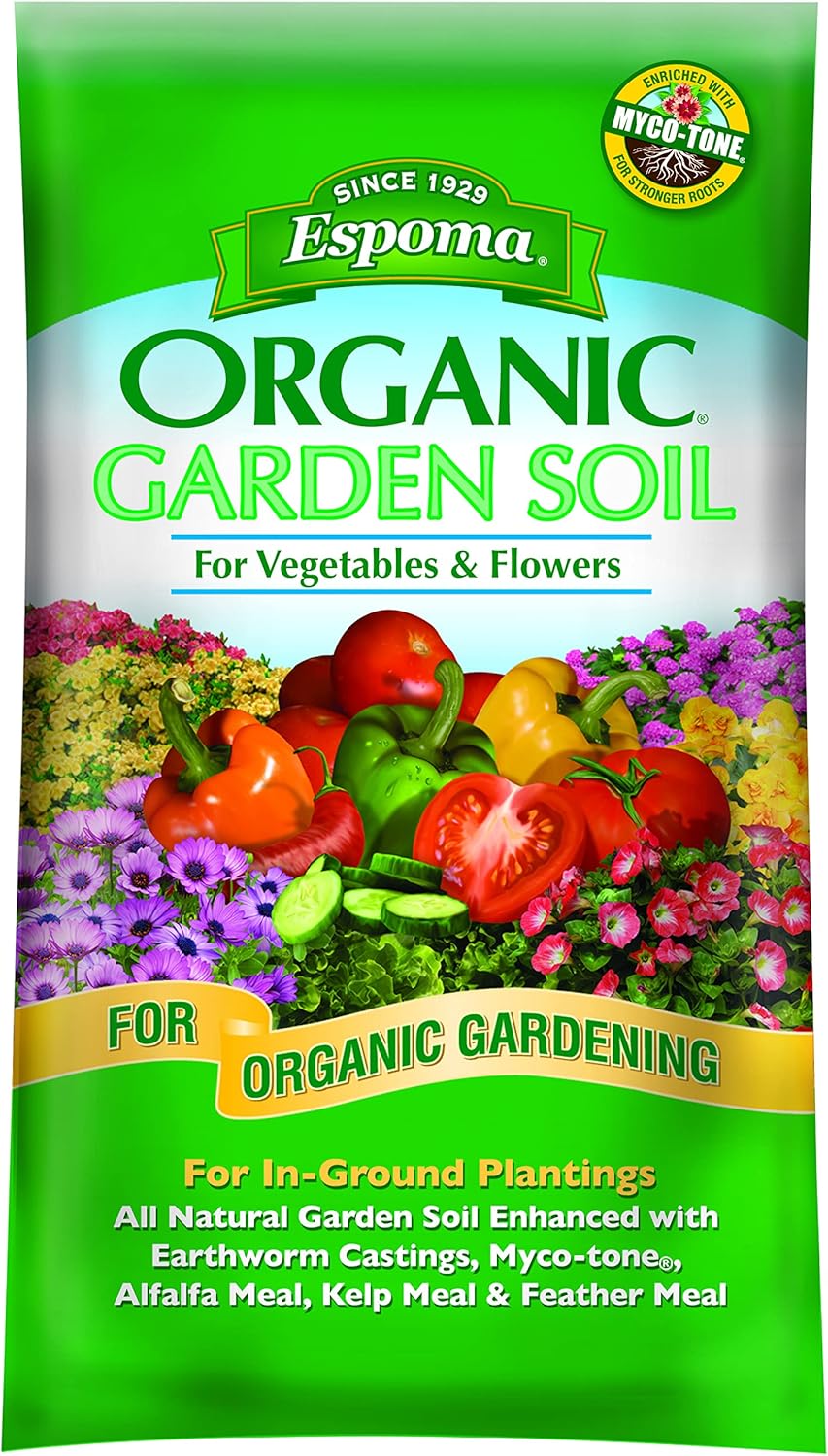
Espoma Organic Vegetable & Flower Garden Soil Mix (1 cu ft)
| Brand | Espoma |
|---|---|
| Volume | 1 cubic feet |
| Style Name | Peat Moss |
| Ingredients | Peat moss, aged forest products/composted rice hulls, limestone, earthworm castings, alfalfa meal, kelp meal, feather meal, yucca extract, mycorrhizae |
Espoma Organic Vegetable & Flower Garden Soil is a ready-to-use organic planting mix designed to be blended into native garden soil when planting or transplanting. It contains Canadian sphagnum peat moss, aged forest products or composted rice hulls, limestone for pH adjustment, earthworm castings and organic meals such as alfalfa, kelp and feather, plus a proprietary mycorrhizal blend. In practice it loosens heavy beds, adds organic matter and beneficial biology, and supplies a mild nutrient boost for new potato plantings. The 1 cubic foot bag is convenient for small plots, seed trenches, and raised row hillings where you want improved texture and microbial activity without synthetic fertilizers. Expect easier soil preparation and healthier early growth, but you will need multiple bags for larger plantings and ongoing fertility management as it is not a complete long-term fertilizer replacement. For strictly large-scale potato production or heavy clay soils you may prefer bulk amendments or compost in addition to this mix.
Best for: Home gardeners preparing small to medium potato beds or raised rows who want an organic, biology-rich soil amendment to improve texture and early root development.
Less Ideal for: Commercial growers, very large plots, or gardeners needing a heavy-duty soil overhaul where bulk compost or topsoil would be more efficient.
- Organic blend with peat moss, earthworm castings and plant meals to improve soil structure and biology
- Includes mycorrhizae to help root establishment in newly planted tubers
- Simple to use by mixing into native soil when planting or transplanting
- Packaged as a 1 cubic foot bag suitable for small beds, raised rows, and container top-ups
- Small bag size means multiple bags are needed for larger potato beds
- Not formulated as a complete long-term fertilizer so additional fertility may be required
Verdict: A convenient organic planting mix that boosts soil biology and texture for healthier potato starts in small home gardens.
FoxFarm Raised Bed Planting Mix, 1.5 cu ft

| Brand Name | FoxFarm |
|---|---|
| Volume | 1.5 cubic feet |
| Included Components | Raised Bed Planting Mix |
| Ingredients | Aged forest products, sphagnum peat moss, earthworm castings, oyster shell, dolomite lime |
FoxFarm Raised Bed Planting Mix is a premixed, ready-to-use soil designed for raised beds and containers. It blends aged forest materials and sphagnum peat moss to hold moisture while maintaining aeration, and is amended with earthworm castings, oyster shell and dolomite lime for slow-release nutrients and pH buffering. In practice you would fill a raised bed or large container, plant seed potatoes or seed pieces about two to three weeks after filling if needed, and rely on the mix for even moisture and improved root development without additional bulky soil amendments. The mix excels at giving consistent drainage and a light texture that reduces compaction, which helps tuber formation. Important limitations are bag volume and the need to top up or mix with compost for larger beds or seasonal nutrient demands, and peat content may concern growers seeking peat-free mixes. For gardeners focused on high yields from potatoes in raised beds, this mix provides a balanced, low-effort growing medium that supports healthy root systems and good moisture control.
Best for: Gardeners who want a performance-oriented, low-effort growing medium for raised beds and containers and who prioritize consistent moisture control and root-friendly structure for higher potato yields.
Less Ideal for: Growers planning to fill large in-ground beds or who require a peat-free or bulk soil solution should consider alternatives or compost-amended topsoil instead.
- Ready-to-use blend requires no pre-mixing for raised beds or containers
- Moisture-retaining yet well-aerated texture helps prevent compaction around tubers
- Amended with earthworm castings and oyster shell for slow-release nutrients and mineral balance
- Formulated specifically for raised beds and container vegetable growing
- Small 1.5 cu ft bag means multiple bags are needed for a full raised bed
- Contains sphagnum peat moss which some gardeners avoid for environmental reasons
Verdict: A convenient, nutrient-amended raised bed mix that gives potatoes a well-aerated, moisture-stable medium to promote strong tuber development.
Coast of Maine Organic Planting Soil for Vegetables & Tomatoes (20 Qt, 2 Pack)

| Volume | 20 quarts |
|---|---|
| Unit Count | 2 Count |
| OMRI Listed | Yes |
This Coast of Maine planting soil is an organic, compost-enriched mix designed to support vigorous vegetable growth and healthy root development. Gardeners use it for seeding, transplanting and topping off raised beds or container plantings; the formula lists ingredients like composted manure, peat moss and sea-based amendments that help feed plants and encourage soil life. The mix aims to strike a balance between water retention and drainage so tuber crops and other heavy-feeding vegetables avoid waterlogging while still getting consistent moisture. Being OMRI-listed and made with natural amendments makes it a good choice for organic vegetable production and for gardeners who prioritize soil biology. On the downside a 20-quart bag provides a modest volume per unit, so you will need multiple bags for even a small potato patch and the safety note warns against inhalation during handling. Overall it performs as a reliable, biology-forward planting medium for vegetable-focused beds and containers.
Best for: Gardeners who want an organic, biology-focused planting mix for reliable vegetable and tuber production and who prefer proven, OMRI-listed inputs for in-ground beds or containers.
Less Ideal for: Large-scale growers or anyone planting many potato rows who need bulk topsoil or commercial-grade field amendments rather than bagged potting blends.
- OMRI-listed organic formula safe for organic vegetable production
- Composted manure and sea-based amendments support soil biology and nutrient availability
- Balanced moisture retention and drainage suitable for in-ground beds and containers
- Versatile for seeding, transplanting, and topping off raised beds
- Small 20 quart volume per bag requires multiple bags for planting potatoes at scale
- Contains peat moss and fine particles that can be dusty during handling
Verdict: A reliable OMRI-listed, compost-rich planting mix that supports healthy vegetable and potato growth in garden beds and containers.
Miracle-Gro Potting Mix, 16 qt. (2-Pack)

| Item Highlight | Feeds up to 6 Months |
|---|---|
| Number of Packs | 2 |
| Item Type Name | Mix,16-Quart (2 pack) |
| Ingredients | Sphagnum Peat Moss,Perlite,Compost,Fertilizer |
Miracle-Gro Potting Mix is a general-purpose container soil designed to make planting and maintaining outdoor pots easier. It is typically used to fill planters, hanging baskets, and other containers before transplanting vegetables, flowers, herbs, or shrubs. The mix combines peat, perlite, compost, and a built-in fertilizer so plants get both drainage and nutrition without immediate feeding for up to six months. Practical benefits include fast drainage that helps prevent root rot in containers and a nutrient boost that supports early growth and flowering without extra fertilizer applications. Because it is formulated for containers rather than in-ground beds, it is best for potatoes grown in large pots, grow bags, or potato barrels where loose, well-draining media and steady nutrients help tuber development. Important limitations are that it is not a garden soil for amending beds and the built-in feeding schedule will eventually run out, so follow-up feeding or repotting is needed for long-season crops or successive plantings.
Best for: Gardeners using pots, grow bags, or barrels who want a reliable, ready-to-use mix that provides good drainage and an initial nutrient boost for container-grown potatoes and other vegetables.
Less Ideal for: People looking to amend in-ground garden beds or those who want a completely organic or slow-release long-season soil solution should consider alternatives.
- Formulated for containers with peat and perlite for good drainage and aeration
- Built-in fertilizer feeds plants for up to six months, reducing early feeding needs
- Packaged in two 16 qt. bags, convenient quantity for several 12-inch containers
- Designed to prevent overwatering issues when containers have proper drainage
- Not intended as an in-ground garden soil or long-term bed amendment
- Nutrient boost lasts about six months so additional fertilizing is required for longer crops
Verdict: A convenient, fast-draining potting mix that gives container-grown potatoes a strong start with built-in fertilizer for up to six months.
Back to the Roots All-Purpose Peat-Free Potting Mix, 12 Quarts (2-Pack)

| Number of Packs | 2 |
|---|---|
| Volume | 12 quarts |
| Item Type Name | Natural & Organic All-Purpose Peat-Free Potting Mix |
| Style Name | Specialty Potting Mix |
This Back to the Roots potting mix is a ready-to-use, peat-free soil designed to support vegetables, herbs, and flowers. It combines coconut coir for moisture retention, beneficial mycorrhizae to improve root establishment, and yucca extract to help water and nutrient penetration, so it is useful for filling containers, raised beds, or improving soil for planting seed potatoes or early tuber development. The included dolomitic limestone moderates pH which reduces the need for separate amendments when planting nutrient-sensitive crops. Because it is organic and peat-free, it is a good choice for gardeners who prefer sustainable inputs. Limitations to note are that the bags are small for large potato plots so you will need multiple bags to fill deeper beds or entire rows, and as an all-purpose mix it is not specifically amended for high-phosphorus or potassium needs that heavy-producing potato varieties sometimes benefit from. For risk-averse gardeners it provides consistent, ready-made growing medium that reduces the guesswork of custom mixes.
Best for: Gardeners who want a low-risk, ready-to-use organic potting mix for starting potatoes in containers or improving small raised beds and who prefer sustainable peat-free products.
Less Ideal for: Growers planning to plant large in-ground potato plots or commercial acreage who need bulk soil or a crop-tailored fertilizer program.
- Peat-free organic composition with coconut coir for improved moisture retention
- Contains mycorrhizae to support stronger root development
- Includes dolomitic limestone to help balance soil pH
- Formulated for general vegetable and container use so it is ready out of the bag
- Small total volume per pack requires many bags for large potato beds
- Not specifically boosted with extra potassium or phosphorus for heavy tuber production
Verdict: A dependable, peat-free organic potting mix that lowers risk for beginner and cautious gardeners starting potatoes in containers or small beds.
Choosing the Right Soil for Planting Potatoes: Key Factors to Consider
Drainage and Aeration
Potatoes need soil that drains freely while still keeping accessible moisture. Good drainage prevents waterlogged pockets that cause tuber rot and encourages roots to explore the soil. Aeration is equally important because oxygen-starved soil reduces tuber set and invites anaerobic pathogens.
Evaluate whether a mix contains coarse components like horticultural sand, perlite, or aged composted bark to maintain pore space. In heavy clay sites, plan to add grit or use raised beds or containers with a free-draining potting layer to get the air and water balance potatoes demand.
Crumb Texture and Tuber Expansion
A loose, crumbly texture gives expanding tubers room to form round, unscarred flesh. Dense or compacting soils restrict tuber shape and increase the chance of deformation or scab at soil contact points.
Look for soils described as light, friable, or loamy rather than heavy or compacting. Particle size distribution matters: mixes that blend fine silt with course sand or perlite create the ideal balance where tubers can push through without excessive effort.
Moisture Holding Capacity
Potatoes need consistent moisture during tuber initiation and bulking, but not standing water. A soil that holds some moisture in the root zone reduces the need for constant watering while still draining after heavy rain.
Organic matter such as well-rotted compost or peat alternatives improves moisture retention, but too much fine organic material can create soggy conditions if drainage is poor. Choose a soil that pairs organic matter with coarse particles to maintain both storage and flow.
Nutrient Availability and Feeding
Tubers are storage organs and require steady access to nitrogen early on and more potassium and phosphorus during bulking. Soil fertility affects plant vigor and final tuber size.
Prefer mixes with a baseline of balanced nutrients or a plan for timed feeding. Soluble nutrients support quick uptake, while stable organic sources provide a slow-release supply. Avoid overly high nitrogen at bulking stage because it can drive foliage rather than tuber growth.
Soil pH and Disease Considerations
Potatoes do best in a slightly acidic to neutral pH range that reduces common diseases and supports nutrient uptake. pH also influences scab risk and availability of key minerals.
Check that the soil maintains pH around the potato-preferred range or can be adjusted easily. Additionally, choose soils with low pathogen risk or those that include biological amendments that suppress soil-borne diseases. Sterile potting mixes reduce early-season disease exposure in containers.
Suitability for Planting Method
Whether you plant directly in the ground, in raised beds, or in containers changes the ideal soil choice. In-ground planting often requires more attention to amending existing soil, while containers need mixes designed to retain moisture without becoming waterlogged.
Match the soil's intended use to your planting method. For raised beds, a deeper, richer mix that still drains is best. For containers, select lighter mixes with good moisture capacity and consider extra buffer fertility because nutrients leach faster in pots.
Preparing Existing Garden Soil
If you are planting potatoes in native garden soil, improving texture and fertility before planting makes the biggest difference. Work coarse organic matter and grit into the planting row to break up compaction and improve drainage. Deeply cultivate or fork the soil where tubers will form so young roots can expand without resistance.
Test pH and correct it if needed. Lime or sulfur should be applied well ahead of planting because it takes time to change soil chemistry. Add a balanced organic amendment to raise both nutrient levels and microbial activity without creating a dense, wet layer.
- Incorporate 2 to 4 inches of well-rotted compost for fertility and structure
- Add coarse sand or grit in heavy clay to improve pore space
- Avoid fresh green manure or uncomposted manure immediately before planting
Using Raised Bed and Container Mixes
Raised beds and containers allow you to choose a tailored soil mix for potatoes. Aim for a loose loam with good drainage and enough organic matter to sustain tuber bulking. Containers need slightly lighter mixes to avoid compaction and to improve aeration.
Remember that containers dry faster and lose nutrients with each watering. Use a mix with stable organic material and plan a feeding schedule during the bulking period to keep nutrient levels consistent.
- Choose mixes labeled for vegetables or all-purpose raised beds
- Ensure the mix contains coarse particles like perlite or grit
- Use larger containers to allow room for multiple tubers
Amending Soil for Larger Yields
When preparing beds for higher yields, balance fertility so plants have an early boost of nitrogen followed by potassium-rich feeding during tuber set. Use composted materials and rock dust or kelp products for trace minerals without disrupting soil texture.
Avoid overapplying high-nitrogen inputs late in the season. Excessive foliage growth can reduce tuber bulk and increase susceptibility to disease. Instead, focus on staged feeding and maintain steady moisture to support consistent bulking.
- Apply a low-dose, balanced organic fertilizer at planting
- Side-dress with potassium-rich amendments during bulking
- Monitor foliage vigor and adjust feeding to avoid excessive leaf growth
Managing Moisture Throughout the Season
Consistent moisture is critical from tuber initiation until vine dieback. Use mulches to conserve moisture and moderate soil temperature while avoiding layering that holds water next to tubers. In raised beds, install drip irrigation or soaker hoses to deliver even water without saturating the crown.
After vines begin to yellow and die back, reduce watering to allow skins to set for storage. Overwatering at this stage increases rot risk during harvest and storage.
- Use 2 to 4 inches of straw or coarse mulch to retain soil moisture
- Water deeply and infrequently rather than shallow daily watering
- Decrease water in the final weeks before harvest to firm tuber skins
Preventing Common Soil-Borne Problems
Rot, scab, and nematodes are common soil issues for potatoes. Crop rotation, clean seed potatoes, and choosing a soil with low pathogen load help reduce risk. In gardens with a history of disease, consider using a fresh, sterile container mix for a season to break pathogen cycles.
Sanitation practices such as avoiding planting in areas with poor drainage and removing infected debris after harvest reduce carryover of problems into the next season.
- Rotate potato planting out of the same bed for at least three years
- Avoid planting in compacted or poorly drained areas
- Remove and compost or dispose of severely diseased foliage
How We Chose the Best Soil for Planting Potatoes
We focused on garden-ready soils and mixes specifically suited to tuber crops. Selection prioritized physical texture, water management, nutrient profile, disease suppression potential, and suitability for common potato planting methods like in-ground trenches, raised beds, and large containers. Each candidate had to offer a loose crumb structure that allows tuber expansion, demonstrate moderate water-holding capacity without compaction, and contain or be compatible with steady-release fertility appropriate for a full tuber season. We excluded soils formulated almost exclusively for ornamentals or acid-loving plants because their pH and nutrient balance do not match potato needs. Blends that required heavy additional amendments to correct drainage or acidity were also filtered out. Final choices reflected practical gardener concerns: ease of use, predictable moisture behavior, and support for large, healthy tuber development. Our evaluation aligned with measurable criteria such as drainage rate, organic matter content, pH stability, and disease-suppressive ingredients.
FAQ
What soil pH is best for potatoes?
Potatoes usually prefer a slightly acidic to neutral pH. Staying in that range reduces scab risk and improves nutrient availability. Test soil and make gradual pH adjustments well before planting.
Can I use potting soil for potato containers?
Yes, but choose a high-quality potting mix that drains well and contains stable organic matter. Avoid mixes that are too fine or formulated only for seedlings, because they may compact and retain too much moisture.
How much compost should I add to potato beds?
Incorporating a few inches of well-rotted compost into the top several inches of soil improves fertility and structure. Too much fresh compost can hold excess moisture or be high in soluble nitrogen, so prefer finished compost and balance with coarse material for drainage.
Does soil texture affect tuber shape?
Yes. Looser, crumbly soils let tubers expand uniformly and reduce deformities. Heavy, compacting soils can produce misshapen or forked tubers because roots and tubers encounter resistance while growing.
Should I sterilize soil to prevent potato diseases?
Sterilizing soil eliminates many pathogens but also removes beneficial microbes. It can be useful for container-grown seed potatoes in disease-prone gardens, but for in-ground beds, integrated practices like rotation, organic amendments, and improved drainage are often more practical.
Final Verdict
Choosing the right soil for planting potatoes means balancing loose texture, steady moisture, and the right fertility rhythm. Prioritize drainage and crumb structure so tubers can expand, then provide balanced nutrients and consistent moisture through the bulking period. Consider planting method and any history of soil-borne disease when selecting or amending a soil. Focus on the tradeoffs between moisture retention and drainage, and match your choice to whether you are planting in-ground, in raised beds, or in containers. That approach will give you the best chance of healthy foliage and large, well-formed tubers at harvest.
