

Note: This article contains affiliate links. If you click on these links and make a purchase, I may earn a small commission at no extra cost to you. This helps support my research and content. Read my full affiliate disclosure here.
Choosing the right vining plants for a trellis changes how much green and bloom you can get from limited space. The wrong climber can overwhelm a structure, fail to climb, or leave gaps in bloom. This guide narrows the field to six well-suited vining plants for trellis systems used in patios, small yards, and balcony gardens. Each shortlisted option behaves predictably in a garden trellis setting and was evaluated for climbing habit, seasonal interest, and maintenance needs. Below you will find practical notes on growth, light and soil preferences, and what to expect for training and pruning before the product list.
Top Picks at a Glance
| Best Overall The best all-around choice for most situations | Wekiva Foliage Clematis 'Henryi' — 2‑pack (2 inch pots) |  |
| Best Quality Built to a higher standard if you want something more solid | UIOTER Lavender Passion Flower Live Plant (4–8 in) |  |
| Best Value The sweet spot between price and what you get | Sow Right Seeds Tall Mixed Morning Glory Seeds (Heirloom, Non-GMO) |  |
| Best Budget The cheapest option that still gets the job done reliably | Blue & White Morning Glory Seeds (Ipomoea tricolor) |  |
| Highest Rated A top-rated pick with lots of positive feedback | CZ Grain Wisteria Live Plants (3 pack) |  |
| Most Popular A crowd favorite that many people choose with confidence | Seed Needs Cardinal Climber (Ipomoea x multifida) Seeds — 2 Pack (200 Seeds) |  |
Wekiva Foliage Clematis 'Henryi' — 2‑pack (2 inch pots)

| Expected Blooming Period | Fall, Summer |
|---|---|
| Sunlight Exposure | Full to Partial Sun |
| Moisture Needs | Moderate Watering |
| Unit Count | 2 Count |
Clematis Henryi is a classic large-flowered climbing clematis used to add vertical interest and seasonal white blooms to a trellis or fence. Sold as a two‑plant pack in small pots, these vines produce twining leaf stems that can be guided over supports to create a layered display of foliage and flowers at different heights. It prefers bright light with some afternoon shade in hot climates, consistent moisture while establishing, and freely draining, moisture‑retentive soil so roots stay cool. Notable features include its large pure white flowers with dark brown anthers and a growth habit that flowers on both established stems and new growth, which gives flexibility when pruning. Practical benefits are strong vertical impact from a narrow planting footprint and suitability for mixed borders or container supports on patios. Limitations are the need for early installation of a sturdy support and regular training and watering during establishment; growers in very hot or poorly drained sites will need to manage shade and soil to prevent stress.
Best for: A gardener who wants a reliable flowering climber to create height on a trellis or narrow bed and who is willing to train and water young plants for a showy seasonal display.
Less Ideal for: Gardeners who prefer fully hands‑off plants or who have persistently waterlogged soil or very hot, unshaded sites where roots cannot be kept cool.
- Striking large pure white flowers that create strong vertical impact
- Twining habit that easily trains onto trellises, obelisks, fences, and arbors
- Flowers on both established stems and new growth, allowing flexible pruning
- Compact planting footprint useful for narrow beds or supported patio planters
- Requires a sturdy support and regular training to produce a balanced display
- Needs consistent moisture while establishing and well‑drained soil to avoid root problems
Verdict: Choose Clematis Henryi when you want a compact, trellis‑friendly climber that delivers large white flowers and flexible pruning options for a vertical floral focal point.
UIOTER Lavender Passion Flower Live Plant (4–8 in)
| Sunlight Exposure | Full Sun |
|---|---|
| Moisture Needs | Moderate Watering |
| USDA Hardiness Zones | 6–10 |
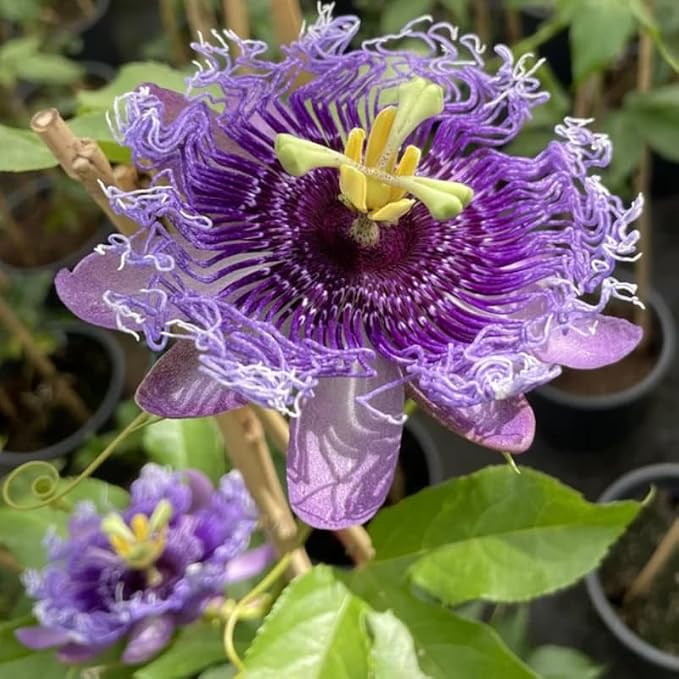
This live Lavender Passion Flower (Passiflora) arrives as a small 4–8 inch vine meant to be trained on a trellis, fence, or arbor. In practice it is a fast-climbing ornamental vine that produces showy light lavender flowers once established and performs best in full sun with moderate watering. The listing notes it can reach 10–30 feet, which makes it a strong choice when you want rapid vertical coverage and a high-impact floral display. It is hardy in USDA zones 6–10 so gardeners in those climates can expect seasonal returns when planted in a sunny spot and given regular moisture. As a live plant sold at a small size, it requires a season of growth before filling a structure and needs training and support as it climbs. Buyers should plan for routine pruning and watching for pests common to vigorous vines. For gardeners prioritizing quick trellis coverage and dramatic blooms, this Passiflora is a practical, garden-ready option that rewards attentive care.
Best for: Gardeners who want a fast-climbing, flowering vine to create dramatic trellis coverage and are prepared to train and maintain a vigorous plant.
Less Ideal for: People seeking an immediate privacy screen or a no-maintenance groundcover should consider alternatives that establish faster or need less upkeep.
- Produces showy light lavender flowers that create strong visual impact on trellises
- Suitable for training on trellises, fences, or arbors and can reach 10–30 feet for fast vertical coverage
- Performs in full sun with moderate watering, making care straightforward for sun-exposed sites
- Hardy across USDA zones 6–10, covering a wide range of temperate climates
- Sold as a small 4–8 inch plant so it needs time and training to reach full coverage
- Requires regular pruning and pest monitoring common to vigorous climbing vines
Verdict: A fast-climbing, showy passionflower vine ideal for gardeners who want high-impact trellis coverage and are willing to train and maintain it.
Sow Right Seeds Tall Mixed Morning Glory Seeds (Heirloom, Non-GMO)

| Indoor Outdoor Usage | Indoor, Outdoor |
|---|---|
| Expected Blooming Period | Summer to Fall |
| Sunlight Exposure | Full Sun |
| Expected Plant Height | 12 feet |
| Material Features | GMO Free, Heirloom |
These Sow Right Seeds morning glory seeds are a straightforward choice for adding fast-growing, showy vines to a trellis or fence. The packet contains at least 1.5 g (about 50 seeds) of heirloom, non-GMO Ipomoea purpurea that germinate in about 5 to 15 days when soil temperatures are 65 to 85°F. Plant in full sun and regular-watering loam; plants reach roughly 8 to 12 feet and quickly cover a vertical structure, producing trumpet-shaped blooms in blue, pink, purple and white across summer to fall. Practical features include clear planting instructions and a high germination rate claim, plus the pollinator- attracting habit makes it useful for wildlife-friendly trellised screens. Limits to expect are the usual for annual morning glories: they take a full season to mature and will die back at frost, and color mix means you cannot guarantee specific bloom colors. This packet is best for gardeners who want an economical, low-effort vine to fill vertical space and support pollinators rather than a permanent or color-controlled planting.
Best for: Gardeners who want an affordable, low-maintenance vining annual to quickly cover trellises or fences and support pollinators in a seasonal display.
Less Ideal for: People seeking permanent woody climbers or precise single-color flowerbeds should choose woody vines or mono-colored cultivars instead.
- Heirloom non-GMO seeds suited for organic-minded gardeners
- Rapid germination window (5–15 days) for quick trellis coverage
- Produces tall vigorous vines that reach 8–12 feet to fill trellises and fences
- Attracts pollinators with abundant trumpet-shaped blooms
- Clear planting guidance and claimed high germination rate
- Annual habit means plants die at first frost and must be replanted each year
- Packet provides a mix of colors so blooms cannot be color-selected
Verdict: A budget-friendly, fast-germinating heirloom morning glory that reliably produces tall, pollinator-friendly vines to quickly fill a trellis.
Blue & White Morning Glory Seeds (Ipomoea tricolor)

| Indoor Outdoor Usage | Outdoor |
|---|---|
| Other Special Features of the Product | Non-GMO |
| Sunlight Exposure | Full Sun |
| Expected Planting Period | Spring to Summer |
| USDA Hardiness Zone | 2-11 |
These morning glory seeds produce fast‑climbing Ipomoea tricolor vines that quickly cover trellises, fences, and containers with trumpet‑shaped blue and white blooms. Sow seeds in spring or start indoors 4–6 weeks before last frost, soak 12–24 hours to speed germination, then plant 1/4 inch deep in well‑draining loam and give plants 6–8 hours of sun. The seeds are untreated, heirloom and non‑GMO, so they appeal to gardeners who prefer simple, low‑input plants. Mature vines reach around 8 feet, making them a strong choice for vertical screening or adding fast color to a trellis. They tolerate occasional dry spells and attract pollinators, so maintenance is mainly training and moderate watering. Limitations are that these are basic seed packets without hybrid vigor or guaranteed germination rates and they perform as perennials mainly in milder zones; colder climates will treat them as annuals. Expect straightforward, budget‑friendly results when you want rapid, dense coverage on a trellis rather than a long‑term structural climber.
Best for: Gardeners who want a low‑cost, easy way to quickly cover a trellis or fence with colorful blooms and prefer simple, untreated seeds.
Less Ideal for: Gardeners seeking highly uniform hybrid performance, guaranteed high germination, or a permanent woody climber for long‑term structural plantings.
- Fast vertical growth suitable for trellises and fences
- Non‑GMO, untreated heirloom seed for simple, natural gardening
- Attracts pollinators and produces showy 2–3 inch flowers
- Wide USDA hardiness range so it can be grown in many climates
- No guaranteed germination rate or enhanced hybrid traits provided
Verdict: A budget‑friendly, fast‑growing seed option to quickly cover trellises with vivid blue and white morning glory blooms.
CZ Grain Wisteria Live Plants (3 pack)

| Expected Blooming Period | Summer to Winter |
|---|---|
| Sunlight Exposure | Partial Shade |
| USDA Hardiness Zone | 3-10 |
| Moisture Needs | Moderate Watering |
These CZ Grain Wisteria plants arrive as healthy, well-rooted young vines about 1–2 feet tall and are intended for fast establishment on trellises, pergolas, fences or in containers. Wisteria floribunda is a vigorous climber noted for long, cascading purple blooms and a long flowering season from summer into winter. Buyers typically plant each vine at the base of a support, train stems up and across structures, and prune annually to control size and encourage flowering. Notable product details include heirloom material, moderate moisture needs, partial shade tolerance, and a wide USDA hardiness range of zones 3–10, which supports reliability across climates. The plants need regular watering the first year to maximize root and shoot growth and will reward patient training with dense foliage and dramatic blooms. Expect the usual wisteria responsibilities: regular pruning to prevent excessive woody growth and sturdy support to handle a mature vine. These are best for gardeners prepared for long-term maintenance rather than a no-care instant screen.
Best for: Gardeners who want a reliable, long-term vining plant to train on a trellis or pergola and who plan to provide routine watering and pruning.
Less Ideal for: Those seeking a low-maintenance instant privacy screen or people unwilling to install strong supports and commit to seasonal pruning.
- Sold as well-rooted live plants ready to transplant
- Fast-growing species suitable for quickly covering trellises and pergolas
- Wide hardiness range (USDA zones 3–10) for use in many climates
- Extended bloom period and fragrant cascading flowers for strong visual impact
- Requires regular first-year watering and ongoing pruning to control vigor and encourage blooms
- Needs a sturdy support structure as mature vines become heavy
Verdict: Choose these well-rooted Wisteria plants when you want a dependable, fast-growing vine that can be trained into a dramatic trellis display with attentive watering and pruning.
Seed Needs Cardinal Climber (Ipomoea x multifida) Seeds — 2 Pack (200 Seeds)

| Expected Blooming Period | Summer to Fall |
|---|---|
| Sunlight Exposure | Full Sun |
| USDA Hardiness Zone | 3,4,5,6,7 |
| Expected Plant Height | 15 feet |
| Material Features | GMO Free, Heirloom |
These Cardinal Climber seeds are intended for gardeners who want a quick, hummingbird-attracting vining annual for a trellis or fence. Sow in spring in full sun and the vines will establish rapidly, producing 1.5-inch red, trumpet-shaped blooms from summer into fall. The packet notes heirloom, non-GMO seed stored in moisture-resistant packaging and offers ample quantity — two packs totaling 200 seeds — so you can plant a dense screen or stagger sowings. The plants prefer average to sandy, not overly nitrogen-rich soil and regular watering, and they reach an expected height of about 15 feet when given support. Expect good germination from fresh seed, but remember these are annuals so foliage dies back with cooler weather and they will not overwinter in cold climates outside their USDA zones. Packet artwork and printed sowing instructions are helpful for less experienced growers, but you should still plan trellis support and routine maintenance to keep the vines tidy and prevent them from smothering neighbors on a shared fence.
Best for: Gardeners who want a fast-establishing, showy annual vine for trellises or privacy screens and who value reliable germination and pollinator attraction.
Less Ideal for: Those seeking a perennial or cold-hardy climber that will return year after year should choose an evergreen or hardy species instead.
- Fast vining habit that quickly covers trellises or fences
- Bright red, trumpet-shaped flowers that attract hummingbirds and pollinators
- Generous seed count (two packs, 200 seeds) allows dense planting or sharing
- Heirloom, non-GMO seeds in moisture-resistant packaging to preserve freshness
- Clear packet instructions and fresh seed for reliable germination
- Annual habit means plants will not persist through winter in colder zones
Verdict: Choose these seeds if you want an easy, fast-growing annual vine that quickly covers a trellis with red, hummingbird-attracting flowers.
Choosing the Right Vining Plants for Trellis: Key Factors to Consider
Climbing Method and Attachment
How a vine attaches to a trellis affects long-term stability and the type of support you need. Some vining plants twine their stems around support, which works well on narrow laths or simple wire trellises. Others use tendrils or adhesive pads that can cling to smooth surfaces; these are good for walls or flat panels but can damage delicate finishes. Knowing the attachment method helps you choose a trellis material and decide whether to add guide lines or training ties.
Attachment also determines how aggressively a plant will cling and how easy it is to redirect growth. Twining vines are generally easy to guide but may require periodic rewiring of shoots. Tendril-bearing climbers can self-anchor quickly and may need occasional removal from unwanted surfaces.
Vigor Relative to Trellis Size
A trellis in a small patio or balcony should host vines with moderate vigor so the structure is not overloaded. Fast, rampant growers can quickly create heavy masses that need frequent pruning and stronger framing. Conversely, slow growers may take several seasons to provide meaningful cover, which matters if you want quick screening.
Estimate mature spread and height and match that to the trellis footprint. Also consider whether the plant self-sows or produces long, arching canes that will require clipping to maintain a tidy shape on the trellis.
Light Requirements and Bloom Timing
Light exposure controls flowering, leaf color, and overall health of trellis vines. Some species bloom best in full sun and will produce few flowers in deep shade. Others tolerate or even prefer part or dappled shade, making them more flexible for north-facing walls or shaded patios.
Also consider bloom timing and duration. A vine that flowers briefly but spectacularly may suit a seasonal focal point, while long-blooming or evergreen vines provide continual screening and year-round interest. Match your desired visual effect and seasonal priorities to the plant's light and flowering profile.
Support Needs and Trellis Material
Different vines pair better with particular trellis materials. Lightweight lattice or bamboo works for twining and delicate vines. Sturdier metal or wood frames are necessary for heavier woody climbers or those that will produce dense foliage and fruit. If you plan to train vines onto walls, consider whether you need a freestanding trellis with spacers to keep plants off the surface.
Trellis spacing and bar thickness influence how easily stems can weave through or wrap around supports. Think about installation access for pruning and whether the trellis will allow for seasonal removal or repositioning of plants.
Maintenance and Pruning Requirements
Climbing plants vary widely in how much time they need each year. Some require only light tip pruning to maintain shape, while others need annual cutting back to control size or encourage flowering. Pruning timing is crucial for many vines because cuts made at the wrong time can remove next season's flower buds.
Consider your willingness to perform regular maintenance. Low-maintenance vines that respond well to occasional tidy-ups are better for busy gardeners or renters. If you enjoy seasonal pruning, you can choose more vigorous or long-lived climbers that reward attention with abundant bloom or denser coverage.
Winter Hardiness and Longevity
Hardiness affects whether a vine will survive your local winters and how much protection it needs. Tender climbers will need winter shelter or to be treated as annuals in colder zones. Hardy woody vines establish long-term structure and can become multi-season anchors on a trellis.
Also consider lifespan. Short-lived annual climbers give quick color but must be replanted, whereas perennial vines build framework and character over years. Factor zone suitability and expected longevity into your planting plan to avoid repeated replanting or unexpected winter losses.
Matching Trellis Type to Plant Habit
Not every trellis suits every vine. For twining vines, choose vertical slats or open lattices that give stems something to wrap around. For tendril-bearing or adhesive climbers, consider trellises spaced close to the wall or freestanding frames with narrow gaps so tendrils have purchase.
Think about future access for pruning and fruit harvest. A lightweight trellis is fine for seasonal annuals, but long-lived woody vines need a robust frame anchored into the ground. For balconies, use slim, corrosion-resistant supports that spare floor space while still allowing vines to climb.
- Open lattice or reed trellis for twining vines
- Wire or cable systems for flexible training and espalier
- Freestanding frames when protecting wall finishes
Training Young Vines to Climb
Start training when shoots are flexible and actively growing. Gently tie new shoots to the trellis with soft ties, guiding them in the direction you want the plant to ascend. Avoid tying too tightly because stems expand and constriction can cause damage.
Remove any shoots heading away from the trellis or those that will crowd the structure. Annual training sessions during the growing season prevent tangles and encourage an even distribution of growth across the support.
- Use soft horticultural ties or strips of fabric
- Retain a mix of older framework canes and new growth
- Prune lateral shoots that compete with the main climbers
Combining Vines with Other Plants
Vines on a trellis create vertical layers you can complement with lower border plants. Choose ground-level companions with similar light and water needs to keep maintenance consistent. Annuals or perennial accents at the base can soften the trellis and hide stems or anchoring hardware.
For pollinator benefits, pair flowering climbers with nectar-rich perennials nearby. If fruiting vines are part of the plan, ensure root competition from surrounding plants will not limit yield.
- Plant low-growing perennials or herbs at the base for consistent watering
- Use a mix of staggered bloom times to extend seasonal interest
- Avoid heavy-rooted shrubs directly next to trellis posts
Managing Pests and Diseases on Trellis Vines
Good airflow through the foliage reduces fungal issues on trellis vines. Prune to open the canopy and avoid dense, shaded pockets that hold moisture. Inspect stems and leaves regularly for signs of aphids, scale, or mildew and act early with appropriate cultural controls.
Sanitation matters. Remove dead or diseased wood promptly and clean tools between pruning sessions to limit spread. For fruiting climbers, remove fallen fruit and debris from beneath the trellis to reduce pest attraction.
- Space canes to encourage airflow
- Remove infected material immediately
- Monitor regularly during warm, humid weather
Seasonal Care and Winter Preparation
Late-season pruning, mulching, and structural checks help trellis vines survive winter stresses. For hardy perennials, reduce topgrowth after dormancy begins but leave protective framework intact. Apply mulch to roots in colder zones to moderate freeze-thaw cycles and protect shallow root systems.
Tender vines may need to be cut back and moved or wrapped for the season. Inspect trellis fixings and anchors each autumn to ensure they can bear the weight of wet or snow-laden foliage the following year.
- Apply insulating mulch around root zone
- Secure or remove unsupported stems before storms
- Check trellis anchors annually
How We Chose the Best Vining Plants for Trellis
We focused on practical garden behavior and structure compatibility when selecting these vining plants for trellis. Key evaluation criteria included climbing habit and attachment method, vigor and growth rate, light and soil adaptability, flowering or foliage interest, and maintenance demands such as pruning and training. We prioritized plants that reliably ascend trellis systems rather than those that need specialized supports or constant intervention. Plants were excluded if they are invasive in most regions, require ground-level rambling rather than vertical support, or need large trees for support. We also filtered out varieties that consistently fail to flower on trellis systems or whose growth habit is unpredictable in small garden spaces. The final picks balance manageable vigor with dependable climbing behavior, clear seasonal interest, and straightforward maintenance requirements so gardeners know what to expect when planting on a trellis.
FAQ
Can any vine be trained on a trellis?
Not every vine is well suited to trellis culture. Some vines are ground-creepers or need large tree supports. Choose species with climbing habits that match your trellis type, such as twining, tendril-bearing, or adhesive-clinging varieties.
How often should I prune a vine on a trellis?
Pruning frequency depends on vigor and flowering habit. Many vines benefit from light training during the growing season and a more substantial cutback once or twice a year. Time pruning to avoid removing next season's flower buds for bloom-dependent species.
What trellis material works best for vines?
Material choice depends on plant weight and attachment. Bamboo or wooden lattice suits lightweight twining vines, while metal or heavy timber frames are better for woody, vigorous climbers. For wall-grown vines, use spaced supports to prevent direct adhesion to surfaces.
Will a vine damage my house if grown on a trellis?
When vines are trained onto a freestanding trellis or a support spaced slightly away from a wall, they are unlikely to damage the house. Vines that cling directly to masonry with adhesive pads can cause surface issues over time. Use a freestanding or spaced trellis to protect finishes.
How quickly will a trellis vine provide coverage?
Coverage speed varies by species and growing conditions. Fast growers can fill a small trellis in a single season, while slower perennials may take several years to establish a full screen. Consider seasonal growth rates when planning for screening or privacy.
Can I mix annual and perennial vines on the same trellis?
Yes. Mixing can provide immediate color from annuals while perennials build structure. Ensure the plants share light, water, and soil preferences so maintenance remains consistent and one type does not outcompete the other.
Final Verdict
Pick vining plants for trellis based on how they attach, their vigor, and the light conditions where they will grow. Prioritize climbing reliability and appropriate support so the trellis remains stable and the plant performs as expected. Balance quick coverage with long-term structure depending on whether you want immediate screening or a perennial framework. Accept tradeoffs between low-maintenance, slower growers and fast, high-maintenance climbers. With a clear plan for support, training, and seasonal care you can choose a vine that fits your trellis and garden routine confidently.
