

Note: This article contains affiliate links. If you click on these links and make a purchase, I may earn a small commission at no extra cost to you. This helps support my research and content. Read my full affiliate disclosure here.
Growing trees in containers opens up shade, structure, and seasonal interest for patios, balconies, and small yards where in-ground space is limited. Choosing the right tree for a pot affects growth rate, root health, and winter survival, so it matters more than picking a pretty species on sight. This guide covers six shortlisted trees that perform well in containers and explains the practical tradeoffs that gardeners face with root pruning, winter protection, watering frequency, and pot size. Read on to understand the evaluation criteria we used and the kinds of maintenance each container tree will require.
Top Picks at a Glance
| Best Overall The best all-around choice for most situations | Costa Farms Money Tree (Pachira aquatica) Live Indoor Plant in Decorative Pot |  |
| Best Quality Built to a higher standard if you want something more solid | Live Dwarf Juniper Bonsai Tree (3 Years) in Nursery Pot |  |
| Best Value The sweet spot between price and what you get | PERFECT PLANTS Chicago Hardy Fig Tree, 3 Gallon, Live Plant |  |
| Best Budget The cheapest option that still gets the job done reliably | Hirt's Gardens Dwarf Pomegranate Plant (2.5" Pot) |  |
| Highest Rated A top-rated pick with lots of positive feedback | MYSHELFIE Pygmy Date Palm (Phoenix roebelenii) Live Plant, 2.5-inch Pot |  |
| Most Popular A crowd favorite that many people choose with confidence | American Plant Exchange Arbequina Olive Tree (potted live plant, 5" pot) |  |
Costa Farms Money Tree (Pachira aquatica) Live Indoor Plant in Decorative Pot

| Indoor Outdoor Usage | Indoor |
|---|---|
| Other Special Features of the Product | Air Purification, Low Maintenance, Pet Friendly |
| Sunlight Exposure | Partial Shade |
| Moisture Needs | Moderate Watering |
| Product Care Instructions | Bright, Indirect Light, Water Weekly |
The Costa Farms Money Tree is a beginner-friendly indoor tree grown and shipped ready to display in a decorative pot. It is typically used as a tabletop or small floor accent where bright, indirect light is available. Notable features include the signature braided trunk, pet-safe foliage, and packaging designed to protect the plant during transit. Practically, it offers easy care: water when the top 2 inches of soil feel dry and keep it in bright, filtered light, which makes it forgiving if you miss an occasional watering. The pre-potted presentation removes the immediate need to repot and gives an instant finished look for desks, entryways, or living rooms. Limitations to expect are that it prefers consistent indirect light and moderate moisture, so darker rooms or chronic overwatering will hamper growth, and the medium size is a tabletop rather than a large floor specimen. For buyers focused on easy success and decorative impact, this Money Tree balances aesthetics and low effort, though long-term growers may eventually want to repot for fuller development.
Best for: Buyers who want an attractive, low-effort houseplant that looks finished out of the box and is safe around pets, especially those who value straightforward care and reliable arrival. Ideal for people adding easy greenery to desks, shelves, or small living spaces.
Less Ideal for: Experienced collectors seeking a large specimen tree or anyone needing a plant that thrives in dim light should consider other options.
- Arrives pre-potted in a decorative planter for immediate display
- Pet-safe, non-toxic foliage suitable for households with cats and dogs
- Forgiving care needs that tolerate occasional missed waterings
- Distinctive braided trunk adds architectural, designer appeal
- Not ideal for low-light rooms since it prefers bright, indirect light
- Medium/tabletop size may be too small for buyers seeking a large floor statement plant
Verdict: A stylish, pet-safe Money Tree that delivers easy, low-stress greenery already potted and ready to display.
Live Dwarf Juniper Bonsai Tree (3 Years) in Nursery Pot

| Tree Type | Bonsai |
|---|---|
| Plant or Animal Product Type | Bonsai |
| Material Type | Plastic (nursery pot) |
| Recommended Uses For Product | Outdoor patio accent, Garden display, Gardening hobby and training |
This dwarf juniper bonsai is a ready-to-display three-year-old outdoor tree hand-trimmed and shipped in a plastic nursery pot. It is meant to be kept outdoors where it receives natural sunlight and ventilation; typical use is as a patio or balcony accent, training specimen for bonsai techniques, or a low-footprint container tree that can be repotted into a decorative bonsai pot after acclimation. Notable features include pre-shaped hand trimming that saves setup time and clear seasonal care guidance such as twice-daily thorough watering in summer and reduced morning-only watering in winter. Practical benefits are immediate visual impact, an established root system in a nursery pot, and a plant type (juniper) that tolerates container culture and styling. Important limitations are that it is not intended as a permanent indoor plant and requires regular watering and sunlight to stay healthy, so it needs commitment and appropriate outdoor placement rather than a forgettable houseplant.
Best for: Gardeners who want an established, performance-ready bonsai for outdoor container culture and who prioritize a plant they can style and train immediately.
Less Ideal for: People seeking a low-maintenance indoor houseplant or buyers unwilling to provide regular outdoor light and seasonal watering care.
- Hand-trimmed and pre-shaped for immediate aesthetic appeal
- Established three-year-old specimen suited to container bonsai culture
- Shipped in a sturdy plastic nursery pot ready for placement or repotting
- Clear seasonal care instructions that guide watering frequency
- Not suitable for permanent indoor use and needs outdoor light and ventilation
- Requires frequent summer watering which increases maintenance time
Verdict: A ready-to-style outdoor bonsai that delivers instant visual impact for gardeners who want an established, container-friendly tree to train and display.
PERFECT PLANTS Chicago Hardy Fig Tree, 3 Gallon, Live Plant
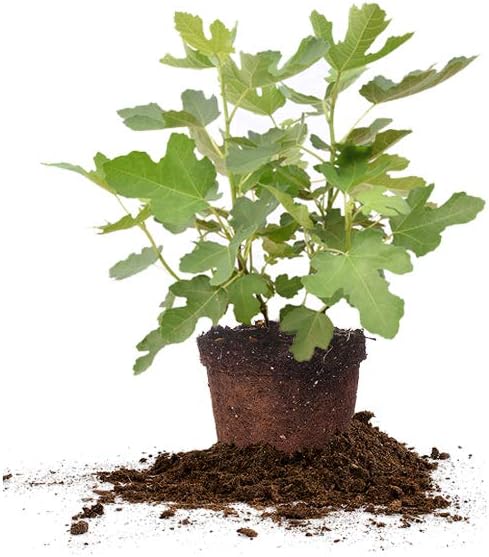
| Sunlight Exposure | Full Sun |
|---|---|
| Moisture Needs | Moderate Watering |
| Other Special Features of the Product | Easy To Use |
| Item Type Name | Live Plant |
The Chicago Hardy Fig in a 3-gallon container is a live fruit tree meant for buyers who want a productive, low-fuss fig they can keep on a patio or plant in the landscape. It arrives as a young tree with upright, leggy branches and large green leaves and is described as self-pollinating and cold-hardy, so it will set fruit without another tree and tolerate below-freezing temperatures. Typical use is planting in full sun either directly in the ground or in a large pot; the included fig food and care guide simplify first-season establishment. Practical benefits include strong fruiting potential, suitability for container culture when pruned and managed, and resilience to cold snaps that extend its geographic usability. Important limitations are its eventual mature size, which can be large if planted in ground, and the need for regular watering and pruning when grown in pots to control vigor and keep fruiting within reach. Buyers should expect to invest time in seasonal pruning and container maintenance to get reliable harvests.
Best for: Gardeners who prioritize fruit production and want a dependable, cold-tolerant fig they can grow on a sunny patio or in a container with attentive pruning and watering.
Less Ideal for: People with very small balconies or those unwilling to perform seasonal pruning and container care should consider smaller dwarf varieties instead.
- Self-pollinating so it sets fruit without another fig tree nearby
- Cold-hardy variety that tolerates below-freezing temperatures
- Comes in a ready-to-plant 3-gallon container with a care guide
- Suitable for full-sun locations and can fruit reliably when established
- Matures into a large tree if planted in ground, requiring significant space or regular pruning
- Needs consistent watering and container maintenance when grown in pots
Verdict: Choose this cold-hardy, self-pollinating fig when you want a productive fruit tree that can be grown in a large pot or planted in sunny landscapes for dependable annual harvests.
Hirt's Gardens Dwarf Pomegranate Plant (2.5" Pot)

| Indoor Outdoor Usage | Indoor, Outdoor |
|---|---|
| Expected Blooming Period | Fall |
| Sunlight Exposure | Full Sun |
| Soil Type | Sandy Soil |
| Moisture Needs | Moderate Watering |
The Hirt's Gardens dwarf pomegranate is a compact ornamental and fruiting shrub sold in a small pot that can be kept indoors or moved outside for more sun and sweeter fruit. Buyers typically grow it as a potted specimen, bonsai, or patio plant where it provides bright orange-red flowers in fall followed by small edible fruits. The listing notes it prefers full sun, sandy soil, and moderate watering, which makes it straightforward to care for on a sunny windowsill or a sunny balcony. Its small size and tendency to stay compact when container-confined make it a low-footprint choice for tight outdoor spaces or for gardeners who want seasonal color and occasional fruit without a full tree. Limitations are its need for good light to fruit well and that it will perform best in warmer zones or protected microclimates; heavier fertilizing is recommended for larger outdoor growth. Expect a decorative, easy-to-manage plant rather than a high-yield fruit tree.
Best for: Buyers looking for an inexpensive, space-saving fruiting shrub or bonsai-style specimen for a sunny windowsill, balcony, or small patio who prioritize low cost and easy maintenance.
Less Ideal for: Gardeners wanting a high-yield fruit tree or large shade tree should choose a larger outdoor cultivar planted in the ground rather than this potted dwarf variety.
- Compact size suitable for small pots or bonsai training
- Produces showy orange-red blooms and ornamental edible fruit
- Can be grown indoors or moved outdoors to increase fruit sweetness
- Straightforward care: moderate watering and sandy, well-draining soil
- Requires strong, consistent light to flower and fruit well
- Performs best in warmer climates or protected outdoor locations
Verdict: A budget-friendly, small pomegranate that delivers seasonal flowers and edible fruit while fitting easily into pots and tight outdoor spaces.
MYSHELFIE Pygmy Date Palm (Phoenix roebelenii) Live Plant, 2.5-inch Pot

| Indoor Outdoor Usage | Outdoor |
|---|---|
| Sunlight Exposure | Full Sun To Partial Shade |
| USDA Hardiness Zone | 7-11 |
| Soil Type | Well-draining, Fertile Soil |
| Moisture Needs | Moderate, Water Regularly But Allow Soil To Dry Between Waterings |
The Pygmy Date Palm (Phoenix roebelenii) in a 2.5-inch nursery pot is a classic small palm for container growers who want a reliable, low-maintenance tropical look. It arrives as a starter plant that is easy to place in a patio container, sunroom, or bright indoor spot and develops graceful, feathery fronds that add height and texture without rapid size increases. Key features are its slow to moderate growth habit, tolerance of full sun to partial shade, and suitability for USDA zones 7 to 11, which makes it adaptable across many warm-climate garden settings. Care is straightforward: well-draining fertile soil, moderate watering with drying between waterings, occasional pruning to shape, and seasonal fertilizing. Limitations to expect are its small nursery-pot size at purchase, so you will need to pot up as it establishes, and it is not appropriate for cold climates or sites with prolonged frost. For buyers seeking a dependable container tree that offers a long-lived, manageable silhouette, this pygmy palm is a practical choice.
Best for: Gardeners who want a dependable, easy-care container tree that provides a tropical look without rapid growth and who prioritize predictable performance over novelty.
Less Ideal for: Those wanting an instant large specimen or gardeners in climates with regular freezing temperatures should consider hardier or larger alternatives.
- Compact starter size suits containers and small patios
- Slow to moderate growth makes it manageable in pots
- Tolerates full sun to partial shade for flexible placement
- Simple care: moderate watering, well-draining soil, and occasional pruning
- Ships in a small 2.5-inch pot so repotting is needed soon after purchase
- Not hardy in cold climates and requires protection from frost
Verdict: A small, slow-growing palm that reliably delivers a tropical container-ready presence for gardeners who want a manageable tree that performs consistently.
American Plant Exchange Arbequina Olive Tree (potted live plant, 5" pot)

| Indoor Outdoor Usage | Indoor, Outdoor |
|---|---|
| Sunlight Exposure | Full Sun |
| USDA Hardiness Zone | 7b, 8, 9, 10, 11 |
| Moisture Needs | Moderate Watering |
| Material Features | Fruit-producing, Live Plant, Potted in nursery pot |
This Arbequina olive arrives as a small, potted live plant intended for indoor or outdoor placement in full sun and well-draining soil. It is typically used as a patio or balcony specimen in a 5" nursery pot before being moved into a larger container or planted in the ground; buyers should expect to repot it as it grows. Notable features include drought tolerance once established, moderate watering needs (about every 1–2 weeks with soil allowed to dry slightly), and a compact, fruit-producing habit that makes it practical for edible container gardening. Practical benefits are straightforward: attractive evergreen foliage, air-purifying presence, and potential olive harvests from a cultivar known for small, flavorful fruit. Important limitations are that it requires consistent full sun and seasonal care such as occasional pruning to maintain shape and encourage fruiting, and the small 5" pot means it will need repotting sooner rather than later to reach its productive potential in a container setting.
Best for: Buyers looking to grow an edible, low-maintenance tree on a balcony, patio, or small yard who prioritize practical, space-efficient plants that can be moved or repotted as they grow.
Less Ideal for: People who cannot provide consistent full sun or who want a fully mature, maintenance-free tree immediately instead of a young plant that needs ongoing care and pot upgrades.
- Suitable for container growing in sunny spots and can fruit in pots once established
- Low to moderate watering needs and good drought tolerance after establishment
- Compact, attractive evergreen foliage adds year-round interest
- Arrives potted and ready to repot or place on a patio
- Ships in a small 5" nursery pot so repotting is required to reach long-term size and productivity
- Requires full sun exposure to thrive and set fruit
Verdict: An efficient choice for practical gardeners who want a compact, fruiting olive tree they can grow successfully in a sunny pot with routine repotting and basic care.
Choosing the Right Trees That Can Stay in Pots: Key Factors to Consider
Mature Size and Growth Habit
Containers constrain aboveground growth just as they limit roots, so understanding a tree's mature height and branch spread is essential. Choose species or cultivars with naturally compact habits or that are commonly grown as dwarf or patio varieties. Fast-growing trees quickly outgrow pots and demand frequent root pruning or repotting, while slow-growing types are often easier to maintain long term.
Growth habit also affects placement. Columnar or narrow trees suit tight balconies, while weeping or multi-stem forms work well where you want focal movement or layered shade. Always allow space for seasonal extension of branches and leaves when planning pot location.
Root System Behavior and Pot Tolerance
Some trees tolerate being root-bound and adjust by producing fine feeder roots that function in shallow volumes. Others develop deep taproots or aggressive, circling roots that cause decline in containers. Look for species known to handle root restriction or that are commonly trained in containers.
Pot material and size influence root temperature and moisture. Choose containers large enough to give a breathing root mass but not so big that soil stays wet and rots roots. Expect to repot or root-prune periodically to refresh soil and control vigor.
Cold Hardiness and Winter Protection
Potted trees experience colder root temperatures than in-ground specimens because container walls are exposed to air. A tree that is marginally hardy in the ground may die back in a pot during a cold snap. Consider both the species hardiness and additional protections such as wrapping pots, moving containers to sheltered spots, or insulating with mulch or straw.
If you live in a zone with regular freezes, prioritize trees with proven container hardiness for your zone or plan to overwinter pots in a protected garage or unheated greenhouse to reduce freeze-thaw stress on roots.
Watering Frequency and Feeding Requirements
Soil in containers dries and warms faster than garden beds, so container trees often need more frequent irrigation, especially in summer. Some species demand consistently moist soil while others tolerate brief dry periods. Match a tree to how often you can water. Drip irrigation or self-watering containers can reduce daily chores for thirsty trees.
Containers also leach nutrients with frequent watering, so regular feeding with balanced fertilizers or slow-release formulas keeps foliage and flowering healthy. Understand a species' nutrient needs before committing because heavy feeders mean more frequent fertilization.
Pruning and Training Needs
Many container trees benefit from regular pruning to manage size, encourage a desirable form, and keep root-to-shoot balance. Choose species that respond well to trimming and tolerate crown reduction without excessive stress. Trees that can be trained as multi-stem specimens or top-grafted into a single-stem standard give more design flexibility.
If you want a low-maintenance specimen, avoid trees that require precise pruning to prevent weak branching or that produce large quantities of debris. For formal container specimens, expect periodic shaping and removal of watersprouts.
Pest, Disease Susceptibility, and Longevity
Containers can concentrate pests and pathogens, and poor drainage or soil compaction increases vulnerability. Prefer species with documented resistance to common container problems or those that tolerate periodic stress without rapid decline. Longevity in a pot also depends on root health and repotting discipline; some trees live for decades in containers with proper care while others decline after a few seasons.
Account for available maintenance time. If you do not want to monitor for pests or treat diseases, choose types known for resilience in confined soils and drier root conditions.
Choosing the Right Container and Soil
Container choice affects root temperature, moisture retention, and stability. Terra-cotta breathes but dries fast, while resin or glazed pots retain moisture longer and resist cracking in freeze-thaw cycles. Match container size to the tree's current root ball, leaving room for a year or two of growth.
Use a well-draining, loam-based potting mix amended with coarse grit or perlite to prevent waterlogging. Avoid straight garden soil because it compacts and reduces oxygen to roots. For long-lived container trees, plan a repotting schedule and refresh at least part of the rootball every two to four years.
- Choose a pot at least 2 to 4 inches wider than the root ball for small specimens
- Include drainage holes and a saucer or tray to protect surfaces
- Consider lightweight materials for rooftop or balcony placement
Placement, Light, and Microclimate
Most container trees need the same light exposure they would get in the ground. Site plants where they receive the required sun hours and where the microclimate reduces wind stress and temperature extremes. South and west exposures are warmer and drier, while north-facing locations stay cooler.
Be mindful of reflected heat from walls and pavement which can increase water stress. In colder climates, place pots against a sheltered wall to benefit from thermal mass during winter. If you must move heavy pots, set them on wheeled dollies to allow seasonal repositioning.
- Monitor afternoon sun intensity for leaf scorch risk
- Use windbreaks or screens to protect delicate branches
- Consider temporary shade cloth for very hot summers
Watering and Feeding Rhythm
Establish a predictable watering routine and adjust seasonally. Check soil moisture by finger or probe before irrigating; the top inch dries faster but roots deeper may still be moist. Water deeply until excess drains to encourage roots to explore the full container depth.
Feed container trees according to growth and flowering cycles. Use a balanced liquid feed during active growth and reduce feeding in winter when roots are less active. Slow-release granules at potting time help maintain steady nutrition between liquid feeds.
- Increase watering frequency in hot, windy conditions
- Flush containers periodically to prevent salt buildup
- Top-dress with compost or slow-release fertilizer annually
Overwintering and Cold-Weather Tactics
Protecting roots is the main winter challenge for potted trees. Raise pots off frozen surfaces, insulate containers with bubble wrap or burlap, and cluster pots to reduce exposure. For very tender trees, move containers into an unheated garage or sheltered porch for the coldest months.
Avoid sudden temperature swings by staging gradual changes in exposure. Keep watering minimal during dormancy but do not let pots dry to the point of desiccation. Check for rodent damage when pots are stored near buildings or compost heaps.
- Use foam or straw insulation around pots in free-thaw zones
- Choose darker-colored pots to absorb solar warmth on cold days
- Raise pots on feet to reduce freeze-thaw damage from standing water
Common Maintenance Tasks for Long-Term Success
Routine tasks include seasonal pruning, root pruning or partial repotting, monitoring for pests, and keeping the soil structure healthy. Establish a calendar for actions: spring training cuts, summer thinning, autumn inspections, and winter protection prep.
Be ready to sacrifice some top growth when root restriction limits vigor. Periodic root pruning and soil refresh keeps a container tree balanced and reduces the chance of decline from a dense, circling root mass.
- Inspect roots every 2 to 4 years and repot when necessary
- Remove dead or crossing branches to maintain airflow
- Record feeding and watering patterns to refine care
How We Chose the Best Trees That Can Stay in Pots
We selected these container-suitable trees based on measurable horticultural traits that predict success in a pot. Key evaluation dimensions included mature size and growth habit to ensure the tree stays proportionate to typical patio containers, root system behavior and tolerance of root restriction, cold-hardiness and overwintering needs for a range of climates, and watering and feeding demands which determine how labor-intensive the tree will be in a container. We also considered pest and disease resistance in confined conditions and how well the species responds to pruning and bonsai-style maintenance. Excluded from the list were trees that require extensive in-ground root space, species with highly invasive roots or large taproots that are unlikely to thrive when root-bound, and trees that need specialized soil chemistry or constant greenhouse conditions. The final selections favor trees that balance ornamental value with realistic container maintenance loads so gardeners can choose by space, climate zone, and the time they want to spend on upkeep.
FAQ
How large should a pot be for a young tree?
Start with a pot a few inches wider and deeper than the nursery root ball to give roots room for a season or two. Oversizing a pot can lead to soggy soil, so avoid dramatically larger containers unless you plan a well-draining mix and careful watering.
Can any tree survive in a pot if I prune the roots?
Not any tree. Root pruning helps many species adapt to pots, but trees with deep taproots or aggressive root systems often struggle long term. Choose species known for container tolerance and prune conservatively to maintain root-to-shoot balance.
How often do container trees need to be repotted?
Repotting frequency depends on species and pot size but typically ranges from every two to five years. Faster growers or smaller pots need more frequent attention to refresh soil and remove circling roots.
What winter protections are most effective for potted trees?
Insulating pot sides, elevating pots off frozen ground, and moving sensitive trees to sheltered locations are effective measures. For severe winters, storing containers in an unheated garage or wrapping with insulating materials can prevent root damage.
How do I prevent my potted tree from becoming root-bound?
Schedule periodic root inspections and perform root pruning when roots circle the rootball. Replacing some of the soil with fresh mix at repotting and selecting slightly larger pots at intervals helps manage root confinement.
Final Verdict
Container trees let you add scale and seasonal interest where in-ground planting is not possible, but success depends on matching species to pot constraints and your maintenance willingness. Prioritize trees with compact habits, good root restriction tolerance, and appropriate cold hardiness for your location. Balance the tradeoffs between watering needs, pruning frequency, and winter protection when choosing. With the right container, soil, and a modest schedule of pruning and repotting, you can enjoy a stable, long-lived tree in a pot that complements your outdoor space.
