

Note: This article contains affiliate links. If you click on these links and make a purchase, I may earn a small commission at no extra cost to you. This helps support my research and content. Read my full affiliate disclosure here.
Aloe plants need a growing medium that sheds excess water fast while still supplying modest nutrients for steady growth. Choosing the right potting soil for aloe reduces root rot risk, helps maintain firm, attractive leaves, and makes routine watering simpler. This guide covers seven shortlisted potting soils suited for alo e use, each vetted for drainage, texture, and nutrient profile. Below you will find practical guidance on what matters when potting or repotting aloe and how the shortlisted mixes perform against those needs.
Top Picks at a Glance
| Best Overall The best all-around choice for most situations | Miracle-Gro Succulent Potting Mix, 4 qt. |  |
| Best Quality Built to a higher standard if you want something more solid | Happy Trees Premium Cactus & Succulent Potting Soil Mix, 8 qt |  |
| Best Value The sweet spot between price and what you get | Bonsai Jack Jack's Gritty Mix #111 Succulent and Cactus Soil (2 Quarts) |  |
| Best Budget The cheapest option that still gets the job done reliably | Doter Aloe Vera Potting Soil Mix, 1 qt |  |
| Highest Rated A top-rated pick with lots of positive feedback | Rosy Soil Indoor Plant Soil Bundle — Organic Cactus & Houseplant Potting Mixes, 4 qt each |  |
| Most Popular A crowd favorite that many people choose with confidence | Miracle-Gro Indoor Potting Mix for Cactus & Succulent, 8 qt. (2-Pack) |  |
| Best Seller A high-volume bestseller chosen again and again | Back to the Roots Organic Succulent & Cacti Soil, 6 Quart |  |
Miracle-Gro Succulent Potting Mix, 4 qt.

| Brand Name | Miracle-Gro |
|---|---|
| Unit Count | 128 Ounce |
| Item Type Name | Indoor Cactus Plants, Aloe Vera and More |
| Style Name | Succulent |
| Ingredients | Sphagnum Peat Moss, Processed Forest Products, Fertilizer, Wetting Agent |
This 4-quart Miracle-Gro Succulent Potting Mix is designed for indoor succulents such as aloe vera and other small cacti and rosette plants. The bag contains a blend of sphagnum peat moss, processed forest products, and a built-in plant food so you get a light, aerated medium that drains more quickly than standard potting soil. In practice it is used for repotting or filling containers with drainage holes; the package fills roughly an 8-inch pot and the manufacturer recommends feeding with a compatible cactus and succulent fertilizer about a month after planting. The mix makes repotting straightforward because it is loose enough to tease roots and settle around root balls, and the added fertilizer gives plants an immediate nutrient boost. Important limitations are the small volume for gardeners who need multiple pots and that ingredients include peat moss and a wetting agent, which some buyers avoid for environmental or moisture-preference reasons. For routine indoor aloe care this is a convenient, ready-to-use option that simplifies repotting and early feeding.
Best for: Buyers who want an easy, ready-made soil specifically for indoor succulents like aloe and prefer a fast-draining, feed-included mix for occasional repotting.
Less Ideal for: Gardeners who need large volumes for many containers or who prefer a peat-free or custom DIY succulent mix should look elsewhere.
- Formulated for succulents and cacti so it drains faster than all-purpose potting mixes
- Contains built-in Miracle-Gro plant food to give plants an initial nutrient boost
- Loose, aerated texture makes repotting and root placement easy
- Appropriate volume for a single 8-inch container, handy for individual repots
- Small 4 qt. bag provides limited coverage if you have several pots to fill
- Contains sphagnum peat moss and a wetting agent, which some buyers avoid
Verdict: A convenient, fast-draining potting mix with built-in plant food that makes repotting and early care of indoor aloe and other succulents quick and simple.
Happy Trees Premium Cactus & Succulent Potting Soil Mix, 8 qt

| Brand Name | Happy Trees Hemp |
|---|---|
| Item Highlight | Professional Mix for Agaves, Aloes, Echeverias, Euphorbias and cacti |
| Volume | 8 quarts |
| Item Weight | 10 pounds |
This cactus and succulent mix is built for dryland plants and works well for performance-focused growers who want reliable drainage and root health. The professional-grade blend uses pumice, lava rock, coarse sand, fir bark fines, and biochar to create an open, mineral texture that reduces compaction and speeds drying after watering. Use it straight from the bag for repotting aloes and other succulents or mix into heavier soils to improve aeration and prevent root rot. Practical benefits include stable anchoring for top-heavy rosettes, faster soil warming in pots, and less frequent issues with overwatering. It is peat-free and aimed at growers who prefer an inorganic-leaning substrate. Limitations are that the mix will dry faster than standard potting soil, so plants in very hot, dry locations may need more frequent checks, and gardeners who want a moisture-retentive, all-purpose potting medium may find it too lean.
Best for: Growers who prioritize plant performance and root health for aloes and other succulents and who prefer a fast-draining, mineral-rich substrate to prevent overwatering problems.
Less Ideal for: Casual gardeners seeking a moisture-retentive, all-purpose potting soil or those who cannot check watering frequently should consider a different blend.
- Fast-draining mineral blend reduces risk of root rot for aloes and other succulents
- Contains pumice, lava rock, and coarse sand to maintain open structure and airflow to roots
- Ready-to-use straight from the bag for repotting or amending heavier soils
- Peat-free formulation with biochar for stable structure and improved drainage
- Dries out more quickly than standard potting mixes, requiring closer watering attention
Verdict: Choose this mix when you want a performance-oriented, fast-draining substrate that helps aloes and succulents develop strong, healthy roots.
Bonsai Jack Jack's Gritty Mix #111 Succulent and Cactus Soil (2 Quarts)

| Unit Count | 64 Ounce |
|---|---|
| Item Type Name | Gritty Mix #111 – Fast Draining – Zero Root Rot – Optimized pH |
| Manufacturer | Bonsai Jack |
| Volume | 0.47 liters |
Bonsai Jack Jack's Gritty Mix is a ready-to-use soil blend designed to keep succulents and cacti dry between waterings. It is typically used when repotting or top-dressing Aloe, Echeveria, Haworthia and similar plants that need excellent drainage. The mix combines crushed bonsai block, montmorillonite clay and pine coir fines so particles stay chunky but still include fines that help retain minimal moisture. The practical benefits are straightforward: water moves through quickly, pH is tuned for acid-loving succulents, and the washed components reduce dust and soluble salts. That makes it easier to avoid overwatering and root rot, especially for plants that prefer “dryer feet.” Important limitations are that it is not suitable for many standard houseplants or certain succulents that like more moisture, and the small bag size means frequent repurchasing for larger collections. Also this is a specialist gritty mix so beginners should follow the repotting instructions to avoid disturbing roots or removing necessary fines.
Best for: Buyers who want a low-maintenance, fast-draining potting medium for Aloe and similar drought-tolerant succulents and who prioritize reliable root health over moisture retention.
Less Ideal for: Gardeners who keep mixed houseplant collections that include moisture-loving species or who prefer an all-purpose potting soil for many plant types.
- Ultra-fast drainage reduces risk of root rot for drought-tolerant plants
- Particle mix includes fines for stable root support while allowing air flow
- pH optimized for succulent and cactus species
- Washed components lower dust and soluble salts versus untreated mixes
- Not suitable for moisture-loving houseplants or some string-type succulents
- Small volume per bag requires multiple purchases for medium to large collections
Verdict: If you need a specialist fast-draining mix to keep Aloe and other drought-tolerant succulents healthy, this gritty blend is built for that purpose.
Doter Aloe Vera Potting Soil Mix, 1 qt
| Brand | Doter |
|---|---|
| Item Type | Garden soil |
| Volume | 1 quarts |
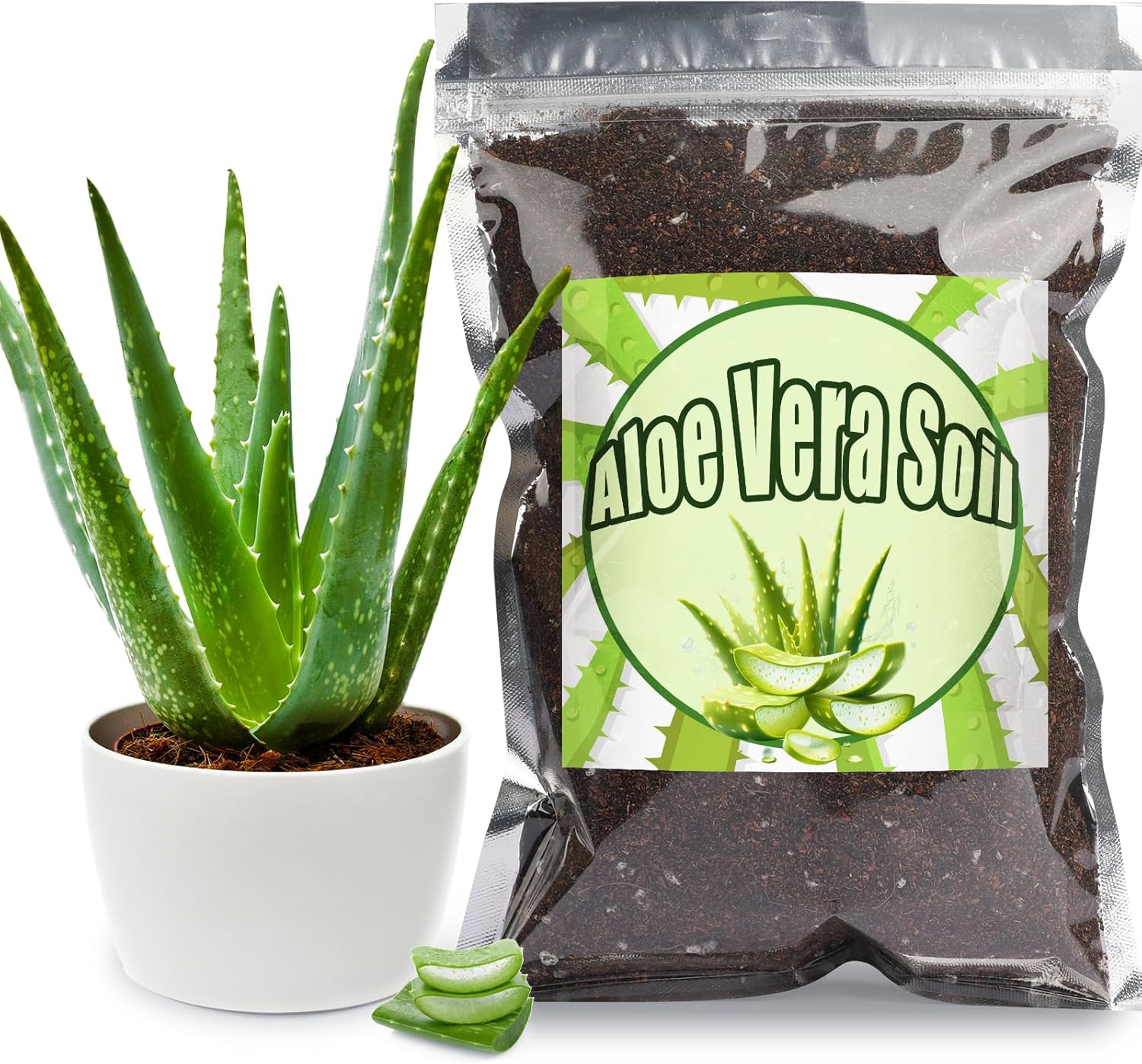
This 1 quart Doter Aloe Vera Potting Soil is a purpose-formulated mix for aloe and similar succulents. It is designed to provide good drainage and aeration to reduce the risk of waterlogged roots while supplying a measured amount of nutrients to support leaf plumpness and steady growth. In practice the bag works well for repotting small plants, filling starter containers, or top-dressing older pots where you only need a little fresh medium. The mix is convenient because it is ready to use out of the bag and sized for trialing different plants or supplementing larger pots. Important limitations are the small volume and lack of detailed ingredient percentages, so you may need larger quantities or to amend the mix with extra pumice or coarse grit for very airy cactus mixes. The balanced pH and nutrient content make it a sensible grab-and-go option for casual growers who want a low-effort soil tailored to aloe care.
Best for: Buyers looking for an inexpensive, grab-and-go potting mix to repot or refresh a few small aloe plants or succulents without custom blending.
Less Ideal for: Gardeners who need large volumes for multiple pots, professional growers, or those who prefer to create custom, highly airy cactus mixes from base components.
- Formulated for good drainage and aeration to help prevent root rot
- Includes balanced nutrients to support healthy foliage and root development
- Ready to use straight from the bag for quick repotting or top-dressing
- Small 1 quart size is convenient for testing plants or small repotting jobs
- Only 1 quart volume so not suitable for repotting multiple or larger plants
- No ingredient ratios or detailed composition provided for precision mixing
Verdict: A convenient, budget-friendly 1 quart potting mix tailored to aloe vera care for small repots and trial plants.
Rosy Soil Indoor Plant Soil Bundle — Organic Cactus & Houseplant Potting Mixes, 4 qt each

| Volume | 4 quarts |
|---|---|
| Unit Count | 256 Ounce |
| Style Name | Nutrient-rich, indoor potting soil mix with cactus & succulent specific additives |
| Ingredients | Biochar, Pumice, Mycorrhizae, Sand, Pine Bark Fines, Compost |
This Rosy Soil bundle is designed to cover both drought-tolerant succulents like aloe and common tropical houseplants. The cactus and succulent mix is chunky and gritty to encourage rapid drainage and aeration, which helps prevent root rot in plants that prefer to dry between waterings. The houseplant formula blends biochar, worm castings, and mycorrhizae to improve moisture retention while keeping the root zone airy, useful for pothos, monstera and herbs. Both bags are peat-free and include beneficial microbes and fungi, reducing the need for frequent fertilizing and supporting long-term root health. The resealable bags are convenient for portioning and the included planting guidance is helpful for less experienced growers. Limitations are the small bag size—each 4 quart bag only fills a few medium pots—so serious collectors will need multiple bundles, and the mixes are labeled for indoor use only. For reliability-focused growers, the predictable drainage of the succulent mix and the living-soil components in the houseplant mix make consistent results more likely from repotting to routine care.
Best for: Buyers who prioritize reliable, low-risk repotting for indoor aloe and mixed houseplant collections and want mixes that support healthy roots with minimal extra inputs.
Less Ideal for: Gardeners needing large volumes for outdoor beds or heavy landscaping projects should look for bulk garden soil options instead.
- Separate mixes for succulents and houseplants match different water needs
- Chunky, gritty cactus mix promotes fast drainage and reduces overwatering risk
- Houseplant mix contains biochar, worm castings and mycorrhizae to support root health and nutrient availability
- Peat-free, sustainably formulated ingredients
- Small 4 quart bag sizes mean you may need multiple bags for several pots
- Labeled for indoor use only so not suited for outdoor planting projects
Verdict: Provides dependable, plant-type specific indoor mixes—fast-draining gritty soil for aloe and a microbially active houseplant mix—so repotting indoor succulents and common houseplants is straightforward and low risk.
Miracle-Gro Indoor Potting Mix for Cactus & Succulent, 8 qt. (2-Pack)

| Item Highlight | Fast-Draining Cactus and Succulent Potting Mix with Plant Food |
|---|---|
| Number of Packs | 2 |
| Included Components | 2 bags |
| Item Type Name | Soil |
This two-pack of Miracle-Gro Indoor Potting Mix is blended for desert plants: peat moss, sand, perlite and forest products create a gritty, fast-draining medium that suit aloe and other succulents. It comes pre-fertilized so newly potted plants get an initial nutrient boost, and the 8 qt. bags are easy to portion when repotting multiple small pots. In practice the mix drains quickly and reduces waterlogging risk, which helps prevent root rot in alo e when paired with a pot that has drainage holes. Because it is a consumer retail mix it is consistent bag to bag and ready to use with no additional amendments required for most indoor succulents. Important limitations are that the bags are modest in volume for larger plants and the product is pre-charged with plant food so growers who prefer to control their own fertilizer schedule may want an unfed base mix. Also, very coarse growers or those needing specific pH or organic-only mixes will need to look elsewhere.
Best for: Buyers who want a reliable, ready-to-use cactus and succulent soil that reduces watering risk and simplifies repotting small to medium indoor aloe plants.
Less Ideal for: Not the best choice for those repotting large specimens, growers who need precise soil pH or texture control, or gardeners committed to fertilizing with their own products only.
- Formulated for cacti and succulents with components that promote fast drainage
- Includes plant food to give newly repotted plants an initial nutrient boost
- Consistent, ready-to-use bags that require no mixing
- Convenient two-pack for repotting several small containers
- Relatively small bag volume for larger pots or multiple repottings
- Pre-fertilized mix limits control for gardeners who prefer to manage feeding separately
Verdict: A convenient, fast-draining ready-to-use potting mix that makes repotting aloe and other indoor succulents quick and low-risk.
Back to the Roots Organic Succulent & Cacti Soil, 6 Quart

| Volume | 6 quarts |
|---|---|
| Item Highlight | Fast-draining cactus and succulent soil; peat-free; made in the USA |
| Ingredients | Dolomitic Limestone, Perlite, Horticultural Sand, Aged Bark, Plant Food |
This 6-quart Succulent & Cacti Mix from Back to the Roots is a ready-to-use organic potting soil designed specifically for desert-type plants like aloe. The blend includes aged bark, perlite, horticultural sand and dolomitic limestone to create a loose, fast-draining medium so roots stay aerated and avoid rot. It arrives bagged in a manageable volume for potting individual plants or refreshing the top layer in small containers. The manufacturer notes added plant food and mycorrhizae to support root development and early growth, which can reduce the need for immediate fertilizing after repotting. Practical benefits include peat-free composition and a formulation geared to both indoor and outdoor succulents. Limitations are the small 6-quart size if you have multiple large pots and the recommendation to supplement nutrients again after establishment, so expect to add fertilizer later for long-term feeding. For cautious growers who prioritize a proven, plant-specific mix, this is an easy, low-risk choice for aloe and similar succulents.
Best for: Buyers seeking a low-risk, plant-specific soil for aloe and other succulents who prefer an organic, ready-to-use mix that reduces repotting guesswork.
Less Ideal for: Gardeners needing bulk or frequent top-ups for many large containers should consider larger-volume or garden-grade options instead.
- Formulated for succulents and cacti with perlite, sand, and aged bark for rapid drainage
- 100% organic and peat-free composition
- Includes plant food and mycorrhizae to support root health and early growth
- Made in the USA and packaged in a convenient 6-quart size for repotting small plants
- Small volume may require multiple bags for several or larger pots
- Will need additional fertilizing after the first month for ongoing nutrient supply
Verdict: A dependable, organic fast-draining soil made for aloe and similar succulents that takes the uncertainty out of repotting small plants.
Choosing the Right Potting Soil for Aloe: Key Factors to Consider
Drainage and Aeration
Aloe roots are prone to rot in wet soil, so fast drainage is the single most important factor when choosing potting soil. Look for mixes that combine coarse inorganic components such as perlite, pumice, or coarse sand with a light organic fraction. Coarse particles create larger pore spaces that let excess water flow away and allow air to circulate around roots.
The mix should maintain those air channels over time. Finer organic matter can collapse and reduce aeration after repeated wetting and drying cycles, so consider a blend with a significant portion of stable mineral amendments.
Texture and Particle Size
Texture describes how the mix feels and how particles pack when in a pot. A gritty, open mix with a range of particle sizes is ideal for aloe because it gives roots surfaces to cling to while keeping the medium porous. Very fine textures or high quantities of peat can create a sponge-like mix that retains too much moisture.
Particle size also affects how often you need to water and how easily roots penetrate the medium. Consistent texture helps you predict water behavior and reduces the risk of compaction after months in a container.
Nutrient Balance and Starter Fertility
Aloe is not a heavy feeder, but it benefits from modest, well-balanced nutrients, especially after repotting. A good potting soil for aloe should include a measured amount of slow-release or low-concentration nutrients so you do not overfertilize. Highly rich soils can lead to soft, leggy growth and require more frequent watering.
Consider whether the mix includes any added fertilizers and whether you prefer to control feeding yourself. Blends with minimal starter fertilizer are fine if you plan to top-dress or feed on your own schedule.
Water Retention Versus Dry-Back Speed
You want a soil that releases water quickly but still allows the root zone to dry between waterings. Too little retention means the plant will need water more often and can be stressed in hot conditions; too much retention risks root rot. The ideal mix balances a small organic component that holds just enough moisture with mineral additives that speed dry-back.
Think about your watering routine and local climate. In very dry, hot locations a mix with slightly more water-holding capacity may reduce watering frequency, while in humid or cool climates the fastest-draining mixes are safer.
Longevity and Resistance to Breakdown
Some potting soil ingredients decompose and compact within a single season, changing drainage and aeration. For aloe, choose mixes that use long-lasting components such as crushed pumice, expanded clay, or coarse perlite, and limit rapidly decomposing fines. A stable mix keeps your watering schedule consistent and reduces the need for frequent repotting.
Also consider whether the mix resists salt buildup and whether it rinses easily if you use tap water with minerals.
Container Compatibility and Weight
Potting soil weight affects pot selection and handling. Very heavy mixes are harder to move and can be problematic in shallow decorative pots. Lightweight mineral components make a mix easier to lift and reposition, while still providing drainage. Also consider how the mix behaves in wide, shallow containers often used for aloe; you need a stable medium that does not shift or wash out during watering.
Match the mix weight and stability to the containers you plan to use and to how often you repot or move plants.
When to Repot Your Aloe
Repot aloe plants when roots start to emerge from drainage holes, when the plant becomes top-heavy, or every two to three years to refresh the medium. Signs like slow growth, persistent damp soil, or a compacted surface are good reasons to check root health and consider repotting.
When repotting, choose a container only slightly larger than the current root ball to avoid excess moisture retention in unused soil volume. Ensure the new pot has adequate drainage and prepare a fresh, fast-draining mix.
- Check for root crowding or root-bound signs before repotting.
- Move to a pot one size larger rather than several sizes up.
- Allow freshly potted plants to rest a week before regular watering.
Mixing Your Own Aloe Potting Soil
If you prefer to blend your own mix, aim for roughly one part organic component to one or two parts mineral amendments, adjusting by feel and local climate. Use coarse sand, pumice, or chunky perlite for the mineral portion and a light compost or aged bark for the organic fraction.
Sift or break down oversized lumps and avoid fine sands that can compact. Test the mix in a spare pot to observe drainage and dry-back time before using it on your main plants.
- Suggested starting ratio: 1 part potting compost, 1 to 2 parts pumice/perlite/sand.
- Add a small amount of activated charcoal if you worry about odor or drainage in dense pots.
- Avoid raw garden soil which compacts and drains poorly in containers.
Watering Practices With Fast-Draining Mixes
Fast-draining potting soils require a different watering rhythm than heavier mixes. Water thoroughly but infrequently, allowing the mix to dry to at least the top inch between waterings. Overhead watering is fine, but ensure excess water can escape the pot.
Monitor the plant and soil rather than following a strict schedule. During active growth you may water more often, and in winter reduce frequency significantly. Adjust for indoor humidity and temperature to avoid overwatering.
- Water deeply so excess salt flushes from the root zone, then allow full dry-back.
- Use a finger test or moisture meter to check soil moisture before watering.
- Reduce watering in low light or cool conditions.
Adapting Soil Choice to Climate and Exposure
In hot, arid climates a small increase in organic content can help buffer extreme drying without creating persistent wet zones. In cool or humid climates pick the fastest-draining mixes to lower rot risk. Sun exposure matters too; plants in very bright, hot sites dry out faster and tolerate slightly more moisture-holding capacity.
For indoor growers, choose mixes that drain well and resist compaction from repeated wetting, because indoor containers often dry more slowly than outdoor pots.
- Increase mineral fraction in humid areas.
- Slightly boost organic content in very dry regions.
- Remember that microclimates on a porch or windowsill can change watering needs.
Top-Dressing and Ongoing Care
Applying a thin layer of grit, coarse sand, or small pumice around the crown reduces splashback and helps the surface dry evenly. Top-dressing also gives a neat appearance and slowly contributes to the mix's texture as it settles.
Feed lightly during the growing season with a low-strength, balanced fertilizer if the chosen soil has minimal starter nutrients. Inspect the root zone every couple of years and refresh the upper layer of medium if it shows compaction or salt buildup.
- Apply a 1/4 to 1/2 inch grit top-dress after repotting.
- Flush pots occasionally if you use tap water with high mineral content.
- Replace the potting medium every 2 to 3 years for best drainage retention.
How We Chose the Best Potting Soil for Aloe
We selected potting soils that match the cultural needs of aloe plants and practical gardener priorities. Key evaluation criteria included drainage rate and aeration, because aloe roots need rapid water exit and plenty of oxygen. We also looked at texture consistency and particle size to ensure mixes stay free-draining over time rather than compacting into a sodden mass. Nutrient balance and starter fertility were considered to avoid mixes that are either nutrient-poor or too rich for succulents. Longevity and stability of the mix mattered, including whether ingredients break down quickly and change water retention. Finally we checked ingredient transparency and suitability for container use, preferring mixes with clear component lists and without unusually high peat content. We excluded any product blends made specifically for cacti that rely solely on sand without organic content, and we omitted mixes that advertise heavy water retention or slow drainage. The chosen soils are appropriate for repotting and for establishing young and mature aloe plants; they represent a balance of fast drainage, workable texture, and measured nutrition.
FAQ
Can I use regular potting soil for aloe?
You can use regular potting soil if you modify it to improve drainage. Mixing in coarse perlite, pumice, or sharp sand increases porosity. Unamended standard mixes often retain too much moisture for healthy aloe roots.
How much perlite or pumice should I add?
A common approach is to use equal parts organic potting mix and mineral amendment, or one part organic to two parts mineral for very fast drainage. Adjust based on how quickly the mix dries in your conditions.
Is peat-based mix okay for aloe?
Peat-heavy mixes hold water and can risk rot unless balanced with a high proportion of coarse mineral additives. If you use peat-based soil, increase perlite or pumice and monitor dry-back closely.
Does sand help improve aloe potting soil?
Coarse sand can improve drainage when used properly, but very fine sand may compact and reduce aeration. Use sharp builder's sand or horticultural coarse sand in combination with other mineral components.
How often should I repot aloe to refresh soil?
Repotting every two to three years is typical to refresh the medium and check root health. If the soil shows compaction or poor drainage sooner, repot earlier.
Should I fertilize potting soil for aloe?
Aloe benefits from light feeding during the active growing season. Use a diluted, balanced fertilizer sparingly if the potting soil has little starter fertility. Avoid heavy feeding, which can encourage weak, soft growth.
Final Verdict
Prioritize quick drainage, stable texture, and a modest nutrient profile when choosing potting soil for aloe. Balance mineral amendments with a small organic fraction so the mix drains fast but still supports steady growth. Consider your climate and container choices when selecting or mixing a soil, and be ready to refresh the medium every few years to maintain aeration. By focusing on drainage, particle stability, and appropriate fertility, you can select a soil that keeps aloe plants healthy and reduces the most common problems such as root rot.
