

Note: This article contains affiliate links. If you click on these links and make a purchase, I may earn a small commission at no extra cost to you. This helps support my research and content. Read my full affiliate disclosure here.
Picking the right potting soil for an aloe vera plant matters more than many gardeners expect. Aloe needs a mix that drains fast to prevent root rot while still supplying enough nutrients for steady growth between repottings. The wrong soil will stay soggy or break down too quickly, causing stress in a plant that thrives on lean, airy substrate. This guide shortlists seven top potting soils suited for aloe vera plant use and explains why each mix style works in containers or shallow planters. We evaluated mixes for drainage, nutrient profile, and long-term structure so you can pick the right base for repotting or starting new pups. Read on for practical tips and the criteria that drove our selections.
Top Picks at a Glance
| Best Overall The best all-around choice for most situations | Leaves and Soul Professional Aloe Plant Soil Mix, 2.2 Quart |  |
| Best Quality Built to a higher standard if you want something more solid | Rosy Soil Cactus & Succulent Potting Mix, 4 Quart |  |
| Best Value The sweet spot between price and what you get | Miracle-Gro Indoor Potting Mix for Cactus & Succulent, 8 qt. (2-Pack) |  |
| Best Budget The cheapest option that still gets the job done reliably | Doter Aloe Vera Potting Soil Mix, 1 qt |  |
| Highest Rated A top-rated pick with lots of positive feedback | rePotme Aloe Vera Succulent Potting Soil Mix (2 qt) |  |
| Most Popular A crowd favorite that many people choose with confidence | Miracle-Gro Succulent Potting Mix, 4 qt. |  |
| Best Seller A high-volume bestseller chosen again and again | Back to the Roots Organic Succulent & Cacti Mix, 6 Quart |  |
Leaves and Soul Professional Aloe Plant Soil Mix, 2.2 Quart

| Brand Name | Leaves and Soul |
|---|---|
| Unit Count | 81.92 Ounce |
| Volume | 2.2 quarts |
| Made in | USA |
This Aloe-specific potting mix is designed to give drought-tolerant houseplants a well-aerated, quick-draining root environment straight from the bag. You use it as a repotting or top-up medium for Aloe vera, pups, and companion succulents in pots with drainage; the pine bark and coarse sand create an open texture while peat adds some moisture-holding capacity so the mix is not bone dry. Practical benefits include reduced standing moisture around roots, improved airflow to encourage root expansion, and a resealable bag that keeps unused soil contained between projects. Because it is ready to use, there is no need for additional amendments for most repotting jobs. Limitations: the mix still requires correct watering and a drain-hole pot to prevent root issues and it does not replace targeted fertilizer needs during active growth. Also, safety guidance suggests handling carefully to avoid inhaling dust and keeping it away from children and pets.
Best for: Buyers who want a low-fuss, purpose-built soil that balances drainage and slight moisture retention for healthy indoor Aloe vera and small succulent collections.
Less Ideal for: Gardeners needing a soil-free or soilless cactus substrate for very rapid drainage or growers who prefer to custom-blend their own potting mediums for large specimens.
- Formulated for succulents and Aloe with fast-draining components to reduce overwatering risk
- Ready-to-use blend so no extra mixing is required for repotting
- Pine bark and coarse sand improve aeration and root expansion
- Resealable packaging keeps remaining soil fresh between uses
- Contains peat and fine particles so dust and inhalation precautions are advised
Verdict: A convenient, ready-to-use fast-draining mix that simplifies repotting and helps maintain healthy roots for indoor Aloe vera plants.
Rosy Soil Cactus & Succulent Potting Mix, 4 Quart

| Unit Count | 64 Ounce |
|---|---|
| Included Components | Rosy Soil Cactus and Succulent Potting Mix – 4 Quart |
| Item Type Name | Soil |
| Ingredients | Biochar,Pumice,Mycorrhizae,Sand,Pine Bark Fines,Compost |
This cactus and succulent potting mix is built for plants that need fast-draining, airy media rather than moisture-retentive soil. The chunky formula blends pumice, sand, pine bark fines and biochar so water moves through quickly and the mix resists compaction, which is exactly what aloe vera and other drought-tolerant houseplants require. It also includes mycorrhizae and worm castings to introduce beneficial microbes and a modest nutrient boost without synthetic fertilizers. Because it is peat-free the mix dries faster between waterings and is less likely to harbor persistent soggy conditions that cause root rot. The resealable 4 quart bag is convenient for repotting a few plants and the printed instructions on the bag help with application. Limits to note are pack size and quantity since one bag only covers a couple of small to medium pots and the lightweight, fast-draining nature means it will dry out sooner so watering frequency may need adjustment for warm, sunny spots.
Best for: Growers who prioritize strong drainage and active microbial support for performance-focused succulents like aloe vera and who repot selectively rather than in bulk.
Less Ideal for: People who need a large quantity of soil for many pots or who prefer a moisture-holding mix for moisture-loving houseplants.
- Chunky, fast-draining texture prevents compaction and reduces risk of overwatering
- Contains biochar, pumice and sand to improve aeration and steady drainage
- Includes mycorrhizae and worm castings to support root health and nutrient cycling
- Peat-free formula that dries quicker and is more sustainable than peat-based mixes
- Small 4 quart bag covers only a few plants, requiring multiple bags for larger collections
- Dries faster than general potting mixes so plants may need more frequent watering
Verdict: Choose this mix when you want a peat-free, chunky soil that maximizes drainage and microbial support for high-performing aloe vera and other succulents.
Miracle-Gro Indoor Potting Mix for Cactus & Succulent, 8 qt. (2-Pack)

| Item Highlight | Fast-Draining Cactus and Succulent Potting Mix with Plant Food |
|---|---|
| Number of Packs | 2 |
| Included Components | 2 bags |
| Item Type Name | Soil |
| Ingredients | Sphagnum Peat Moss,Sand,Perlite |
This Miracle-Gro blend is designed to give desert-type houseplants a loose, fast-draining medium that helps prevent root rot and keeps succulents and cacti comfortable. It combines peat moss, sand, perlite and forest products with added plant food so you can repot without mixing amendments. Typical use is straightforward: choose a pot with drainage, fill around the root ball and water thoroughly, then allow the soil to dry between waterings. The mix’s sand and perlite improve aeration and drainage compared with regular all-purpose potting soils, which is especially helpful for Aloe vera and other water-storing succulents. Because it includes plant food, newly repotted plants get an initial nutrient boost, though growers who prefer precise fertilizing schedules may want to supplement later. The 2-bag bundle covers several small pots but may be more than needed for a single large specimen, and the peat-based content means it will compact slowly over time and benefit from repotting every couple of years.
Best for: Buyers who want a low-fuss, ready-made soil that promotes fast drainage and healthy root conditions for Aloe vera and other succulents, and who repot several small plants or maintain a small indoor succulent collection.
Less Ideal for: People who grow a single large aloe or prefer fully custom, peat-free mixes for ecological reasons should consider alternatives or buy a single smaller bag.
- Formulated for succulents and cacti with sand and perlite for faster drainage
- Comes enriched with plant food to give newly potted plants an initial nutrient boost
- Ready-to-use so no mixing of amendments is required
- Two 8-qt bags provide enough mix for multiple small to medium pots
- Peat-based formula can compact over time and will need repotting to refresh structure and nutrients
- Bundle size may be excessive if you only need soil for one plant
Verdict: A convenient, fast-draining, plant-food-enriched potting mix that makes repotting aloe and succulents quick and reliable for growers who value practicality.
Doter Aloe Vera Potting Soil Mix, 1 qt
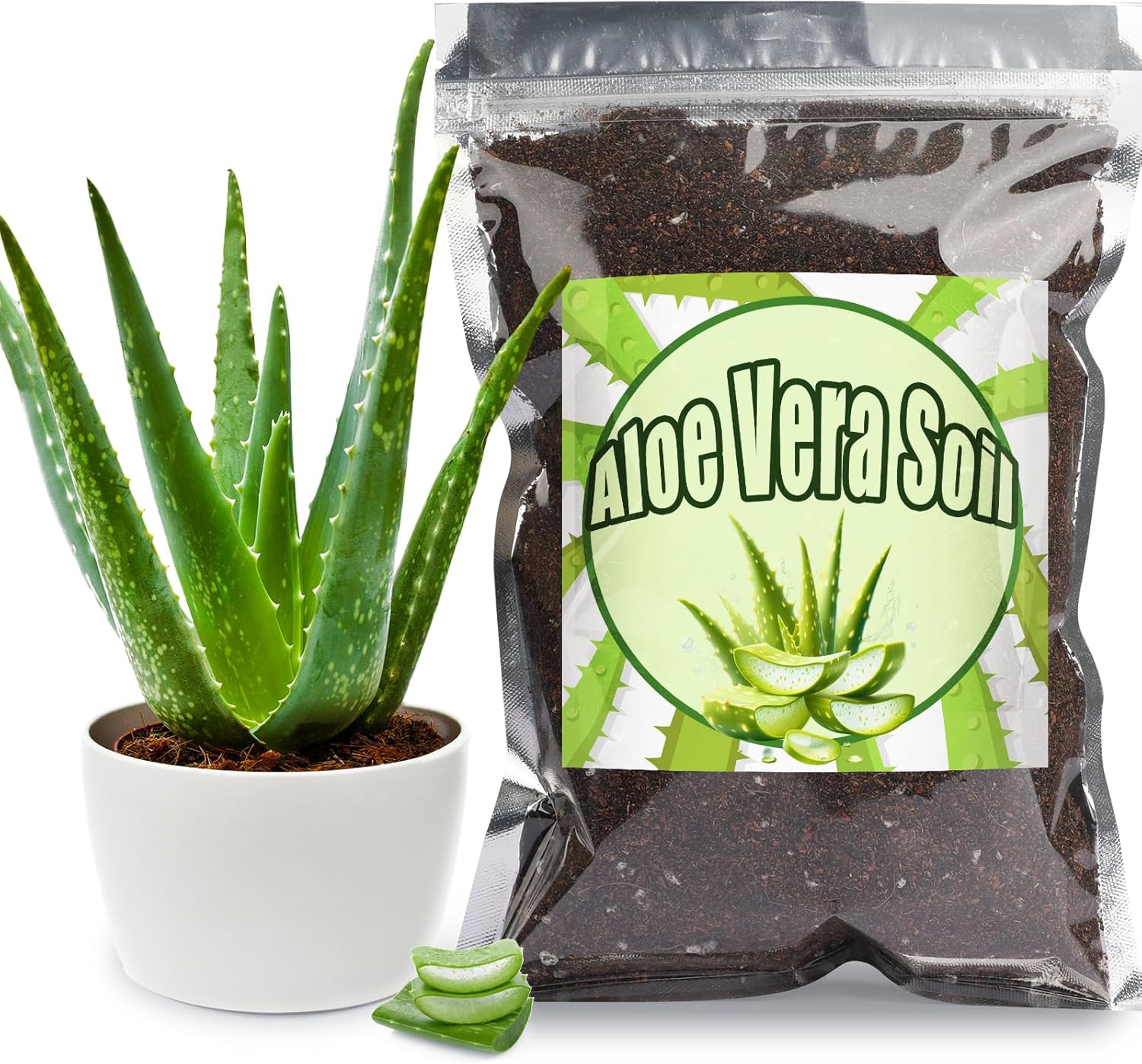
| Brand Name | Doter |
|---|---|
| Item Type Name | Garden soil |
| Manufacturer | Doter |
| Volume | 1 quarts |
This 1 quart Doter Aloe Vera Potting Soil Mix is a ready-to-use blend designed to give succulents and aloe vera good drainage and root aeration while supplying light nutrients. You use it straight from the bag for repotting pups, topping off small containers, or refreshing the top inch of soil in indoor pots where quick drainage is important. The formula emphasizes porosity and balanced pH so water passes through easily and roots avoid prolonged wetness, which helps prevent rot. Because it is sold in a small 1 quart size it is especially convenient for small pots, sample trials, or mixing into larger batches. The main limitation is the small volume, which means you will need multiple bags for larger plants or multiple repots, and the product listing does not include detailed ingredient percentages. For gardeners on a budget who need a focused, well-draining mix for aloe and similar plants, this is a practical, low-effort option.
Best for: A budget-minded indoor gardener who needs a compact, ready-to-use soil specifically for aloe vera pups, small succulents, or occasional repotting tasks and prefers a low-effort solution.
Less Ideal for: Gardeners repotting large aloe specimens, outfitting many containers, or who require fully transparent ingredient ratios and nutrient analysis should look for larger or more detailed mixes.
- Formulated for excellent drainage and aeration to reduce risk of root rot
- Balanced pH and added nutrients to support healthy foliage and root development
- Ready-to-use small package convenient for repotting small aloe plants or topping pots
- Suitable for both indoor and outdoor cultivation of succulents and similar plants
- Only 1 quart volume which is insufficient for repotting larger plants or multiple pots
- Label and listing do not provide detailed ingredient proportions or fertilizer analysis
Verdict: A compact, ready-to-use, well-draining potting mix that lets budget-focused growers quickly repot or refresh small aloe vera and succulent containers.
rePotme Aloe Vera Succulent Potting Soil Mix (2 qt)

| Brand Name | rePotme |
|---|---|
| Volume | 2 quarts |
| Manufacturer | rePotme |
This rePotme mix is a ready-to-use, hand-blended succulent soil designed for aloe vera and other drought-tolerant plants. Made in small batches in the USA, the formula is free-draining and intended to be used straight from the resealable 2-quart bag, which makes repotting small aloes or topping off containers quick and tidy. The mix emphasizes fresh ingredients and good drainage, so it helps prevent overwatering issues that commonly cause root rot in aloe. Practical advantages include its small-batch freshness and the convenience of a resealable bag for storage. Limitations are the small volume — the 2-quart size is suitable for single small plants or trial repots but requires multiple bags for larger pots or several plants. Also, there are no detailed ingredient ratios listed, so gardeners who need exact pumice-to-bark-to-sand proportions will not find that information here. For someone prioritizing consistent, well-draining media for aloe, this mix provides a reliable, grab-and-go option.
Best for: Buyers who want a dependable, ready-made soil that reduces watering problems and simplifies repotting small aloe vera plants without mixing their own media.
Less Ideal for: Gardeners repotting large collections or very large containers who need bulk quantities or those who require exact ingredient proportions for custom mixes.
- Hand-blended in small batches for freshness
- Free-draining formula formulated for succulents and aloe vera
- Resealable bag for easy storage and reuse
- Ready to use straight from the bag with no amendments required
- Only 2 quarts per bag, so multiple bags are needed for larger repots
- No detailed ingredient ratios provided for precise mix tailoring
Verdict: A convenient, hand-blended free-draining mix that reliably helps prevent overwatering problems when repotting small aloe vera and other succulents.
Miracle-Gro Succulent Potting Mix, 4 qt.

| Brand Name | Miracle-Gro |
|---|---|
| Unit Count | 128 Ounce |
| Volume | 4 quarts |
| Item Type Name | Indoor Cactus Plants, Aloe Vera and More |
This 4-quart Miracle-Gro Succulent Potting Mix is designed for indoor succulents like aloe vera and other cacti and echeverias. The blend of sphagnum peat moss, processed forest products, and built-in Miracle-Gro plant food provides an airy, moisture-managing medium that promotes root health when repotting into containers with drainage. Use it to fill a pot about one third, loosen the root ball, set the plant, then top up and water; one bag is intended to fill an 8-inch container. Notable features include the pre-mixed plant food for early nutrition and a formula that drains more quickly than all-purpose potting soils, reducing the risk of overwatering. Important limitations are the small 4-qt volume, which means you will need multiple bags for larger pots or collections, and the peat-based formulation may compress over time so periodic repotting or amendment is recommended. Follow safety guidance like wearing gloves and consider pairing with a cactus-specific fertilizer after the first month for best results.
Best for: Buyers who want an easy, ready-to-use potting mix for indoor aloe vera and other succulents and prefer products with included plant food and clear usage guidance.
Less Ideal for: Those repotting large plants or filling multiple containers at once, or gardeners who avoid peat-based products for environmental reasons.
- Formulated specifically for succulents and cacti to improve drainage and root health
- Includes Miracle-Gro plant food for initial nutrition after potting
- A single 4-qt bag is sized to fill an 8-inch container, useful for repotting one plant
- Instructions and safety information provided for simple, low-effort use
- Small bag size limits use to one or a few plants before buying more
- Peat-based mix can compact over time and may require repotting or amendment
Verdict: A convenient, succulent-specific 4-qt potting mix that gives indoor aloe vera plants better drainage and built-in nutrition for an easy repotting step.
Back to the Roots Organic Succulent & Cacti Mix, 6 Quart

| Volume | 6 quarts |
|---|---|
| Item Highlight | Fast-draining cactus and succulent soil; peat-free |
| Ingredients | Dolomitic Limestone, Perlite, Horticultural Sand, Aged Bark, Plant Food |
| Made in | USA |
This 6-quart succulent and cacti mix is formulated to give aloe vera and similar plants the drainage and aeration they need. The blend lists aged bark, perlite, and horticultural sand, which together create a coarse, airy medium that sheds excess water quickly and reduces the risk of root rot. It also includes plant food and dolomitic limestone to supply basic nutrients and help balance pH. Typical use is repotting or top-dressing indoor aloe vera in containers with drainage holes; for seedlings or small transplants the light texture encourages root development. The product is peat-free and made in the USA, which may appeal to buyers looking for more sustainable mixes. Limitations: a 6-quart bag is a small quantity for multiple pots or large repots, so you may need several bags for larger projects, and the included nutrients are basic so supplementing with a tailored succulent fertilizer after a few weeks can improve longer-term vigor.
Best for: Buyers who want a low-risk, ready-to-use potting mix that minimizes overwatering problems for indoor aloe vera and other succulents and prefer an organic, peat-free option.
Less Ideal for: Gardeners repotting many large succulents or filling raised beds who need bulk volumes or a specialized long-term fertilizer plan should look at larger or more nutrient-dense mixes.
- Fast-draining blend with perlite and horticultural sand to reduce overwatering risk
- Aged bark improves aeration and root development
- Contains plant food and dolomitic limestone for basic nutrient and pH support
- Peat-free, organic-minded formula made in the USA
- Small 6-quart volume may require multiple bags for several plants or larger pots
- Nutrient content is general rather than custom for long-term feeding needs
Verdict: Pick this peat-free, fast-draining organic mix when you want a safe, beginner-friendly soil that helps aloe vera avoid root rot.
Choosing the Right Potting Soil for Aloe Vera Plant: Key Factors to Consider
Drainage and Water Percolation
Aloe vera roots dislike standing water, so the potting soil must move water through quickly. Fast drainage prevents oxygen-poor pockets around roots that cause rot. Look for mixes with visible coarse components such as perlite, pumice, coarse sand, or grit to create channels that shed excess water.
Drainage also affects how often you need to water. A very free-draining mix may dry faster and require more frequent, shallow watering, while a slightly more retentive mix reduces watering frequency but must still avoid staying wet for days after irrigation.
Aeration and Root Space
Aloe roots prefer loose, open substrates that allow air to circulate. Fine, compacting soils reduce oxygen availability and slow root growth. Particle size matters: mixes with a range of particle sizes maintain voids and resist compaction over time.
Adequate aeration supports healthy root tip development and faster recovery after repotting or damage. Consider mixes that include chunky organic pieces and mineral grit rather than only fine peat or compost fines.
Nutrient Balance Appropriate for Succulents
Aloe vera thrives on modest nutrients; overly rich soil can encourage rapid, weak growth and make plants more susceptible to pests. Choose a potting soil formulated with a light, balanced nutrient profile or one labeled for cacti and succulents.
A low-to-moderate fertility mix lets you control feeding with diluted fertilizer during the active growing season. This approach reduces the risk of salt build-up and eliminates the need to leach or repot frequently because of excessive nutrient accumulation.
pH and Mineral Content
Aloe plants do best in slightly acidic to neutral pH ranges. The potting soil's pH and mineral makeup influence nutrient availability and leaf health. Soils with extremely high lime or very acidic peat can shift nutrient uptake and should be amended or avoided for aloe.
Mineral content also affects long-term texture. Materials like pumice and coarse sand are chemically inert and help keep the mix stable, while some organic amendments will break down and change water retention over time.
Long-Term Structure and Decomposition Rate
A good aloe potting soil retains structure for many months in containers. Organic components that decompose quickly will increase water retention and reduce aeration as they break down. That forces more frequent repotting or regular amendment with fresh grit.
Choose mixes that balance organic matter with durable mineral aggregates. This reduces maintenance and keeps watering predictable, particularly for larger pots or mixes used outdoors in warm climates.
Ease of Use and Mixing Flexibility
Gardeners often need to adjust commercial mixes for local conditions or container sizes. A practical potting soil should be easy to work with and accept simple amendments like adding extra pumice or coarse sand. Clear ingredient lists make it easier to know what to add or remove.
Also consider how the mix handles during repotting: light, fluffy mixes are easier to manipulate and separate pups without damaging roots, while very dusty or clumpy mixes can be messy and slow to rehydrate.
Container Size and Soil Depth Considerations
Container depth and width change how a potting soil behaves. Shallow pots dry out faster because there is less volume to hold moisture, so a slightly more retentive component can be helpful in very shallow bowls. In deeper pots, rely on well-draining mixes throughout the root zone to avoid wet pockets near the bottom.
Match the soil texture to the pot size. For small nursery pots, a finer but well-aerated mix is easier to use. For larger planters, increase coarse mineral content to maintain aeration across a greater volume of media.
- Shallow pots: add small amounts of fine organic matter to retain moisture without reducing drainage.
- Deep pots: include more pumice or grit to keep lower zones airy.
- Wide pots: ensure even mixing so water does not channel or pool in low spots.
Indoor Vs Outdoor Potting Use
Indoor-grown aloe often experiences lower light and cooler temperatures, which slows soil drying. For indoor use, choose a mix with moderate drainage but enough organic content to slow evaporation and reduce watering frequency. Place pots in bright, indirect light to promote drying between waterings.
Outdoor containers in hot, sunny locations dry quickly and can benefit from faster-draining, coarser mixes. Outdoor soils also face weathering from sun and rain, so using stable mineral components will keep the texture consistent through wet-dry cycles.
- Indoor: slightly more organic content to retain moisture.
- Outdoor: increase mineral grit for faster drying and stability.
How to Amend a General Potting Mix for Aloe
If you start with a general potting soil, you can make it suitable for aloe vera by adding coarse mineral amendments. Mix in perlite, pumice, or coarse builder's sand at roughly 20 to 50 percent by volume depending on the original mix and container size. The goal is to create a chunky, open matrix that drains quickly.
Avoid overly fine sand which can compact. Reassess the amended mix after one watering to confirm it does not stay soggy. If the soil still retains too much water, add more grit in future repottings or topdress with a coarse layer.
- Start with a 3:1 or 4:1 ratio of potting soil to mineral grit for most containers.
- Adjust upward in hot climates or for large pots to prevent wet spots.
- Test by watering and observing drainage time before planting.
Fertilizing and Feeding Schedule with Succulent Mixes
With soils designed for succulents, feeding should be modest. Use a diluted, balanced fertilizer during the active growth period and skip feeding in cool dormancy. Because succulent mixes typically have lower initial fertility, light feeding supports new growth without forcing weak shoots.
Avoid heavy organic fertilizers that raise salt levels and increase water retention. Periodic light applications are more effective than high-concentration feedings.
- Feed lightly in spring and summer only.
- Use low-dose fertilizer at about half the recommended strength.
- Flush the soil occasionally if you notice salt buildup or reduced drainage.
Repotting Timing and Signs a Mix Needs Replacement
Repotting frequency depends on how quickly the soil breaks down. Watch for signs like slower drying after watering, compacted or slimy soil, reduced aeration around roots, or roots circling excessively. When those cues appear, topdressing will not fix the structural decline; a full refresh is better.
Typically, a stable succulent mix lasts longer than a peat-heavy general mix. Plan to inspect the root ball every 12 to 24 months and repot when the medium no longer sheds water as it used to.
- Slow drying after watering indicates breakdown.
- Repot when roots become dense or soil compacts.
- Refresh the top 1 to 2 inches if only surface nutrients are low.
How We Chose the Best Potting Soil for Aloe Vera Plant
We looked for potting soils that match how aloe vera grows in pots and containers rather than garden beds. Key filters included drainage speed, porosity and aeration, nutrient balance appropriate for succulents, and how well the mix maintains structure over several months between repottings. We also considered particle size distribution because coarse aggregates reduce compaction, and judged organic matter content to avoid mixes that retain too much moisture. We excluded mixes labeled for moisture-loving houseplants or general-purpose potting soils that lack coarse components. Peat-heavy blends without added mineral grit were set aside because they compress and hold water. We prioritized blends or mixes that either already include perlite, pumice, or coarse sand, or that are formulated specifically for succulents and cacti. Performance in typical indoor container conditions, ease of use when repotting, and ingredient transparency were additional factors. In short, we filtered out mixes that stay soggy, break down quickly, or lack clear ingredient ratios. The final list focuses on soils that give gardeners reliable drainage, modest nutrient supply, stable structure, and minimal maintenance for healthy aloe plants.
FAQ
Can I use regular potting soil for aloe vera plants?
Regular potting soil can work if amended to improve drainage. Add coarse perlite, pumice, or grit at roughly 20 to 50 percent by volume to create a more open structure. Avoid leaving a pure peat-heavy mix unchanged because it often retains too much moisture for aloe.
How often should I water aloe in succulent potting soil?
Watering frequency depends on light, temperature, and container size, but aloe in a fast-draining mix typically needs water when the top inch or two of soil is dry. This often translates to every 2 to 4 weeks indoors and more frequently in hot, dry outdoor conditions.
Is sand a good amendment for aloe potting mixes?
Coarse builder's sand or horticultural coarse sand can improve drainage when mixed correctly. Avoid very fine sand which compacts. Use sand as part of a blend with pumice or perlite to ensure both drainage and aeration.
Should I look for a labeled succulent or cactus mix?
Mixes labeled for succulents and cacti are usually formulated with the coarser ingredients aloe needs, so they are a good starting point. Check the ingredient list to confirm the presence of mineral grit and avoid those that appear heavy in peat or fine compost.
How does pot material affect the soil choice?
Porous pots like terracotta dry out faster, so they pair well with mixes that have slightly more organic content to prevent desiccation. Nonporous containers hold moisture longer, making faster-draining, grit-rich mixes more important to prevent soggy roots.
Final Verdict
Choose a potting soil for aloe vera plant that emphasizes drainage, aeration, and stable structure rather than high organic fertility. Prioritize mixes with visible mineral grit and a modest nutrient profile so you can control feeding and avoid waterlogged roots. Balance container size, indoor or outdoor placement, and local climate when adjusting mix ratios. The right mix reduces repotting frequency and keeps aloe vigorous with minimal fuss. Focus on drainage and long-term texture first, then tweak nutrient inputs and watering to suit your conditions for confident, healthy plants.
