

Note: This article contains affiliate links. If you click on these links and make a purchase, I may earn a small commission at no extra cost to you. This helps support my research and content. Read my full affiliate disclosure here.
Choosing the right fertilizer for Asiatic lilies changes how well those bulbs bloom, how large and long-lasting the flowers are, and how healthy the plants return year after year. You want a feed that supports strong stem and flower development without forcing weak growth or burning bulbs. This guide presents seven shortlisted options that suit common garden situations, from in-ground beds to containers and small urban plots. We evaluated each product for nutrient ratio, ease of application, and how it fits typical lily care routines. Read on for a practical look at what matters when feeding Asiatic lilies and how each shortlisted option handles those needs.
Top Picks at a Glance
| Best Overall The best all-around choice for most situations | Espoma Bulb-Tone Organic Bulb Fertilizer (4 lb) |  |
| Best Quality Built to a higher standard if you want something more solid | JR Peters Jack's Classic 10-30-20 Blossom Booster Water-Soluble Fertilizer (1.5 lb) |  |
| Best Value The sweet spot between price and what you get | Lilly Miller Bulb & Bloom Food 4-10-10 (4 lb) |  |
| Best Budget The cheapest option that still gets the job done reliably | Osmocote Smart-Release Plant Food Plus Outdoor & Indoor, 1 lb |  |
| Highest Rated A top-rated pick with lots of positive feedback | Miracle-Gro Water Soluble Bloom Booster Flower Food, 10-52-10, 1 lb |  |
| Most Popular A crowd favorite that many people choose with confidence | Miracle-Gro Water Soluble All Purpose Plant Food, 3 lb |  |
| Best Seller A high-volume bestseller chosen again and again | Jobe's Organics Granular Bulb Fertilizer (4 lb) | 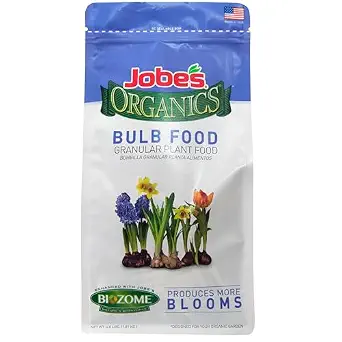 |
Espoma Bulb-Tone Organic Bulb Fertilizer (4 lb)

| Item Form | Granules |
|---|---|
| Application Method | Sprinkle on soil surface |
| Target Species | bulbs |
| Mixing Ratio | No Mixing Required |
| Item Weight | 4 pounds |
Espoma Bulb-Tone is an easy-to-use granular organic fertilizer made for bulbs such as tulips, daffodils and lilies. It contains a 3-5-3 NPK analysis with added calcium and Espoma’s Bio-tone blend, and is applied by placing in the planting hole for new bulbs or sprinkling on the soil surface for established plants. For Asiatic lilies this product supplies a bloom-focused nutrient balance and slow-release organic nutrients that support steady growth and stronger flowers without chemical inputs. It requires no mixing and is labeled for organic gardening, so it fits growers who prefer natural amendments. Limitations are that the nutrient ratio is bloom-oriented rather than high in nitrogen, so it will not dramatically increase foliage size, and coverage is described as medium so larger beds will need multiple bags. Users should follow the package directions for application rates and wear gloves when handling.
Best for: Gardeners who want an organic, bloom-focused fertilizer for planting or feeding Asiatic lilies and prefer simple, low-effort applications.
Less Ideal for: Growers seeking a high-nitrogen feed for big leafy growth or those managing very large bulb plantings who need bulk coverage per application.
- Organic formula approved for organic gardening
- Granular, ready-to-use form requires no mixing
- Bloom-focused 3-5-3 NPK with added calcium suited to flowering bulbs
- Simple application: place in planting hole or sprinkle on soil surface
- Coverage rated as medium so one 4 lb bag may not be enough for large beds
- Lower nitrogen ratio means less effect on rapid foliage growth
Verdict: Choose this organic, ready-to-use bulb fertilizer when you want a bloom-oriented, low-effort feed to boost flowering on Asiatic lilies.
JR Peters Jack's Classic 10-30-20 Blossom Booster Water-Soluble Fertilizer (1.5 lb)

| Item Form | Powder |
|---|---|
| Application Method | Water-Soluble |
| Target Species | Flowers |
| Unit Count | 1 Count |
This water-soluble powder is designed to push heavier flowering by delivering a high-phosphorus 10-30-20 N-P-K ratio plus micronutrients in a concentrated form. Mix the measured powder into water to create multiple gallons of feed, which makes it convenient for foliar sprays or root drench applications on Asiatic lilies during the bloom-setting and bud development stages. Notable features include the strong bloom-focused N-P-K, a powdered concentrate that stretches farther than premixed liquids, and added micronutrients so you are less likely to need extra supplements. In practice it promotes larger, more abundant blooms when applied according to label directions, and the soluble format ensures quick uptake. Important limitations are that it is a fertilizer only and does not address pests or diseases, and care must be taken to measure and dilute correctly to avoid leaf burn or nutrient imbalance. Best results come from using it as part of a regular feeding schedule targeted to flowering periods.
Best for: Gardeners seeking a performance-focused bloom booster for ornamental bulbs and flowering perennials who follow a deliberate feeding schedule and monitor plant response.
Less Ideal for: Casual gardeners who want an all-in-one product that also addresses soil conditioning or pest control or those uncomfortable mixing concentrates.
- High bloom-promoting N-P-K ratio (10-30-20) tailored for flowering plants
- Concentrated powder stretches farther than comparable liquid feeds
- Water-soluble for fast uptake via soil drench or foliar feed
- Includes micronutrients so additional supplements are less often required
- Requires accurate measuring and dilution to avoid overfeeding
- Does not provide pest, disease, or soil amendment benefits
Verdict: Use this concentrated 10-30-20 water-soluble formula when you want a focused, fast-acting fertilizer to maximize Asiatic lily bloom size and abundance.
Lilly Miller Bulb & Bloom Food 4-10-10 (4 lb)

| Item Form | Powder |
|---|---|
| Specific Uses For Product | plant care |
| Coverage | Medium |
| Target Species | bulbs |
| Mixing Ratio | 4:10:10 |
Lilly Miller Bulb & Bloom Food is a slow-release powder fertilizer formulated as a 4-10-10 blend aimed at boosting bloom strength and vigor in bulbous plants. It is typically worked into the soil around the base of bulbs at the start of the growing season or mixed according to the manufacturer mixing ratio for ongoing feeding. Notable features include its higher middle number phosphorus content to support flower development and potassium for overall plant health, and a powder form that mixes readily with soil and potting mixes. Practical benefits for Asiatic lilies include clearer flower set and sustained bloom energy over the season without needing weekly feedings. Important limitations are that it contains phosphorus so local regulations may restrict its use on turf or near waterways, and users should follow safety directions to avoid inhalation and wear gloves during application. This product is best used as a targeted seasonal feed rather than a continuous high-nitrogen growth fertilizer.
Best for: Gardeners who want a no-fuss seasonal bloom booster for Asiatic lilies and other flowering bulbs and prefer a slow-release feed to reduce application frequency.
Less Ideal for: People seeking a high-nitrogen fertilizer for leafy growth or those who must avoid phosphorus inputs due to local restrictions or proximity to sensitive waterways.
- Formulated with higher phosphorus and potassium to support stronger, longer-lasting blooms
- Slow-release powder reduces the need for frequent applications
- Easy to incorporate into soil or potting mix using the provided mixing ratio
- Designed specifically for bulbs so it matches the nutrient needs of flowering bulbs
- Contains phosphorus which may be restricted in some areas and requires careful application to avoid runoff
- Powder form can be dusty and requires protective equipment to avoid inhalation
Verdict: A purpose-built slow-release bloom fertilizer that gives Asiatic lilies stronger flowers with less frequent feeding.
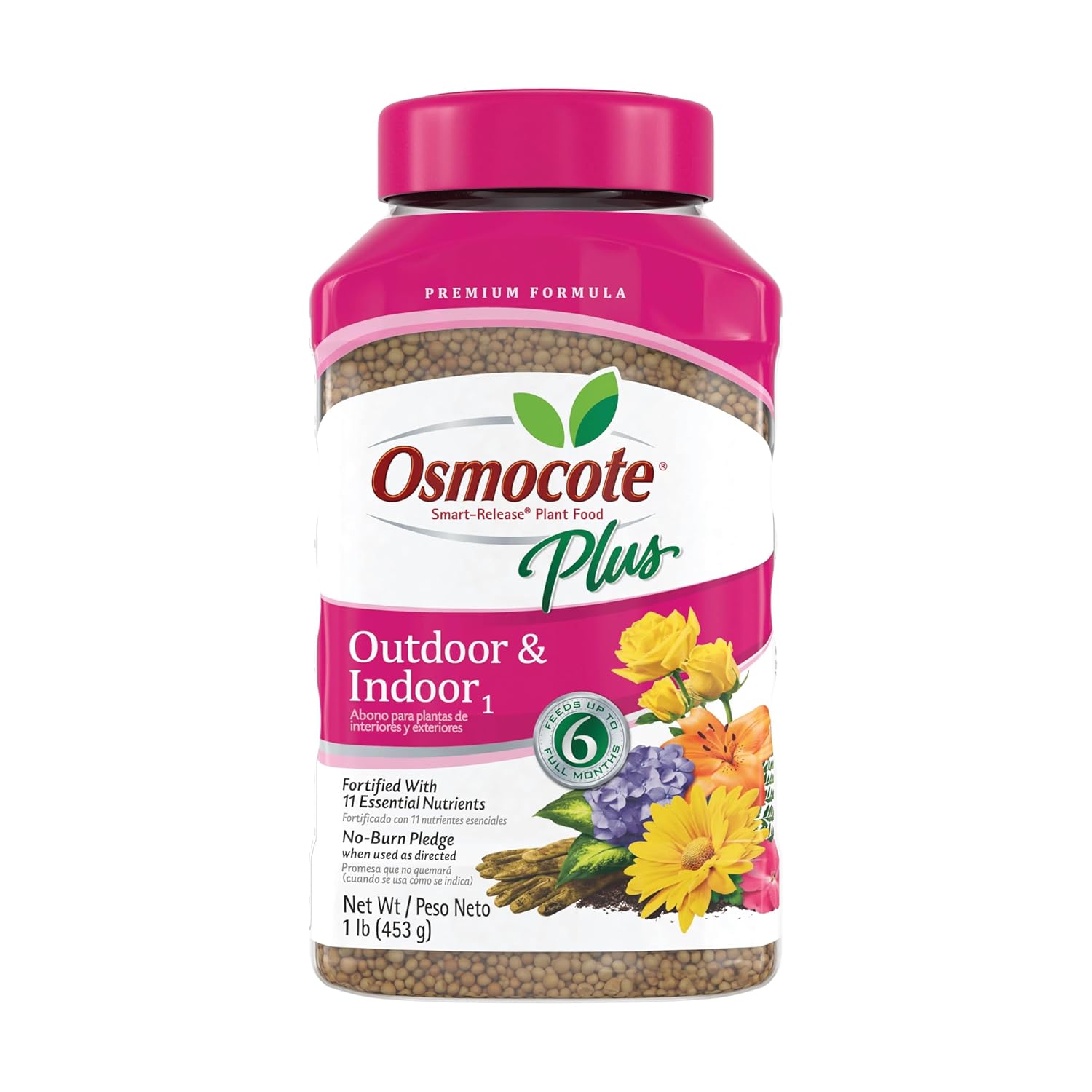
Osmocote Smart-Release Plant Food Plus Outdoor & Indoor, 1 lb
| Item Form | Granules |
|---|---|
| Specific Uses For Product | Plant Food |
| Application Method | sprinkle around the base and work into the soil |
| Coverage | Full |
| Unit Count | 16 Ounce |
Osmocote Smart-Release Plant Food Plus is a small, granular slow‑release fertilizer designed for both container and in‑ground use. You sprinkle the granules around the base of plants, work them into the top inch or two of soil, then water; the resin coating on each granule times nutrient release to provide steady feeding for up to six months. It contains 11 nutrients and a no‑burn pledge when used as directed, so it is straightforward for routine maintenance applications like spring planting or midseason top dressing. For Asiatic lilies it offers balanced, long‑lasting nutrition without frequent reapplication, and the packaging includes simple per‑pot and per‑square‑foot guidance. Limitations are the small 1 lb size and modest coverage area, which means hobbyists with many bulbs or larger beds will need multiple packages and regular reapplication every six months; also granular broadcasting is less precise than targeted liquid feeds during specific bloom stages. Still, it is an easy, low‑effort option for seasonal lily care.
Best for: Gardeners who want a low‑maintenance, economical fertilizer to give Asiatic lilies steady nutrition through a growing season without frequent feedings.
Less Ideal for: Growers who need highly targeted bloom‑boosting feeds or who manage large beds and prefer concentrated liquid fertilizers for quick adjustments.
- Slow‑release resin coating feeds plants up to 6 months for reduced application frequency
- Formulated with 11 essential nutrients suitable for a wide range of plants
- No‑burn pledge when used as directed reduces risk of fertilizer damage
- Works for both indoor containers and outdoor beds, including bulbs and perennials
- Small 1 lb package covers only about 37 sq ft, requiring multiple units for larger gardens
- Granular application is less fine-tuned than liquid or foliar feeds during peak bloom
Verdict: Choose this if you want an easy, infrequent feeding solution that keeps Asiatic lilies nourished for months with minimal effort.
Miracle-Gro Water Soluble Bloom Booster Flower Food, 10-52-10, 1 lb

| Item Form | Liquid |
|---|---|
| Application Method | Water Soluble |
| Coverage | 500 square feet |
| Target Species | all blooming plants |
| Mixing Ratio | 1 tablespoon/gallon (outdoor) |
Miracle-Gro Water Soluble Bloom Booster is a high-phosphorus, water-soluble plant food designed to encourage bigger, more abundant blooms on flowering plants. It is mixed into a watering can or used with a garden feeder and applied every 7 to 14 days during bud set and bloom, making it straightforward to add to regular care routines for Asiatic lilies. The formulation feeds through roots and foliage and starts working quickly to enhance color and flower yield. Notable features include a clear mixing ratio for outdoor and indoor use and coverage claims for roughly 500 square feet per feeder refill. Practical benefits are faster visible results in bloom production and an easy application schedule that fits weekly or biweekly maintenance. Limitations are that it is a bloom-focused formula with high phosphorus and not intended as a complete all-season fertilizer, so it should be paired with a balanced feed or soil amendment outside the flowering period. Users must follow label rates to avoid overfeeding and potential plant stress.
Best for: Gardeners who prioritize reliable, repeatable bloom enhancement for flowering beds or containers and want a simple, easy-to-follow feeder or watering routine for Asiatic lilies.
Less Ideal for: Gardeners seeking a single, all-purpose fertilizer for every growth stage or those who prefer slow-release, low-maintenance feeding options.
- High phosphorus N-P-K (10-52-10) formulation to promote larger and more abundant blooms
- Water-soluble formula that mixes easily for use with a watering can or garden feeder
- Clear mixing ratios and feeding interval (every 7–14 days) simplify consistent application
- Focused on bloom promotion rather than balanced, all-season nutrition
Verdict: Use this water-soluble, high-phosphorus bloom booster when you want a reliable, easy-to-apply product that increases flower size and color on Asiatic lilies during bloom time.
Miracle-Gro Water Soluble All Purpose Plant Food, 3 lb

| Item Form | Powder |
|---|---|
| Application Method | Mix with water in a watering can |
| Fertilizer Analysis (NPK) | 24-8-16 |
| Unit Count | 48 Ounce |
| Feeding Frequency | Every 7-14 days (outdoor) |
Miracle-Gro Water Soluble All Purpose Plant Food is a powder fertilizer you mix with water to feed container and in-ground plants on a regular schedule. It supplies a balanced NPK (24-8-16) that promotes leafy growth and overall vigor, and because it is water-soluble the nutrients reach roots quickly after application. Typical use is every 1 to 2 weeks for houseplants and every 7 to 14 days outdoors, using the included scoop to measure doses for a watering can or a compatible Garden Feeder. Practical benefits include fast visible response in foliage and flowers and broad compatibility across flowers, vegetables, shrubs and trees. Important limitations are that the high nitrogen formulation favors vegetative growth more than boosting bloom color intensity, and frequent water-soluble feedings require careful measurement to avoid overfeeding. It is best used as a regular feed in combination with good soil and proper watering rather than as a sole solution for specific bloom-boosting needs.
Best for: Buyers who want a proven, easy-to-use fertilizer to keep Asiatic lilies and other garden plants regularly fed and looking vigorous, and who prefer products with wide user acceptance and clear dosing instructions.
Less Ideal for: Gardeners seeking a specialty bloom-boosting formula or a slow-release granular fertilizer for low-maintenance feeding should consider lily-specific or slow-release alternatives.
- Water-soluble powder delivers nutrients quickly to roots
- Broadly labeled safe for indoor and outdoor plants including flowers and vegetables
- Includes measuring scoop and clear mixing directions for watering cans and feeders
- Feeds large areas from a single container (feeds approximately 1,200 sq. ft. per 3 lb)
- Higher nitrogen ratio favors leaf growth over intensive bloom enhancement
- Requires regular applications every 1–2 weeks which adds ongoing maintenance
Verdict: A fast-acting, widely used water-soluble fertilizer that reliably keeps Asiatic lilies and other garden plants vigorous when fed on a regular schedule.
Jobe's Organics Granular Bulb Fertilizer (4 lb)

| Item Form | Granules |
|---|---|
| Specific Uses For Product | Plant Growth, Root Development, Seed Development, Soil Conditioning |
| Coverage | Medium |
| Target Species | bulbs, flowers |
| Mixing Ratio | 3-5-4 |
Jobe's Organics Granular Bulb Fertilizer is an organic, granular feed designed to support strong root development and bigger blooms in bulb plants such as tulips, daffodils and lilies. You apply it to the planting area every 3 to 5 weeks during the growing and blooming season; the granules are easy to measure and spread into the soil so you can avoid excess runoff or mess. The 3-5-4 NPK ratio emphasizes phosphorus for flowering and root strength while keeping nitrogen moderate to limit excessive foliage. It is OMRI listed for organic gardening and is marketed as safe around children and pets when used as directed. Limitations are that it is a medium-coverage granular product, so frequent reapplication is needed through the season and it does not provide the immediate solubility of a water-soluble feed or the convenience of spikes for drip systems. For gardeners seeking an organic, low-risk bulb fertilizer, this performs as expected without harsh chemicals.
Best for: Gardeners who prioritize low-risk organic inputs and steady, season-long feeding for bulb flowers and who want a straightforward granular product that is safe around family and pets.
Less Ideal for: Growers who need rapid, highly soluble nutrient boosts or who prefer automated drip or hose-fed fertilizer systems should consider liquid feeds or spike formats instead.
- OMRI listed organic formula suitable for certified organic gardens
- 3-5-4 NPK balanced toward bloom and root development
- Kid- and pet-friendly formulation when used as directed
- Granular form allows measured, low-mess application
- Requires repeat applications every 3–5 weeks during the season
- Not water-soluble so it is slower to act than liquid fertilizers
Verdict: Choose this OMRI-listed granular bulb fertilizer if you want a safe, organic feed that reliably supports flowering bulbs through the season.
Choosing the Right Asiatic Lily Fertilizer: Key Factors to Consider
Nutrient Ratio and Bloom Focus
Asiatic lilies respond to a nutrient balance that supports both strong stems and abundant flowers. Phosphorus helps with bloom set and root development while moderate nitrogen supports leaf and stem growth without encouraging floppy, weak stems. Potassium aids overall plant vigor and disease resistance. When choosing a fertilizer, look for an NPK profile that leans slightly toward phosphorus and potassium during pre-bloom and bloom stages, then shifts to a balanced or slightly reduced nitrogen level after flowering to support bulb maturation.
Release Type and Feeding Schedule
The release mechanism determines how often you need to feed and how steady nutrient availability will be. Slow-release granular feeds can provide steady nutrition through a season and are forgiving if you miss an application. Water-soluble fertilizers deliver a quicker nutrient boost and are useful for a targeted pre-bloom feed but require more frequent applications. Organic options release nutrients gradually as the material breaks down and also improve soil structure, but they can be slower to correct a deficiency. Match release type to how hands-on you are and the planting situation, such as containers versus established beds.
Application Method and Practicality
Think about how you prefer to apply fertilizer in your garden. Granular spreads can be broadcast around established beds and worked lightly into the soil surface, while spikes or stakes offer a low-effort option for small beds and containers. Liquid feeds are ideal for foliar feeding or targeted root drench but require measuring and mixing. Also consider whether the product's instructions include safe rates for bulbs and whether tools or extra steps are needed to avoid getting fertilizer on foliage or stems, which can cause burn.
Bulb Safety and Salt Build-up
Bulbs are sensitive to concentrated salts and excessive feeding late in the season can interfere with bulb maturation. Choose fertilizers with clear application rates and avoid repeated high-dose feeds. Organic or low-salt formulations reduce the risk of buildup over successive seasons. For potted lilies especially, occasional leaching with plain water helps prevent salts from accumulating near roots. Prioritizing bulb-safe products helps ensure reliable returns and healthy storage of energy in the bulb for next year.
Soil Type and pH Compatibility
Soil texture and pH affect nutrient availability and how often you must reapply fertilizer. Sandy soils drain quickly and may require more frequent feeding, while clay soils retain nutrients longer but can cause root oxygen stress if compacted. Most Asiatic lilies prefer slightly acidic to neutral pH. If your soil is very alkaline or very acidic, consider a feed that corrects micronutrient availability or pair fertilization with amendments that adjust pH. Reading product directions for soil-specific guidance helps avoid underfeeding or overfeeding.
Organic Versus Synthetic Options
Organic fertilizers release nutrients as microbes break down the material and often improve soil structure and long-term fertility. They are gentler on bulbs and reduce chemical salt risk, but their nutrient release is slower and less predictable. Synthetic fertilizers supply nutrients in instantly available forms and are easier to calibrate for a short-term bloom boost, but they carry a higher risk of salt stress and require careful dosing. Choose based on garden goals: long-term soil building and lower maintenance favor organics, while quick corrective feeding or precise bloom-timing may call for synthetic or balanced water-soluble formulas.
When to Feed Asiatic Lilies During the Season
Timing feeds to the plant life cycle gives the best results. Start with a gentle feed at early shoot emergence to support root growth, then apply a bloom-focused feed just before flower buds open. After flowering, switch to a low-nitrogen or balanced feed to help bulbs refill without promoting excessive leaf growth.
Avoid heavy fertilization late in the growing season when foliage begins to yellow and die back. That late period is when bulbs are storing energy for the next year and forcing extra growth can weaken that process.
- Early spring: light root-strengthening feed
- Pre-bloom: higher phosphorus for flower set
- Post-bloom: low nitrogen to promote bulb maturation
Feeding Containers Versus In-Ground Beds
Containers need more frequent attention because potting mixes drain and leach nutrients faster than garden soil. Use slow-release granules at planting and supplement with diluted liquid feed during active growth. Ensure container drainage is good to avoid salt buildup.
In-ground beds generally benefit from a preseason amendment and fewer top dressings. A single well-timed granular application in spring and a light follow-up at bud stage will often be enough for established beds.
- Containers: monitor moisture and feed every 2 to 4 weeks during growth
- Beds: one or two applications per season usually suffice
Correct Application Techniques to Protect Bulbs
Place granular fertilizer around the drip line rather than directly on top of bulbs to reduce the risk of burn. Lightly work granules into the soil surface and water in to move nutrients toward roots. For liquid feeds, apply as a root drench rather than spraying foliage when temperatures are high.
When dividing clumps or replanting, replenish the planting hole with a small amount of balanced amendment and avoid concentrated pockets of fertilizer near the bulb base.
- Broadcast or band around plants, not piled on bulbs
- Water after application to move nutrients into root zone
- Flush containers periodically to prevent salt buildup
Addressing Common Nutrient Problems
Yellowing foliage, poor flower set, or weak stems point to specific nutrient limitations or cultural issues. Pale leaves with stunted growth often indicate a nitrogen shortage, while poor bud formation can signal insufficient phosphorus. Conduct a basic soil test before changing feeding regimes to confirm nutrient needs.
Adjust feeding based on symptoms and soil test results rather than increasing dose indiscriminately. Many issues resolve by correcting pH or improving drainage rather than adding more fertilizer.
- Do a soil test for accurate diagnosis
- Treat symptoms with targeted feeds and cultural fixes
- Avoid overfeeding as a default solution
Combining Fertilizer With Mulch and Compost
Mulch helps moderate soil temperatures and conserve moisture, which influences nutrient uptake. A layer of organic mulch also slowly contributes nutrients and supports microbial activity that breaks down organic fertilizers. When adding compost, factor it into the seasonal nutrient budget to avoid overapplication.
Apply mulch after feeding to reduce surface runoff and help nutrients move into the soil. In new beds, incorporate compost before planting to create a balanced environment for bulbs.
- Use mulch to retain moisture and support microbial nutrient cycling
- Account for compost when planning fertilizer rates
- Apply mulch lightly to avoid smothering shoots
How We Chose the Best Asiatic Lily Fertilizer
We prioritized criteria that matter for growing Asiatic lilies in real garden conditions. First, nutrient ratio and balance were key because lilies need a stable source of nitrogen, phosphorus, and potassium to set flowers and build healthy bulbs. Second, release type and timing were evaluated to match common feeding schedules and to avoid excessive top growth or nutrient burn. Third, application method and ease of use were assessed so gardeners can choose feeds that suit beds, containers, or mixed perennial borders. Fourth, bulb and root safety was considered, favoring formulas and rates that minimize salt build-up and root irritation. Fifth, compatibility with soil types and typical garden amendments was checked to ensure predictable results across clay, loam, and sandy soils. We excluded fertilizers designed exclusively for lawns or crops with extremely high nitrogen that drive leafy growth at the expense of flowers. We also filtered out products with unclear NPK labeling or instructions that do not provide safe rates for bulbous plants. The remaining picks were selected based on clear labeling, appropriate nutrient profiles, practical application methods, and predictable timing for bloom production.
FAQ
How often should I fertilize Asiatic lilies?
Frequency depends on the feed type. Slow-release granular products usually need one or two applications per season. Water-soluble feeds can be used every two to four weeks during active growth. Containers often require more frequent feeding than in-ground beds.
Can I use a general-purpose fertilizer on Asiatic lilies?
You can use a balanced general-purpose fertilizer, but choose one with an appropriate NPK ratio for bulbs. Avoid high-nitrogen formulas that encourage excessive foliar growth at the expense of flowers and bulb development.
Is organic fertilizer good for bulbs like Asiatic lilies?
Organic fertilizers are beneficial for long-term soil health and reduce salt risk around bulbs. They release nutrients more slowly, so they are best for overall vigor rather than quick corrective feeding before bloom.
What should I do if I see leaf burn after feeding?
Leaf burn often indicates overapplication or fertilizer contacting foliage. Flush the soil with plenty of water to leach excess salts and reduce further applications until plants recover. Check product rates and switch to a gentler formula if needed.
Should I change fertilization after flowers fade?
Yes. After flowering, reduce nitrogen and use a balanced or lower-nitrogen feed to help bulbs refill rather than pushing more top growth. This supports stronger returns the next season.
Do Asiatic lilies need micronutrients?
Micronutrients like magnesium and iron can help if your soil test shows deficiencies. Most complete bulb fertilizers include trace elements, but addressing pH and organic matter often improves micronutrient availability as well.
Final Verdict
Pick an Asiatic lily fertilizer that matches how you garden and the planting situation. Prioritize an NPK profile that supports bloom set and then shifts to help bulbs refill, choose a release type that fits your maintenance style, and avoid concentrated applications near bulb crowns. Consider soil type, container needs, and whether long-term soil building or quick bloom boosts are your main goal. By focusing on nutrient balance, application safety, and timing, you can improve bloom performance while keeping bulbs healthy for the next season. Use the criteria discussed here to weigh options and choose a feeding plan that fits your schedule and soil conditions.
