

Note: This article contains affiliate links. If you click on these links and make a purchase, I may earn a small commission at no extra cost to you. This helps support my research and content. Read my full affiliate disclosure here.
When rats are active around a garden, outbuilding, or compost area you need control that works predictably and minimizes risk to pets and wildlife. Selecting the right rodent poison to kill rats matters because bait type, attractiveness, and placement determine whether you reduce a colony or simply drive rodents to other parts of the property. This guide covers the top shortlisted rodent poisons for killing rats and explains the practical tradeoffs gardeners face. We evaluated products for bait acceptance, ease of secure placement, and potential secondary exposure. Below are the key decision points and independent sections to help you choose the best option for your situation before moving on to individual product details and usage tips.
Top Picks at a Glance
| Best Overall The best all-around choice for most situations | Farnam Just One Bite II Rat & Mouse Bait Bars, 8-Pack |  |
| Best Quality Built to a higher standard if you want something more solid | Tomcat Bromethalin Place Pacs Rodent Bait, 4.1 lb. |  |
| Best Value The sweet spot between price and what you get | Neogen Ramik Green Fish-Flavored Weather-Resistant Rodenticide Nuggets, 4 lb |  |
| Best Budget The cheapest option that still gets the job done reliably | Tomcat Rat & Mouse Killer Child & Dog Resistant Disposable Bait Station, 2 Pack |  |
| Highest Rated A top-rated pick with lots of positive feedback | JT Eaton 709-PN Anticoagulant Bait Block, Peanut Butter Flavor (2 pails of 144) |  |
| Most Popular A crowd favorite that many people choose with confidence | Victor M925 Rodent Killer 4 lb Fish-Flavored Bait | 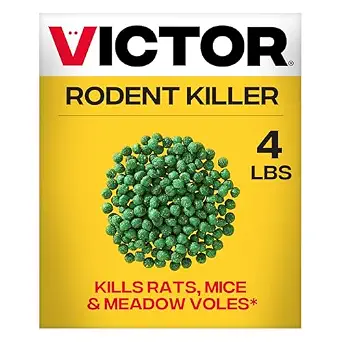 |
| Best Seller A high-volume bestseller chosen again and again | Victor Fast-Kill Bait Blocks II, 86-Count Rodenticide Bait Blocks (4 lb Bag) |  |
Farnam Just One Bite II Rat & Mouse Bait Bars, 8-Pack

| Item Form | Bar |
|---|---|
| Target Species | Rat,Mouse |
| Active Ingredients | Bromadiolone |
| Unit Count | 128 Ounce |
Farnam Just One Bite II bait bars are hardened rodenticide bars formulated with the active ingredient bromadiolone and shaped with nibble ridges to encourage chewing. They are sold as eight individually wrapped one-pound bars and are intended for indoor and outdoor use around agricultural buildings. In practice the product is used by placing the bars in tamper-resistant bait stations or protected baiting locations where rats and mice feed. The formulation is potent enough that rodents can receive a lethal dose in a single night's feeding and death is delayed four to five days, which helps prevent bait shyness. Notable practical benefits include individually wrapped bars for cleaner handling and a bait shape that promotes feeding. Important limitations are that it contains a second-generation anticoagulant so it requires careful placement to avoid non-target exposure and it is labeled for use in and around agricultural buildings rather than general household use in all jurisdictions. Users must follow safety directions and local regulations when applying this product.
Best for: Best for someone seeking a powerful, fast-acting rodent control option for barns, outbuildings, or agricultural settings who prioritizes efficacy and controlled bait placement.
Less Ideal for: Not a good choice for households with children, pets, or for users who cannot comply with agricultural-use labeling and secure bait station requirements.
- Contains bromadiolone effective against warfarin-resistant rats and mice
- Nibble ridges and bar form encourage rodents to chew the bait
- Individually wrapped bars allow cleaner handling and staged placement
- Lethal dose can be consumed in a single night's feeding, reducing long baiting periods
- Second-generation anticoagulant requires strict precautions to prevent secondary poisoning
- Label restricts use to agricultural buildings which may limit residential placement options
Verdict: Choose these bait bars when you need a potent, single-feeding rodenticide for professional-style control around agricultural buildings.
Tomcat Bromethalin Place Pacs Rodent Bait, 4.1 lb.

| Unit Count | 1 Count |
|---|---|
| Item Type Name | Bait Pail |
| Target Species | Mouse |
| Manufacturer | The Scotts Company LLC |
Tomcat Bromethalin Place Pacs are a pre-portioned rodenticide intended to deliver a lethal dose to Norway rats, roof rats, and house mice. The product comes as individual 3-ounce place pacs inside a 4.1 pound pail, which makes distribution quick for both indoor and outdoor use around manmade structures when placed in tamper-resistant stations. Typical use is along walls, near gnawed openings, in corners, or inside bait stations; for rats the label recommends 1 to 2 pacs every 15 to 30 feet and for mice opening the pac and applying measured portions every 8 to 12 feet. The practical benefits are ease of placement, consistent dosing and efficacy against some anticoagulant-resistant rodents. Important limitations are safety requirements and restrictions: handlers must wear gloves and other protective gear, bait must be protected from children, pets and non-target wildlife with tamper-resistant stations for above-ground use, and the product has species-use restrictions in California. Expect to monitor and replenish bait sites for several days to achieve control.
Best for: Buyers who prioritize fast, dependable kill of rats and mice and want pre-measured bait for efficient placement around structures.
Less Ideal for: Households with young children, roaming pets, or frequent wildlife access where secure baiting cannot be guaranteed should consider non-toxic control methods or professional services.
- Pre-measured place pacs simplify consistent dosing and placement
- Contains bromethalin effective against some anticoagulant-resistant rats
- Formulated for both indoor and outdoor use when used in tamper-resistant stations
- Large 4.1 lb. pail supplies multiple placements for ongoing control
- Requires careful handling and protective gear to avoid exposure
- Must be used in tamper-resistant stations for above-ground application to protect children, pets, and non-target animals
- Not permitted for use against certain rodent species in California
Verdict: If you need a professional-strength, ready-to-place rodenticide that works on anticoagulant-resistant rats, these bromethalin place pacs deliver consistent, effective control when used safely.
Neogen Ramik Green Fish-Flavored Weather-Resistant Rodenticide Nuggets, 4 lb

| Item Form | Pellets |
|---|---|
| Target Species | Rats, Mice and Meadow Voles |
| Active Ingredients | Diphacinone (2-Diphenylacetyl-1,3-Indandione) |
| Unit Count | 1 Count |
Neogen Ramik Green nuggets are a first-generation anticoagulant bait formulated with diphacinone and a fish-flavored grain mix to attract rats, mice, and meadow voles. Sold in a 4 lb bag of weather-resistant pellets, this product is designed for both indoor and outdoor use and performs well in damp or wet areas where waxed baits can fail. In practice you place the nuggets in secure bait stations or protected locations along runways and near burrows; lethal effects typically occur several days after sufficient consumption, which helps reduce bait shyness. Notable features include a food-quality grain base for palatability and a wax-free, durable nugget that resists disintegration in wet conditions. Limitations to keep in mind are the slower onset compared with acute toxicants and the need to follow local regulations and safety precautions because it is an anticoagulant rodenticide that can affect non-target animals if mishandled.
Best for: Buyers who prioritize a practical, reliable long-term control option for commom rodent infestations and need a bait that holds up in wet or outdoor conditions.
Less Ideal for: People who need an immediate kill or who cannot follow strict bait placement and safety protocols should consider alternative rapid-action solutions or professional services.
- Weather-resistant nuggets suited for damp or wet areas
- Fish-flavored grain mix improves palatability to rats and mice
- Formulated with diphacinone effective against rats, mice, and meadow voles
- Available in a 4 lb bag for treating moderate infestations
- First-generation anticoagulant works more slowly than single-dose poisons
Verdict: A durable, fish-flavored anticoagulant nugget bait built for reliable rodent control in damp or outdoor settings.
Tomcat Rat & Mouse Killer Child & Dog Resistant Disposable Bait Station, 2 Pack

| Unit Count | 2 Count |
|---|---|
| Target Species | Mouse |
| Power Source | manual |
| Material Type | Plastic |
This Tomcat product is a ready-to-use disposable bait station prefilled with a bait block designed to kill rats and mice. You place the station where you see rodent activity indoors or outside — basements, garages, behind appliances, or near home exteriors — and rodents enter, eat the bait, then typically die away from the station within a few days. Notable features include a child- and dog-resistant housing, weather resistance for outdoor placement, and a transparent lid so you can quickly check bait level without opening the unit. Because the stations are prefilled and disposable, they remove the need to handle loose bait and make monitoring straightforward. The main limitations are that each unit is single-use and meant for monitoring and kill-and-dispose rather than long-term refillable control, so ongoing infestations may require repeated purchases or switching to refillable systems for large problems. For straightforward, low-effort rodent control where ease and safety are priorities, these stations simplify deployment and monitoring.
Best for: Buyers who want a low-effort, safer way to deploy rodent poison around the home and prefer quick monitoring without handling bait.
Less Ideal for: Homeowners facing large or persistent infestations who want a refillable long-term solution or professional-grade bulk bait options.
- Prefilled, ready-to-use stations remove need to handle loose bait
- Child- and dog-resistant design improves safety around homes with pets and children
- Clear lid allows quick visual monitoring of bait consumption
- Weather resistant so units can be used both indoors and outdoors
- Disposable single-use design means recurring purchases for ongoing problems
- Not refillable, so less cost-effective on a per-rodent basis for heavy infestations
Verdict: A convenient, prefilled tamper-resistant bait station that makes safe, low-effort rodent control simple for homeowners.
JT Eaton 709-PN Anticoagulant Bait Block, Peanut Butter Flavor (2 pails of 144)

| Unit Count | 288 Count |
|---|---|
| Item Form | Bait |
| Target Species | Rodents |
This JT Eaton 709-PN bait is a professional-grade anticoagulant block designed to attract and eliminate mice and rats. It is supplied in two tamper-evident resealable pails, each holding multiple one-ounce blocks, which makes it straightforward to place in bait stations or protected areas around buildings. The peanut butter formulation is intended to improve palatability so rodents consume a lethal dose over multiple feedings. For reliability-focused buyers, the packaging and block form simplify storage and handling while helping maintain bait integrity during use. Important limitations are that this is a toxic rodenticide requiring careful placement in tamper-resistant stations and strict adherence to label instructions to avoid non-target exposures. It is not an instant-kill solution; the anticoagulant mode of action works over days and may require monitoring and repeated placements to achieve full control in heavy infestations.
Best for: Buyers who prioritize a dependable, professional rodent control product for buildings and need bait that stores and dispenses cleanly in bait stations; suitable for property managers and experienced homeowners.
Less Ideal for: Casual users seeking a non-toxic or immediate-action solution or those unable to guarantee tamper-resistant placement should consider alternatives.
- Professional anticoagulant block form suitable for use in bait stations
- Peanut butter flavor increases attractiveness to mice and rats
- Supplied in resealable, tamper-evident pails for secure storage and easy dispensing
- Contains anticoagulant active ingredients so it requires careful use to prevent accidental poisoning of non-target animals or people
- Not an immediate knockdown product; control occurs over several days and may need follow-up placements
Verdict: A dependable professional anticoagulant bait in resealable pails that makes sustained control of mice and rats practical and manageable.
Victor M925 Rodent Killer 4 lb Fish-Flavored Bait

| Item Form | Soft Bait |
|---|---|
| Target Species | Rodents |
| Active Ingredients | Diphacinone 0.005% |
| Included Components | 4lb Bag |
| Specification Met | EPA |
Victor M925 is a ready-to-use rodenticide that uses fish-flavored soft bait balls to attract and eliminate mice, rats, and meadow voles. You place the bait loose in concealed travel paths or inside tamper-resistant bait stations for indoor or outdoor use; the palatable formula encourages rodents to eat until they receive a lethal dose. The 4 pound bag supplies enough bait for multiple placements across a large property or for persistent infestations, and the label states the product is weather-resistant so it retains potency in damp outdoor conditions. It contains the anticoagulant active ingredient diphacinone at low concentration and meets EPA specification, so it fits into established multi-bait control strategies. Important limitations are safety and non-target risk: the product is toxic to people, pets, and wildlife so use only in secure stations or inaccessible locations and follow disposal directions on the label. Also, some regional restrictions may apply, so check local guidance before use.
Best for: Buyers who prioritize proven, product-based rodent control and want a large, ready-to-use bait they can deploy in bait stations or along rodent runs to tackle moderate to severe infestations.
Less Ideal for: Households with unsupervised children, curious pets, or where secure tamper-resistant baiting cannot be guaranteed should consider non-toxic traps or professional services instead.
- Ready-to-use soft bait that requires no mixing or prep
- Fish-flavored formula that is attractive to mice, rats, and voles
- Weather-resistant so it can be placed outdoors without rapid degradation
- Large 4 lb bag provides enough product for multiple placements or large infestations
- Contains an anticoagulant toxin requiring strict placement and secure bait stations to protect children, pets, and non-target wildlife
- Active ingredient concentration is low, so multiple feedings may be needed rather than a single-feed instant kill
Verdict: A large, ready-to-use, weather-resistant bait that delivers reliable control for rats and mice when used carefully in secure bait stations.
Victor Fast-Kill Bait Blocks II, 86-Count Rodenticide Bait Blocks (4 lb Bag)

| Item Form | Blox |
|---|---|
| Target Species | Rodents |
| Active Ingredients | Bromethalin |
| Included Components | 4lb Bag |
Victor Fast-Kill Bait Blocks II are preformed bait blocks containing the active ingredient bromethalin and intended to eliminate roof rats, Norway rats, and house mice. They come in a 4 lb bag with 86 ready-to-use blocks that you place inside tamper-resistant bait stations along walls, in attics, garages, barns, or other areas with rodent activity. The manufacturer emphasizes a palatable formula that encourages rodents to feed until they take a lethal dose, and the product is formulated so a lethal amount is often consumed within a night for mice. Typical use is spot placements at specified intervals and occasional replenishment until feeding stops. Practical benefits include a large supply suitable for moderate to large infestations and compatibility with refillable bait stations for safer placement. Important limitations are the toxicity to non-targets and the need for strict safety handling, glove use, and secure station placement; users must collect and dispose of carcasses and leftover bait per directions. This product is a quick, concentrated option for serious infestations when used carefully and with appropriate precautions.
Best for: Buyers who need a fast, concentrated solution for an active rat or mouse infestation and are comfortable following strict safety instructions and using tamper-resistant bait stations.
Less Ideal for: Households with young children, pets, or frequent wildlife access where secure placement cannot be guaranteed, or for users preferring nonchemical or less toxic control methods.
- Large 4 lb bag with 86 ready-to-use blocks suitable for moderate to large infestations
- Bromethalin formulation encourages rapid feeding so lethal dose is often reached quickly
- Palatable bait increases likelihood rodents will consume the product
- Designed for indoor and outdoor use and compatible with Victor refillable bait stations
- Contains a highly toxic active ingredient that requires strict safety and handling procedures
- Not safe for use where children, pets, or non-target wildlife may access bait without tamper-resistant stations
Verdict: A potent, ready-to-use bromethalin bait block pack that delivers fast knockdown for serious rat and mouse infestations when used with tamper-resistant bait stations.
Choosing the Right Rodent Poison to Kill Rats: Key Factors to Consider
Bait Type and Palatability
Rats will often prefer certain bait matrices over others depending on available food. Grain-based blocks, soft pastes, and waxy pellets each behave differently in the environment and in a rat's mouth. A bait that rats readily accept increases chances of primary consumption and eventual population reduction.
Consider whether the bait remains attractive when competing food is present, such as bird seed or pet food left outdoors. Softer baits can be more palatable but may deteriorate faster in damp conditions. Choose a bait format that matches your local conditions and the feeding behavior you observe.
Placement Safety and Tamper Resistance
Where and how you place poison is as important as what you choose. Tamper-resistant bait stations or secure mounting methods reduce access by children, pets, and non-target wildlife. Placement safety influences legal and practical acceptability in yards and near buildings.
Assess likely access routes and set baits along walls, runways, or inside locked stations. Consider whether you need lockable containers or rodent-only entrances to prevent accidental exposure. Proper placement also affects how quickly rats encounter and consume bait, so plan stations where rat activity is clear.
Toxic Mode of Action and Time To Effect
Different active ingredients act at different speeds and with different secondary-risk profiles. Fast-acting toxics can remove visible rats quickly but may increase the chance of carcasses in inaccessible places. Slower-acting anticoagulants allow rodents to return to their nests before dying, which can reduce visible dead rats around the property but may extend the treatment period.
Understanding the expected time to effect helps you plan follow-up checks and carcass searches. Also consider whether the product requires multiple feedings to be effective; some formulations are single-feed while others require repeated consumption.
Risk Of Secondary Poisoning
Secondary poisoning happens when predators or scavengers eat poisoned rats. The potential for secondary effects varies with active ingredient, bait dose, and whether rodents die in open or hidden locations. Gardeners who host birds of prey, cats, or dogs should weigh this risk when choosing control measures.
Mitigate secondary risk by using secure bait stations, removing carcasses promptly when safe to do so, and selecting active ingredients with lower persistence where appropriate. Follow label guidance for post-treatment sanitation and disposal to reduce unintended impacts.
Environmental Durability
Outdoor and outbuilding placements expose bait to moisture, heat, and insects. Baits that crumble or wash away will lose effectiveness and create mess. Weather-resistant formulations or protective placements extend operational life and reduce the need for frequent replacement.
If you plan to treat sheds, garages, or near compost piles, choose baits rated for sheltered outdoor use and inspect stations after heavy rain or high humidity. Proper station design also helps keep bait dry and palatable.
Handling Convenience and Label Clarity
Gardeners vary in how comfortable they are handling toxic baits. Ready-to-use packaging, pre-formed blocks, and clear, concise label instructions make safe deployment more likely. The label should explain exact placement, protective measures, required personal protective equipment, and legal restrictions.
Choose products whose instructions match your ability to comply with safety steps, and ensure you can maintain stations and monitor bait without exposing yourself or others to risk.
Assessing Your Rat Problem
Start by confirming active rat signs such as gnaw marks, droppings, greasy runways along walls, or fresh burrow openings. Mapping where you see activity helps you choose how many stations you need and where to place them for best encounter rates.
Different situations call for different tactics. An indoor infestation or rats in a shed needs secure indoor stations, while rats foraging around compost or outbuildings benefit from weather-resistant placements and protected baits. Prioritize areas where rats travel regularly.
- Inspect at dawn or dusk when rats are most active.
- Note likely entry points and secure small gaps to reduce reinvasion.
- Avoid placing baits where rain will soak them or where children play.
Safe Deployment and Monitoring
Use tamper-resistant bait stations wherever children, pets, or non-target wildlife could encounter baits. Secure stations flush to surfaces so rats can access bait comfortably and predators cannot tip them over. Check stations regularly and replace or refresh bait when consumption slows.
Keep a simple monitoring log. Record placement locations, date set, bait consumption, and any carcass finds. Routine checks help you detect whether bait acceptance is happening and whether adjustments to placement or bait type are needed.
- Wear gloves when handling baits and wash hands afterward.
- Label outdoor stations with a contact name and date for recordkeeping.
- Remove and dispose of any dead rodents promptly and safely.
Mitigating Non-Target Risks
Reduce secondary exposure by placing stations where scavengers cannot easily reach dead rats. Avoid open-air baiting in areas frequented by hunting birds or outdoor pets. Where possible, favor enclosed stations with restricted entry points sized for rats.
If you have companion animals that roam, consider temporary confinement during active baiting and monitor them closely. For properties with wildlife value, integrate non-toxic control methods and exclusion work to lower reliance on poisons over time.
- Inspect around stations for sign of non-target interest.
- If non-target visits occur, move stations to more secure locations.
- Combine baiting with sanitation to reduce attractants feeding both rats and other animals.
When To Use Multiple Tactics
Rodent poisons work best as part of an integrated approach. Seal food sources, secure garbage, clear clutter, and block entry points to reduce carrying capacity. Using traps along with baits can shrink populations faster while giving clearer feedback on success.
Long-term control often requires habitat modification. Remove brush piles, limit outdoor pet feeding, and secure compost. These steps reduce the area rats can exploit and make poison placements more decisive when used.
- Prioritize exclusion for long-term reduction.
- Use baiting to reduce active individuals, then reinforce exclusion.
- Regular maintenance of buildings and yards prevents reinfestation.
Disposal and Post-Treatment Cleanup
After control is complete, remove all unused bait and clean stations per label directions. Carcasses should be handled with protective gloves and disposed of according to local guidance. Proper cleanup reduces lingering risks to wildlife and pets.
Reassess the property after a few weeks to ensure signs of activity have ceased. If rats persist, revisit station placement and bait choice rather than increasing bait volume indiscriminately.
- Store remaining baits in original, labeled containers away from children and pets.
- Sanitize areas where carcasses were found to remove attractant odors.
- Document results to inform any future treatments.
How We Chose the Best Rodent Poison to Kill Rats
We shortlisted products that are formulated specifically for commensal rats and designed for typical residential and small-farm outdoor situations. Selection emphasized proven bait matrices and delivery formats that increase primary uptake by rats while reducing accidental access by non-target animals. Evaluation focused on bait attractiveness under varying food conditions, the safety of placement options (tamper-resistant bait stations and secure blocks), expected time-to-kill consistent with label instructions, and practical handling features for gardeners such as ready-to-use baits and clear placement guidance. We also considered product stability outdoors and resistance to moisture so bait remains effective in sheds, garages, and sheltered outdoor spaces. Excluded items were general-purpose rodent control methods not intended for targeted rat control, unregistered or unlabeled formulations, and products lacking clear instructions for protecting children, pets, or wildlife. Our final list favors solutions that balance fast, reliable reduction of rat activity with measures that minimize secondary poisoning risk and make safe deployment straightforward for gardeners.
FAQ
How long after placing bait will I see results?
Results vary by active ingredient and bait acceptance. Some formulations cause mortality within a couple of days, while others require several days of feeding. Expect to monitor stations for at least one to two weeks to judge effectiveness.
Is rodent poison safe to use around pets and children?
Poisons present inherent risks. Using tamper-resistant stations, placing baits out of reach, and following label safety instructions reduce exposure. If you have pets or small children, choose secure placements and consider alternative control methods until you can ensure safety.
Can poisoned rats die inside walls or inaccessible places?
Yes. Fast-acting toxics may cause rats to collapse in hidden locations, creating odor issues. Slower-acting baits may allow rodents to return to nests before dying, which can reduce dead-on-surface finds. Plan for carcass searches and containment when treating enclosed structures.
How do I reduce the chance of secondary poisoning to wildlife?
Use enclosed bait stations, remove carcasses promptly, and avoid loose bait that scavengers could access. Selecting baits with consideration for persistence and following label disposal guidance further reduces secondary risk.
Should I treat indoors and outdoors at the same time?
Treating both areas can be effective if rats move between structures and the yard, but it increases complexity and monitoring needs. Prioritize the primary activity area and secure indoor placements first, then extend control to outdoor runways with weather-resistant stations as needed.
How often should I check bait stations?
Check stations at least once a week during active treatment and more often if bait acceptance is high. Frequent checks let you replenish bait, remove carcasses, and move stations if non-target activity appears.
Final Verdict
Choosing the right rodent poison to kill rats hinges on matching bait type and placement to the behavior and habitat of the rats on your property. Prioritize baits that rats will actually eat, use secure tamper-resistant stations, and consider the tradeoffs between fast knockdown and secondary-risk profiles. Combine baiting with sanitation and exclusion to get durable results. Focus on safe deployment and regular monitoring. When you pick a solution with appropriate bait acceptance, weather resistance, and clear placement instructions, you reduce rat numbers while limiting unintended impacts on pets and wildlife.
