

Note: This article contains affiliate links. If you click on these links and make a purchase, I may earn a small commission at no extra cost to you. This helps support my research and content. Read my full affiliate disclosure here.
Rodents can damage plants, contaminate feed, and gnaw through structures, so choosing the right bait rodent poison matters for effective, responsible control. Whether you are defending raised beds, a garage, or a small urban yard, the product you pick should match the infestation size, placement constraints, and safety needs around people and pets. This guide presents seven shortlisted options that suit common garden and property scenarios. We evaluate each choice on practical grounds like toxicity profile, bait persistence, delivery method, and ease of safe placement so you can pick an approach that matches your site and safety priorities.
Top Picks at a Glance
| Best Overall The best all-around choice for most situations | Tomcat Bromethalin Bait Chunx Pail, 4.25 lb |  |
| Best Quality Built to a higher standard if you want something more solid | Tomcat Bromethalin Place Pacs Rodent Bait, 4.1 lb. |  |
| Best Value The sweet spot between price and what you get | Kaput Combo Bait Pellets (32 x 2 oz place packs) |  |
| Best Budget The cheapest option that still gets the job done reliably | Tomcat Mouse Killer Child & Dog Resistant Disposable Bait Stations, 2-Pack |  |
| Highest Rated A top-rated pick with lots of positive feedback | JT Eaton 709-PN Anticoagulant Peanut Butter Block Bait, 2 Pails (288 Count) |  |
| Most Popular A crowd favorite that many people choose with confidence | Victor M925 Rodent Killer, 4 lb Fish‑Flavored Bait | 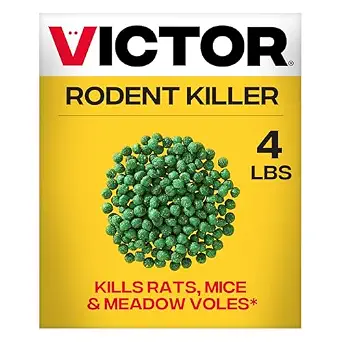 |
| Best Seller A high-volume bestseller chosen again and again | d-Con Corner Fit Mouse Poison Bait Station Refills, 10 Count |  |
Tomcat Bromethalin Bait Chunx Pail, 4.25 lb

| Item Form | Bar |
|---|---|
| Target Species | Rodents |
| Net Weight | 4.25 lb |
This Tomcat pail contains preformed 1 oz. bromethalin bait blocks intended for tackling mice, Norway rats, roof rats, and meadow voles in and around buildings. It is packaged for professional or agricultural use and is typically deployed inside tamper-resistant bait stations placed in basements, garages, crawl spaces, and around foundations within 100 feet of structures. The bait is fast-acting so rodents often consume a lethal dose in a single night and mortality can occur within a few days. The large 4.25 lb. pail supplies many placements and makes regular monitoring and replenishment simple. Important practical points are that outdoor placements must be in weather- and tamper-resistant stations and the label restricts use against certain species in California. Because this contains an acute pesticide, care is needed to keep it inaccessible to children, pets, and non-target wildlife and to follow local regulations and label directions.
Best for: Buyers who want a professional-strength, ready-to-use rodent bait for systematic control around buildings and who plan to use tamper-resistant stations and follow label directions.
Less Ideal for: Casual homeowners who cannot commit to secure bait station use or who need a rodent solution safe for free outdoor placement around pets and wildlife.
- Preformed 1 oz. blocks are easy to place and monitor in bait stations
- Contains bromethalin which is effective against anticoagulant-resistant rodents
- Large 4.25 lb. pail supplies many bait placements for ongoing control
- Suitable for indoor and outdoor use when placed in tamper-resistant stations
- Requires tamper- and weather-resistant bait stations for safe outdoor use and to protect non-targets
- Not permitted for use on several listed species in California and must be used according to label restrictions
Verdict: Choose this product when you need a professional-grade, preformed bromethalin bait supply for effective, managed rodent control around structures.
Tomcat Bromethalin Place Pacs Rodent Bait, 4.1 lb.

| Item Form | Other |
|---|---|
| Target Species | Mouse |
| Unit Count | 1 Count |
Tomcat Bromethalin Place Pacs deliver a ready-to-use, high-impact rodenticide in pre-portioned packs for indoor and outdoor use around manmade structures. Each 3-ounce place pac contains bromethalin formulated to kill Norway rats, roof rats, and house mice, and the container holds 22 pacs for repeated placements. The packs make field placement simple: place them along walls, in corners, or inside tamper-resistant bait stations and check every few days to replenish where feeding is heavy. Key practical benefits are predictable dosing from pre-measured pacs, suitability for use around homes and farms when used with secure stations, and effectiveness against some anticoagulant-resistant rodents. Important limitations are safety precautions and legal restrictions: handlers must use gloves and protective clothing, carcass retrieval requires gloves, and specific species and regional restrictions apply, so always follow label rules. This product is best used as part of a managed baiting program with proper bait-station use and monitoring rather than as a free-access solution.
Best for: Buyers who prioritize reliable knockdown of rats and mice and plan to run a monitored baiting program using tamper-resistant stations around buildings.
Less Ideal for: Those who need a pet-safe, nonchemical rodent solution or who cannot follow label safety and placement requirements should consider non-toxic traps or exclusion methods instead.
- Pre-measured 3-oz place pacs for consistent dosing and easy placement
- Formulated with bromethalin effective against rats and mice including some anticoagulant-resistant populations
- Usable indoors and outdoors when placed in tamper-resistant bait stations
- 22-pack container supports multiple placements without frequent repurchasing
- Requires strict safety precautions and protective gear when handling and retrieving carcasses
- Not permitted for use against certain rodent species in some regions so label restrictions must be checked
Verdict: Choose these pre-measured bromethalin place pacs when you need a powerful, easy-to-place bait that delivers consistent rodent control as part of a managed baiting program.
Kaput Combo Bait Pellets (32 x 2 oz place packs)

| Item Form | Pellets |
|---|---|
| Target Species | Rats, Mice, Voles, & Fleas |
| Unit Count | 64 Ounce |
| Active Ingredients | Imidacloprid, Warfarin |
| Specification Met | EPA |
This product is a pre-measured pellet bait sold as 32 two-ounce place packs designed for use in tamper-resistant stations around buildings. It combines warfarin to kill rodents and imidacloprid to control fleas, so you address both rodents and flea infestations with one treatment. Use is straightforward: place packs at recommended spacing (closer for mice, wider for rats), maintain fresh bait for 10 to 15 days, and remove or replace contaminated packs. The EPA specification and clear directions make it practical for scheduled follow-up and station-based management. The convenience of sealed place packs reduces direct handling and simplifies placement in permanent bait stations. Important limitations are the safety requirements and PPE during handling and the need to use tamper-resistant stations to protect children, pets, and wildlife; the active ingredients also require proper disposal of carcasses and spoiled bait. This is a functional option for organized, recurrent pest control plans but not a do-it-without-precautions product.
Best for: Buyers who want a practical, scheduled approach to rodent control and prefer ready-to-use packs that fit into bait-station programs and repeat treatments.
Less Ideal for: People who need immediate kill without safety controls, who cannot use tamper-resistant stations, or who prefer non-chemical or pet-safe methods.
- Pre-measured 2 oz place packs simplify placement and reduce direct bait handling.
- Dual active ingredients address both rodents and fleas in one product.
- Label directions specify spacing and duration for effective control of different rodent types.
- EPA-specified formulation and manufacturer guidance support use in established bait stations.
- Contains anticoagulant and insecticide so strict safety precautions and PPE are required.
- Must be used inside or within 50 feet of buildings and in tamper-resistant stations, limiting placement options.
Verdict: If you want a convenient, station-ready bait that treats rodents and their fleas as part of a planned control program, this dual-action place-pack product is a practical choice.
Tomcat Mouse Killer Child & Dog Resistant Disposable Bait Stations, 2-Pack

| Unit Count | 2 Count |
|---|---|
| Target Species | Mouse |
| Included Components | Rodent Trap |
| Item Type Name | for Indoor/Outdoor Use |
Tomcat Mouse Killer disposable bait stations come ready to use with preloaded bait blocks in two weather-resistant, child- and dog-resistant housings. You place the stations where mice travel—along walls, in corners, near entry points or burrows—and the clear lids let you monitor bait without handling the block. The product is intended for quick deployment: mice enter, consume the bait block, then die within a couple of days according to the product description. Practical benefits include no messy setup, built-in tamper resistance for homes with pets or kids, and suitability for both indoor and outdoor placement. Limitations are that each pack contains only two stations and they are single-use, so recurring infestations will require repurchasing; the small pack size is best for spot treatments rather than whole-structure coverage. Also this product is a bait-based toxicant so it requires careful placement to avoid non-target exposure and follow-up disposal of spent stations.
Best for: Buyers who want a low-effort, safe-looking bait option to treat a small or early-stage mouse problem around the home and who prioritize simplicity over long-term refillability.
Less Ideal for: People needing to cover large properties, multi-room infestations, or those who prefer reusable or bulk baiting systems should consider other options.
- Ready to use with preloaded bait blocks so no handling of bait is required
- Child- and dog-resistant housing reduces accidental access by pets or children
- Clear lid allows quick visual checks of bait level without opening the station
- Weather-resistant design for use in garages, attics, and outdoor concealed locations
- Only two disposable stations per box so ongoing problems need more frequent replacement
- Single-use design produces more waste compared with refillable stations
Verdict: A convenient, prebaited tamper-resistant option for quickly treating a small mouse problem with minimal setup.
JT Eaton 709-PN Anticoagulant Peanut Butter Block Bait, 2 Pails (288 Count)

| Brand | JT Eaton |
|---|---|
| Unit Count | 288 Count |
| Item Form | Bait |
| Target Species | Rodents |
This JT Eaton 709-PN block bait is a straightforward anticoagulant rodenticide designed for reliable control of mice and rats. Packaged as two resealable pails holding a total of 288 one-ounce blocks, it is intended for repeated placement in infested areas or inside bait stations. The peanut butter flavoring helps attract rodents, while the block form is easy to position on floors, in corners, and in tamper-resistant bait boxes. Practical benefits include long on-site supply that reduces refill frequency and tamper-evident pails that help keep bait contained and dry. Important limitations are that this is a toxic chemical product that requires careful placement to avoid non-target exposure and legal compliance with local regulations, and it does not provide immediate knockdown since anticoagulants act over several days. Users should pair it with monitoring and integrated sanitation to prevent reinfestation.
Best for: Homeowners or property managers who prioritize a dependable, long-lasting rodent bait to keep sites supplied between service visits and who will use bait stations and monitoring as part of control.
Less Ideal for: People who need an instant knockdown solution or who cannot guarantee secure placement away from pets, children, or wildlife should consider non-chemical or alternative control methods.
- Large supply in resealable pails reduces how often you need to restock
- Peanut butter flavoring increases attractiveness to both mice and rats
- Block form is easy to place in bait stations and along runways
- Anticoagulant formula provides effective multi-day control against rodents
- Anticoagulant action is not immediate and requires multiple feedings over days
- Toxic to non-target animals and requires careful, restricted placement
Verdict: Buy this if you want a dependable, large-quantity anticoagulant block bait that keeps bait stations stocked and simplifies long-term rodent control.
Victor M925 Rodent Killer, 4 lb Fish‑Flavored Bait

| Item Form | Soft Bait |
|---|---|
| Target Species | Rodents |
| Active Ingredients | Diphacinone 0.005% |
| Specification Met | EPA |
Victor M925 is a ready-to-use rodenticide made up of fish-flavored soft bait balls intended for indoor and outdoor pest control. You deploy it loose along walls or inside tamper-resistant bait stations where you see droppings, gnaw marks, or runways. The large 4 lb bag supplies many placements so it is useful for widespread or persistent infestations, and the bait is described as weather-resistant so it holds up in damp locations. The active ingredient is a low-concentration anticoagulant so rodents consume repeated doses before mortality, which can make baiting more gradual but effective when used correctly. Important considerations are safety and placement: the product must be kept out of reach of children, pets, and wildlife and is recommended for use inside secure bait stations outdoors. For buyers who value proven effectiveness and a generous supply, this is a practical option, but it requires careful handling and correct stationing to avoid non-target exposure.
Best for: Buyers who want a proven, ready-to-use bait for controlling moderate to large rodent problems and who will follow safe placement practices with bait stations.
Less Ideal for: Households with young children, pets, or frequent wildlife access that cannot use tamper-resistant bait stations should consider non-poison control methods instead.
- Ready-to-use fish-flavored soft bait that is highly palatable to rodents
- Weather-resistant formulation suitable for wet or dry placements
- Large 4 lb bag provides ample supply for treating large areas or prolonged use
- Uses a low-concentration anticoagulant which produces delayed mortality rather than immediate kill
Verdict: Choose Victor M925 when you need a generously sized, weather-resistant bait that reliably attracts and treats mice, rats, and voles.
d-Con Corner Fit Mouse Poison Bait Station Refills, 10 Count

| Target Species | Mouse |
|---|---|
| Unit Count | 10 Count |
| Active Ingredients | Cholecalciferol |
These refill baits are made for d-Con corner-fit refillable stations and are formulated with cholecalciferol rather than traditional anticoagulant poisons. You load the pellets into the low-profile station and place it where you see mouse activity such as corners, attics, behind appliances or in garages. The clear window in the station lets you monitor consumption so you know when mice are taking the bait, and the weather-resistant design means the station can be used indoors or outdoors. Because the active ingredient is cholecalciferol, the product is positioned as a safer option compared with some neurotoxic or anticoagulant baits, and the refillable station is tamper-resistant against children and pets when used as directed. Limitations are that this is a poison and requires careful placement and handling, and success depends on mice accepting the bait so you may need to move the station if you do not see chew marks within a few days.
Best for: Buyers who want a more conservative poison option and prefer a tamper-resistant, refillable bait solution for typical house mice problems in and around the home.
Less Ideal for: People seeking a non-toxic or live-capture approach to rodent control or those unwilling to handle rodenticide products should consider alternative methods.
- Uses cholecalciferol formula instead of anticoagulants or neurotoxins
- Refillable pellets fit a low-profile corner bait station for discreet placement
- Weather-resistant station design allows indoor or outdoor use
- Clear station window lets you monitor bait consumption
- Requires cautious placement and handling since it is a toxic bait
- Effectiveness depends on mice taking the bait and may require repositioning
Verdict: A refill option for the d-Con corner-fit station that offers a cholecalciferol-based bait for cautious buyers who want a tamper-resistant, monitorable approach to mouse control.
Choosing the Right Bait Rodent Poison: Key Factors to Consider
Toxicity Profile and Active Ingredient
The active ingredient determines how quickly rodents are affected and how risky the product is to non-target animals and people. Some active ingredients act quickly and reduce bait consumption time, while others are anticoagulants that take longer to work but can be effective with single-feed or multiple-feed formulations.
Understanding label language about primary toxicity and required precautions helps you place bait where it will control target rodents but avoid accidental ingestion by pets, children, or wildlife. Look for formulations and concentrations appropriate for residential settings and follow all personal protective equipment and disposal directions on the label.
Bait Longevity and Palatability
How long a bait remains attractive and functional in your environment affects both efficacy and safety. Baits that dry out, mold, or leach active ingredient in wet conditions lose effectiveness quickly. Palatability matters because rodents will ignore unappealing bait and control will fail.
Consider whether bait comes in block, pellet, paste, or grain form and how that form holds up to humidity, rain, or repeated visits from pests. Longer-lasting baits reduce the need for frequent checks and limit the chance of non-target animals finding fresh bait frequently.
Delivery Method and Tamper Resistance
The way bait is presented-loose, in preformed blocks, or inside a tamper-resistant station-affects safety and placement options. Tamper-resistant stations are essential when children, pets, or wildlife may access bait. They also concentrate bait in a predictable spot for monitoring and removal.
If you must place bait in open areas, choose formulations designed for secure placement or that fit standard bait stations. Clear instructions on how to use a station and how to secure bait reduce accidental exposure and make ongoing monitoring simpler.
Weather Durability and Outdoor Suitability
Garden and yard settings expose bait to rain, sun, temperature swings, and soil moisture. Products that are not weather-resistant can break down, losing active ingredient or becoming unpalatable. This leads to wasted material and inconsistent control.
Pick baits formulated for outdoor use if you plan to place them near foundations, under sheds, or by compost piles. Consider additional physical protection like shallow shelters or sealed stations in areas prone to heavy rain or direct sunlight.
Placement Flexibility and Application Scenarios
Different sites demand different placement options. Inside a garage or basement you can often use open trays or secured blocks, while near planting beds or chicken feed you need locked stations and careful spacing. Some baits are better for perimeter lines along foundations, others for attics or enclosed crawlspaces.
Think through the typical rodent travel routes on your property and choose a bait form and delivery that can be positioned where rodents feed but away from people, pets, and beneficial wildlife.
Safe Placement Strategies
Prioritize safety by mapping where children, pets, and wildlife frequent before placing bait. Use tamper-resistant stations along walls, inside sheds, or under structures where rodents travel. If you must use open bait because of access constraints, restrict placement to times when supervision is possible and remove remaining bait quickly after activity stops.
Rotate placement to follow fresh rodent activity and avoid putting bait in high-traffic human areas. Mark stations discreetly so you can check them regularly and remove spent bait or any exposed pieces that could attract non-targets.
- Place stations along walls and runways that show droppings or rub marks
- Keep bait at least a few feet from playgrounds, pet doors, and feeding areas
- Check stations every few days and recover any uneaten bait when activity declines
Combining Bait with Sanitation and Exclusion
Bait is one tool within an integrated approach. Reducing accessible food, securing compost, and sealing entry points reduces reliance on poison and speeds overall control. Small changes, like storing bird seed in rodent-proof containers and patching gaps around doors, reduce population pressure and make baits more effective.
Use bait to knock down numbers while you implement exclusion. After baiting, continue to maintain sanitation and structural repairs to prevent reinfestation.
- Store pet feed in metal or tightly lidded bins
- Seal holes larger than a quarter with wire mesh or foam and metal flashing
- Trim vegetation and clear debris that hides rodent runs near foundations
Using Bait Responsibly Around Gardens and Pollinator Areas
When applying bait near garden beds keep stations off soil and away from flowering plants to avoid indirect exposure to beneficial insects. Avoid scattering granular bait that can drift into plantings where pollinators forage. Instead, use enclosed stations or place bait under benches or inside sheds.
After active control ends, remove all remaining bait and wash hands and tools. Monitor for secondary effects and avoid placing bait where scavengers routinely access carcasses, such as open fields frequented by birds of prey.
- Position stations on hard surfaces rather than bare soil
- Avoid placing bait where pets or wildlife can drag it into plantings
- Inspect gardens regularly for signs of rodent activity instead of re-baiting automatically
Monitoring and Knowing When to Stop
Effective programs include a monitoring plan. Check bait stations frequently in the first two weeks and then reduce checks as activity drops. Use non-toxic monitoring blocks during maintenance phases if you want to detect low-level activity without reintroducing poison.
Stop baiting once activity has ceased and there are no fresh droppings or gnaw marks for several weeks. Leaving bait out indefinitely increases the chance of non-target exposure and accumulation of residues in the environment.
- Record checks and findings to spot patterns
- Replace stations or bait only when you detect renewed activity
- Dispose of dead rodents according to local guidance and label instructions
How We Chose the Best Bait Rodent Poison
We narrowed candidates by focusing on attributes that matter in real garden and property use. Key evaluation criteria included toxicity profile measured by active ingredient and dose, which determines speed of kill and non-target risk. Bait longevity and weather resistance were assessed to see how well the product holds up in damp or variable outdoor conditions. Delivery method and tamper-resistance were examined because locked bait stations and pellet size affect safe placement near children, pets, or wildlife. Ease of use and instructions were reviewed for clear dosing, handling, and disposal guidance. Finally, effectiveness in common application scenarios such as inside outbuildings, along foundation lines, and near compost or feed areas was considered. We excluded products lacking clear labeling on active ingredients or placement restrictions, formulations unsuitable for typical home or garden use, and items meant purely for agricultural or commercial pest operators without homeowner instructions. The resulting shortlist emphasizes options that balance rodent control performance with realistic safety and placement choices.
FAQ
How close to garden beds can I place bait safely?
Place bait in tamper-resistant stations on hard surfaces a few feet away from beds, not directly in planting soil. Avoid scattering loose bait near plants where pets, wildlife, or pollinators might encounter it.
How long should I leave bait in place?
Leave bait until activity stops, checking stations every few days at first. Once you see no fresh signs of rodents for several weeks, remove remaining bait and keep monitoring for new activity.
Can I use bait if I have outdoor cats or dogs?
You can use bait with caution when pets are present by placing it inside locked stations or inaccessible areas. Keep pets supervised and follow label precautions; if ingestion is suspected, seek veterinary advice promptly.
Is one type of bait better for damp or rainy climates?
Baits formulated for weather resistance, such as hardened blocks or water-resistant pellets, last longer in damp conditions. Regardless of formulation, place them under cover or inside stations to protect from rain and maintain palatability.
What should I do about dead rodents after baiting?
Remove carcasses promptly wearing gloves and following disposal instructions on the product label. Proper removal reduces the risk of secondary exposure and slows odors that can attract scavengers.
Final Verdict
Choosing the right bait rodent poison starts with matching toxicity, form, and delivery to your specific site and safety constraints. Prioritize products with clear labeling on active ingredient and placement restrictions, and favor tamper-resistant delivery for areas accessible to children, pets, or wildlife. Combine baiting with sanitation and exclusion to achieve lasting control. Monitor regularly, remove leftover bait when activity subsides, and weigh tradeoffs between speed of action and non-target risk to make a confident, responsible choice.
