

Note: This article contains affiliate links. If you click on these links and make a purchase, I may earn a small commission at no extra cost to you. This helps support my research and content. Read my full affiliate disclosure here.
Potted trees let you add height, shade, and year-round structure to patios, balconies, and small yards where in-ground planting is not possible. Choosing container-friendly options matters because root confinement, watering needs, and winter protection change how a tree grows and how much upkeep it requires. This guide covers seven shortlisted trees that are well suited to pots and explains the practical tradeoffs between size control, seasonal interest, and maintenance. You will find clear criteria we used to narrow the list and what to expect for watering, feeding, and winter care.
Top Picks at a Glance
| Best Overall The best all-around choice for most situations | American Plant Exchange Windmill Palm (Trachycarpus fortunei) – 10-inch Potted Live Plant |  |
| Best Value The sweet spot between price and what you get | Perfect Plants Chicago Hardy Fig Tree, 3 Gallon (Live Plant) |  |
| Highest Rated A top-rated pick with lots of positive feedback | GINGERGLOW Eastern Redbud Tree Live Plant, Potted Starter Tree with Pink Spring Blooms |  |
| Most Popular A crowd favorite that many people choose with confidence | American Plant Exchange Arbequina Olive Tree (Live, 5" Pot) |  |
| Best Seller A high-volume bestseller chosen again and again | Brussel's Bonsai Golden Gate Ficus Live Indoor Bonsai Tree (potted) |  |
American Plant Exchange Windmill Palm (Trachycarpus fortunei) – 10-inch Potted Live Plant

| Indoor Outdoor Usage | Indoor, Outdoor |
|---|---|
| Other Special Features of the Product | Cold Hardy, Drought Tolerant |
| Sunlight Exposure | Full Sun |
| USDA Hardiness Zone | 10, 11, 7, 8 |
| Moisture Needs | Regular Watering |
The Windmill Palm from American Plant Exchange is a live Trachycarpus fortunei sold in a 10-inch nursery pot that brings a compact tropical look to patios, terraces, and large containers. It is typically used as a focal potted tree where its fan-shaped fronds and textured trunk add vertical interest without a high maintenance burden. Notable features include cold hardiness down to USDA zones 7 through 11, drought tolerance once established, and a preference for full sun and sandy, well-draining soil. Practical benefits for container gardeners are its climate versatility and low ongoing care needs beyond regular watering and occasional feeding, making it suitable for year-round outdoor display in milder areas or seasonal container use in cooler climates. Important limitations are that a 10-inch nursery pot is an interim home — the palm will need progressive upsizing as it grows and sufficient root space to avoid becoming root-bound, and it may require winter protection in the coldest part of zone 7. Expect a living plant with natural variation; growth rate and final size will depend on pot size and local conditions.
Best for: Gardeners who want a hardy, low-maintenance palm to serve as a potted focal point on a patio or terrace and who are prepared to upsize containers as the plant grows.
Less Ideal for: People who need an instant large specimen without repotting or those who cannot provide occasional winter protection in colder climates.
- Cold-hardy across USDA zones 7–11 so it can be grown in a wide range of climates
- Distinctive fan-shaped fronds and textured trunk that work well as a potted focal point
- Shipped in a nursery pot with potting soil so it is ready to place in a container or transplant
- Drought tolerant once established which reduces watering frequency
- Low maintenance after establishment for container or patio use
- Supplied in a small nursery pot and will need repotting into progressively larger containers as it grows
- Will need winter protection or relocation in the coldest conditions of zone 7 to avoid damage
Verdict: A resilient, low-maintenance palm that brings tropical style to pots and patios while tolerating colder climates better than most palms.
Perfect Plants Chicago Hardy Fig Tree, 3 Gallon (Live Plant)
| Sunlight Exposure | Full Sun |
|---|---|
| Moisture Needs | Moderate Watering |
| Other Special Features of the Product | Easy To Use |
| Item Type Name | Live Plant |
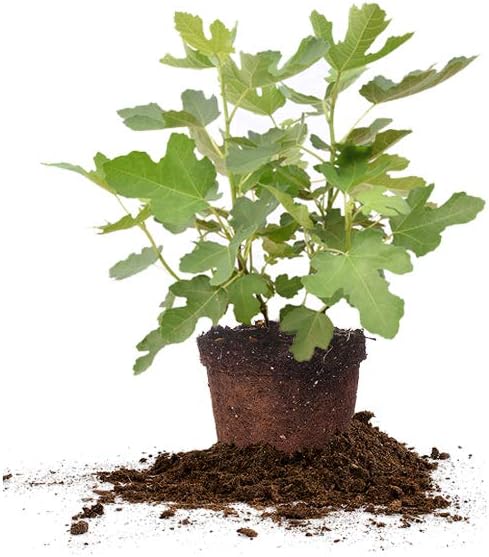
The Chicago Hardy fig in a 3-gallon pot is a cold-hardy, sun-loving fig tree intended for buyers who want fresh figs from a compact specimen that can live in a pot or in the ground. It arrives as a live plant with a care guide and fig food included, and is described as self-pollinating and able to produce deep purple fruit annually. In practice this variety performs well in full sun and moderate watering regimes and can be grown on a patio in a large container or placed in the landscape if space allows. Notable features are its cold tolerance and tendency to grow upright with open foliage that leaves room for fruiting lower on the branches. Limitations are inherent to planting a tree in a container: it will need regular watering, periodic fertilizer, and eventual transplanting or pruning to control height and root crowding as it approaches maturity. Also the product listing notes shipping restrictions to some states which buyers should check before ordering.
Best for: Buyers who want a low-maintenance fruit tree that tolerates cold and can be grown on a patio in a large container to produce edible figs each year.
Less Ideal for: Those who need an immediately small, permanently container-sized plant or who cannot commit to seasonal pruning and regular watering for a potted tree.
- Cold-hardy variety suitable for cooler climates
- Self-pollinating and known to produce annual fruit
- Includes care guide and starter fig food for early growth
- Adaptable to container growing or landscape planting
- Will outgrow a small container over time and require pruning or repotting
- Needs consistent watering and feeding when grown in pots
Verdict: Choose this Chicago Hardy fig when you want a cold-tolerant, self-pollinating fig tree that reliably produces fruit and can be grown successfully in a large pot on a patio.
GINGERGLOW Eastern Redbud Tree Live Plant, Potted Starter Tree with Pink Spring Blooms

| Expected Blooming Period | Spring to Summer |
|---|---|
| Sunlight Exposure | Full Shade |
| Soil Type | Sandy Soil, Chalk Soil, Clay Soil, Peat Soil, Silt Soil |
| Moisture Needs | Regular Watering |
This GINGERGLOW Eastern Redbud arrives as a potted, well-rooted starter designed to give a fast, reliable head start in containers or small-yard plantings. It is typically used as a focal ornamental in pots on patios, entryways, or compact landscapes where spring color is desired without a large mature footprint. Notable features include early spring pink to magenta blossoms that appear before the leaves, a multi-trunk vase form that can be trained to a single trunk, and heart-shaped foliage that provides summer shade and fall interest. Practical benefits for container growers are its cold-hardiness across many climates, adaptability to common soil types including clay and loam, and low maintenance once established. Important limitations are that it is deciduous so it will be bare in winter and young potted trees need regular watering and a season of establishment before heavy flowering. For reliable performance in pots plan to use well-draining potting mix, monitor moisture during the first year, and prune lightly after bloom to shape the plant.
Best for: Buyers who prioritize a dependable, easy-to-establish ornamental tree for containers or small yards and want consistent spring color with minimal ongoing care.
Less Ideal for: People seeking evergreen screening or year-round privacy plants or those who want immediate large canopy shade without waiting for growth.
- Sold as a well-rooted nursery starter that speeds establishment in a pot
- Produces striking early spring pink to magenta blossoms before leaf-out
- Adaptable to a wide range of soils and hardy across many climates
- Vase-shaped branching can be left multi-trunked or pruned to a single trunk
- Requires regular watering and attentive moisture management while establishing
- Deciduous habit means no foliage or flowers through winter months
Verdict: A reliable, well-rooted potted redbud that delivers dependable spring blooms and easy establishment for patios and small-yard containers.
American Plant Exchange Arbequina Olive Tree (Live, 5" Pot)

| Indoor Outdoor Usage | Indoor, Outdoor |
|---|---|
| Other Special Features of the Product | Air Purification, Fruit-producing, Low Maintenance, Pet Friendly |
| Sunlight Exposure | Full Sun |
| USDA Hardiness Zone | 7b, 8, 9, 10, 11 |
| Moisture Needs | Moderate Watering |
This Arbequina olive arrives as a small, potted live tree meant to be grown in a sunny spot and can be kept in a container long enough to be a patio specimen or later planted in the ground. It is a compact, fruit-producing cultivar noted for drought tolerance once established and for needing only moderate watering—about every one to two weeks with well-draining soil. Typical use is as a decorative Mediterranean-style tree on terraces, balconies, or sunny patios where its silvery foliage and spring blooms add structure and attract pollinators while eventually producing small olives. The listing highlights easy-care aspects and air-purifying benefits, and the plastic nursery pot makes it straightforward to move and repot. Expect to prune occasionally to shape the canopy and encourage fruiting. Limitations to plan for are cold sensitivity below USDA zone 7b and the time needed to reach substantial size and consistent fruit yields; this is not an instant-production fruit tree but a long-term, attractive addition to a sunny potted garden.
Best for: Buyers who want a low-maintenance Mediterranean-style tree for a sunny pot or patio and value real-user experience when choosing a reliable live plant.
Less Ideal for: People who need a fast source of olives the first season or who cannot provide winter protection in climates colder than zone 7b.
- Compact, fruit-producing Arbequina variety suitable for container growing
- Drought-tolerant once established, reducing watering demands
- Potted in a nursery container so it is easy to move and repot
- Attractive silver-green foliage and spring blooms that enhance patios and balconies
- Not hardy below USDA zone 7b so it needs protection in cooler climates
- Will take time and appropriate pruning to produce meaningful olive yields
Verdict: A compact, low-maintenance olive tree that works well in sunny pots for buyers seeking a long-term, attractive fruiting specimen.
Brussel's Bonsai Golden Gate Ficus Live Indoor Bonsai Tree (potted)

| Manufacturer | Brussel's Bonsai |
|---|---|
| Plant type | Golden Gate Ficus (Ficus microcarpa) |
| Cultivation origin | Grown in Mississippi |
| Care level | Beginner-friendly, indoor with bright light |
| Includes | Bonsai pot included |
This Golden Gate Ficus from Brussel's Bonsai is a small, potted indoor bonsai intended as an easy-care decorative tree. It arrives planted in a bonsai container and is described as tolerant of indoor conditions when given bright light and regular watering, which makes it suitable for desks, shelves, and windowsills. Notable features include its compact size, spiraling trunk and dense foliage that give an immediate finished look, and protective packaging from the grower to improve arrival condition. Because it is sold as a live, grown specimen rather than a kit, buyers get a display-ready plant rather than needing to pot or style it themselves. Limitations are the inherent variability of live plants in size and container appearance and the usual care needs of ficus species—consistent light and watering are required to keep it healthy. The seller notes shipping constraints tied to temperatures which can affect delivery timing. For a risk-averse buyer this is a low-effort option to add an attractive potted tree to small indoor spaces, provided you plan for basic ongoing care.
Best for: Buyers who want a low-hassle, display-ready indoor bonsai to add greenery to small rooms or workspaces and prefer plants cultivated by specialists rather than starting from a kit.
Less Ideal for: People seeking precise uniformity in size or container appearance or those who want an outdoor or cold-tolerant potted tree.
- Arrives ready in a bonsai container so no potting or styling required
- Described as beginner-friendly and adaptable to indoor bright light
- Compact size fits small spaces like desks and windowsills
- Grown and packaged by specialists to reduce transit damage
- Live-plant variability means pot shape and exact appearance can differ between orders
- Requires consistent light and watering typical of ficus species
Verdict: A ready-to-display, beginner-friendly indoor ficus bonsai that makes adding a compact potted tree to small spaces simple and low effort.
Choosing the Right Trees That Can Be Planted in Pots: Key Factors to Consider
Pot Size and Root Volume
Pot volume directly limits how large a tree can grow and affects how often you must water. A larger pot stores more moisture and nutrients, reduces temperature swings around the rootball, and gives more room for gradual root growth. However, oversized containers are heavier and harder to move, so balance final tree size, site access, and how often you will repot.
When choosing a pot, consider long-term root space rather than just the tree's current size. Root-pruning and periodic repotting or top-dressing can make smaller pots viable for longer, but that increases labor and may stress the tree if done too aggressively.
Soil Mix and Drainage
A well-draining, fertile container mix supports healthy root systems and prevents waterlogging, which is a common cause of decline in potted trees. Incorporate aeration components such as pine bark, coir, or perlite with high-quality loam or composted material to hold nutrients while shedding excess water.
Good drainage also helps maintain oxygen at the root surface and reduces root rot and fungal problems. Match the mix to the species' moisture needs: some trees prefer slightly richer, moisture-retentive blends while others need a brisker, fast-draining medium.
Watering Frequency and Irrigation Setup
Potted trees dry out faster than in-ground trees because the pot limits soil volume and exposes roots to air. Watering frequency depends on pot size, mix, exposure, and tree species. Expect more frequent checks during hot, windy periods and in shallow pots.
Consider a drip line or soaker solution for large containers to keep moisture consistent. Mulching the surface and grouping pots in partial shade can reduce evaporation. Overwatering is as risky as underwatering, so learn the feel and weight of a properly watered pot for each tree you keep.
Pruning and Canopy Management
Regular pruning helps retain a suitable silhouette, encourages woody structure, and keeps canopy size appropriate for the container. Light annual pruning to remove crossing branches and maintain a single trunk or desired multi-stem form reduces wind load and improves balance.
Root pruning and crown reduction can both be necessary for long-term container culture. Root pruning is typically done every few years at repotting to prevent root binding, while summer pruning can limit vigorous shoots that will increase leaf mass and water needs.
Winter Protection and Microclimate
Potted trees are more vulnerable to cold and root freeze because the rootball is exposed on all sides. Winter protection strategies include moving pots to sheltered locations, adding insulating wraps or mulch around the root zone, and situating containers against walls or under eaves where radiated heat reduces extremes.
In colder climates select trees with proven container hardiness or plan to overwinter them in an unheated garage or insulated cold frame. Even in mild climates, watch for late frosts that can damage new shoots.
Mobility and Anchoring
Consider how often you need to move the tree for seasonal light changes or protection. Larger pots are heavy and hard to relocate, so casters or plant dollies can be useful but may reduce stability in wind. Secure anchoring or staking is often needed for taller specimens to prevent tipping.
Think about long-term placement before planting because moving a mature potted tree is labor intensive. If you plan to rearrange containers frequently, prioritize smaller species or use lightweight, high-volume pots made from modern composites.
Container Choices and Materials
Container material affects insulation, weight, and longevity. Clay and terracotta breathe well and are attractive but dry out faster and can crack in freezing weather. Plastic and resin pots retain moisture and weigh less, making them easier to move but less insulating for roots. Fiberglass and composite pots combine lighter weight with good durability and often better winter resilience.
- Match pot material to climate and mobility needs.
- Choose a pot with a wide base for taller, top-heavy trees.
- Ensure containers have adequate drainage holes and consider adding a gravel layer or mesh to prevent soil loss.
Potting, Repotting, and Root Pruning Schedule
Start with a pot that gives a comfortable margin for root growth for the first few years and plan a repotting or root-prune schedule every 2 to 5 years depending on growth rate. When repotting, trim circling roots and reduce the rootball just enough to encourage new feeder roots without shocking the tree.
Frequent repotting in a slightly larger container can delay the need for aggressive root pruning, while periodic root reduction keeps the tree healthy in long-term container culture. Keep a seasonal calendar to perform repotting in the tree's dormant season when possible.
- Inspect roots annually for binding.
- Use sharp, clean tools for root cuts.
- Top-dress with compost between full repot cycles.
Fertilizing Strategy for Potted Trees
Potted trees rely entirely on you for nutrients. Use a balanced, slow-release granular fertilizer applied in spring and supplemented by soluble feeds during the growing season for heavy feeders. Organic options like composted manure or liquid seaweed can provide micronutrients and improve soil biology.
Avoid over-fertilizing, which leads to excessive top growth that is hard to sustain in a pot and can increase watering needs. Tailor feeding to species: fruiting or flowering trees often need more potassium and phosphorus, while foliage-focused specimens do well on balanced NPK ratios.
- Apply slow-release fertilizer once in spring.
- Use liquid feed during peak growth for hungry trees.
- Monitor leaf color and growth to adjust feeding rates.
Placement and Light Requirements
Placement determines vigor and form. Some container-suitable trees need full sun to flower and fruit, while others tolerate partial shade and perform better on shady patios. Consider seasonal sun paths and how balconies or nearby structures cast shade at different times of day.
Rotate pots periodically to prevent lean and uneven canopy development. For balconies, check wind tunnels created by buildings and place windbreaks or rail planters to reduce exposure.
- Observe the site for daily sun hours before planting.
- Account for summer heat that can stress root systems in exposed locations.
- Place wind-sensitive specimens near shelter or weigh pots down.
How We Chose the Best Trees That Can Be Planted in Pots
We focused on traits that determine whether a tree will thrive long term when confined to a container. Evaluation emphasized root tolerance to restriction, predictable mature size in pots, and a demonstrated ability to withstand regular watering cycles. Structural stability in wind and the ease of seasonal maintenance were also important because potted trees face more exposure than in-ground specimens. For selection we prioritized trees with documented success in containers across a range of climates and excluded species that require extensive root pruning, have aggressive root systems, or grow unpredictably tall when pot-bound. Other filters included native and non-invasive status, availability as standard or dwarf/root-pruned nursery stock, and relative pest and disease resistance under container culture. Practical criteria we used when choosing candidates were: tolerance of root confinement and repotting, manageable canopy size, drought and watering response, structural strength for exposed placements, and winter hardiness for typical temperate to warm climates. We excluded trees that need full unrestricted root runs or that are known to decline rapidly in pots.
FAQ
How large should a pot be for a young tree?
Start with a pot that gives at least twice the volume of the current rootball so the tree can establish without frequent repotting. For many small trees this means starting in a container 12 to 18 inches in diameter and moving up gradually as the tree grows.
Can all trees survive in pots long term?
Not all trees are suitable for permanent container culture. Some species need a wide root run to reach full health. Trees with natural dwarfing tendencies or cultivars specifically selected for container growth are usually the most reliable long-term choices.
How do I prevent my potted tree from becoming root-bound?
Repot or perform root pruning every few years depending on growth. Remove the tree, trim circling roots, and either move to a slightly larger container or replace a portion of the rootball with fresh mix. Monitoring root health annually helps you time interventions before decline.
What are signs of overwatering in a potted tree?
Yellowing leaves, soft or wilting foliage despite moist soil, and a sour or moldy smell from the potting mix indicate overwatering. Check drainage and the condition of roots; healthy roots are firm and white, while rotted roots are brown and mushy.
How should I protect potted trees from winter cold?
Move containers to sheltered locations, wrap pots with insulating material, or group them close to a building to reduce exposure. In very cold areas consider moving sensitive trees into a cool but frost-free space or using extra mulch around the rootball to moderate temperature swings.
Is staking necessary for all potted trees?
Staking is often helpful for newly planted or top-heavy trees to prevent tipping and encourage straight trunk development. Use flexible ties and allow some movement so the trunk strengthens. Once roots re-establish, you can reduce or remove staking.
Final Verdict
Potted trees are a versatile way to add height, seasonal interest, and privacy to small outdoor spaces, but they require choices that acknowledge the limits of container culture. Prioritize species with good root confinement tolerance, manageable mature size, and reasonable drought and cold responses for your climate. Match pot volume, soil mix, and a maintenance schedule for watering, fertilizing, pruning, and winter protection to the tree you choose. Decide which tradeoffs you are willing to accept: more frequent repotting and pruning for a showy specimen, or a lower-maintenance, slower-growing tree for a stable container display. With the right match of tree, pot, and care routine you can enjoy a healthy container tree for many years.
