

Note: This article contains affiliate links. If you click on these links and make a purchase, I may earn a small commission at no extra cost to you. This helps support my research and content. Read my full affiliate disclosure here.
An east-facing window gives plants bright, cool morning sun and softer, lower light through the afternoon. That pattern suits many houseplants that need a burst of light to fuel growth without baking in hot afternoon rays. Choosing the right plants for an east-facing window matters because light intensity, daily temperature swings, and predictable moisture needs determine whether a specimen will flourish or sulk. This guide shortlists seven top options suited to that light cycle and evaluates each on light tolerance and water management among other practical factors. Below you will find concise care notes, what to expect from each plant in a typical apartment or home, and the criteria we used to choose them.
Top Picks at a Glance
| Best Overall The best all-around choice for most situations | Costa Farms Golden Pothos Live Indoor Trailing Vine (Medium) |  |
| Best Quality Built to a higher standard if you want something more solid | Costa Farms Snake Plant (Sansevieria) live indoor plant in decorative pot |  |
| Best Value The sweet spot between price and what you get | Plants for Pets Essential Houseplant Collection 4-Pack (4.25" Nursery Pots) | 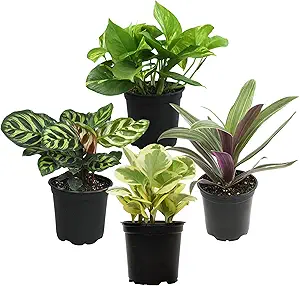 |
| Best Budget The cheapest option that still gets the job done reliably | Hirt's Gardens Sunset Jade Plant (Crassula) in 4" Pot |  |
| Highest Rated A top-rated pick with lots of positive feedback | Thorsen's Greenhouse Live Red Prayer Plant (Maranta leuconeura) in 4" Pot |  |
| Most Popular A crowd favorite that many people choose with confidence | Costa Farms Money Tree (Pachira aquatica) in Decorative Pot |  |
| Best Seller A high-volume bestseller chosen again and again | Plants for Pets Live Pothos 4‑Pack (4" Pots) |  |
Costa Farms Golden Pothos Live Indoor Trailing Vine (Medium)

| Indoor Outdoor Usage | Indoor |
|---|---|
| Other Special Features of the Product | Air Purification |
| Sunlight Exposure | Partial Sun |
| Moisture Needs | Regular Watering |
| USDA Hardiness Zone | 10 |
The Costa Farms Golden Pothos is a classic, easy-care indoor vine that arrives ready to display in a grower pot and is well suited to east-facing windows where it receives morning sun and bright indirect light. It is typically used as a trailing plant on shelves or in hanging baskets, or kept as a compact desk or tabletop specimen. Notable features from the listing include tolerance for medium, indirect light, a recommended weekly watering routine of about one cup, and natural air-purifying qualities. Practically, this means the pothos will tolerate inconsistent care, recover from occasional underwatering, and grow quickly when given moderate light and occasional fertilizer in spring and summer. Limitations are that it is shipped in a plastic grower pot and may need repotting as it grows, and it is not frost-hardy so it is strictly an indoor plant in most climates. Expect variability between individual plants since these are living items sourced from growers.
Best for: Buyers who want a reliable, low-maintenance houseplant to brighten an east-facing window, desk, or shelf and prefer a plant that tolerates irregular care.
Less Ideal for: People seeking a flowering or cold-hardy outdoor specimen or those who want a decorative plant in a permanent show pot without repotting.
- Tolerates low to medium indirect light, making it suitable for east-facing windows
- Low watering needs and forgiving of inconsistent care
- Fast-growing trailing habit useful for shelves, hanging baskets, or to fill space
- Listed air-purifying properties add a functional indoor benefit
- Arrives in a plastic grower pot and will likely need repotting as it matures
- Hardy only as an indoor plant in warm zones and not suitable for outdoor cold climates
Verdict: An easy, fast-growing pothos that reliably brightens east-facing windows and suits busy or beginner plant owners.
Costa Farms Snake Plant (Sansevieria) live indoor plant in decorative pot

| Indoor Outdoor Usage | Indoor |
|---|---|
| Other Special Features of the Product | Air Purification, Drought Tolerant, Low Maintenance |
| Sunlight Exposure | Partial Sun |
| USDA Hardiness Zone | 3 |
| Moisture Needs | Moderate Watering |
This Costa Farms Snake Plant is a compact, low-maintenance Sansevieria sold ready-to-display in a decorative pot. It provides upright, architectural foliage that works well on a windowsill or narrow spot and is commonly used to add vertical interest to living rooms, offices, or bedrooms. The plant is drought tolerant and thrives in a wide range of light conditions, so it adapts to an east-facing window where morning sun and bright indirect light are typical. Notable features include air-purifying qualities, simple care instructions (bright indirect light and light weekly watering), and a reputation for longevity when not overwatered. Practical benefits are easy placement, minimal daily attention, and durable growth even for beginners. Important limitations are that it does not bloom and care still requires avoiding consistently soggy soil; varieties may differ in leaf pattern so appearance is not guaranteed. For buyers prioritizing a resilient, low-effort plant that performs well in morning sun, this is a sensible choice.
Best for: Buyers who want a resilient, easy-care houseplant that performs reliably in an east-facing window and requires minimal daily attention.
Less Ideal for: Anyone seeking a flowering or fast-growing showy specimen for seasonal color or rapid canopy filling.
- Very low maintenance and drought tolerant, suitable for busy owners
- Tolerates a wide range of light including bright indirect morning sun common to east windows
- Provides vertical, architectural foliage that fits narrow spots and enhances decor
- Marketed with air-purifying properties to improve indoor air quality
- Does not produce blooms and offers primarily foliage interest
- Appearance may vary between individual plants since varieties are hand-selected
Verdict: Choose this Snake Plant when you need a low-effort, durable houseplant that thrives in morning sun and adds structured foliage to an east-facing window.
Plants for Pets Essential Houseplant Collection 4-Pack (4.25" Nursery Pots)

| Indoor Outdoor Usage | Indoor, Outdoor |
|---|---|
| Other Special Features of the Product | Air Purification, Compact, Low Maintenance |
| Sunlight Exposure | Partial Sun |
| Soil Type | Loam Soil |
| Moisture Needs | Regular Watering |
This 4-pack from Plants for Pets delivers a small, ready-to-grow assortment of popular houseplants in 4.25" nursery pots aimed at beginners and busy owners. The pack includes common easy-care types such as Pothos, Philodendron, Calathea, Dracaena and other low-light tolerant varieties that generally do well in bright, indirect light like an east-facing window. Plants arrive potted in loam-based soil and are intended to be watered when the topsoil dries, which keeps maintenance straightforward. Practical features include a mix that rotates by availability so you can build variety over time and a focus on low maintenance plus some pet-safe options. Limitations are the small nursery pot size, which means you will likely need to repot sooner as plants grow, and the exact varieties are not guaranteed so you cannot pick specific species. For someone optimizing for easy, low-effort indoor greenery to place on a sunny eastern sill, this pack is a convenient starter set.
Best for: Buyers who want a low-effort way to add several hardy indoor plants to an east-facing window or small space and prefer a ready-to-place starter set rather than sourcing individual species.
Less Ideal for: Gardners seeking specific named varieties, larger specimen plants, or fully pet-safe guaranteed collections should look for single-species pots or larger nursery sizes instead.
- Includes four greenhouse-grown, easy-care houseplants ready to place indoors
- Variety mixes include popular low-light tolerant species suited to bright indirect light
- Comes in 4.25" nursery pots for immediate display or easy transplanting
- Product care guidance recommends simple watering when soil is dry, reducing overwatering risk
- Small pot size means repotting will be necessary as plants mature
- Exact plant varieties are randomized and not selectable
- Not all varieties in the assortment are guaranteed to be pet-safe
Verdict: An easy, low-maintenance starter pack for someone who wants several ready-to-display houseplants that thrive in bright indirect light like an east-facing window.
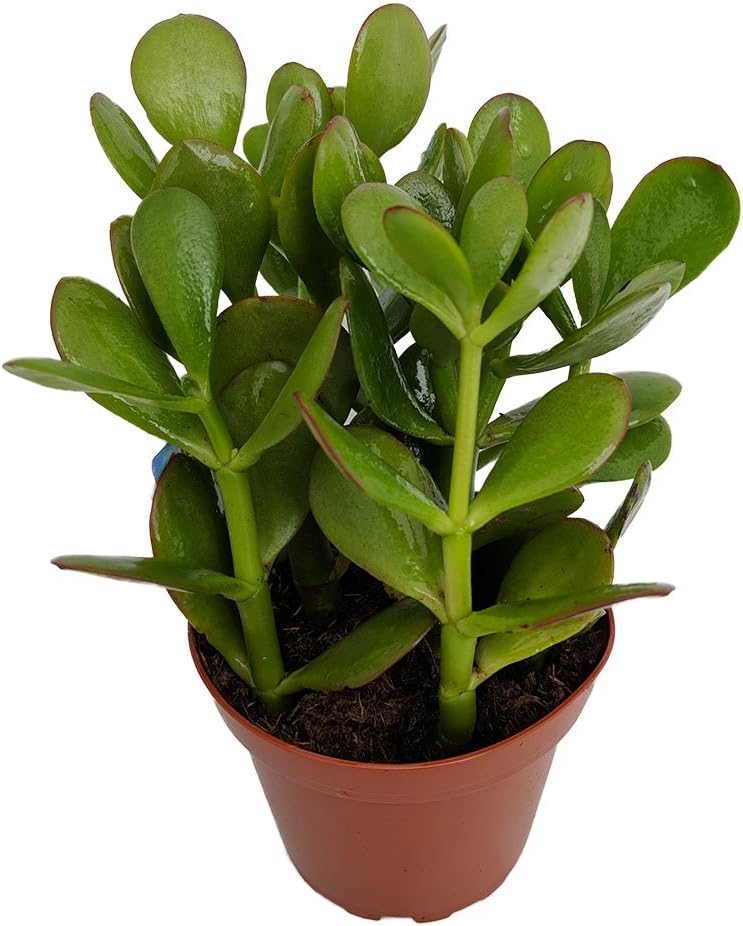
Hirt's Gardens Sunset Jade Plant (Crassula) in 4" Pot
| Sunlight Exposure | Full Sun |
|---|---|
| Expected Blooming Period | Summer |
| Moisture Needs | Moderate Watering |
| Plant or Animal Product Type | Crassula |
The Hirt's Gardens Sunset Jade is a compact Crassula succulent sold in a 4" nursery pot and suited to sunny indoor spots such as an east-facing window. It produces small pink or white flowers in summer and requires well-draining soil and moderate watering only when the soil dries. Practical features include its tolerance for bright, direct morning sun and low maintenance watering schedule, which make it a low-effort addition to a windowsill collection. Because it arrives potted and small, it is convenient for beginners or for mixing into a succulent arrangement without repotting immediately. Limitations are its small nursery size if you want an instant statement plant and the need for good drainage and bright light to avoid leggy growth. Expect slow, steady growth typical of Crassula and occasional pruning to keep a compact shape.
Best for: Buyers who want a low-maintenance, budget-friendly succulent for a sunny east-facing window and prefer a plant that is ready to display right away.
Less Ideal for: Not a great fit for someone seeking a large, mature specimen immediately or for low-light rooms away from direct morning sun.
- Easy care suited to bright windows and infrequent watering
- Arrives potted for immediate placement on a windowsill
- Produces small seasonal flowers for added interest
- Good choice for beginners or mixed succulent displays
- Small 4" nursery size may require repotting for long-term development
- Needs consistently bright light or it can become leggy
Verdict: A small, inexpensive jade succulent that delivers easy care and bright-window appeal for budget-conscious plant owners.
Thorsen's Greenhouse Live Red Prayer Plant (Maranta leuconeura) in 4" Pot

| Indoor Outdoor Usage | Indoor |
|---|---|
| Other Special Features of the Product | Pet Friendly |
| Sunlight Exposure | Partial Sun |
| Moisture Needs | Moderate Watering |
| Plant or Animal Product Type | Maranta Leuconeura |
The Red Prayer Plant from Thorsen's Greenhouse is a compact, pet-safe houseplant prized for its red-veined foliage and the characteristic leaf movement that tracks light through the day. Sold in a 4" plastic nursery pot, it is intended for indoor windowsills and low to bright indirect light, which makes it a natural fit for east-facing windows where morning sun is available without harsh afternoon rays. Typical care is straightforward: keep the peat-based soil consistently moist but not waterlogged, use filtered or distilled water to avoid mineral buildup, and increase humidity for best color and growth. The listing emphasizes acclimation after shipping and provides clear watering, light, and fertilizing guidance, so buyers can set realistic expectations and care routines. Expect a small plant around 5 to 8 inches tall that grows outward rather than tall, suitable for shelves, small tables, or hanging where its leaves can spread. Limitations are standard for living plants: individual appearance varies and plants may show minor shipping stress that requires a short recovery period.
Best for: Buyers who prioritize a dependable, low-stress houseplant for an east-facing window and want clear care instructions and pet-safe foliage.
Less Ideal for: People seeking instant, uniform decorative plants that match a specific photo exactly or those who prefer very large statement plants.
- ASPCA-approved non-toxic to pets so it is safe around cats and dogs
- Compact size and horizontal growing habit fit well on east-facing windowsills or small shelves
- Clear care guidance on watering, light, humidity and propagation makes it easy for a reliable routine
- Arrives in a standard 4" nursery pot that is easy to re-pot or place in a decorative cover
- Live plant may experience minor shipping stress and individual plants will vary from photos
Verdict: A small, pet-safe prayer plant that reliably performs in bright, indirect morning light and suits east-facing windows where consistent care is the priority.
Costa Farms Money Tree (Pachira aquatica) in Decorative Pot

| Indoor Outdoor Usage | Indoor |
|---|---|
| Other Special Features of the Product | Air Purification, Low Maintenance, Pet Friendly |
| Sunlight Exposure | Partial Shade |
| Moisture Needs | Moderate Watering |
| Product Care Instructions | Bright, Indirect Light, Water Weekly |
The Costa Farms Money Tree is a ready-to-display Pachira aquatica sold in a decorative pot and grown to be an easy-care indoor accent. It is typically used as a tabletop or small corner plant where bright, indirect light is available, making it a good fit for east-facing windows that receive morning sun. Notable features include the signature braided trunk and hand-shaped glossy leaves, nursery-selected packaging for safer delivery, and a pet-safe classification that reduces concerns around cats and dogs. Practical benefits are simple light and watering needs—keep it in filtered light and water when the top couple inches of soil dry—plus the plant arrives potted so no immediate repotting is required. Limitations are that this is a medium, 12–16 inch style intended as a decorative accent rather than a large statement tree, and because it ships live there can be variation in size and form; some plants may need a short recovery period after transit. The product is positioned for decorative, low-effort indoor greenery rather than heavy-duty air purification or large-scale room filling.
Best for: Buyers who want an easy-care, attractive houseplant for a morning-light spot and who value social proof from a well-known grower and predictable arrival quality.
Less Ideal for: Gardeners wanting a large indoor tree or maximum air-purifying capacity should consider larger specimens or different species.
- Arrives pre-potted in a decorative planter for immediate display
- Braided trunk and glossy foliage provide strong decorative, architectural interest
- Low maintenance care: bright indirect light and occasional watering
- Classified as non-toxic to cats and dogs, safe for pet households
- Nursery-selected and packaged to reduce transit stress on the live plant
- Medium tabletop size not suitable as a large floor statement plant
- Live shipping can produce some variation and may require a short recovery period after arrival
Verdict: A low-effort, pet-safe tabletop Money Tree that reliably adds sculptural green interest to an east-facing window or morning-light spot.
Plants for Pets Live Pothos 4‑Pack (4" Pots)

| Indoor Outdoor Usage | Indoor |
|---|---|
| Other Special Features of the Product | Air Purification |
| Moisture Needs | Regular Watering |
| USDA Hardiness Zone | 3 |
This 4-pack of live pothos is a convenient way to add resilient trailing greenery to an east-facing window or other indoor spot that gets bright, indirect morning light. The assortment rotates between common pothos and related vining varieties, so you can expect a mix of variegated and solid-leaf plants that work well in hanging planters, shelves, or small containers. Pothos are forgiving plants that tolerate a range of light levels and only need the soil to dry slightly between waterings, which makes them low-maintenance for busy or cautious plant owners. They also contribute to indoor air purification while filling vertical space with fast-growing vines that can be pruned or trained as needed. The main limitations are that you may receive duplicate varieties and the exact mix can vary, and these arrive in small 4" pots so you will likely replant to larger containers as they grow. Also avoid placing them in hot, direct afternoon sun which can scorch leaves.
Best for: Cautious buyers who want low-maintenance houseplants that thrive in bright morning light and require minimal day-to-day attention.
Less Ideal for: People seeking a guaranteed specific cultivar or mature specimen ready to fill a large space without additional repotting or training.
- Easy-care species that tolerates low to bright indirect light, suitable for east-facing windows
- Includes a variety mix of pothos and related vines for visual interest
- Ships in small pots ready to display or repot, good for hanging or shelf placement
- Helps improve indoor air quality as a natural purifier
- Plants arrive in 4" pots and will need repotting as they grow
- Variety mix is randomized so you may get duplicates or different cultivars than pictured
Verdict: A low‑stress, pet‑supporting pack of easy-care pothos that performs well in bright, indirect morning light and is ideal for cautious plant owners.
Choosing the Right Plants for East Facing Window: Key Factors to Consider
Daily Light Pattern
East-facing windows provide a distinct daily light rhythm: bright, cool light in the morning that fades to gentler illumination by midday and afternoon. That pattern supports plants that rely on a morning energy boost without needing intense afternoon sun. When choosing plants, think about peak intensity at sunrise, how much direct sun the window gets through the seasons, and whether nearby structures or trees block light on cloudy days.
Plants that want steady bright light will do well if the window receives several hours of sun early in the day. Conversely, species needing long periods of high-intensity light will struggle in this situation. Consider placing more light-hungry plants on the sill itself and lower-light species a short distance back from the glass.
Watering and Moisture Needs
East light affects soil drying because cooler afternoon temperatures slow evaporation compared with south or west exposures. That means you may need to water less frequently, and overwatering is a common risk. Evaluate plants for how tolerant they are of brief drought or slightly moist conditions, and choose potting mixes with the right drainage to match each plant's needs.
Also consider indoor humidity. Bathrooms and kitchens often have higher humidity and can support more moisture-loving species, while living rooms and bedrooms tend to be drier. Match plant selection to how often you can realistically water and whether you can raise humidity with a tray, pebble basin, or grouping plants together.
Mature Size and Growth Habit
Window dimensions and shelf depth limit what will physically fit and how the plant will grow over time. Some species remain compact and bushy, while others vine or sprawl and need support. Consider eventual height, spread, and whether a plant can be pruned to maintain shape in a windowsill setting.
Also think about pot size and weight. Larger plants in heavy pots can be awkward to move and may stress a sill. If you want a multi-year specimen, choose plants with predictable growth habits and the potential to be repotted or trained as they grow.
Light Variability Through Seasons
Light intensity and day length change with the seasons, and east-facing exposures shift from cool, low-angle light in winter to stronger morning sun in summer. Some plants thrive year-round in that variability; others may need rotation to a brighter spot in winter or a slight shading in high-sun summer months.
Plan seasonal adjustments such as moving plants a few feet from the window during the hottest months or bringing low-light tolerant species closer in winter. Understanding seasonal shifts helps prevent leaf scorch in summer and etiolation in winter.
Tolerance to Indoor Temperatures
East windows can be cool overnight and warm during the morning sun period. Choose plants that handle regular temperature swings common in homes, especially near drafty windows or single-pane glass. Avoid species that demand strict tropical heat unless you can provide supplemental warmth.
If your window area is colder in winter, favor hardy houseplants that tolerate brief drops in temperature. For consistently warm interior spaces, a wider range of tropical and subtropical choices becomes viable.
Maintenance and Care Commitment
Decide how much time you want to spend on routine tasks like watering, pruning, cleaning leaves, and repotting. Some plants require frequent grooming or pest checks, while others can be left alone for weeks. For an east-facing window in a busy household, low-maintenance species reduce risk of neglect-related problems.
Also consider feeding schedules. Plants in brighter spots need more regular fertilizing to support growth, whereas slower growers may need minimal feeding. Match plant care demands to your available time and interest.
Preparing an East-Facing Sill
Start by assessing the exact light your window receives on a typical week. Note how many hours of direct morning sun the sill gets and whether nearby trees or buildings cast shade at certain times. A simple phone photo taken at sunrise and midmorning over several days gives a useful baseline.
Choose potting mixes and containers that support the plants you plan to place there. Well-draining mixes suit most east-window species, but moisture-loving plants benefit from mixes that retain a bit more water. Consider lightweight pots that are easy to move for seasonal rotation and cleaning.
- Use a sheer curtain to diffuse particularly intense summer mornings if leaf scorch appears.
- Group plants with similar water needs to simplify care and maintain consistent humidity near the sill.
Arranging Plants by Light Need
Place the most light-demanding plants closest to the glass so they receive the strongest morning rays. Lower-light and trailing plants can sit slightly back on the shelf or in hanging planters where direct sun is reduced. Staggering heights lets taller plants shade more delicate specimens in the afternoon.
Rotate pots every few weeks so all sides of a plant get balanced light. This prevents leaning and uneven growth while ensuring fuller, healthier foliage across the collection.
- Use plant stands or risers to create tiers if sill depth is limited.
- Hanging pots are useful when sill space is small but morning sun still reaches higher positions.
Pest Prevention and Routine Checks
Morning light can hide the early signs of pests if you do not look closely. Inspect new plants for insects and webbing before adding them to the collection. Regularly check leaf undersides and stems, especially after moving plants outdoors or bringing new specimens inside.
Maintain good airflow around the group and avoid overwatering to reduce fungal issues. Wiping leaves occasionally removes dust that can reduce photosynthesis and reveal pests earlier.
- Isolate suspect plants until treatment is applied.
- Use sticky traps or a magnifier for close inspections on smaller plants.
Seasonal Care Adjustments
In winter, shorter days and lower sun angles mean plants receive less overall light. Move light-hungry species closer to the glass and reduce watering as growth slows. In summer, watch for hotter morning sun that can dry soils quickly; adjust watering and diffuse light if leaves show scorch.
Consider light supplementation with a small grow lamp if winter light is insufficient for a particular specimen you want to keep in peak shape.
- Trim leggy growth in late winter to encourage fuller spring growth.
- Increase humidity during heating season with pebble trays or a nearby humidifier for tropical varieties.
Troubleshooting Common Problems
Yellow leaves can indicate overwatering, nutrient deficiency, or insufficient light depending on pattern and plant type. Check soil moisture, adjust feeding, and confirm the plant is getting direct morning sun for the expected hours.
Legginess usually signals insufficient light or uneven exposure. Rotate plants regularly and move them closer to the glass if they stretch toward the morning sun. Brown leaf edges often point to low humidity or inconsistent watering.
- Document changes you make so you can reverse adjustments that do not help.
- Prune damaged leaves promptly to divert energy to healthy growth.
How We Chose the Best Plants for East Facing Window
We focused on plants that perform reliably in the bright-but-mild light pattern of an east-facing window. Selection prioritized species with documented tolerance for morning sun, the ability to endure lower afternoon illumination, and straightforward indoor watering requirements. We also considered growth habit and size so plants fit typical windowsills and small-shelf setups, plus resistance to common indoor pests and tolerance for typical indoor temperature ranges. Evaluation criteria included light tolerance, watering and humidity needs, growth size and habit, and ease of maintenance. We excluded plants that need full midday sun, outdoor-only species, highly toxic varieties that pose serious risk in homes with children or pets, and cultivars that require specialized greenhouse conditions. The final short list favors reliable performers for average indoor environments and gardeners seeking low- to moderate-effort houseplants.
FAQ
Can plants get enough light on an east-facing window in winter?
Often they can, but light is weaker and day lengths are shorter. Moving light-demanding plants slightly closer to the glass in winter and reducing water and feeding schedules helps them cope. Supplemental lighting is an option for plants that show clear signs of low-light stress.
How often should I water plants in an east-facing window?
It depends on species and potting mix, but east exposures usually dry more slowly than west or south. Check soil moisture by touch before watering and allow the top inch or appropriate depth for the species to dry. Grouping plants with similar needs reduces guesswork.
Are hanging plants a good choice for east-facing windows?
Yes. Hanging plants can make use of morning sun while keeping foliage out of the hottest afternoon light. Choose trailing species that tolerate the morning intensity and ensure hooks and hangers are secure for heavier pots.
Will direct morning sun burn leaves?
Some thin-leaved or tender plants can show scorch if morning sun is intense and focused through glass. If leaves develop brown patches, move the plant back a bit, add a sheer curtain for diffusion, or choose species known to tolerate stronger morning light.
How do I increase humidity for tropicals on an east-facing sill?
Use a pebble tray with water beneath pots, group plants to create a local humid microclimate, or run a small humidifier nearby. Avoid sitting pots directly in standing water; the tray should raise ambient moisture without waterlogging roots.
Should I rotate plants between windows as seasons change?
Sometimes. Rotating plants between exposures can maximize seasonal light benefits, moving specimens to brighter windows in winter and to gentler light in summer. Keep an eye on how each plant responds to avoid unnecessary stress from frequent moves.
Final Verdict
East-facing windows are among the most forgiving exposures for houseplants because they offer bright, cool morning light without intense afternoon heat. Prioritize plants with good morning-sun tolerance, flexible watering needs, and manageable growth habits that suit your sill size. Balance seasonal adjustments and routine checks to keep specimens healthy. Focus on light tolerance and watering rhythm as your primary decision points. With those tradeoffs in mind, you can confidently select plants that will thrive in an east-facing window and bring reliable, long-term green interest to your home.
