

Note: This article contains affiliate links. If you click on these links and make a purchase, I may earn a small commission at no extra cost to you. This helps support my research and content. Read my full affiliate disclosure here.
Sun-drenched beds and south-facing containers need plants that can stand intense light, heat, and drying soil. Choosing the right plants for full sun reduces water needs, keeps foliage healthy through summer, and ensures consistent flowering across the season. This guide shortlists seven top options suited to continuous high light and typical garden conditions. Each selection was evaluated for drought tolerance, bloom length, and ease of establishment so you can pick plants that fit your site and maintenance preferences. Read on for practical notes about planting, care, and how each type performs in real sunny gardens.
Top Picks at a Glance
| Best Overall The best all-around choice for most situations | My Home Park Swamp Sunflower (Helianthus angustifolius) — 6 Live Perennial Plants |  |
| Best Quality Built to a higher standard if you want something more solid | My Home Park Blue Mistflower (Conoclinium coelestinum) — 3 Live Plants |  |
| Best Value The sweet spot between price and what you get | SURVIVAL GARDEN SEEDS Chocolate Cherry Sunflower Seeds (1 Pack) |  |
| Best Budget The cheapest option that still gets the job done reliably | Carpet Creeping Mixed Gazania (300 Seeds) |  |
| Highest Rated A top-rated pick with lots of positive feedback | ELLA'S HOMES Lantana Live Plants (2-Pack) |  |
| Most Popular A crowd favorite that many people choose with confidence | Seed Needs Edible Wildflower Seed Pack — 7 Varieties |  |
| Best Seller A high-volume bestseller chosen again and again | Perfect Plants Confederate Jasmine Live Plant, 1 Gallon |  |
My Home Park Swamp Sunflower (Helianthus angustifolius) — 6 Live Perennial Plants

| Expected Blooming Period | Summer to Fall |
|---|---|
| Sunlight Exposure | Full Sun |
| USDA Hardiness Zone | 6-11 |
| Moisture Needs | Little To No Watering |
| Unit Count | 6 Count |
These swamp sunflowers arrive as six 3-inch plugs intended for outdoor planting in full sun where they quickly establish into tall, upright perennials. They bloom in summer to fall with masses of golden flowers that provide a valuable late-season nectar source for bees, butterflies, and other pollinators. Typical use is as a back-of-border plant, in meadow or naturalized areas, or to add vertical color to wildlife-friendly beds. The plugs are described as organic and low-maintenance once established, performing in a variety of soils and tolerating limited watering needs. Practical benefits include strong pollinator support, dramatic late-season color, and easier establishment from plug plants versus larger containers. Limitations are geographic: the listing restricts suitability to many southeastern and mid-Atlantic states and notes numerous states as unsuitable, so check local climate compatibility before planting. Also expect plants to need regular watering during the first few months while roots develop and to grow into tall specimens that may require space and staking in exposed sites.
Best for: Gardeners who need a reliable, low-maintenance full-sun perennial that adds late-season color and supports pollinators in warm to temperate climates.
Less Ideal for: Growers in climates or states outside the specified USDA zones and those with very small or heavily shaded planting sites should consider other plants.
- Provides abundant late-season blooms that support pollinators.
- Sold as plug-grown live plants for faster establishment and healthier roots.
- Perennial habit returns year after year, building garden structure over time.
- Tolerant of a range of soils and low supplemental watering once established.
- Suitability is limited to certain states and climates, so it is not universally adaptable.
- Tall mature height may require spacing and placement at the back of beds to avoid crowding.
Verdict: A straightforward full-sun perennial choice for gardeners who want tall, pollinator-friendly late-season color with minimal long-term care.
My Home Park Blue Mistflower (Conoclinium coelestinum) — 3 Live Plants

| Expected Blooming Period | Spring to Fall |
|---|---|
| Sunlight Exposure | Full Sun |
| USDA Hardiness Zone | 4-11 |
| Moisture Needs | Little To No Watering |
| Unit Count | 3 Count |
Blue Mistflower is a spreading native perennial sold as a three-pack of live plants intended for full-sun sites and low-water landscapes. It establishes quickly to form soft drifts of blue-lavender flower clusters from spring through fall and is highly attractive to butterflies and bees, making it useful in pollinator beds, naturalized borders, and meadow-style plantings. The plants tolerate a wide range of soils and, once established, require little to no supplemental watering, which reduces upkeep and irrigation needs. Its spreading habit helps knit together open soil to suppress weeds and create continuous color where massing is desired. Limitations: it is best used where a spreading groundcover is acceptable because it can be informal rather than tightly contained, and regional hardiness and survival notes mean it is intended for certain growing areas only. Shipped as live plants, these arrive ready to plant and are a practical choice when you want long-season color, ecological value, and minimal maintenance in a sunny site.
Best for: Gardeners who need reliable, low-maintenance full-sun perennials to provide long-season color and strong pollinator value with minimal irrigation or routine care.
Less Ideal for: Growers who want tightly controlled, non-spreading specimens or who garden outside the plant's recommended regional range should consider other options.
- Long bloom period from spring through fall for extended color
- Low water needs once established, suitable for drought-tolerant plantings
- Attracts pollinators such as butterflies and bees
- Spreading habit creates massed groundcover and helps suppress weeds
- Spreading habit can be informal and may require containment in small beds
- Not suitable for all U.S. regions according to the product's survival notes
Verdict: Choose this low-water, full-sun native if you want an easy-care, pollinator-friendly perennial that quickly forms blue-flowering groundcover.
SURVIVAL GARDEN SEEDS Chocolate Cherry Sunflower Seeds (1 Pack)

| Sunlight Exposure | Full Sun |
|---|---|
| USDA Hardiness Zone | 2-11 |
| Seed Treatment Method | Untreated |
| Material Features | GMO Free, Heirloom |
| Expected Blooming Period | Summer to Fall |
These Chocolate Cherry sunflower seeds grow into 6–7 foot branching annuals that produce 5–8 inch burgundy-black flowers with dark centers, making them a dramatic choice for full-sun borders, beds, and cut-flower mixes. Sow seeds outdoors after the last frost in well-drained loam, keep the seedbed evenly moist until germination, then thin to the recommended spacing so plants develop strong stems for flowering. Notable features include heirloom open-pollinated genetics, untreated non-GMO seed suitable for saving, and attributes gardeners appreciate such as high germination rate, drought tolerance, and pollinator friendliness. In practice these plants provide long summer-to-fall blooms and work well as focal plants or background height in mixed plantings; they also make reliable cut flowers. Limitations are typical of tall sunflowers: they need full sun and room to reach their height and will require thinning or staking in windy sites, and a single small packet contains limited seed count so larger displays require multiple packets.
Best for: Gardeners who need a reliable full-sun annual to add vertical height and dramatic color to beds or for cut flowers and who prefer non-GMO, seed-saving varieties.
Less Ideal for: People with very small or shaded gardens where tall, sun-loving plants cannot be accommodated or those wanting instant bloom without waiting the 80–100 day season.
- Heirloom, open-pollinated non-GMO seeds suitable for seed saving
- Attracts pollinators while producing large, showy burgundy blooms
- Drought tolerant and low maintenance once established
- High germination rate with clear planting instructions included
- Packet contains a small quantity of seed, so multiple packets are needed for large plantings
- Plants reach 6–7 feet tall and may need staking or space away from walkways
Verdict: Choose these heirloom Chocolate Cherry sunflowers when you want tall, pollinator-friendly, full-sun annuals that deliver dramatic burgundy blooms and seed-saving potential.
Carpet Creeping Mixed Gazania (300 Seeds)

| Sunlight Exposure | Full Sun |
|---|---|
| Expected Blooming Period | Spring to Fall |
| USDA Hardiness Zone | 9 |
| Unit Count | 300 Count |
| Material Features | GMO Free, Heirloom |
These mixed Gazania seeds grow low, mat-forming plants that produce daisy-like blooms in bright oranges, yellows, pinks, reds, and whites from late spring through fall. Sow on the soil surface indoors 6–8 weeks before the last frost or direct sow after frost risk has passed; seeds need light to germinate and typically sprout in 10–21 days at 65–70°F. Once established, Gazania is used as a sunny container or pot perennial in warm climates or as an annual elsewhere, providing long-lasting color with minimal watering and little maintenance. The plants tolerate poor, sandy soils, coastal conditions, and heat, and their compact 6–12 inch habit makes them suitable for pots and small planters. Limitations are that they require full sun to open flowers and will not perform in shade, and germination and early care need consistent moisture without waterlogging. Also, performance as a true perennial is zone-dependent, so growers in colder zones should expect annual behavior or overwinter indoors.
Best for: Buyers who want an inexpensive way to fill sunny pots with long-blooming, low-maintenance annuals or perennials in warm climates and who are comfortable starting seeds or direct sowing.
Less Ideal for: Gardeners who only have shaded balconies or who prefer instant potted color from plants rather than starting seeds should consider bedding plants or nursery pots instead.
- Large variety pack of 300 heirloom, non-GMO seeds for multiple pots or repeated plantings
- Heat, drought, and salt tolerant once established, suited to hot full-sun locations
- Low-growing, mat-forming habit that works well as a colorful ground cover in containers and suppresses weeds
- Long bloom period from late spring through fall for extended color
- Easy-growing instructions included for starting indoors or direct sowing
- Requires full sun to open flowers and will perform poorly in shaded pots
- Perennial behavior is limited to warmer zones so may act as an annual in colder climates
- Seeds need light for germination, so they cannot be buried deeply and require some attention during starting
Verdict: A very budget-friendly seed pack to produce heat-tolerant, long-blooming Gazania for sunny pots and containers.
ELLA'S HOMES Lantana Live Plants (2-Pack)

| Unit Count | 2 Count |
|---|---|
| Plant Type | Perennial Flower Plant |
| Sun Exposure | Full sun |
| Size at Shipment | 5-12 Inches Tall |
This 2-pack of Lantana live plants arrives ready to transplant into pots or garden beds and is aimed at straightforward, low-maintenance summer color. Each plant is described as well-rooted and 5 to 12 inches tall, with random blooming colors that provide mixed orange, yellow, red, and purple clusters. In practice these lantanas perform best in full sun and are valued for long bloom periods and drought tolerance once established, making them a reliable option for sunny patios and containers. The plants are perennial where climate allows but go dormant in winter, so they are best used as outdoor seasonal or multi-year accents depending on your zone. Limitations are the random color selection and modest initial size, so buyers who need specific color schemes or instant large specimens may want larger or labeled starts. For gardeners seeking fuss-free, sun-loving container plants, these lantanas are an easy way to add sustained bloom without heavy care requirements.
Best for: Buyers who want dependable, low-effort full-sun container plants that provide long-lasting color on patios and in sunny beds.
Less Ideal for: Gardeners who need specific flower colors on demand or immediate large displays should consider larger nursery specimens or labeled varieties.
- Ready-to-transplant, well-rooted plants for quick establishment
- Long-blooming, colorful flower clusters that thrive in full sun
- Low maintenance and drought-tolerant once established
- Sold as a two-pack for easy pairing in pots or beds
- Color is random so exact flower shades are not guaranteed
- Plants are small on arrival and may take a season to reach full size
Verdict: A simple, dependable two-pack of sun-loving lantanas that delivers long-lasting color with minimal care.
Seed Needs Edible Wildflower Seed Pack — 7 Varieties

| Indoor Outdoor Usage | Outdoor |
|---|---|
| Other Special Features | Colorful Mixtures, Edible Flowers, Heirloom, Non-GMO, Untreated Seed |
| Expected Blooming Period | Summer to Fall |
| Sunlight Exposure | Full Sun |
| Expected Planting Period | Spring |
This Seed Needs collection bundles seven individually packaged seed varieties (pansy, nasturtium, borage, chives, calendula, wild bergamot and Johnny Jump Up) aimed at gardeners who want colorful, edible flowers for beds and containers. Each packet includes illustrated sowing instructions and a QR code with more details, so it is straightforward to plant directly in pots or garden beds in spring for summer into fall blooms. The seeds are sold untreated, non-GMO and many are heirloom or open-pollinated, which makes them suitable for seed-saving and for gardeners avoiding treated seed. Practical benefits include a broad mix of heights and bloom times to stagger color and pollinator interest, plus culinary uses for garnishing salads. Limitations are that several varieties prefer full sun and regular watering, so they need consistent care in hot pots, and packet counts vary widely between varieties so you may run out of some seeds faster than others. Expect mostly annual performance except for chives and bee balm which can return in suitable climates.
Best for: Gardeners who want an easy-to-use, mix-and-match collection of edible flowers for sunny pots and borders and who value untreated, heirloom seed with clear planting guidance.
Less Ideal for: Growers seeking only high-volume single-variety production or low-water drought-tolerant plants should consider specialized seed packs instead.
- Seven distinct edible flower and herb varieties packaged separately with growing instructions
- Non-GMO, untreated seeds with many heirloom or open-pollinated varieties
- Packets include illustrated fronts and QR codes for quick access to more sowing information
- Mix of bloom times and heights that attract pollinators and provide continuous color
- Some packets contain far fewer seeds than others, so quantities are uneven across varieties
- Most varieties require full sun and daily moisture in containers, increasing maintenance in hot conditions
Verdict: A convenient non-GMO seed assortment that gives sunny pots and borders edible color and pollinator-friendly blooms with clear planting guidance.
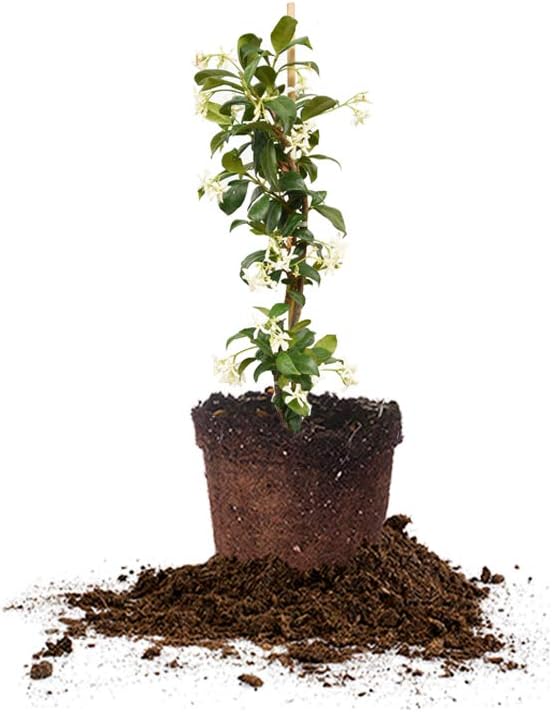
Perfect Plants Confederate Jasmine Live Plant, 1 Gallon
| Indoor Outdoor Usage | Outdoor |
|---|---|
| Other Special Features of the Product | Fragrant |
| Expected Blooming Period | Summer, Spring |
| Sunlight Exposure | Full Sun, Partial Shade |
| USDA Hardiness Zone | 4 |
This 1-gallon Confederate jasmine arrives as a young vine that quickly establishes in sunny spots and rewards with heavily scented, pale pinwheel flowers in spring and summer. Growers typically train it on a trellis, fence, hanging basket with support, or along railings; the vine is noted for cascading lime-green foliage and responds well to light shaping with clips or garden wire. Notable features from the listing include suitability for full sun to partial shade, moderate watering needs, and USDA hardiness to zone 4, which means it can persist in a wide range of climates when planted in appropriate sites. As a live plant it is straightforward to plant in loam-based soils and is described as easy to grow and maintain. Limitations to consider are that this is a young, single-plant offering so it will take time to reach its mature height and spread, and it requires support and periodic pruning to control vigor if used in baskets or confined containers. Also it does not ship to certain states according to the product notes.
Best for: Buyers who want an easy-care, fragrant climbing vine to add scent and cascading foliage to sunny baskets or supported containers and who value proven plant performance backed by customer feedback.
Less Ideal for: Gardeners seeking an instant full basket display or a no-maintenance groundcover should look elsewhere, as this vine needs time, training, and occasional pruning to fill space.
- Fragrant spring and summer blooms that add strong scent to outdoor spaces
- Tolerates full sun to partial shade making placement flexible
- Described as easy to grow which suits novice gardeners
- Hardy to USDA zone 4 so adaptable across many climates
- Sold as a single 1-gallon plant so it needs time and space to reach full coverage
- Requires a trellis or support and pruning to train and control growth
Verdict: A fragrant, easy-to-grow jasmine vine ideal for gardeners who want a proven, sun-tolerant climber to add scent and cascading foliage to hanging baskets and supported containers.
Choosing the Right Plants for Full Sun: Key Factors to Consider
Drought Tolerance and Water Needs
Plants in full sun often face higher transpiration rates and faster drying soils. Choosing species with good drought tolerance reduces irrigation frequency and helps plants maintain steady growth and flowering during hot spells. Assess a plant's native habitat and described water requirements; Mediterranean and prairie-origin species usually cope better with intermittent water stress.
Drought-tolerant plants may still need regular watering while becoming established. Mulching and improving soil structure to retain moisture will extend the time between waterings without changing the plant type. Consider grouping plants by similar water needs to avoid over- or under-watering portions of the bed.
Heat Tolerance and Leaf Scorch Resistance
High light often coincides with high temperatures that can cause leaf scorch, bleached foliage, or premature senescence. Look for plants noted for heat tolerance and healthy leaf retention in bright conditions. Plants with thicker, hairy, or waxy leaves generally reflect more light and lose less moisture, improving survival in hot, sunny sites.
Placement matters: provide afternoon shade for marginal performers or plant them where they receive morning sun and some respite later. Also consider seasonal timing; some plants handle early- and late-season sun better than the peak summer months.
Bloom Timing and Seasonal Color
Full-sun plantings are often chosen for continuous color. Evaluate how long individual plants bloom, whether they rebloom after cutting back, and how the flowering periods overlap with other selections. Combining early-, mid-, and late-season bloomers stretches visual interest and supports pollinators across months.
Perennial and annual choices play different roles: longer-lived perennials provide structure and recurring color, while annuals can fill gaps and supply intense summer color. Consider deadheading or light pruning practices that encourage repeat flowering when appropriate.
Soil Preferences and Drainage
Sunny sites can range from sandy, fast-draining soils to heavier loams that hold more moisture. Match plant choices to the prevailing soil type or amend the bed to suit your preferred plants. Many full-sun species need good drainage to avoid root diseases, so raised beds or amended soil mixes can help in heavier sites.
Testing your soil texture and observing how quickly it dries after rain are simple steps that inform plant selection. If you plan to container garden in full sun, choose mixes that balance moisture retention with drainage and select plants adapted to those conditions.
Growth Habit and Maintenance
Consider mature size, spreading habit, and staking needs when planning a sunny garden. Some sun-loving plants form tidy clumps while others sprawl or self-seed aggressively. Knowing growth habit prevents overcrowding, reduces disease risk from poor air circulation, and lowers long-term maintenance.
Maintenance also includes pruning, deadheading, and dividing. Select plants whose upkeep matches the time you can commit. Low-maintenance clumpers and drought-tolerant shrubs are ideal if you prefer a low-intervention garden.
Wildlife Value and Pollinator Support
Full-sun plantings can be excellent for pollinators and beneficial insects when you choose nectar- and pollen-rich species. Flower shape, color, and bloom timing influence which pollinators a plant attracts. Including a mix of flower forms supports bees, butterflies, and other beneficials throughout the season.
Avoid heavy pesticide use in sunny beds and provide water sources and shelter to increase the ecological benefits of your plant choices. Native or regionally adapted plants often offer the best food and habitat for local wildlife.
Siting and Microclimates in Sunny Areas
Not all full-sun spots are identical. A south-facing border exposed to reflective surfaces or a rooftop container may be hotter and drier than a front yard bed receiving unbroken sun. Observe temperatures and soil moisture through a hot week to understand the real conditions before finalizing plant choices.
Use microclimates to your advantage by placing more delicate sun plants where afternoon light is tempered, such as near a fence that casts partial shade, and reserving the hottest exposures for the toughest, heat-loving species.
- Monitor soil moisture mid-afternoon during heat waves.
- Use reflective surfaces and hardscapes to anticipate extra heat.
- Group plants with similar sun and water needs together.
Planting Tips for Immediate Success
Even heat-tolerant plants benefit from thoughtful planting. Amend planting holes with compost to improve moisture retention and root establishment unless the species specifically prefers lean soils. Water deeply after planting to settle soil and reduce transplant shock.
Mulch around new plants to moderate soil temperature and slow evaporation. In containers, avoid over-potting which can retain too much moisture; choose a pot size that matches root growth expectations for the season.
- Dig a hole twice as wide as the root ball but no deeper.
- Water thoroughly at planting and again the following day if conditions are hot.
Combining Perennials and Annuals for Continuous Color
Mix long-lived perennials that provide structure with annuals that deliver peak summer color. Use perennials for the backbone and fill gaps or add seasonal contrast with annuals planted each year. This approach balances long-term reliability and the flexibility to change color schemes.
Consider bloom timing when planting. Early perennials set the stage, midseason plants carry peak interest, and late bloomers close the season with color while also feeding late pollinators.
- Choose perennials with staggered bloom windows.
- Use annuals to refresh color and cover bare patches midseason.
Container Gardening in Full Sun
Containers heat up and dry out faster than in-ground beds, so pick plants with strong heat and drought tolerance for sunny pots. Use high-quality potting mix with good drainage and add a layer of mulch or top dressing to reduce surface evaporation.
Position containers where they receive the intended amount of sun and be prepared to water more frequently during heat spells. Grouping pots can create a humidity pocket and reduce stress on individual plants.
- Select containers with drainage holes.
- Consider self-watering containers or water-retentive additives if frequent watering is a concern.
Seasonal Care and Winter Considerations
Full-sun plants have different winter needs depending on whether they are annual, perennial, or woody. Cut back spent perennials when appropriate, divide overcrowded clumps in spring or fall, and mulch established perennials to protect roots from freeze-thaw cycles in colder climates.
Know the hardiness of your chosen plants and whether they will need protection or removal in winter. Some sun-loving annuals will not overwinter and should be treated as seasonal occupants.
- Deadhead to encourage reblooming during the season.
- Divide crowded perennials every few years to maintain vigor.
How We Chose the Best Plants for Full Sun
We shortlisted plants that reliably thrive in continuous high light and elevated daytime temperatures, prioritizing traits gardeners can observe or verify in plant descriptions. Key evaluation criteria included drought tolerance, bloom duration and repeat flowering, heat and sun leaf resilience, ease of propagation and establishment, and landscape versatility for beds and containers. We favored species and cultivars known to resist common sun-related problems such as scorched foliage and reduced flowering. Plants were excluded if they require shade, consistently moist soil, or special greenhouse conditions to perform. We also filtered out types with invasive behavior in many regions or those that need frequent overwintering indoors for most gardeners. The final picks reflect durable, garden-ready choices that balance ornamental impact with low-to-moderate maintenance under full sun exposure.
FAQ
Can I grow full-sun plants in containers on a sunny balcony?
Yes. Choose heat- and drought-tolerant species, use a free-draining potting mix, and pick appropriately sized containers with drainage. Be prepared to water more frequently than in-ground plantings, especially during heat waves.
How often do full-sun plants need fertilizing?
Fertilizer needs vary by species and soil fertility. Many sun-loving perennials do well with a light application of balanced fertilizer in spring and possibly a midseason boost for heavy feeders, while low-nutrient specialists may need little or no feeding.
Will full-sun plants survive summer heat waves without extra water?
Often they can tolerate short heat waves, but prolonged high temperatures and dry soils will stress most plants. Even drought-tolerant types benefit from deep watering during extended heat to protect root function and flowering.
Can I mix native sun plants with non-native ornamentals?
Yes. Combining natives and non-natives can create attractive and resilient plantings. Choose non-invasive, climate-appropriate ornamentals and match water and soil preferences to minimize maintenance and ecological impact.
How do I prevent leaf scorch on sun-exposed plants?
Ensure plants are suited to high light, provide consistent soil moisture, and avoid overhead watering during the hottest part of the day. In marginal situations, give plants some afternoon protection or plant them where they receive morning sun instead.
Final Verdict
Prioritize drought and heat tolerance, bloom timing, and soil compatibility when selecting plants for full sun. Thinking about growth habit and maintenance needs up front helps you design sunny beds that stay attractive with predictable care. Balance long-lived perennials for structure with seasonal annuals for peak color. Focus on matching plants to your specific sun exposure, soil type, and willingness to water so you end up with a durable, low-stress sunny garden.
