

Note: This article contains affiliate links. If you click on these links and make a purchase, I may earn a small commission at no extra cost to you. This helps support my research and content. Read my full affiliate disclosure here.
A high pressure electric pressure washer can dramatically cut the time and effort required to clean decks, siding, driveways, and outdoor equipment. The right unit delivers strong blast force while giving you control to avoid surface damage and handle different cleaning tasks. This guide looks at six carefully shortlisted high pressure electric pressure washers suitable for homeowners who need serious cleaning power without gas engines. We examine pressure, water flow, durability, and ease of use to help you pick the model that fits your cleaning routine. Read on to see how each option measures up against the needs of real outdoor cleaning jobs.
Top Picks at a Glance
| Best Overall The best all-around choice for most situations | Westinghouse WPX3400e Electric Pressure Washer (3400 PSI, Brushless Motor) |  |
| Best Quality Built to a higher standard if you want something more solid | EGO POWER+ HPW3200 3200 PSI Cordless Pressure Washer | 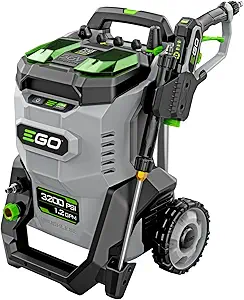 |
| Best Value The sweet spot between price and what you get | Westinghouse WPX3000e Electric Pressure Washer (3000 PSI, 1.76 GPM) |  |
| Highest Rated A top-rated pick with lots of positive feedback | commowner Electric Pressure Washer — 5000 PSI, 4 GPM, Adjustable Pressure |  |
| Most Popular A crowd favorite that many people choose with confidence | Westinghouse ePX3500 Electric Pressure Washer (2500 PSI, 1.76 GPM) |  |
| Best Seller A high-volume bestseller chosen again and again | Sun Joe SPX3000 Electric Pressure Washer, 2030 PSI |  |
Westinghouse WPX3400e Electric Pressure Washer (3400 PSI, Brushless Motor)

| Maximum Pressure | 3400 psi |
|---|---|
| Maximum Flow Rate | 2 gpm |
| Power Source | ac |
| Hose Length | 25 feet |
| Tank Volume | 0.45 gallons |
The WPX3400e is a heavy‑duty electric pressure washer designed for homeowners who need a strong, low‑maintenance cleaning tool. It produces up to 3400 max PSI and uses a brushless AC motor with an axial cam pump, which translates to solid cleaning power without the regular mechanical upkeep of a gas unit. Typical uses include cleaning driveways, decks, siding, fences, garage floors and cars; the onboard 0.45 gallon soap tank and five nozzle tips (including a turbo and soap tip) make switching tasks fast. Mobility is straightforward thanks to 10-inch never‑flat wheels, a 25‑ft abrasion resistant hose, and a long 35‑ft GFCI cord so you can reach around a typical yard without changing outlets. Practical limitations are its 2 gpm maximum (1.1 gpm rated at operating pressure), which means jobs will take longer than with higher‑flow commercial washers, and the unit is fairly large and heavy compared with compact consumer models. For a balanced buyer who wants near‑professional pressure without gas engine maintenance, it hits a strong middle ground.
Best for: Buyers who want near‑professional cleaning power in an electric unit without gas engine maintenance and who plan to tackle mixed property tasks like driveways, decks, siding and vehicles.
Less Ideal for: Users who need fastest possible cleaning of very large surfaces or commercial contractors who require higher continuous flow and lighter professional equipment.
- High peak pressure (3400 PSI) for tough residential stains and grime
- Brushless AC motor and maintenance‑free axial cam pump reduce upkeep
- Onboard 0.45 gallon soap tank and five quick‑connect nozzles for task versatility
- Long reach with 25 ft hose and 35 ft GFCI cord plus never‑flat 10" wheels for easy maneuvering
- Maximum flow of 2 gpm (1.1 gpm rated) is lower than many gas or commercial models, so large areas take longer to clean
- Relatively heavy and bulky compared with compact electric washers
Verdict: A maintenance‑friendly electric washer that delivers near‑professional pressure and versatile cleaning attachments for homeowners who want strong performance without a gas engine.
EGO POWER+ HPW3200 3200 PSI Cordless Pressure Washer

| Power Source | Battery Powered |
|---|---|
| Maximum Flow Rate | 2 gpm |
| Maximum Pressure | 3200 psi |
| Hose Length | 7.62 meters |
| Tank Volume | 2 gallons |
The EGO POWER+ HPW3200 is a cordless pressure washer built to deliver strong, gas-like cleaning without a cord. It uses two 56V ARC Lithium batteries to reach up to 3200 PSI and up to 2.0 GPM in Turbo mode, and offers ECO, High, and Turbo settings plus a wand-mounted display to monitor battery charge and mode. Typical use cases are driveway and patio cleaning, vehicle washing, and outdoor furniture or siding where you need high pressure but want to avoid extension cords or petrol maintenance. The unit includes a 25-foot high-pressure hose, siphon hose to draw from a freshwater source, five nozzles, a foam cannon, and a telescopic handle for easier transport and compact storage. Practical benefits include cordless mobility, quick-connect hose and wand fittings for fast setup, and up to 60 minutes runtime when paired with two 6.0Ah batteries. Important limitations are that batteries are sold separately for some SKUs so runtime depends on battery capacity and that peak pressure and flow are achieved only in Turbo and with proper battery pairing, not continuously for every task.
Best for: Buyers who prioritize cleaning power and cordless convenience for heavy outdoor tasks like driveways, patios, vehicles, and siding and who plan to invest in EGO ARC batteries for sustained runtime.
Less Ideal for: Users who need continuous, unlimited runtime for commercial daily use or who prefer an included power source without buying batteries should consider corded or gas alternatives.
- High peak pressure up to 3200 PSI for tough grime and driveway stains
- Cordless operation with wand display and selectable ECO/High/Turbo modes for on-the-fly control
- Includes multiple nozzles, foam cannon, siphon hose and quick-connect fittings for versatile cleaning tasks
- Telescopic handle and compact footprint for easier transport and storage
- Can run up to 60 minutes with two 6.0Ah ARC Lithium batteries for extended jobs
- Batteries are not included in some configurations so runtime requires separate battery purchase
- Maximum flow and runtime depend on battery capacity and mode rather than a continuous mains supply
Verdict: If you want cordless, high-pressure cleaning with the mobility to tackle driveways, patios, and vehicles, the HPW3200 delivers the most powerful battery-operated performance in its class.
Westinghouse WPX3000e Electric Pressure Washer (3000 PSI, 1.76 GPM)

| Power Source | ac |
|---|---|
| Maximum Flow Rate | 1.76 gpm |
| Maximum Pressure | 3000 psi |
| Hose Length | 25 feet |
| Tank Volume | 0.45 gallons |
The Westinghouse WPX3000e is an electric pressure washer aimed at homeowners who need high cleaning power without a gas engine. It produces 3000 max PSI (2600 rated PSI in use) and up to 1.76 GPM, driven by a heavy duty AC motor and a maintenance-free axial cam pump, so it tackles driveways, decks, fences, siding, and patio furniture effectively. The unit includes a 25-foot abrasion-resistant hose, five quick-connect nozzles including a soap tip and turbo, a built-in 0.45 gallon soap tank, and large never-flat wheels for easier movement around the yard. Practical touches like the 35-foot GFCI cord and compatibility with standard M22 accessories let you pair surface cleaners or foam cannons for faster work. Expect strong cleaning performance for most residential jobs, but note that the highest advertised PSI is intermittent and actual rated flow drops at working pressures. The machine is fairly heavy but the rugged frame and wheels make it manageable; regular storage and winterizing will help protect the pump and extend service life.
Best for: Buyers who want a powerful, electric alternative to gas models for tough residential jobs and who prioritize dependable cleaning power and low pump maintenance.
Less Ideal for: People who need a very compact or ultra-lightweight washer for occasional light cleaning or those who require commercial continuous-duty performance.
- High maximum pressure (3000 PSI) and solid rated pressure for heavy residential cleaning
- Maintenance-free axial cam pump reduces routine upkeep
- Onboard .45 gallon soap tank and five quick-connect nozzles for versatile cleaning
- Long power and hose reach with 35' GFCI cord and 25' abrasion-resistant hose
- 10" never-flat wheels and steel frame improve durability and mobility
- Advertised max PSI is higher than the continuous rated pressure during typical use
- Relatively heavy compared with lightweight electric models
Verdict: Choose this model if you want near-gas-level cleaning power from an electric pressure washer with low-maintenance pump design and useful accessories for home exterior tasks.
commowner Electric Pressure Washer — 5000 PSI, 4 GPM, Adjustable Pressure

| Power Source | ac |
|---|---|
| Maximum Flow Rate | 4 gpm |
| Maximum Pressure | 5000 psi |
| Hose Length | 33 feet |
This commowner electric pressure washer delivers strong cleaning power with a maximum 5000 PSI and 4 gpm flow while letting you dial pressure down for more delicate jobs. Typical use is exterior cleaning around the home: driveways, decks, siding and cars — the knob-adjustable pressure (about 2500–5000 PSI) and four quick-connect nozzles let you switch from gentle rinses to heavy-duty blasting. The unit includes a long 33 ft hose, 35 ft cord with built-in GFCI and a foam cannon for soap application, and the Total Stop System that shuts the pump off when not spraying to save energy and reduce wear. Practical benefits are strong throughput for faster cleaning, easy accessory compatibility via 1/4" quick-connect, and straightforward setup for homeowners. Important limitations are the high maximum pressure that requires cautious use on fragile surfaces and the need for a reliable water supply and appropriate extension accessories for larger jobs. Expect a capable, safety-minded machine that balances power and user controls for regular outdoor cleaning tasks.
Best for: Buyers who want a dependable, high-power electric washer for regular home and vehicle cleaning and who prioritize safety features and straightforward operation.
Less Ideal for: People who need a lightweight travel unit or who will only perform very light misting tasks; also not the best choice if you lack a steady high-volume water supply.
- High peak pressure (5000 PSI) and 4 gpm flow for fast removal of stubborn dirt
- Knob-adjustable pressure range for safer cleaning of cars, screens, and wood
- Long hoses and cord (33 ft hose, 35 ft cord) improve reach without moving the unit frequently
- Built-in GFCI and Total Stop System improve electrical and pump safety
- Universal 1/4" quick-connect and included foam cannon increase accessory compatibility
- High maximum pressure can damage delicate surfaces if not used carefully
- Manufacturer-provided specs include a relatively small detergent tank (500 ml) which may need frequent refills
Verdict: Choose this unit if you need a robust, safety-minded electric washer that delivers professional-level pressure for regular heavy outdoor cleaning.
Westinghouse ePX3500 Electric Pressure Washer (2500 PSI, 1.76 GPM)

| Power Source | ac |
|---|---|
| Maximum Pressure | 2500 psi |
| Maximum Flow Rate | 1.76 gpm |
| Hose Length | 25 feet |
| Tank Volume | 20 fluid ounces |
The Westinghouse ePX3500 is a compact electric pressure washer built for heavy-duty home cleaning like driveways, decks, fences, and cars. It produces up to 2500 max PSI and 1.76 max GPM for strong scouring power while a 17.5 inch pro-style steel wand and five quick-connect nozzles let you switch spray patterns quickly between turbo, 0°, 15°, 25°, and soap. The unit is designed for easy use and storage: a 25 foot easy-coil hose, four quick-lock wheels with 360° steering, and a low center of gravity reduce tipping and make maneuvering around the yard simpler. An onboard 20 ounce detergent tank and a Total Stop System that stops the pump when the trigger is released add convenience and help extend pump life. Trade-offs are typical of electric models — power depends on household AC supply and the compact size limits continuous run capacity compared with larger gas units — but for most homeowners this hits a strong balance of power, portability, and practical features for seasonal cleaning tasks.
Best for: A practical homeowner who wants strong cleaning performance without gas engine maintenance and values maneuverability, straightforward controls, and features backed by many other buyers.
Less Ideal for: Commercial users or property owners who need long continuous runtime or the absolute highest sustained power should consider larger gas-powered machines instead.
- High maximum pressure (2500 psi) suitable for tough grime removal
- Five quick-connect nozzles including turbo and soap for flexible cleaning patterns
- 25 ft easy-coil hose and 17.5 inch pro-style wand for reach and control
- Anti-tipping 360° steering wheels and low center of gravity improve maneuverability and stability
- Onboard 20 oz detergent tank and Total Stop System for efficient detergent use and pump protection
- As an electric unit, sustained high-power cleaning is limited by household power compared with gas models
- Smaller detergent tank and compact form mean more frequent refills and less continuous runtime
Verdict: An easy-to-use, compact electric washer that delivers near-gas cleaning power for most residential high-pressure jobs.
Sun Joe SPX3000 Electric Pressure Washer, 2030 PSI

| Power Source | Corded Electric |
|---|---|
| Maximum Pressure | 2030 psi |
| Maximum Flow Rate | 1.76 gpm |
| Included Components | 5 quick‑connect nozzles, high‑pressure hose, garden hose adapter, needle tool |
The Sun Joe SPX3000 is a compact corded electric pressure washer built for routine outdoor cleaning tasks around the home. It produces up to 2030 PSI (PWMA rated) at about 1.2 GPM and comes with five quick‑connect nozzles for everything from a pinpoint jet to a wide fan spray plus a soap tip for applying detergent. The unit includes a 20 foot high‑pressure hose, a 34 inch stainless steel lance with brass fittings, and two 0.9 L onboard detergent tanks so you can switch cleaners without stopping. In practice this model is easy to roll to a driveway, patio, or vehicle and handles caked‑on dirt, grime, and mildew on hard surfaces quickly. The electric motor keeps maintenance simpler than gas units and starts instantly without fuel. Limitations to note are modest flow rate for heavy commercial jobs and dependence on a nearby electrical outlet, so very large areas or remote sites will require different equipment. The machine is well suited to homeowners who want reliable, straightforward power washing without gas engine upkeep.
Best for: Homeowners who prioritize easy startup, low maintenance, and dependable cleaning for driveways, decks, patio furniture, and vehicles.
Less Ideal for: Contractors or users who need high flow rates for continuous commercial work or who must operate far from electrical power should consider heavier duty or gas models.
- Up to 2030 PSI working pressure suitable for most residential cleaning tasks
- Five quick‑connect nozzles for versatile spray patterns including a soap applicator
- Dual onboard detergent tanks allow switching cleaners without refilling
- 34 inch stainless steel lance and brass fittings improve durability over plastic components
- 20 foot high‑pressure hose gives reasonable reach from the unit to work areas
- Requires a nearby AC outlet so not ideal for remote or large‑scale jobs
- 1.2 GPM flow rate is modest compared with higher‑end or gas models
Verdict: A low‑maintenance electric washer that delivers homeowner‑grade pressure and versatile spray options for reliable residential cleaning.
Choosing the Right High Pressure Electric Pressure Washer: Key Factors to Consider
Pressure and Working PSI
Peak pressure figures look impressive, but what matters in real cleaning is sustained working PSI. Higher sustained PSI translates to faster removal of ingrained dirt, mildew, and old stains on hard surfaces. For delicate siding, lower working PSI or adjustable nozzles are important to prevent etching or paint damage.
Consider how the washer maintains pressure under load; some electric motors lose output after prolonged use. If you plan to clean large concrete areas or very grimy surfaces, favor units rated to hold higher working PSI over time.
Water Flow Rate (GPM)
Gallons per minute determines how quickly loosened dirt gets rinsed away. A higher GPM paired with high PSI significantly reduces cleaning time on broad surfaces like driveways and patios. Beware units with high PSI but low GPM; they can cut into grime but move waste slowly, lengthening the job.
Measure cleaning productivity as a combination of PSI and GPM. For mixed household tasks, choose a balance that lets you rinse large surfaces efficiently without wasting water.
Pump and Motor Durability
The pump and motor are the wear points in electric pressure washers, especially when used for extended outdoor jobs. Metal pumps or pumps with better-sealed internals resist abrasion and last longer than cheap plastic assemblies. Motor cooling and thermal protection keep the unit running during long sessions and reduce risk of burnouts.
Look for evidence of sealed bearings, metal fittings where the hose connects, and serviceable pump components. Even for seasonal users, a more robust pump reduces repair frequency and extends usable life.
Hose, Wand, and Reach
Reach influences how much repositioning you must do while cleaning. Longer, reinforced hoses and extendable wands reduce trips back to the washer and make overhead or second-story cleaning safer. Hose fittings should be solid and leak-free; rubber or braided hoses with abrasion resistance stand up to yard use better than thin plastic lines.
Also consider storage and maneuverability. Very long hoses are useful but need a durable reel or secure storage to avoid kinks and premature wear.
Nozzles, Pressure Control, and Accessories
Interchangeable nozzles and a pressure-adjustment feature expand what a single machine can do. Wide-angle nozzles and soap applicators are essential for gentle rinsing and detergent application, while narrow-angle tips provide more concentrated power for stubborn stains. A variable-pressure wand or unloader valve lets you tune output for painted surfaces or delicate plants near your work area.
Accessories like surface cleaners, foam cannons, and extension wands add versatility. Confirm compatibility and whether the unit supplies enough flow to operate those accessories effectively.
Portability and Storage Considerations
Electric pressure washers should be easy to move around the yard and store between uses. Wheel size and handle design affect how the unit navigates uneven ground or steps. Compact, upright designs fit in small sheds, but may compromise on tank or accessory space.
Think about where the washer will live when not in use and how you will transport it to the cleaning area. A heavier but more robust unit might be worth it if you plan frequent heavy cleaning, while infrequent users may prefer lighter, more compact machines.
Best Uses for High-Pressure Electric Washers
High-pressure electric pressure washers shine on tasks that need sustained blast force without the complication of gas engines. Use them for cleaning concrete driveways, prepping patio slabs before sealing, stripping mold from stone steps, and removing built-up grime from garage floors. They also work well for rinsing off tough dirt from lawn equipment and tractors.
For vehicle washing and delicate siding, pair high pressure with gentler nozzles or maintain greater nozzle distance to avoid surface damage. These washers are also a good choice where noise and fumes from gas units are a concern.
- Concrete and masonry cleaning
- Deck and patio deep-cleaning before sealing
- Removing mildew and algae from outdoor surfaces
- Cleaning garden tools and hardscape features
Safe Operation and Surface Protection
High-pressure water can damage paint, wood, and softer materials if used incorrectly. Start with a wider-angle nozzle and keep the wand moving. Test in an inconspicuous area to confirm the distance and pressure needed for the surface.
Wear eye protection and sturdy footwear. Keep the spray away from power outlets, plants you want to keep, and fragile fixtures. Use a ladder with caution; the reaction force of a high-pressure spray can unbalance you.
- Begin with low pressure and increase carefully
- Hold the wand at a consistent angle and distance
- Protect plants and electrical fixtures from overspray
Maintenance Tips to Extend Lifespan
Regular maintenance keeps an electric pressure washer operating at peak. After each use, flush detergent from the system, relieve pressure, and drain hoses to prevent freeze damage in cold climates. Clean or replace inlet filters to avoid pump cavitation and check fittings for leaks.
Store the unit in a dry place away from direct sunlight. During winter, store the pump with an approved antifreeze or follow manufacturer guidance to prevent internal freeze damage. Replace worn nozzles and inspect hoses for abrasion regularly.
- Flush detergent and relieve pressure after use
- Inspect hose fittings and seals periodically
- Winterize pump and store indoors when possible
Matching Accessories to Tasks
Choosing the right accessory can change a washer from a single-purpose tool into an all-around cleaning system. Surface cleaners drastically reduce time and streaking on flat surfaces, while foam cannons improve soap coverage for vehicles and siding. Extension wands make high-up cleaning easier and safer.
Ensure the washer's GPM and PSI ratings meet the accessory requirements. Some surface cleaners demand higher flow rates to spin correctly, and foam tools may need steady pressure for consistent output.
- Use surface cleaners for large, flat areas
- Select foam or soap applicators for gentle detergent work
- Confirm accessory flow/pressure requirements before buying
Water Supply and Hose Management
A steady water supply prevents cavitation and protects the pump. Use a garden hose of adequate diameter and avoid long runs that reduce inlet pressure. If you must extend the inlet, step up hose diameter rather than length where possible.
Hose reels and onboard storage help keep the work area tidy and reduce tripping hazards. Inspect hoses for kinks and replace any that show internal wear to avoid sudden failure under pressure.
- Use short, wide garden hoses for inlet supply
- Avoid long, restrictive inlet runs that drop flow
- Store hoses on a reel to prevent kinks and wear
How We Chose the Best High Pressure Electric Pressure Washer
We prioritized units designed for sustained high-pressure cleaning that still remain practical for residential use. Evaluation focused on concrete, garden-relevant attributes you can verify on a spec sheet or by inspecting the machine. Key criteria included rated maximum pressure and sustained working PSI, water flow rate in gallons per minute, and motor type and cooling system because those determine how well a washer maintains performance during extended cleaning. We also assessed nozzle versatility and pressure control, hose and wand length and durability for reach, and material quality for the pump and outer chassis because those affect lifespan in outdoor storage conditions. Products were excluded if they were primarily low-pressure consumer models, purely gas-powered units, or lacked basic safety and pressure-regulation features. We favored washers with clear specification transparency and accessories that support common residential tasks like deck cleaning, vehicle washing, and concrete spot removal. The listed criteria align with the scorecard metrics so gardeners and homeowners can weigh pressure, flow, durability, ease of setup, and accessory usefulness when choosing a unit.
FAQ
How much PSI is enough for driveway cleaning?
For most driveways, a working PSI in the mid to high range combined with good GPM will remove stains and mildew effectively. Exact needs depend on how old and stained the concrete is; test a small area to confirm.
Can I use a high-pressure washer to clean a painted deck?
You can, but use low pressure, a wide-angle nozzle, and keep the wand moving to avoid stripping paint. For delicate finishes consider cleaning with a surface cleaner at a safe distance or using a gentler machine.
Do electric pressure washers need special plugs or outlets?
Many run from standard household outlets, but higher-power units may require a dedicated circuit or specific amperage. Check the unit's electrical requirements and avoid extension cords unless they are rated for the load.
How do I prevent the pump from freezing during winter?
Drain water from the pump and hoses after use and store the machine indoors if possible. Use manufacturer-recommended pump antifreeze or follow winterization steps to protect internal components from freeze damage.
Are metal pumps better than plastic pumps?
Metal pumps generally offer greater durability and heat resistance for frequent heavy use. Plastic pumps can be lighter and adequate for occasional tasks, but they tend to wear faster under sustained high-pressure workloads.
What maintenance keeps nozzle performance consistent?
Rinse nozzles after detergent use, check for clogs, and replace tips that show erosion. Regular inspection prevents poor spray patterns and reduces strain on the pump.
Final Verdict
Prioritize the balance of sustained working PSI and adequate GPM when choosing a high pressure electric pressure washer. Durability of the pump and practical features like hose reach, nozzle options, and safe operation controls are the tradeoffs that determine whether a unit suits heavy-duty outdoor tasks or lighter, occasional jobs. Focus on the work you need to accomplish, match accessories and flow requirements to those tasks, and choose a unit with serviceable components and good hose management to get reliable, long-term performance.
