

Note: This article contains affiliate links. If you click on these links and make a purchase, I may earn a small commission at no extra cost to you. This helps support my research and content. Read my full affiliate disclosure here.
Picking the right mulch for bushes changes how those shrubs look, respond to drought, and fend off weeds. The wrong material can trap too much moisture against stems or break down too quickly, while the right choice conserves water, moderates soil temperature, and feeds roots over seasons. This guide shortlists six top mulches suited for bushes and examines how each performs on durability, moisture control, and soil improvement. Use the evaluation notes and criteria to match a mulch to your planting zone, soil type, and maintenance preferences before you pick a product.
Top Picks at a Glance
| Best Overall The best all-around choice for most situations | Hull Farm Cocoa Bean Shell Mulch, 2 Cubic Feet |  |
| Best Quality Built to a higher standard if you want something more solid | USA PINESTRAW Long Needle Pine Straw Mulch – 100 sq ft Coverage |  |
| Best Value The sweet spot between price and what you get | Back to the Roots Organic Mulch, 1 Cubic Foot |  |
| Highest Rated A top-rated pick with lots of positive feedback | Plantonix Coco Chips Coconut Husk Mulch (10 lb Brick) |  |
| Most Popular A crowd favorite that many people choose with confidence | Rio Hamza Trading 100% Natural Pine Bark Mulch Nuggets (8 Quarts) |  |
| Best Seller A high-volume bestseller chosen again and again | HealthiStraw GardenStraw Premium Garden Mulch, 3 cu ft |  |
Hull Farm Cocoa Bean Shell Mulch, 2 Cubic Feet
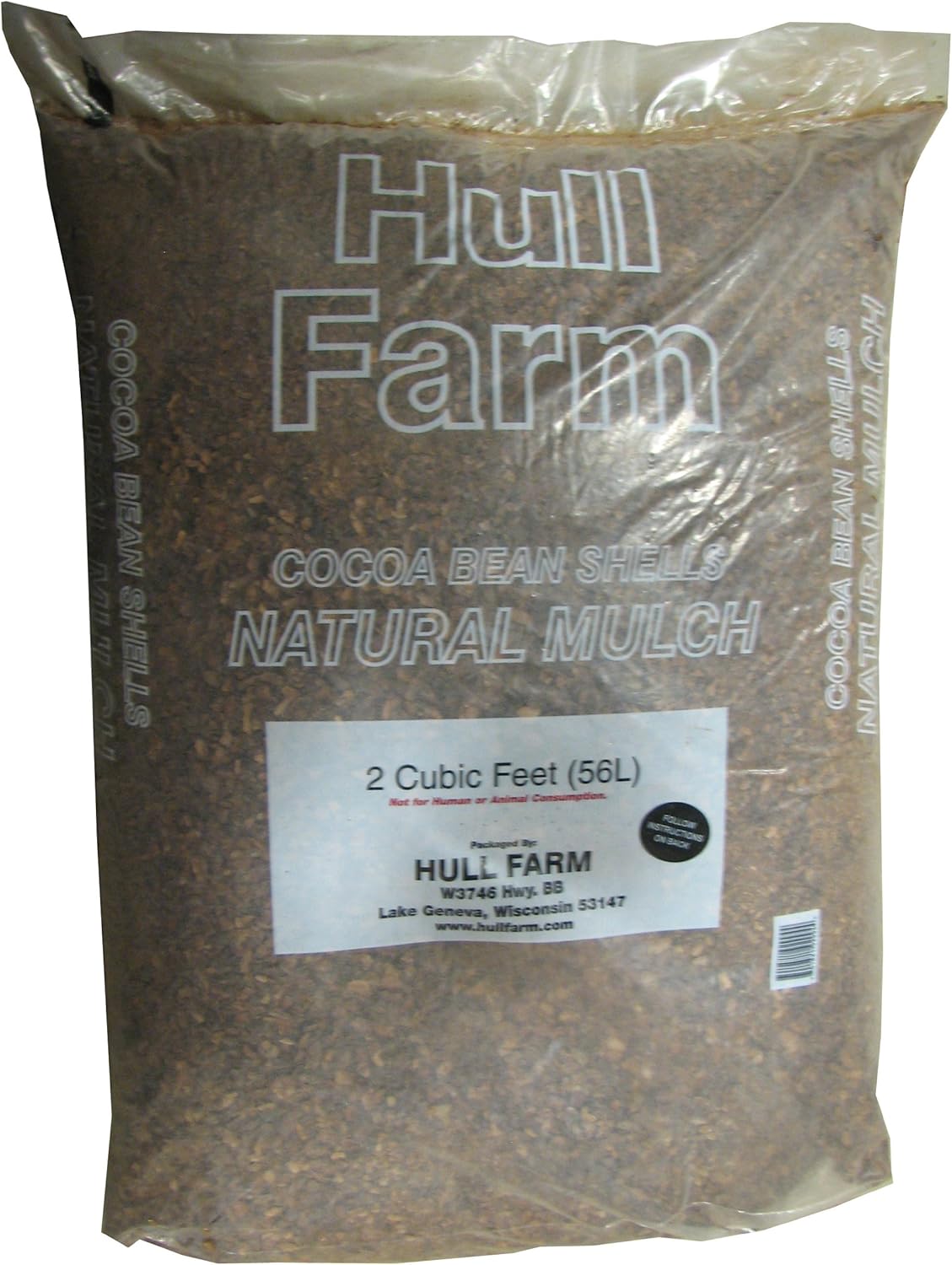
| Volume | 2 Cubic Feet |
|---|---|
| Material | Cocoa bean shell |
| Fertilizer value (approx.) | 2.5-1-3 |
Hull Farm Cocoa Bean Shell Mulch is a decorative organic mulch sold in a 2 cubic foot bag that is commonly used around shrubs and garden beds. The shells provide a fine, chocolate-brown covering that helps suppress weeds, conserve soil moisture, and slowly release nutrients — the product lists an approximate N-P-K of 2.5-1-3 — so it contributes modest fertility as it breaks down. It is easy to spread by hand or with a rake and creates an attractive finish around bushes without large chunks. Limitations to consider are that cocoa shells will decompose faster than hardwood mulches so they need replenishing more often, and they can attract rodents in some areas because of the cocoa scent. For balanced gardeners who want both curb appeal and a bit of nutrient contribution for shrubs, this mulch is a practical, easy-to-use option when refreshed annually or semiannually.
Best for: Gardeners who want an attractive, organic mulch that adds a modest nutrient boost to bushes while improving moisture retention and weed control.
Less Ideal for: People in areas with known rodent problems or those wanting a very long-lasting, low-maintenance mulch should consider alternatives.
- Fine, attractive cocoa-brown finish that improves bed appearance
- Provides a small fertilizer value (approximate N-P-K 2.5-1-3) as it breaks down
- Helps suppress weeds and retain soil moisture when applied around shrubs
- Easy to spread and good for creating a uniform layer around bushes
- Breaks down faster than hardwood mulches so it requires more frequent top-ups
- May attract rodents or wildlife in some regions due to cocoa scent
Verdict: Aesthetic, nutrient-bearing cocoa shell mulch that works well for dressing up and feeding bushes when you want both appearance and organic benefit.
USA PINESTRAW Long Needle Pine Straw Mulch – 100 sq ft Coverage

| Coverage | 100 Sqft |
|---|---|
| Material | Long needle pine straw |
| Manufacturer | USA PINESTRAW |
This pine straw bale is made for practical landscaping use around shrubs and bushes. You lay the straw in a 2 to 3 inch layer around plant roots to hold moisture, reduce surface weed germination, and help moderate soil temperature. The long needles interlock well, so the mulch stays put on slopes and under shrubs without compacting into a dense mat. It is lightweight to spread by hand and creates a clean, natural appearance that integrates with most planting styles. Because it is organic and sourced from U.S. pine stands, it will slowly break down and contribute organic matter to the soil over seasons. Limitations are typical for natural straw: it will decompose over time and need replenishing annually to maintain coverage, and it can shift if not layered thickly in high-wind locations. For performance-focused use around bushes, it delivers reliable moisture retention and weed suppression with an aesthetically tidy result.
Best for: Gardeners who prioritize reliable moisture retention and clean, natural-looking beds for bushes and shrubs and who want a low-effort, performance-oriented mulch.
Less Ideal for: People who want a permanent, non-organic groundcover or who cannot top up mulch each year should consider non-decomposing alternatives.
- Long needles interlock to stay in place around shrubs and on slopes
- Helps retain soil moisture and reduce watering frequency
- Natural organic material that slowly adds organic matter as it decomposes
- Provides effective weed suppression when applied in a sufficient layer
- Decomposes over time and requires annual replenishment to maintain coverage
- Can shift in very windy spots if not applied thickly or secured
Verdict: Choose this pine straw if you need a high-performing organic mulch that holds moisture and stays put around bushes while giving beds a tidy, natural finish.
Back to the Roots Organic Mulch, 1 Cubic Foot

| Brand Name | Back to the Roots |
|---|---|
| Item Highlight | Premium organic garden mulch; peat-free; 25.7 quart bag |
| Unit Count | 16 Ounce |
| Volume | 23 cubic centimeters |
This organic mulch from Back to the Roots is a peat-free, upcycled plant-matter blend intended for beds, containers, and around shrubs and trees. It includes dolomitic limestone to help balance pH, yucca extract to improve moisture control, and gypsum to aid water absorption, so it both conserves moisture around root zones and contributes modest nutrients. Typical use is spreading a 2–3 inch layer around bushes, avoiding direct trunk contact, or mixing into the topsoil when planting. Its organic base and added plant food make it a good choice for supporting healthy growth and reducing watering frequency. Limitations to keep in mind are the bag size and volume relative to larger beds and that it is formulated as a general mulch rather than a heavy-duty long-lasting bark product, so it may break down faster and need replenishing more often.
Best for: Gardeners who want an eco-conscious, peat-free mulch that improves moisture retention and supports plant health around bushes and in raised beds.
Less Ideal for: People looking for a coarse, long-lasting decorative bark mulch or a single large bag solution for extensive shrub beds.
- Peat-free organic blend made from upcycled plant matter and wood fines
- Contains yucca extract for improved moisture retention and gypsum for better water absorption
- Includes dolomitic limestone to help adjust and stabilize soil pH
- Formulated with all-purpose plant food to support growth of vegetables, herbs, and shrubs
- Bag volume is relatively small for large or multiple bush beds so more bags may be needed
- Breaks down faster than coarse bark mulches and will require periodic replenishment
Verdict: Choose this peat-free organic mulch when you want an eco-friendly, moisture-saving soil cover that also supplies mild nutrients to bushes and raised beds.
Plantonix Coco Chips Coconut Husk Mulch (10 lb Brick)

| Unit Count | 160 Ounce |
|---|---|
| Item Type Name | Soil and Soil Amendments |
| Volume | 15 gallons |
| Style Name | Block,Brick,Coco Coir |
Plantonix Coco Chips arrive as a compressed 10 lb brick that you hydrate to expand into a loose coconut-husk mulch suited for garden beds, raised beds, containers, and orchids. Once rehydrated and spread, the chips form a light, airy layer that reduces surface evaporation, helps moderate soil temperature, and improves aeration compared with heavy wood mulches. The product is pre-screened, rinsed, and aged to reduce dust and debris, and its neutral pH and low soluble salts make it safe to use around most shrubs and ornamental hedges. For reliability-minded gardeners, the long-lasting physical structure of husk chips means they do not compact quickly and keep weed suppression and moisture retention consistent over the season. Limitations to note are that coco chips do not supply significant nutrients as they break down and they can be more noticeable visually than finer mulches if you prefer a more formal look; you may want to topdress with compost or slow-release fertilizer for long-term soil feeding.
Best for: Gardeners who prioritize reliable moisture retention and low-maintenance mulch for shrubs, hedges, and container plantings and want a sustainable alternative to wood mulch.
Less Ideal for: Those looking for a decorative, uniform fine-textured mulch or gardeners wanting a mulch that supplies significant nutrients without supplemental fertilizing.
- Made from 100% organic, renewable coconut husks for sustainable mulching
- High moisture retention to reduce watering frequency around shrubs and bush plantings
- Pre-screened and rinsed to minimize dirt, rocks, and excess dust
- Lightweight chips resist compaction and maintain soil aeration over time
- Does not provide notable nutrient content as it decomposes
- Requires hydration and breaking up of the compressed brick before use
Verdict: Choose this coco-husk chip brick when you want a durable, sustainable mulch that reliably holds moisture and resists compaction around bushes.
Rio Hamza Trading 100% Natural Pine Bark Mulch Nuggets (8 Quarts)

| Brand Name | Rio Hamza Trading |
|---|---|
| Item Type Name | Potting Soil |
| Volume | 8 quarts |
| Ingredients | All natural pine shavings |
| Style Name | All Natural Pine Bark Mulch |
This bag contains 1/2-inch pine bark nuggets made from 100% natural pine bark designed to be used as a decorative top dress or mixed into soil to improve drainage and aeration. In practice you can sprinkle the nuggets atop pots and around shrubs to reduce evaporation and create a tidy red-brown finish, or work small amounts into potting mixes to help prevent compaction and waterlogging. The product emphasizes chemical-free material with no added fertilizers or pesticides, which is useful when you want a neutral mulch that will not alter soil chemistry. Because the pieces are relatively coarse, they resist quick breakdown and keep their appearance longer than fine bark or wood chips, but they will not supply significant nutrients as they decompose. The 8-quart bag is sized for small-to-medium containers or touch-up work around individual bushes rather than large beds, so plan for multiple bags for bigger areas. Overall this is a straightforward, safe mulch option for improving surface moisture retention and presentation around shrubs and potted specimens.
Best for: A buyer who prefers low-risk, chemical-free materials and wants a reliable mulch to improve potting mixes or tidy the area around individual shrubs and containers.
Less Ideal for: Not a good choice for someone needing bulk mulch to cover large garden beds or looking for a high-nutrient amendment to feed plants.
- 100% natural pine bark with no added chemicals or fertilizers
- Coarse 1/2-inch nuggets that improve drainage and reduce soil compaction when mixed in
- Attractive red-brown appearance that tidies pots and planting areas
- Versatile for indoor and outdoor use including bonsai, terrariums, and containers
- Small 8‑quart volume is best for pots or spot use and not sufficient for large shrub beds
- Does not provide significant nutrients as it decomposes
Verdict: A safe, all-natural pine bark nugget mulch that tidyies pots and helps drainage, best for spot use around individual bushes and containers.
HealthiStraw GardenStraw Premium Garden Mulch, 3 cu ft

| Net volume | 3 cu ft |
|---|---|
| Intended use | Garden mulch, lawn seeding, compost-friendly |
| Material | 100% wheat straw |
| Source | Sustainably sourced, non-GMO |
HealthiStraw GardenStraw is a 3 cubic foot compressed bale of cleaned wheat straw formulated for use as garden mulch and seed protection. It is designed for vegetable, herb, flower and shrub beds where you want a lightweight, compostable mulch that retains soil moisture and suppresses weeds. The straw is processed to reduce dust and stray seeds and the short, specially cut fibers interlock when watered so the mulch stays in place without chemical tackifiers. For bushes you can apply a 2 to 3 inch layer around the drip line to cut evaporation, reduce compaction and gradually add organic matter as it breaks down. Practical benefits include easy spreading from a compressed bale, fast composting into the soil, and reduced watering needs. Limitations are that straw is less decorative than bark or wood chips and will decompose faster, so it requires periodic replenishing; it also provides less long-term weed barrier than heavier mulches. For gardeners focused on soil health and moisture conservation, it is a straightforward, low-risk choice.
Best for: Gardeners who prioritize soil health and want an easy-to-apply, compostable mulch for shrubs and mixed beds that reduces watering and improves organic matter over time.
Less Ideal for: People seeking a long-lasting, decorative mulch or a heavy-duty weed barrier for high-traffic beds should consider wood chips or stone instead.
- Cleaned, non-GMO wheat straw with reduced dust and seeds
- Fibers interlock when wetted so the mulch stays in place without binders
- Helps retain soil moisture and can reduce watering needs substantially
- Composts quickly and adds organic carbon to improve soil structure
- Decomposes faster than wood mulches so it needs topping up more often
- Less decorative and provides a lighter-duty weed barrier compared with heavier bark or rock mulches
Verdict: A clean, fast-composting straw mulch that conserves moisture and improves soil health, making it a safe, practical choice for mulching bushes.
Choosing the Right Mulch for Bushes: Key Factors to Consider
Moisture Control and Drainage
Bushes rely on an even balance of moisture and aeration in the root zone. Mulch that holds too much water against trunks or crowns can cause rot and invite pests, while mulch that sheds water too quickly fails to conserve soil moisture during dry spells.
Assess how long a material holds moisture after rain and whether it allows excess water to drain. Denser organic mulches often retain more water and reduce irrigation frequency, but they must be kept away from stem crowns. In well-drained soils you can be more liberal with moisture-holding mulches; in heavy clay soils favor mulches that improve drainage or decompose slowly to avoid soggy roots.
Breakdown Rate and Soil Improvement
Mulch decomposition feeds soil microbes and gradually increases organic matter, which improves structure and nutrient cycling around bushes. However, fast-breaking materials need more frequent top-ups and can temporarily tie up nitrogen as they decompose.
Choose a mulch with a decomposition pace that matches the maintenance you want. Stable materials are low-maintenance and preserve a tidy bed longer. Faster-breaking bark or leaf compost benefits soil more quickly but requires seasonal replenishment. Consider how the change in soil organic matter will affect long-term shrub growth and watering needs.
Weed Suppression and Coverage
A good mulch reduces weed germination by blocking light and physically hindering shoots. Thickness and particle size matter: coarse chips provide a durable barrier, while fine mulches can compact and allow weeds to push through sooner.
Plan on an initial depth that accomplishes suppression without smothering roots, typically two to four inches depending on the material. Keep mulch pulled back from stems to prevent pests and diseases that hide in thick material against trunks.
Stem Collar Safety and Placement
Contact between mulch and a bush stem or trunk often leads to moisture accumulation and bark decay. For woody shrubs this is a top cause of decline rather than mulch choice alone.
Always maintain a clear zone at the base of each bush. The exact distance depends on shrub size, but a few inches of bare soil or thin mulch around the stem reduces rot risk. Consider whether a mulch type encourages gardeners to pile material against stems; loose, dusty types are harder to keep away from collars than larger chips.
Aesthetic Longevity and Maintenance Frequency
How a mulch looks over a season affects whether gardeners will maintain it properly. Materials that fade quickly or break into a visible dust layer need more frequent topping and raking to keep beds neat.
Match aesthetic expectations with maintenance plans. If you prefer low upkeep, select longer-lasting mulches that resist compaction and color loss. If you want seasonal soil improvement, accept more frequent replenishment to get those benefits.
Environmental Impact and Sourcing
Consider whether a mulch is locally sourced, sustainably harvested, or made from recycled materials. Some options carry invasive seed or chemical residues if not processed correctly, which can affect nearby plantings and wildlife.
Choose materials with known provenance when possible. Certified or clearly labeled products reduce the risk of unintended seeds or contaminants. For gardeners committed to biodiversity, favor mulches that support soil life and avoid materials treated with harsh chemicals.
Best Mulch Types for Established Versus Newly Planted Bushes
Established shrubs tolerate denser, longer-lasting mulches that conserve moisture and reduce weeds without frequent replacement. Newly planted bushes benefit from lighter, faster-breaking mulches that help roots establish while slowly improving soil.
For new plants, use materials that warm quickly in spring and mix into the planting soil over a season. Older bushes gain from coarse bark or chip mulches that maintain a consistent layer and minimize disturbance around root zones.
- Established bushes: choose durable, low-breakdown mulches.
- New plantings: favor fine, nutrient-releasing mulches that integrate with soil.
How to Apply Mulch Safely Around Shrubs
Spread mulch in an even layer and avoid piling it against the trunk or crown. A donut-shaped application with a clear ring around each stem prevents moisture buildup and bark decay.
Keep mulch depth appropriate for the material. Most organic mulches work well at two to four inches; heavier materials may be shallower. Replenish thin areas each season rather than adding thick layers that can smother roots.
- Pull mulch back 2 to 4 inches from the stem base.
- Lay an even depth to avoid creating channels that direct water to stems.
Managing Mulch in Wet and Dry Climates
In wet climates prioritize mulches that shed excess water and decompose slowly to avoid prolonged soggy conditions near roots. Coarse materials like large wood chips allow better airflow at the soil surface.
In dry regions choose mulches with strong moisture retention and the ability to reduce evaporation. Thicker layers of stable organic mulch can cut irrigation needs but still need to be clear of the stem to prevent rot.
- Wet climates: lean toward coarse, slow-decomposing mulches.
- Dry climates: favor moisture-holding, insulating mulches applied correctly.
Seasonal Care and when to Refresh Mulch
Inspect beds each season for compaction, thinning, or signs of pests and disease. Lightly fluff compacted mulch and top up areas that have decomposed below the recommended depth.
Most organic mulches benefit from an annual refresh; some stable materials may go several seasons. Schedule replenishment for spring or early fall depending on local weather patterns and shrub growth cycles.
- Check mulch depth each spring and fall.
- Avoid adding more than two inches at a time to prevent smothering.
Mulch and Fertilization Timing
If you plan to fertilize around bushes, apply amendments before mulching so nutrients reach the soil surface. Thick mulch layers can slow nutrient movement from granular fertilizers into the root zone.
Organic mulches that break down will gradually release nutrients; account for that when planning seasonal feedings. Monitor shrub vigor and soil tests rather than relying solely on mulch to supply plant needs.
- Fertilize prior to mulching for immediate nutrient availability.
- Use mulch decomposition as a slow nutrient source rather than the primary fertilizer.
How We Chose the Best Mulch for Bushes
We focused on attributes that matter in shrub beds and foundation plantings rather than general landscape use. Our shortlist filtered for mulches that perform well around bush root systems, resist issues that damage woody stems, and provide clear gardener benefits over multiple seasons. Evaluation criteria included moisture retention and drainage, breakdown rate and soil-building contribution, weed suppression and coverage, and application practicality including handling and replenishment frequency. We also checked material safety for woody stems and root collars to avoid common causes of rot and pests. We excluded materials that are primarily decorative without functional benefits in shrub care, and any products that require specialty installation or heavy equipment. The final picks emphasize durable organic and inert options that balance weed control, moisture management, and nutrient delivery for typical backyard shrubs.
FAQ
How deep should mulch be around bushes?
Most bushes do well with two to four inches of mulch. Depth depends on material: coarse chips may be slightly deeper, while fine composts can compact and should be kept thinner. Always keep mulch pulled back from the stem base.
Can mulch cause rot on shrubs?
Mulch itself does not cause rot but when piled against trunks it traps moisture and encourages decay. Maintain a clear zone at the stem base and use materials that allow airflow near the crown to reduce rot risk.
Is it better to use organic or inorganic mulch for bushes?
Both have roles. Organic mulches improve soil and feed microbes as they break down, while inorganic mulches can provide long-lasting weed suppression without altering soil quickly. The best choice depends on whether you prioritize soil-building or minimal maintenance.
How often should I replace mulch around bushes?
Replacement frequency depends on the material. Fast-breaking organics may need annual topping, while larger wood chips can last several seasons. Inspect mulch annually and refresh thin or compacted areas as needed.
Will mulch attract pests to my shrubs?
Some mulches can harbor slugs, rodents, or insects if they create continuously damp conditions. Proper depth, airflow, and keeping mulch away from the stem greatly reduce pest issues. Choose materials with lower pest attraction for high-risk sites.
Can I use grass clippings as mulch around bushes?
Grass clippings can be used sparingly if dry and applied in thin layers to avoid matting. Large volumes of fresh clippings can compact and prevent water penetration or create nitrogen imbalances as they decompose, so mix them with coarser material or compost first.
Final Verdict
For bushes, prioritize mulch choices that balance moisture control, stem safety, and maintenance frequency. Consider how quickly a material breaks down, how well it suppresses weeds, and whether it supports soil health without piling against trunks. Decide based on your climate and how much seasonal upkeep you will do. Favor materials that make it easy to keep a clear stem zone and that match the level of soil improvement you want. That approach will keep shrubs healthier and reduce common mulch-related problems.
