

Note: This article contains affiliate links. If you click on these links and make a purchase, I may earn a small commission at no extra cost to you. This helps support my research and content. Read my full affiliate disclosure here.
Picking the right mulch for winter matters because it changes how well beds, young trees, and perennials survive cold snaps, freeze-thaw cycles, and late-season drought. The right winter mulch protects roots, moderates soil temperature swings, and helps keep moisture available when plants need it most. This guide covers our shortlisted top mulches for winter conditions and explains the practical reasons they made the list. We evaluate insulation effectiveness, moisture management, and durability so you can choose the best option for your garden beds, borders, and container-grown plants.
Top Picks at a Glance
| Best Overall The best all-around choice for most situations | Plantonix Coco Bliss Coco Coir Bricks (6-Pack, 650g each) |  |
| Best Budget The cheapest option that still gets the job done reliably | Wood Smith USA 100% Natural Cedar Chips, 4-Quart Bag |  |
| Highest Rated A top-rated pick with lots of positive feedback | Home And Country USA Triple Shredded Hardwood Mulch, 2 cu ft |  |
| Most Popular A crowd favorite that many people choose with confidence | HealthiStraw GardenStraw, 3 cu ft |  |
| Best Seller A high-volume bestseller chosen again and again | Rio Hamza Trading 100% Natural Pine Bark Mulch Nuggets (8 Quarts) |  |
Plantonix Coco Bliss Coco Coir Bricks (6-Pack, 650g each)

| Number of Packs | 6 |
|---|---|
| Unit Count | 135 Ounce |
| Volume | 12.5 gallons |
| Item Type Name | Coco Coir |
| Item Highlight | OMRI Listed Coconut Coir Bricks |
Plantonix Coco Bliss ships as six compact 650 g bricks that expand into loose coco coir when soaked, providing up to about 12 gallons (48 quarts) of usable material. It is pre-washed and pre-screened to remove fiber and grit, has low electrical conductivity and a near-neutral pH, and is OMRI listed for organic use. Typical uses include blending into potting soil to improve aeration and drainage, making seed-starting mixes with perlite or vermiculite, and applying as a moisture-retentive mulch around shrubs and perennials. The coir holds water like a sponge so it reduces watering frequency and helps prevent soil compaction, but it contains little inherent nutrients so you will need to fertilize established plants. Bricks are easy to store dry and hydrate quickly in warm water, though users should rinse and buffer before using for sensitive seedlings or hydroponics to correct excess calcium and magnesium. Dust can irritate skin or lungs during handling, so wear a mask when breaking bricks indoors.
Best for: Gardeners who want a sustainable, easy-to-store soil amendment to improve moisture retention and structure in container gardens, raised beds, and winter mulching.
Less Ideal for: Those who prefer a ready-to-feed potting soil or who primarily grow succulents and cactus without adding extra drainage amendments.
- High expansion rate yields a lot of loose coir from compact bricks for easy storage
- Pre-rinsed and screened to reduce sand, rock, and excess fiber
- Good moisture retention while improving aeration and reducing compaction
- OMRI listed and made from renewable coconut husks, a peat-free alternative
- Low nutrient content so plants require regular fertilizing after planting
- Can retain too much moisture for succulents unless mixed with extra drainage amendments
Verdict: A compact, peat-free coco coir brick pack that expands into a moisture-retentive, aerating amendment ideal for sustainable winter mulching and improving soil structure.
Wood Smith USA 100% Natural Cedar Chips, 4-Quart Bag
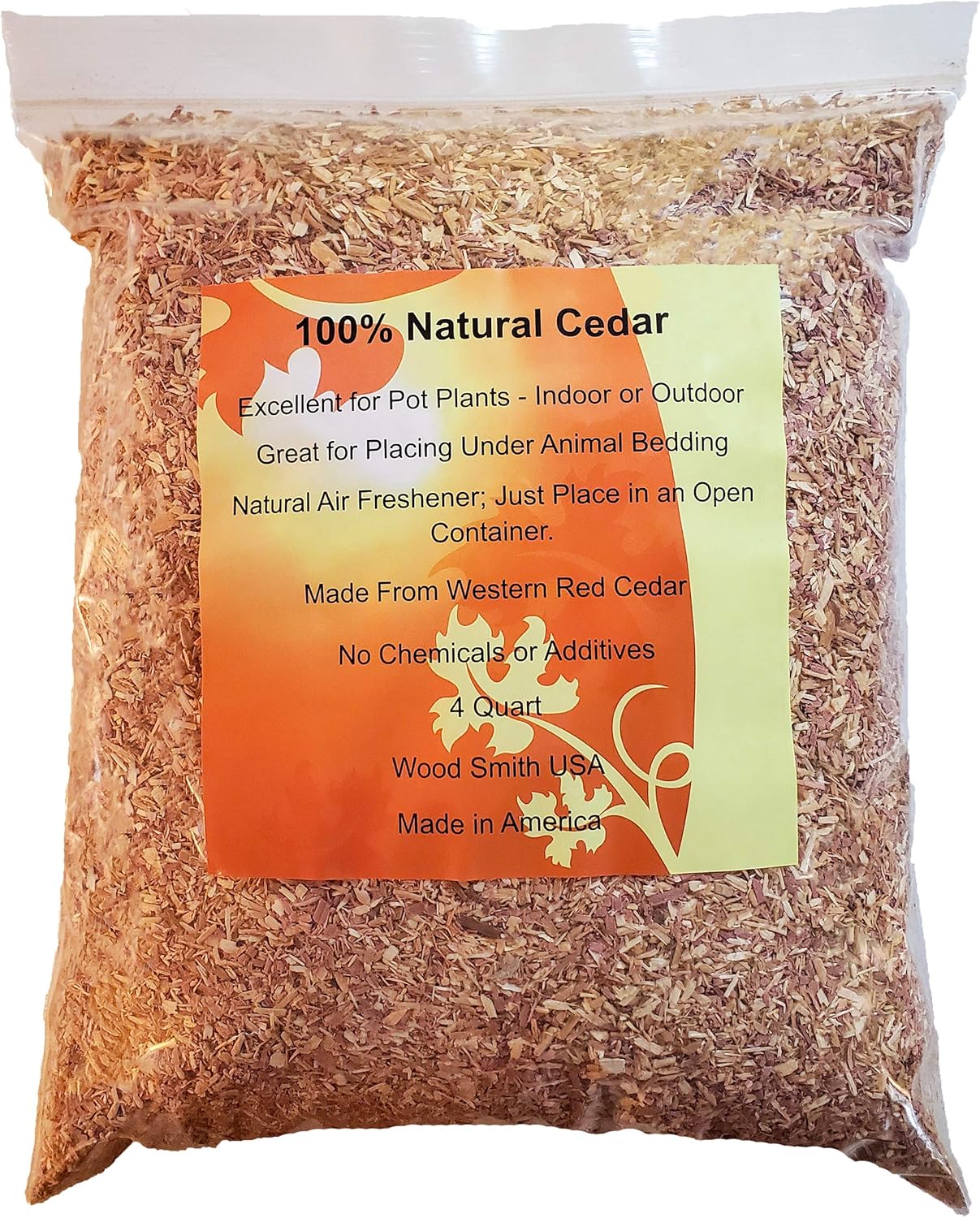
| Brand | Wood Smith USA |
|---|---|
| Unit Count | 148.92 Ounce |
| UPC | 731236292883 |
These 100% natural cedar chips are a compact, multiuse option for topping potted plants, freshening indoor planters, or adding to small outdoor beds. In practice they are most useful as a moisture-retaining surface layer for pots and hanging planters and as a light aromatic layer that can discourage some insects. The 4-quart size makes them easy to handle and store and the product description notes hand sifting and packing, which suggests relatively consistent quality from bag to bag. For winter use they will help insulate root zones in containers and reduce surface evaporation, though you will need several bags to cover larger beds. Limitations are the small volume per bag and the dusty nature of wood chips, so handle carefully and avoid inhaling dust. This is a straightforward, no-frills cedar chip that fits small-scale winter mulching tasks or spot use around entry pots and planters.
Best for: Good for gardeners on a budget who need a small, easy-to-store cedar mulch for winter protection of containers, seasonal refreshes of planters, or spot mulching around entryways.
Less Ideal for: Not a fit for covering large landscape beds or projects that require deep, long-lasting bulk mulch.
- Natural cedar provides a pleasant, insect-repelling scent
- Hand-sifted and packed for consistent small-bag quality
- Compact 4-quart bag is easy to store and handle
- Versatile for potted plants, hanging planters, and small bed touch-ups
- Small volume requires multiple bags for garden beds
- Wood chips can produce dust during handling
Verdict: A low-cost, small-bag cedar chip ideal for winter protection and refreshes of pots and small planting areas.
Home And Country USA Triple Shredded Hardwood Mulch, 2 cu ft
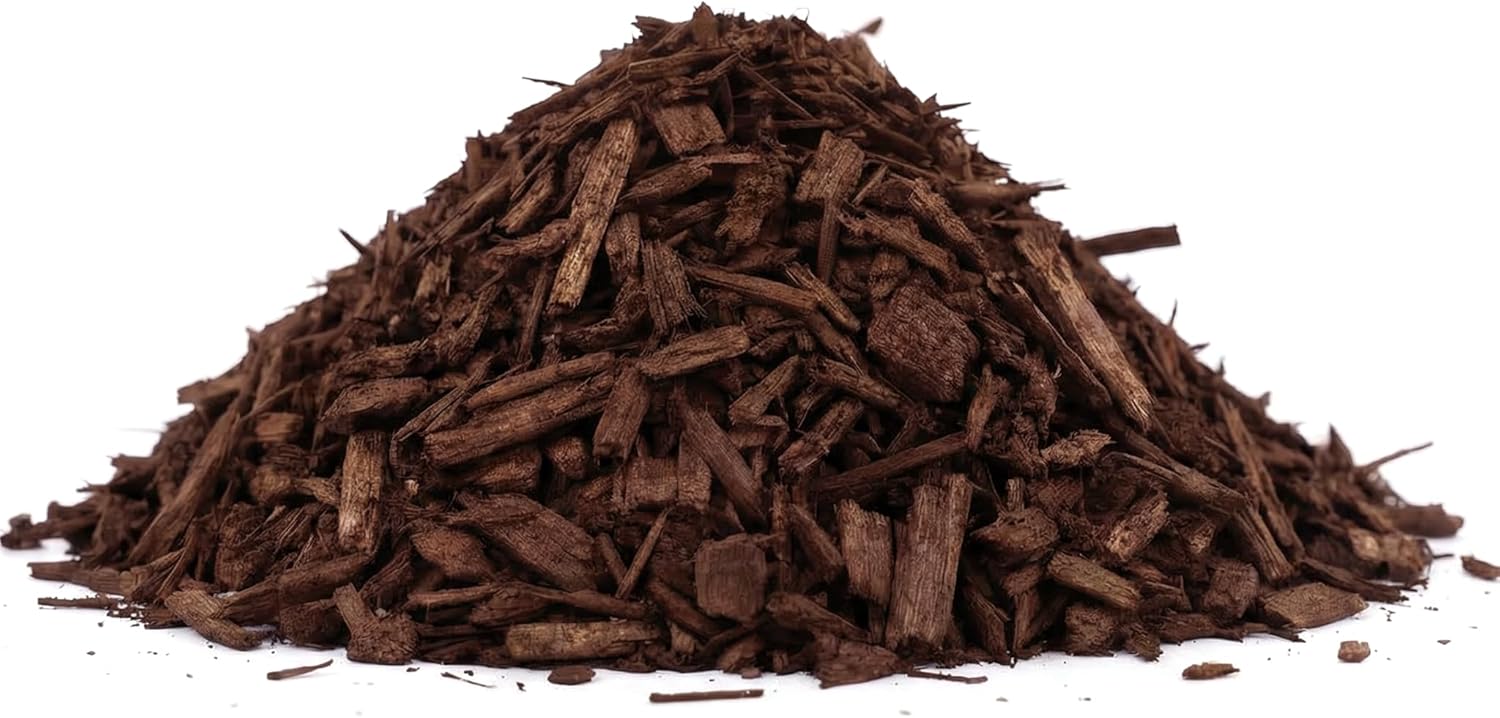
| Manufacturer | Home and Country USA |
|---|---|
| Item model number | HCM |
| Bag volume | 2 cu ft |
This triple-shredded hardwood mulch is a straightforward, no-frills option for homeowners who want a natural organic cover for beds and borders. It is typically spread 2 to 3 inches deep around flower beds, trees, and shrubs to reduce evaporation and block weed germination while slowly breaking down to feed soil life. Notable features include a triple-shredded texture that lays flat for neat coverage and a formulation described as 100 percent natural and nutrient rich, which supports soil structure over time. In practical use it helps extend watering intervals and keeps beds tidier through the winter months by insulating root zones and slowing temperature swings. The product comes in manageable 2 cu ft bags that are easy to handle for spot applications, though denser coverage will require multiple bags. Limitations are that color retention and decomposition rate will depend on local climate and the product does not include dye or long-term color stabilizers, so expect annual refreshes for peak aesthetics.
Best for: Buyers who prioritize dependable, natural performance and want a low-maintenance mulch to protect roots and conserve moisture through winter and into spring.
Less Ideal for: Landscape projects where long-lasting dyed color or bulk commercial quantities are the main priorities should consider alternatives.
- Triple-shredded texture provides even, compact coverage that resists blowing in wind
- Organic hardwood composition breaks down to improve soil structure and add nutrients
- Helps retain soil moisture to reduce watering frequency
- Natural weed suppression by creating a light-blocking ground cover
- No colorants or long-term stabilizers so appearance will fade and require annual top-up
- Sold in 2 cu ft bags which can be inefficient for large areas and require multiple purchases
Verdict: Choose this triple-shredded hardwood mulch if you want a natural, reliable mulch that preserves moisture and supports soil health through the winter.
HealthiStraw GardenStraw, 3 cu ft

| Volume | 3 cu ft |
|---|---|
| Ideal use | Edible gardens & lawn seeding |
| Approximate cut length | 2 inches |
| Sustainably sourced | Yes |
| All-Natural | Non-GMO |
HealthiStraw GardenStraw is a 3 cubic foot compressed bale of non-GMO wheat straw processed to reduce dust and stray seeds for garden use. It is intended for vegetable beds, raised beds, containers, and lawn repair where you need a lightweight, compostable mulch that conserves moisture and helps control weeds. The straw fibers are cut to interlock when watered, so it tends to stay in place without chemical binders and resists light wind and rain better than loose straw. It decomposes relatively quickly and adds carbon to compost and soil, which supports microbial activity and improves aeration. This product is especially useful for winter protection of root crops and perennials because it insulates soil and reduces freeze-thaw cycles while reducing watering needs. Limitations to consider are the bale size and compressed packaging, which require fluffing and spreading by hand or with basic tools, and while processed to remove seeds it may still contain some seed fragments compared with engineered mulches.
Best for: Gardeners who want a natural, compostable winter mulch for vegetable beds, raised beds, and lawn overseeding and who prioritize soil health and moisture conservation with minimal synthetic additives.
Less Ideal for: People seeking a permanent, low-maintenance decorative mulch or who need an inert, long-lasting weed barrier for pathways or ornamental beds.
- Made from 100% non-GMO wheat straw processed to reduce dust and stray seeds
- Good water retention that can cut watering needs roughly in half
- Fibers interlock when moistened so it stays in place without chemical binders
- Composts quickly and adds carbon to improve soil structure and microbial activity
- Compressed bale requires time to break up and spread evenly
- Not as long-lasting as woody mulches so needs replenishing more often
Verdict: A clean, compostable straw mulch that protects soil over winter while conserving moisture and supporting soil health.
Rio Hamza Trading 100% Natural Pine Bark Mulch Nuggets (8 Quarts)

| Unit Count | 256 Square Feet |
|---|---|
| Volume | 8 quarts |
| Ingredients | 100% pine shavings |
| Item Type Name | Potting Soil |
This bag of 100% natural pine bark nuggets is designed for potted plants, bonsai, terrariums and small outdoor beds where a decorative, moisture‑managing top layer is useful. The roughly half‑inch nuggets are chemical free and can be used either mixed into potting mixes to improve drainage and aeration or applied as a surface mulch to reduce evaporation and tidy container tops. In winter the chunky bark helps insulate soil surface and slows freeze‑thaw cycles around roots better than fine mulch. Practical benefits include an attractive red‑brown finish that keeps pots looking finished and a product that will not compact like fine compost. Limitations are the small 8‑quart bag size, which is suitable for several containers but not large landscape jobs, and the coarse pieces will eventually break down and need replenishing seasonally. There is also a choking hazard warning so keep away from small children and pets that might ingest small pieces.
Best for: Buyers who prioritize low‑risk, natural products and want an easy, decorative mulch to protect container and small‑bed roots through winter and improve potting mix drainage.
Less Ideal for: Not a good choice for someone needing bulk mulch for large beds or for gardeners who want a fine, fast‑breaking soil amendment rather than a long‑lasting top dressing.
- Made from 100% natural pine bark with no added chemicals
- Half‑inch nuggets improve drainage and aeration when mixed into potting media
- Chunky texture provides decorative, long‑lasting top dressing that reduces surface evaporation
- Useful for indoor and outdoor containers, bonsai and terrariums
- Small 8‑quart bag not intended for large garden or landscape coverage
- Coarse nuggets will break down over time and require seasonal replacement
Verdict: A small, chemical‑free pine bark mulch that gives containers and small beds winter insulation and improved drainage with an attractive finish.
Choosing the Right Mulch for Winter: Key Factors to Consider
Insulation Value
Mulch acts as a blanket over soil and root zones, reducing rapid temperature swings during freeze-thaw cycles. Thicker, coarser materials generally trap more air and provide better insulation, which keeps roots from freezing on bitter nights and helps temper daytime thawing that can damage roots.
When evaluating insulation, consider local winter extremes. In mild winters a thinner layer may suffice, while colder climates often need heavier mulch or materials that resist compaction so the insulating air pockets remain effective.
Moisture Management
Different mulches affect soil moisture in different ways. Some materials hold moisture near the surface, helping plants through dry winter stretches, while others shed water and encourage drainage to avoid waterlogging during prolonged thaws. Proper moisture balance prevents roots from desiccating and also prevents freeze-related root rot.
Think about your soil type: heavy clay combined with a water-holding mulch can lead to saturation, whereas sandy soils benefit from mulches that retain more moisture. Choose a mulch that matches your drainage and irrigation patterns.
Resistance to Displacement
Winter storms, melting snow, and runoff can quickly move lightweight or loosely structured mulches out of place. Mulches that bind together or have coarser particle sizes tend to stay put better on slopes and exposed beds. For windy sites, stability is a key consideration to avoid reapplication in spring.
Edge treatments, netting, or heavier materials can reduce movement, but selecting a naturally stable mulch saves time and labor during the season.
Decomposition and Soil Impact
Some mulches break down rapidly and become part of the soil, providing organic matter and nutrients by spring. Others persist longer and may need removal or turning in. Rapidly decomposing mulches can temporarily tie up nitrogen as microbes break them down, which is important to consider around young or nitrogen-hungry plants.
Balance the desire for soil-building organic matter with the need for lasting winter coverage. Know whether you want the mulch incorporated in spring or left on the surface for another season.
Pest and Weed Risk
Mulch can harbor weed seeds or provide shelter for rodents and other pests if it offers dense cover. Sterile or processed mulches tend to have lower weed seed loads, while raw wood chips and straw can introduce seeds unless properly sourced.
Inspect the origin of bulk materials and consider pest pressure in your area. In higher-risk sites, choose mulches less likely to shelter pests or use a barrier layer under the mulch to reduce risk.
Practical Handling and Availability
How easy a mulch is to spread, rake, or scoop matters when you are covering large beds or many containers. Lightweight mulches are quicker to move but may need extra anchoring; heavy mulches take longer to place but often require less redistributing later.
Also consider seasonal availability and whether the material is sold in bags or bulk. Local availability affects cost and freshness, which in turn affects weed seed content and decomposition behavior.
Best Mulch Depth and Timing for Winter
Apply mulch after the ground has begun to cool but before the first hard freeze for best results. A typical depth for insulating roots is two to four inches for most organic mulches. Too thin a layer gives little protection, while an overly thick layer can hold excess moisture against stems and crowns.
For newly planted trees and shrubs, focus mulch on the root zone and keep it a few inches away from trunks to prevent rot and animal damage. In containers, a thinner layer often suffices because roots are closer to the surface and container soils warm and cool faster.
- 2 to 4 inches is a practical winter depth for beds and perennials
- Keep mulch pulled back 2-3 inches from trunks and crowns
- Refresh disturbed areas after heavy wind or snow melt
Mulch Use Around Trees, Shrubs, and Perennials
Root depth, plant hardiness, and crown sensitivity influence how and where to apply winter mulch. Shallow-rooted perennials benefit from a thicker insulating layer, while deep-rooted shrubs need less surface insulation paired with good soil structure.
Avoid piling mulch against woody stems. This practice can trap moisture and invite fungal issues or rodent damage. For bulbs, leave a protective layer that prevents frost heaving but allows spring shoots to push through as soils warm.
- Match mulch type to plant rooting depth
- Avoid direct contact between mulch and woody stems
- Use a protective but breathable layer over bulbs
Anchoring and Protecting Mulch Through Winter
For exposed beds or slopes, consider strategies to keep mulch in place. Lighter mulches can be lightly netted or combined with heavier materials along edges. Placing stone or edging around susceptible areas reduces wind-driven loss.
Inspect beds after major storms and reapply where necessary. In many cases the best-performing winter mulches are those chosen with site exposure in mind, rather than simply the cheapest or most attractive option.
- Use netting or heavier edge materials on windy sites
- Combine mulch types to balance insulation and stability
- Check and touch up mulch after large storms
Environmental and Soil Health Considerations
Organic mulches contribute carbon and organic matter as they decompose, improving soil structure and microbial activity over time. However, some materials may temporarily change soil nitrogen dynamics or alter pH, so choose materials suited to your soil and plants.
Avoid materials contaminated with weed seeds, herbicide residues, or treated wood. Local, sustainably sourced options often offer the best balance between environmental impact and performance.
- Prefer uncontaminated, local organic materials when possible
- Be aware of potential short-term nitrogen drawdown
- Consider long-term soil benefits when selecting mulch
Using Mulch in Containers and Raised Beds
Containers and raised beds warm and cool more quickly than in-ground beds, so use a lighter mulch layer and monitor moisture more closely. A dense or overly thick layer can keep container soil too wet and slow warming in spring.
Select mulches that allow water to penetrate quickly and do not compact in pots. In many cases a breathable, chunky material applied thinly gives the best balance of insulation and drainage.
- Use thinner mulch layers in containers
- Choose chunky, breathable materials to avoid compaction
- Monitor moisture because containers drain differently than ground beds
How We Chose the Best Mulch for Winter
We narrowed the field to mulches that perform reliably during cold weather and late-season wet periods. Our editorial filters prioritized materials that provide insulating value, control moisture without causing prolonged saturation, and resist displacement from winter winds and runoff. We also considered winter biodegradation rate so gardeners know whether a mulch will break down into soil before spring or remain through thaw cycles. Ease of application and cleanup mattered for homeowners who need to cover large beds or protect individual shrubs and trees. Environmental impact and the risk of introducing weed seeds or pests were part of the exclusions: we excluded products with known contamination risks or that require heavy chemical treatment. Final selections balanced thermal buffering, water infiltration behavior, persistence through freeze-thaw, and practical handling for typical yard and garden situations.
FAQ
When is the right time to apply mulch for winter protection?
Apply mulch after soil temperatures begin to fall and before the first hard freeze. That timing helps trap warmth without encouraging late-season growth that could be damaged by frost.
How deep should winter mulch be for flowerbeds and vegetable plots?
Two to four inches is usually appropriate for flowerbeds and perennial borders. Vegetable plots and areas with heavy clay may need a thinner layer to avoid excess moisture retention during thaws.
Can mulch cause problems if left on all winter?
Mulch left through winter can be beneficial, but very thick or dense layers may hold excess moisture and invite rot around crowns and stems. Inspect sensitive plants in early spring and thin or remove mulch if soils remain soggy.
Is there a mulch that prevents rodents from making nests?
No mulch guarantees rodent-free beds. Coarser materials and avoiding deep, loose piles near building foundations reduce sheltering opportunities. Where rodent pressure is high, minimize dense cover next to trunks and use physical barriers if necessary.
Should mulch be removed in spring?
In many gardens leaving decomposed mulch in place benefits soil structure and adds organic matter. If the mulch is compacted or contains weed seeds, rake and refresh rather than completely remove it. Keep mulch away from stems when redistributing.
Final Verdict
Choose a winter mulch based on the balance you need between insulation, moisture management, and durability. Prioritize materials that suit your soil type and site exposure, and plan depth and placement to protect roots without creating excess moisture near crowns. A practical winter mulch strategy reduces frost damage, conserves moisture through dry spells, and saves labor from repeated winter rework. Focus on insulation value, drainage behavior, and stability to pick the best option for your garden this cold season.
