

Note: This article contains affiliate links. If you click on these links and make a purchase, I may earn a small commission at no extra cost to you. This helps support my research and content. Read my full affiliate disclosure here.
Snake plants are slow-growing, low-water houseplants that respond best to light, infrequent feeding. Choosing the right fertilizer matters because overfeeding or the wrong nutrient balance can cause leaf burn, excess top growth, or weak roots in a plant that naturally favors lean soils. This guide presents seven well-chosen fertilizer options suitable for snake plants, from gentle liquid feeds to slow-release granules, and explains when and how to feed for healthy, compact growth. We shortlisted products that fit typical snake plant care: low to moderate nitrogen, clear application rates, and formulations that work in potting mixes. Below you will find practical notes on nutrient mix, ease of use, and suitability across growing conditions to help you pick the best approach for your plant. Read on for the feeding basics and what to expect from each type of fertilizer.
Top Picks at a Glance
| Best Overall The best all-around choice for most situations | TPS Nutrients Snake Plant Liquid Fertilizer, 8 oz |  |
| Best Quality Built to a higher standard if you want something more solid | Miracle-Gro Indoor Plant Food Liquid, 8 oz. (2-Pack) |  |
| Best Value The sweet spot between price and what you get | Grow Queen Organic Liquid Indoor Plant Food 5-5-5 (8 oz) with Sea Kelp |  |
| Best Budget The cheapest option that still gets the job done reliably | Miracle-Gro Indoor Plant Food Spikes for All Plants, 48 Spikes |  |
| Highest Rated A top-rated pick with lots of positive feedback | FOLLOWIN Snake Plant Liquid Fertilizer, 3-1-2 NPK, 21 fl oz |  |
| Most Popular A crowd favorite that many people choose with confidence | TPS NUTRIENTS Indoor Plant Food Liquid Fertilizer, 8 oz |  |
| Best Seller A high-volume bestseller chosen again and again | Miracle-Gro Liquid All Purpose Plant Food Concentrate, 32 oz. |  |
TPS Nutrients Snake Plant Liquid Fertilizer, 8 oz

| Item Form | Liquid |
|---|---|
| Coverage | Medium |
| Target Species | snake plants |
| Unit Count | 8 Fluid Ounces |
| Mixing Ratio | 1:1 |
This 8 oz liquid fertilizer from TPS Nutrients is designed for regular feeding of snake plants and similar hardy houseplants. Mixed at a 1:1 ratio and applied sparingly every 2–4 weeks, it supplies a gentle, balanced nutrient mix plus kelp and micronutrients that help encourage new shoots and firmer, upright leaves. Because it is liquid and labeled for medium coverage, it is easy to dose into potting soil and fits into a low-maintenance care routine for home or office plants. Practical benefits include improved structure and steady growth without heavy feeding that can stress roots, and clear directions for measuring by plant height make it simple for beginners to use. Limitations are the small 8 oz volume, which means frequent repurchases for larger collections, and the formula is targeted to snake plants so it may not be optimal as a general-purpose houseplant feed.
Best for: Buyers who want a low-effort, plant-specific fertilizer to maintain healthy, upright snake plants in homes or offices and prefer predictable, gentle feeding schedules.
Less Ideal for: Gardeners with large indoor plant collections or those seeking a single all-purpose fertilizer for many different houseplant types should consider larger or broader-formula options.
- Formulated specifically for snake plants to support upright growth and root strength
- Liquid concentrate with a simple 1:1 mixing ratio for easy dosing
- Includes kelp and micronutrients to encourage new shoots and overall plant vitality
- Small 8 fl oz bottle may be insufficient for multi-plant collections
- Not marketed as a broad-spectrum feed for a wide range of houseplants
Verdict: A compact, easy-to-use liquid feed that keeps snake plants upright and healthy with gentle, regular applications.
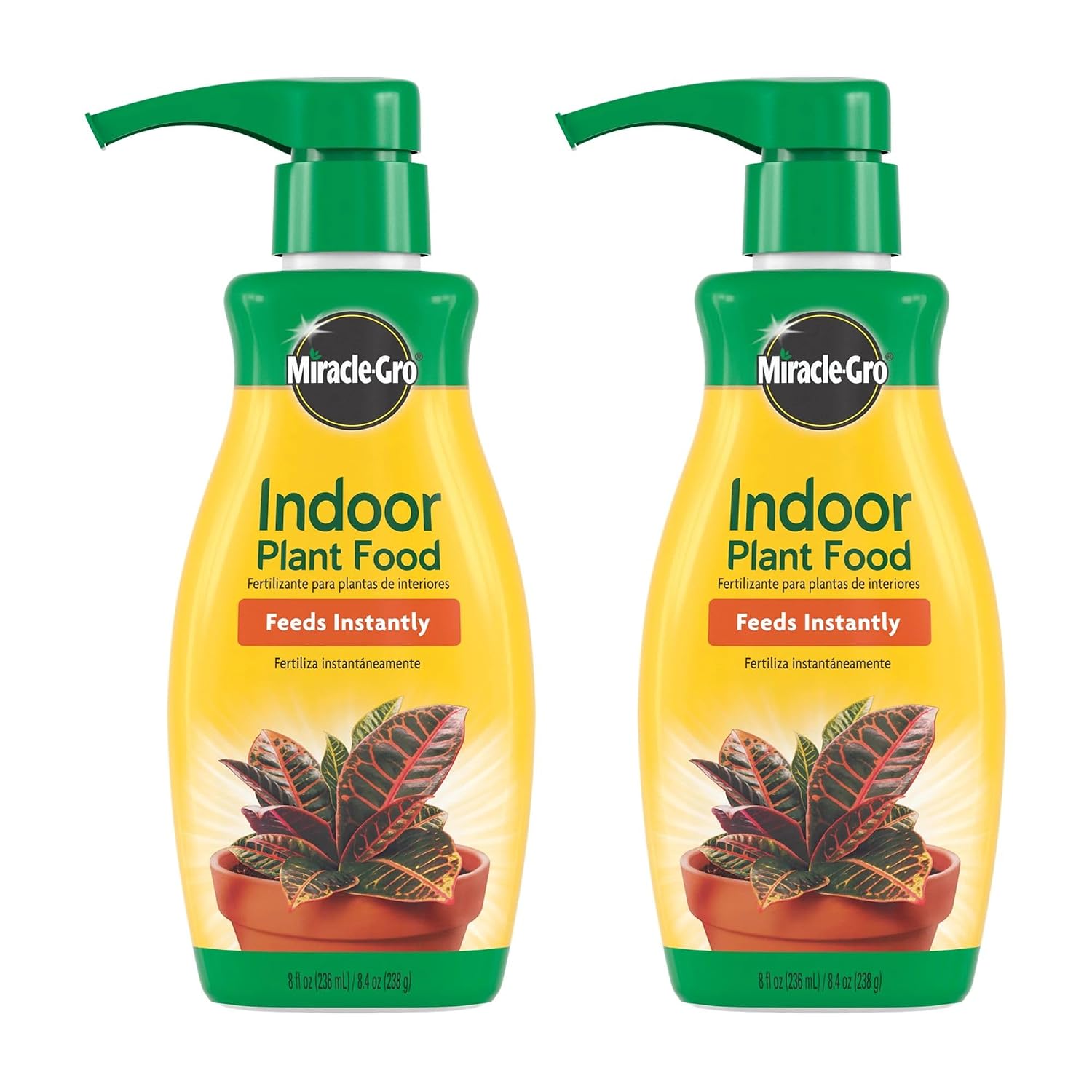
Miracle-Gro Indoor Plant Food Liquid, 8 oz. (2-Pack)
| Item Form | Liquid |
|---|---|
| Application Method | Apply directly to the soil or mix with water |
| Coverage | Pot size |
| Target Species | Peace Lily,Snake Plant,Croton,Succulents,Herbs |
| Unit Count | 16 Fluid Ounces |
Miracle-Gro Indoor Plant Food is a ready-to-use liquid fertilizer for container houseplants that delivers nutrients quickly when applied weekly. It is used either by pumping directly into the potting soil (one pump for small pots, two for larger pots) or by mixing four pumps per quart of water and watering as normal. Notable features include a liquid formulation for fast uptake, clear dosing guidance, and broad compatibility with common indoor plants such as snake plants, peace lilies, succulents, herbs and edibles. In practice this makes it a convenient option for routine feeding and for users who want predictable, visible responses from foliage. Limitations are that it is a general-purpose houseplant feed rather than a species-specific formula, so users chasing very slow-release nutrition or specialty micronutrient mixes may prefer granular or targeted fertilizers. Also it requires weekly application, which adds a maintenance step compared with less frequent slow-release options.
Best for: For indoor plant owners who want dependable, performance-focused feeding to encourage steady growth and visible plant health without complex mixing or schedules.
Less Ideal for: Not ideal for growers who prefer low-maintenance, infrequent fertilizing or who need a fertilizer formulated for a specific nutrient balance for specialty plants.
- Liquid formula provides nutrients quickly through soil or watering can
- Simple pump dosing or mix-with-water option for easy weekly feeding
- Works across a wide range of common indoor plants including snake plants and succulents
- Comes as a two-pack so you have spare supply for regular applications
- General-purpose formula not tailored to specific species needs
- Requires weekly application rather than offering long-term slow release
Verdict: A fast-acting, easy weekly liquid feed that reliably boosts indoor plant performance, making it a practical choice for growers focused on visible growth in snake plants and other houseplants.
Grow Queen Organic Liquid Indoor Plant Food 5-5-5 (8 oz) with Sea Kelp

| Item Form | Liquid |
|---|---|
| Specific Uses For Product | Plant Growth |
| Application Method | Watering |
| Mixing Ratio | 1:1 |
Grow Queen's 8 oz liquid plant food is a concentrated, balanced 5-5-5 NPK fertilizer formulated for indoor and container plants. You mix roughly one capful (about 4 ml) per gallon of water and use it as a soil drench or foliar spray every 1 to 3 weeks during active growth. The formula includes Ecklonia maxima sea kelp and trace micronutrients, which can help greener foliage and stronger roots without the burn risk of harsher concentrates. Because it is concentrated, a single bottle treats up to about 50 gallons, so it is economical for a multi-plant indoor collection. It also works in aerated hydroponic setups if reservoirs are changed frequently. Expect a mild ocean scent from the kelp that dissipates after watering. Limitations to note are that organic liquids can form residues in standing, non-aerated water and that feeding frequency and dilution need attention to avoid overuse on slow-growing plants like snake plants. For routine feeding of common houseplants and container gardens this is a flexible, plant-safe option.
Best for: Practical plant owners who want a single, concentrated liquid fertilizer that covers most indoor potted plants and stretches across a collection with predictable mixing and feeding routines.
Less Ideal for: Growers who rely on passive, closed water reservoirs or who want a dry slow-release fertilizer as their primary feed method.
- Balanced 5-5-5 formula suitable for regular use without high burn risk
- Contains sea kelp and micronutrients to support leaf color and root strength
- Concentrated 8 oz bottle treats up to 50 gallons, stretching supply across many plants
- Works as soil drench or foliar feed and is compatible with aerated hydroponic systems
- No perfumes or synthetic dyes so scent and residues are minimal and natural
- Not suitable for use in non-aerated standing water because organic material can form a film
- Requires careful dilution and feeding schedule for slow-growing plants to avoid overfeeding
Verdict: A concentrated, kelp-enriched 5-5-5 liquid fertilizer that gives practical, economical all-purpose feeding for indoor plant collections.
Miracle-Gro Indoor Plant Food Spikes for All Plants, 48 Spikes

| Item Form | Sticks |
|---|---|
| Application Method | Insert spike into soil |
| Coverage | Full |
| Target Species | Houseplants |
| Unit Count | 48 Count |
Miracle-Gro Indoor Plant Food Spikes are pre-formed fertilizer sticks designed for low-effort feeding of houseplants. You use the included aerator to make a small hole, press a spike into the soil, cover, and water as usual; each spike releases nutrients over roughly two months. The pack of 48 gives enough coverage for multiple pots and the dosing guidance (more spikes for larger pots) helps avoid guesswork. For snake plants this format is convenient because it provides slow steady feeding without frequent liquid applications and reduces the risk of overwatering at feed times. Notable features are the simple insertion method, broad indoor compatibility including vegetables and flowers, and clear coverage recommendations. Limitations are that spikes provide an all-purpose NPK mix rather than a snake-plant-specific formula and placement plus repotting still matter for long-term soil health. Also spikes dissolve on a fixed schedule so you cannot fine-tune feeding between the two-month intervals. For someone prioritizing a low-cost, hands-off way to keep snake plants fed, these spikes are an easy option.
Best for: Best for plant owners who want a low-effort, budget-friendly feeding routine for indoor plants and prefer set-and-forget maintenance over regular liquid feeding.
Less Ideal for: Not ideal for growers who want a custom nutrient program, precise dosing control, or specific formulations for nutrient-sensitive houseplants.
- Pre-measured spikes deliver steady, slow-release feeding for up to two months
- Very easy application using an aerator with no mixing or measuring
- Large 48-count pack covers many pots and reduces recurring purchases
- All-purpose NPK formulation is not tailored specifically to snake plants
- Fixed-release schedule limits ability to fine-tune feeding between applications
Verdict: If you want an inexpensive, no-mess way to feed snake plants every two months, these pre-measured spikes make indoor care much simpler.
FOLLOWIN Snake Plant Liquid Fertilizer, 3-1-2 NPK, 21 fl oz

| Item Form | Liquid |
|---|---|
| Specific Uses For Product | Plant Growth, Root Development |
| Target Species | Snake Plant, Sansevieria |
| Liquid Volume | 21 fluid ounces |
| Mixing Ratio | 1:100-1:300 |
This is a gentle, purpose-made liquid fertilizer for snake plants that aims to support steady leaf growth and stronger rhizomes without risking burn from overfeeding. You mix a measured capful with water (mixing ratio provided) and apply it during watering, typically every other watering or every 4 to 6 weeks in the growing season. Notable features include a 3-1-2 NPK balance that prioritizes leaf development and root health, chelated nutrients for faster uptake, and a graduated cap built into the bottle for accurate dosing. In practice it is easy to integrate into routine care for potted snake plants in low-light indoor spots where slow growth is common. The formula includes micronutrients and common trace elements to help maintain variegation and overall vigor. Limitations are that it is single-purpose for sansevieria rather than a general houseplant feed and users must follow dilution instructions carefully to avoid overapplication.
Best for: Buyers who prioritize a reliable, plant-specific feeding routine for potted snake plants and want an easy-to-measure liquid feed that integrates into regular watering.
Less Ideal for: Gardeners seeking a multi-purpose houseplant fertilizer or a dry/slow-release product should look elsewhere.
- 3-1-2 NPK ratio targets balanced leaf growth and root development for snake plants
- Chelated liquid formula dissolves quickly for efficient nutrient uptake with minimal residue
- Graduated cap provides built-in measuring for consistent, easy dilution
- Includes micronutrients to support leaf variegation and overall plant vitality
- Designed specifically for snake plants so it may not be ideal for other houseplant types
- Requires careful dilution and scheduling to avoid over-fertilization
Verdict: If you want a straightforward, reliably dosed liquid feed tailored to snake plants, this concentrated 3-1-2 formula makes regular feeding simple and safe.
TPS NUTRIENTS Indoor Plant Food Liquid Fertilizer, 8 oz

| Item Form | Liquid |
|---|---|
| Specific Uses For Product | Plant Food |
| Application Method | Watering can |
| Unit Count | 8 Fluid Ounces |
| Mixing Ratio | 1 tbsp per 32 oz (1:64) |
TPS NUTRIENTS Indoor Plant Food is a small, concentrated liquid fertilizer meant to be mixed with water and applied during routine watering. It is formulated for all indoor plants and is kelp-enriched to support leaf vibrancy, steady new growth, and root strength. Typical use is one tablespoon per 32 oz of water (mixing ratio provided) and applying weekly or with each watering as directed. The liquid format makes it easy to measure and distribute evenly through a watering can, and the concentrate stretches an 8 oz bottle over many feedings. Practical benefits include improved foliage color and more consistent new leaf production for plants that respond to regular feeding, like snake plants in low to moderate light. Limitations are the small bottle size for larger collections and that concentrated liquids require correct dilution to avoid overfeeding sensitive species. It is a straightforward, no-frills fertilizer for regular indoor feeding routines rather than a specialized formulation for nutrient-deficient or problem plants.
Best for: Buyers who want a simple, reliable weekly liquid feed to keep indoor plants healthy and encourage better foliage and new growth without fuss. Ideal for caregivers who follow regular watering routines and want measurable dosing.
Less Ideal for: Not the best choice for collectors with large numbers of plants who need economy-size supplies or for growers seeking a fertilizer tailored to specific deficiency corrections.
- Concentrated liquid form is easy to mix and apply with a watering can
- Kelp-enriched formula that supports leaf color and steady new growth
- Clear mixing instructions for simple, repeatable dosing
- Suitable for a wide range of common indoor plants including snake plants
- Only 8 fl oz bottle which may be small for multiple plants or frequent weekly feedings
- Not a specialized formulation for correcting specific nutrient deficiencies
Verdict: A simple, kelp-enhanced liquid concentrate that makes weekly feeding easy for houseplants like snake plants and helps produce healthier foliage.
Miracle-Gro Liquid All Purpose Plant Food Concentrate, 32 oz.

| Item Form | Liquid |
|---|---|
| Specific Uses For Product | Plant Growth, Root Development |
| Application Method | Mix with water in a watering can |
| Mixing Ratio | 1:10 (concentrate to water, estimate) |
Miracle‑Gro Liquid All Purpose is a straightforward liquid concentrate for regular feeding of houseplants and garden beds. You dilute the concentrate in a watering can (manufacturer recommends roughly 1:10 for garden use and 1 teaspoon per gallon for houseplants) and apply to soil every 1 to 2 weeks. Its liquid form delivers nutrients to the root zone quickly, which is useful for a slow‑growing, low‑maintenance plant like a snake plant when you want gradual, reliable feeding. The product covers both container and in‑ground plants and is easy to measure and mix. Limitations to note are that this is a general all‑purpose formula rather than a low‑nitrogen or specialty houseplant fertilizer, so you should use the lower recommended rate for succulents and plants that prefer leaner soil to avoid overfeeding. Also, frequent application is required to maintain feeding intervals compared with slow‑release granules. For cautious gardeners, its clear directions and familiar brand make dosing predictable and repeatable.
Best for: Someone who wants a simple, proven liquid fertilizer for routine feeding of houseplants and mixed garden plantings and prefers predictable directions over experimenting with specialty formulas.
Less Ideal for: Collectors of strictly low‑nutrition succulents or gardeners who prefer one‑time slow‑release fertilizing rather than regular liquid feedings.
- Liquid concentrate mixes easily for quick root uptake
- Versatile for indoor and outdoor container or in‑ground plants
- Simple, repeatable mixing directions for predictable dosing
- Not formulated specifically for succulents or low‑nitrogen houseplants
- Requires frequent reapplication compared with slow‑release fertilizers
Verdict: A reliable, easy‑to‑use liquid concentrate for regular, predictable feeding of snake plants and other common houseplants.
Choosing the Right Fertilizer for Snake Plant: Key Factors to Consider
Nutrient Ratio and Strength
Snake plants prefer modest feeding rather than a strong growth push. Look for fertilizer ratios with balanced macronutrients and not excessively high nitrogen. A mild N-P-K balance supports steady leaf thickening without encouraging weak, elongated growth that can make the plant flop. Concentration matters because indoor potted plants need much lower doses than outdoor beds; always follow diluted feeding rates and consider quarter-strength applications for liquid feeds.
Strong solutions can cause leaf tip burn and concentrate salts in the potting mix. Over time those salts can stress roots and reduce water uptake. Choosing a gentler ratio and lower concentration reduces the need for frequent leaching and keeps the plant compact and healthy.
Application Method and Ease
How you apply fertilizer affects consistency and safety. Liquid concentrates let you dose precisely and are easy to apply at watering time, which is useful if you already water on a schedule. Slow-release granules or coated pellets reduce the need for regular dosing and lower the risk of accidental overfeeding, especially for gardeners who prefer set-and-forget care.
However, slow-release options depend on temperature and moisture to release nutrients, so they may be less predictable in very dry, infrequently watered pots. Water-soluble powders or tablets offer another middle ground but check label instructions carefully to match the release and frequency to your watering routine.
Salt Content and Soil Safety
Fertilizer products vary in soluble salt content, which determines how likely they are to build up in potting mix. Snake plants are sensitive to salt accumulation because they are often grown in small containers with limited drainage volume. High salt loads can cause root dehydration and leaf discoloration.
Choose formulas labeled for container and houseplant use with lower salt indices when possible. If you must use a stronger feed, flush the potting mix periodically with clear water to remove excess salts and monitor for signs of tip scorch or slowed growth.
Release Profile and Feeding Frequency
Matching fertilizer longevity to your care routine prevents both under- and overfeeding. Slow-release options deliver nutrients over months and are convenient for forgetful gardeners, but they can be less transparent about dosage in small pots. Liquid feeds require more frequent applications but allow seasonal adjustment and easy correction if you see stress.
During the plant's active growth season, light monthly feeding or a diluted biweekly liquid feed often suffices. In winter, reduce or skip feeding entirely as the plant enters a rest period. Consider how often you want to handle feeding and pick a product whose release profile matches that schedule.
Formulation and Micronutrient Content
Beyond N-P-K, micronutrients like iron, magnesium, and trace elements help maintain leaf color and prevent slow decline. Snake plants do not need heavy micronutrient dosing, but a balanced formula that includes essential trace minerals supports long-term vigor and avoids subtle deficiencies that show as yellowing or mottling.
Avoid formulations with unnecessary additives that may increase salt load or alter pH excessively. If your tap water is very soft or alkaline, consider how the fertilizer might interact with water chemistry and choose compatible formulations that maintain a stable potting mix environment.
When to Feed Snake Plants
Feed snake plants only during their active growth period, typically spring through early fall for most indoor environments. In low light or cool winter conditions the plant grows slowly and usually does not need supplemental nutrients.
Signs that a plant may benefit from feeding include gradual color loss, slowed growth after the usual season, or potting mix that has been in place for multiple years. When you do feed, use a conservative schedule and observe how the plant responds before increasing frequency or concentration.
- Start with dilute applications and increase only if you see steady, healthy growth.
- Skip fertilizer during dormancy and reduce frequency in low-light conditions.
- Flush pots occasionally if you use granular or higher-concentration feeds to avoid salt buildup.
Liquid Vs Slow-Release: Which Fits Your Routine
Liquid fertilizers give you control and quick adjustments. They are ideal if you water on a predictable schedule and prefer to tweak concentration seasonally. Diluted liquid feeds help avoid sudden nutrient spikes and make it simple to reverse an overfeed by watering thoroughly.
Slow-release granules suit gardeners who prefer minimal monthly or seasonal maintenance. They are convenient for small pots where frequent precise dosing is impractical, but they can be less flexible if the plant starts showing signs of deficiency or excess.
- Choose liquid feed for precision and seasonal control.
- Choose slow-release for low-effort, consistent background nutrition.
- Consider combining a base slow-release with occasional light liquid feeds if you need fine-tuned adjustment.
Adjusting Feeding for Light and Pot Size
Light level and pot volume determine how much and how often nutrients are used. In bright, indirect light a snake plant will grow faster and use nutrients more quickly than the same plant in a dim corner. Small pots concentrate salts faster and need gentler dosing or more frequent leaching.
Scale feeding to both the plant's vigor and the container. Reduce concentration or frequency for plants in small pots or low light, and increase slightly for vigorous specimens in bright spots. Always err on the side of less rather than more when in doubt.
- Bright light and larger pots typically require slightly more frequent feeding.
- Small containers benefit from lower concentrations and occasional flushes.
- Watch foliage response for clues rather than relying solely on a calendar.
Troubleshooting Feeding Problems
Leaf tip browning, yellowing, or a crust of white on the soil surface often indicate salt buildup from overfeeding. If this occurs, stop fertilizing and flush the pot with water until runoff runs clear, then resume with a weaker solution at a reduced frequency.
If growth is very slow despite feeding, consider light, root health, and potting mix quality. Sometimes the issue is compacted soil, insufficient light, or a root-bound pot rather than nutrient shortage. A balanced approach to culture changes often solves perceived feeding problems.
- Flush soil to remove excess salts if you see tip burn or white residue.
- Assess light and root space before increasing fertilizer strength.
- Reduce frequency first if uncertain, then gradually increase concentration if needed.
Feeding After Repotting or Division
After repotting, especially into fresh potting mix, hold off on regular feeding for several weeks. Fresh mixes often contain slow-release fertilizers or carry enough nutrients to support initial recovery. Wait until you see new growth before resuming a light feeding schedule.
When dividing plants, give the sections time to re-establish roots and avoid pushing for rapid top growth with concentrated feeds. Gentle support feeding helps recovery without stressing new roots.
- Delay feeding for 4 to 6 weeks after repotting into fresh mix.
- Use very dilute feeds after division until new roots and shoots appear.
- Monitor moisture and avoid overwatering while supporting recovery with light nutrition.
How We Chose the Best Fertilizer for Snake Plant
We focused on criteria that matter for snake plant care and excluded feeds designed for heavy-feeding, fast-growing tropicals. Our selection prioritized gentle formulations and clear application instructions suited to slow-growing, drought-tolerant houseplants. Evaluation criteria included nutrient ratio and concentration because snake plants do best with modest nitrogen and balanced micronutrients; application method and dosing clarity since over-application is a common cause of harm; release profile and longevity to match infrequent feeding schedules; salt load and formulation to reduce risk of root damage in container soils; and compatibility with typical indoor potting mixes and watering habits. We also considered ease of sourcing clear directions and packaging that minimizes dosing mistakes. Products were excluded if they are targeted only to heavy-feeding outdoor ornamentals, contain unusually high nitrogen or salts for potted succulents, or lack clear instructions for dilute indoor application. The final list reflects fertilizers that are realistic to use for snake plants across a range of containers and light levels.
FAQ
How often should I fertilize a snake plant indoors?
Usually feed lightly during spring and summer, about once a month for slow-release options or every 4 to 6 weeks with a dilute liquid feed. In winter, reduce or stop feeding while growth slows.
Can too much fertilizer harm my snake plant?
Yes. Excess fertilizer causes leaf tip burn, white crusts on the soil, and root stress. If you suspect overfeeding, flush the pot with clear water and hold off on additional fertilizer.
Is a cactus or succulent fertilizer okay for snake plants?
Cactus and succulent formulas are often suitable because they are formulated for low-water, low-nutrient conditions, but check that the nutrient ratio and salt content are mild and labeled for container houseplants before use.
Should I use fertilizer after repotting a snake plant?
Wait several weeks after repotting into fresh mix since new soil often contains starter nutrients. Resume light feeding only after you see new growth to avoid stressing recovering roots.
Do snake plants need micronutrients?
They benefit from balanced trace elements in small amounts. A fertilizer that includes iron and magnesium can help maintain leaf color, but avoid high-strength trace element doses that increase salt load.
How can I tell if my snake plant needs fertilizer?
Look for gradual loss of color, reduced seasonal growth, or if the potting mix has been in place for several years. Rule out light, watering, and root issues before increasing feeding.
Final Verdict
For snake plants, prioritize mild, well-balanced fertilizers and conservative dosing. Match the product type to your routine: liquid feeds for control and seasonal tweaks, slow-release for low-effort background nutrition. Always consider pot size, light, and watering habits before increasing feed strength. The safest path is a gentle approach: low concentration, infrequent application, and attention to leaf response. Prioritize formulations with lower salt loads and clear application guidance so you can keep your snake plant healthy and compact without unnecessary risk.
