

Note: This article contains affiliate links. If you click on these links and make a purchase, I may earn a small commission at no extra cost to you. This helps support my research and content. Read my full affiliate disclosure here.
A well-chosen splitting hatchet makes short work of small logs and kindling while keeping you safer and less fatigued during repeated swings. For homeowners, campers, and gardeners who split firewood, a hatchet designed specifically for splitting changes how quickly you can process rounds and how cleanly the wood separates. This guide shortlists the top options suited to common yard and outdoor tasks and explains the real-world tradeoffs that matter in a busy garden shed or campsite. We evaluated each hatchet against practical criteria like head geometry, handle durability, balance, and ease of repeated use. Read on for the decisions that matter when selecting a reliable splitting hatchet for everyday outdoor chores.
Top Picks at a Glance
| Best Overall The best all-around choice for most situations | Fiskars X27 Super Splitting Axe, 36-inch |  |
| Best Quality Built to a higher standard if you want something more solid | Gränsfors Bruks Splitting Hatchet with Sheath |  |
| Best Value The sweet spot between price and what you get | KSEIBI 274150 Camping Hatchet Axe | 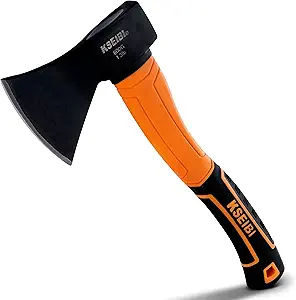 |
| Best Budget The cheapest option that still gets the job done reliably | DESHIL 15-Inch Wood Splitting Hatchet |  |
| Best Seller A high-volume bestseller chosen again and again | Fiskars X11 Splitting Axe, 17" |  |
Fiskars X27 Super Splitting Axe, 36-inch

| Included Components | Fiskars X27 Super Splitting Axe (36\") |
|---|---|
| Handle Material | Steel,Wood |
| Blade Material | Alloy Steel |
| Head Type | Hatchet |
| Blade Edge | bevel,convex |
The Fiskars X27 Super Splitting Axe is built for efficient firewood splitting rather than light chopping or carving. With a 36-inch handle and a heavy, convex-ground alloy steel head it increases leverage and blade penetration so taller users can split medium to extra-large logs with fewer swings. The insert-molded head and shock-absorbing handle reduce the chance of head loosening and cut down vibration to ease hand strain during extended use. The hardened blade geometry and low-friction coating help the edge stay sharp and pull free from wood more easily. It arrives with a protective sheath and is backed by a lifetime warranty. Limitations to note are that its length and head weight make it less maneuverable for confined spaces or precision tasks, and it is overbuilt for small kindling or delicate yard work where a shorter hatchet would be safer and easier to handle.
Best for: Buyers who want a durable, high-performance splitting axe to split medium to very large logs efficiently, especially taller users who value leverage and fewer swings.
Less Ideal for: People who need a compact, multipurpose hatchet for campsite tasks or detailed woodwork should choose a shorter, lighter tool instead.
- Long 36-inch handle provides strong leverage for fewer, more powerful swings
- Convex, hardened alloy steel blade promotes deep penetration and easier splits
- Insert-molded forged steel head and shock-absorbing handle improve durability and reduce vibration
- Includes protective sheath and is supported by a full lifetime warranty
- Long handle and heavier head reduce maneuverability for small or precise tasks
- Not ideal for light-duty chopping or frequent overhead use in tight areas
Verdict: Choose the Fiskars X27 if you want a tough, leverage-heavy splitting axe that makes one-swing splits on medium to extra-large logs much easier.
Gränsfors Bruks Splitting Hatchet with Sheath

| Head Weight | 2 pounds |
|---|---|
| Blade Material | Carbon Steel |
| Handle Material | Hickory Wood |
| Included Components | Sheath |
| Head Type | Hatchet |
This Gränsfors Bruks splitting hatchet is built for performance-minded users who want a durable, traditionally made tool for splitting kindling and smaller logs. The convex carbon-steel blade and 2 lb head deliver controlled, deep cuts while the 19-inch hickory handle provides good leverage and shock absorption. It comes with a grain-leather sheath and steel collars that secure the head to the handle, reflecting a focus on long-term durability and safe storage. In practice the hatchet excels at splitting rounds too large for a knife but too small for a full maul, and its weight and balance make repeated swings less tiring than heavier axes. Limitations are its single-purpose design and shorter handle, which mean it is not a replacement for a splitting maul on large rounds and offers less reach and momentum. Buyers should expect to maintain the carbon steel edge periodically to preserve cutting performance.
Best for: Gardeners and homeowners who value a well-crafted, high-performance hatchet for splitting kindling and small to medium firewood and who prefer a traditional, durable tool they can maintain.
Less Ideal for: People who regularly split large diameter logs or need maximum reach and power should choose a heavier splitting maul or full-size axe instead.
- Convex carbon steel blade for efficient, long-lasting splitting performance
- 19-inch hickory handle provides solid leverage and natural shock absorption
- Balanced 2 lb head suited to controlled, repeatable swings for kindling and small logs
- Includes grain-leather sheath and steel collars for safe storage and head retention
- Shorter handle and lighter head limit effectiveness on large rounds compared with a splitting maul
- Carbon steel blade requires regular maintenance to prevent rust and preserve the edge
Verdict: Choose this hatchet if you want a durable, high-performance splitting tool optimized for kindling and small to medium firewood.
KSEIBI 274150 Camping Hatchet Axe

| Blade Material | Forged Steel |
|---|---|
| Handle Material | Fiberglass |
| Head Weight | 600 g |
| Blade Length | 4.13 inches |
The KSEIBI 274150 is a small, well-balanced hatchet built for campsite wood prep and light splitting. It pairs a forged steel 600 g head with a fiberglass handle that has rubberized inserts and an ergonomic curve to reduce shock and improve grip during repeated swings. Out of the box it arrives moderately sharp and is best used for chopping kindling, splitting small logs, and general camp chores where portability matters. The secure head-to-haft joint and anticorrosive coating on the head improve durability for outdoor use. At roughly 15 inches long and just over a pound, it is easy to carry and maneuver, and the included sheath makes storage straightforward. Limitations are its size and head weight, which make it unsuitable for heavy-duty felling or splitting large rounds; users who need more power will want a larger splitting axe. Some buyers sharpen the blade further before sustained use to get cleaner cuts. For practical campers and gardeners who want a reliable, portable tool for everyday light splitting, this hatchet covers the basics well.
Best for: Buyers who prioritize a compact, reliable tool for campsite tasks and light splitting and want a low-weight hatchet that is easy to carry and use repeatedly without excessive fatigue.
Less Ideal for: People who need a heavy-duty splitting axe for large logs or felling trees should choose a larger, heavier head designed for full-size splitting work.
- Forged steel 600 g head offers durable, wear-resistant cutting performance
- Fiberglass handle with rubber inserts reduces shock and improves grip
- Well-balanced design suitable for chopping kindling and throwing
- Includes carrying sheath for safer storage and transport
- Head weight and overall size limit effectiveness on large logs
- Blade ships only moderately sharp and may require additional sharpening for best results
Verdict: A portable, well-balanced hatchet that reliably handles kindling and light splitting for campers who want a durable, easy-to-carry tool.
DESHIL 15-Inch Wood Splitting Hatchet

| Handle Material | Wood |
|---|---|
| Blade Material | Metal |
| Head Type | Hatchet |
| Included Components | Sheath |
This 15-inch DESHIL hatchet is a practical, no-frills tool for preparing kindling, splitting small logs, and light campsite tasks. The heat-treated forged carbon steel head holds an edge for routine chopping, and a rust-resistant coating reduces corrosion when used outdoors. A textured fiberglass handle is shaped to reduce shock and improve grip, which helps during repeated strikes and keeps fatigue down on longer sessions. The hatchet also has a flat back that doubles as a light hammer for tent stakes and comes with a protective blade cover for safe transport. Because it is compact, it is easier to carry and control than full-size axes but is not intended for heavy-duty felling or large log splitting. Expect to resharpen the blade periodically and avoid using it on very hard or knotty wood. For a simple, budget-friendly splitting hatchet for campfires and small yard jobs this model covers the essentials without extras.
Best for: Buyers looking for an affordable, portable hatchet for campfires, wood stoves, and small yard tasks who prioritize lightweight carry and straightforward utility over heavy-duty power.
Less Ideal for: People who need a full-size splitting axe for large logs, professional firewood cutting, or heavy forestry work should choose a larger, more powerful tool.
- Forged heat-treated carbon steel blade for durable chopping and splitting
- Textured fiberglass shock-reduction handle improves grip and reduces hand fatigue
- Compact 15-inch size is easy to carry and control for camping and backyard use
- Flat back adds light hammering utility for tent stakes and small jobs
- Protective blade cover included for safer storage and transport
- Not designed for heavy-duty felling or splitting large, knotty logs
- Blade will require periodic sharpening with a stone to maintain performance
Verdict: A compact, budget-friendly hatchet that delivers dependable splitting and campsite utility for everyday small-log and kindling prep.
Fiskars X11 Splitting Axe, 17"

| Blade Material | Forged Steel |
|---|---|
| Handle Material | Wood |
| Head Type | Splitting Wedge |
| Included Components | Sheath |
The Fiskars X11 Splitting Axe is a compact splitting tool built to make short work of small logs and kindling. Its wedge-shaped forged-steel head and advanced blade geometry give strong penetration and frequent one-strike splits, while the optimized weight distribution increases swing speed for more power with less effort. The handle uses a FiberComp-style insert-molded design that resists weather and prevents the head from loosening, and the included sheath protects the blade in storage or on a campsite. Typical uses are splitting firewood at the fire pit, making kindling for camping, or light trail clearing where a full-size maul is overkill. Important limitations are its intended scale: this axe is tailored to small to medium logs and is not a replacement for larger splitting mauls when tackling heavy or green timber. Also the shorter length means it is best used with controlled, deliberate swings rather than two-handed long-reach chopping.
Best for: Buyers who want a reliable, easy-to-handle splitting axe for small logs, campfire prep, and light yard work and who prioritize durability and low-maintenance tools.
Less Ideal for: People who regularly split large rounds or process high volumes of firewood should choose a heavier splitting maul or longer-handled axe instead.
- Wedge-shaped forged steel head and advanced blade geometry for efficient one-strike splits
- Balanced weight distribution increases swing speed to multiply splitting power
- FiberComp insert-molded handle resists weather and prevents head loosening
- Lightweight, compact 17-inch length makes it convenient for camping and quick jobs
- Includes protective sheath for safe transport and storage
- Not suited for large or green logs where a full-size maul is required
- Shorter handle limits leverage compared with longer splitting axes
Verdict: A durable, compact splitting axe that delivers efficient one-strike splits for camp and small-log use while being built to last.
Choosing the Right Splitting Hatchet: Key Factors to Consider
Head Geometry and Mass
The shape and weight of the hatchet head determine how effectively it forces wood fibers apart. A slightly wider, wedge-shaped face helps pry splits open instead of simply cutting, which is important for small- to medium-diameter rounds. Heavier heads store more kinetic energy and can reduce the number of swings needed, but too much mass on a short hatchet makes control difficult for precise splitting around knots.
Consider the typical sizes of wood you will process. For regular firewood preparation, look for a head profile that balances a sharpened blade with a flared wedge behind it. That combination slices into the log and then widens the gap to complete the split, which reduces stuck blades and beat-up handles over time.
Handle Material and Construction
Handle material affects shock dampening, durability, and repairability. Wood handles provide natural flex and are easy to replace, but they can be vulnerable to rot and splitting if not properly cared for. Fiberglass and composite handles resist weather and impact and often include vibration-reducing cores, but repair options are limited if the handle fails.
Pay attention to how the head is attached. A well-set wedge or mechanical retention system keeps the head secure through heavy swings. For gardeners who will use a hatchet in damp conditions, sealed or treated handles prolong life and reduce the chance of swelling and loosened heads.
Balance and Grip Control
A splitting hatchet must feel predictable through the arc of a swing. Balance relates to the distribution of mass between head and handle and affects both power transfer and control. A head-heavy tool can deliver strong blows but may tire your wrist on repeated use; a more balanced hatchet improves accuracy for lighter work.
Grip texture and shape matter for safety and repeatability. A contoured or textured grip helps maintain hand position during wet or sweaty conditions and reduces the risk of slippage. Consider handle length and how much two-handed leverage you might need for larger splits.
Edge Retention and Ease of Sharpening
Steel grade and heat treatment influence how long an edge stays sharp and how easily it can be sharpened in the field. A hatchet that dulls quickly increases the effort and time required for splitting tasks. Conversely, a very hard but brittle edge may chip on knots and require more careful maintenance.
Choose a blade steel that balances durability and serviceability for the way you work. Also consider how accessible the edge is for routine honing with a file or stone so you can maintain consistent performance without specialized equipment.
Weather Resistance and Finish
Outdoor tools face moisture, dirt, and temperature swings. Corrosion-resistant finishes on the head reduce the chance of rust and protect the cutting surface between uses. Handles treated with UV inhibitors or sealants resist cracking and discoloration when stored outdoors or used in sun-exposed areas.
Fasteners and wedges should be made of corrosion-resistant materials or protected by coatings. Even with careful storage, a hatchet that tolerates wet conditions will retain structural integrity and be safer to use over multiple seasons.
When to Use a Splitting Hatchet Versus a Maul or Axe
Splitting hatchets occupy the middle ground between lightweight camping hatchets and large splitting mauls. They are best for small to medium rounds and for tasks where portability matters. Use a hatchet when you need more splitting force than a carving hatchet but do not require the mass and protective head of a full-sized maul.
If you regularly process large logs or hardwood rounds wider than a few inches, a heavier axe or maul will reduce effort long term. For weekend firewood prep, kindling production, or clearing small limbs, a splitting hatchet offers better control and easier storage.
- Good for small to medium rounds and kindling
- Not ideal for very large or frozen logs
- Easier to swing and transport than a maul
Safe Splitting Technique and Maintenance
Stand with a stable stance and bring the hatchet straight down through the center or along a natural split in the log. Avoid angled strikes that can catch the blade. When a swing embeds the head without completing the split, use controlled taps with a mallet on the poll or move the log to expose the next natural crack.
Keep the cutting edge honed and free of major nicks. A sharp hatchet requires fewer strikes and reduces rebound that can cause slips. Check the head-to-handle joint before each use and tighten or replace wedges or fasteners as needed.
- Wear eye protection and sturdy gloves
- Work on a stable chopping block to protect the blade
- Avoid overhead strikes and keep bystanders clear
Sizing and Storage for Gardeners
Select a hatchet length that fits how you work. Short handles improve control in tight spaces like garden beds and sheds, while slightly longer handles give more leverage for thicker rounds. Measure the tool against your shoulder height and planned workspace to avoid awkward swings.
Store hatchets in a dry, ventilated area to prevent handle decay and head corrosion. Use a simple sheath to protect the edge and your hands. For wood-handled tools, a light coat of linseed oil once or twice a year will extend handle life.
- Shorter handles are more maneuverable in tight spaces
- Longer handles provide leverage for stubborn splits
- Sheath and dry storage prolong tool life
Field Sharpening and Simple Repairs
Basic sharpening equipment like a mill bastard file and a sharpening stone are enough to restore a splitting hatchet edge. Use a safe vise or clamp to hold the head while filing. Preserve the blade angle specified by the tool design to maintain splitting efficiency.
If a wood handle cracks, it is usually replaceable; many gardeners prefer replaceable handles for long-term ownership. For composite handles, inspect for delamination or visible cracks and retire the tool if structural damage appears.
- Carry a file for quick edge maintenance
- Replace damaged wooden handles rather than risk a loose head
- Check wedge tightness before heavy work
Best Woods and Conditions for Hatchet Splitting
Some woods split more cleanly than others. Softwoods and straight-grained hardwoods part easily along grain lines. Woods with complex grain, heavy knots, or interlocked fibers require more force and can damage edges. Seasoned, dry wood typically splits better than green or frozen wood.
If you need to process wet or frozen rounds, expect to use more energy and to sharpen more frequently. Plan your splitting work around weather and drying schedules when possible to reduce wear on the tool and yourself.
- Seasoned wood splits with less effort
- Knotted and interlocked grain increases wear
- Avoid splitting frozen logs whenever possible
How We Chose the Best Splitting Hatchet
We focused on features that affect how a splitting hatchet performs in real garden and outdoor use. Primary evaluation criteria included head geometry and mass for effective splitting of small to medium rounds, handle material and construction for shock absorption and durability, balance and swing dynamics for control and reduced effort, and edge retention plus ease of re-sharpening for ongoing maintenance. We also considered safety features such as secure head attachment, non-slip grips, and the presence of a protective finish that resists weathering. Excluded from the list were multi-tool hatchets intended primarily for camping tasks other than splitting, and lightweight trade hatchets designed only for carving or shaping. We prioritized tools built to handle consistent chopping and splitting rather than occasional decorative use. Final selections were based on published specifications, manufacturer construction details, and common gardener concerns about longevity and day-to-day handling.
FAQ
How do I know if a splitting hatchet is the right length for me?
Handle length depends on your typical task and reach. Shorter handles give more control for light work and tight spaces, while slightly longer handles provide leverage for thicker rounds. Test swing balance and ensure you can maintain a stable stance without overreaching.
Can a splitting hatchet handle knotty or hardwood logs?
Splitting hatchets can handle some hardwood and knotty wood, but they are best for small to medium rounds. Heavy knots and dense hardwoods increase edge wear and the chance of a stuck blade. For frequent heavy-duty splitting, a larger splitting axe or maul is usually more appropriate.
What is the easiest way to sharpen a hatchet in the field?
A mill file for shaping and a coarse stone for refining the edge are the most practical field tools. Clamp the head for safety, maintain the existing bevel angle, and remove burrs with light passes. Regular light maintenance keeps the edge serviceable without complex equipment.
Should I choose a wood or composite handle for outdoor use?
Wood handles offer natural shock absorption and are replaceable if damaged. Composite handles resist weather and impact better but are harder to repair. If you store and maintain tools carefully, either type can work; choose based on whether you prefer repairability or weather resistance.
How do I prevent the head from loosening over time?
Keep the handle dry and periodically check the wedge and fastening system. Wooden handles can swell and tighten when wet but may loosen as they dry. If the head shows movement, stop using the tool until the fit is restored with wedges or a handle replacement.
Is it safe to use a splitting hatchet on a chopping block?
Yes, using a stable chopping block protects the hatchet edge and improves safety by elevating the work to a comfortable height. Ensure the block is solid and free of embedded metal, and position the log so the swings are controlled and directed away from your body.
Final Verdict
Pick a splitting hatchet that matches the size of wood you process and the conditions where you work. Prioritize head geometry and a secure head-to-handle connection for effective splitting, and choose a handle material that fits your maintenance preferences and exposure to weather. Balance and a maintainable edge make the daily work faster and safer. Focus on the tradeoffs between power and control: a slightly heavier head reduces swings but can be harder to control, while a lighter, better-balanced hatchet improves accuracy but may need more effort on dense wood. With those priorities set, you can choose a hatchet that will serve reliably in the garden, campsite, or workshop.
