

Note: This article contains affiliate links. If you click on these links and make a purchase, I may earn a small commission at no extra cost to you. This helps support my research and content. Read my full affiliate disclosure here.
If you keep tropical houseplants you know they need steady, balanced feeding to stay lush, hold color, and push new growth. Choosing the right fertilizer for indoor tropical plants matters because indoor light and pot volume limit how plants use nutrients and how often you can feed them. This guide shortlists the top options across feeding styles and formulas so you can match a product to your light levels, pot size, and time availability. We evaluated mixes, application methods, and user ease to focus on options that deliver steady results without stress. Read on to see the top picks and the practical criteria that guided our selections.
Top Picks at a Glance
| Best Overall The best all-around choice for most situations | Dyna-Gro Foliage Pro Liquid Plant Fertilizer, 32 oz | 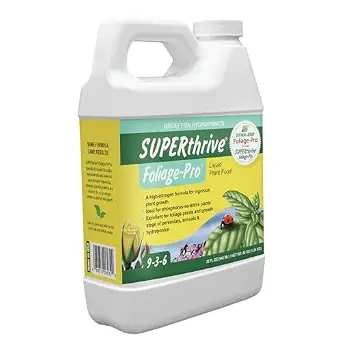 |
| Best Quality Built to a higher standard if you want something more solid | Growth Technology GT Foliage Focus Liquid Plant Food, 1 Quart | 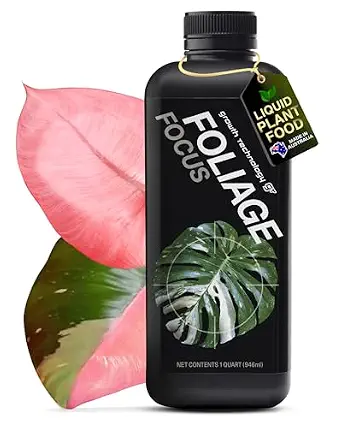 |
| Best Value The sweet spot between price and what you get | Purived 16 oz All-Purpose Liquid Plant Fertilizer |  |
| Best Budget The cheapest option that still gets the job done reliably | Farmer's Secret Tropical Houseplant Booster (4 oz) |  |
| Highest Rated A top-rated pick with lots of positive feedback | Pegmapri Organic Liquid Plant Food, 8.45 fl oz Concentrate |  |
| Most Popular A crowd favorite that many people choose with confidence | TPS Nutrients Indoor Plant Food Liquid Fertilizer, 8 fl oz |  |
| Best Seller A high-volume bestseller chosen again and again | Miracle-Gro Indoor Plant Food for Tropicals, 8 fl. oz. (2-Pack) |  |
Dyna-Gro Foliage Pro Liquid Plant Fertilizer, 32 oz

| Item Form | Liquid |
|---|---|
| Specific Uses For Product | indoor plant care, greenhouse production, and low light environments |
| Application Method | Mix with water |
| Target Species | tropical foliage and common interior scape plants |
| Mixing Ratio | 3:1:2 or 9-3-6 |
Dyna-Gro Foliage Pro is a ready-to-mix liquid fertilizer designed as an all-purpose nutrient for tropical and common interior foliage. You use it by diluting with water according to the published mixing ratios (notably 3:1:2 or the 9-3-6 NPK equivalent) and applying it as part of routine indoor or greenhouse feeding. Its liquid form dissolves quickly for steady nutrient uptake and it is suitable for soil and hydroponic systems, making it flexible across growing setups. The balanced NPK leans toward supporting leaf development and overall vigor, so plants typically show stronger stems and deeper green color with regular use. Practical benefits include clear dosing guidance and broad compatibility with low-light houseplants. Limitations are that it is a concentrated liquid that requires careful measuring and handling, and it does not include micronutrient breakdown or specialized formulations for flowering or heavy fruiting species, so growers focused on blooms or fruit may need an additional product.
Best for: Buyers who want a single, reliable liquid nutrient for year-round care of indoor tropicals and common foliage plants and prefer straightforward mixing and repeatable results.
Less Ideal for: Growers focused on maximizing blooms or fruit production or those who want a dry slow-release option should consider more specialized fertilizers or supplements.
- Balanced NPK formula aimed at foliage health and color
- Liquid concentrate mixes easily for quick uptake in soil or hydroponics
- Clear recommended mixing ratios for routine feeding
- Suitable for low-light and greenhouse environments
- No detailed micronutrient breakdown provided in the listing
- Not specialized for flowering or heavy fruit production
Verdict: A dependable, easy-to-mix liquid fertilizer that delivers balanced nutrition to keep indoor tropical foliage healthy and vibrant.
Growth Technology GT Foliage Focus Liquid Plant Food, 1 Quart

| Item Form | Liquid |
|---|---|
| Specific Uses For Product | Houseplant and Tropical Plant Care |
| Application Method | Foliar spray |
| Liquid Volume | 946 ml |
| Mixing Ratio | 1:20, 1.5:20, 2:20 |
Growth Technology GT Foliage Focus is a pH-buffered, concentrated liquid fertilizer aimed at promoting strong roots and vibrant foliage on aroids, monsteras, ferns, palms and other indoor tropicals. It is used by diluting into water at the recommended rates for soil, hydroponic systems, or as a foliar spray and can be applied with each watering for steady feeding or adjusted to stronger mixes during active growth. Notable features include a balanced mix of nitrate-nitrogen, phosphorus, potassium, calcium, magnesium and trace elements and explicit mixing ratios for weak, normal and strong feeds. In practice the formula is versatile across soil, potting mix, semi-hydroponic setups and full hydroponics, and the foliar option helps with quick leaf uptake when leaves look pale. Important limitations are that regular feeding requires monthly flushing to avoid salt buildup and you must follow dilution guidance closely to avoid overfeeding sensitive species. The one-quart bottle supplies frequent feeders but will require careful measuring during routine use.
Best for: Buyers who prioritize visible leaf performance and steady nutrient control for aroids and tropical houseplants and who want a single feed solution that works across soil and hydro setups.
Less Ideal for: Casual plant owners who prefer organic or slow-release granular fertilizers or those unwilling to follow regular dilution and flushing routines.
- Balanced mineral profile including N, P, K, calcium and magnesium for foliage and root support
- Versatile application: soil drench, hydroponics, semi-hydroponic systems and foliar spray
- pH buffered formula simplifies mixing and reduces need for extra additives
- Clear dilution guidance for weak, normal and strong feeding makes dosing straightforward
- Requires monthly flushing to prevent mineral salt buildup in pots and systems
- Concentrated formula demands careful measuring to avoid overfeeding sensitive plants
Verdict: A concentrated, versatile liquid feed for growers who want robust leaf growth and one formula that works across soil and hydroponic indoor tropical setups.
Purived 16 oz All-Purpose Liquid Plant Fertilizer

| Item Form | Liquid |
|---|---|
| Specific Uses For Product | Houseplant Fertilizer |
| Application Method | soil drench, foliar feed, full & semi hydroponics |
| Mixing Ratio | 320:1 |
| Liquid Volume | 16 fluid ounces |
Purived 16 oz All-Purpose Liquid Plant Fertilizer is a concentrated liquid designed for routine feeding of indoor tropicals and other potted plants. One 16 ounce bottle mixes to about 50 gallons at the stated 320:1 ratio, so a small dose covers many feedings; use it as a soil drench, foliar feed, or in full or semi-hydroponic setups. The formula lists primary macronutrients plus a broad suite of micronutrients including iron, magnesium, manganese, and zinc, which helps support steady growth, greener foliage, and flowering in nutrient-hungry tropical species. It is odorless and packaged for straightforward mixing (one cap per gallon). Important limitations are that the label gives a single general mixing ratio rather than crop-specific schedules, so you will need to adjust frequency and dilution for young or sensitive plants to avoid overfeeding. Also it is a general all-purpose feed rather than a tailored high-nitrogen or bloom booster formula, so serious growers may supplement for specific goals.
Best for: For houseplant owners who want an easy-to-use, concentrated daily/weekly feed to maintain healthy tropical foliage across many pots and feeding methods.
Less Ideal for: Not the best choice for growers seeking a specialized bloom booster or those who prefer precise nutrient schedules for each growth stage.
- High concentration stretches one bottle to many feedings for cost-effective routine use
- Suitable for multiple application methods: soil drench, foliar feed, and hydroponics
- Contains macronutrients plus several micronutrients useful for tropical houseplants
- Odorless formula and simple mixing instructions make weekly feeding easy
- Single generic mixing ratio provided without detailed schedules for different plant stages
- Not formulated specifically as a bloom booster or for plants needing atypical N-P-K ratios
Verdict: A concentrated, versatile liquid feed that gives practical, cost-effective nutrient coverage for indoor tropicals with minimal fuss.
Farmer's Secret Tropical Houseplant Booster (4 oz)

| Item Form | Liquid |
|---|---|
| Specific Uses For Product | Tropical Houseplants |
| Application Method | Drip Top |
| Mixing Ratio | 10 drops per quart or 1/2 teaspoon per gallon |
This 4 oz bottle of Farmer's Secret Tropical Houseplant Booster is a highly concentrated liquid feed designed for regular use on tropical indoor plants like monstera, fiddle leaf figs, and ZZ plants. It comes with a drip top for easy measuring and the recommended dilution is 10 drops per quart or 1/2 teaspoon per gallon, which the brand says yields up to 48 gallons of finished solution. In practice it functions as a weekly liquid fertilizer or an occasional foliar spray and contains common fertilizer ingredients including nitrogen, phosphorus sources, potassium adjustments, and a chelated zinc. The concentration means a small bottle lasts a long time, which is good for small collections or hobbyists on a budget. The practical downsides are that the label lists strong active ingredients that require careful dilution and dosing, and the small bottle can be awkward if you prefer premeasured concentrates or granular slow-release feeds. For growers who want a compact, concentrated liquid feed for routine watering or foliar feeding, this product is straightforward and economical.
Best for: Indoor plant owners who want an inexpensive, long-lasting liquid feed for tropical houseplants and prefer a concentrated product that reduces how often they need to buy fertilizer.
Less Ideal for: People who prefer premeasured or solid slow-release fertilizers, those who do not want to mix concentrates, or growers managing very large numbers of plants.
- Very concentrated formula yields many gallons from a small bottle, stretching cost per use
- Drip top makes small-dose dilution simple for common watering cans
- Formulated specifically for tropical houseplants with micronutrient zinc included
- Can be used as a foliar spray or through normal watering for flexible application
- Small 4 oz bottle can be fiddly to measure for large batches
- Contains strong active ingredients that require careful dilution and handling
Verdict: A budget-friendly, super-concentrated liquid fertilizer that stretches a small bottle into many gallons of feed for tropical houseplants.
Pegmapri Organic Liquid Plant Food, 8.45 fl oz Concentrate

| Item Form | Liquid |
|---|---|
| Specific Uses For Product | Plant Growth, Root Development, Seed Development, Soil Conditioning |
| Application Method | Watering can, Drip irrigation, Soil drenching |
| Target Species | Houseplants |
| Liquid Volume | 8.45 fluid ounces |
This 8.45 fl oz Pegmapri liquid plant food is a concentrated, all-purpose organic nutrient intended for houseplants, tropicals, herbs, vegetables, and hydroponic setups. You dilute the concentrate into water and apply it by watering can, soil drench, or through drip and hydroponic systems for steady feeding. Notable features include a root-friendly formulation for rapid uptake, compatibility with soil and hydroponics, and a leak-resistant bottle that mixes cleanly without clogging lines. In practice it delivers quick nutrient availability compared with slow-release granules, which helps revive limp foliage and supports root development and stem strength. Because it is concentrated, a little goes a long way and the bottle can make several gallons of feed, which is convenient for routine indoor care. Limitations are that the product listing does not show an N-P-K breakdown or specific dilution rates on the product details here, so you will need to follow the included label or start with a conservative dose for sensitive tropicals.
Best for: Buyers who prioritize consistent, dependable feeding for indoor tropicals and want a versatile concentrate that works with watering cans, drip systems, or hydroponics.
Less Ideal for: Those who need exact nutrient analysis or tailored N-P-K ratios for specific fertilizing schedules should consider products with fully disclosed formulations or lab-tested blends.
- Concentrated organic formula stretches one small bottle into many gallons of feed
- Suitable for both soil and hydroponic systems and works with drip irrigation
- Designed for rapid root absorption to quickly deliver nutrients to plants
- Leak-proof bottle and low-residue formula that does not clog lines or sprayers
- Product details do not list N-P-K ratios or explicit dilution instructions in the provided information
Verdict: A small, concentrated organic liquid feed that reliably delivers quick root uptake and versatile application for indoor tropical plants.
TPS Nutrients Indoor Plant Food Liquid Fertilizer, 8 fl oz

| Item Form | Liquid |
|---|---|
| Application Method | Watering can |
| Specific Uses For Product | Plant Food |
| Mixing Ratio | 2:1 (oz/gallon) or 1:64 (tbsp/gallon) |
TPS Nutrients Indoor Plant Food is a concentrated liquid fertilizer designed for regular feeding of indoor tropical and foliage plants. It mixes with water (mixing ratio provided) and is applied with a watering can as part of normal watering routines. The formula emphasizes foliar vibrancy and steady new growth while supporting stronger roots, and includes kelp to supply micronutrients. Because it is a liquid concentrate, dosing is simple and you can tailor strength for sensitive species by reducing the recommended ratio. The bottle size is compact, so it is convenient for a few dozen houseplants but will require frequent repurchase for larger collections. Safety guidance is clear about keeping it away from children and pets and avoiding skin or eye contact. This product works well for gardeners who want an easy weekly feed that prioritizes foliage color and root health, though those seeking granular slow-release options or bulk concentrated solutions for heavy use might prefer alternate formats.
Best for: Buyers who prioritize reliable, easy weekly feeding to keep tropical houseplants lush and who prefer products with broad user acceptance and clear usage instructions.
Less Ideal for: People managing very large collections or who want a slow-release, low-maintenance fertilizer option should consider bulk liquid concentrates or granular feeds instead.
- Liquid concentrate mixes easily with water for simple weekly feeding.
- Kelp-enriched formula supplies micronutrients that support leaf color and new growth.
- Designed for use with a watering can for straightforward application.
- Clear mixing ratio provided for accurate dosing.
- Small 8 fl oz bottle may not last long for larger collections.
- No NPK breakdown given in the available product details to compare nutrient balance.
- Not a slow-release or granular format, so requires repeated application.
Verdict: A simple, kelp-enriched liquid feed that makes weekly fertilizing of indoor tropical plants quick and predictable.
Miracle-Gro Indoor Plant Food for Tropicals, 8 fl. oz. (2-Pack)

| Item Form | Liquid |
|---|---|
| Application Method | Directly to soil or mixed with water |
| Target Species | Tropical Plants |
| Mixing Ratio | 4 pumps:1 quart of water |
This Miracle-Gro liquid formula is designed to keep indoor tropicals like monsteras, palms, pothos and crotons producing lush green foliage. It can be applied by pumping directly into potting soil or diluted (4 pumps per quart) and used when you water, which makes it easy to add to a regular care routine. The formula highlights potassium for tropical vigor and comes in a convenient 2-pack of 8 fl. oz. bottles so you can keep a supply on hand. Practical benefits include straightforward dosing instructions (1 pump for small pots, 2 for pots over 6 inches) and the flexibility to feed while watering every two weeks. Limitations are that coverage is listed as low so a little goes a long way but you may need frequent top-ups for many plants, and the product is single-purpose liquid feed so growers wanting slow-release or organic options will need an alternative. For risk-averse gardeners it is predictable and simple to use, but expect to pair it with a good potting mix and regular repotting for best results.
Best for: Indoor plant owners who want a safe, easy-to-follow liquid fertilizer to maintain healthy tropical houseplants with minimal fuss and predictable results.
Less Ideal for: Growers seeking organic, slow-release, or all-in-one soil amendment solutions should consider other products tailored to those preferences.
- Formulated specifically for tropical houseplants to support lush foliage
- Easy pump dosing for direct soil application or mixing with water
- Comes as a two-bottle bundle so you have a ready replacement
- Clear feeding schedule of every two weeks simplifies routine care
- Described coverage is low so multiple bottles may be needed for larger collections
- Not a slow-release or organic formula for those preferring those options
Verdict: A simple, reliable liquid feed that makes keeping indoor tropicals green and healthy easy for risk-averse plant owners.
Choosing the Right Fertilizer for Indoor Tropical Plants: Key Factors to Consider
Nutrient Ratio and Macronutrients
Tropical foliage plants need a balanced supply of nitrogen, phosphorus, and potassium, but the ideal ratio depends on whether you prioritize leaf growth, root development, or occasional flowering. A higher nitrogen percentage encourages lush, green leaves, which benefits most tropical houseplants. Phosphorus supports root and bloom formation, while potassium helps general plant hardiness.
Read labels for complete N-P-K numbers and check for secondary nutrients like magnesium and calcium that prevent common indoor deficiencies. If a product lists only an N-P-K trio without trace elements, you may need periodic supplementation or a different formula to avoid subtle micronutrient shortfalls over the long term.
Form and Application Method
Fertilizers for indoor use come as liquids, water-soluble crystals, or slow-release granules. Liquid and soluble feeds give fast, controllable dosing and are easy to apply during regular watering, which is useful when you want quick change or to treat deficiency. Slow-release granules or coated prills provide steady background nutrition and reduce the frequency of dosing, which is helpful for busy gardeners or for plants that react poorly to frequent wetting of the rootball.
Consider how each form fits into your watering routine and pot setup. Liquids are easiest for small pots and frequent, diluted feedings. Slow-release options are better for larger containers or when you prefer infrequent interventions.
Concentration and Dosing Clarity
Indoor plants are sensitive to overfeeding because limited soil volume concentrates salts. Clear dosing instructions and a concentration that allows reliable dilution are critical to prevent root burn. Look for products with specific tablespoon-to-gallon or ml-per-liter guidance and separate rates for established versus newly potted plants.
Products that allow or recommend half-strength regular feedings are often safer for indoor tropicals than full-strength schedules designed for outdoor gardens. Also check whether manufacturers provide guidance for foliar feeding or for use with watering systems.
Salt Accumulation and Flush Requirements
Salt build-up from frequent fertilizing is a common indoor issue that can cause leaf tip burn and reduce water uptake. Some fertilizer formulas are higher in soluble salts and demand periodic flushing of the potting mix with plain water to leach excess minerals. Others, like slow-release or lower-concentration liquid feeds, lower that risk.
Consider how often you can flush pots and whether the product's instructions recommend a maintenance wash. If you re-pot infrequently or use decorative cachepots without drainage, choose lower-salt options and monitor leaf margins for early signs of accumulation.
Compatibility With Potting Mix and Water Quality
Houseplant potting mixes vary in organic content and water retention, and local tap water can be hard or chlorinated-both factors change how plants respond to fertilizer. A product that performs well in well-draining, aerated mixes might be too concentrated for peat-heavy or dense mixes.
Check if the fertilizer is formulated for container use and whether it includes chelated micronutrients that remain available in a range of pH levels. If your water is very hard, you may need a feed that accounts for that by providing additional micronutrients or recommending water treatment steps.
Plant Stage and Light Conditions
Growth stage and light intensity heavily influence feeding needs. In low light, tropicals grow slowly and require lighter feeding to avoid pushing weak, leggy growth. In higher light or during active spring-summer growth, stronger or more frequent feedings can be helpful.
Match the fertilizer and its recommended schedule to the plant's current stage. Many formulas provide separate rates for growth versus maintenance; follow those guidelines and reduce feed frequency during dormancy or periods of reduced light.
Feeding Schedules That Fit Indoor Routines
Establish a feeding schedule that aligns with how often you water and how much light your plants receive. For most tropical houseplants in low to medium light, a common approach is half-strength liquid feeding every two to four weeks during the growing season and no feeding in the slowest months.
If you prefer hands-off maintenance, slow-release pellets applied at potting or top-dressed quarterly can provide steady nutrition without altering your watering pattern. Whichever method you choose, keep a simple calendar or reminder so you do not skip or double up on applications by mistake.
- Frequent light feedings: good for small pots and frequent waterers
- Slow-release: reduces application errors and watering disruptions
- Always reduce feed frequency in low light or winter
Mixing and Applying Liquid Fertilizers Safely
When using concentrated liquids or soluble powders, measure precisely and mix in a separate container before adding to the watering can. Always follow dilution guidance for indoor use and consider starting at half the recommended strength to gauge plant response.
Apply fertilizer to evenly moist soil rather than bone-dry media to reduce root stress. After feeding, avoid immediate heavy watering unless the product instructions call for it to flush salts. For foliar sprays, use a fine mist in the morning so leaves dry quickly and to minimize humidity-related issues.
- Measure carefully with a syringe or spoon; small pots need very small volumes
- Label mixed solution with date and dilution for safety
- Avoid foliar feeding near windows in direct midday sun
Managing Deficiencies and Overfeeding Signs
Yellowing older leaves, pale new growth, and stunted growth can all indicate nutrient shortages, while brown leaf tips, stunted roots, or a white crust on the soil surface suggest salt accumulation from overfeeding. Observing which leaves are affected helps distinguish nitrogen shortages from micronutrient problems.
If you suspect overfeeding, flush the pot with several volumes of plain water to leach excess salts and then resume a gentler feeding schedule. For suspected micronutrient deficits, a foliar feed or a product with a broader trace element profile often corrects symptoms faster than N-P-K alone.
- Yellow older leaves often mean nitrogen deficiency
- Spotted or distorted new leaves can indicate micronutrient lacks
- White crust on soil signals salt accumulation
Adapting Fertilizer Choice to Specific Tropical Types
Different tropical houseplants have different priorities. Broad-leaved foliage plants often benefit from slightly higher nitrogen for lush leaves, while flowering tropicals need a schedule that provides phosphorus during bud set. Succulent-like tropicals prefer lower nitrogen and less frequent feeding.
Match the fertilizer form and strength to the plant family and your desired outcome. For mixed collections, choose a balanced, low-concentration option that suits the most sensitive plants rather than the hardiest ones.
- Foliage-first plants: favor balanced, N-leaning formulas
- Flowering tropicals: boost phosphorus at bloom time
- Mixed collections: choose gentler, universal feeds
Practical Storage and Safety Tips
Store fertilizers in a cool, dry place away from direct sunlight and out of reach of children and pets. Keep liquids tightly capped to prevent accidental spills and avoid transferring concentrated solutions into food containers.
Label any homemade dilutions with the date and concentration, and discard mixed solutions after a week to prevent algae growth or bacterial buildup. Rinse measuring tools after use to avoid cross-contamination between different products.
- Keep original labels for dosing reference
- Do not store mixed solutions long-term
- Wear gloves when handling concentrated material
How We Chose the Best Fertilizer for Indoor Tropical Plants
We looked for fertilizer options that suit the specific needs of tropical houseplants rather than generic garden blends. Important evaluation criteria included nutrient ratio and completeness to ensure balanced foliage and bloom support; form and application method because liquid, soluble, and slow-release feed very differently indoors; concentration and dosing clarity so indoor growers can avoid root burn from overfeeding; compatibility with common indoor potting mixes and container drainage; and predictability of results across low- to medium-light conditions typical of many homes. We excluded fertilizers formulated only for outdoor beds or for specific vegetables because their feeding schedules and salt content can be inappropriate for containerized tropicals. We also filtered out products with unclear labeling or dosing instructions. The shortlist emphasizes formulas that are easy to measure, safe for regular feeding at recommended rates, and suitable across a range of common tropical houseplants.
FAQ
How often should I feed tropical houseplants indoors?
It usually depends on light and growth rate. In medium light, feed at half-strength every two to four weeks during the active season. In low light, reduce frequency or skip feeding during winter when growth slows.
Can I use outdoor garden fertilizer on indoor tropicals?
Often it is not ideal because outdoor mixes can be more concentrated and formulated for larger soil volumes. Indoor container plants typically need lower concentrations and clearer dosing guidance to avoid salt buildup.
Is slow-release fertilizer safe for plants in small pots?
Slow-release can work in small pots but choose products labeled for container use and apply less frequently. In very small pots the quantity and granule size matter more, so err on the conservative side and monitor for tip burn.
How can I tell if my fertilizing is causing damage?
Look for brown leaf tips, wilting despite adequate water, or a white crust on the soil surface. These are signs of salt buildup from overfeeding. Flushing the pot with plain water and reducing feeding frequency usually fixes the issue.
Should I adjust feeding when I repot or change soil?
Yes. Fresh potting mixes often contain starter nutrients, so wait several weeks before resuming a regular feeding schedule or begin at a reduced rate. Monitor new growth for signs that additional nutrition is needed.
Are foliar feeds useful for tropical houseplants?
Foliar feeding can provide quick correction of micronutrient deficiencies and is useful for plants that absorb nutrients well through leaves. Use light sprays in the morning and avoid overuse, as foliar feeding complements but does not replace root feeding.
Final Verdict
Choosing the right fertilizer for indoor tropical plants comes down to balancing nutrient needs with container limits and your feeding routine. Prioritize clear dosing instructions, formulas that include essential micronutrients, and a form that fits how often you can apply feed. Expect to trade off speed of response against simplicity: liquids give fast corrections while slow-release products reduce maintenance. Decide based on your light levels and the most sensitive plants in your collection, start conservatively, and watch foliage for signals. With the right approach you can keep tropical houseplants healthy and vibrant while minimizing the risks of overfeeding.
