

Note: This article contains affiliate links. If you click on these links and make a purchase, I may earn a small commission at no extra cost to you. This helps support my research and content. Read my full affiliate disclosure here.
If you have a sunny patio, balcony, or windowsill, choosing the right flower pot plants for full sun makes the difference between a thriving display and daily maintenance headaches. Sunny sites expose containers to higher temperatures, faster soil drying, and stronger light, so plants must tolerate heat, reflective light, and limited root volume. This guide narrows the field to seven top choices suited to bright, hot conditions and small- to medium-sized containers. Each shortlisted plant was evaluated for sun tolerance, watering needs, and how it behaves in confined soil. Read on for the factors that matter and practical notes to help you pick the best plants for sunny pots this season.
Top Picks at a Glance
| Best Overall The best all-around choice for most situations | Perfect Plants Peach Drift Rose, 1 Gallon Live Outdoor Flower Bush |  |
| Best Quality Built to a higher standard if you want something more solid | Proven Winners Double Play Doozie Spirea Shrub, 2 Gal. |  |
| Best Value The sweet spot between price and what you get | Plants for Pets Euphorbia 'Crown of Thorns' Live Succulent (4" Pot) |  |
| Best Budget The cheapest option that still gets the job done reliably | ZEshops Pink Sunflower Seeds (60 Count) |  |
| Highest Rated A top-rated pick with lots of positive feedback | ELLA'S HOMES Lantana Live Plants, 2-Count |  |
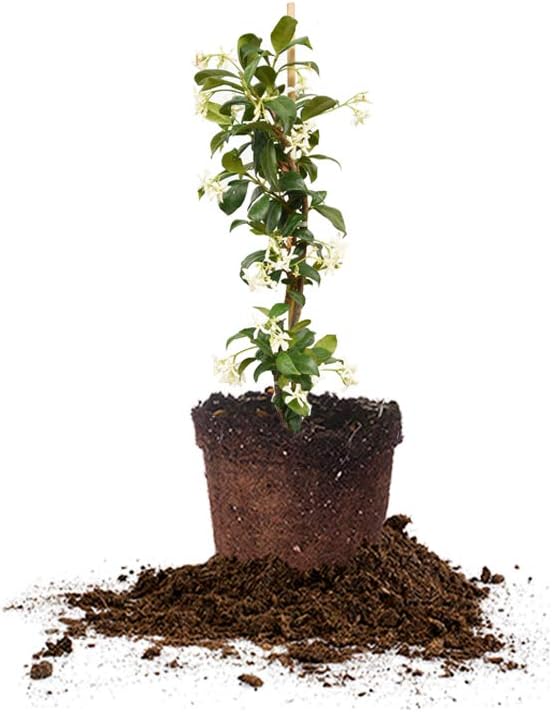
| Most Popular A crowd favorite that many people choose with confidence | Perfect Plants Confederate Jasmine Live Plant (1 Gallon) |  |
| Best Seller A high-volume bestseller chosen again and again | PERFECT PLANTS Frostproof Gardenia Live Plant, 1 Gallon |  |
Perfect Plants Peach Drift Rose, 1 Gallon Live Outdoor Flower Bush

| Indoor Outdoor Usage | Outdoor |
|---|---|
| Other Special Features of the Product | Drought Tolerant |
| Sunlight Exposure | Full Sun |
| USDA Hardiness Zone | 10, 5, 6, 7, 8, 9 |
| Moisture Needs | Moderate Watering |
The Peach Drift rose is a compact groundcover rose sold as a one-gallon live plant that produces peach-colored blooms for much of the year and is intended for full-sun sites. It is typically planted in groups along walkways, borders, or in sunny containers where its low, spreading habit creates continuous color without much pruning. Notable features include drought tolerance, winter hardiness across multiple USDA zones, and a mature height around two feet, which makes it easy to fit into small beds or large pots. Practical benefits are long bloom periods, straightforward care—regular watering and good sun—and the ability to provide quick visual impact when planted in three-foot spacing. Limitations are that it is an outdoor-only variety not shipped to some states and that a one-gallon nursery size may take a season to reach full spread, so it requires short-term patience before forming a dense carpet of blooms.
Best for: Gardeners who want a low-maintenance, sun-loving flowering groundcover for sunny pots, borders, or mass plantings and who prefer reliable, season-long blooms.
Less Ideal for: People looking for instant, large specimens or indoor houseplants should choose larger established shrubs or pot-specific varieties instead.
- Long bloom period through much of the year for sustained color
- Drought tolerant and winter hardy across several USDA zones
- Low, groundcover habit works well for borders and sunny containers
- Sold as a small one-gallon plant so it may need a season to reach mature spread
- Not available to ship to certain states
Verdict: Choose the Peach Drift rose for an easy, sun-loving groundcover that delivers long-lasting peach blooms with minimal fuss.
Proven Winners Double Play Doozie Spirea Shrub, 2 Gal.

| Sunlight Exposure | Full sun to partial shade |
|---|---|
| USDA Hardiness Zone | 3, 4, 5, 6, 7, 8 |
| Expected Blooming Period | Spring to Fall |
| Moisture Needs | Moderate Watering |
| Soil Type | Sandy Soil |
The Double Play Doozie spirea is a compact ornamental shrub prized for nonstop spring-to-fall flowering and striking red-to-purple foliage and blooms. Sold in a 2 gallon pot, it is typically used as a container accent, grouped edge planting, or low hedge where bright seasonal color is desired. Notable features include seedless, non-invasive habit that channels energy into continuous blooms, broad USDA hardiness (zones 3 to 8), and tolerance for sandy soils and moderate water. Practical benefits are reliable color without constant deadheading, easy placement in full sun containers on patios, and low maintenance care: plant in sun to part shade, water at planting, mulch and fertilize in early spring. Limitations are its modest mature spread and height, which make it unsuitable as a large specimen, and the need to keep it watered during establishment; it is deciduous so it loses foliage in winter. For growers seeking a high-impact, low-effort container plant, this spirea hits the brief, but plan for seasonal dormancy and appropriate spacing when using multiple pots.
Best for: Gardeners who want a low-maintenance, high-impact container or border plant that provides continuous color in full sun and values reliable performance over novelty.
Less Ideal for: People seeking an evergreen focal shrub or a large specimen to fill expansive beds should consider larger or evergreen alternatives.
- Repeat blooming from spring through fall delivers long season color
- Seedless, non-invasive habit directs energy to flowers rather than reseeding
- Performs across USDA zones 3 to 8 for wide climate adaptability
- Works well in containers and as a low hedge or landscape accent
- Deciduous nature means no winter foliage interest
- Modest mature size limits use as a large specimen plant
Verdict: Choose this spirea when you need a compact, low-maintenance container or border plant that delivers long season, showy blooms in full sun.
Plants for Pets Euphorbia 'Crown of Thorns' Live Succulent (4" Pot)

| Indoor Outdoor Usage | Indoor, Outdoor |
|---|---|
| Other Special Features | Drought Tolerant |
| Sunlight Exposure | Full Sun |
| Moisture Needs | Moderate Watering |
This Crown of Thorns (Euphorbia milii) is a small, showy succulent shrub sold in a 4-inch nursery pot that works well as a sunny patio or sunny-window houseplant. It produces clusters of pink bracts for much of the year in mild climates and stays compact enough for pots, mixed containers, or small garden beds. The plant stores water in its thick stems so it can handle dry spells and requires well-draining soil and allowing the potting mix to dry between waterings. Notable features are its tolerance for full sun and partial shade, low pest pressure, and year-round decorative color in suitable climates. Buyers should handle it carefully because injured stems exude a caustic, irritating sap that can harm skin and eyes and is toxic if ingested. As a practical, low-maintenance flowering succulent for sunny spots, it delivers reliable color without much fuss, but keep it out of reach of children and pets and use protective gloves when pruning.
Best for: Buyers who want a low-maintenance, sun-loving flowering succulent to add reliable color to pots, sunny patios, or bright indoor windows without frequent watering or pest work.
Less Ideal for: Homes with small children or curious pets where a poisonous, sap-producing plant would be a safety concern or for gardeners who prefer completely sap-free, non-spiny plants.
- Drought tolerant and stores water in stems, reducing watering frequency
- Compact 4-inch nursery pot size fits small pots, mixed containers, and tight garden spaces
- Produces colorful pink bracts most of the year in mild climates for long-lasting visual interest
- Tolerates full sun and partial shade, making placement flexible for sunny patios or bright windows
- Releases a caustic, toxic sap when injured that can irritate skin and eyes and is hazardous if ingested
Verdict: A compact, sun-tolerant flowering succulent that delivers long-lasting pink bracts with minimal watering, ideal for pots and sunny spots.
ZEshops Pink Sunflower Seeds (60 Count)

| Expected Blooming Period | Summer to Fall |
|---|---|
| Sunlight Exposure | Full Sun |
| USDA Hardiness Zone | 2-11 |
| Material Features | Heirloom |
| Unit Count | 60 Count |
These 60 heirloom pink sunflower seeds are a simple way to add tall, season-long pink blooms to a sunny border or dedicated bed. Sow outdoors after the last frost in well-drained loam and keep the soil evenly moist during germination; plants are described to reach about 7 feet and flower from summer into fall. The packet emphasizes bold dark centers with petals that fade to pale edges, which makes them useful as a vertical backdrop or for cutting into informal bouquets. Because the seeds are sold in a modest-count packet, they are convenient for planning a small bed or spreading among several containers placed in full sun. Limitations to expect are natural variation in appearance from seed-grown plants and the need to provide regular watering and room for tall stems; these are not instant container-ready plants but seed-grown sunflowers that require typical outdoor setup and care. For gardeners on a budget the seeds give an affordable way to trial a pink sunflower variety across a small area before committing to larger plantings.
Best for: Buyers who want an inexpensive way to trial colorful sunflower varieties and are planning sunny beds or large containers they can tend through the season.
Less Ideal for: Not a good choice for gardeners who need guaranteed uniform, ready-to-display potted plants or who cannot provide full sun and routine watering.
- Heirloom seeds for true-to-type growing and seed saving potential
- 60-count packet suitable for starting a small bed or multiple containers
- Attractive pink blooms with contrasting dark centers for visual interest
- Designed for full sun and a wide USDA zone range (2-11) for broad adaptability
- Plants are seed-grown so bloom size and color can vary between seedlings
- Requires a sunny, prepared bed or large containers and regular watering during growth
Verdict: A low-cost way to grow tall pink sunflowers from seed for sunny beds or multiple containers, ideal for budget-minded gardeners testing a new flower color.
ELLA'S HOMES Lantana Live Plants, 2-Count

| Unit Count | 2 Count |
|---|---|
| Plant Type | Perennial Flower Plant |
| Sun Requirements | Full sun |
These Lantana plants arrive as a two-pack of well-rooted, 5–12 inch tall perennials intended for transplanting into pots or garden beds. They are full-sun plants that produce colorful clusters of flowers in mixed shades, making them a straightforward choice for sunny patios and containers. Typical use is simple: plant in a sunny spot with well-draining soil, water to establish, then reduce frequency once they are settled — Lantana is noted for being low maintenance and drought tolerant. The plants are advertised as long-blooming and hardy, which suits gardeners who want reliable seasonal color without constant attention. Because you receive randomly blooming varieties, the exact flower colors are not selectable. Also these arrive as small established plants rather than mature specimens, so expect a short establishment period before full flowering. For someone prioritizing dependable, sun-loving container plants, these offer quick planting readiness and consistent seasonal interest.
Best for: Gardeners who want reliable, low-maintenance flowering plants for full-sun pots or beds and prefer ready-to-plant live stock that delivers seasonal color with minimal fuss.
Less Ideal for: People seeking specific cultivars or exact flower colors or those who need fully mature, instant-impact specimens right away.
- Sold as well-rooted live plants ready for transplanting into pots or beds
- Form colorful, long-blooming flower clusters that brighten sunny spots
- Low maintenance and hardy once established, suitable for hot, dry sites
- Compact size works well for containers and small patio spaces
- Flower color is random so you cannot choose specific varieties
- Plants arrive as small specimens and need time to establish before peak blooming
Verdict: A dependable two-pack of low-maintenance, sun-loving Lantana plants that make adding long-blooming color to pots and sunny patios quick and easy.
Perfect Plants Confederate Jasmine Live Plant (1 Gallon)
| Indoor Outdoor Usage | Outdoor |
|---|---|
| Other Special Features of the Product | Fragrant |
| Expected Blooming Period | Summer, Spring |
| Sunlight Exposure | Full Sun, Partial Shade |
| USDA Hardiness Zone | 4 |
This Confederate jasmine arrives as a compact 1‑gallon live plant that quickly establishes into a fragrant climbing vine suited for sunny spots. It is typically planted in spring into loam soil and placed where it receives full sun to partial shade; with moderate watering and basic support such as a trellis or clips it will climb and produce small pinwheel flowers in spring and summer. Notable features include its strong fragrance, organic material listing, and an advertised mature height that makes it useful for covering fences, arbors, railings, or large pots on patios. Practical benefits are easy cultural requirements, ability to be trained into shapes, and reliable seasonal blooms that add scent to outdoor living spaces. Important limitations are regional shipping restrictions and the need for space or support as it matures; it will outgrow small containers over time and will need pruning and regular watering during establishment. Buyers should plan for a long‑term planting site or be prepared to repot and maintain the vine as it expands.
Best for: Gardeners who want a low‑maintenance, fragrant climbing plant for sunny patios or fences and value visible proof of healthy live stock before buying.
Less Ideal for: People with only very small containers or who need a permanently compact plant; also not for buyers in the restricted shipping regions.
- Fragrant spring and summer blooms that enhance outdoor seating areas
- Tolerates full sun and partial shade, suitable for sunny patios
- Easy to grow and train onto trellises, fences, or container supports
- Can become large and will need pruning or repotting as it matures
- Does not ship to certain states which limits availability for some buyers
Verdict: Choose this Confederate jasmine when you want an easy to grow, fragrant climbing vine that performs well in full sun and adds scent to patios and fences.
PERFECT PLANTS Frostproof Gardenia Live Plant, 1 Gallon

| Indoor Outdoor Usage | Outdoor |
|---|---|
| Other Special Features of the Product | Deer Resistant, Fragrant |
| Expected Blooming Period | Summer |
| Sunlight Exposure | Full Sun, Partial Shade |
| Expected Planting Period | Spring |
The Frostproof gardenia arrives as a 1-gallon live shrub intended for outdoor planting in full sun to partial shade. It is most commonly used as a fragrant accent plant, low hedge, or border specimen where its white, strongly scented blooms can be enjoyed during spring and summer. Notable features include deer resistance, easy landscape maintenance with no strict pruning needs to retain shape, and the included plant food to help establishment. For practical use place it in a sunny spot with some afternoon shade in hotter climates and mulch to retain moisture; the plant description indicates it fares well relying largely on rainfall once established. Limitations to consider are its mature size of around 5 feet, which requires planning for space, and the listing notes it does not ship to certain states. Buyers should also expect standard live-plant variability in early growth and factor in local hardiness when selecting placement.
Best for: Buyers who want a reliable, fragrant outdoor flowering shrub to add scent and seasonal blooms to sunny patios, borders, or large pots with minimal pruning and routine care.
Less Ideal for: People seeking a compact, year-round indoor flowering plant or anyone unable to provide outdoor planting space with several hours of sun are better served by smaller or shade-loving varieties.
- Fragrant white blooms that enhance outdoor seating areas and entryways
- Marketed as deer resistant which helps reduce browsing damage
- Low-maintenance growth habit that does not require regular pruning to keep shape
- Suitable for full sun to partial shade planting in landscape or large containers
- Mature size (about 5 feet) may be too large for small pots or compact spaces
- Does not ship to certain states which limits where it can be acquired
Verdict: Choose this gardenia if you want a low-maintenance, fragrant outdoor shrub that provides strong summer blooms and fits well as a sunny patio accent or low hedge.
Choosing the Right Flower Pot Plants for Full Sun: Key Factors to Consider
Sun Tolerance and Leaf Durability
Plants advertised for full sun still vary in how they handle hours of direct light and reflective heat from hardscapes. Look for species that naturally grow in open, sunny habitats because their leaves and flower tissues are adapted to resist scorching and fade. Durable leaf surfaces and smaller, thicker leaves often hold up better under midday heat than thin, delicate foliage.
Choosing plants with proven sun endurance reduces the risk of leaf burn and repeated replanting. It also expands container placement options, allowing pots to be positioned in the brightest spots without constant shading or relocation.
Watering Frequency and Drought Response
Containers heat up and dry out much faster than garden beds, so watering needs are a major practical factor. Some full-sun plants can withstand intermittent drought by closing stomata, dropping older leaves, or developing deeper roots, while others need regular moisture to keep blooms going. Understand whether a species tolerates dry periods, prefers evenly moist potting mix, or needs daily watering in hot spells.
Pick plants whose water habits match the time you can commit to maintenance. Drought-tolerant selections cut down on irrigation and are better for weekend-only gardeners, whereas thirstier bloomers reward frequent care with more flowers but demand more attention.
Container Root Space and Pot Size Compatibility
Root volume available in a pot directly affects growth, flowering, and drought tolerance. Plants that perform well in pots either have naturally compact root systems or are easily root-bound without losing vigor. Some species will become stunted or decline quickly if confined in too-small containers, while others relish the restriction and bloom more freely.
Consider mature plant size and choose pots with enough depth and width for healthy root development. Also think about how often you are willing to repot; fast-growing plants in small pots may need seasonal refreshes, while compact sun lovers can stay longer without disturbance.
Blooming Habit and Seasonal Interest
For sunny containers you usually want visible payoff: long bloom periods, repeated flowering, or striking foliage. Blooming habit matters because some sun-loving plants flower heavily for a short window, while others provide continuous or repeat blooms when deadheaded or lightly pruned. Consider whether you prefer a single dramatic display, seasonal peaks, or consistent color throughout the season.
Plants with predictable bloom cycles help plan combinations and staggered color. Also note that heavy bloomers often require more water and nutrients, so balance desired floral impact with maintenance capability.
Maintenance Needs and Care Routine
Maintenance covers pruning, deadheading, fertilizing, and routine pest checks. In full sun, pests and stress symptoms can appear faster, so choose plants with maintenance needs that fit your schedule. Low-maintenance species may only require occasional deadheading and feeding, while showier types might need weekly attention to sustain peak performance.
Also account for overwintering or seasonal replacement. Some sun-loving container plants are tender perennials or annuals that must be lifted or replanted at season end. Knowing the care routine ahead of time prevents surprises and keeps pots attractive all season.
Pest and Heat-Related Disease Resistance
Intense sun can concentrate pest pressure and create conditions that encourage certain diseases, such as powdery mildew in warm nights or fungal issues after erratic watering. Select plants with good resistance or straightforward cultural fixes so problems do not escalate in a small pot environment. Robust leaf structure and natural oils in foliage often deter common pests and reduce damage.
Inspect plants regularly and choose species that tolerate the sorts of stress typical for your microclimate. Durable plants reduce the need for chemical interventions and make container gardening more reliable and enjoyable.
Matching Pots and Soil to Sunny Conditions
The right container and potting mix make a big difference for plants in full sun. Use light-colored or glazed pots to reflect heat if your pots sit on hot surfaces, and choose materials that moderate soil temperature. Deeper pots hold moisture longer, while wide shallow pots favor spreading root systems and trailing varieties.
Potting mix should be well draining but hold enough moisture to buffer hot afternoons. Add organic matter and a moisture-retentive amendment if your climate is very dry, or use a faster-draining mix where humidity and wet summers increase disease risk.
- Select pot size to match the plant's mature root volume.
- Use light-colored containers for exposed, reflective sites.
- Add a moisture-retentive component in arid climates and improve drainage where rainfall is heavy.
Watering Strategies for Sunny Pots
Sunny pots often need more frequent watering and smarter schedules. Water early in the morning when temperatures are lower so the plant can absorb moisture before midday heat. Use a moisture meter or stick your finger into the mix to check for dryness at root level; surface dryness alone can be misleading.
Mulching the top of the pot with coarse materials can reduce evaporation. Consider grouping pots together to create a microclimate that slows drying, and use saucers or self-watering inserts where appropriate to maintain consistent moisture without waterlogging.
- Water deeply until excess drains from the bottom, then allow partial drying between sessions.
- Morning irrigation reduces heat stress and fungal risk.
- Group pots to conserve humidity and reduce watering frequency.
Designing Color and Texture Combinations
Sunny pots are ideal for combining bold colors and textured foliage. Pair long-blooming, heat-tolerant center plants with trailing or filler species to create a layered look. Consider contrasting leaf shapes and colors to keep arrangements interesting even when some plants are between flushes of blooms.
Balance thirsty bloomers with drought-tolerant foliage plants to even out water demand. Use repeated color accents across multiple containers to create a cohesive look on a patio or balcony.
- Use thriller, spiller, filler framework to plan arrangements.
- Mix foliage textures to maintain visual interest beyond flowering.
- Repeat color accents across grouped pots for cohesion.
Seasonal Care and Transitioning Pots
High-sun containers will change requirements through the season. Increase watering and fertilizing during peak heat and heavy bloom, then taper care as temperatures fall. Deadhead spent flowers promptly to encourage further blooms for repeat-flowering plants.
Plan for end-of-season transitions. Some sun-loving plants are annuals and will need full replacement, while others can be cut back or overwintered indoors. Rotate species or topdress the soil between cycles to maintain vigor.
- Adjust watering and feeding seasonally to match growth stage.
- Deadhead or prune to sustain repeat blooming.
- Decide early whether pots will be replanted or overwintered.
Microclimate Considerations on Balconies and Patios
Full sun on a balcony can be more intense than garden beds because surfaces reflect heat and airflow is often limited. Assess wind exposure, reflected heat from walls and paving, and whether your pots receive unobstructed midday sun. These microclimate factors affect watering and plant choice.
Use shade cloth or temporary screening to soften extreme midday sun in the hottest locations, or group pots under partial shade during the hottest hours. Observing your space throughout the day helps identify the best spots for different plants.
- Monitor your space at several times of day to map sun intensity.
- Protect pots from reflective heat where possible.
- Use temporary shading for exceptionally hot afternoons.
How We Chose the Best Flower Pot Plants for Full Sun
We focused on traits that matter for containers in full-sun situations. Sun tolerance and leaf/flower resilience were primary filters because constant strong light and heat stress cause scorched foliage and faded blooms in many species. Watering frequency and drought response were evaluated to predict how often you will need to irrigate hot pots. Root volume and container adaptability were judged to ensure the plants can develop healthily in restricted soil. Growth habit and blooming reliability were assessed so each selection offers season-long visual payoff or manageable pruning. Pest and disease resilience in exposed outdoor conditions was also considered, since sun-exposed containers can attract specific problems. We excluded plants that require shade, consistently moist soil, or very large root volume that cannot be sustained in typical pots. We also filtered out highly invasive species or those with known intolerance to container culture. The result is a list of plants that combine proven sun tolerance, realistic water needs, and container-friendly growth habits suitable for patios, balconies, and other sunny outdoor spaces.
FAQ
How often should I water flower pots in full sun?
Watering frequency depends on pot size, potting mix, and weather, but sunny pots often need daily or every-other-day checks in hot weather. Water deeply until excess drains and let the top inch or so dry before the next deep watering to avoid constant saturation.
Can I grow perennial sun-lovers in containers year after year?
Some perennials adapt well to container life if given adequate root space and winter protection. Others suffer from limited root volume and cold exposure and are easier to treat as seasonal plants. Plan for repotting and overwintering if you want perennials to persist.
What potting mix works best for full-sun containers?
Use a well-draining commercial container mix amended with a moisture-retentive component if you live in a dry climate. Avoid heavy garden soil; it compacts and holds too much heat. Good mixes balance drainage with water-holding capacity to buffer hot afternoons.
Do I need to fertilize sun-loving container plants more often?
Yes, container-grown plants typically need more frequent feeding because nutrients leach with regular watering. Use a balanced liquid feed or slow-release granular fertilizer according to label guidance, and increase feeding during peak growth and bloom periods.
How can I protect pots from extreme midday heat?
Place pots where they receive morning sun and some afternoon relief if possible, use light-colored containers to reflect heat, group pots, and add temporary shading during heatwaves. Mulching and larger pots also help reduce rapid temperature swings in the root zone.
Final Verdict
Choosing flower pot plants for full sun means balancing heat tolerance, water needs, and container adaptability. Prioritize species that naturally thrive in bright, hot sites and pair them with appropriate pot size and soil to reduce stress and maintenance. Decide whether you want low-maintenance, drought-tolerant displays or showier bloomers that need more attention, then match plants to your available care time and potting space. With the right combinations and seasonal care, sunny containers deliver long-lasting color and texture all summer.
