

Note: This article contains affiliate links. If you click on these links and make a purchase, I may earn a small commission at no extra cost to you. This helps support my research and content. Read my full affiliate disclosure here.
Growing fruit in containers lets you produce fresh fruit where ground space is limited, whether on a patio, balcony, or small urban yard. The right container tree gives you full-size flavor without a full-size footprint, but choices vary by climate, root behavior, and pruning needs. This guide covers the top shortlisted options for container fruiting and explains the practical tradeoffs gardeners face. We evaluated each pick for cold tolerance, root and canopy control, productivity in confined soil volumes, and overall ease of seasonal care. Read on to compare the best compact fruit trees for containers and find one suited to your outdoor space.
Top Picks at a Glance
| Best Overall The best all-around choice for most situations | Via Citrus Meyer Lemon Tree Live Plant (1 Gallon) |  |
| Best Quality Built to a higher standard if you want something more solid | Bonanza Patio Peach Tree (7 gal) |  |
| Best Value The sweet spot between price and what you get | Perfect Plants Cold Hardy Russian Pomegranate Tree, 1 Gallon |  |
| Best Budget The cheapest option that still gets the job done reliably | Generic Mulberry Tree Live Plant (4–6 inch) |  |
| Highest Rated A top-rated pick with lots of positive feedback | AKTRD Golden Loquat Tree Live Plant, 7–9" Tall, 4" Pot |  |
| Most Popular A crowd favorite that many people choose with confidence | Wellspring Gardens Barbados Cherry (Acerola) Live Plant, 1‑Pack |  |
| Best Seller A high-volume bestseller chosen again and again | PERFECT PLANTS Chicago Hardy Fig Tree, 3 Gallon, Live Plant |  |
Via Citrus Meyer Lemon Tree Live Plant (1 Gallon)

| Indoor Outdoor Usage | Indoor |
|---|---|
| Sunlight Exposure | Full Sun |
| USDA Hardiness Zone | 9-11 |
| Moisture Needs | Moderate Watering |
| Soil Type | Loam Soil |
This Via Citrus Meyer lemon arrives as a small, compact live plant in a one-gallon pot and is intended for container growing on sunny windowsills, balconies, or patios. It produces fragrant blooms and can set sweet-tart Meyer lemons when given full sun and moderate watering. Typical use is seasonal: keep the tree outdoors in warm months and move it indoors in colder weather for hardiness zones 9 to 11. Notable features include organic material sourcing, a compact habit that suits small spaces, and plants that are often shipped ready to bloom. Practical benefits are fresh kitchen lemons, year-round fragrance, and an easy-to-manage size for beginner gardeners. Limitations are climate sensitivity outside USDA zones 9 to 11 and the usual care needs of citrus in containers such as regular watering, good drainage, and occasional pruning to control size. Buyers should expect slower growth from a one-gallon nursery specimen and plan for eventual repotting as the tree matures.
Best for: Buyers who want an easy-to-manage fruit tree they can grow in a pot for fresh lemons and fragrant blooms, and who prefer low-risk, familiar plants that fit small outdoor or sunny indoor spaces.
Less Ideal for: People who want a large, fast-bearing orchard tree or who live in consistently cold climates without a plan to overwinter a tropical plant indoors.
- Compact, container-friendly size suited to small patios and sunny windows
- Arrives as a live, often blooming plant that can produce edible Meyer lemons
- Organic material features referenced in product details
- Adaptable to indoor or outdoor placement with seasonal moving between locations
- Suitable only for warmer climates or indoor overwintering in cooler areas
- Will require repotting and typical citrus care to reach fruiting potential
Verdict: A small, beginner-friendly Meyer lemon tree for container growers who want fragrant blooms and the chance to harvest fresh lemons in sunny, warm conditions.
Bonanza Patio Peach Tree (7 gal)

| USDA Hardiness Zone | 5,6,7,8,9 |
|---|---|
| Sunlight Exposure | Full Sun |
| Expected Planting Period | spring to fall |
| Moisture Needs | Regular Watering |
The Bonanza Patio Peach is a small-format fruit tree sold in a 7-gallon nursery pot and intended for outdoor container growing on patios and small yards. It stays compact at about 4–5 feet tall, needs full sun and regular watering, and is typically planted from spring through fall. Notable features include colorful foliage that adds ornamental value and flowers that attract pollinators while setting small, flavorful peaches for fresh eating. Practical benefits for container growers are its manageable size, predictable mature height that fits a balcony or patio, and straightforward care: well-drained loam, pruning to maintain shape, and routine watering. Important limitations are that it requires consistent sun and moisture to fruit reliably and will need winter protection or placement appropriate to USDA zones 5–9 in colder sites; as a container plant you should expect to repot or refresh soil every few years. For gardeners prioritizing a dependable, space-saving fruit tree, it performs as a low-footprint producer with simple, season-by-season maintenance.
Best for: Buyers who want a reliable, easy-to-manage fruit tree for a patio or small-space container and value predictable size and season-to-season fruit production.
Less Ideal for: Gardeners without a sunny spot or those unwilling to water and maintain a container tree regularly should consider larger yard trees or lower-maintenance edibles instead.
- Compact mature height suitable for containers and small patios
- Produces edible peaches with ornamental foliage
- Attracts pollinators which helps fruit set
- Simple care needs: full sun, well-drained soil, regular watering
- Requires consistent full sun and regular watering to fruit well
- May need repotting and soil refresh in containers after a few years
Verdict: A compact, dependable patio peach tree for gardeners who need a predictable, space-saving producer for containers.
Perfect Plants Cold Hardy Russian Pomegranate Tree, 1 Gallon

| USDA Hardiness Zone | 6, 7, 8, 9 |
|---|---|
| Sunlight Exposure | Full Sun |
| Moisture Needs | Little To No Watering |
| Indoor Outdoor Usage | Outdoor |
This Cold Hardy Russian Pomegranate is a compact, low-maintenance fruit shrub that can be grown as a small tree in the ground or kept in a large patio container. It is self-pollinating, blooms in spring with showy orange-red flowers, and yields grapefruit-sized pomegranates from mid to late summer through early fall. Notable features include its cold tolerance to USDA zones 6 through 9, drought tolerance once established, and suitability for sandy, well-drained soils. For container growers the plant’s compact habit and manageable mature size make it a practical choice for patios or small yards; in a pot it will still need full sun, regular fertilizing, and careful watering to avoid waterlogging. Limitations are that it arrives as a 1-gallon plant so expect a couple of seasons before full production, and it is intended for outdoor use only. If you need a reliable, space-efficient fruiting shrub that tolerates cooler winters and produces abundant edible fruit when mature, this cultivar is a straightforward option.
Best for: Gardeners who want a practical, space-efficient fruit tree to grow on a patio or small yard and who prioritize low-maintenance, cold-tolerant edible plants that will fruit reliably over time.
Less Ideal for: People who need immediate heavy yields in the first season or who plan to keep plants indoors year-round should consider other options.
- Cold hardy to USDA zones 6–9, extending fruit growing into cooler climates
- Self-pollinating so a single plant can produce fruit
- Compact growth habit suitable for large containers or small gardens
- Drought tolerant once established, reducing watering needs
- Sold as a 1-gallon starter plant that may take a few seasons to reach full fruiting size
- Intended for outdoor use only and not suitable as a houseplant
Verdict: A compact, cold-hardy, self-pollinating pomegranate that is well suited for growing in large pots on patios where low-maintenance edible plants are wanted.
Generic Mulberry Tree Live Plant (4–6 inch)
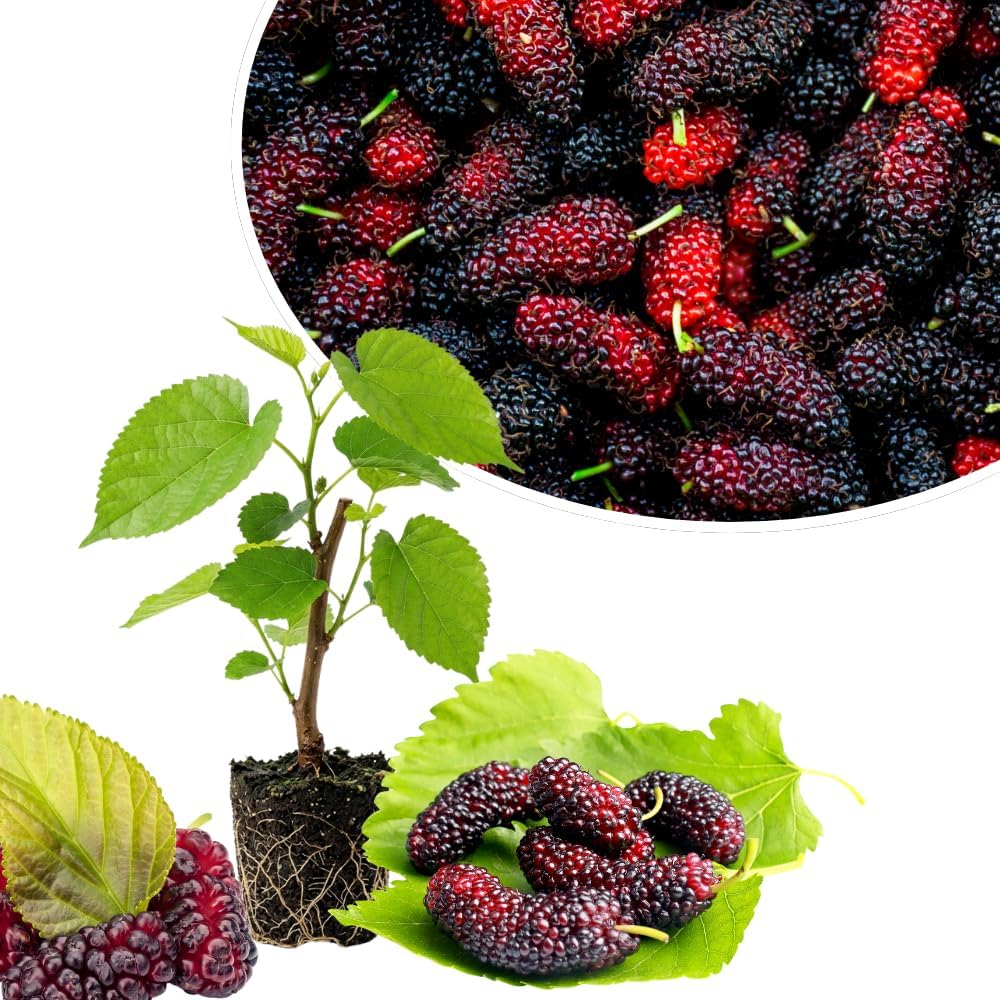
| Sunlight Exposure | Full Sun |
|---|---|
| USDA Hardiness Zone | 4-9 |
| Moisture Needs | Moderate Watering |
| Other Special Features of the Product | Low Maintenance |
This live mulberry plant is sold as a young, low-maintenance fruit tree intended for outdoor container or garden planting. It requires full sun and well-draining soil and needs regular watering while establishing, after which it tolerates moderate moisture during active growth. Typical uses include patio or balcony containers, small edible landscapes, or backyard orchards where you want seasonal berries without heavy upkeep. Notable features from the listing are its suitability across USDA zones 4 to 9 and its characterization as low maintenance, which implies it can handle a range of climates and will not demand specialist training when grown in a container. Practical benefits include edible berry production once established and a broad canopy that provides shade and visual interest. Important limitations are that the plant is sold very small and will need time to mature before producing abundant fruit, and container growers must monitor soil moisture and provide a suitably large, well-draining pot as the tree grows. Expect patience and basic seasonal care to get reliable yields in a container setting.
Best for: Buyers who want an affordable, easy-to-grow fruit tree for a sunny patio or balcony and are willing to nurse a small plant to maturity for occasional homegrown berries.
Less Ideal for: Those who need immediate heavy harvests, want a fully mature specimen on arrival, or cannot provide a sunny outdoor spot or periodic watering for establishment.
- Suitable for containers and small gardens due to compact young size
- Rated for a wide USDA zone range (4–9) so usable in many climates
- Described as low maintenance, making it approachable for beginners
- Sold as a very small plant that can take seasons to produce significant fruit
- Listing gives limited cultivar or maturity information important for container fruiting
Verdict: A budget-friendly, low-maintenance mulberry suited to sunny containers for gardeners willing to grow a small plant into a productive tree.
AKTRD Golden Loquat Tree Live Plant, 7–9" Tall, 4" Pot

| Sunlight Exposure | Full Sun |
|---|---|
| Soil Type | Sandy Soil |
| Moisture Needs | Moderate Watering |
| Hardiness Zone | Zone 4 to 9 |
This AKTRD Golden Loquat arrives as a 7–9 inch live plant in a 4 inch nursery pot and is aimed at growers who want a reliable small fruit tree for containers. It prefers full sun, sandy well drained soil and moderate watering, which makes it straightforward to care for on a sunny patio or rooftop. In a container it will establish more slowly than in the ground but is manageable for steady gardeners who prune and repot as it grows. The listing notes hardiness across zones 4 to 9 and the small pot size makes it easy to ship and tuck into limited spaces. Expect the practical benefits of an attractive evergreen screen that can produce small golden loquats once mature, while requiring regular watering and eventual repotting or root pruning to avoid becoming rootbound. The product is simple to plant and suitable for beginners who prioritize a dependable, easy-to-care-for fruit tree for container growing, though you will need to plan for long-term container management as the tree matures.
Best for: Buyers who want a dependable, low-fuss fruit tree to grow in a container on a sunny patio and who plan to maintain it with regular watering and occasional pruning.
Less Ideal for: Gardeners seeking immediate large yields or a mature specimen ready to fruit right away should choose a larger, established tree instead.
- Compact size sold in a 4" pot makes it easy to start in a container or small patio space
- Rated for zones 4 to 9, offering broad climatic adaptability
- Needs only full sun and moderate watering, simplifying routine care
- Evergreen habit and eventual fruit production add ornamental and edible value
- Comes very small so it will take time and container management to reach fruiting size
- Requires repotting or root pruning over time to remain healthy in a container
Verdict: A compact, easy-to-care-for loquat ideal for container growers who want a reliable, sun-loving fruit tree for a patio or balcony.
Wellspring Gardens Barbados Cherry (Acerola) Live Plant, 1‑Pack

| Indoor Outdoor Usage | Outdoor |
|---|---|
| Sunlight Exposure | Full to part sun |
| USDA Hardiness Zone | 9b-11 |
| Soil Type | Well-drained |
| Moisture Needs | Moderate Watering |
This Wellspring Gardens Barbados Cherry arrives as a small, 3–8 inch starter plant in a nursery pot and is meant for gardeners who want a compact tropical fruit tree for a patio or container. It prefers full to part sun, well drained soil, and moderate watering, and is rated for USDA zones 9b–11 so it is best suited to warm climates or to container culture that can be moved indoors in cooler weather. The plant is low maintenance and produces glossy foliage, spring blossoms, and eventually vitamin C rich cherries once established. As a container candidate it benefits from regular feeding and repotting as roots fill the pot. Limitations are that it is a young starter plant so you will need patience and seasonal protection in cooler areas, and it will not fruit quickly compared with mature trees. Packaging and nursery origin are documented which helps with confidence for buyers seeking reliable live-plant sources.
Best for: Gardeners who want a small, tropical fruit tree to grow in a pot or on a sunny patio and who prefer buying a nursery-grown starter plant with traceable origin.
Less Ideal for: People in cold climates who cannot provide seasonal protection or who want immediate fruit from a mature tree.
- Compact starter size suitable for container growing and small patios
- Low maintenance with moderate water needs and tolerance of full to part sun
- Sold by a registered nursery with described packaging process
- Produces edible cherries with high vitamin C once the plant matures
- Hardy only to USDA zones 9b–11, so it needs winter protection or indoor relocation outside that range
- Will take time and proper care to mature and produce fruit
Verdict: A good choice for warm-climate gardeners who want a compact, nursery-grown Barbados Cherry that can be started in a container and grown to fruit with time and care.
PERFECT PLANTS Chicago Hardy Fig Tree, 3 Gallon, Live Plant

| Sunlight Exposure | Full Sun |
|---|---|
| Moisture Needs | Moderate Watering |
| Other Special Features of the Product | Easy To Use |
| Item Type Name | Live Plant |
The Chicago Hardy Fig in a 3-gallon container is a live fruit tree meant for buyers who want a productive, low-fuss fig they can keep on a patio or plant in the landscape. It arrives as a young tree with upright, leggy branches and large green leaves and is described as self-pollinating and cold-hardy, so it will set fruit without another tree and tolerate below-freezing temperatures. Typical use is planting in full sun either directly in the ground or in a large pot; the included fig food and care guide simplify first-season establishment. Practical benefits include strong fruiting potential, suitability for container culture when pruned and managed, and resilience to cold snaps that extend its geographic usability. Important limitations are its eventual mature size, which can be large if planted in ground, and the need for regular watering and pruning when grown in pots to control vigor and keep fruiting within reach. Buyers should expect to invest time in seasonal pruning and container maintenance to get reliable harvests.
Best for: Gardeners who prioritize fruit production and want a dependable, cold-tolerant fig they can grow on a sunny patio or in a container with attentive pruning and watering.
Less Ideal for: People with very small balconies or those unwilling to perform seasonal pruning and container care should consider smaller dwarf varieties instead.
- Self-pollinating so it sets fruit without another fig tree nearby
- Cold-hardy variety that tolerates below-freezing temperatures
- Comes in a ready-to-plant 3-gallon container with a care guide
- Suitable for full-sun locations and can fruit reliably when established
- Matures into a large tree if planted in ground, requiring significant space or regular pruning
- Needs consistent watering and container maintenance when grown in pots
Verdict: Choose this cold-hardy, self-pollinating fig when you want a productive fruit tree that can be grown in a large pot or planted in sunny landscapes for dependable annual harvests.
Choosing the Right Fruit Trees for Containers: Key Factors to Consider
Climate and Chill Hours
Fruit trees often need a specific number of chill hours to break dormancy and set fruit. In containers, soil warms and cools more quickly than the ground, which can alter how a tree experiences winter temperatures. Choose varieties or types that match your local winter chill pattern and be prepared to protect potted trees in unusually cold seasons.
If you live in a mild-winter region, prioritize low-chill cultivars that will reliably flower and fruit. In colder areas, select trees with adequate hardiness ratings and place containers in sheltered spots during deep freezes to reduce root exposure and desiccation.
Rootstock and Grafting
Rootstock controls vigour, mature size, and how a tree tolerates pot culture. Dwarfing or semi-dwarf rootstocks keep trees compact and make them suitable for medium to large containers. Rootstocks that are overly vigorous will quickly outgrow pots and require frequent root pruning or repotting.
Grafted trees can offer predictable size and fruit quality, but the graft union needs to be kept above the soil line in containers to prevent suckers from the rootstock. When choosing a container tree, check that the rootstock is known to work well in restricted soil volumes and that it tolerates periodic root disturbance.
Container Size and Soil Volume
Soil volume determines how long a tree can remain undisturbed before roots become pot bound and nutrients and water need frequent replacement. Larger containers provide more stability, longer moisture reserves, and room for root growth, but they are heavier and take more soil to fill. Smaller pots are easier to move but increase maintenance demands.
Plan container size around the expected mature root spread for the chosen tree and your willingness to repot. Use a high-quality, fast-draining potting mix formulated for fruiting plants to balance moisture retention and aeration.
Watering and Fertility Needs
Potted trees dry out faster than in-ground specimens and are more sensitive to uneven watering. Consistent moisture without waterlogging is essential for fruit set and overall tree health. Containers also leach nutrients more quickly, so a regular fertilizing schedule tailored to fruit trees will maintain vigor and production.
Consider irrigation habits and the available time for maintenance. Drip systems, self-watering containers, or scheduled hand-watering can reduce stress. Use slow-release fertilizers or balanced liquid feeds during the growing season to support flower and fruit development.
Pruning, Training, and Canopy Management
Container fruit trees need regular pruning to maintain a compact shape and encourage fruiting wood close to the pot. Open center or central leader training can both work in pots, but the chosen method should help keep the canopy within reach and limit wind stress on the root ball.
Start structural pruning early to form a manageable scaffold, remove crossing branches, and thin crowded growth to improve light penetration. Regular light pruning is preferable to heavy cuts that can shock a container tree with limited root reserves.
Pest and Disease Pressure
Potted trees can be more vulnerable to some pests and diseases because they experience stress from heat, drought, or root crowding. Close observation and quick treatment of problems help prevent small issues from becoming severe. Choose varieties with known resistance to local pests or common fungal diseases when possible.
Good hygiene, proper spacing for air circulation, and prompt removal of fallen fruit or leaves will reduce disease pressure. Also, avoid over-fertilizing with high-nitrogen feeds that encourage soft growth susceptible to pests.
Container Selection and Placement
Selecting the right container and placing it thoughtfully are the first steps to success. Use a pot that balances soil volume with your mobility needs: a larger container reduces how often you must water and repot, while a smaller one keeps the tree portable for winter storage or repositioning.
Placement affects light, wind exposure, and winter protection. Most fruit trees need full sun to set fruit well, so locate containers where they get six or more hours of direct light. In windy sites, orient pots against a windbreak or near a wall to reduce toppling risk and limit wind desiccation of roots and foliage.
- Choose frost-hardy locations for winter months and consider wheeled pot stands for easy movement.
- Ensure containers have adequate drainage holes and a stable base to prevent tipping.
Potting Mix and Drainage Best Practices
A well-draining mix is essential to prevent root rot while retaining enough moisture for consistent growth. Incorporate components that improve aeration, such as perlite or coarse sand, and organic matter like compost to supply nutrients slowly.
Top-dress or replace part of the potting medium every couple of years to refresh nutrients and reduce salt build-up from fertilizer. Avoid garden soil alone, which compacts and restricts roots in container settings.
- Aim for a light, crumbly mix that holds moisture but drains freely.
- Add a layer of coarse material at the bottom only if drainage is a known problem; otherwise prioritize mix quality throughout the pot.
Seasonal Care and Winter Protection
Container trees need seasonal adjustments that ground trees do not. In summer, expect higher water needs and monitor for signs of heat stress. Mulching the top of the pot helps conserve moisture and moderates soil temperature.
In winter, roots in containers are more exposed to freezing. Move pots to sheltered locations, group them for microclimate benefits, or insulate pots with bubble wrap or modular covers. For very cold climates, temporary indoor overwintering in an unheated garage or shed can be effective for marginally hardy varieties.
- Reduce watering in dormancy but avoid letting the root ball dry completely during freeze-thaw cycles.
- Lift pots slightly off cold ground with bricks to prevent frost heave and improve drainage.
Pollination and Fruit Set in Containers
Many fruit trees are self-fertile, but some perform better with a compatible pollinator nearby. In container setups on balconies or small patios, you may need to plant two compatible trees in separate pots or choose a self-pollinating variety.
Pollinator activity can be lower in dense urban settings, so encourage bees and beneficial insects with nearby flowering plants and avoid heavy insecticide use during bloom.
- Check whether a variety requires a pollen partner and plan container placement accordingly.
- Hand pollination with a small brush can boost fruit set for isolated containers in low-pollinator areas.
Maintenance Schedule for Long-Term Success
A predictable maintenance routine keeps container trees productive. Typical tasks include seasonal pruning, a watering schedule tuned to weather, periodic fertilization, and yearly inspection of roots and the potting mix. Repotting every two to five years is common depending on growth rate and pot size.
Record-keeping helps you track bloom timing, pest outbreaks, and fruiting patterns, which informs pruning and feeding adjustments over time.
- Inspect roots when repotting; remove circling roots and refresh soil to extend container life.
- Time major pruning in late winter to avoid removing this season's fruiting wood unless training requires it.
How We Chose the Best Fruit Trees for Containers
We prioritized traits that matter for successful fruit production in limited soil volumes. First, cold hardiness and timing were evaluated to ensure trees can fruit in relevant climates and survive winter conditions when grown in pots. Second, root behavior and grafting compatibility were considered because root vigor and dwarfing rootstocks determine how well a tree adapts to container culture. Third, canopy size and pruning responsiveness were assessed so trees remain manageable without excessive annual work. Fourth, flowering and fruiting reliability in restricted soil and moisture conditions was reviewed because container trees often face drought stress and nutrient limits. We excluded specimens that require full in-ground space or specialized orchard management and those that need exceptionally large trees to fruit reliably. Plants that demand heavy chill hours outside the target climate band were also omitted. Our selection favors trees that combine compact habit, predictable fruit set in pots, and resilience to common container stresses such as root crowding and inconsistent moisture.
FAQ
Can any fruit tree grow in a container?
Not every fruit tree is suitable for containers. Trees grafted onto dwarfing or semi-dwarfing rootstocks and naturally compact species adapt best. Large, vigorous trees will quickly become root-bound and require major interventions to stay healthy in pots.
How often do container fruit trees need repotting?
Repotting frequency depends on species and pot size but usually ranges from every two to five years. Signs that repotting is needed include roots circling the pot, poor drainage, rapid drying, or reduced vigor and fruiting.
Do container fruit trees need special fertilizer?
Yes, potted fruit trees benefit from regular feeding because nutrients leach from containers faster than from ground soil. Use a balanced fertilizer formulated for fruit trees or a slow-release granular feed applied according to the growing season and label directions.
How do I protect container tree roots from freezing?
Insulate pots with wraps, move containers to sheltered spots or unheated structures, and group pots together to share warmth. Using larger containers and adding mulch on top of the soil also moderates temperature swings and reduces freeze-thaw stress.
Are fruit yields from container trees significantly lower?
Yields are often smaller than full in-ground trees because of limited root volume and nutrient reserves, but well-managed container trees can produce consistent, high-quality fruit if given proper water, feeding, and pruning.
Final Verdict
Container fruit trees are a practical way to enjoy homegrown fruit when ground space is limited, but success depends on matching tree habit and rootstock to the container environment. Prioritize cold hardiness, a suitable rootstock, and a container large enough to support consistent moisture and nutrients. Expect tradeoffs between mobility and long-term vigor: larger pots reduce maintenance but limit portability, while smaller pots increase care demands. Choose the compact tree type that fits your climate and maintenance preferences, plan for seasonal protection and regular pruning, and maintain a steady watering and feeding routine. With the right combination of container, root control, and care, you can get reliable production from fruit trees grown in pots.
