

Note: This article contains affiliate links. If you click on these links and make a purchase, I may earn a small commission at no extra cost to you. This helps support my research and content. Read my full affiliate disclosure here.
A well-chosen trellis changes how you use vertical space and how vigorously climbing plants grow. The right trellis supports heavy vines, keeps foliage off the ground to reduce disease pressure, and gives you more planting area in small yards and patios. This guide covers seven shortlisted trellises suited to different garden situations and explains the tradeoffs that matter in the real garden. We evaluated each option for build durability, how easy it is to install and train plants on, and how it performs season after season. Read on to see the criteria we used and practical notes to help you pick the best trellis for your setting.
Top Picks at a Glance
| Best Overall The best all-around choice for most situations | LZRS 71 x 40 in Rustic Iron Garden Trellis (2-Pack) |  |
| Best Quality Built to a higher standard if you want something more solid | Acemaker Wire Trellis Kit, 20-Set 5/64" (2mm) Crosshead with 98 ft Cable |  |
| Best Value The sweet spot between price and what you get | RUBFAC 7.8 ft Metal Garden Arch Trellis (Painted Black) |  |
| Best Budget The cheapest option that still gets the job done reliably | saffruff 30" Metal Plant Trellis for Climbing Plants (2 Pack) |  |
| Highest Rated A top-rated pick with lots of positive feedback | Vego Garden 88" Moon Gate Garden Arch Arbor |  |
| Most Popular A crowd favorite that many people choose with confidence | Adorox Metal Garden Arch Trellis, Powder-Coated Black |  |
| Best Seller A high-volume bestseller chosen again and again | HENABLE 4-Pack Metal Trellis Set for Potted Climbing Plants (15 in) |  |
LZRS 71 x 40 in Rustic Iron Garden Trellis (2-Pack)

| Material Type | Iron |
|---|---|
| Finish Type | Powder Coated |
| Shape | Arch |
| Number of Items | 2 |
This LZRS 2-pack iron trellis provides tall, sturdy support for climbing plants and is aimed at gardeners who need reliable structure for heavy vines. Each arched panel is made from thickened iron wire with a black powder-coat intended to resist rust and weathering, and the included ground stakes let you install the panels directly in soil or a large planter. The adjustable hook connectors let you join the two panels at various angles, so you can make a straight screen, a corner accent, or a freestanding display. The wire lattice gives tendrils plenty of purchase and promotes vertical growth while freeing up ground space, which is useful for training roses, clematis, tomatoes, cucumbers, and vining grapes. Assembly is straightforward with a few screws and the panels are lightweight enough to position by one person yet rigid once staked. Expect to add extra anchoring in very exposed, windy sites and to use two panels side-by-side for maximum reinforcement when supporting very heavy, fruit-bearing vines.
Best for: Gardeners who prioritize performance and need durable vertical support for heavy-climbing ornamentals or vegetable vines, and who plan to train plants into an organized living screen or arch.
Less Ideal for: People seeking a lightweight decorative trellis for small houseplants or those needing a permanent, load-bearing arbor for very large mature vines.
- Heavy-duty iron construction with thicker wires for better load-bearing capacity
- Powder-coated finish designed to resist rust and outdoor weathering
- Adjustable hook connectors allow flexible layout and corner configurations
- Includes ground stakes for direct-in-soil or planter installation for improved stability
- Wire lattice encourages vertical growth and gives tendrils good anchoring points
- May need additional anchoring or paired installation in very windy or exposed locations
- Panels are tall but not a full structural frame for extremely heavy or mature grapevines
Verdict: Buy this set if you need a weather-resistant, heavy-duty trellis that reliably supports and trains robust climbing plants for vertical gardening.
Acemaker Wire Trellis Kit, 20-Set 5/64" (2mm) Crosshead with 98 ft Cable

| Material Type | T316 Stainless Steel |
|---|---|
| Unit Count | 20 Count |
| Cable Diameter | 5/64" bare |
| Cable Length | 98 ft |
This Acemaker 20‑set wire trellis kit supplies hubs, a 98 ft 5/64" stainless cable and the basic hardware needed to build diamond or grid living walls on masonry, siding or wood fences. It is typically mounted with the supplied anchors and standoffs to keep cables about 2 inches off the wall so climbers can grip and air can circulate. Notable features include T316 marine‑grade stainless steel hardware and a 7×7 cable construction that resists corrosion and gives plants a textured surface to climb. The kit also includes a drill bit, anchors, washers, end caps and basic tools plus a trellis calculator and illustrated instructions to speed layout and installation. For performance‑minded gardeners this system delivers a strong, long‑lasting support that tolerates outdoor exposure and heavier vines when hubs are spaced appropriately. Limitations are that installation requires drilling and correct anchors for hollow walls and heavier plants may need closer spacing or additional cross clamps for extra support. The aesthetic is minimal and modern, so it emphasizes the plants rather than ornate framing.
Best for: Gardeners who prioritize durable, low‑maintenance plant supports and want a professional, long‑lasting wall trellis for vigorous climbers or espaliered plants.
Less Ideal for: Users seeking a no‑drill or temporary plant support or buyers who want a decorative wooden or ornate trellis rather than a minimalist cable system.
- T316 marine‑grade stainless steel hardware and cable for strong corrosion resistance
- Includes 98 ft of 5/64" cable plus hubs, anchors, washers and basic installation tools
- 2" wall clearance improves airflow and reduces moisture buildup behind plants
- Trellis calculator and illustrated instructions simplify layout and planning
- Requires drilling and appropriate anchors for hollow or specialty wall types
- 5/64" cable and supplied spacing may need reinforcement or closer hub spacing for very heavy vines
Verdict: Buy this kit when you want a corrosion‑resistant, professional cable trellis that delivers a strong, minimalist support system for vigorous wall‑climbing plants.
RUBFAC 7.8 ft Metal Garden Arch Trellis (Painted Black)

| Material Type | Metal |
|---|---|
| Finish Type | Painted |
| Shape | Semicircular |
| Size | 7.85ft |
This RUBFAC metal garden arch is a semicircular, painted steel trellis intended for both garden use and event decoration. It assembles from several sections into a roughly 7.8 foot tall arch that creates a defined entry or backdrop for climbing plants, vines, or temporary party décor like tulle and balloons. The painted finish helps resist the elements for outdoor use and the lightweight construction makes handling and storage easier than heavier arbors. Typical use is staking the base into soil along a path or placing it on a flat surface for a wedding or photo backdrop, then training climbers or attaching decorations. Notable positives are the straightforward assembly and dual-purpose styling for gardens and events. Important limitations are its light weight, which means you should anchor it for windy locations and temper expectations for supporting very heavy or mature woody vines. The simple painted finish may need touch-ups over time where pieces join or if scratched.
Best for: Buyers who want a practical, multipurpose trellis that doubles as an event arch and values easy assembly, quick installation, and seasonal storage.
Less Ideal for: Gardeners needing a heavy-duty, permanent arbor to support large mature vines or structural loads should choose a sturdier, anchored option.
- Semicircular metal frame provides an attractive, classic arch shape for entrances and backdrops
- Painted finish offers basic corrosion resistance for outdoor display
- Relatively lightweight sections make assembly, removal, and seasonal storage easier
- Works as both a plant trellis and a temporary event/wedding or balloon arch stand
- Light overall construction requires anchoring in wind or heavy-use situations
- Not designed to bear very heavy or fully mature woody vines
Verdict: A lightweight, easy-to-assemble metal arch that gives practical support for climbers while doubling as an attractive event or wedding backdrop.
saffruff 30" Metal Plant Trellis for Climbing Plants (2 Pack)

| Number of Packs | 2 |
|---|---|
| Unit Count | 2 Count |
| Finish Type | Matte Finish |
| Product Style | Modern |
This two-pack of 30-inch metal plant trellises provides simple, reliable support for potted climbers like pothos, philodendron, and small mandevilla. Each trellis slips into potting soil to guide vines upward and keep plants tidy in tight spaces such as balconies, patios, or living rooms. The metal frame and matte finish give a modern, low-profile look while resisting bending under normal houseplant loads. Because they are sold as a set of two, they are convenient for grouping multiple pots or creating paired supports for larger plants. Limitations are that the 30-inch height suits small to medium vines only and the thin frame is best for training stems rather than bearing heavy, woody growth; very large or fast-growing climbers will eventually need heavier support. Installation is tool-free but the trellis must be pushed into soil deeply enough to be stable in wind or if used outdoors. For budget-minded gardeners who want neat, minimal plant supports, these trellises cover the basics without fuss.
Best for: Buyers who want an affordable, no-fuss support for small to medium potted vines and value clean modern styling for indoor or balcony displays.
Less Ideal for: Gardeners growing large, woody climbers or those who need a trellis to bear heavy outdoor loads should choose sturdier, taller structures.
- Sold as a two-pack so you can support multiple pots or paired plants
- Durable metal construction with a matte finish that resists bending
- Simple push-in design requires no tools and saves space in small areas
- Minimalist rectangular design blends with indoor and outdoor decor
- 30-inch height is too short for large or tall climbing plants
- Thin frame is intended for training stems rather than supporting very heavy growth
Verdict: A budget-friendly two-pack of 30-inch metal trellises that gives small to medium potted climbers tidy, stylish support with no tools required.
Vego Garden 88" Moon Gate Garden Arch Arbor

| Material Type | Metal |
|---|---|
| Finish Type | Powder Coated |
| Item Type Name | Moon Gate |
| Size | 88" Tall |
The Vego Garden 88" Moon Gate is a tall semicircular metal arbor built to define garden entrances and support climbing plants. It uses oval steel tubing and a galvanized, powder-coated finish to resist rust and provide season-long strength. Typical uses include marking a pathway, framing a seating nook, or giving roses, clematis and ivy a sturdy surface to climb through the vertical rods. The construction gives dense support so vines can grab hold without excessive tying and the 48" clear opening accommodates adults and garden carts. Assembly is straightforward with included hardware and instructions, and the heavy finish reduces repainting and maintenance. Limitations are that it is a fixed decorative structure rather than a freestanding shelter and may require anchoring into soil or a firm base for wind resistance; planting mature heavy vines will gradually increase load on the frame. For gardeners who value a durable, low-maintenance trellis that also serves as a focal entry, this arbor performs reliably.
Best for: Buyers who prioritize a long-lasting, low-maintenance trellis that also serves as a decorative garden entry and want a reliable support for flowering climbers.
Less Ideal for: Those needing a temporary, portable trellis or a load-bearing structure for very heavy mature vines should consider alternatives.
- Galvanized steel with powder-coat for improved corrosion resistance
- Oval tubing and vertical rods provide dense, stable support for climbing plants
- 88-inch height and wide opening allow passage of adults and garden carts
- Design doubles as a decorative focal point to define garden zones
- Includes installation hardware and instructions for quicker assembly
- Requires a secure anchoring method for exposed or windy sites
- Not designed to support extremely heavy structural loads without additional reinforcement
Verdict: A sturdy, weather-resistant moon gate arbor that reliably supports climbers while creating a lasting garden focal point.
Adorox Metal Garden Arch Trellis, Powder-Coated Black
| Material Type | Metal |
|---|---|
| Finish Type | Powder Coated |
| Shape | Single Arch |
| Size | Standard |
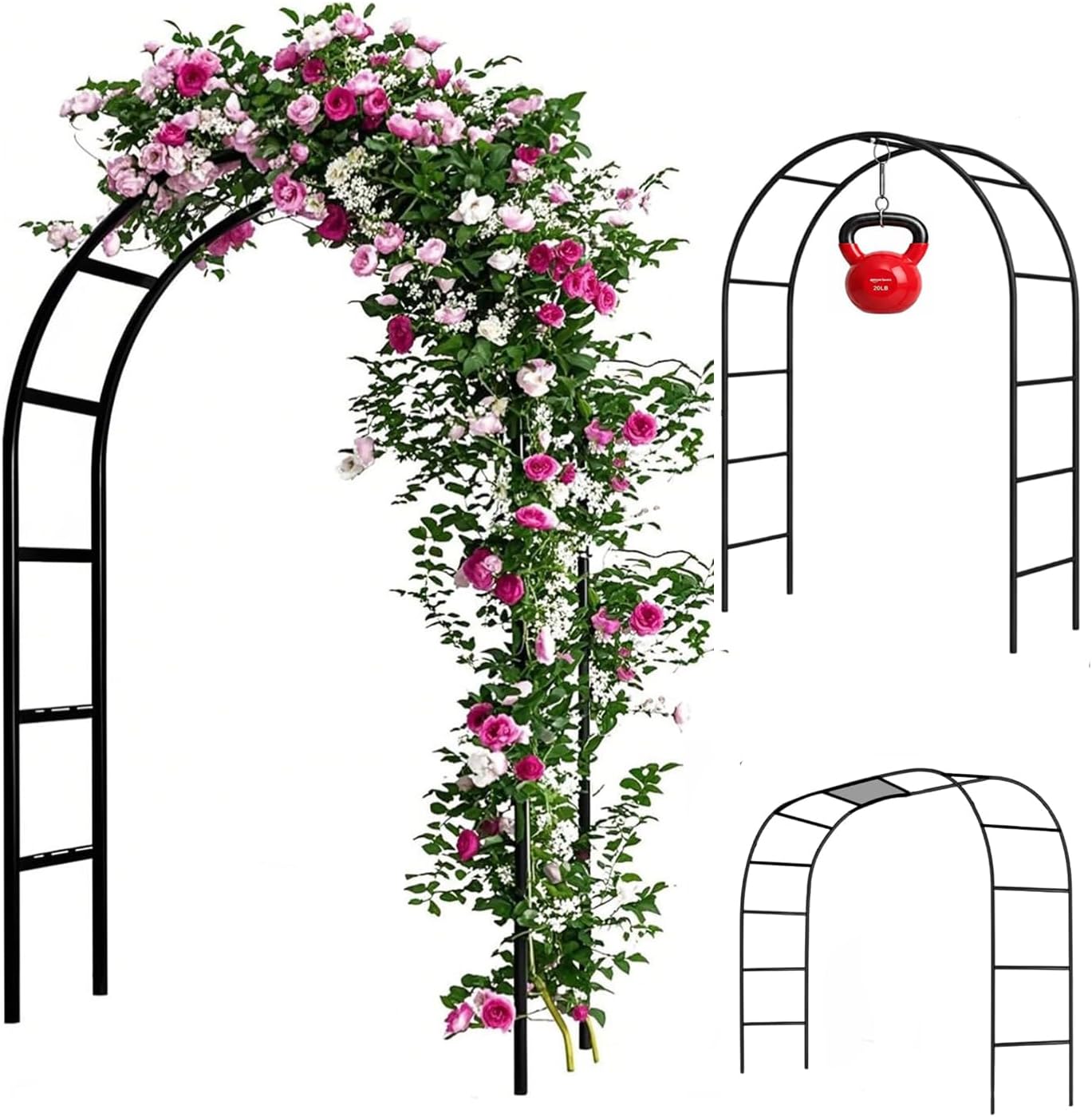
This Adorox garden arch is a straightforward metal arbor that gives climbing roses, clematis, vines, or seasonal decorations a neat vertical framework. It arrives as sectional metal pieces with a powder-coated finish and assembles in simple steps to create a single arched entrance or focal point for a walkway, garden bed, or event backdrop. The open-frame design lets plants weave through the bars and provides height without blocking sightlines, while the powder coating helps resist rust in typical outdoor conditions. Because it is relatively lightweight and sectional, it is easy for two people to position and plant around, and it is also simple to dress with string lights or fabric for celebrations. Expect to secure it into the ground or use anchors before loading with heavy mature vines, since the slim metal sections will perform best when planted with lighter to moderate climbers rather than very heavy, established growth. Assembly is convenient but may require basic tools and a second person to steady the arch while tightening connections.
Best for: Buyers who want an attractive, easy-to-install arch to add vertical interest and support for climbing plants or seasonal decor, and who prefer a straightforward product with visible user feedback to inform the choice.
Less Ideal for: Gardeners seeking a heavy-duty permanent arbor to bear large mature vines or climbing shrubs should look for a sturdier, commercial-grade structure with integrated anchoring.
- Simple sectional design that is easy to assemble and position
- Powder-coated metal finish improves resistance to outdoor corrosion
- Open-arch framework allows vines and flowers to weave naturally and creates visual height
- Lightweight enough for two people to handle and decorative enough for events or pathways
- Relatively lightweight construction needs anchoring before supporting heavy, mature vines
- No built-in ground stakes or heavy bases included for long-term high-wind stability
Verdict: A lightweight, powder-coated metal arch that quickly creates a decorative entry or plant support for garden paths and small to moderate climbers.
HENABLE 4-Pack Metal Trellis Set for Potted Climbing Plants (15 in)

| Material | Metal |
|---|---|
| Finish Type | Lacquered |
| Number of Items | 4 |
| Included Accessories | 100 pcs ties |
These HENABLE trellises are a straightforward, no-fuss support for small potted climbers and vines. Each set includes four different decorative grid patterns made from lacquered iron and hand-welded for strength, with stakes that simply push into potting soil so no tools are required. They are intended for 5 to 8 inch planters and keep plants growing upward to reduce sagging and improve light exposure; the modern black finish works well for indoor decor or a small patio display. The build feels solid for the size and the rust-resistant paint helps longevity in humid conditions, though taller or heavier vines will need larger supports. The package also includes ties to secure stems as they grow. If you want an easy, compact way to train peas, ivy, morning glories, or small climbing houseplants, these make setup and styling quick and tidy. Expect limited height and load capacity, so use them for lightweight plants and pots rather than heavy outdoor vines.
Best for: Buyers who want an easy, low-effort way to train and display small climbing plants in indoor pots or on a small patio and prefer durable, ready-to-use supports.
Less Ideal for: Gardeners who need tall, heavy-capacity trellises for outdoor vegetable vines or large climbing roses should choose a sturdier full-size support instead.
- Simple push-in installation requires no tools
- Lacquered iron construction with hand-welded joints for durability
- Compact 15 inch height suits small indoor pots and tight patio spaces
- Includes ties to secure stems while plants climb
- Not tall or heavy-duty enough for large or vigorous vines
- Limited to small pots recommended in the product notes
Verdict: A compact, tool-free trellis set that makes training and styling small potted climbers quick and reliable.
Choosing the Right Trellis: Key Factors to Consider
Material and Finish
The material determines how a trellis weathers sun and rain and how often you will need to repair or replace it. Steel and aluminum frames are common for heavy-duty support; look for rust-resistant coatings or powder coat finishes in steel to extend life. Wood offers an attractive, natural look but requires rot-resistant species or preservative treatment and periodic staining to avoid decay.
Plastic and composite trellises resist rot and are low maintenance but may flex under heavy weight or become brittle in intense sun. Consider how the finish ages: some paints chip, exposing raw metal, while some coatings form a long-lasting protective layer that reduces long-term upkeep.
Anchoring and Structural Stability
Stable anchoring matters more than aesthetics once vines begin to put lateral force on the structure. A trellis that is simply leaned against a wall will work for lightweight plants but can fail under mature cucumber, grape, or climbing rose loads. Embedded posts, ground spikes, or through-wall mounting all provide increasing levels of security.
Also account for soil type and wind exposure when choosing anchoring. Loose, sandy soils benefit from deeper footings or wider base plates while windy sites need sturdier anchors or guying options. Check whether the trellis design allows adding extra braces if you plan to grow heavy or woody climbers.
Plant Compatibility and Mesh Size
Different vines need different support patterns. Delicate climbers and twining plants prefer narrow rungs or close mesh spacing so stems can grab hold. Heavy or corded vines like grapes and some clematis do better on larger openings or horizontal slats where you can tie or train canes.
Consider how you will attach plants: some trellises provide small loops or integrated wires for tying while others require additional string or clips. Ensure opening sizes are compatible with the growth habit of your intended plants to reduce the need for retrofitting and to make training easier during the growing season.
Height, Width, and Placement
Decide whether you need a free-standing trellis, a wall-mounted panel, or a replacement for a fence section. Height dictates what crops you can grow; lower trellises suit peas and bushy annuals while taller structures allow long-lived vines to climb and fruit. Width affects how many plants you can train across a single unit and how evenly weight will distribute.
Placement also influences sunlight exposure and accessibility for pruning and harvesting. Keep walkways clear and allow enough room behind or in front of the trellis for maintenance. If you plan to move the trellis seasonally, choose lighter materials or modular panels designed for relocation.
Installation and Tools Required
Installation complexity varies from simple stake-in-ground setups to bolted wall fixtures that require brackets and anchors. Assess the tools and skills you have before committing. Some trellises come with all hardware and clear instructions while others expect you to provide anchors or postcrete for a permanent footing.
Also consider whether the trellis can be installed solo or needs two people for safety. If drilling into exterior walls is required, check for compatibility with siding and for potential interference with utilities.
Maintenance and Longevity
Regular maintenance keeps a trellis functional across seasons. Metal units may need occasional rust checks and touch-up paint. Wood structures require inspection for rot at ground contact points and seasonal tightening of screws or bolts. Plastic and composite pieces are low maintenance but inspect for UV damage and cracking if exposed to full sun for many years.
Plan for how easy it is to replace a section or tighten fastenings. Trellises designed for modular repairs let you swap damaged panels without removing the entire system, saving time and effort in long-term garden upkeep.
Best Trellis Types by Garden Situation
Different trellis styles work better in specific settings. Wall-mounted panels save space on patios and provide a stable surface for training heavy vines. A-frame and arch trellises make attractive walkways and add height without deep footings. Freestanding panels and obelisks are flexible for mixed beds and can be moved seasonally.
Think about whether you need permanent infrastructure or a flexible solution that adapts as your garden changes. For small balconies, lightweight mesh panels provide vertical growth without a large footprint, while suburban gardens with perennial vines benefit from anchored, heavier-duty frames that last many seasons.
- Wall panels: Best for maximum stability and small footprints
- A-frames and arches: Great for entryways and two-sided planting
- Freestanding panels: Flexible placement and modular expansion
- Obelisks and decorative frames: Best for single specimens or focal points
Training Vines and Early Season Setup
Start training plants early when stems are flexible to avoid heavy tying later. Use soft ties or nursery clips to gently guide growth onto the trellis and remove ties that constrict stems as plants thicken. For established climbers, prune to create a few strong leaders and tie these to structural elements to form the main framework.
Regular checks during peak growth can prevent stems from tangling or flopping. If a vine begins to concentrate weight on a single point, redistribute canes across the trellis or add temporary supports to prevent long-term stress on that area.
- Use soft, weather-resistant ties
- Train multiple leaders for even weight distribution
- Adjust ties as stems thicken
Seasonal Care and Overwintering
Prepare trellises for winter by removing dead foliage and checking fastenings. In areas with heavy snow or ice, consider temporary bracing or lowering lightweight panels to reduce wind and snow load risk. For permanent heavy-duty trellises, inspect welds and joints after winter to catch any winter-related damage early.
If you use wooden trellises, apply preservative treatments or touch-up coatings during dormant season to prolong life. For metal structures, clear debris and check for rust spots that need treatment before spring growth resumes.
- Clear debris and dead growth before winter
- Inspect and tighten fasteners after freeze-thaw cycles
- Add temporary bracing in high-wind or heavy-snow regions
Aesthetics and Garden Design Integration
A trellis is both functional and a design element. Choose shapes and finishes that complement existing garden structures and plant palettes. Arches and obelisks can become focal points, while simple lattice panels serve as a green backdrop for mixed beds.
Consider color and texture: painted or powder-coated metal can echo garden furniture, while natural wood blends into cottage-style plantings. Also think about sightlines and how the trellis will look from different vantage points in your yard.
- Coordinate materials with existing garden features
- Use trellises to create vertical focal points
- Think about view and privacy impacts from both sides
DIY and Custom Trellis Options
Building your own trellis lets you match dimensions and materials exactly to your planting plan. Simple DIY designs use cedar posts and wire or twine for cost-effective vertical supports. More elaborate custom builds can incorporate reclaimed wood, metalwork, or integrated planter boxes.
When planning a DIY trellis, design for durability at the base and use exterior-grade fasteners. Pre-drill holes in hardwoods to prevent splitting and choose coatings or sealants appropriate to your climate to reduce future maintenance.
- Cedar and pressure-treated lumber for DIY long life
- Use corrosion-resistant hardware for outdoor builds
- Plan for easy replacement of high-wear parts
How We Chose the Best Trellis
We focused on features that affect performance and longevity in outdoor gardening conditions. Key evaluation criteria included structural material and corrosion resistance to estimate how long a trellis will last in wet or coastal climates; attachment and anchoring options because stability determines whether a trellis can safely support heavy vines; ease of installation so gardeners with basic skills can set it up without special tools; and plant compatibility which looks at mesh size, spacing, or rung layout for different vine types. We also considered maintenance needs such as repainting or tightening fasteners, and modularity or expandability for gardeners who may change layouts over time. We excluded fragile decorative-only screens and temporary plant supports not intended for multi-season use. Final selections were narrowed to durable, garden-suitable trellises that offer clear installation options, proven plant support patterns, and manageable upkeep requirements.
FAQ
What trellis height is best for peas and beans?
Peas and bush beans often do well on trellises 4 to 6 feet tall, while pole beans and heavier vines may need taller supports. Match height to the mature length of the plant and allow extra room for training and harvesting.
Can I attach a trellis directly to siding or a fence?
You can attach lightweight trellises to siding or existing fences if appropriate anchors are used and the structure can bear the plant load. For heavy climbers, reinforce attachment points or use independent posts to avoid stressing the siding or fence.
How close should I place multiple trellis panels?
Space panels to allow adequate air circulation and access for pruning and harvesting. For many vines, 2 to 4 feet between freestanding panels works well to prevent shading and to give roots room. Denser plantings may need wider spacing to reduce disease risk.
What maintenance does a wood trellis require?
Wood trellises need periodic inspection for rot and insect damage near ground contact points, plus occasional staining or sealing to protect against moisture. Replace or repair any weakened posts or slats before heavy growth resumes in spring.
Are metal trellises safe for edible plants?
Most garden-grade metal trellises are safe for edible plants when they have corrosion-resistant finishes. If you are concerned, choose non-coated stainless options or paint coatings that are rated for outdoor use and avoid direct contact with untreated metal where fruits will rest.
How do I prevent vines from overwhelming a trellis?
Regular pruning during the growing season keeps vigor in check and directs energy into fruiting or flowering instead of excessive foliage. Thin crowded stems and tie leaders to spread load across the structure to avoid localized stress.
Final Verdict
When choosing a trellis, prioritize the functions that matter most in your garden: long-term durability if you want multi-season structure, anchoring and stability for heavy climbers, or lightweight portability for seasonal beds. Match mesh size and height to the growth habit of your plants and factor in maintenance needs based on material. Balance immediate needs against how your garden will change. A well-matched trellis gives better crop yields, easier harvesting, and a neater garden appearance. Choose the style and build that align with your site conditions and how much time you want to spend on upkeep.
