

Note: This article contains affiliate links. If you click on these links and make a purchase, I may earn a small commission at no extra cost to you. This helps support my research and content. Read my full affiliate disclosure here.
If you want fresh fruit but have limited ground space, container-grown trees let you harvest from patios, balconies, and small courtyards. Choosing the right fruit trees for pots matters because root behavior, cold tolerance, and watering needs have a bigger effect in confined soil than in the ground. This guide shortlists the top container-friendly trees and explains the practical tradeoffs you will face in a real garden, including frost protection, pot size, and feeding schedules. We evaluate each pick for hardiness, root management, and fruiting reliability to help you match a tree to your spot and skill level.
Top Picks at a Glance
| Best Overall The best all-around choice for most situations | The Magnolia Company Meyer Lemon Tree (Live Fruit Plant, 1–2 ft) |  |
| Best Quality Built to a higher standard if you want something more solid | American Plant Exchange Arbequina Olive Tree (potted live plant, 5" pot) |  |
| Best Budget The cheapest option that still gets the job done reliably | Golden Sprout White Guava Live Plant (10–14" Tall) in 4" Nursery Pot |  |
| Highest Rated A top-rated pick with lots of positive feedback | DMOH Honey Grafted Mango Live Plant (3 Gallon) |  |
| Most Popular A crowd favorite that many people choose with confidence | Via Citrus Calamondin Tree Live Plant in 1 Gallon Pot |  |
| Best Seller A high-volume bestseller chosen again and again | PERFECT PLANTS Chicago Hardy Fig Tree, 3 Gallon, Live Plant |  |
The Magnolia Company Meyer Lemon Tree (Live Fruit Plant, 1–2 ft)

| Indoor Outdoor Usage | Indoor |
|---|---|
| Sunlight Exposure | Full Sun |
| USDA Hardiness Zone | 7 to 11 |
| Moisture Needs | Moderate Watering |
This Meyer lemon arrives as a small, potted live plant intended for indoor or container use and is presented with a burlap-wrapped pot and care card. It is grown for easy, low-maintenance fruiting and fragrant spring-to-fall blooms, and the vendor recommends placing it in full sun and watering moderately, about twice weekly. For container gardeners the appeal is immediate: it is described as suitable for pots, pet friendly, and promising fruit within the first year, which makes it a good choice for patio or porch containers where sunlight is available. Notable features include the included pot and burlap presentation, guidance to fertilize twice a year, and USDA hardiness listed for zones 7 to 11 which signals suitability for warm-climate outdoor placement seasonally. Limitations are that it needs consistent bright light to thrive and may require moving outdoors in warm months for best fruit set, and the listing gives a large mature height that indicates eventual repotting or pruning will be needed for long-term container growth.
Best for: Gardeners who want an attractive, edible citrus for pots or a sunny porch and value a low-fuss, gift-ready plant that bears fruit within the first year.
Less Ideal for: Shady apartments or buyers looking for a permanently small, no-pruning houseplant; those in cold climates who cannot provide seasonal outdoor sun or protected conditions should consider other options.
- Sold as a live, potted plant with burlap, pot, and care card included for easy gifting
- Flowering and fragrant blooms that also produce edible, sweeter-than-average lemons
- Low maintenance care instructions with moderate watering and biannual fertilization
- Suitable for container growing and marketed as pet friendly
- Requires full sun and bright light to set fruit well, limiting indoor placement options
- May outgrow a small container over time and need repotting, pruning, or outdoor planting
Verdict: A gift-ready, easy-care potted Meyer lemon that suits container gardeners wanting fragrant flowers and edible fruit in a sunny spot.
American Plant Exchange Arbequina Olive Tree (potted live plant, 5" pot)

| Indoor Outdoor Usage | Indoor, Outdoor |
|---|---|
| Sunlight Exposure | Full Sun |
| USDA Hardiness Zone | 7b, 8, 9, 10, 11 |
| Moisture Needs | Moderate Watering |
| Material Features | Fruit-producing, Live Plant, Potted in nursery pot |
This Arbequina olive arrives as a small, potted live plant intended for indoor or outdoor placement in full sun and well-draining soil. It is typically used as a patio or balcony specimen in a 5" nursery pot before being moved into a larger container or planted in the ground; buyers should expect to repot it as it grows. Notable features include drought tolerance once established, moderate watering needs (about every 1–2 weeks with soil allowed to dry slightly), and a compact, fruit-producing habit that makes it practical for edible container gardening. Practical benefits are straightforward: attractive evergreen foliage, air-purifying presence, and potential olive harvests from a cultivar known for small, flavorful fruit. Important limitations are that it requires consistent full sun and seasonal care such as occasional pruning to maintain shape and encourage fruiting, and the small 5" pot means it will need repotting sooner rather than later to reach its productive potential in a container setting.
Best for: Buyers looking to grow an edible, low-maintenance tree on a balcony, patio, or small yard who prioritize practical, space-efficient plants that can be moved or repotted as they grow.
Less Ideal for: People who cannot provide consistent full sun or who want a fully mature, maintenance-free tree immediately instead of a young plant that needs ongoing care and pot upgrades.
- Suitable for container growing in sunny spots and can fruit in pots once established
- Low to moderate watering needs and good drought tolerance after establishment
- Compact, attractive evergreen foliage adds year-round interest
- Arrives potted and ready to repot or place on a patio
- Ships in a small 5" nursery pot so repotting is required to reach long-term size and productivity
- Requires full sun exposure to thrive and set fruit
Verdict: An efficient choice for practical gardeners who want a compact, fruiting olive tree they can grow successfully in a sunny pot with routine repotting and basic care.
Golden Sprout White Guava Live Plant (10–14" Tall) in 4" Nursery Pot

| Plant height | 10-14" tall |
|---|---|
| Pot size | 4" nursery pot |
| Variety | White Guava |
This Golden Sprout White Guava arrives as a small, 10–14 inch live plant in a 4-inch nursery pot and is aimed at container growers who want a tropical fruit tree for a patio or balcony. The plant has a naturally compact habit that makes it easy to keep in pots, and glossy foliage with fragrant white blossoms promise attractive spring interest and eventual fruiting in warm, sunny conditions. Typical use is straightforward: place in full sun, use well drained potting mix, and move to a larger container as the rootball grows. For beginners it is low maintenance compared with larger fruit trees and can be grown in small outdoor spaces or greenhouses. The main limitations are that it is sized as a starter plant so it will need repotting and seasonal care before producing fruit, and it performs best in warm climates where guava is hardy. If you want a budget-friendly entry into potted fruit trees, this is a simple, space-saving option that is easy to establish.
Best for: Budget-minded gardeners seeking an affordable, space-saving fruit tree to grow in a container on a patio, balcony, or small yard.
Less Ideal for: People in cold climates or those who want an immediately fruit-producing tree without time for repotting and establishment should look elsewhere.
- Compact growth habit suitable for pots, patios, and balconies
- Sold as a live starter plant ready to be potted and grown
- Attractive glossy foliage and fragrant white blossoms add visual and sensory appeal
- Low-maintenance for gardeners in warm climates
- Small nursery pot means it requires repotting and growth time before fruiting
- Best performance limited to warm, frost-free climates
Verdict: A compact, affordable starter guava ideal for growers who want a low-cost potted fruit tree for small outdoor spaces.
DMOH Honey Grafted Mango Live Plant (3 Gallon)

| Sunlight Exposure | Full Sun |
|---|---|
| Moisture Needs | Moderate Watering |
| Style Name | Honey Mango |
| Unit Count | 1 Count |
This grafted Honey mango arrives as a 2-year-old seedling in a 3-gallon pot and is intended for container gardening on patios, balconies, or small yards in warm climates. It is cultivated to produce sweet, juicy mangoes and is recommended for USDA zones 10 to 11. Typical use is planting in a well-draining pot with full sun exposure and moderate, regular watering; the grafted stock speeds fruiting compared with seedlings and helps preserve the Honey cultivar's flavor. Notable features are its container-ready pot, full-sun tolerance, and moderate watering requirements which make it easier to manage on a patio. Practical benefits include quicker time to fruit compared with seed-grown trees and suitability for small-space growers who want a tropical fruit tree without a large yard. Important limitations are climate restriction to warm zones and the need for summer heat and consistent sunlight to set fruit; in cooler climates it will need a greenhouse or seasonal protection. Expect routine pruning and care to keep the tree compact and productive in a pot.
Best for: Buyers who want a reliable, grafted mango tree for container fruit production on a sunny patio or small yard in a warm climate and prefer a plant that will fruit sooner than a seedling.
Less Ideal for: Gardeners in cool temperate regions without access to a greenhouse or reliable winter protection should choose a cold-hardy fruit tree instead.
- Grafted Honey cultivar for reliable true-to-type fruit and faster fruiting than seed-grown trees
- Sold in a 3-gallon pot ready for immediate container planting
- Suitable for container gardening on patios, balconies, and small yards
- Requires moderate watering and full sun which is straightforward for typical outdoor containers
- Restricted to warm USDA zones 10–11 unless moved indoors or protected during cool weather
Verdict: A grafted Honey mango in a 3-gallon pot is a dependable choice for growers in warm climates who want a container-friendly tree that fruits faster than seedlings.
Via Citrus Calamondin Tree Live Plant in 1 Gallon Pot

| Indoor Outdoor Usage | Indoor |
|---|---|
| Expected Blooming Period | Year Round |
| Sunlight Exposure | Full Sun |
| USDA Hardiness Zone | 8 |
| Moisture Needs | Moderate Watering |
This Via Citrus calamondin arrives as a compact, ready-to-grow citrus tree in a one-gallon pot intended for indoor or patio use. It blooms and can fruit year round when given full sun and moderate watering, producing fragrant white flowers and small tart-orange fruit useful for cooking or cocktails. The plant is marketed as organic and low-maintenance, suited to growers who rotate it indoors in winter and set it outside during warm months. Its compact habit and recommendation for sandy, well-draining soil make it an easy candidate for container culture on balconies, patios, or in sunny rooms. Expect modest annual size increase and plan to prune to maintain a container-friendly shape. Limitations are its USDA hardiness zone 8 rating, which means it needs winter protection in cooler climates, and the one-gallon starting pot will require repotting as the root system develops if you want larger yields or faster growth.
Best for: Buyers who want a productive, fragrant citrus suitable for container growing on a patio or in a sunny room and who prioritize steady bloom and fruit production from a compact plant.
Less Ideal for: Gardeners seeking a cold-hardy outdoor tree that can be left outside year-round or those who prefer a mature, high-yield fruit tree without the need to repot and manage container roots.
- Compact size and one-gallon pot make it container-ready for patios, balconies, or sunny rooms
- Year-round blooms and fragrant flowers add visual and olfactory interest indoors
- Produces edible, tart fruit useful for cooking, preserves, and cocktails
- Low-maintenance care: thrives in full sun with moderate watering
- Rated for USDA zone 8 so it needs winter protection or to be moved indoors in cooler climates
- Ships in a one-gallon pot so will require repotting for larger growth or greater fruit production
Verdict: A compact, container-ready citrus that delivers year-round flowers, fragrance, and edible fruit for growers who want productive potted trees.
PERFECT PLANTS Chicago Hardy Fig Tree, 3 Gallon, Live Plant
| Sunlight Exposure | Full Sun |
|---|---|
| Moisture Needs | Moderate Watering |
| Other Special Features of the Product | Easy To Use |
| Item Type Name | Live Plant |
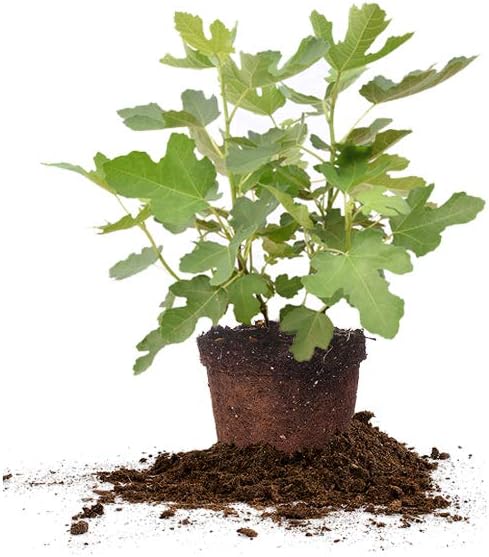
The Chicago Hardy Fig in a 3-gallon container is a live fruit tree meant for buyers who want a productive, low-fuss fig they can keep on a patio or plant in the landscape. It arrives as a young tree with upright, leggy branches and large green leaves and is described as self-pollinating and cold-hardy, so it will set fruit without another tree and tolerate below-freezing temperatures. Typical use is planting in full sun either directly in the ground or in a large pot; the included fig food and care guide simplify first-season establishment. Practical benefits include strong fruiting potential, suitability for container culture when pruned and managed, and resilience to cold snaps that extend its geographic usability. Important limitations are its eventual mature size, which can be large if planted in ground, and the need for regular watering and pruning when grown in pots to control vigor and keep fruiting within reach. Buyers should expect to invest time in seasonal pruning and container maintenance to get reliable harvests.
Best for: Gardeners who prioritize fruit production and want a dependable, cold-tolerant fig they can grow on a sunny patio or in a container with attentive pruning and watering.
Less Ideal for: People with very small balconies or those unwilling to perform seasonal pruning and container care should consider smaller dwarf varieties instead.
- Self-pollinating so it sets fruit without another fig tree nearby
- Cold-hardy variety that tolerates below-freezing temperatures
- Comes in a ready-to-plant 3-gallon container with a care guide
- Suitable for full-sun locations and can fruit reliably when established
- Matures into a large tree if planted in ground, requiring significant space or regular pruning
- Needs consistent watering and container maintenance when grown in pots
Verdict: Choose this cold-hardy, self-pollinating fig when you want a productive fruit tree that can be grown in a large pot or planted in sunny landscapes for dependable annual harvests.
Choosing the Right Fruit Trees for Pots: Key Factors to Consider
Pot Size and Soil Volume
Pot size determines the available soil volume, which controls root growth, moisture retention, and nutrient reserves. A pot that is too small stresses the tree quickly during heat or drought and forces more frequent watering and feeding. Selecting the correct container dimensions for the expected mature size helps the tree maintain consistent fruit set and reduces shock during summer heat.
Dense, well-draining potting mixes perform differently than garden soil in a pot. Mix depth and volume also affect root pruning schedules; shallow containers need more frequent root maintenance and earlier repotting or root pruning to avoid decline.
Rootstock and Size Control
Rootstock determines how vigorously a tree grows and how well it adapts to a pot. Trees on dwarfing rootstocks stay compact and fruit earlier, which is essential when soil is limited. If a tree lacks an appropriate dwarfing rootstock, you will spend more time pruning and may still struggle to keep it healthy in a container.
Understanding whether the tree will respond to root pruning without taking permanent damage is critical. Some species tolerate root pruning and repotting every few years, while others decline if their roots are repeatedly disturbed.
Cold Tolerance and Microclimate
Fruit trees in pots experience colder root temperatures than those in the ground, so hardiness ratings for in-ground culture do not always translate to containers. A tree that tolerates winter in the ground may suffer root damage in a pot on an exposed balcony. Consider wind exposure, reflected heat from walls, and the ability to move containers to protected spots.
Seasonal protection strategies, such as insulating pots or relocating them, can extend the range of trees you can grow, but they add to the work and storage requirements for winter.
Pollination and Flowering Requirements
Some fruit trees need cross-pollination from a compatible partner to set fruit, while others are self-fertile. In a container situation, space constraints may limit the number of trees you can grow, so choosing self-fertile varieties or those that can be pollinated by nearby street trees is important.
Timing of bloom also matters. If blooms occur during a risk of late frost, you may need frost protection or select varieties with later bloom to preserve fruit set.
Watering Frequency and Feeding Regimen
Potted trees dry out faster than in-ground trees, and nutrient reserves are limited to the potting mix. Expect more frequent watering in summer and a regular feeding schedule to replace lost nutrients. The container mix and pot material influence evaporation and moisture retention, so plan a watering and fertilizer routine that matches the species and your local climate.
Overwatering can be as harmful as under-watering in containers. Good drainage, monitoring soil moisture, and adjusting feed rates during active fruiting are essential to avoid root rot and nutrient imbalances.
Maintenance and Seasonal Care
Container fruit trees need thoughtful seasonal care including pruning, root maintenance, and occasional repotting. Pruning keeps the tree within space limits and can encourage fruiting wood, but improper pruning reduces yields. Root pruning or moving to a slightly larger pot every few years prevents root-bound decline.
You should also plan for pest scouting, occasional fungicide or organic sprays when needed, and a winter care plan that considers insulation or relocation for cold-sensitive species.
Choosing the Right Container Material
Container material affects temperature swings and moisture retention. Terracotta breathes and can help prevent overwatering but dries out quickly in hot weather, increasing watering frequency. Plastic and fiberglass hold moisture longer and weigh less, which makes them easier to move but can lead to wetter soil and higher risk of root rot if drainage is poor.
Consider insulated or double-walled pots for colder climates to reduce root freeze. If you plan to move trees seasonally, prioritize lighter materials or choose pots with sturdy handles or built-in rollers.
- Terracotta: good breathability, higher watering needs
- Plastic/fiberglass: lighter, retains moisture longer
- Insulated pots: better for winter protection
- Wooden planters: moderate insulation, may need lining
Site Selection and Microclimate Optimization
Place pots where they receive the right amount of sun for the species, typically full sun for most fruiting trees. Pay attention to afternoon heat and reflected light that can stress containers. Sheltered spots reduce wind damage and lower the risk of blossom loss on exposed balconies.
Use movable stands or casters to rotate containers seasonally. Grouping pots together can create a slightly warmer microclimate and simplify watering.
- Full sun exposure helps ripening
- Sheltered areas reduce frost and wind damage
- Group pots for shared microclimate benefits
Pruning and Training for Container Growth
Regular pruning keeps a container fruit tree manageable and encourages the structure you want, such as an open center or central leader. Conservative pruning in the first years establishes a strong scaffold without reducing future fruiting wood.
Training methods like espalier or dwarf central leader can maximize fruiting in small footprints. Combine branch pruning with periodic root pruning to maintain balance between canopy and root mass.
- Prune to control height and open canopy for light
- Train to compact forms suitable for patios
- Balance root pruning with top growth reduction
Feeding Strategy for Consistent Fruit Production
Container-grown fruit trees rely on regular feeding because nutrients leach faster from pots than from ground beds. Use a balanced, slow-release fertilizer in spring and supplement with liquid feed during active growth and fruit set. Adjust feed strength based on vigor; overly vigorous growth can reduce fruiting.
Mulching the top of the pot with an organic layer helps conserve moisture and slowly adds nutrients as it breaks down, but do not bury the trunk flare.
- Start with a balanced spring application
- Supplement with liquid feed during fruiting
- Use mulch sparingly to conserve moisture
Seasonal Protection and Mobility
Plan for winter protection by insulating pots, moving them to protected locations, or wrapping containers. Mobility is valuable for late-spring frost avoidance and for moving trees into sun or shade as seasons change. Keep a plan for protecting blooms from unexpected cold snaps if your tree blooms early.
If you lack storage space for large pots, choose trees with better cold tolerance or smaller mature sizes that are easier to shelter.
- Insulate pots or use protective wraps
- Move containers to sheltered spots before cold spells
- Consider wheel bases for heavy containers
How We Chose the Best Fruit Trees for Pots
We focused on traits that directly affect success growing fruit trees in containers. Key evaluation criteria included cold hardiness for container culture, root system behavior and compatibility with root pruning, typical mature size when container-trained, and the tree's demonstrated ability to set fruit reliably in limited soil. We also assessed ease of seasonal care, including watering and feeding needs, and susceptibility to common container pests and diseases. We excluded varieties that require full orchard-style space or heavy winter chill that container plants cannot reliably receive. We also filtered out trees that grow vigorously without effective dwarfing or rootstock options, because such trees quickly outgrow pots. The final shortlist contains trees known to fruit well in restricted soil volumes, respond predictably to pruning and root control, and fit typical patio and balcony microclimates.
FAQ
Can I grow any fruit tree in a pot?
Many fruit species have container-friendly varieties or dwarfing rootstocks, but not every tree is suitable. Trees that naturally stay small or are grafted onto dwarf rootstock adapt best. Large vigorous varieties usually outgrow pots quickly and require more frequent pruning and root work.
How often should I repot or root-prune a container fruit tree?
This depends on species and pot size but typically every 2 to 4 years for young trees, then as needed once established. Root-pruning can keep a tree healthy when moving to the same pot, but if the root ball is badly congested, repotting into a slightly larger container is better.
Do potted fruit trees need special soil?
Yes. Use a well-draining, moisture-retentive potting mix formulated for containers. Avoid heavy garden soil that compacts. Adding organic matter helps nutrient retention, while grit or perlite improves drainage.
How do I protect potted fruit trees from winter freezes?
Insulate pots with wraps or bubble insulation, move containers to a sheltered location, and group pots to share warmth. For very cold climates, consider planting in-ground or choose cold-hardy varieties intended for container culture.
Will a potted fruit tree produce as much fruit as one in the ground?
Usually potted trees yield less than full in-ground trees because root volume limits vigor and carbohydrate storage. However, with proper feeding, pruning, and pot size, container trees can produce a useful and reliable harvest suitable for small-space gardeners.
Final Verdict
Growing fruit trees in pots trades soil volume for mobility and space efficiency. Prioritize matching species and rootstock to container limitations, plan for regular watering and feeding, and accept some yield tradeoffs compared with in-ground trees. With the right pot, pruning, and winter protection, you can enjoy reliable fruit production from small spaces and make choices that fit your climate and maintenance willingness.
