

Note: This article contains affiliate links. If you click on these links and make a purchase, I may earn a small commission at no extra cost to you. This helps support my research and content. Read my full affiliate disclosure here.
Picking the right fertilizer for hot peppers changes how plants grow, flower, and set fruit in your garden or patio containers. Peppers respond to nutrients differently through establishment, flowering, and fruit development, so matching fertilizer type to the plant's stage and your growing system matters. This guide covers seven top fertilizer options for hot peppers narrowed from many candidates and explains how we evaluated NPK, release timing, and micro-nutrient content. Read on to understand the strengths and tradeoffs of each approach before you pick the best fit for your pepper patch.
Top Picks at a Glance
| Best Overall The best all-around choice for most situations | Greenway Biotech Tomato Fertilizer 4-18-38 Powder, 1 lb |  |
| Best Quality Built to a higher standard if you want something more solid | Greenway Biotech Pepper & Herb Fertilizer 11-11-40 Powder, 1 lb | 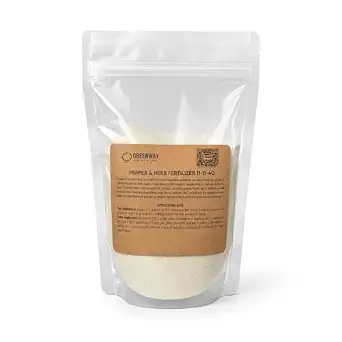 |
| Best Value The sweet spot between price and what you get | Dr. Earth Organic Tomato, Vegetable & Herb Fertilizer (64 oz) |  |
| Best Budget The cheapest option that still gets the job done reliably | Miracle-Gro Water Soluble All Purpose Plant Food, 1.5 lb |  |
| Highest Rated A top-rated pick with lots of positive feedback | Coast of Maine Organic Fertilizer for Tomatoes, Vegetables & Herbs, 4 lb |  |
| Most Popular A crowd favorite that many people choose with confidence | Burpee Bone Meal Fertilizer, 3 lb |  |
| Best Seller A high-volume bestseller chosen again and again | Miracle-Gro Water Soluble All Purpose Plant Food, 3 lb |  |
Greenway Biotech Tomato Fertilizer 4-18-38 Powder, 1 lb

| Item Form | Liquid, Powder |
|---|---|
| Specific Uses For Product | Hydroponic |
| Application Method | drip, foliar spray, soil drench |
| Target Species | tomatoes |
| Mixing Ratio | 1/2 teaspoon per gallon or 3 grams per plant |
This 4-18-38 powder from Greenway Biotech is a purpose-built fertilizer for tomatoes, peppers, eggplants and other nightshades that delivers strong bloom and fruit development while limiting excessive foliage. It fully dissolves for use as a soil drench, foliar spray or in hydroponic systems and includes EDTA-chelated micronutrients like iron, manganese, zinc and copper to improve uptake across a wide pH range. Practical benefits include clear dosing guidance (about 1/2 tsp per gallon for soil applications), compatibility with drip lines and reservoirs without clogging, and a formula skewed to support root strength, flower set and larger fruit due to its higher phosphorus and potassium. Expect better fruit size and flavor when used during bloom and fruiting stages, and easier integration into container, garden bed, or NFT/DWC hydro setups. Limitations are that it is specialized for fruiting nightshades rather than balanced all-purpose feeding and requires attention to concentration and pH/EC adjustments in hydroponics to avoid nutrient imbalance.
Best for: Home gardeners and small-scale pepper growers who want a targeted feed to maximize fruit size and flavor during bloom and fruiting stages and who will follow dosing and pH/EC guidance.
Less Ideal for: Growers seeking an everyday balanced fertilizer for leafy growth or mixed-plant beds should consider a more general-purpose formula instead.
- High potassium and phosphorus ratio to promote flowering, fruit set and larger peppers
- EDTA-chelated micronutrients for better uptake across pH 4–9
- Fully water soluble and formulated to be clog-free in drip or hydro systems
- Clear mixing guidance for soil and hydroponic applications
- Specialized NPK ratio makes it less suited as a general all-purpose or foliage-focused fertilizer
- Requires monitoring of EC and pH in hydroponic systems to avoid nutrient imbalance
Verdict: Use this high-phosphorus, high-potassium, water-soluble formula when you want bigger, better-flavored peppers and other nightshades during bloom and fruit set.
Greenway Biotech Pepper & Herb Fertilizer 11-11-40 Powder, 1 lb

| Item Form | Powder |
|---|---|
| Specific Uses For Product | Hydroponic |
| Coverage | peppers and herbs |
| Liquid Volume | 200 gallons |
| Mixing Ratio | 0.5 Pounds per 100 Gallons of Water |
This 11-11-40 powder from Greenway Biotech is built to push flowering and fruit set on hot and sweet peppers while also enhancing essential oil production in herbs. It dissolves fully in room-temperature water so you can use it as a soil drench, foliar spray, or in hydroponic systems without clogging emitters. The formula includes EDTA-chelated iron, manganese, zinc and copper plus boron and molybdenum, which helps keep micronutrients available across a broad pH range and reduces the chance of lockout. Directions cover side-dressing, foliar feed, and reservoir dosing so it adapts to backyard beds, containers, and NFT or DWC setups. Practical benefits include a high potassium level to support capsaicin and fruit development and a concentrated powder format that treats many gallons per pound. Important limitations are that accurate dosing requires a scale for small-plant applications and that a single 1 lb package is intended for focused use rather than season-long feeding of large plantings.
Best for: Serious pepper growers focused on maximizing fruit size, heat, and yield who use targeted feeds or run hydroponic systems and want a performance-minded, pH-tolerant nutrient.
Less Ideal for: Casual gardeners who prefer low-effort granular feeds or pre-mixed liquid fertilizers intended for whole-season broadcasting across very large beds.
- High potassium ratio (40%) that supports flowering, fruit development, and capsaicin production in hot peppers
- EDTA-chelated micronutrients (Fe, Mn, Zn, Cu) plus boron and molybdenum to reduce nutrient lockout across pH 4–9
- 100% water soluble powder that dissolves cleanly for soil drench, foliar spray, and hydroponic systems without clogging
- Concentrated formula stretches a small package to treat large volumes of water for targeted feeding
- Requires precise measuring (scale or careful teaspoons) for correct dilution on small plants
- 1 lb package may be small for growers with many plants or multiple growing seasons
Verdict: Choose this concentrated, chelated 11-11-40 powder when you want a performance fertilizer that boosts pepper flowering, fruit set, and capsaicin production in soil or hydroponic systems.
Dr. Earth Organic Tomato, Vegetable & Herb Fertilizer (64 oz)

| Unit Count | 64 Ounce |
|---|---|
| Item Form | Granules |
| Specific Uses For Product | Organic |
| Target Species | Herb |
| Coverage | Medium |
This granular organic fertilizer is designed to boost vegetable and herb production by supplying balanced nutrients and soil biology support. It is typically broadcast into beds, mixed into potting mixes, or applied at planting and midseason for a nutritional lift; the manufacturer recommends reapplying every six weeks for containers. Notable features include a fully organic ingredient list, fast but sustained nutrient release, and a blend of probiotic microbes plus ecto and endo mycorrhizae intended to improve nutrient uptake and drought tolerance. In practice that means healthier root systems and potentially better yields and flavor in crops like cucumbers when used as part of an organic program. Limitations are that it is a medium coverage product in a 64 ounce bag so larger plots will need more frequent purchases, and it contains phosphorus so local runoff rules should be checked before use. Follow the directions for pH and application timing to avoid overapplication in small containers.
Best for: Gardeners who prioritize organic soil health and want a single, biology‑focused fertilizer to support vegetables like cucumbers in beds or containers.
Less Ideal for: Large‑scale growers seeking a bulk, high‑coverage fertilizer or those who must avoid phosphorus due to local regulations should consider other options.
- 100 percent organic formula suitable for certified organic gardens
- Contains beneficial microbes and eight strains of mycorrhizae to support root health and nutrient uptake
- Granular form releases nutrients quickly and continues feeding for several months
- Works for beds, raised planters and containers and can be used at planting, transplanting or midseason
- Bag is medium coverage so not economical for very large vegetable plots
- Includes phosphorus which may be restricted in some local jurisdictions
Verdict: Choose this product if you want an organic, microbe‑rich granular fertilizer that supports root health and steady feeding for cucumber and other vegetable plantings.
Miracle-Gro Water Soluble All Purpose Plant Food, 1.5 lb

| Item Form | Powder |
|---|---|
| Application Method | Watering Can |
| Target Species | For all flowers, vegetables, trees, shrubs and houseplants |
| Mixing Ratio | 24-8-16 |
Miracle-Gro Water Soluble All Purpose Plant Food is a powder concentrate you mix with water to give a quick nutrient boost to flowers, vegetables, houseplants, shrubs and trees. It is typically dissolved in a watering can or used with a compatible garden feeder to soak soil at the base of plants, delivering nitrogen-heavy nutrition that shows effects faster than granular fertilizers. Notable features include an easy scooping method for indoor and outdoor dosing, compatibility with containers and in-ground planting, and clear directions for feeding every one to two weeks. In practice this makes the product a convenient option when you want visible growth and greener foliage quickly, and the 1.5 lb container covers roughly 600 sq. ft. Important limitations are that it is a fast-release, high-nitrogen formula best used as a regular quick feed rather than a long-term slow-release solution, and it requires careful measuring to avoid overfeeding. For routine maintenance combine with good watering and follow the label to avoid nutrient imbalance.
Best for: Buyers who prefer proven, easy-to-use feeding routines and want noticeable growth quickly for a variety of garden and houseplants, guided by established usage directions and broad user experience.
Less Ideal for: Gardeners seeking a single, long-term slow-release solution or those who prefer organic or low-nitrogen fertilizers for sensitive plantings should consider alternative products.
- Water-soluble powder starts working quickly at the roots when mixed and applied
- Clear, simple dosing for indoor and outdoor use with included scoop guidance
- Suitable for a wide range of plants including vegetables, flowers, shrubs and houseplants
- Covers a large area from a small container (about 600 sq. ft. per 1.5 lb)
- Fast-release formula means benefits are short-term compared with slow-release granular fertilizers
- Requires precise measuring and regular reapplication to avoid overfeeding
Verdict: A reliable, fast-acting water-soluble plant food for gardeners who want easy, repeatable feeding and quick visible results.
Coast of Maine Organic Fertilizer for Tomatoes, Vegetables & Herbs, 4 lb

| NPK Ratio | 4-5-4 |
|---|---|
| Form | Granules |
| Target Species | Vegetables |
| Item Weight | 4 pounds |
This Coast of Maine granular fertilizer is a slow-release, organic blend intended to build soil and feed vegetables like cucumbers steadily through the season. It is formulated with lobster and crab shell meal, kelp, fish bone meal, feather meal and worm castings to supply nitrogen, phosphate, potash and extra calcium for stronger roots, flowering and fruit set. Typical use is mixing into planting holes, working into topsoil for new beds, or top-dressing established plants then watering in to move nutrients to the root zone. The slow-release nature reduces how often you need to reapply and the added calcium helps minimize blossom end rot in fruiting crops. Practical benefits include improving soil biology over time and providing balanced nutrition tailored to vegetable production. Limitations are that it is granular so it requires incorporation and watering to be effective and it is not a quick soluble feed for an immediate green-up. Follow the package rates closely because overapplication can encourage leafy growth at the expense of fruit.
Best for: Gardeners who want a dependable, low-maintenance organic fertilizer to build living soil and feed cucumbers and other vegetables reliably through the season.
Less Ideal for: Growers who need a fast-acting liquid feed for rapid correction or those unwilling to follow measured application rates for organic fertilizers.
- Organic blend of land and ocean ingredients supports soil health and beneficial microorganisms
- Slow-release 4-5-4 formula provides steady season-long nutrition for fruiting vegetables
- Includes calcium-rich amendments that help reduce blossom end rot risk
- Versatile application: suitable for in-ground beds, raised beds, containers and transplants
- Granular formula requires incorporation and watering to activate rather than delivering immediate soluble nutrients
Verdict: Choose this product if you want a tested, slow-release organic fertilizer that builds soil and delivers steady, reliable nutrition for cucumbers and other vegetables.
Burpee Bone Meal Fertilizer, 3 lb

| Item Form | Powder |
|---|---|
| Specific Uses For Product | Plant Growth, Root Development |
| Coverage | 240 Sqaure Feet |
| Target Species | tomatoes, peppers, and bulbs |
Burpee Bone Meal is a slow-release granular fertilizer designed to boost early root development and flowering in root and bulb crops. Gardeners typically work it into planting holes for bulbs or mix it into soil and potting media when starting seeds or transplanting vegetables like carrots, beets, and onions. The product is OMRI listed for organic gardening and provides phosphorus and calcium that support stronger root systems and better early-season growth. Its fine granular texture makes it easy to apply evenly, and because it breaks down slowly it feeds plants over the season without burning them. Practical benefits include targeted support for root vegetables and an easy application method for beds and containers. Limitations are that it supplies mainly phosphorus and calcium rather than a balanced NPK profile, so it is best used alongside a nitrogen source if foliage development is needed, and results are gradual rather than immediate because of the slow-release nature.
Best for: Gardeners focused on improving root development and bulb planting who prefer organic inputs and want a simple amendment to add at planting or during bed preparation.
Less Ideal for: Growers seeking an all-in-one balanced fertilizer for both foliage and root development or those who need fast-acting, soluble nutrients for immediate correction.
- OMRI listed for organic gardening, suitable for certified organic beds
- Fine granular form that is easy to spread and incorporate
- Provides phosphorus and calcium to encourage strong root and bulb development
- Slow-release action reduces risk of burning plants and supplies season-long support
- Not a complete fertilizer profile so additional nitrogen may be needed for leafy growth
Verdict: A reliable organic bone meal to strengthen roots and jump-start bulbs and root vegetables when added at planting.
Miracle-Gro Water Soluble All Purpose Plant Food, 3 lb

| Item Form | Powder |
|---|---|
| Application Method | Mix with water in a watering can |
| Fertilizer Analysis (N‑P‑K) | 24-8-16 |
| Unit Count | 48 Ounce |
| Coverage | Feeds approximately 1,200 sq. ft. |
Miracle‑Gro Water Soluble All Purpose Plant Food is a powdered NPK 24‑8‑16 formula that dissolves in water to give plants a quick nutrient boost. You mix measured scoops into a watering can and apply to the soil at the base of plants every 7–14 days for outdoor use or every 14 days for houseplants. Notable features include a high nitrogen content for leafy growth, compatibility with containers and in‑ground beds, and guidance for use with a Miracle‑Gro Garden Feeder for larger areas. In practical terms this is a fast‑acting feed that encourages bigger, greener foliage and works well in regular maintenance of perennials like hostas. Limitations are that it is a fast‑release fertilizer rather than a slow‑release option, so it requires regular reapplication and careful measuring to avoid overfeeding. Also, the 24‑8‑16 balance is geared toward vegetative growth, so it is not optimized if you want to prioritize flowering or bloom boosting.
Best for: Buyers who want a reliable, fast‑acting feed to maintain lush, leafy perennials and container plants and who value proven products with broad user endorsement.
Less Ideal for: Gardeners seeking a single, long‑lasting granular fertilizer or a bloom‑focused formula should consider alternative slow‑release or high‑phosphorus products.
- Water‑soluble powder mixes easily for quick uptake by roots
- High nitrogen formula promotes robust leafy growth ideal for shade plants
- Clear mixing and application instructions for both indoor and outdoor use
- Suitable for containers and in‑ground gardens and compatible with garden feeders
- Requires frequent applications so it is not a low‑maintenance, slow‑release option
- High nitrogen ratio is less suitable when the primary goal is more flowers than foliage
Verdict: A fast‑acting, water‑soluble fertilizer that reliably produces bigger, greener hosta leaves when used as directed.
Choosing the Right Fertilizer for Hot Peppers: Key Factors to Consider
NPK Ratio and Stage Matching
Peppers need different macronutrient balances as they move from seedlings to mature, fruiting plants. Higher nitrogen benefits leafy growth early on but excess N during flowering can delay bloom and reduce fruit set. A balanced or slightly elevated phosphorus and potassium ratio once plants begin flowering will support bloom production and fruit development. Read labels to match the NPK ratio to your plant's stage and plan to change feedings as peppers mature.
Nutrient Release Timing
How a fertilizer releases nutrients affects application frequency and the risk of overfeeding. Soluble fertilizers provide quick, adjustable nutrition ideal for correcting deficiencies or feeding container-grown peppers but require more frequent application. Slow-release granules give steady feeding over weeks or months and reduce the risk of spikes that can scorch roots, making them suited to in-ground beds or gardeners who prefer low-maintenance schedules. Organic amendments typically release nutrients slowly as they break down and also improve soil structure.
Micronutrients and Calcium Availability
Micronutrients such as calcium, magnesium, and trace elements are critical for pepper fruit quality and preventing physiological disorders. Calcium availability is especially important to minimize blossom end rot and ensure firm fruit walls. A fertilizer that includes chelated or plant-available forms of these micronutrients or that is paired with soil amendments supplying them will reduce the need for corrective treatments later in the season.
Suitability for Containers Versus In-Ground Beds
Container-grown peppers have a smaller root zone and greater risk of nutrient fluctuations and salt build-up than plants in open garden soil. For containers, use soluble feeds at lower strengths or controlled-release granules formulated for potted plants. In-ground beds with healthy organic matter can tolerate less frequent feeding and benefit from granular or organic fertilizers that also feed soil biology. Consider pot size, soil mix, and drainage when choosing a fertilizer type and application rate.
Application Practicality and Safety
How easy a fertilizer is to measure, apply, and store matters in everyday garden work. Powdered and soluble formulas require accurate measuring and consistent dilution to avoid fertilizer burn. Granules and spikes are simpler to apply but still need correct placement and timing. Also consider dust and odor for indoor storage and whether the product requires special handling or protective gear. Clear label instructions and straightforward application rates reduce mistakes.
Soil pH and Compatibility with Amendments
Soil pH affects nutrient availability, so match your fertilizer plan to the soil conditions. Some fertilizers can acidify or raise soil pH over time, altering micronutrient uptake. If you regularly add lime, compost, or other amendments, choose a fertilizer whose salts and delivery method work with those practices. Testing pH and amending the soil appropriately before a feed program will make any fertilizer more effective.
Feeding Strategy by Growth Stage
Establish a simple feeding schedule that follows plant development. Start with a lower-nitrogen formulation or a diluted soluble feed while seedlings and transplants develop roots and leaves. Once peppers begin setting flowers, switch to a formula with moderate phosphorus and potassium to support bloom retention and fruit filling.
In the heat of summer, reduce heavy nitrogen feedings to prevent lush foliage at the expense of fruit. If plants show yellowing or other deficiency signs, use a targeted soluble feed to correct the issue quickly rather than increasing routine strength across the board.
- Seedling to early vegetative: low-strength, balanced or higher nitrogen for root and leaf growth
- Pre-flowering and bloom: shift to higher phosphorus and potassium balance
- Fruit development: maintain potassium and phosphorus support while avoiding excess nitrogen
Container Care and Fertilizer Management
Containers need more frequent but lower-strength feeding because nutrients wash out with regular watering. Use a water-soluble fertilizer at a quarter to half strength on a weekly or biweekly schedule, or choose a slow-release formula made for pots if you prefer set-and-forget.
Flush containers periodically with plain water to reduce salt accumulation if using soluble feeds. Refresh potting mix between seasons and top-dress with compost to restore organic matter rather than relying solely on synthetic nutrients.
- Reduce concentration for containers to avoid root burn
- Leach pots occasionally to prevent salt build-up
- Supplement with compost or worm castings for long-term soil health
Organic Versus Synthetic Options
Organic fertilizers release nutrients through microbial activity and improve soil structure. They are gentle and lower risk for overfeeding, but their nutrient levels are often lower and slower to correct deficiencies. Synthetic options provide fast, predictable results and are useful when you need rapid corrective feeding or precise NPK ratios.
Many gardeners combine both approaches: organic amendments for baseline fertility and soil health, plus targeted synthetic or soluble feeds during critical flowering and fruiting windows. This hybrid strategy balances soil biology and immediate nutrient needs.
- Organic feeds build soil life and release nutrients slowly
- Synthetic feeds act quickly and deliver precise NPK ratios
- Combining both can provide steady base fertility and targeted boosts
Preventing Common Nutrient Problems
Watch for signs of under- or over-fertilization. Pale leaves and poor flowering often indicate nutrient deficiency, while leaf tip burn, dark edges, or slow growth can come from salt stress or excess fertilizer. Regular observation is the quickest tool for diagnosing feeding issues.
Use soil tests or simple nutrient kits to confirm suspected deficiencies. Corrective foliar sprays or quick soluble feeds can address short-term needs, but long-term solutions come from adjusting base fertilization and improving soil organic matter.
- Yellowing between veins can indicate magnesium deficiency
- Blossom end rot often stems from inconsistent calcium availability
- Leaf tip burn often signals salt build-up from over-application
Timing Fertilizer Applications Around Heat
High temperatures affect pepper nutrient uptake and water loss, so adjust feeding schedules when days are very hot. Apply fertilizers in the cooler parts of the day to reduce stress and avoid concentrating salts around roots when evaporation is rapid.
During heat waves, focus more on consistent watering and lighter feeding to prevent foliage stress. In many climates, slightly reduced fertilizer frequency during peak summer heat gives better fruit set than heavy feeding.
- Feed in morning or evening when temperatures are lower
- Prioritize water consistency over heavy feeding during heat spikes
- Consider lighter, more frequent feeds rather than strong single applications
How We Chose the Best Fertilizer for Hot Peppers
We focused on fertilizer attributes that have the most direct impact on pepper growth and fruiting outcomes. Key evaluation criteria included NPK formulation and stage suitability to see how well a product supports establishment, flowering, or fruit set; nutrient release method, distinguishing slow-release granular formulas from soluble and organic sources; micronutrient profile, checking for calcium, magnesium, and trace elements that reduce blossom end rot and improve flavor; application flexibility, such as suitability for containers, in-ground beds, or fertigation systems; and safety and ease of use, including odor, handling, and the risk of fertilizer burn. We excluded general-purpose lawn fertilizers and specialty formulations intended only for hydroponics or large-scale commercial greenhouses because they do not translate reliably to home garden pepper culture. Products that lacked clear nutrient analysis or provided no guidance for peppers were removed. The remaining selections balance measurable nutrient content, practical release behavior, and gardener-oriented labeling that supports predictable results in small-scale pepper growing.
FAQ
How often should I fertilize hot peppers in containers?
Container peppers typically need feeding more often than in-ground plants. Use a low-strength soluble fertilizer every one to two weeks or a slow-release product designed for pots applied per label instructions.
Can I use a tomato fertilizer on hot peppers?
Tomato fertilizers often have nutrient balances suitable for fruiting plants and can work for peppers. Check the NPK ratio and adjust application strength to match pepper growth stage and container size.
What signs indicate my peppers need more calcium?
Blossom end rot and soft, water-soaked patches on the bottom of fruits often point to insufficient calcium or irregular watering. Address soil calcium and moisture consistency rather than just increasing general fertilizer.
Are organic fertilizers strong enough for big pepper yields?
Organic fertilizers can support high yields when combined with good soil management and timed feeding. They release nutrients more slowly, so gardeners may need to supplement with targeted feeds during peak flowering if quick correction is required.
Will too much nitrogen make peppers leafy and reduce fruit?
Yes. Excess nitrogen encourages vegetative growth at the expense of flowers and fruit set. Shift to a lower-nitrogen or bloom-supporting feed when plants begin to flower.
How do I avoid fertilizer burn on young pepper plants?
Avoid concentrated feeds and use diluted soluble solutions for seedlings and transplants. Follow label directions closely and avoid applying granules directly next to small root systems.
Final Verdict
Choose a fertilizer plan that matches how you grow peppers and the stage your plants are in. Prioritize an appropriate NPK ratio for flowering and fruit filling, reliable nutrient release behavior for your system, and adequate calcium and micronutrients to prevent common disorders. Tradeoffs include speed of correction versus long-term soil improvement, and container-grown plants will need gentler, more frequent feeds. With these priorities in mind, you can pick the feeding approach that best balances convenience, plant health, and harvest size.
