

Note: This article contains affiliate links. If you click on these links and make a purchase, I may earn a small commission at no extra cost to you. This helps support my research and content. Read my full affiliate disclosure here.
Planting the right ground cover beneath pine trees preserves soil, reduces weeds, and creates an attractive, low-maintenance understory. Pine shade, acidic needles, and shallow feeder roots make this a different challenge than sunny beds. You need plants that tolerate dappled or deep shade, acidic soil, and competition for water without heavy maintenance. This guide shortlists seven top ground cover options chosen for those specific conditions and walks through the key traits gardeners should weigh. Below the picks we explain how each option performs in shade, how it interacts with pine roots, and what to expect for maintenance and appearance.
Top Picks at a Glance
| Best Overall The best all-around choice for most situations | Greenwood Nursery Pachysandra terminalis (Japanese Spurge) — 100 Bare Roots |  |
| Best Quality Built to a higher standard if you want something more solid | Pachysandra terminalis 'Green Sheen' Groundcover — 100 Bare Root Plants | 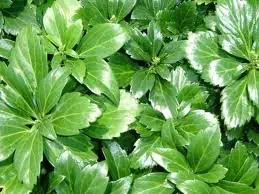 |
| Best Value The sweet spot between price and what you get | Pachysandra Bare Root Ground Cover, 25-Plant Pack |  |
| Highest Rated A top-rated pick with lots of positive feedback | Allegheny Spurge (10 roots) Native Variegated Groundcover |  |
| Most Popular A crowd favorite that many people choose with confidence | Outsidepride Irish Moss (Sagina subulata) Ground Cover Seeds, 5000 Count |  |
Greenwood Nursery Pachysandra terminalis (Japanese Spurge) — 100 Bare Roots

| Indoor Outdoor Usage | Outdoor |
|---|---|
| Sunlight Exposure | Partial Sun |
| USDA Hardiness Zone | 4, 5, 6, 7, 8 |
| Moisture Needs | Moderate Watering |
| Unit Count | 100 Count |
These Pachysandra terminalis bare roots are sold in a 100-count bundle for establishing a dense, evergreen groundcover in shady to partly sunny sites. Buyers typically space plants about 12 inches apart and plant into well-prepared, loam-rich soil; the listing notes plants form a low mat roughly 6 to 12 inches tall and fill about 100 square feet at the recommended spacing. Greenwood ships the roots bundled and wrapped with hydrating gel so they arrive moist and ready to plant. Practical benefits include year‑round planting flexibility, fast coverage for suppressing weeds, and low ongoing care once established. This selection suits shaded paths, under trees, and sloped areas where erosion control and a uniform green carpet are desired. Important limits: these are bare-root plugs so they require prompt planting and initial watering to recover from transit, and they prefer moderate moisture and well‑drained loam — very dry or intensely sunny sites will reduce performance. The product includes planting care instructions and a 14‑day seller guarantee for arrival issues.
Best for: Gardeners who need an affordable, reliable evergreen groundcover to quickly fill shady or partly shaded beds and suppress weeds while keeping upkeep low.
Less Ideal for: People with very sunny, arid landscapes or heavy clay soil who need a drought‑tolerant or sun‑loving groundcover should consider other species.
- Large quantity covers about 100 sq ft at 12" spacing for fast area coverage
- Evergreen and compact habit suited to shade and partial sun
- Ships as bare roots wrapped with hydrating gel to help survival in transit
- Low maintenance once established and useful for weed suppression and erosion control
- Requires prompt planting and initial care because plants are shipped bare-root
- Prefers moderate moisture and loam soil so performance drops in very dry or heavy clay sites
Verdict: Choose these Pachysandra bare roots if you want a ready-to-plant, low-maintenance evergreen groundcover that establishes quickly in shady beds.
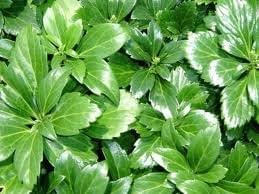
Pachysandra terminalis 'Green Sheen' Groundcover — 100 Bare Root Plants
| Hardiness Zone | 5 to 9 |
|---|---|
| Height | 6 to 12 inches |
| Spread | 1 to 1.5 feet |
| Sun | Part shade to full shade |
| Quantity | 100 bare root plants |
This 100-plant bundle of Pachysandra terminalis 'Green Sheen' is aimed at quickly establishing a glossy, shade-tolerant carpet in parts of the garden where sun is limited. The cultivar produces heavily rooted bare-root plants that spread by underground stems to form dense, dark green foliage 6 to 12 inches tall and about a foot to 1.5 feet across per plant. It performs well in part to full shade, tolerates zones 5 to 9, and offers low maintenance once established, with small white spring flowers and good erosion-control potential. Practical benefits include fast area coverage when planted at the recommended 6 to 9 inch spacing and simplified weed suppression from the dense growth habit. Limitations are that bare-root material requires prompt planting and good initial care to avoid losses, and pachysandra can be aggressive in some settings so it may need edging to prevent unwanted spread into adjacent beds.
Best for: Gardeners who need a high-performance, low-maintenance groundcover to quickly fill and stabilize shady areas and prioritize fast coverage over decorative variety.
Less Ideal for: People who want a non-spreading or highly controlled border plant or those unwilling to plant and establish bare-root material promptly.
- Very shade tolerant and suited for part shade to full shade sites
- Rapid spreading habit creates dense, low-maintenance groundcover that suppresses weeds
- Sold as 100 heavily rooted plants to establish coverage quickly
- Good for erosion control and forming a uniform carpet of foliage
- Bare-root plants must be planted promptly and cared for during establishment
- Can be invasive without edging or management in some landscapes
Verdict: Choose this 100-plant Green Sheen pachysandra pack when you want a fast-establishing, shade-tolerant groundcover that quickly forms a dense, low-maintenance carpet.
Pachysandra Bare Root Ground Cover, 25-Plant Pack

| Sunlight Exposure | Partial Sun |
|---|---|
| USDA Hardiness Zone | 4-9 |
| Expected Blooming Period | Late Summer To Fall |
| Soil Type | Well-draining Potting Soil |
| Moisture Needs | Medium |
This 25-pack of bare-root Pachysandra is designed to create a dense evergreen carpet in shady spots where turf struggles, such as under trees or along shady slopes. You plant the bare roots in spring to early summer into well-draining, slightly acidic soil and keep them watered while they establish; after that they spread slowly to fill gaps and suppress weeds. Key features shown in the listing include suitability for partial sun, USDA hardiness zones 4 to 9, medium moisture needs, and a typical mature height around 12 inches. Practical benefits include low maintenance once established, good tolerance for shade, and organic untreated stock. Important limitations are that bare-root plants require an attentive establishment period and that Pachysandra spreads gradually rather than instantly covering ground, so you should expect a season or two before full coverage. Also this type prefers consistently moist, well-drained sites and may struggle in very dry or compacted soils commonly found directly under some pine trees unless soil is amended and watered during establishment.
Best for: Gardeners who need a low-maintenance, shade-tolerant ground cover to gradually fill bare patches under trees and in other consistently shaded areas and who plan to care for plants during establishment.
Less Ideal for: People wanting immediate, instant ground coverage or those with very dry, uncompacted soils under pines where ongoing irrigation and soil amendment are not possible.
- Large 25-plant quantity provides a strong start for filling a shaded area
- Bare-root format makes planting and root contact with soil easier for establishment
- Perennial evergreen foliage provides year-round ground cover and weed suppression
- Suitable for shady to partially shaded sites and a wide USDA hardiness range (zones 4–9)
- Requires regular watering and attention during the establishment period
- Spreads slowly so full coverage may take one or two seasons
Verdict: A cost-effective way to establish a durable, shade-tolerant evergreen ground cover for under trees when you can water and wait for it to spread.
Allegheny Spurge (10 roots) Native Variegated Groundcover

| Indoor Outdoor Usage | Outdoor |
|---|---|
| Sunlight Exposure | Full Shade |
| USDA Hardiness Zone | 4-9 |
| Unit Count | 10 Count |
| Other Special Features of the Product | Low Maintenance |
These 10 Allegheny Spurge roots are intended to establish a low-maintenance carpet of variegated foliage in shady, difficult areas such as beneath pine trees. Planting the roots in spring produces rounded, semi-evergreen leaves mottled with silver that brighten low-light spots, and early spring fragrant white-to-pink flower spikes add seasonal interest and attract pollinators. The variety is described as a reliable spreader that fills bare soil and suppresses weeds once established, which makes it useful for erosion control on slopes and as a living mulch alternative. Practical benefits for a reliability-minded gardener include broad hardiness across USDA zones 4 to 9 and an ability to thrive in full shade where turf struggles. Important limitations are that these are bare roots requiring spring planting and initial care to establish, and the listing does not provide detailed planting depth, spacing, or establishment timeframe, so success depends on correct site preparation and moisture management under pine canopy conditions.
Best for: Gardeners who need a dependable, low-maintenance groundcover for shady areas under trees and want a native option that establishes into a weed-suppressing carpet with seasonal blooms.
Less Ideal for: People seeking instant, no-planting solutions or those who prefer container-grown plants that can be placed and displayed immediately.
- Variegated semi-evergreen foliage brightens deep shade and adds year-round interest
- Native species with fragrant spring blooms that attract early pollinators
- Suitable for full shade and useful for erosion control and filling bare spots
- Broad hardiness across USDA zones 4 to 9 supports reliable overwintering
- Sold as bare roots that require spring planting and initial care to establish
- Product listing lacks specific planting spacing and establishment timeline details
Verdict: A reliable, low-maintenance native groundcover choice for turning the shaded, bare ground under pine trees into a dense, attractive carpet with seasonal blooms.
Outsidepride Irish Moss (Sagina subulata) Ground Cover Seeds, 5000 Count

| Unit Count | 5000 Count |
|---|---|
| USDA Hardiness Zone | 4 |
| Sunlight Exposure | Partial Sun |
| Moisture Needs | Moderate Watering |
| Material Features | GMO Free |
Outsidepride Irish Moss seeds (Sagina subulata) are aimed at creating a dense, low carpet of green that stays 1–2 inches high and produces small white flowers in late spring to early summer. Typical use is surface-sowing on well-drained soil in full sun to partial shade, making it suitable for filling gaps between stepping stones, edging paths, or replacing a low-traffic lawn. Notable features from the listing include shade tolerance, garden adaptability across USDA zones 4–10, and a coverage claim of roughly 100 square feet from the 5000-seed packet when sown at recommended rates. Practical benefits are a soft, barefoot-friendly surface, soil stabilization through mat-forming growth, and low upkeep once established. Important limitations are that germination and uniform coverage depend on correct surface sowing and consistent moisture during establishment, it tolerates only light foot traffic, and performance can vary in heavy shade under dense pine canopies where needle litter and acidic soil may inhibit growth.
Best for: Gardeners who want a low-maintenance, attractive ground cover for shaded or partly shaded areas and who prioritize visual results validated by existing user feedback before committing.
Less Ideal for: Do not choose this if you need a durable, high-traffic turf substitute or if your site is heavily shaded with thick pine litter and very acidic soil without willingness to amend conditions.
- Low growth habit creates a soft, 1–2 inch carpet suited to pathways and between pavers.
- Shade tolerant and adaptable to full sun to partial shade, useful under dappled canopy.
- Large seed count (5000) intended to cover about 100 sq ft when sown as directed.
- Non-GMO seeds and perennial habit mean recurring coverage year to year after establishment.
- Requires surface sowing and consistent moisture for good germination and even coverage.
- Only tolerates light foot traffic so not suited for heavily used walkways.
- May struggle in areas with heavy pine needle litter or strongly acidic soils without soil preparation.
Verdict: A straightforward seed option for creating a low, shade-tolerant carpet of Irish moss under light-canopy trees where soft, low-traffic groundcover is desired.
Choosing the Right Ground Cover for Under Pine Trees: Key Factors to Consider
Shade Tolerance and Light Level
How much light a ground cover needs changes how it will perform beneath pine trees. Some species survive in deep, dense shade while others need dappled light or morning sun to flower or spread. Assess the actual light under your pines across the day before choosing. A plant that tolerates deep shade may establish more slowly but will persist longer once settled.
Consider microvariations under the canopy. Areas near outer drip lines often receive more light than directly beneath the trunk. Matching species to those microclimates reduces transplant losses and long-term thinning needs.
Soil Acidity and Needle Litter
Pine needles gradually acidify surface soil and create a layer of leaf litter that holds moisture and can alter nutrient availability. Choose ground covers known to thrive in acidic conditions or those that are indifferent to pH. Plants that tolerate needle mulch will need less frequent planting bed amendments or liming.
Also think about how the ground cover interacts with the litter layer. Low-growing mats that allow needles to rest on top will avoid heavy soil disturbance, while species that require bare mineral soil for good contact will struggle without consistent clearing.
Root Competition and Establishment Strategy
Pines have prolific shallow feeder roots that compete aggressively for moisture and nutrients. Successful ground covers establish roots quickly near the soil surface or send runners that avoid deep-root competition. Evaluate whether the species spreads by rhizome, stolon, or clumping crowns, and choose an establishment approach that gives young plants a watering and mulching window to get established.
Transplants or plugs often need a season of extra care to outcompete pine roots. Consider initial irrigation and localized mulch to protect seedlings without burying crowns or encouraging fungal problems.
Maintenance and Long-Term Management
Low-maintenance performance is essential under trees since access for tasks like mowing or frequent weeding is limited. Look for ground covers that require minimal pruning, tolerate periodic needle drop, and do not need regular fertilizer. Plants that set and hold a dense mat reduce weed pressure and reduce long-term labor.
Also plan for occasional clean-up: removing layered needles from around crowns, thinning overly aggressive patches, and checking for fungal buildup in poorly drained spots. Maintenance needs influence total time and cost over years, not just at planting.
Erosion Control and Soil Stabilization
Many pine stands sit on slopes where erosion and runoff are concerns. Choose ground covers with spreading roots or dense surface mats that bind soil and slow water flow. Deeply rooted or fibrous systems that form a network near the surface perform best for shallow erosion control without interfering with pine root health.
Evaluate how quickly a species covers bare soil after planting. Faster cover delivers immediate erosion benefits, but balance that against the risk of invasive spreading into nearby beds.
Aesthetic and Seasonal Interest
Understory plantings are as much about appearance as practicality. Decide whether you want evergreen year-round cover, seasonal flowers for spring interest, or foliage that changes color in fall. Flowering ground covers can brighten shady areas but sometimes need slightly more light to bloom reliably.
Think about texture and height in combination with the pine trunks and lower branches. Low, dense mats create a woodland carpet look while taller, airy species can provide soft contrast and habitat for pollinators.
Preparing the Planting Area Under Pines
Start by clearing only what is necessary. Remove competing weeds and invasive seedlings, but avoid deep soil excavation that will damage pine roots. Work with a shallow fork or hand tools to create planting pockets that loosen the surface and allow new roots to penetrate without severing major pine roots.
Improve contact between planting root ball and soil by loosening the immediate area and adding a thin layer of organic matter if the soil is very depleted. Avoid heavy mulches directly over crowns and keep any amendments thin so needles can continue to decompose naturally.
Water strategically during the first season. Because pine roots are shallow and thirsty, give new plants frequent light waterings rather than infrequent deep soaks to reduce competition stress. Once established, taper irrigation to favor plants that tolerate the existing tree-root regime.
- Map light levels before planting to match species to microclimates
- Work shallowly to avoid damaging pine feeder roots
- Use thin organic amendments if soil is poor, applied sparingly
Managing Pine Needle Litter
Pine needles are not always a problem. They act as a natural mulch, retain moisture, and provide acidity that some ground covers prefer. In many cases you can plant directly into needle-matted surface without clearing every needle.
If needles form a thick mat that blocks crown contact or smothers small transplants, gently rake a planting circle or clear a narrow strip to expose mineral soil for planting. Keep the cleared area minimal to preserve the protective benefits of the remaining litter.
- Leave most needle litter in place for moisture retention
- Clear small circles only where transplants need direct soil contact
- Avoid heavy raking that disturbs shallow pine roots
Watering and Establishment in Competitive Root Zones
Plan for a season of helped establishment. New ground covers under pines often need supplemental water and a light mulch ring to keep roots moist during their first months. Use targeted watering at the base of new plugs instead of broad overhead irrigation that benefits pine roots more than the new plants.
After the first year, reduce supplemental watering to encourage drought tolerance and let the plants adapt to the local moisture regime. Monitor for signs of stress and adjust only if several consecutive dry periods occur.
- Use targeted, shallow watering for first-season plugs
- Taper irrigation after establishment to build resilience
- Watch for stress during hot, dry summers and intervene briefly when needed
Design Ideas for Under-Pine Plantings
Think in drifts and masses rather than single specimens. Grouping ground cover plants in blocks improves visual impact, speeds coverage, and simplifies maintenance. Mix a primary low mat with a few taller accent perennials for seasonal texture.
Leave breathing space around trunk collars and main roots. A 6 to 12 inch clear zone around the trunk reduces bark rot risk and prevents crowns from being buried by mulch or errant planting soil.
- Plant in cohesive groups for quicker cover
- Include occasional taller accents for structure
- Keep soil and mulch away from the trunk base
Dealing with Common Problems
Fungal issues can arise in very dense shade with poor air circulation. Select species known to resist leaf spot and other shade-related diseases, and avoid overmulching or overcrowding plants. When planting, maintain some spacing to allow airflow.
Weeds often exploit gaps during establishment. Use temporary biodegradable weed barrier cloth or light mulch to suppress weeds while plugs fill in. Manual weeding is usually the safest approach under trees where herbicide use is not desirable.
- Space plants for airflow to reduce fungal pressure
- Use light mulches and manual weeding during establishment
- Avoid herbicides near root zones to protect tree health
How We Chose the Best Ground Cover for Under Pine Trees
We focused on traits that matter in pine-tree understories and excluded plants that require full sun, heavy soil amendments, or frequent irrigation. Selection prioritized shade tolerance, ability to tolerate acidic, needle-litter soils, shallow-root competition, and low ongoing maintenance. We also evaluated ground covers for erosion control on typical slopes beneath pines, evergreen or seasonal leaf retention to maintain year-round interest, and resistance to common pests and fungal issues in shaded, damp microclimates. We excluded aggressive spreaders known to become invasive in woodland settings and plants that demand regular fertilizer or summer irrigation. Final choices were those that establish reliably in dappled or deep shade, coexist with pine roots without major soil disturbance, and provide weed suppression or erosion control. These criteria guided our editorial selection and align with the scoring metrics used in each product card.
FAQ
Can ground cover damage pine tree roots?
Most low-growing ground covers do not harm mature pines when planted shallowly. Damage happens from deep digging or planting that severs major roots. Use shallow planting methods and avoid heavy soil disturbance near the trunk.
How soon will a ground cover fill in under pines?
Fill time varies by species and site conditions. Fast-spreading mats may cover soil within one growing season, while clumping or slow-spreading plants can take two to three seasons. Initial watering and weed control speed establishment.
Do I need to remove pine needles before planting?
Not usually. Pine needles act as mulch and are tolerated by many shade-loving ground covers. Clear a small planting hole or circle for better root contact, but leave most needle litter in place to preserve moisture and acidity.
What maintenance do ground covers under pines require?
Maintenance is typically low but includes occasional thinning, debris removal around crowns, and targeted watering during prolonged dry spells. Some flowering ground covers may need light pruning after bloom to tidy the area.
Are there ground covers that will tolerate very acidic soil?
Yes, several woodland-adapted ground covers handle acidic, needle-litter soils well. Choosing species with known acid tolerance reduces the need for soil amendments like lime.
Can I seed a ground cover or should I use plugs?
Plugs or small plants usually establish more reliably under pine competition because they bypass vulnerable seedling stages. Seeding can work in prepared, well-watered sites but often needs more weed control and time to succeed.
Final Verdict
Choose ground cover for under pine trees by prioritizing shade tolerance, acid-soil adaptability, and the ability to handle shallow root competition. Low-maintenance, spreading species that form dense mats will suppress weeds and control erosion while requiring minimal long-term care. Balance your aesthetic goals with establishment needs: faster-spreading options provide quicker coverage but may need occasional management, while slower clumpers may suit tighter design schemes. With proper preparation, targeted watering, and the right species for your light and soil, you can create a resilient, attractive understory beneath your pines.
