

Note: This article contains affiliate links. If you click on these links and make a purchase, I may earn a small commission at no extra cost to you. This helps support my research and content. Read my full affiliate disclosure here.
If you have a sunny wall, fence, or pergola, selecting the right full sun trellis plants makes the difference between sparse coverage and a luxuriant vertical display. Plants suited to full sun deliver stronger flowering, denser foliage, and better longevity than species pushed into the wrong light. This guide spotlights seven top choices that thrive in bright conditions and explains the traits that matter for establishing and maintaining trellis climbers in hot, exposed spots. We shortlisted options that perform consistently in sunny gardens and evaluated them on heat tolerance, climbing vigor, maintenance needs, and seasonal interest. Read on for practical guidance to match a trellis climber to your site, support, and maintenance style before checking the individual plant profiles below.
Top Picks at a Glance
| Best Overall The best all-around choice for most situations | Fam Plants Live Passion Fruit Vine 'Possum Purple' (4 Pack) |  |
| Best Quality Built to a higher standard if you want something more solid | PERFECT PLANTS Confederate Jasmine (3 Gallon) |  |
| Best Value The sweet spot between price and what you get | Plants by Mail Star Jasmine 'Large Leaf' (2.5 Quart) – Evergreen Climbing Vine |  |
| Best Budget The cheapest option that still gets the job done reliably | Carpet Creeping Mixed Clematis Vine Seeds (Heirloom, Non-GMO) |  |
| Highest Rated A top-rated pick with lots of positive feedback | Burgundy Passion Flower Live Plant (Passiflora), 4–7 inch |  |
| Most Popular A crowd favorite that many people choose with confidence | Perfect Plants Confederate Jasmine Live Plant, 1 Gallon |  |
| Best Seller A high-volume bestseller chosen again and again | HOME GROWN Moonflower Seeds (120) Ipomoea alba — Heirloom, Non-GMO |  |
Fam Plants Live Passion Fruit Vine 'Possum Purple' (4 Pack)

| Indoor Outdoor Usage | Outdoor |
|---|---|
| Sunlight Exposure | Full Sun |
| Expected Blooming Period | Summer |
| Moisture Needs | Regular Watering |
| Unit Count | 4 Count |
These four starter passion fruit vines arrive as young, acclimated plants meant to be grown outdoors on a trellis, arbor, fence, or in large patio pots. Possum Purple is self-fertile and produces fragrant, showy blossoms through summer, so it is useful both as an ornamental climber and a fruiting plant. The listing emphasizes full sun and well drained, slightly acidic loam soil plus regular watering and summer feeding, which translates to straightforward care for gardeners who can provide a sunny support structure. Because plants are shipped as starters the practical benefits are faster establishment and earlier flowering compared with seed. Limitations include hardiness only to roughly USDA zone 9 and warmer, so colder-climate gardeners must containerize and protect plants from frost. Expect to invest time in training the vines onto trellises and in regular watering during hot months to support flowering and fruit set.
Best for: Gardeners who want a dual-purpose full-sun climber that delivers dramatic summer flowers and edible fruit and who can provide a trellis or large container and regular summer care.
Less Ideal for: Growers in cool or frost-prone climates who cannot move containers indoors or provide winter protection should choose a more cold-hardy vine or grow from seed for longer-term timing control.
- Self-fertile variety that sets fruit without a separate pollinizer
- Fragrant, flower-rich vines that work well as ornamental climbers
- Sold as starter plants for quicker establishment than seed
- Clear care guidance for planting on trellis, arbor, or large pots
- Suitable outdoors only in warm climates (best in USDA 9–11) without winter protection
- Requires a sturdy support and regular watering during the growing season
Verdict: A fast-start, full-sun passion fruit vine set that combines fragrant, showy blooms with edible fruit for gardeners who can provide a trellis and warm conditions.
PERFECT PLANTS Confederate Jasmine (3 Gallon)

| Indoor Outdoor Usage | Outdoor |
|---|---|
| Expected Blooming Period | Spring |
| Sunlight Exposure | Full Sun |
| USDA Hardiness Zone | 4 |
| Moisture Needs | Moderate Watering |
This Confederate jasmine arrives as an established 3-gallon plant intended for outdoor planting in full sun to partial shade. It produces lime-green cascading foliage and pale pinwheel flowers that emit a strong spring fragrance, making it a good choice for scenting patios and garden paths. The plant is typically trained on trellises, fences, railings, or arbors and is straightforward to shape with stakes, wire, or clips. It is described as hardy to USDA zone 4 and reaches a mature height around 10 to 12 feet, which suits screens and tall vertical structures. Included plant food and moderate watering needs simplify early care, while preference for loam soil helps with establishment. Limitations to consider are its vigorous growth habit, which requires regular pruning and training to keep it contained, and that the listing notes shipping restrictions to some states. For gardeners seeking a reliable, fast-growing scented vine for a sunny trellis, this provides quick visual impact but will need routine maintenance to prevent overgrowth.
Best for: Gardeners who want a fast-establishing, performance-oriented climbing vine to quickly cover a sunny trellis or fence and prioritize fragrance and height in screening plants.
Less Ideal for: People seeking a low-maintenance or compact groundcover are better off with smaller, less vigorous plants; avoid if you cannot commit to regular pruning and training.
- Fragrant spring blooms that add strong scent to outdoor spaces
- Vigorous climber that quickly covers trellises, fences, or arbors
- Hardy to USDA zone 4 so suitable for a wide range of climates
- Sold in a 3-gallon size for faster establishment than bare-root or small starts
- Vigorous growth requires regular pruning and training to prevent it from becoming unruly
- Not suitable for growers in locations excluded from shipping according to the listing
Verdict: Choose this Confederate jasmine when you want a fast-growing, fragrant vine that reliably fills a full-sun trellis and creates a scented privacy screen.
Plants by Mail Star Jasmine 'Large Leaf' (2.5 Quart) – Evergreen Climbing Vine

| Expected Blooming Period | Spring to Summer |
|---|---|
| Sunlight Exposure | sun to partial shade |
| USDA Hardiness Zone | 9 |
| Moisture Needs | Moderate Watering |
| Soil Type | Loam Soil |
This large-leaf Star Jasmine is a versatile, fast-growing evergreen vine that is typically used on trellises, arbors, fences, or as a groundcover. It produces clusters of fragrant white, star-shaped flowers in late spring through summer and can be trained to reach tall supports where it will twine and fill in quickly. The plant prefers full sun but tolerates partial shade and benefits from regular watering during its first seasons to establish strong roots. Practical features include vigorous twining habit that makes it easy to train on a trellis and glossy leathery leaves that provide year-round greenery. Expect steady vertical coverage and strong fragrance that attracts pollinators. Limitations to consider are its USDA zone preference (best in warmer climates) and the need for routine watering and occasional pruning after flowering to keep it neat and encourage denser growth. For gardeners wanting a reliable, fragrant climber for sunny trellis sites, this jasmine is a straightforward choice.
Best for: Gardeners who want a reliable, fragrant climber to quickly cover a sunny trellis or fence and value year-round evergreen screening with seasonal blooms.
Less Ideal for: Those in consistently cold climates or gardeners seeking a low-water, drought-tolerant climber should consider alternative species better adapted to cooler or xeric conditions.
- Fast-growing twining habit that quickly covers trellises and fences
- Fragrant clusters of white star-shaped flowers in spring and summer
- Evergreen glossy foliage provides year-round screening
- Tolerates full sun to partial shade and attracts pollinators
- Best suited to warmer USDA zones so may not survive cold winters without protection
- Requires regular watering and occasional pruning to maintain shape and vigor
Verdict: Choose this Star Jasmine when you need a fast, fragrant evergreen climber to quickly fill a full-sun trellis and provide seasonal white blooms.
Carpet Creeping Mixed Clematis Vine Seeds (Heirloom, Non-GMO)

| Indoor Outdoor Usage | Outdoor |
|---|---|
| Expected Blooming Period | Spring to Fall |
| Sunlight Exposure | Full Sun |
| Material Features | GMO Free, Heirloom |
| Unit Count | 1000 Count |
This seed mix supplies a variety of clematis species and cultivars intended for training on trellises, arbors, fences and pergolas to add vertical color from spring through fall. The packet is heirloom and non-GMO and includes hundreds of seeds, but growing from seed requires patience: seeds need cold stratification for 8 to 12 weeks and germination can take weeks to months. Once established the vines climb naturally by twining leaf stalks and can provide 6–12 feet of coverage, attract pollinators, and tolerate moderate drought. Practical benefits for full-sun trellis projects are plentiful: long bloom windows, disease resistance, and deer resistance reduce maintenance and replacement. Limitations are the time and skill needed to start seeds and the unpredictability of mixed-seed results compared with named cultivars, so expect variable flower colors and a one- to three-year wait before reliable flowering from seed-grown plants.
Best for: Gardeners working to add affordable, long-blooming climbers to full-sun trellises who are willing to start plants from seed and wait for established growth.
Less Ideal for: Growers who want instant mature vines, guaranteed specific cultivars, or a fast-season display should choose container-grown or named-variety clematis instead.
- Large quantity of seeds for multiple trellises or repeat sowings
- Heirloom and non-GMO seeds suitable for traditional gardening
- Extended bloom period that can provide seasonal color from spring to fall
- Attracts pollinators and is reported to be deer resistant
- Requires cold stratification and patience; germination can take weeks to months
- Mixed-seed packet yields variable, unpredictable flower types and timings
Verdict: If you want an inexpensive way to fill full-sun trellises with long‑blooming vines and you can start plants from seed, this mixed clematis pack gives plenty of material to plant and experiment with.
Burgundy Passion Flower Live Plant (Passiflora), 4–7 inch

| Indoor Outdoor Usage | Outdoor |
|---|---|
| Expected Blooming Period | Spring to Fall |
| Sunlight Exposure | Full Sun |
| USDA Hardiness Zone | 5-9 |
| Moisture Needs | Regular Watering |
This burgundy passion flower is a young, fast-growing outdoor vine sold as a single live plant ready to train on a trellis, fence, arbor, or container support. It produces showy, fragrant blooms from spring through fall when grown in full sun and well-drained soil. Typical use is planting in the garden or a large container in USDA zones 5–9, keeping soil evenly moist during active growth and providing a support to climb. Notable features from the listing include low maintenance care, regular watering needs, and predictable seasonal blooming. Practically, the plant is valuable for quickly adding vertical color and fragrance to a sunny trellis and can be trained into dense foliage to screen small areas. Limitations are that it ships as a small 4–7 inch plant so it will require time to establish and reach full display size, and it needs consistent watering and a sunny site to bloom reliably. Buyers should plan for early-season planting and a support structure for the vine to perform as intended.
Best for: Gardeners who want a reliable, low-fuss climber to add colorful, fragrant blooms to a sunny trellis and value predictable seasonal performance.
Less Ideal for: Those who need an immediate mature screen or have only shaded planting sites; not the best choice for people wanting instant, full-size specimens.
- Produces showy, fragrant flowers over a long spring-to-fall bloom period
- Fast-growing vine habit suitable for trellises and vertical screening
- Low maintenance once established with standard watering and well-drained soil
- Adapted to a wide range of USDA zones listed (zones 5–9) for outdoor planting
- Sold as a small 4–7 inch plant so it requires time to fill a trellis
- Requires consistent full sun and regular watering to flower well
Verdict: A dependable, fast-growing passionflower vine for sunny trellises when you want season-long, showy blooms with straightforward care.
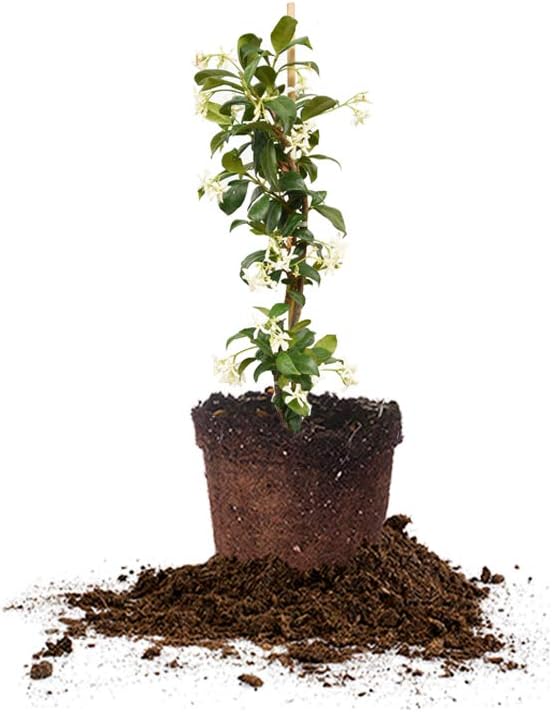
Perfect Plants Confederate Jasmine Live Plant, 1 Gallon
| Indoor Outdoor Usage | Outdoor |
|---|---|
| Other Special Features of the Product | Fragrant |
| Expected Blooming Period | Summer, Spring |
| Sunlight Exposure | Full Sun, Partial Shade |
| USDA Hardiness Zone | 4 |
This 1-gallon Confederate jasmine arrives as a young vine that quickly establishes in sunny spots and rewards with heavily scented, pale pinwheel flowers in spring and summer. Growers typically train it on a trellis, fence, hanging basket with support, or along railings; the vine is noted for cascading lime-green foliage and responds well to light shaping with clips or garden wire. Notable features from the listing include suitability for full sun to partial shade, moderate watering needs, and USDA hardiness to zone 4, which means it can persist in a wide range of climates when planted in appropriate sites. As a live plant it is straightforward to plant in loam-based soils and is described as easy to grow and maintain. Limitations to consider are that this is a young, single-plant offering so it will take time to reach its mature height and spread, and it requires support and periodic pruning to control vigor if used in baskets or confined containers. Also it does not ship to certain states according to the product notes.
Best for: Buyers who want an easy-care, fragrant climbing vine to add scent and cascading foliage to sunny baskets or supported containers and who value proven plant performance backed by customer feedback.
Less Ideal for: Gardeners seeking an instant full basket display or a no-maintenance groundcover should look elsewhere, as this vine needs time, training, and occasional pruning to fill space.
- Fragrant spring and summer blooms that add strong scent to outdoor spaces
- Tolerates full sun to partial shade making placement flexible
- Described as easy to grow which suits novice gardeners
- Hardy to USDA zone 4 so adaptable across many climates
- Sold as a single 1-gallon plant so it needs time and space to reach full coverage
- Requires a trellis or support and pruning to train and control growth
Verdict: A fragrant, easy-to-grow jasmine vine ideal for gardeners who want a proven, sun-tolerant climber to add scent and cascading foliage to hanging baskets and supported containers.
HOME GROWN Moonflower Seeds (120) Ipomoea alba — Heirloom, Non-GMO

| Sunlight Exposure | Full Sun |
|---|---|
| Expected Blooming Period | Mid-Summer to Frost |
| USDA Hardiness Zone | 3–11 (Annual) / 10–12 (Perennial) |
| Material Features | GMO Free, Heirloom |
| Number of Pieces | 120 |
These HOME GROWN moonflower seeds are a straightforward choice for adding a fast-growing, fragrant climber to a sunny trellis, arbor, fence, or pergola. Each two-pack contains 120 heirloom, non-GMO seeds and the variety reliably produces large white trumpet blooms that open at dusk from midsummer to frost. Practical features include heat tolerance, clear germination instructions (scarify and soak the hard seed coat) and guidance to avoid high nitrogen so plants put energy into flowers rather than foliage. Expect vigorous vines reaching up to about 10 to 15 feet in a season, so provide sturdy vertical support at planting. Germination typically takes 7 to 14 days at warm soil temperatures and moisture should be steady during that phase. Limitations to plan for are the night-blooming habit, which means daytime visibility is limited, and the frost sensitivity that confines outdoor planting to after last frost unless you are in a frost-free zone. For cautious gardeners this packet offers many seeds and clear care steps that reduce risk and increase the chance of a full trellis of fragrant white blooms.
Best for: Gardeners who want a reliable, easy-to-start full-sun climber for evening fragrance and fast trellis coverage and who prefer clear, low-risk planting instructions and plenty of seeds to ensure success.
Less Ideal for: Growers seeking daytime-flowering ornamentals or those who need a frost-hardy perennial vine for cold climates should look at other options.
- High seed count (120 total) lowers the risk of poor germination affecting results
- Heirloom, non-GMO seeds with clear scarify-and-soak germination instructions
- Fast-growing vine habit reaches 10–15 feet, quickly covering trellises and arbors
- Heat tolerant and blooms from midsummer to frost, providing long evening display
- Opens only at dusk so flowers are less visible during daytime
- Frost sensitive, so planting is limited to after last frost unless grown where frost is absent
Verdict: A risk-conscious choice for a fast, fragrant night-blooming vine that reliably fills trellises in full sun thanks to clear germination steps and a high seed count.
Choosing the Right Full Sun Trellis Plants: Key Factors to Consider
Sun Exposure and Site Evaluation
Not all "full sun" sites are identical. Full sun usually means six or more hours of direct sunlight, but intensity, reflected heat from walls, and afternoon versus morning sun change a plant's stress level. Assess whether the trellis site receives hot, drying afternoon sun or gentler morning light. Plants labeled for full sun will tolerate bright conditions, but extreme reflected heat may still require extra watering or protective planting nearby.
Also check wind exposure. Sunny, windy sites can increase moisture loss and strain young climbers. Positioning a trellis where plants receive a bit of shelter from prevailing winds can improve establishment and reduce breakage during storms. Finally, observe seasonal sun patterns: a trellis that is full sun in summer may be in shorter-daylight positions in spring or fall, which affects flowering windows and growth rate.
Support Structure and Attachment
Match the plant's climbing method to the support you plan to use. Some climbers twine their stems and can wrap around thin canes or wires. Others use tendrils or adhesive rootlets to cling to rough surfaces, while heavy woody climbers may need strong trellis panels or framed arbors. Choosing a support that suits attachment style reduces training time and prevents damage to the plant.
Consider access for maintenance and replacement. Removable ties, spaced horizontal wires, or training frames make pruning and harvesting easier. For heavy, long-lived climbers, specify a load-bearing structure anchored into the ground or wall. Lightweight lattices are fine for annual or small perennial vines but not for vigorous woody species.
Soil Moisture and Drainage
Full sun locations tend to dry out faster, so soil texture and drainage influence watering frequency and plant selection. Plants with good drought resilience perform better in well-drained, lighter soils, while some sun lovers still require richer moisture-retentive soils to bloom reliably. Test the soil for clay, loam, or sand and amend with organic matter where needed to improve water-holding capacity without creating poor drainage.
Plan irrigation according to root depth. Shallow-rooted climbers need more frequent surface watering, whereas deep-rooted varieties can access moisture from lower horizons and tolerate longer dry spells. Mulching at the base of the plant reduces surface evaporation and moderates root temperatures in hot sites.
Growth Rate and Training Needs
Growth rate determines how quickly a trellis will fill and how much training is required. Fast growers provide quick coverage but demand more pruning and stronger supports. Slow to moderate growers require patience but often need less corrective pruning and can be easier to shape for formal uses. Understand whether you prefer rapid screening or a controlled, long-term specimen.
Training needs vary by species. Some climbers naturally follow a support and need only light guidance, while others must be tied as they produce long, hollow or flexible stems. Regular early-season training helps establish a clean framework and reduces future corrective pruning.
Flowering Season and Visual Interest
Decide what you want from a trellis beyond coverage. Many sun-loving climbers offer profuse summer blooms, while others provide spring or fall color or attractive foliage. Choose plants whose flowering season matches your landscape goals, whether continuous summer color or seasonal accents. Combine species with staggered bloom periods to extend visual interest.
Also consider leaf texture and evergreen versus deciduous habit. Evergreen climbers provide year-round screening but may have less dramatic seasonal flowers, while deciduous species can offer striking blooms and seasonal structure but will leave the trellis bare in winter.
Pest, Disease Resistance, and Longevity
Sunny conditions can favor certain pests and diseases as well as stress plants that are not well adapted. Select species known for resistance to common issues in hot, dry conditions when possible. Plants that tolerate heat and intermittent drought tend to avoid root rot and some fungal problems associated with overwatering.
Longevity and woody habit matter for permanent installations. Long-lived woody climbers may require different long-term planning than annual or short-lived perennials. Factor in how often you are willing to replace plants, how much structural maintenance the support will need, and whether the chosen species will become invasive or overly aggressive in your region.
Preparing the Trellis and Planting Hole
Before planting, inspect and reinforce the trellis so it can handle the expected weight and wind. For heavier climbers, anchor posts in concrete or ensure wall-mounted supports are fixed into studs or masonry. Lightweight trellises are fine for young, soft-stemmed vines but upgrade plans if you expect vigorous woody growth.
Dig the planting hole twice as wide as the root ball but no deeper, and mix in generous organic matter to improve early root establishment. Position the crown at the same level it grew in the container. Water well at planting to settle the soil and encourage root contact with the amended backfill.
- Place plants 1 to 3 feet from the base of the trellis depending on root spread and sun reflection
- Install ties or horizontal wires before the plant gets too large to avoid stem damage
- Mulch to 2 to 3 inches but keep mulch away from the main stem to prevent rot
Training Young Climbers
Start training in the first season to set a strong framework. Gently tie new growth to the support using soft garden twine or flexible plant ties to avoid cutting into stems. Guide main leaders onto preferred paths and remove competing shoots that will clutter the structure.
Check ties regularly and loosen or reposition them as stems thicken to prevent girdling. For twining vines, rotate stems around the support to encourage even coverage; for tendril climbers, help tendrils reach adjacent wires or battens.
- Prune lightly during the first two years to encourage lateral branching and fuller coverage
- Use clips for delicate stems and adjustable ties for thicker canes
Watering and Fertilizer for Sunny Sites
Establish a watering schedule that reflects seasonal heat. New plantings need consistent moisture through the first growing season. After establishment, reduce frequency but increase depth to encourage deeper rooting. Drip irrigation or soaker hoses deliver water at the root zone with minimal waste.
Fertilize based on plant type and vigor. Heavy feeders benefit from a balanced slow-release fertilizer in spring. Avoid over-fertilizing flowering climbers late in the season because excess nitrogen can promote foliage over blooms.
- Monitor soil moisture rather than following a rigid calendar
- Apply a slow-release granular fertilizer in spring for perennials; use light feeding for shrubs trained as climbers
Pruning Strategies for Long-Term Health
Pruning maintains shape, encourages flowering, and prevents the trellis from becoming a tangle. Identify whether a species blooms on new wood or old wood before scheduling heavy cuts. For plants that bloom on new growth, hard pruning in late winter can promote vigorous summer flowering. For plants that bloom on last year's wood, limit pruning to thinning and light shaping after flowering.
Remove dead or diseased wood promptly and thin congested areas to improve air circulation. Periodic renewal pruning can rejuvenate older climbers, spreading the workload across seasons rather than one drastic cut.
- Sanitize tools when cutting diseased wood to reduce spread
- Perform structural pruning while plants are dormant for clearer branch selection
Designing with Trellis Plants
Think beyond a single species. Combining climbers with different textures and bloom times can create layered interest and continuous color through the growing season. Use evergreen climbers for winter screening and pair them with seasonal-flowering vines for seasonal pops.
Consider sightlines and maintenance access. Position taller, heavier climbers where they will not block windows or pathways when fully grown. Use containers with proper root space for patios or balconies and select compact or espalier forms for tighter urban sites.
- Mix foliage types for textural contrast
- Plan for maintenance access routes before planting dense combinations
How We Chose the Best Full Sun Trellis Plants
We filtered candidates based on traits that matter for sunny trellis planting. Primary evaluation criteria included heat tolerance and sun-adapted flowering to ensure reliable bloom and growth under prolonged sun exposure. Climbing vigor and attachment method were assessed so gardeners can predict how quickly a plant will cover a trellis and whether it needs training or attachment aids. Drought tolerance and water needs were evaluated because full sun sites often dry out faster than shaded areas. Pruning ease and seasonal maintenance were used to estimate long-term care commitments. Finally, disease and pest resilience in bright, warm conditions helped us favor plants that remain healthy with routine care. We excluded species that require shade, consistently wet soils, or specialized greenhouse conditions. We also left out plants that are primarily groundcover or require complex annual replanting. The resulting shortlist focuses on sun-adapted climbers that are practical for typical garden trellises, pergolas, arbors, and fences, suitable for a range of climates where full sun is the dominant exposure.
FAQ
How often should I water new trellis plants in full sun?
New trellis plants typically need regular watering until established, often every few days in hot weather. Water deeply at the root zone and adjust frequency based on soil type, weather, and plant vigor; aim for steady moisture without waterlogging.
Can I train a heavy woody climber on a lightweight trellis?
Lightweight trellises are not suitable for heavy woody climbers long term. Use a sturdy, well-anchored support for vigorous or woody species to prevent collapse and to protect the plant and structure during storms.
When is the best time to prune trellis plants that bloom in summer?
For climbers that bloom on new wood, late winter or early spring pruning encourages strong summer flowering. If a plant blooms on old wood, do light shaping after flowering to avoid cutting off next season's blooms.
How do I prevent a trellis plant from becoming invasive?
Choose species appropriate for your region and monitor spread. Regular pruning, removing suckers, and cutting back seed heads before dispersal reduce self-seeding. Avoid species known to naturalize aggressively in your local area.
Will full sun mean more pests or diseases for trellis plants?
Full sun can reduce some fungal issues linked to moisture but may stress plants in heat, making them susceptible to pests. Proper watering, good airflow through pruning, and selecting heat-adapted species help minimize problems.
Final Verdict
Selecting full sun trellis plants means balancing vigor, bloom season, and maintenance. Prioritize species that match your support structure and site conditions, especially heat tolerance and drought resilience for exposed locations. Consider how quickly you want coverage and how much pruning you will commit to. A practical approach is to choose a climber suited to your desired visual outcome, provide an appropriate support, and plan a watering and pruning routine that fits your schedule. That way you achieve dependable sun-loving vertical structure without surprises.
