

Note: This article contains affiliate links. If you click on these links and make a purchase, I may earn a small commission at no extra cost to you. This helps support my research and content. Read my full affiliate disclosure here.
Growing potatoes in grow bags changes how soil behaves compared with in-ground beds. You need a mix that stays loose enough for tuber expansion, drains well to avoid rot, and holds nutrients and moisture evenly through the season. This guide covers seven shortlisted soils and mixes chosen for container tuber culture, explaining how each addresses drainage, nutrition, and ease of use. We evaluated mixes for texture, water-holding balance, and nutrient stability so you can pick a soil that matches your climate and watering routine. Read on to understand the tradeoffs and which soil attributes matter most for reliable potato harvests in grow bags.
Top Picks at a Glance
| Best Quality Built to a higher standard if you want something more solid | Roots Organics Formula 707 Potting Mix, 3 cu ft (30 gal grow bag) |  |
| Best Budget The cheapest option that still gets the job done reliably | Burpee Premium Organic Potting Mix with Coco Coir (9 Quart) |  |
| Highest Rated A top-rated pick with lots of positive feedback | Premier Horticulture Pro-Mix HP Mycorrhizae High Porosity Growing Medium |  |
| Most Popular A crowd favorite that many people choose with confidence | Miracle-Gro Organic Outdoor Potting Mix, 16 qt. |  |
| Best Seller A high-volume bestseller chosen again and again | Back to the Roots Organic Expanding Coco Coir Potting Soil Brick (10 lb) |  |
Roots Organics Formula 707 Potting Mix, 3 cu ft (30 gal grow bag)
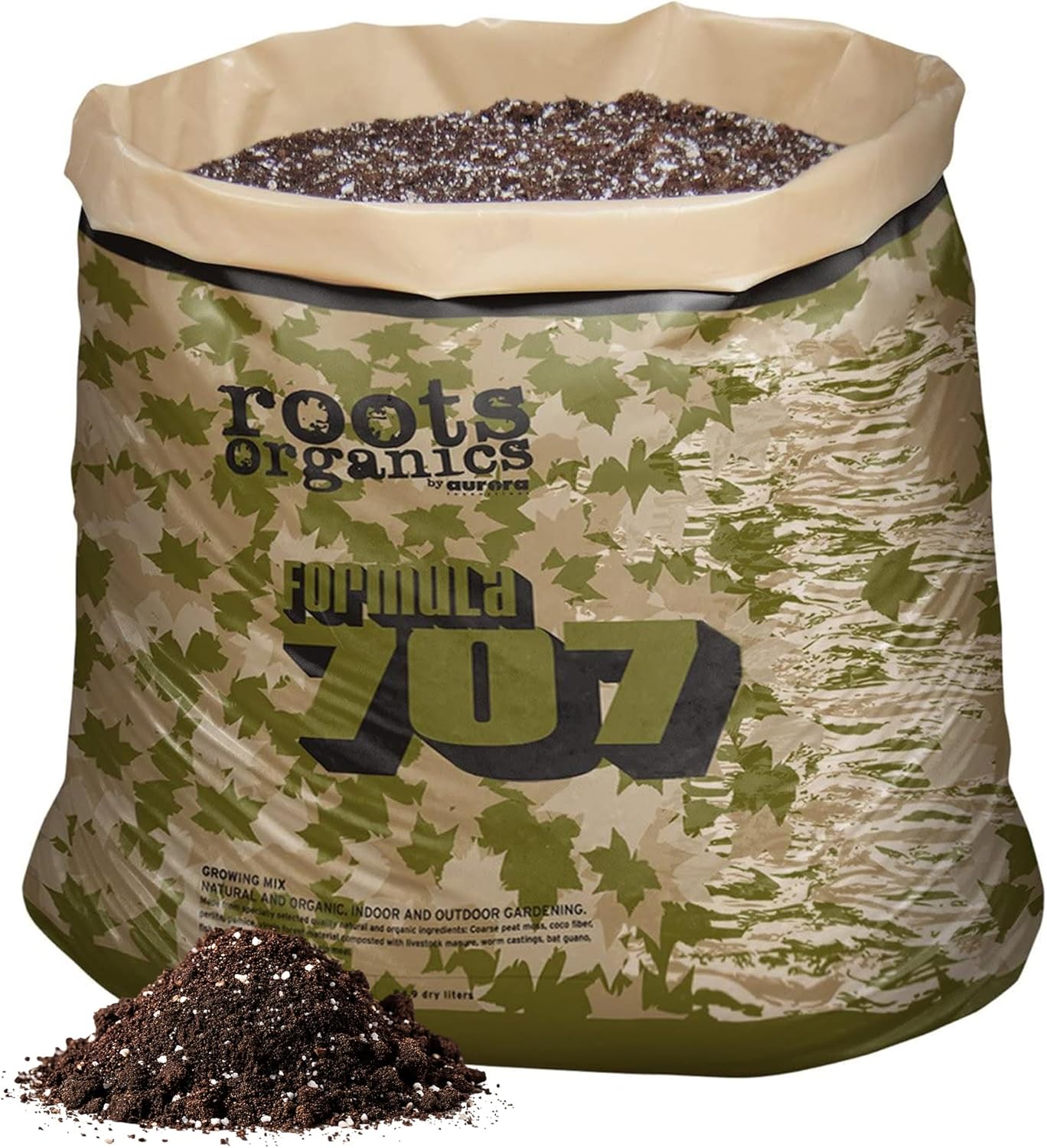
| Volume | 30 gallons |
|---|---|
| Item Type Name | Organics Formula for Soil |
| Item Highlight | Peat, Compost & Coco Blend, Water Retention Potting Soil in 30 Gallon Grow Bag |
| Style Name | Peat Moss,Potting |
Roots Organics Formula 707 is a heavy-duty potting mix aimed at container gardeners who want strong, reliable performance. It is blended from coarse peat, coco fiber, compost, worm castings and a range of organic amendments such as bat guano, fish bone meal and kelp, which supply a spectrum of nutrients and feed soil biology. The mix is packaged in a 30-gallon grow bag that holds roughly 3 cubic feet, letting you pot large vegetables or fill multiple containers without immediate amendment. Formula 707 is designed with higher water-holding capacity and reduced perlite and pumice, so it stays moist longer and reduces the frequency of watering for thirsty summer crops. Expect good structure for root development and a biologically active medium that supports vigorous growth, but be mindful of its rich nutrient load early on for seedlings—lighter starts may prefer a weaker mix or dilution. Also follow safety guidance when handling to avoid dust inhalation and skin or eye irritation.
Best for: Gardeners growing vegetables in large containers who prioritize vigorous growth, consistent moisture, and a biologically active soil for higher yields.
Less Ideal for: Seed-starting specialists, microgreen growers, or anyone needing a very fast-draining, low-nutrient medium for delicate transplants.
- Formulated with diverse organic amendments that feed plants and soil biology
- Higher water retention reduces watering frequency for large container vegetables
- Large 30-gallon grow bag provides enough volume for big pots or multiple plants
- Coarse peat and coco fiber create a balance of aeration and moisture for strong roots
- Nutrient-rich profile may be too strong for very young seedlings without dilution
- Reduced perlite/pumice means less rapid drainage in hot, heavy-watering conditions
Verdict: Choose Formula 707 when you need a nutrient-dense, moisture-retentive mix that reliably supports large container vegetable production.
Burpee Premium Organic Potting Mix with Coco Coir (9 Quart)

| Item Form | Powder |
|---|---|
| Specific Uses For Product | Plant Growth, Root Development, Seed Development, Soil Conditioning |
| Coverage | 9 Qt Container |
| Liquid Volume | 9 quarts |
Burpee Premium Organic Potting Mix is a ready-to-use container soil designed for indoor and outdoor pots, seed starting, and raised bed containers. The mix combines coco coir for improved aeration and moisture retention with a nutrient blend that feeds plants for up to three months, making it useful for establishing seedlings or repotting established vegetables, herbs, and ornamentals. It is OMRI listed, which suits organic growers, and the bag is sold in a convenient 9-quart size that fits most small to medium containers. Practical benefits include reduced watering frequency thanks to the coir component and a balanced medium that promotes root development and germination. Limitations are the small bag size for larger projects and that it supplies nutrients for only a limited period, so longer-term containers will need supplemental fertilizer. The mix is powdery and light, so it is easy to handle but may compress over time in deep pots and benefit from occasional loosening.
Best for: Gardeners who want a compact, ready-made organic potting mix that reduces maintenance and supports reliable seed starting and container growth.
Less Ideal for: Those establishing large beds or filling many large containers at once should choose bulk soil or larger bags instead.
- OMRI listed organic blend suitable for organic container gardening
- Coco coir improves moisture retention while maintaining good aeration
- Includes slow-release nutrients that feed plants for up to three months
- Light, easy-to-handle texture ideal for seed starting and repotting
- 9-quart bag is small for larger containers or multiple pots
- Nutrient supply is temporary so additional fertilizer is required for long-season crops
Verdict: A compact OMRI-listed potting mix with coco coir that simplifies seed starting and short-term container growing by improving moisture balance and early root development.
Premier Horticulture Pro-Mix HP Mycorrhizae High Porosity Growing Medium

| Item Form | Loose Fill |
|---|---|
| Specific Uses For Product | Plant Growth, Root Development |
| Coverage | Medium |
| Target Species | crops, plants |
| Mixing Ratio | 75:25 |
This Pro-Mix HP with mycorrhizae is a loose, high-porosity peat-based medium designed for seed starting, rooting cuttings, and water-sensitive or low-light crops. You use it like a standard potting mix: fill trays or containers, water thoroughly, and plant seeds or transplants. Notable features include added Glomus intraradices mycorrhizal inoculum to support early root establishment and a formulation that emphasizes air capacity and extra drainage, which helps prevent damping off in overwatered starts. The mix is practical for small-scale greenhouse or indoor seed starting where reliable drainage and oxygenation at the root zone matter. Limitations are that it is peat-based, so it will dry out faster than heavier mixes and requires regular monitoring of moisture and feeding since it is not a complete long-term potting soil. Also the package size is large, so it is best for gardeners who will use it across many flats rather than a single small project.
Best for: Growers who prioritize reliable, fast-rooting starts and need a consistent, well-draining medium for seed trays, cuttings, or low-light seedlings.
Less Ideal for: Casual gardeners who want a low-maintenance all-in-one potting soil for long-term container plants or those who prefer peat-free blends.
- Contains mycorrhizal inoculum to support early root growth
- High porosity provides excellent air capacity and extra drainage
- Formulated for water-sensitive crops and rooting cuttings
- Peat-based mix dries faster and needs more frequent watering
- Not a complete long-term potting soil so requires supplemental fertilization
Verdict: Choose this high-porosity, mycorrhizae-enhanced mix when you need a dependable, well-draining medium that promotes fast, healthy root development for seed starting and cuttings.
Miracle-Gro Organic Outdoor Potting Mix, 16 qt.

| Volume | 16 qt. |
|---|---|
| Item Highlight | Plant Soil For Outdoor Container Plants, Contains Quick-Release Natural Fertilizer, OMRI Listed |
| Manufacturer | Scotts Miracle Gro |
This 16 qt. Miracle-Gro Organic Outdoor Potting Mix is designed specifically for outdoor container plants and is useful for planting strawberries in pots. The mix contains responsibly sourced peat and upcycled green waste and includes a quick-release natural fertilizer that feeds for up to two months, which helps young strawberry plants establish and start producing. It is OMRI listed so it fits an organic container-gardening approach. Typical use is to partially fill a 12-inch pot, set the plant with a loosened root ball, add more mix, and water thoroughly; a single bag is sized to fill about one 12-inch container. Practical benefits include moisture retention suitable for exposed pots and a built-in starter nutrient charge so you may not need immediate additional feeding. Important limitations are that nutrients last about two months so plan a feeding schedule for fruiting plants and that peat-based mixes can compact over time, so repotting or refreshing the soil biannually is recommended for continued vigor.
Best for: Gardeners who want an organic-ready potting mix for outdoor container strawberries and prefer a product that gives an initial nutrient boost while simplifying first-season care.
Less Ideal for: Growers who need a long-term, self-sustaining soil blend for mature strawberry beds or those who avoid peat entirely should consider alternatives.
- OMRI listed and made with responsibly sourced peat suitable for organic container gardening
- Includes quick-release natural fertilizer that feeds plants for up to two months
- Formulated to retain moisture for outdoor containers exposed to sun and wind
- Contains upcycled green waste and is locally crafted to reduce transport distance
- Fertilizer effect is limited to about two months so additional feeding is needed for ongoing fruiting
- Peat-based mix can compact over time and requires bi-annual repotting to refresh structure
Verdict: A convenient OMRI-listed container potting mix that gives outdoor strawberry starters an organic nutrient boost and good moisture retention for the first months.
Back to the Roots Organic Expanding Coco Coir Potting Soil Brick (10 lb)

| Item Highlight | 10 lb compressed coco coir brick; peat-free; OMRI Listed |
|---|---|
| Item Type Name | Coconut Coir |
| Volume | 2 cubic feet |
| Ingredients | Coconut Coir |
| Style Name | Expanding Potting Soil |
This compressed coco coir brick provides a lightweight, peat-free potting medium that expands when you add water to create loose, airy substrate for containers and seed flats. It is typically used by hydrating the 10 lb block to about 2 cubic feet of coir and then using it alone for potted plants, mixing it into garden soil to improve drainage and aeration, or blending with compost for starting seeds. Notable features include OMRI listing for organic use, a balanced pH suited to a wide range of plants, and compact storage before expansion which saves space. Practical benefits are improved root aeration and water retention compared with heavy garden loam, easier handling than bulky bags, and versatility across vegetables, herbs, and ornamentals. Important limitations are that coco coir is a soilless substrate and does not supply significant nutrients on its own so you will need to add fertilizer or compost for long-term potted herbs like rosemary, and the product requires time and a water source to expand before use.
Best for: Buyers who prioritize low-risk, easy-to-handle, organic potting media and want a versatile base for container herbs and seed starting without dealing with heavy bags.
Less Ideal for: Gardeners who want a ready-to-plant, nutrient-rich potting mix out of the box or those who prefer soil with built-in slow-release fertilizer.
- Peat-free OMRI listed organic coco coir suitable for organic growing
- Expands from a compact brick to about 2 cubic feet for easy storage and transport
- pH balanced and airy texture that improves drainage and root aeration
- Versatile use: can be used alone, for seed starting, or mixed into existing soil
- Provides little inherent fertility so supplemental feeding or compost is needed for nutrient-hungry plants
Verdict: A compact, peat-free coco coir brick that expands into an airy, pH-balanced base ideal for low-risk organic container gardening and seed starting when paired with fertilizer or compost.
Choosing the Right Soil for Potatoes in Grow Bags: Key Factors to Consider
Drainage and Aeration
Potatoes need a balance of water and oxygen at the root zone. In a grow bag, excess water has nowhere to spread out, so a soil that drains quickly and leaves air-filled pore space prevents tuber rot. Look for mixes with coarse components such as horticultural grit, coarse sand, or aged bark to maintain channels for air and excess water.
Poor aeration leads to compacted soil around developing tubers, which restricts growth and increases susceptibility to disease. Good drainage also makes irrigation more forgiving; you can water more heavily less often without suffocating roots.
Texture and Particle Size
A friable, crumbly texture gives tubers room to expand without forcing them to grow around hard clods. Medium-coarse particles create a stable structure that resists compaction under repeated watering cycles while still allowing roots to anchor.
Very fine, dense soils can cake when wet and form hard crusts as they dry, which interferes with hilling and harvesting in grow bags. Conversely, soils that are overly coarse will drain too fast and not hold enough moisture for sustained growth, especially in warm weather.
Nutrient Holding and Release
Potatoes have moderate to high nutrient demands, particularly for nitrogen early and potassium through tuber bulking. In a contained volume like a grow bag, the soil must hold available nutrients and release them gradually or work well with periodic topdressings.
Soils with some clay or quality organic matter will retain nutrients better than pure sterile mixes. Slow-release organic components or a balanced pre-mix fertilizer can reduce the need for frequent feeding while lowering the risk of salt buildup that can harm tubers.
Moisture Retention Versus Waterlogging Risk
Grow bags can dry out faster than garden soil because of exposure and limited volume, so a soil that holds moisture helps avoid daily watering. At the same time, the mix cannot retain so much water that it causes standing wetness around tubers.
A well-designed potato soil contains elements that store water, like finely composted organic matter or coconut coir, but in proportions that keep pore spaces open. That balance reduces watering frequency while protecting tubers from rot during wet weather or overwatering events.
pH and Chemical Balance
Potatoes develop best in slightly acidic soils, typically around pH 5.5 to 6.5. The soil you choose should either be within that range or be easily adjustable with simple amendments like elemental sulfur or lime if needed.
Excess alkalinity can increase scab problems and interfere with nutrient uptake, while extreme acidity may slow microbial activity. A stable, near-target pH helps ensure predictable nutrient availability and healthy tuber skins.
Ease of Use and Amendability
Many gardeners prefer a ready-to-use mix that requires only planting and occasional feeding. Others like a base blend they can amend with compost, fertilizer, or grit to suit their watering and fertilization style.
Consider whether you want a pre-balanced soil or a basic loam that you can tailor. Ease of handling, dust levels, and how the mix responds to hilling and harvesting are practical factors that influence the user experience throughout the season.
Preparing Grow Bags Before Planting
Before filling grow bags, inspect drainage holes and position bags where they will receive consistent sunlight and shelter from persistent winds. Place a coarse layer of material or a small piece of landscape fabric at the bottom only if your grow bags have very small drainage apertures; otherwise, leave the base open so excess water can escape freely.
When filling, avoid compressing the soil. Add the mix loosely and allow it to settle after a light watering. This preserves aeration and makes it easier to hill soil up around plants as they grow.
- Use a hand rake or fork to loosen the soil surface.
- Fill bags to the recommended height but leave room for mounding soil later.
- Pre-moisten the mix so it is evenly damp but not soggy before planting seed pieces.
Managing Watering Through the Season
Watering frequency in grow bags varies with container size, weather, and the soil mix. Aim for even moisture during tuber initiation and bulking. Allow the upper inch or two of soil to dry slightly between waterings to maintain aeration and avoid continuous saturation.
Use mulch or a thin layer of straw on top of the bag to reduce surface evaporation in hot weather. Check moisture by feeling a handful of soil from near the roots rather than relying solely on surface dryness.
- Deep, infrequent watering encourages deeper root activity.
- Supplement with a balanced fertilizer mid-season if leaves yellow prematurely.
- Avoid overhead watering that keeps foliage wet for long periods.
Feeding and Topdressing Strategies
Because grow bags hold a finite amount of nutrients, plan a feeding schedule based on the soil's initial fertility. Start with a moderate feeding at emergence and follow with periodic topdressings of compost or a balanced organic fertilizer to support tuber bulking.
Liquid feeds can correct deficiencies quickly, but avoid over-fertilizing which can produce lush foliage at the expense of tuber development. Monitor plant vigor and leaf color to guide small incremental feedings.
- Apply potassium-rich feeds during bulking to support tuber size.
- Avoid high nitrogen inputs late in the season to prevent excessive vine growth.
- Work a light layer of compost into the top few inches rather than burying heavy amounts that could compact.
Adjusting Soil Mixes for Different Climates
In hot, dry climates, increase the proportion of moisture-retaining components such as well-aged compost or coir while maintaining some coarse material for drainage. Thicker insulating mulch over the bag can also help moderate temperature swings and reduce water loss.
In cool, wet climates, favor coarser mixes with more grit and less fine organic matter to reduce the risk of waterlogging. Consider elevating grow bags on blocks to improve bottom drainage and reduce cold-soak effects on tubers.
- Add more coarse sand or grit in cool, wet areas.
- Increase organic matter for hotter, drier regions.
- Adjust watering frequency rather than radically changing the mix mid-season.
Harvesting From Grow Bags Without Damaging Tubers
Harvesting from bags is easier than digging in heavy soil, but tubers can be bruised if handled roughly. Tip the bag gently and sift soil with hands to expose tubers rather than using tools that can nick skins.
Work in dry conditions when possible; wet soil increases the chance of skin damage and rot during storage. Cure tubers briefly in a cool, dark place with good air circulation before long-term storage.
- Lift bags by the top edge to pour out contents carefully.
- Brush soil off tubers instead of washing when you plan to store them.
- Sort out damaged tubers and use them first; keep healthy tubers in a cool, dark, dry spot.
How We Chose the Best Soil for Potatoes in Grow Bags
We focused on attributes that directly affect tuber development and the unique constraints of grow bag culture. Key evaluation criteria included particle size and structure for loose, friable texture; drainage and aeration to prevent waterlogging in confined bags; nutrient retention and release so plants get steady feeding between topdressings; organic matter content for long-term structure and microbial support; and ease of use, including pre-mixed readiness and compatibility with fertilization routines. We also considered pH stability because potatoes prefer slightly acidic conditions and some soils require amendment. Products were excluded if their formulation relied on heavy clay or dense silt textures that restrict tuber expansion or if they were primarily decorative potting blends without sufficient bulk or nutrient profile for a full potato season. We prioritized mixes that gardeners can use with minimal modification and that perform reliably across typical backyard watering patterns.
FAQ
Can I use standard potting soil to grow potatoes in grow bags?
Standard potting soil can work but often lacks the coarse structure and sustained nutrient profile potatoes need. You may need to amend it with grit or compost to improve drainage and add slow-release fertility for the season.
How deep should the soil be in a grow bag for potatoes?
Aim for at least 12 to 16 inches of loose, friable mix for early varieties and deeper for larger types. Deeper fills allow more and larger tubers to form without crowding.
Do I need to adjust pH for potatoes in grow bags?
Potatoes prefer slightly acidic conditions. Test the mix if possible and adjust only if the pH is clearly outside the 5.5 to 6.5 range. Small amendments are easier to manage in grow bags than wholesale soil changes.
How often should I fertilize potatoes in grow bags?
Usually a moderate feed at planting and another during tuber initiation is sufficient when using a balanced mix. If leaves show deficiency signs, apply a targeted feed or liquid fertilizer every two to three weeks as needed.
Can I reuse soil from a previous potato crop in grow bags?
Reusing soil is possible but not recommended without treatment. Potatoes can leave behind pests and diseases, so refresh the mix with compost, solarize where feasible, and add new organic material and fertilizer before planting again.
Final Verdict
Choosing the right soil for potatoes in grow bags means balancing drainage, texture, and nutrient retention within a limited container volume. Prioritize mixes that remain loose for tuber expansion, drain well to avoid rot, and hold enough nutrients to support bulking through the season. Adjust the mix slightly for your climate and watering habits, and plan a simple feeding schedule to keep plants vigorous. Focus on the specific tradeoffs described earlier when you pick a soil: better drainage reduces rot risk but may need more frequent watering, while more organic matter holds moisture but can raise rot risk in cool, wet conditions. With the right balance you can grow healthy, well-sized tubers in a compact grow bag system.
