

Note: This article contains affiliate links. If you click on these links and make a purchase, I may earn a small commission at no extra cost to you. This helps support my research and content. Read my full affiliate disclosure here.
Choosing the right fertilizer for bulbs matters because these plants build and store energy in their bulbs before and after flowering. The correct formulation helps bulbs produce larger, longer-lasting blooms and build reserves for the next season, while the wrong fertilizer can encourage weak foliage or burn tender roots. This guide looks at seven carefully shortlisted fertilizers for bulbs, explaining how each addresses nutrient needs, timing, and ease of use. We'll evaluate products by nutrient balance, application method, and impact on bulb development so you can pick the option that fits your planting schedule and maintenance style.
Top Picks at a Glance
| Best Overall The best all-around choice for most situations | Espoma Bulb-Tone Organic Fertilizer 3-5-3, 4 lb |  |
| Best Quality Built to a higher standard if you want something more solid | Espoma Organic Bulb-Tone 3-5-3 Fertilizer for Spring and Fall Bulbs, 18 lb (Pack of 2) |  |
| Best Value The sweet spot between price and what you get | Espoma Bulb-Tone Organic Fertilizer (4 lb) |  |
| Best Budget The cheapest option that still gets the job done reliably | Down To Earth Organic Rose & Flower Mix Fertilizer 4-8-4, 1 lb |  |
| Highest Rated A top-rated pick with lots of positive feedback | Espoma Bulb-Tone Organic Fertilizer (3-5-3), 4 lb. bag (Pack of 2) |  |
| Most Popular A crowd favorite that many people choose with confidence | Burpee Bone Meal Fertilizer, 3 lb |  |
| Best Seller A high-volume bestseller chosen again and again | Jobe's Organics Granular Bulb Fertilizer, 4 lb | 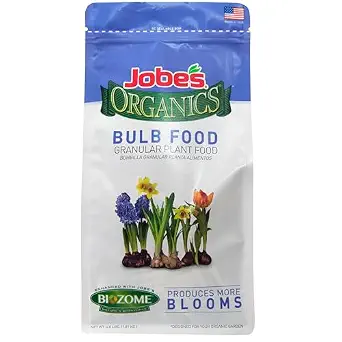 |
Espoma Bulb-Tone Organic Fertilizer 3-5-3, 4 lb

| Item Form | Granules |
|---|---|
| Specific Uses For Product | Gardening,Organic,Plant Food |
| Coverage | Medium |
| Target Species | bulbs |
| Mixing Ratio | 3:5:3 |
Espoma Bulb-Tone is an organic granular fertilizer designed primarily for planting and feeding spring and fall bulbs, but it can be applied to other allium crops like onions when a balanced, natural boost is desired. It is ready to use out of the bag and recommended for placing in the planting hole for new bulbs or sprinkling on the soil surface for established plants then watering in. Notable features include its 3-5-3 NPK ratio, inclusion of calcium, and Espoma's Bio-tone formula made from organic ingredients approved for organic gardening. In practice this product provides steady nutrient release and helps support root development and flowering; for onions that translates to healthier sets and improved bulb formation when applied at planting and during early growth. Limitations are that it is formulated for bulbs rather than specifically for vegetable onions, so growers seeking higher nitrogen for heavier foliage or a slow-release formulation tailored to vegetable production may want a fertilizer made for vegetables. For gardeners who prioritize natural inputs and predictable, gentle feeding, Bulb-Tone is a dependable choice.
Best for: Gardeners who prefer organic, reliable products and want a gentle, easy-to-apply fertilizer to support bulb and bulb-like crops during planting and early growth.
Less Ideal for: Growers who need a vegetable-specific fertilizer with higher nitrogen or a targeted slow-release program for commercial onion production.
- Organic formula approved for organic gardening
- Ready-to-use granular form that can be placed at planting or sprinkled on soil
- Balanced 3-5-3 NPK with added calcium to support root and bulb development
- Produces steady, gentle nutrient release suitable for sensitive bulb roots
- Formulated for ornamental bulbs rather than specifically for vegetable onions
- Not a high-nitrogen feed if you want vigorous foliage growth
Verdict: Choose Bulb-Tone when you want an organic, ready-to-use granular fertilizer that reliably supports bulb and bulb-like crops with balanced nutrients.
Espoma Organic Bulb-Tone 3-5-3 Fertilizer for Spring and Fall Bulbs, 18 lb (Pack of 2)

| Item Form | Granules |
|---|---|
| Application Method | Sprinkle on soil surface or incorporate into soil |
| Target Species | bulbs (tulips, daffodils, crocus, hyacinths, gladioli, lilies) |
| Mixing Ratio | 3:5:3 |
Espoma Bulb-Tone is a ready-to-use organic granular fertilizer formulated with a 3-5-3 NPK and a Bio-tone microbial blend to support bulb development and flowering. You use it when planting new bulbs by placing it in the planting hole or as a surface feed for established bulbs after bloom, and it is labeled for common bulb species such as tulips, daffodils, crocus, hyacinths, gladioli, and lilies. Its organic ingredients and added calcium help improve nutrient availability and root development without requiring mixing, which makes it convenient for routine spring and fall applications. The granular form spreads easily and can be incorporated into soil or left on the surface then watered in. Limitations to note are that results depend on proper timing and soil conditions and that granular organics release nutrients more slowly than soluble synthetic feeds, so it is better for steady seasonal feeding rather than fast corrective treatments.
Best for: Gardeners who prioritize reliable, organic feeding to maximize bulb bloom performance across planting and post-bloom feeding cycles and who plan seasonal maintenance rather than quick fixes.
Less Ideal for: People who need immediate, fast-acting nutrient corrections or who prefer liquid feeds for foliar or quick root uptake.
- Formulated specifically for bulbs with a 3-5-3 NPK ratio to encourage blooms
- Ready-to-use granules that can be placed in planting holes or sprinkled on soil surface
- Contains Bio-tone microbial blend and 6% calcium to support root health and nutrient uptake
- Approved for organic gardening and made from natural ingredients
- Slower nutrient release than soluble synthetic fertilizers, so not ideal for rapid correction
- Large bag size may be bulky for gardeners with very small beds or limited storage
Verdict: Choose this organic bulb fertilizer when you want a purpose-built, steady-release feed that supports stronger roots and bigger seasonal blooms for spring and fall bulbs.
Espoma Bulb-Tone Organic Fertilizer (4 lb)

| Item Form | Granules |
|---|---|
| Application Method | Sprinkle on soil surface |
| Target Species | bulbs |
| Mixing Ratio | No Mixing Required |
Espoma Bulb-Tone is a ready-to-use granular organic fertilizer designed for planting and feeding bulbous flowers such as tulips, daffodils, and other spring and fall bulbs. You apply it directly in the planting hole for new bulbs or sprinkle on the soil surface around established bulbs and then water it in. The 3-5-3 NPK blend with added calcium and Espoma’s Bio-tone formula supplies balanced nutrients that favor strong root development and vibrant blooms without synthetic inputs. Because it is an organic registered input and contains only organic ingredients, it suits gardeners who prefer natural feeds and want steady, soil-building nutrition rather than quick-release chemical boosts. Limitations are that it is a medium-coverage granular product so it works more slowly than soluble fertilizers and requires correct timing at planting or post-bloom to be most effective. For someone seeking predictable, low-risk bloom support for bulbs, Bulb-Tone is an easy, low-fuss choice.
Best for: Gardeners who prioritize low-risk, organic feeding for bulbous flowers and want an easy-to-apply fertilizer that supports reliable bloom development.
Less Ideal for: Growers who need rapid, soluble nutrient delivery for quick corrections or who prefer concentrated liquid feeds for foliar feeding.
- Organic, registered input suitable for organic gardening
- Ready-to-use granules require no mixing and are simple to apply
- Balanced 3-5-3 formula with added calcium to support blooms and root health
- Can be used at planting or as a surface feed for established bulbs
- Granular, medium-coverage formula releases nutrients more slowly than soluble fertilizers
Verdict: A simple, certified organic granular fertilizer that reliably supports healthy bulbs and better blooms with minimal fuss.
Down To Earth Organic Rose & Flower Mix Fertilizer 4-8-4, 1 lb

| NPK | 4-8-4 |
|---|---|
| Item Form | Granules |
| Specific Uses For Product | Plant Growth |
| Coverage | Medium |
| Mixing Ratio | 2 tbsp per gallon of soil |
This 1 lb box of Down To Earth Organic Rose & Flower Mix is a granular, OMRI-listed fertilizer designed specifically to encourage flowering and healthier root systems in roses and other ornamentals. Gardeners typically work it into the soil around established plants or use the brand mixing guidance for containers and small beds to provide periodic feeding. The relatively high middle number (phosphorus) helps stimulate prolific blooms while the balanced nitrogen and potassium support foliage and overall plant vigor. Because it is derived from natural plant, animal, and mineral resources it also contributes organic matter that supports soil microorganisms over time. The mini box size is convenient for trialing on a few plants or for container and patio gardens, but it means frequent reorders or multiple boxes are needed for larger beds. Users should follow the recommended mixing ratio and avoid overapplication since organic granules release nutrients more slowly than synthetic feeds and are best used as part of a regular feeding schedule.
Best for: Practical gardeners who prioritize organic inputs and want a bloom-focused feed for a few roses, containers, or small flower beds and who prefer predictable, soil-building nutrition over quick synthetic fixes.
Less Ideal for: Gardeners managing large rose borders or commercial plantings who need fast-acting, high-volume feeding or a single large-bag supply.
- Phosphorus-forward 4-8-4 formula supports larger and more frequent blooms
- OMRI-listed organic formulation suitable for organic rose care
- Granular form adds organic matter that benefits soil microbial activity
- Compact 1 lb size is convenient for containers, patio gardens, and small beds
- Small package size requires multiple purchases for larger rose gardens
- Slower nutrient release compared with synthetic fertilizers, so results take longer to appear
Verdict: A compact, OMRI-listed granular fertilizer that favors bloom production and soil health, making it a sensible organic choice for home rose growers with small gardens or containers.
Espoma Bulb-Tone Organic Fertilizer (3-5-3), 4 lb. bag (Pack of 2)

| Item Form | Powder |
|---|---|
| Specific Uses For Product | Plant Food |
| Coverage | 60 Sq. Ft. |
| Target Species | Fall and spring flowering bulbs |
| Mixing Ratio | 3-5-3 |
Espoma Bulb-Tone is an organic bulb fertilizer designed to feed spring and fall bulbs and encourage strong blooms. It is applied at planting by placing granules in the planting hole for new bulbs or sprinkled on the soil surface and watered in for established bulbs. The 3-5-3 formula emphasizes phosphorus for bloom development while added calcium and Espoma’s Bio-tone support root establishment and soil biology. Because it is ready to use and approved for organic gardening, it is convenient for gardeners who prefer natural inputs and do not want to mix solutions. Coverage is listed at about 60 sq ft per 4 lb bag, so larger beds will require multiple bags. It is focused on bulb flowering rather than general-purpose feeding, so gardeners needing balanced, continuous feed for foliage or non-bulb ornamentals may need a supplemental product. Overall this is a straightforward, reliable option when you want an organic, bloom-focused fertilizer for bulbs like ranunculus, tulips and daffodils.
Best for: Gardeners who prioritize consistent, organic bloom feeding for bulbs and want a low-effort product they can rely on each planting season.
Less Ideal for: People seeking a general-purpose fertilizer for foliage-heavy or non-bulb plants should consider a different balanced or slow-release formula.
- Organic formula approved for organic gardening and safe for use in ornamental beds
- Ready-to-use granular form requires no mixing and is easy to apply at planting or post-bloom
- Higher phosphorus ratio (3-5-3) and added calcium support bloom development and root health
- Coverage per bag is modest so multiple bags are needed for large beds
Verdict: Choose this for an easy, certified-organic bloom booster that reliably supports bulbs like ranunculus at planting and post-bloom.
Burpee Bone Meal Fertilizer, 3 lb

| Item Form | Powder |
|---|---|
| Specific Uses For Product | Plant Growth, Root Development |
| Coverage | 240 Sqaure Feet |
| Target Species | tomatoes, peppers, and bulbs |
Burpee Bone Meal is a slow-release granular fertilizer designed to boost early root development and flowering in root and bulb crops. Gardeners typically work it into planting holes for bulbs or mix it into soil and potting media when starting seeds or transplanting vegetables like carrots, beets, and onions. The product is OMRI listed for organic gardening and provides phosphorus and calcium that support stronger root systems and better early-season growth. Its fine granular texture makes it easy to apply evenly, and because it breaks down slowly it feeds plants over the season without burning them. Practical benefits include targeted support for root vegetables and an easy application method for beds and containers. Limitations are that it supplies mainly phosphorus and calcium rather than a balanced NPK profile, so it is best used alongside a nitrogen source if foliage development is needed, and results are gradual rather than immediate because of the slow-release nature.
Best for: Gardeners focused on improving root development and bulb planting who prefer organic inputs and want a simple amendment to add at planting or during bed preparation.
Less Ideal for: Growers seeking an all-in-one balanced fertilizer for both foliage and root development or those who need fast-acting, soluble nutrients for immediate correction.
- OMRI listed for organic gardening, suitable for certified organic beds
- Fine granular form that is easy to spread and incorporate
- Provides phosphorus and calcium to encourage strong root and bulb development
- Slow-release action reduces risk of burning plants and supplies season-long support
- Not a complete fertilizer profile so additional nitrogen may be needed for leafy growth
Verdict: A reliable organic bone meal to strengthen roots and jump-start bulbs and root vegetables when added at planting.
Jobe's Organics Granular Bulb Fertilizer, 4 lb

| Item Form | Granules |
|---|---|
| Specific Uses For Product | Plant Growth, Root Development, Seed Development, Soil Conditioning |
| Target Species | bulbs, flowers |
| Mixing Ratio | 3-5-4 |
Jobe's Organics Granular Bulb Fertilizer is an OMRI-listed, pet- and kid-friendly granular formula designed to feed tulips and other spring bulbs through bloom. It uses a 3-5-4 NPK ratio aimed at supporting flowering and root development and is applied every 3 to 5 weeks during the growing season. In practice the granules are easy to measure and sprinkle into bulb beds or mixed into the planting hole, and because it is organic it reduces the risk of burning delicate bulbs when used as directed. The product is versatile for both new plantings and established beds and is intended to minimize runoff and mess compared with liquids. Limitations to know are that granular organics release nutrients more slowly than soluble feeds, so you should expect gradual results rather than an immediate boost, and regular reapplication is required during bloom. For growers seeking steady, low-risk feeding tailored to bulb flowering, this delivers practical, reliable nutrition.
Best for: Gardeners who prioritize steady, low-risk feeding for tulips and other bulb flowers and want an organic product that protects delicate bulbs while supporting bloom production.
Less Ideal for: Growers who need an immediate, dramatic bloom response or who prefer quick-release, water-soluble feeds for rapid correction of nutrient deficiencies.
- OMRI listed organic formula suitable for certified organic production
- 3-5-4 NPK ratio formulated to promote blooms and root development
- Granular form is easy to measure and apply to beds or planting holes
- Labeled safe for use around children and pets when used as directed
- Slower nutrient release than water-soluble fertilizers, so effects are gradual
- Requires repeated applications every 3–5 weeks during the season for best results
Verdict: Choose this product if you want a reliable organic granular fertilizer that steadily promotes bulbs' blooms and root health without risking burn.
Choosing the Right Fertilizer for Bulbs: Key Factors to Consider
Nutrient Ratio and Timing
Bulbs respond differently to nitrogen, phosphorus, and potassium at various stages. Higher phosphorus relative to nitrogen often helps with bloom formation and root expansion, while excessive nitrogen can produce lush foliage at the expense of bulb reserves. Timing matters: a feeding at planting, a preflowering boost, and a late-season replenishment for storage each serve distinct purposes.
Understanding the product label and matching the N-P-K ratios to your bulbs and season ensures nutrients are available when the plant needs them most. For fall-planted spring-flowering bulbs, feeds that encourage root growth before cold dormancy are useful. For summer and autumn bulbs, a bloom-focused feed during bud formation helps timing and flower size.
Release Type and Frequency
Slow-release granules provide steady nutrition over several weeks to months, reducing the risk of burning bulbs and limiting the need for repeat applications. Water-soluble fertilizers deliver a quick nutrient hit that can be timed to bud set or peak growth, but they require more frequent applications and careful dilution.
Choose a release type that matches how often you visit your garden and how precise you want feeding to be. Slow-release formulas are low-maintenance for mixed borders, while soluble options are better when you want to target a specific growth stage or correct a temporary deficiency.
Application Method Compatibility
Fertilizers come as granules, spikes, water-soluble powders, and liquid concentrates. Granules and slow-release pellets are easy to broadcast or work into soil at planting. Water-soluble powders are ideal for drenches or foliar feeding, and liquids are useful for container-grown bulbs and forced indoor bulbs.
Consider the tools you already own and the planting style. Broadcast granular feeds are efficient for large beds, while measured drenches suit pots and small displays. Also consider how the product spreads near bulbs to avoid contact that can burn tender tissue.
Soil Type and pH Effects
Soil texture and pH affect nutrient availability. Sandy soils drain quickly and may need more frequent feeding or higher longevity formulations, while heavy clay holds nutrients but can lock up phosphorus if pH is off. Some fertilizers include micronutrients that correct common soil deficiencies; others focus strictly on macronutrients.
Testing soil or observing past bulb performance helps you choose a product that addresses local limitations. Adjusting pH or adding organic matter can improve how bulbs take up nutrients and reduce dependency on corrective fertilization.
Bloom Goals Versus Long-Term Bulb Health
If your priority is the biggest possible flowers for a single season, a bloom-boosting formula with higher available phosphorus may be appropriate. If you want bulbs to naturalize and return reliably for years, choose formulations that support carbohydrate storage and root health rather than high nitrogen quick-growth feeds.
Balancing immediate bloom enhancement and long-term bulb vigor usually means alternating targeted bloom feeds with slower, storage-focused applications after flowering to replenish reserves.
Environmental and Handling Considerations
Consider runoff, wildlife exposure, and ease of safe handling. Granular slow-release products typically reduce runoff risk compared with frequent dilute applications. Some liquid concentrates require careful measurement to avoid overfeeding. Also think about safety around pets and children when choosing between pellets, liquids, or spikes.
Look for products with clear label instructions for safe application rates and disposal, and consider integrated approaches with compost or organic amendments to reduce reliance on synthetic inputs.
When to Feed Bulbs During the Season
Timing fertilizer applications around bulbs is a simple way to improve results. For spring-flowering bulbs planted in autumn, give a light feed at planting to encourage root establishment, then apply a bloom-focused dose in early spring as shoots emerge. After petals drop, apply a restorative feed that favors potassium and phosphorus to help rebuild bulb reserves.
- Planting feed: small dose worked into planting hole to aid roots
- Preflower feed: higher phosphorus just as buds form
- Post-bloom feed: low nitrogen formula to encourage storage
Feeding Bulbs in Containers and Forced Pots
Container-grown and forced bulbs have different needs because potting mix drains faster and nutrients wash out with frequent watering. Use a water-soluble fertilizer on a scheduled basis or a slow-release granule formulated for containers. Monitor foliage for overfertilization and reduce strength for forced indoor blooming to avoid excessive leaf growth that weakens the bulb.
- Use half-strength soluble feed for forced indoor bulbs
- Choose container-specific slow-release products when possible
- Avoid heavy top dressings that can sit against bulb necks
Organic Versus Synthetic Options
Organic fertilizers supply nutrients more slowly as they break down and often improve soil structure. They can be gentler around bulbs and support beneficial soil life. Synthetic options give predictable nutrient ratios and faster correction of deficiencies. Many gardeners use a combination-organic matter to build soil and targeted synthetic feeds for bloom timing.
- Organic inputs improve long-term soil health
- Synthetic feeds give predictable, stage-specific nutrition
- Combine approaches for balanced seasonal management
Common Mistakes That Hurt Bulb Performance
Overapplying nitrogen before or during flowering encourages foliage at the expense of flowers and bulb storage. Applying fertilizer too close to the bulb neck can cause tissue damage. Another common error is feeding only once and assuming bulbs are done; many species benefit from at least two well-timed feeds per year.
- Avoid heavy nitrogen in preflower and post-bloom applications
- Keep granular fertilizer away from direct contact with bulb crowns
- Match feed frequency to soil type and species needs
How We Chose the Best Fertilizer for Bulbs
We focused on fertilizers that meet the specific biology and seasonal needs of bulbous plants. Selection criteria prioritized nutrient formulations known to support root and bulb development, including phosphate levels for bloom formation and balanced nitrogen to avoid excessive leaf growth. We also assessed application methods and timing flexibility so gardeners can match a product to bulb planting, preflowering feeds, and post-bloom replenishment routines. Practical performance in garden situations was important: we included options suited to in-ground beds, containers, and forced bulbs in pots. Longevity of feeding, measured release rate or frequency of reapplication, and compatibility with common soil types were part of the evaluation. Ease of use and spreadability were considered to reduce risk of overapplication or root burn. Products that required unusual additives, specialized equipment, or that had limited suitability for common bulb species were excluded. The final list represents formulations and formats that balance bloom promotion, bulb health, and straightforward garden use.
FAQ
Can I use general-purpose fertilizer on bulbs?
Often, yes. A general-purpose fertilizer can work if it has a balanced N-P-K and you time applications correctly. For best bloom results, choose a feed with a somewhat higher middle number (phosphorus) for bloom formation or supplement general fertilizer with a bloom booster at bud set.
How soon after flowering should I feed bulbs?
Apply a restorative feed after petal drop once foliage remains green. This helps bulbs store carbohydrates. Avoid cutting foliage early; wait until leaves fade naturally before removing them.
Are slow-release fertilizers safe for bulbs planted in fall?
Yes. Slow-release formulas are often ideal for fall-planted bulbs because they supply nutrients gradually through root development and early spring growth. Use recommended application rates to avoid salt build-up in the planting zone.
Will liquid fertilizers burn bulbs?
They can if used too concentrated. Follow dilution rates on the label and apply liquid feeds when soil is moist. Using half-strength applications for sensitive or young bulbs reduces risk.
Do bulbs need micronutrients like magnesium or iron?
Bulbs mainly need macronutrients, but micronutrients can correct visible deficiencies like yellowing foliage. Test soil or observe persistent symptoms before adding micronutrient products rather than applying them routinely.
Final Verdict
Choose a fertilizer for bulbs by matching nutrient profile and release type to your goals: bloom size, timing, or long-term naturalizing. Prioritize formulations that support root and bulb storage if you want bulbs to return year after year, and reserve higher phosphorus or soluble feeds for targeted preflower boosts. Consider application convenience and your garden conditions to avoid overfeeding and to keep bulbs healthy. With these tradeoffs in mind, pick a product whose feeding schedule and form fit how you garden and the bulb species you grow; that alignment is the best predictor of reliable blooms and strong bulbs season after season.
