

Note: This article contains affiliate links. If you click on these links and make a purchase, I may earn a small commission at no extra cost to you. This helps support my research and content. Read my full affiliate disclosure here.
Choosing the right mulch for raised bed vegetable garden affects soil moisture, temperature swings, and the health of young roots. In a confined raised bed you are working with shallower soil, faster warm-up in spring, and closer plant spacing, so the wrong mulch can cause problems like poor drainage or nutrient lockup. This guide covers seven shortlisted mulches suited to raised bed vegetable garden use. We focus on how each option behaves in real growing conditions and evaluate durability, impact on soil life, ease of application and seasonal maintenance. Read on to find the mulch style that matches your bed depth, crop choices, and time available for upkeep.
Top Picks at a Glance
| Best Quality Built to a higher standard if you want something more solid | Plantonix Coco Chips Mulch Brick (10 lb) – Compressed Coconut Husk Chips |  |
| Best Value The sweet spot between price and what you get | Out-Grow 100% Natural Wheat Straw, 1 Cubic Foot (4 lb) |  |
| Best Budget The cheapest option that still gets the job done reliably | SuperMoss Coco Mulch Small Bale (200 cu in), Natural |  |
| Highest Rated A top-rated pick with lots of positive feedback | Hazel Shell Mulch 1.5 cu ft — Natural Hazelnut Shell Mulch |  |
| Most Popular A crowd favorite that many people choose with confidence | HealthiStraw GardenStraw Premium Garden Mulch, 3 cu ft |  |
Plantonix Coco Chips Mulch Brick (10 lb) – Compressed Coconut Husk Chips

| Unit Count | 160 Ounce |
|---|---|
| Item Type Name | Soil and Soil Amendments |
| Brand Name | plantonix |
| Volume | 15 gallons |
Plantonix Coco Chips arrive as a compact 10 pound brick that hydrates and expands into lightweight coconut husk chips for use as mulch, soil amendment, or terrarium bedding. You soak or wet the block to break it apart, then spread the chips over garden beds, containers, orchid pots, or raised beds to reduce evaporation and moderate soil temperature. The product is pre-screened, washed, and aged to remove dirt and rocks, and the low electrical conductivity and near-neutral pH make it safe to mix with potting mixes. Practical benefits include improved drainage and aeration compared with heavy wood mulches, long-lasting moisture retention that can reduce watering frequency, and an attractive tropical look. Important limitations are that you must rehydrate and break up the compressed brick before use which adds prep time, and coco chips do not supply nutrients so you will still need to fertilize regularly. Also note the safety warning about dust and keeping it away from children and pets during handling.
Best for: Buyers who prioritize reliable, consistent mulch performance and want a sustainable, low-maintenance material that retains moisture and improves soil structure for beds and containers.
Less Ideal for: Gardeners who need a nutrient-rich soil amendment or who prefer a no-prep, ready-to-spread loose mulch should consider alternatives.
- Made from 100% recycled coconut husks, a renewable alternative to peat and wood mulches
- Pre-screened and washed to remove dirt, rocks, and excess fiber
- Excellent at retaining moisture while maintaining airflow and drainage
- Lightweight and long-lasting so it does not compact like some organic mulches
- Requires soaking and manual breakup of the compressed brick before use
- Does not provide plant nutrients and should be used with a fertilizer plan
Verdict: A dependable, renewable mulch solution that holds moisture and improves aeration without compacting, ideal for gardeners who want consistent performance.
Out-Grow 100% Natural Wheat Straw, 1 Cubic Foot (4 lb)
| Unit Count | 64 Ounce |
|---|---|
| Package Size Name | One Cubic Foot |
| Other Special Features of the Product | organic |
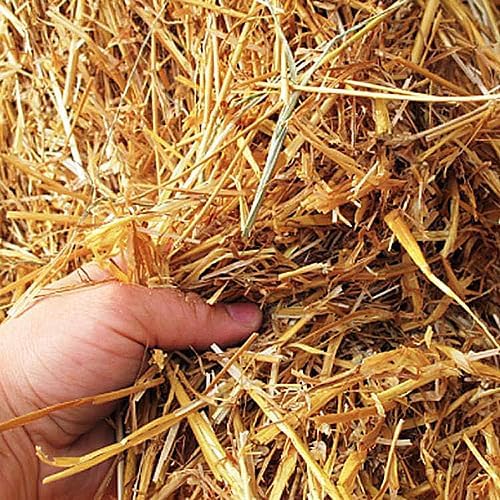
Out-Grow's wheat straw is sold as one cubic foot of cleaned, low-dust straw harvested and packed with minimal weed seeds and no additives. In the garden it is most commonly used as mulch around strawberries and other low-growing fruits to keep fruit off the soil, suppress light weed growth, and provide light insulation through cooler nights. It ships compact in a 12 x 12 x 12 box and is easy to spread by hand or with a rake; because it is straw rather than hay it remains relatively free of seed and breaks down slowly, adding organic matter over the season. Practical benefits include low dust for cleaner handling and suitability for animal bedding or mushroom substrate where cleaner straw is required. Limitations are the small 1 cubic foot quantity and modest weight, which means multiple bags are needed for larger beds and more frequent replenishment as it decomposes over months rather than years.
Best for: Home gardeners who prioritize low-risk, clean materials and want an easy-to-apply mulch for small strawberry patches or seasonal beds.
Less Ideal for: Large-scale growers or gardeners looking to cover extensive beds in a single purchase should choose bulk straw or other higher-volume mulches instead.
- 100% natural with no additives, suitable for organic gardening
- Low dust and low weed-seed content for cleaner handling and reduced volunteer plants
- Versatile for garden mulch, animal bedding, and mushroom cultivation
- Slow decomposition adds organic matter and provides season-long coverage
- Small one-cubic-foot package means you will need several bags to cover even a modest strawberry bed
- Not a long-term soil amendment compared with heavier mulches or compost
Verdict: A clean, low-dust, all-natural straw mulch that is ideal for small strawberry beds and cautious gardeners who want a reliable, easy-to-use protective layer.
SuperMoss Coco Mulch Small Bale (200 cu in), Natural

| Brand Name | SuperMoss |
|---|---|
| Number of Packs | 4 |
| Volume | 200 cubic inches |
| pH | 5.7 – 6.24 |
SuperMoss Coco Mulch is a small bale of coconut-based soil amendment marketed for garden beds and containers. It hydrates quickly and holds more water than many peat-based mixes, which helps keep roots moist in raised beds between waterings. Because it is pH neutral and free of common soil-borne diseases, it can be blended into existing bed soil or used as a top layer to improve aeration and crumb structure. The mini-sizes make it easy to carry and store, and the product is described as long lasting when kept dry. It is not a complete potting mix on its own for larger plantings, so plan to amend with compost or fertilizer for nutrients. Also handle with care to avoid dust inhalation during mixing. For gardeners looking for a renewable, tidy alternative to peat, this coco mulch is convenient and effective for improving moisture retention in raised beds and containers.
Best for: Gardeners who need an affordable, renewable amendment to improve moisture retention and aeration in raised beds or containers and prefer something easy to carry and store.
Less Ideal for: Large-scale vegetable growers or those who want an all-in-one potting mix without additional amendments should consider bulk coir or ready-mixed soils instead.
- High water retention compared with peat, reducing watering frequency
- pH neutral and free from common soil-borne diseases
- Compact, easy-to-store bale format suitable for small jobs and containers
- Improves aeration and root vigor when mixed into bed soil
- Not a complete, nutrient-rich potting mix and needs compost or fertilizer for feeding plants
- Small volume per bale may require multiple bales for larger raised beds
- Can produce dust during handling so light respiratory caution is advised
Verdict: A compact, renewable coco mulch that boosts moisture retention and aeration in raised beds and containers, ideal for budget-conscious gardeners who want a tidy, easy-to-store amendment.
Hazel Shell Mulch 1.5 cu ft — Natural Hazelnut Shell Mulch

| Item Type | Mulch |
|---|---|
| Volume | 1.5 cubic feet |
| Ingredients | Hazelnut Shells |
This hazelnut-shell mulch is a 100% natural, recycled option that serves as a decorative ground cover for garden beds, raised beds, containers, and pathways. It lays down like conventional mulch to suppress weed growth and reduce moisture loss while offering a distinctive texture and rich natural color. Because hazelnut shells break down more slowly than many wood mulches, a single application will maintain appearance and coverage for longer, which reduces how often you need to refresh beds. It is lightweight to move in small bags and works well around ornamental plants and vegetable containers, but the shell texture can be a bit coarse for direct seedbeds or very fine root zones. Note the product is a by-product of tree nuts and may contain hazelnut residue, so it is not appropriate where nut allergens are a concern. For gardeners prioritizing a tidy, longer-lasting organic top layer in raised vegetable beds and pots, this mulch is an attractive, low-maintenance choice.
Best for: Gardeners who want a low-maintenance, natural top dressing for raised beds and containers that holds moisture and stays looking good longer between refreshes.
Less Ideal for: Do not choose this if you need a mulch for direct seed germination beds or if you must avoid any material with tree-nut residues.
- Slow decomposition compared with many wood mulches, so it needs less frequent replacement
- Helps retain soil moisture and suppress weeds when applied as a top layer
- 100% natural recycled hazelnut shells without artificial dyes
- Attractive, unique texture and rich natural color for decorative beds and containers
- Coarse shell texture may be less suitable for direct seeding or very fine-rooted transplants
- May contain hazelnut residue so it is unsuitable where nut allergens are a concern
Verdict: Choose this hazelnut-shell mulch when you want a natural, longer-lasting decorative mulch that reduces watering and weeding effort in raised beds and containers.
HealthiStraw GardenStraw Premium Garden Mulch, 3 cu ft

| Net volume | 3 cu ft |
|---|---|
| Intended use | Garden mulch, lawn seeding, compost-friendly |
| Material | 100% wheat straw |
| Source | Sustainably sourced, non-GMO |
HealthiStraw GardenStraw is a 3 cubic foot compressed bale of cleaned wheat straw formulated for use as garden mulch and seed protection. It is designed for vegetable, herb, flower and shrub beds where you want a lightweight, compostable mulch that retains soil moisture and suppresses weeds. The straw is processed to reduce dust and stray seeds and the short, specially cut fibers interlock when watered so the mulch stays in place without chemical tackifiers. For bushes you can apply a 2 to 3 inch layer around the drip line to cut evaporation, reduce compaction and gradually add organic matter as it breaks down. Practical benefits include easy spreading from a compressed bale, fast composting into the soil, and reduced watering needs. Limitations are that straw is less decorative than bark or wood chips and will decompose faster, so it requires periodic replenishing; it also provides less long-term weed barrier than heavier mulches. For gardeners focused on soil health and moisture conservation, it is a straightforward, low-risk choice.
Best for: Gardeners who prioritize soil health and want an easy-to-apply, compostable mulch for shrubs and mixed beds that reduces watering and improves organic matter over time.
Less Ideal for: People seeking a long-lasting, decorative mulch or a heavy-duty weed barrier for high-traffic beds should consider wood chips or stone instead.
- Cleaned, non-GMO wheat straw with reduced dust and seeds
- Fibers interlock when wetted so the mulch stays in place without binders
- Helps retain soil moisture and can reduce watering needs substantially
- Composts quickly and adds organic carbon to improve soil structure
- Decomposes faster than wood mulches so it needs topping up more often
- Less decorative and provides a lighter-duty weed barrier compared with heavier bark or rock mulches
Verdict: A clean, fast-composting straw mulch that conserves moisture and improves soil health, making it a safe, practical choice for mulching bushes.
Choosing the Right Mulch for Raised Bed Vegetable Garden: Key Factors to Consider
Bed Depth and Soil Volume
Raised beds often have shallower soil than in-ground gardens, so mulch choice should account for available root zone. Heavy, compacting mulches can reduce aeration in beds with limited soil volume and stress roots.
If your bed is only a few inches deep, choose lighter mulches or thin layers to avoid creating a perched water table or limiting oxygen. Deeper beds tolerate thicker or longer-lasting covers that help conserve moisture without restricting root growth.
Moisture Management
Mulch controls evaporation and moderates temperature swings. In raised beds, evaporation is faster because sides increase exposure to air. A mulch that retains moisture will reduce watering frequency and protect seedlings from heat spikes.
Consider how long a mulch holds moisture during hot spells. Some organic mulches break down and compact, which can reduce permeability. Analyze whether you need rapid moisture retention for drought-prone sites or quicker drying to avoid standing wet conditions in poorly draining beds.
Nutrient Effects and Decomposition
Organic mulches decompose and release nutrients, but some require nitrogen during breakdown which can temporarily tie up soil nitrogen near the surface. In raised beds where vegetable roots are close to the mulch layer, this can affect young plants.
Choose mulches that decompose at a rate that matches your crop rotation. Fast-decomposing materials are useful where you plan to incorporate them into the soil each season. Slow-decomposing mulches provide longer-term cover with less frequent replenishment.
Weed Suppression and Light Exclusion
Effective weed control in raised beds means less hand weeding and less root competition for vegetables. A mulch that blocks light and creates a physical barrier reduces weed emergence.
Balance thickness and material: a very thick organic layer suppresses weeds well but may be harder to transplant through. Lighter mulches or row-specific coverings may suit beds where transplanting or frequent access is needed.
Pest and Disease Considerations
Some mulches can harbor slugs, rodents, or fungal growth if they retain too much moisture or sit against plant stems. In a raised bed with close plant spacing, these issues can spread quickly between plants.
Select mulches that maintain good surface airflow and avoid direct contact with stems of susceptible crops. Monitor beds after laying mulch, and prefer materials that do not create a consistently damp microclimate around crowns and collars.
Maintenance and Seasonal Workload
Different mulches require different renewal schedules. Organic mulches need topping up as they decompose, while inorganic options may last multiple seasons but often need removal at season end.
Think about how much time you want to spend refreshing beds. If you turn beds each season, choose mulches that are easy to incorporate. For low-effort summer cover, pick longer-lasting materials that still allow planting access and soil amendment when needed.
How Mulch Changes Soil Temperature in Raised Beds
Mulch acts as insulation. In spring a light, reflective mulch may speed soil warming for early seedlings, while a darker, thicker cover slows temperature extremes and protects roots from midday heat. Raised beds warm faster because their sides allow heat exchange, so the mulch you use can either amplify that warmth or moderate it depending on material and color.
Pay attention to timing. Remove or thin insulating layers in spring if you want beds to warm quickly for sowing, and add more cover before hot spells to prevent soil surface temperatures from spiking and stressing shallow-rooted vegetables.
- Light color mulches reflect heat and can keep surface cooler.
- Dark, dense mulches retain heat overnight and reduce frost risk.
- Adjust mulch thickness seasonally to manage warming rates.
Applying Mulch Without Smothering Seedlings
Young transplants and seeded rows need a careful approach. Use a thin layer of fine-textured mulch or wait until seedlings have an established root system before adding a heavier cover. For seeded beds, consider a light straw or fine compost layer that keeps seeds moist but still allows emergence.
When placing mulch around transplants, leave a small collar of bare soil at the stem base to prevent moisture buildup directly against stems, which reduces rot risk and pest hiding spots.
- Use fine, light materials for newly sown beds.
- Keep mulch pulled back from plant stems and crowns.
- Top up mulch gradually rather than applying a deep layer at once.
Seasonal Strategies for Raised Bed Mulching
Think of mulch as part of an annual bed plan. In spring you might start with a thinner layer to allow warming, switch to thicker moisture-conserving mulch in summer, and then add protective cover in fall to reduce winter freeze-thaw cycles. If you bring on cover crops, time mulch removal so you can incorporate green matter before planting.
A seasonal schedule also helps manage decomposition and nutrient cycling. Plan for when you will top up, remove, or incorporate mulch so beds remain hospitable to vegetables throughout the year.
- Spring: light mulch for warming or delayed heavy cover.
- Summer: thicker mulch for moisture conservation.
- Fall: protective layer to moderate freeze-thaw and reduce soil erosion.
Mulch and Irrigation Compatibility
Consider how your irrigation method interacts with the mulch. Drip lines under a thin mulch are efficient, while very dense or water-repellent covers can keep water from reaching the soil evenly. In raised beds, hand watering and soaker hoses are common, so choose mulch that allows water penetration or plan to position emitters above the mulch.
If you rely on overhead watering, avoid mulches that splash or break down into fine particles that clog emitters. Regularly check moisture beneath the mulch with a finger or probe to ensure even wetting across the bed.
- Position drip lines before applying mulch for best contact.
- Use permeable mulches with drip or soak irrigation.
- Monitor soil moisture under any mulch to avoid dry spots.
Incorporating Mulch Into Crop Rotation and Soil Building
Some mulches are intended to be worked into the soil at the end of the season to add organic matter. In raised beds this enhances structure quickly but also changes nutrient dynamics. Plan your rotations so incorporation aligns with spring preparations or cover crop termination.
Other mulches are meant to remain on the surface for multiple seasons. If you rotate crops frequently or grow heavy feeders, choose a mulch that supports regular soil amendments and does not inhibit incorporation of compost or green manures.
- Match mulch type to your desired soil-building schedule.
- Incorporate compostable mulches before spring planting when possible.
- Use persistent surface mulches where long-term cover is a priority.
How We Chose the Best Mulch for Raised Bed Vegetable Garden
We narrowed options by prioritizing traits that matter in raised bed vegetable garden conditions. Our editorial filters emphasized moisture management, because raised beds warm and dry faster than in-ground planting. We also weighted soil health impact, looking for mulches that feed beneficial microbes or at least do not inhibit them. Durability and maintenance were considered so choices fit gardeners who want low-effort covers as well as those who prefer seasonal turnover. Ease of application and availability for common bagged or bulk formats were included to reflect real-world sourcing. Finally, pest and disease risk under mulch was assessed, since close spacing in beds can amplify such issues. We excluded products intended only for ornamental beds or heavy-duty landscape use that would crush or compact thin raised bed soils. We also excluded materials that require complex processing before use in food crops. The final list focuses on mulches that perform reliably in shallow, actively managed vegetable beds and that align with the scoring criteria above.
FAQ
Can I use any organic mulch in a raised bed vegetable garden?
Often you can use many organic mulches, but not all behave the same. Choose based on decomposition rate, nitrogen demand during breakdown, and whether the material stays loose or compacts. Avoid freshly applied high-carbon fines that can temporarily tie up surface nitrogen needed by seedlings.
How thick should mulch be in a raised bed?
Usually 2 to 4 inches is appropriate for many organic mulches in raised beds. Thinner layers are better for light materials and seeded beds, while heavier or coarser mulches can be thicker. Adjust based on bed depth and plant stage.
Will mulch attract pests to my vegetable beds?
Mulch can create habitat for slugs, rodents, or certain insects if it stays overly damp or touches plant stems. Choosing coarser, drier materials and keeping mulch off stems reduces pest shelter. Regular monitoring is important in closely spaced raised beds.
When is the best time to add mulch to a raised bed?
Add a light mulch after seedlings are established in spring or after the soil has warmed if you want early planting. Increase cover as temperatures rise to conserve moisture. In fall add protective mulch before hard freezes to reduce erosion and temperature swings.
Can mulch affect the success of direct-seeded crops?
Yes. Thick or coarse mulches can inhibit seed-to-soil contact and reduce germination. Use fine-textured or thin mulch over seeded rows, or wait to apply a heavier layer until after seedlings have emerged and been thinned.
Final Verdict
Pick a mulch that fits your raised bed depth, irrigation method, and how often you want to top up or incorporate material. Prioritize moisture control and soil health impact while avoiding mulches that compact or stay too wet around crowns. Balance durability against the need for seasonal soil building. With the right choice you will reduce watering and weeding while maintaining a lively, productive bed that supports healthy vegetables season after season.
