

Note: This article contains affiliate links. If you click on these links and make a purchase, I may earn a small commission at no extra cost to you. This helps support my research and content. Read my full affiliate disclosure here.
Controlling fleas outdoors requires a product that works across turf, bedding areas, and kennel runs without putting pets or people at unnecessary risk. The right yard and kennel flea spray reduces adult flea populations, interrupts breeding in soil and shaded spots, and keeps resting areas safe between treatments. This guide shortlists seven top options for yard and kennel use and evaluates them on coverage, persistence, and practical safety features. Read on for a clear explanation of what matters when treating outdoor spaces and how each shortlisted spray meets those real-world needs.
Top Picks at a Glance
| Best Overall The best all-around choice for most situations | Advantage Yard & Premise Spray, 32 oz |  |
| Best Quality Built to a higher standard if you want something more solid | Vet's Best Flea & Tick Yard and Kennel Spray, 32 oz |  |
| Best Value The sweet spot between price and what you get | Vet's Best Flea & Tick Yard & Kennel Spray Refill, 96 oz |  |
| Best Budget The cheapest option that still gets the job done reliably | Black Flag Flea and Tick Killer Concentrate Yard Treatment, 32 oz |  |
| Highest Rated A top-rated pick with lots of positive feedback | Ortho Tick B-gon Ready-to-Spray Tick Killer, 32 fl. oz. | 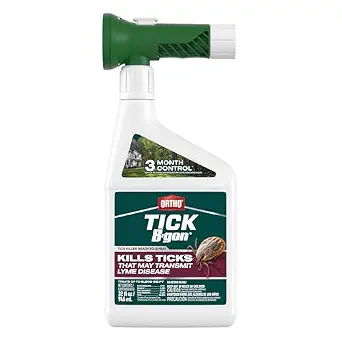 |
| Most Popular A crowd favorite that many people choose with confidence | Wondercide Flea & Tick Yard Spray (Ready-to-Use, 32 oz) |  |
| Best Seller A high-volume bestseller chosen again and again | Atticus Talak 7.9% Bifenthrin Indoor/Outdoor Insecticide Concentrate, 32 oz |  |
Advantage Yard & Premise Spray, 32 oz

| Unit Count | 32 Fluid Ounces |
|---|---|
| Item Form | Aerosol |
| Target Species | Dog |
| Volume | 32 fluid ounces |
Advantage Yard & Premise Spray is a 32 oz. hose‑connect outdoor insecticide formulated to kill more than 110 types of insects including fleas, ticks and fire ants and to create a treated perimeter around your home. You attach the bottle to a garden hose and apply with a steady sweeping motion over lawns, under shrubs and around patios; one bottle is advertised to treat up to 16,000 sq. ft., which makes it suited for medium to large yards. The formula works on contact and is low in odor so treated areas dry quickly and are less intrusive to outdoor activities. Important practical points are clear label directions and the recommendation to keep people and pets off the treated area until dry. This product is best used as part of an integrated program that treats pets, indoor areas and the yard together rather than as a standalone long‑term solution. It is an effective, easy way to reduce outdoor tick exposure but requires careful application and adherence to safety instructions.
Best for: Buyers who prioritize rapid, yard‑level reduction of ticks and fleas and want a single, easy‑to‑apply product to protect outdoor spaces around homes and patios.
Less Ideal for: People looking for an all‑in‑one solution that treats pets directly or indoor infestations should consider complementary topical pet products or indoor sprays instead.
- Hose‑connect 32 oz bottle covers large areas up to 16,000 sq. ft. as advertised
- Kills fleas, ticks and over 110 insect types on contact for fast results
- Low‑odor formula for minimal outdoor smell during and after application
- Contains a pesticide so treated areas must be kept off until dry and label directions followed
- Not a pet treatment; requires separate flea control on animals and indoor treatment for full control
Verdict: Choose this hose‑connect yard spray when you need a fast, large‑area outdoor treatment to cut down ticks and fleas around your home.
Vet's Best Flea & Tick Yard and Kennel Spray, 32 oz

| Unit Count | 32 Fluid Ounces |
|---|---|
| Item Form | Spray |
| Scent Name | Peppermint |
| Target Species | Dog |
| Active Ingredients | eugenol, peppermint oil |
This 32 oz Vet's Best yard and kennel spray is a plant-based, ready-to-use treatment designed to protect outdoor spaces from fleas, ticks, and mosquitoes. It connects to a garden hose via a built-in applicator so you can cover turf, patios, kennels, and other landscaping quickly and evenly without mixing. The active botanical ingredients are peppermint oil and eugenol from clove, which the maker says kill pests on contact while leaving a peppermint scent rather than strong synthetic odors. Practical benefits include easy application with a hose attachment, coverage suitable for large areas, and a formula safe to use around dogs 12 weeks and older when directions are followed. Important limitations are that it is for outdoor use only, requires reapplication after heavy rain or for severe infestations, and can cause eye or skin irritation in sensitive people or pets if not rinsed promptly. For owners looking for a natural, vet-formulated option to add to a multi-pronged flea control plan, this spray is a convenient outdoor tool, but it should be used as directed and paired with pet treatments for best results.
Best for: Pet owners who want an easy, plant-based yard spray to reduce outdoor flea and tick pressure and who prefer solutions backed by vet formulation and broad customer use.
Less Ideal for: People who need an all-in-one single-treatment solution for severe indoor infestations or who require products safe for pregnant or nursing animals should look at other specialized options.
- Ready-to-use hose attachment for fast, even coverage of yards and kennels
- Plant-based active ingredients (peppermint oil and eugenol) that kill fleas, flea eggs, ticks, and mosquitoes on contact
- Formulated for use around dogs 12 weeks and older when used according to label
- Leaves a natural peppermint scent instead of strong synthetic fragrances
- Outdoor use only and not designed to replace on-pet treatments
- Requires reapplication after heavy rain and for ongoing infestations
- Contains ingredients that can cause eye or skin irritation in sensitive individuals or animals
Verdict: A convenient, vet-formulated plant-based yard spray for pet owners who want a ready-to-use outdoor tool to reduce fleas, ticks, and mosquitoes without harsh chemicals.
Vet's Best Flea & Tick Yard & Kennel Spray Refill, 96 oz

| Unit Count | 96 Fluid Ounces |
|---|---|
| Item Form | Spray |
| Scent Name | Peppermint |
| Target Species | Dog |
| Active Ingredients | Peppermint Oil 0.60%, Eugenol 1.40% |
This 96 oz refill bottle supplies Vet's Best Yard & Kennel Spray so you can top up the brand's 32 oz spray bottle and treat larger outdoor areas without buying another sprayer. It connects to the hose via the spray bottle and is meant for lawns, kennels, patios and other outdoor spaces; the label says one treatment can cover up to 5,000 square feet when applied evenly. The formula relies on plant-derived actives like peppermint oil and eugenol and lists sodium lauryl sulfate as a surfactant, which means it kills insects on contact while leaving a mild peppermint scent. Practical benefits include a large refill size that reduces packaging waste, vet-formulated ingredients that avoid harsh synthetic pesticides, and simple hose-on application for fast coverage. Important limitations are that it is for outdoor use only and must be poured into the brand's 32 oz spray bottle to apply; it also requires reapplication after heavy rain and will not deliver residual systemic protection like oral or topical veterinary treatments. For garden and yard pest control this refill is a straightforward, lower-chemical option for routine outdoor maintenance.
Best for: Buyers who want a low-chemical, ready-to-use outdoor pest treatment that covers large yard areas and prefers refillable products to keep maintenance simple and economical.
Less Ideal for: Owners needing a long-lasting, veterinary-strength solution or an indoor-ready spray should choose a different product or supplement this with systemic treatments recommended by a veterinarian.
- Large 96 oz refill reduces frequency of repurchase and packaging waste
- Plant-based active ingredients (peppermint oil and eugenol) kill fleas, ticks and mosquitoes on contact
- Hose-attach application enables quick, even coverage across yards and kennels
- Formulated for outdoor use around pets and people when label directions are followed
- Must be poured into the brand's 32 oz spray bottle for use rather than connecting the refill directly to a hose
- Provides contact knockdown and short-term control but no systemic or long-lasting residual protection
Verdict: A large, plant-based yard refill that makes routine outdoor flea, tick, and mosquito control quicker and more economical for homeowners who prefer non-chemical options.
Black Flag Flea and Tick Killer Concentrate Yard Treatment, 32 oz

| Liquid Volume | 32 fluid ounces |
|---|---|
| Item Form | Spray |
| Target Species | Insects |
| Active Ingredients | Lambda-Cyhalothrin, Pyriproxyfen |
This Black Flag concentrate is a hose‑end yard treatment designed to control fleas, ticks, mosquitoes and several other insects over large outdoor areas. You mix it directly on the hose with the quick‑flip sprayer and sweep the nozzle while walking back toward the faucet; one 32 ounce bottle claims to treat about 5,000 square feet. The formula includes a fast-acting pyrethroid plus an insect growth regulator to interrupt the flea life cycle, which supports longer residual control—the label notes up to 12 weeks of flea reduction when used as directed. Practical benefits are simple application without measuring jugs, broad target coverage for home lawns, kennels and foundation barriers, and the ability to include this step in an integrated pest management routine. Important limitations: it is a chemical insecticide so you must follow safety directions to avoid eye or skin contact and protect desirable plants, pets and pollinators during application, and it is not a pet treatment so animal treatments should be done separately. Also, as with any outdoor spray, repeat treatments or combined approaches are often needed for full season control.
Best for: Buyers who want an affordable, no‑frills yard spray to reduce fleas, ticks and mosquitoes across a typical home lawn and who plan to include it as part of a broader pest management routine.
Less Ideal for: People seeking organic or non‑chemical pest control, or those who need a pet‑safe topical product to treat animals directly.
- Hose‑end concentrate mixes automatically for fast, no‑measuring application.
- Claims one quart treats approximately 5,000 sq ft so a single bottle covers a typical yard.
- Contains an insect growth regulator to help interrupt the flea life cycle for longer control.
- Targets fleas, ticks, mosquitoes and other common yard insects for broad protection.
- Contains synthetic active ingredients that require careful handling and avoidance of non‑target exposure.
- Not formulated for direct use on pets so separate pet treatments are required.
Verdict: A budget‑minded, hose‑end concentrate that delivers broad outdoor flea and tick control with easy, quick application.
Ortho Tick B-gon Ready-to-Spray Tick Killer, 32 fl. oz.

| Item Form | Spray |
|---|---|
| Scent Name | Unscented |
| Target Species | Insects |
| Active Ingredients | Bifenthrin 0.300%, Zeta-Cypermethrin 0.075% |
Ortho Tick B-gon Ready-to-Spray is a hose-end treatment designed to simplify backyard tick and flea control. You attach the 32 fl. oz. bottle to a garden hose, spray lawn areas, perimeters, and ornamentals, and the formula begins working within minutes while providing up to three months of control for listed pests. It targets American dog ticks, deer ticks, cat and dog fleas, mosquitoes and more, and covers large areas per application so a single bottle treats most average yards. The ready-to-spray delivery eliminates measuring or mixing, and the product is labeled for use around lawns, trees, shrubs and even certain vegetable/fruit plants when label directions are followed. Important limitations are that it contains bifenthrin and zeta-cypermethrin so users must follow safety directions and keep people and pets out of treated areas until dry, and reapplication may be needed sooner for heavy infestations. Also it is not for direct use on pets and requires attention to label restrictions for edible plants.
Best for: Buyers who want a straightforward, low-effort way to reduce ticks and fleas across a typical yard and who prioritize broad, multi-month protection with easy hose-end application.
Less Ideal for: People who prefer non-chemical or organic pest controls or who need solutions safe for immediate pet contact or for direct application to animals.
- Ready-to-spray hose-end applicator for fast, no-mix backyard treatments
- Provides up to 3 months control against ticks, fleas, and many listed pests
- Label allows use on lawns, perimeters, ornamentals and some edible gardens with directions
- Covers large area per treatment so one bottle treats most average yards
- Contains synthetic pyrethroid active ingredients that require following safety and re-entry instructions
- Not formulated for direct application to pets; separate veterinary treatment needed if animals are infested
Verdict: A simple hose-end treatment that delivers broad, up-to-three-month yard protection against ticks and fleas with minimal setup.
Wondercide Flea & Tick Yard Spray (Ready-to-Use, 32 oz)

| Liquid Volume | 946 ml |
|---|---|
| Item Form | Spray |
| Active ingredient | 12.63% Cedarwood Oil |
| Coverage (fleas/mosquitoes) | Up to 5,000 sq ft |
| Coverage (ticks/mosquito repel) | Up to 2,500 sq ft |
Wondercide Flea & Tick Yard Spray is a ready-to-use hose-end treatment that uses cedarwood and other plant-derived ingredients to kill and repel fleas, ticks, and mosquitoes in the yard. You attach the bottle to a garden hose, turn the sprayer on, and walk steady sweeping passes to treat up to 5,000 sq ft for fleas and mosquitoes or 2,500 sq ft for ticks and mosquito repellency. Notable features include a pre-mixed formula for quick application, a hose-powered sprayer for even coverage, and an ingredient list centered on cedarwood oil that the brand says is safe for pollinators when used as directed. In practice it is convenient for routine maintenance and for reducing pest pressure around foundations, patios, and pet areas without waiting for drying or reentry. Important limitations are sensitivity to high heat or direct sun which can cause plant foliage browning if applied above 90°F and reduced residual effect after heavy rain, which may require reapplication. The product is exempt from EPA registration under FIFRA and carries typical safety instructions to avoid eye contact and keep out of reach of children.
Best for: Buyers who want a convenient, natural-first yard repellent that treats broad outdoor areas and lowers pest pressure around pets and play spaces with minimal setup.
Less Ideal for: Those who need a product that holds up through heavy storms or who require a chemically registered pesticide for regulatory or commercial settings should consider other options.
- Pre-mixed hose-end bottle makes whole-yard treatment fast and easy
- Plant-based active (cedarwood oil) targets fleas, ticks, and mosquitoes
- Covers a large area per bottle (up to 5,000 sq ft for fleas and mosquitoes)
- Formulated to be safe for people, pets, and pollinators when used as directed
- Can cause phytotoxic browning if applied in direct sun or when temperatures exceed 90°F
- Heavy rain or intense irrigation can wash away residue and may require reapplication
Verdict: If you want an easy, plant-powered yard spray to reduce mosquitoes, fleas, and ticks over large lawns while prioritizing pet and pollinator safety, this ready-to-use option delivers fast, low-fuss coverage.
Atticus Talak 7.9% Bifenthrin Indoor/Outdoor Insecticide Concentrate, 32 oz

| Active Ingredient | Bifenthrin |
|---|---|
| Formulation | Suspension Concentrate |
| Liquid Volume | 32 fluid ounces |
| Length of Control | Up to three months |
| Target Species | Insects |
Talak 7.9% is a liquid concentrate for treating lawns, landscaping, outdoor living areas and indoor perimeter spots like baseboards and cabinets. You dilute the concentrate with water to create a spray for barrier treatments, spot applications or lawn mixes; label rates explain how much to mix per gallon depending on the use. The product uses bifenthrin, a proven broad-spectrum active ingredient, and the manufacturer states it controls over 75 species and can give residual control for as long as three months. Its water-based formula dries clear, leaves no odor or visible residue, and is not phytotoxic on plants when used per label. Practical benefits include flexible indoor and outdoor use, clear drying, and a bottle designed for easier pouring. Important limitations are that solutions should be mixed only for same-day use, it is not registered for sale in a few states, and it is not approved for fogger application, so professional-style misting methods are not appropriate.
Best for: Buyers who want a single, reliable product to protect yards, patios and building perimeters from a wide range of common pests and prefer conservative, label-driven application practices.
Less Ideal for: People seeking ready-to-use sprays or fogger-compatible products or those in states where this formulation is not registered should look at alternatives.
- Broad-spectrum control listed for 75+ indoor and outdoor pest species
- Water-based formula that dries clear and leaves no odor or residue
- Flexible label directions for lawns, landscapes, hardscapes and indoor perimeter treatments
- Long residual activity up to three months when applied at recommended rates
- Mixed spray solutions cannot be stored and must be used the same day
- Not approved for fogger application and not available for sale in some states
Verdict: A versatile, water-based bifenthrin concentrate that delivers long-lasting, broad-spectrum outdoor (and perimeter indoor) control when used according to the label.
Choosing the Right Yard and Kennel Flea Spray: Key Factors to Consider
Coverage and Spray Rate
How much ground a single bottle treats determines how often you need to reapply and whether a concentrate or ready-to-use formula makes more sense. A product with a high stated coverage per container lowers labor and storage burden for larger yards and multi-run kennels. In practice, coverage varies by spray pattern, nozzle type, and operator technique, so check label estimates but expect real-world coverage to be lower in heavy shade or dense bedding areas.
Coverage matters because missed pockets of vegetation or fence-line edges become refuges for fleas to reinfest treated areas. Consider whether the product's recommended application rate fits the size of the outdoor space you manage and whether a hose-end or pump sprayer is required for efficient treatment.
Residual Activity and Reinfestation Risk
Residual control is the length of time the product continues to kill newly emerged fleas after application. Longer residuals reduce how often you need to retreat high-traffic or shaded areas where humidity and organic debris protect immature stages. However, residual length can be shorter on porous surfaces, in heavy rain, or where frequent watering occurs.
Think about reinfestation pathways such as wildlife, neighboring yards, or bedding animals moving between treated and untreated zones. If those risks are high, prioritize formulations with documented residuals and follow label guidance on retreatment intervals to maintain control.
Surface Compatibility and Application Zones
Outdoor spaces include grass, compacted soil, gravel, concrete runs, wooden kennels, and pet bedding. Not every spray is labeled for all these surfaces, and efficacy can differ by substrate. Sprays designed for turf and soil may not bond well to porous wood or absorb into bedding where larvae hide.
Confirm the label allows use on the surfaces you need to treat. For bedding and kennel interiors, look for products that explicitly list fabric and kennel surfaces. For turf and landscape beds, check for safe plant contact instructions to avoid plant scorch or ornamental damage.
Pet and Human Safety Considerations
Safety guidance in outdoor treatments is about timing, reentry intervals, and where pets are allowed after application. Labels vary widely in recommended wait times before pets return to treated areas and in first-aid or ventilation notes. Some formulations require pets to be kept off surfaces until completely dry while others permit brief reentry after a set period.
Also account for the presence of children, elderly people, and groundwater concerns. Consider whether you need a lower-toxicity option for high-contact areas or a formulation that minimizes drift. Always plan applications when animals can be contained away from the treatment zone until labeled safe.
Formulation and Application Method
Flea sprays come as ready-to-use aerosols, pump or hose-end concentrates, or heavy-duty emulsions that require specialized sprayers. Ready-to-use bottles are convenient for small yards and spot treatment in kennels, while concentrates are more economical for large properties but require careful mixing to get the labeled rate.
Application method affects consistency and safety. Hose-end and pump sprayers deliver wider coverage with less effort but can produce drift if nozzle settings are too fine. Choose a formulation that suits your sprayer type and your comfort with mixing ratios and protective equipment requirements.
Environmental Persistence and Non-target Risk
While residual activity helps control fleas, persistence also raises concerns for beneficial insects, aquatic life, and soil health near runoff areas. Labels often include precautions about treating near water bodies and recommended buffer zones to protect non-target species.
Assess where runoff could occur from treated zones and whether pollinator plants are adjacent. If your yard or kennel sits near streams, ponds, or drainage pathways, select a product with clear environmental precautions and follow application limits to reduce non-target impacts.
Preparing Your Yard and Kennel for Treatment
Start by cleaning bedding, removing debris, and mowing or trimming vegetation to expose shaded microhabitats where fleas breed. Reducing organic matter and improving airflow shortens the time a treatment needs to work and exposes immature stages to contact with sprayed surfaces.
- Clear loose straw, leaves, and grass clippings from kennel runs and bedding areas.
- Launder or replace removable bedding before applying sprays to fabric or kennels.
- Reseed bare patches after treatment if you plan on follow-up applications to avoid soil erosion.
Application Timing and Weather Considerations
Apply treatments during calm, dry conditions to minimize drift and maximize residual deposition. Rain within 24 to 48 hours of application can reduce effectiveness for products with surface residuals, so check forecasts and pick a dry window for best results.
- Avoid windy days to reduce drift into non-target areas.
- Do not apply before heavy irrigation or expected thunderstorms.
- Treat shaded and sheltered areas last so you can work outward and avoid recontaminating cleaned zones.
Sprayer Types and Practical Tips
Match your product choice to the sprayer you have or are willing to use. For small runs and spot treatments a handheld pump or trigger-spray bottle is often sufficient. For larger yards or multiple kennel runs, a hose-end or backpack sprayer will save effort and provide more even coverage.
Good sprayer practice includes calibrating your equipment if you are using concentrates, keeping nozzles clean to maintain flow patterns, and wearing appropriate protective gear when mixing or applying. Rinse sprayers per label instructions to prevent chemical residue buildup and cross-contamination.
- Label-measured mixing prevents under- or over-application.
- Test spray pattern on an inconspicuous area before full application.
- Store concentrates in a cool, dry place away from direct sunlight.
Integrating Nonchemical Control Measures
Combine targeted spraying with sanitation to get better long-term control. Regularly wash and replace bedding, manage wildlife attractants that bring fleas into the yard, and maintain lawn health so the environment is less hospitable to flea development.
Mechanical measures, such as vacuuming indoor entry points and installing exclusion barriers, reduce the flea population pressure on treated outdoor zones. These steps reduce the frequency of chemical applications needed to keep flea numbers at acceptable levels.
- Seal gaps where wildlife can enter kennels and under porches.
- Use diatomaceous earth carefully in dry, contained spots where pets and people have limited access.
- Maintain a consistent schedule for laundering kennels and bedding.
Managing Resistant Infestations and When to Reapply
If fleas persist after following label directions, consider proofing application technique first: ensure even coverage, correct dilution, and treatment of sheltered microhabitats. Persistent problems may come from continual reintroduction by wildlife or untreated neighboring areas rather than product failure.
Follow label retreatment intervals closely. Increasing application frequency beyond label instructions risks environmental harm and legal noncompliance. When in doubt, combine a labeled retreatment with nonchemical sanitation steps and barrier methods to break the flea life cycle.
- Inspect treated areas for live adults several days after application to judge effectiveness.
- Avoid off-label concentration increases; they are not safe and can damage surfaces or harm non-targets.
- Coordinate treatments with other property owners or kennels if possible to reduce reinfestation sources.
How We Chose the Best Yard and Kennel Flea Spray
We focused on products formulated for outdoor use around domestic pets and kennel areas and applied filters that reflect realistic garden and animal-care scenarios. Selection began with formulations labeled for turf, kennels, bedding, and other outdoor surfaces, excluding products intended only for indoor use or direct pet topical application. We prioritized sprays that provide measurable adulticide action plus some residual control against immature stages when used as directed. Evaluation emphasized four to six concrete dimensions: area coverage per container, residual duration on common surfaces, labeled safety instructions for pets and humans, and application flexibility for different surface types. We also considered ease of use features such as ready-to-use versus concentrate formats and compatibility with common sprayers. Products lacking clear outdoor-use labeling, missing residual claims, or with overly complex mixing instructions were excluded. The remaining selections reflect a balance of effective control, practical coverage, and clear safety guidance for yards and kennel spaces.
FAQ
How long after spraying can pets return to a treated yard or kennel?
It depends on the product label. Some sprays allow reentry after the treated area is dry, while others specify a reentry interval in hours. Always follow the label instructions for pet and human reentry to avoid exposure risks.
Can I use the same yard spray on bedding and kennel interiors?
Only if the label explicitly lists bedding and kennel surfaces. Many outdoor formulations are intended for turf or soil and are not suitable for direct application to fabric or enclosed kennel spaces.
Will a single treatment eliminate a heavy flea infestation?
A single treatment rarely eliminates heavy infestations because immature stages in soil and shaded debris can survive. Expect multiple treatments spaced per the label, combined with sanitation, to effectively reduce populations.
Are concentrates better than ready-to-use sprays for large properties?
Concentrates are often more economical for larger areas but require careful mixing and calibrated sprayers. Ready-to-use bottles are more convenient for spot treatments and small yards.
Do outdoor flea sprays harm pollinators or fish?
Some formulations pose risks to aquatic life and beneficial insects. Labels include specific precautions about treating near water and avoiding flowering plants. Choose a product with appropriate environmental precautions if your property has nearby water or pollinator habitat.
Final Verdict
Prioritize coverage, residual duration, and clear safety instructions when choosing a yard and kennel flea spray. Balance the need for long-lasting control in shaded, high-risk areas with minimized exposure for pets and non-target wildlife. Use the product label as your decision document: match the spray to the surfaces you need to treat, follow dilution and reentry guidance, and integrate cleaning and exclusion tactics to reduce retreatment frequency. By focusing on those tradeoffs you can select a spray that controls fleas effectively without unnecessary risk or extra labor. Consistent, label-compliant applications combined with sanitation will deliver the most reliable results.
