

Note: This article contains affiliate links. If you click on these links and make a purchase, I may earn a small commission at no extra cost to you. This helps support my research and content. Read my full affiliate disclosure here.
Moving seedlings or nursery starts into a new bed or container is a stressful moment for plants. The right fertilizer for transplants supports root recovery, feeds young tissues without burning, and helps plants establish quickly so they can resume steady growth. This guide reviews seven top fertilizing options scoped specifically for transplants and small starts. We shortlisted products that balance starter nutrients, gentle salt levels, and easy application methods. Below you will find the shortlist and clear evaluation points covering nutrient ratios, root-stimulating ingredients, application timing, and safety for young plants. Read on to see which types of transplant fertilizers suit your garden style and planting schedule.
Top Picks at a Glance
| Best Overall The best all-around choice for most situations | Bonide Root & Grow Concentrate 32 oz |  |
| Best Quality Built to a higher standard if you want something more solid | Blue Planet Nutrients Liquid Kelp Seaweed Fertilizer Concentrate (32 oz) | 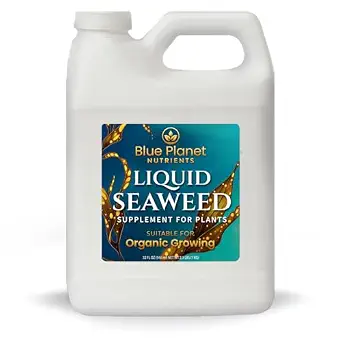 |
| Best Value The sweet spot between price and what you get | Miracle-Gro Water Soluble All Purpose Plant Food, 1.5 lb |  |
| Best Budget The cheapest option that still gets the job done reliably | Miracle-Gro Liquid All Purpose Plant Food Concentrate, 32 oz |  |
| Highest Rated A top-rated pick with lots of positive feedback | Espoma Organic Bio-Tone Starter Plus 4-3-3 Organic Starter Fertilizer, 8 lb |  |
| Most Popular A crowd favorite that many people choose with confidence | SUPERthrive Plant Vitamin Solution with Kelp, Liquid Concentrate, 4 fl oz |  |
| Best Seller A high-volume bestseller chosen again and again | Miracle-Gro Quick Start Planting & Transplant Starting Solution, 48 fl. oz. |  |
Bonide Root & Grow Concentrate 32 oz

| Item Form | Liquid |
|---|---|
| Specific Uses For Product | Root Development |
| Application Method | Pouring directly onto the soil and roots |
| Target Species | fruit, vegetables, flowers, trees, and bedding plants |
| Mixing Ratio | 4:10:3 |
Bonide Root & Grow is a liquid concentrate designed for use when seeding or transplanting to speed early root formation and help plants establish. You dilute the concentrate per label instructions and pour the solution onto soil and roots when potting seedlings, transplanting plugs, or setting out young vegetables and ornamentals. Notable features include an active IBA rooting hormone and a 4-10-3 nutrient ratio that supplies extra phosphorus to support root growth. In practice it can reduce transplant shock and promote quicker, stronger root systems, which is useful for both container-grown seedlings and recently set out bedding plants. Because it is a concentrate, a single 32 oz bottle yields multiple applications, which stretches a limited budget. Important limitations are that it is a specialized root stimulator rather than an all-purpose feed for ongoing growth and it requires careful dilution and label compliance to avoid overapplication.
Best for: Buyers wanting an affordable, concentrated product to give seedlings and recent transplants a stronger start and who prioritize preventing transplant shock over routine feeding.
Less Ideal for: Gardeners looking for a general weekly fertilizer or a balanced feed for mature plants should choose a different product.
- Contains IBA rooting hormone to stimulate root initiation
- 4-10-3 fertilizer ratio provides extra phosphorus for root development
- Concentrated 32 oz bottle yields many applications, good for tight budgets
- Easy to apply by diluting and pouring directly onto soil and roots
- Formulated mainly for root stimulation so not ideal as a regular all-purpose feed
- Requires careful mixing and label reading to use safely and effectively
Verdict: A budget-friendly concentrated root stimulator that helps seedlings and transplants establish faster by combining IBA with a phosphorus‑rich fertilizer.
Blue Planet Nutrients Liquid Kelp Seaweed Fertilizer Concentrate (32 oz)

| Item Form | Liquid |
|---|---|
| Unit Count | 32 Fluid Ounces |
| Specific Uses For Product | Kelp Seaweed Supplement Fertilizer For All Gardens and Plants |
| Mixing Ratio | 1:650, 1:325, 1:162 |
This liquid kelp concentrate is a versatile transplant and growth booster derived from cold-water Ascophyllum nodosum. Gardeners use it as a root drench, foliar spray, transplant soak, or reservoir additive to encourage rapid root development and help plants recover from transplant shock. The product is highly concentrated so a 32 oz bottle dilutes to hundreds of gallons of feed at recommended rates, which makes regular applications affordable for large beds or repeated transplant cycles. Notable features include a pH-neutral, non-clogging formula suitable for seedlings through flowering and compatibility with soil, coco, hydroponic, and aeroponic systems. Practical benefits are stronger roots, improved stress tolerance to heat and drought, and potential yield and flavor improvements in vegetables and herbs. Limitations are that it is a seaweed supplement rather than a complete fertilizer so it should be paired with a balanced nutrient program when plants need specific NPK feeding, and users must follow dilution guidelines carefully to avoid overuse.
Best for: Gardeners and growers who prioritize vigorous transplant recovery and fast root establishment and who plan regular supplemental feedings across beds, containers, or hydro systems.
Less Ideal for: Casual gardeners seeking an all-in-one fertilizer or anyone wanting a single product to meet complete macronutrient needs without pairing it with a balanced nutrient program.
- High concentration stretches one quart into up to 470 gallons of feed making it cost-effective for repeated transplanting
- Derived from Ascophyllum nodosum with natural growth hormones, trace minerals, and amino acids to stimulate root growth
- 100% soluble and pH-neutral so it works in soil, hydroponics, coco, and foliar applications without clogging
- Safe for seedlings to harvest allowing use as a gentle transplant soak and regular weekly applications
- Not a complete NPK fertilizer so you will need to combine it with base nutrients for full feeding schedules
- Requires careful dilution and dosing to match application (multiple recommended mixing ratios)
Verdict: Use this concentrated liquid kelp when you want an effective, budget-friendly transplant and root stimulator to speed recovery and promote strong root systems.
Miracle-Gro Water Soluble All Purpose Plant Food, 1.5 lb

| Item Form | Powder |
|---|---|
| Application Method | Watering Can |
| Target Species | For all flowers, vegetables, trees, shrubs and houseplants |
| Mixing Ratio | 24-8-16 |
Miracle-Gro Water Soluble All Purpose Plant Food is a powdered, water-soluble fertilizer formulated to deliver fast nutrition to a broad mix of plants. You mix the powder into a watering can or a garden feeder and apply every 1 to 2 weeks depending on whether plants are indoors or out. The 24-8-16 NPK ratio supplies a strong nitrogen boost for leafy growth along with phosphorus and potassium to support flowering and fruit set. For pepper growers this means it can help produce vigorous plants and encourage fruit development when used at the recommended strengths. Notable features include clear mixing guidance for both indoor and outdoor use and compatibility with container and in-ground plantings. Practical benefits are quick uptake by roots and flexible application options. Important limitations are the high nitrogen proportion, which can favor foliage over fruit if overused, and the need to follow dilution instructions to avoid nutrient burn. This product is best used as a regular boost within a balanced feeding plan rather than the only fertility source for long-term soil health.
Best for: Home gardeners looking for an affordable, easy-to-use boost to support vigorous pepper plant growth and quick results in both containers and garden beds.
Less Ideal for: Growers who want a low-nitrogen or slow-release fertility plan for long-term soil building should consider specialized or organic alternatives.
- Water-soluble powder that feeds plants quickly through the roots
- Clear mixing instructions for indoor and outdoor applications
- Broadly labeled for use on flowers, vegetables, trees, shrubs and houseplants
- Feeds approximately 600 sq. ft. from the 1.5 lb container
- High nitrogen ratio may encourage foliage more than fruit if used too frequently
Verdict: A budget-friendly, fast-acting soluble fertilizer that gives bell pepper plants a regular nitrogen-rich boost to promote vigorous growth and quicker results.
Miracle-Gro Liquid All Purpose Plant Food Concentrate, 32 oz

| Item Form | Liquid |
|---|---|
| Specific Uses For Product | Plant Growth, Root Development |
| Application Method | Mix with water in a watering can |
| Mixing Ratio | 1:10 (concentrate to water, estimate) |
Miracle-Gro Liquid All Purpose is a water-soluble concentrate you mix into a watering can and apply every 1 to 2 weeks to container and in-ground plants. It is formulated for general plant growth and root development and is marketed for flowers, vegetables, shrubs and houseplants, so it works as a straightforward feed for flowering bulbs like calla lilies. The bottle’s mixing guidance (cap measures for garden application and 1 teaspoon per gallon for containers) makes it easy to dose for pots or small beds. Practical benefits include fast uptake through the soil when applied as directed and compatibility with routine watering schedules. Limitations to note are that it is an all-purpose formula rather than a bloom-focused or calcium-rich fertilizer tailored specifically to calla lilies, so growers seeking targeted bloom enhancement or specialty nutrition may want a supplement. Also, frequent use at higher-than-recommended strength can risk fertilizer burn, so follow the mixing directions and schedule.
Best for: Buyers who want an affordable, easy-to-use liquid fertilizer to keep calla lilies and other flowering plants regularly fed without fuss.
Less Ideal for: Growers seeking a specialist bloom-boost or a fertilizer formulated for specific micronutrient needs should consider a targeted or bloom-specific product instead.
- Concentrated liquid mixes easily with water for quick application
- Clear dosing instructions for both garden beds and container plants
- Suitable for a wide range of plant types including flowering bulbs and houseplants
- General all-purpose formula not specifically formulated for enhancing blooms of calla lilies
Verdict: A budget-friendly, easy-to-use liquid concentrate that reliably feeds calla lilies and other common garden plants on a regular schedule.
Espoma Organic Bio-Tone Starter Plus 4-3-3 Organic Starter Fertilizer, 8 lb

| Item Form | Granules |
|---|---|
| Application Method | Mix with soil |
| Specific Uses For Product | Gardening |
| Target Species | For everything you plant |
Espoma Organic Bio-Tone Starter Plus is a granular, ready-to-use starter fertilizer designed for planting and transplanting a wide range of garden plants. You mix it into backfill soil or potting mixes so the nutrients and added mycorrhizae sit in the root zone at planting time. The formula combines an organic 4-3-3 nutrient ratio with beneficial bacteria, humates, and both endo and ecto mycorrhizae to encourage faster root development, improved soil structure, and better establishment under stressful conditions. Typical uses include flower beds, bulbs, transplant holes, and planting mixes where quick root growth matters. Because it is organic and approved for organic gardening, it is suited to gardeners who prefer natural inputs. The main limitations are that it is intended as a starter or planting amendment rather than an all-season feed and dosing is by volume for different applications so you need to follow the mixing instructions for correct results. For gardeners wanting an easy organic boost at planting, this product provides a focused, microbially active start.
Best for: Gardeners who prioritize natural, microbially active amendments and want a reliable organic boost when planting or transplanting ornamentals, vegetables, and bulbs.
Less Ideal for: Buyers looking for a one-product solution for seasonal feeding or those who prefer liquid feeds or quick-release chemical fertilizers for immediate foliar results.
- Contains both endo and ecto mycorrhizae to aid root establishment
- Organic 4-3-3 formula enhanced with beneficial bacteria and humates
- Ready-to-use granules that are mixed into soil at planting
- Approved for organic gardening and made by a long-standing organic fertilizer brand
- Formulated primarily for initial planting and transplant use rather than ongoing feeding
- Dosing instructions vary by application and require measuring by volume for correct results
Verdict: Choose this if you want an organic, microbe-enhanced starter fertilizer to help new plantings establish strong roots.
SUPERthrive Plant Vitamin Solution with Kelp, Liquid Concentrate, 4 fl oz

| Item Form | Liquid |
|---|---|
| Specific Uses For Product | Root Development |
| Application Method | Dilute in water |
| Target Species | All Variety of Greenery for Home Gardeners and Professionals Alike |
SUPERthrive is a small, concentrated liquid vitamin solution formulated to support root development and reduce transplant shock when added to water or fertilizer. You dilute it into irrigation or transplant mixes and apply it at the recommended low dosage; the product is marketed for use with both outdoor and indoor plants, trees, and seedlings. Notable features include its kelp-enriched formula and non-toxic, plant-focused ingredients that aim to restore vigor and encourage stronger roots. In practical use it is easy to mix and very economical because a little goes a long way, making it convenient for routine maintenance, transplanting, or seed starting. Important limitations are that it is a vitamin solution rather than a complete fertilizer so it should be used alongside regular fertilization when feeding established outdoor beds; also the small 4 fl oz bottle is concentrated but will require careful measuring and storage to keep potency. For risk-averse gardeners it offers a familiar, widely used option to support young or stressed plants without harsh chemicals.
Best for: Gardeners who prioritize safe, gentle support for transplants and young outdoor plants and want an easy-to-use additive that reduces shock and encourages root development.
Less Ideal for: Gardeners wanting an all-in-one granular or liquid fertilizer to meet macro nutrient needs for large established beds should look for a balanced fertilizer instead.
- Concentrated formula yields many treatments from a small bottle
- Kelp-enriched vitamin solution supports root vigor and reduces transplant shock
- Non-toxic ingredients suitable for use around ornamental beds and young plants
- Simple to apply by diluting into water or adding to fertilizer mixes
- Not a complete fertilizer so it must be paired with regular nutrient feeding for mature outdoor plants
- Small bottle size may require frequent replacement for large gardens
Verdict: Use SUPERthrive when transplanting or starting plants outdoors to reduce shock and strengthen roots with a safe, concentrated kelp vitamin solution.
Miracle-Gro Quick Start Planting & Transplant Starting Solution, 48 fl. oz.

| Item Form | Liquid |
|---|---|
| Specific Uses For Product | Agriculture,Starting |
| Application Method | Mix with water and pour around new plantings |
| Target Species | For all flowers, vegetables, trees, shrubs, transplants and seedlings |
| Mixing Ratio | Fill cap to 1st line and mix with 1 gallon of water |
Miracle-Gro Quick Start is a liquid concentrate designed for use when planting or moving seedlings and transplants. You measure the concentrate with the bottle cap, mix with a gallon of water, and pour the diluted solution around the root zone to settle soil and feed young roots. The 4-12-4 NPK formula emphasizes phosphorus to encourage root development and faster blooms versus unfed plants. Typical use is at planting and again seven days later, after which you can switch to a regular feeding schedule. Practical benefits include an easy, measured application, compatibility with flowers, vegetables, trees, shrubs and seedlings, and clear instructions for gardeners who want a simple transplant routine. Limitations to note are that this is a starter solution only, so it is not intended as a long-term sole fertilizer, and frequent large-scale applications without following label guidance could overfeed delicate seedlings. Also it is a liquid concentrate, so you need a watering can and care when diluting to avoid spills or accidental over-concentration.
Best for: Gardeners who want a simple, reliable way to reduce transplant shock and give seedlings a nutrient-rich start when planting in beds or containers.
Less Ideal for: People seeking an all-in-one, long-term fertilizer solution for ongoing feedings or those who prefer granular or organic-only products.
- Focused 4-12-4 NPK formula to encourage root development at transplanting
- Liquid concentrate with a measured cap makes dosing straightforward
- Suitable for a wide range of plants including vegetables, flowers, shrubs and trees
- Simple application that settles soil and feeds roots right after planting
- Designed as a short-term starter solution rather than a complete feeding program
- Requires correct dilution and handling to avoid overfeeding seedlings
Verdict: Use this easy-to-dose liquid starter to give seedlings and transplants a nutrient boost that helps roots establish quickly.
Choosing the Right Fertilizer for Transplants: Key Factors to Consider
Nutrient Ratio and Starter Phosphorus
Starter fertilizers for transplants often emphasize phosphorus because early root development benefits from accessible phosphate. That said, modern starter approaches also control nitrogen so foliage does not surge at the expense of roots. When you read labels, a modest phosphorus boost relative to nitrogen helps direct energy to root formation rather than top growth.
Consider whether the product lists readily available phosphate sources and whether the analysis matches the planting task. High phosphorus alone will not solve poor soil, so pair a starter fertilizer with good planting technique and proper soil contact to get the intended rooting response.
Soluble Salt Content and Plant Safety
Young roots are sensitive to salts. Soluble salt content determines how likely a fertilizer is to cause osmotic stress or burn to delicate roots at planting. Low-analysis formulations, diluted soluble fertilizers, or products specifically labeled as safe for seedlings reduce that risk.
If you are transplanting into containers with limited soil volume, salt buildup is a greater concern, so choose a low-salt option or use conservative dosing. For outdoor beds, flush rain or irrigation will dilute salts more easily, but you should still avoid highly concentrated feeds at planting time.
Formulation Type and Application Method
Fertilizers for transplants come as water-soluble concentrates, low-rate granulars, or liquid biostimulant mixes. Water-soluble starters let you feed at the root zone when planting or as a follow-up drench. Low-rate granular starters can be worked into the planting hole for a slow, gentle release. Biostimulant liquids often contain beneficial microbes, humic substances, or root-promoting amino acids that can accelerate establishment.
Think about how you like to work: if you prefer quick drench doses at planting, soluble concentrates are convenient. If you want a set-and-forget approach, a low-rate granular placed in the hole may fit better. Also consider whether the product is compatible with your irrigation setup or sprayer if you plan multiple applications.
Compatibility With Edible Crops and Organic Preferences
If you are transplanting vegetables, herbs, or other edibles, check that the fertilizer is safe for food crops and aligns with any organic gardening preferences. Some starter fertilizers are derived from soluble mineral salts that are allowed in conventional gardens but not certified organic. Others use plant or seaweed extracts and microbial inoculants that fit organic practices.
For home gardeners growing food, label guidance about pre-harvest intervals is rare for starter fertilizers but still worth checking for concentrated amendments. Organic-minded gardeners often prioritize biostimulants and low-salt organic starters to reduce chemical load and support soil life.
Timing and Frequency of Application
One timely application at planting often gives transplants the boost they need, but some situations benefit from a second, light feed after initial establishment. Timing depends on soil fertility, planting season, and plant type. Cool-season transplants may need less immediate nitrogen, while warm-season crops can tolerate a gentle follow-up feed once roots begin to explore the new soil.
Avoid heavy repeat applications in the first two weeks; early root systems are small and concentrated feeding increases burn risk. Instead, plan conservative follow-up applications based on observed growth and soil texture.
Container Volume and Soil Contact
Container planting concentrates fertilizer effects because less soil dilutes the salts and nutrients. In small pots or small planting holes, even a modest dose can be strong. Ensure good contact between roots and soil to avoid root tips sitting against concentrated fertilizer granules or a poured drench puddle.
When planting into mix or container media, pre-mixing a low-rate starter into the soil or using a dilute drench helps distribute nutrients evenly. For field or bed plantings, placing a starter granule or small drench at the back or side of the hole rather than directly under roots prevents localized burn.
When to Use a Dedicated Transplant Fertilizer
Use a transplant-specific fertilizer at the moment of planting when roots have been disturbed and need encouragement to re-establish. Ideal times include moving seedlings from trays to garden beds, transplanting nursery starts into larger pots, or setting out bedding plants in a new border. A targeted feed at planting reduces initial stress and supplies phosphorus or biostimulants that encourage root formation.
Even if you have recently amended soil, a gentle starter can still help young roots find footing. If the soil is already very fertile, reduce the dose or skip a concentrated starter to avoid overfeeding.
- At planting or immediately after setting the plant
- When moving seedlings into containers or garden beds
- If soil is low in available phosphorus or biological activity
How to Apply Starter Fertilizer Safely
Follow label dilution rates carefully because overconcentration is the main cause of transplant damage. For soluble starters, mix to the recommended strength and apply as a root-zone drench at planting, wetting the planting hole evenly. For low-rate granular starters, place granules to the side of the root ball or mix lightly into the planting medium rather than packing them against roots.
If you use a biostimulant or microbial inoculant, apply according to manufacturer timing for planting and follow-up feeds. After application, water thoroughly to move nutrients into contact with the root zone and to dissolve any soluble salts away from delicate root tips.
- Dilute soluble formulas to label strength
- Place granules to the side of the root ball, not directly under roots
- Water in after application to distribute nutrients and reduce salt concentration
Combining Starter Fertilizers With Soil Amendments
Starter fertilizers are not a substitute for good soil structure and organic matter. Combining a starter feed with compost, aged manure, or a balanced soil mix creates a hospitable root environment and sustained nutrient release beyond the initial boost. If you have limited soil fertility, a starter plus an organic amendment provides both quick and long-term support.
Be mindful of how concentrated amendments interact. If you add fresh high-salt amendments, give the planting hole extra water and prefer low-salt starters to avoid compounding stress.
- Use starter fertilizer to complement, not replace, organic matter and soil improvements
- Avoid stacking high-salt amendments at the planting hole
- Choose amendment combinations suited to the crop's nutrient needs
Environmental Considerations and Runoff Risk
Applying fertilizers to bare soil or in heavy rain increases the chance of runoff. When planting near water features or slopes, use low-solubility options and apply at the root zone rather than broadcast spreading. Water in carefully to reduce surface loss and to get nutrients into the rooting area where plants need them.
Slow-release or granular starters placed in the planting hole lower immediate runoff risk compared with broadcast soluble feeds. Also follow local guidance for fertilizer use near sensitive water bodies.
- Avoid broadcasting soluble feeds before heavy rain
- Place starter fertilizers at the root zone for targeted uptake
- Prefer low-solubility starters near slopes or water features
How We Chose the Best Fertilizer for Transplants
We focused on factors that matter most when moving plants from pots or trays into new soil. Our selection process prioritized formulations and delivery methods that support rapid root recovery while avoiding common transplant risks. We looked for balanced starter nutrient profiles that emphasize phosphorus or biostimulants for rooting, along with controlled nitrogen to prevent foliage burn. Salt index and soluble salt content were key filters because high-salt fertilizers can desiccate tender roots. We favored products available in forms gardeners commonly use at transplant time, including soluble starter fertilizers, low-analysis granular starters, and root-stimulating biostimulant concentrates. Application practicality was another filter. We included options that are easy to dose accurately around young plants and that work with both beds and containers. Safety for seedlings and edible crops was considered, including whether the formula is suitable for vegetables and herbs. Exclusions: we did not include heavy feeding formulations meant for mature, established plants, nor did we include products intended solely for foliar cosmetic boosts without root benefits. The final list balances nutrient chemistry, salt safety, application ease, and compatibility with common transplant scenarios.
FAQ
Can I use a regular vegetable fertilizer at transplant time?
Often a regular vegetable fertilizer has a higher nitrogen level that favors top growth. For transplants, choose a product with a gentler nitrogen concentration or use a lower dose so the balance supports roots. A true starter or a diluted application is usually safer for newly transplanted seedlings.
Are organic starters safe for seedlings and transplants?
Many organic starter fertilizers based on kelp, compost extracts, or microbial inoculants are safe and can support rooting. They tend to have lower soluble salt levels, which reduces burn risk. However, organic options may release nutrients more slowly, so pairing them with a gentle soluble starter can provide both immediate and lasting support.
How soon after planting should I apply a follow-up feed?
Wait until you see signs the plant is re-establishing, typically one to three weeks depending on climate and species. A light, diluted follow-up feed can support resumed growth, but avoid heavy repeat applications until roots are visibly exploring the new soil.
Can starter fertilizers damage young roots?
Yes, concentrated applications or high-soluble-salt formulas can harm delicate roots and cause transplant shock. To reduce risk, use low-rate starters, dilute soluble fertilizers, place granules away from root tips, and water in after application to move salts away from contact points.
Should I use the same transplant fertilizer for containers and in-ground beds?
The same basic starter chemistry can work for both, but adjust dose and form. Containers require gentler, lower doses because limited soil volume concentrates salts. In-ground beds allow slightly stronger or more spaced applications because soil volume dilutes and buffers fertilizer effects.
Final Verdict
Choosing the right fertilizer for transplants is about balancing a quick, targeted nutrient boost with safety for delicate roots. Prioritize starter formulations that emphasize root-stimulating ingredients, low soluble salt content, and application methods you can dose accurately. Consider your planting context – containers, beds, edible crops, and nearby water – and adjust form and dose accordingly. A conservative, root-focused approach at planting followed by light, observation-driven follow-up feeding usually produces the healthiest establishment. Focus on helping roots re-establish first, then support leaf growth once the plant shows steady recovery.
