

Note: This article contains affiliate links. If you click on these links and make a purchase, I may earn a small commission at no extra cost to you. This helps support my research and content. Read my full affiliate disclosure here.
Petunias respond quickly to soluble feeds, so picking the right liquid fertilizer matters for color, flower count, and plant vigor. Whether you grow petunias in containers, hanging baskets, window boxes, or garden beds, liquid formulas deliver nutrients fast and let you adjust strength and schedule for each situation. This guide covers seven top liquid options shortlisted for petunia care and explains why they made the list. We evaluate nutrient ratios, ease of mixing and application, and how forgiving each formula is when gardeners under- or over-apply. Read on to match a feed to your watering routine, planting style, and flowering goals.
Top Picks at a Glance
| Best Overall The best all-around choice for most situations | EZ-gro 10-30-20 Blossom Booster Liquid Plant Food (32 fl oz) |  |
| Best Quality Built to a higher standard if you want something more solid | FoxFarm Big Bloom Liquid Plant Food, 16 fl oz |  |
| Best Value The sweet spot between price and what you get | Purived All-Purpose Liquid Houseplant Fertilizer, 16 fl oz (Makes 50 Gallons) |  |
| Best Budget The cheapest option that still gets the job done reliably | Miracle-Gro Organic Liquid Plant Food, 32 fl. oz. |  |
| Highest Rated A top-rated pick with lots of positive feedback | Jack's Classic Petunia FeED 20-6-22 Water-Soluble Fertilizer, 8 oz |  |
| Most Popular A crowd favorite that many people choose with confidence | Miracle-Gro Pour & Feed Liquid Plant Food, 32 fl. oz. | 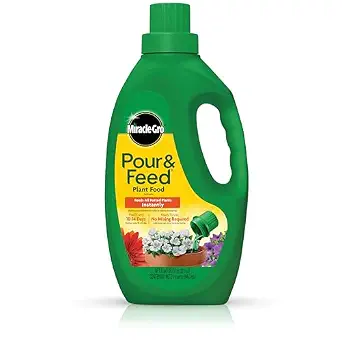 |
| Best Seller A high-volume bestseller chosen again and again | TPS NUTRIENTS Indoor Plant Food Liquid Fertilizer, 8 fl oz |  |
EZ-gro 10-30-20 Blossom Booster Liquid Plant Food (32 fl oz)

| Item Form | Liquid |
|---|---|
| NPK | 10-30-20 |
| Target Species | Flowers |
| Liquid Volume | 32 fluid ounces |
| Application Method | Dilute with water and apply to plants |
This EZ-gro 10-30-20 is a concentrated liquid bloom booster designed to feed flowering plants directly at the root zone. It is typically diluted with water (label mixing instructions) and applied every other week or with each watering at a lighter dose. The high phosphorus formula shifts plant energy toward bud set while the included potassium helps carry open blooms, and the product also supplies chelated iron, manganese, zinc and copper so micronutrients remain available in diverse soils. Because it is a complete NPK feed rather than a simple supplement, you can use it as the primary fertilizer during the flowering phase for petunias, geraniums, roses and other ornamentals in pots or garden beds. The concentrate yields a large number of gallons from one quart, making it economical for multiple containers. Limitations are that it is tailored for bloom promotion rather than vegetative growth, so it is not ideal when plants need leaf development, and precise dilution is necessary to avoid overfeeding sensitive seedlings.
Best for: Gardeners who want a dependable, concentrated bloom booster for petunias and other flowering containers or beds and who prioritize easy-to-apply liquid feeding during the flowering cycle.
Less Ideal for: Growers seeking an all-purpose or vegetative-stage fertilizer for producing lush foliage or for fertilizing seedlings should consider a balanced or higher-nitrogen product instead.
- High phosphorus 10-30-20 NPK targets bud set and flower production
- Includes chelated micronutrients (Fe, Mn, Zn, Cu) so nutrients stay plant-available
- Concentrated formula makes up to 48 gallons from one quart for economical use
- Liquid form feeds roots immediately without waiting for granules to break down
- Formulated primarily for flowering phase and not suited as a nitrogen-rich growth fertilizer
- Requires careful dilution to avoid overfeeding sensitive or young plants
Verdict: A concentrated liquid bloom booster that reliably increases flower set on petunias and other ornamentals while stretching a little bottle across many containers.
FoxFarm Big Bloom Liquid Plant Food, 16 fl oz

| Item Form | Liquid |
|---|---|
| Specific Uses For Product | Organic |
| Application Method | watering can, sprayer, or drip system |
| Unit Count | 16 Fluid Ounces |
| Mixing Ratio | 4 |
Big Bloom is a ready-to-mix liquid plant food intended for flowering and fruiting plants; you dilute 4 tablespoons per gallon of water and apply with a watering can, sprayer, or through drip systems. The formula centers on natural inputs such as bat guano and earthworm castings and is OMRI listed for organic gardening, so it supplies readily available nutrients that can boost blooms and help struggling plants recover quickly. Because it is a low-NPK, bloom-focused concentrate it is useful through multiple growth stages without overwhelming foliage with high nitrogen. Practical benefits include easy integration into existing irrigation, fast uptake for visible response, and suitability for organic beds, containers, and fruiting ornamentals. Important limits are that it contains phosphorus, which some local regulations restrict for turf or lawns, and the small 16 fl oz bottle means frequent refills for larger plantings. Users should follow dilution guidance and local rules to avoid runoff issues.
Best for: Buyers focused on maximizing blooms and fruit on ornamentals, container plants, and small fruiting crops who prefer organic, fast-acting feeding and want a product that fits existing watering systems.
Less Ideal for: People managing large turf areas, large-scale vegetable plots, or those who need a high-nitrogen general-purpose fertilizer should look for formulations designed specifically for those uses.
- Organic certified and OMRI listed, suitable for certified organic gardens
- Natural nutrient sources (bat guano and earthworm castings) that support flowering and fruit set
- Versatile application: watering can, sprayer, hose-end, or drip irrigation compatible
- Low-NPK bloom-focused formula that can be used throughout flowering stages without excessive foliage growth
- Contains phosphorus, which may be restricted by local regulations for some lawn or turf applications
- Smaller 16 fl oz bottle may require frequent repurchasing for medium to large gardens
Verdict: Choose Big Bloom if you want an OMRI-listed, easy-to-use liquid fertilizer that reliably boosts flowering and fruiting in small to medium organic gardens.
Purived All-Purpose Liquid Houseplant Fertilizer, 16 fl oz (Makes 50 Gallons)

| Item Form | Liquid |
|---|---|
| Application Method | soil drench, foliar feed, full & semi hydroponics |
| Target Species | Houseplants |
| Mixing Ratio | 320:1 |
Purived All-Purpose Liquid Houseplant Fertilizer is a concentrated 16 fl oz bottle that mixes 1 cap per gallon to treat up to 50 gallons of water. It is formulated for indoor potted plants and supports multiple application methods including soil drench, foliar spray, and full or semi-hydroponics, so you can use the same product whether you water, mist, or run nutrient solutions. The formula lists primary macronutrients and a range of micronutrients, which helps correct common deficiencies and supports steady growth when used at the recommended dilution. Practical benefits include an easy-to-follow mixing ratio, an odorless solution that is simple to store, and broad compatibility with different feeding routines. Important limits are that the label gives no N-P-K percentages, so precise nutrient planning for sensitive seedlings or specialty plants is not possible, and safety precautions mean you must handle and store it carefully. For new plants, start at or below the recommended dilution and observe growth before increasing frequency.
Best for: Buyers who want a versatile, no-fuss fertilizer for establishing and maintaining new houseplants and who value a single product that works across watering, misting, and basic hydroponic setups.
Less Ideal for: Growers who need exact N-P-K formulations for seedlings, specialty plants, or strict hydroponic nutrient regimens should consider a product with full nutrient breakdown and concentration details.
- Very concentrated so one bottle treats up to 50 gallons, reducing repurchase frequency
- Suitable for multiple application methods: soil drench, foliar feed, and hydroponics
- Includes a range of micronutrients in addition to primary NPK components
- Simple, clear mixing ratio (320:1) that is easy to follow
- No N-P-K ratio listed on the product information, limiting precise nutrient management
- Requires careful handling and storage due to safety warnings
Verdict: A concentrated, easy-to-use all-purpose fertilizer that covers feeding, foliar, and basic hydroponic needs for new houseplants.
Miracle-Gro Organic Liquid Plant Food, 32 fl. oz.

| Item Form | Liquid |
|---|---|
| Application Method | Soak the soil around each plant |
| Liquid Volume | 32 |
| Mixing Ratio | 2:1 |
| Ingredients | 1(N)-0.5(P)-1(K) |
Miracle-Gro Organic Liquid Plant Food is a ready-to-mix, plant-based fertilizer designed for regular feeding of houseplants, container plants and in-ground garden beds. The concentrate is diluted with water (manufacturer directions call for 2 capfuls per gallon for outdoor use and 1 capful per gallon for some indoor uses) and applied by soaking the soil around each plant. It is OMRI listed and made from about 94% plant-based ingredients, which makes it suitable for gardeners looking for an organic option that acts quickly. Practical benefits include easy mixing, clear dosing lines on the cap, and broad compatibility with flowers, vegetables, herbs and potted plants. Because it is a liquid feed you can see effects faster than slow-release granules and it is convenient for regular fortnightly or weekly feedings during the growing season. Limitations are that you must mix and apply frequently to maintain results and a single 32 fl. oz. bottle yields a finite amount of diluted solution, so heavier feeders or larger plots may need multiple bottles over a season.
Best for: Gardeners who want an affordable, certified organic liquid fertilizer that is simple to mix and use regularly on houseplants, containers, and small vegetable or flower beds.
Less Ideal for: People managing large landscape areas or heavy-feeding vegetable plots who prefer low-maintenance, slow-release options that require fewer applications.
- OMRI listed and made with about 94% plant-based ingredients
- Liquid concentrate mixes easily and feeds plants quickly when watered in
- Clear dosing instructions and cap markings simplify dilution
- Suitable for indoor and outdoor use across flowers, vegetables, herbs and shrubs
- Requires frequent reapplication compared with slow-release fertilizers
- A single 32 fl. oz. bottle may not be economical for large gardens
Verdict: A practical, OMRI-listed liquid concentrate that delivers plant-based nutrition quickly and is best for gardeners who will feed regularly on containers and small beds.
Jack's Classic Petunia FeED 20-6-22 Water-Soluble Fertilizer, 8 oz

| Item Form | Powder |
|---|---|
| Specific Uses For Product | Bloom Production |
| Application Method | foliar or root feeding |
| Target Species | Petunias |
| Unit Count | 8 Ounce |
Jack's Classic Petunia FeED is a concentrated, water-soluble powder designed for foliar or root feeding of petunias and other iron-dependent annuals. You mix the powder with water to create a liquid feed and can apply it as a foliar spray, direct root feed, or as part of a constant liquid feed program. The 20-6-22 NPK formula is paired with added micronutrients and iron chelates to help plants that struggle to take up iron, which is useful in hanging baskets, containers, and hard-water areas. It includes a measuring spoon and clear dilution instructions for both weekly and continuous feeding. The practical benefits are consistent, controllable nutrition and a concentrated format that stretches farther than ready-to-use liquids. Limits to consider are that it requires accurate measuring and mixing, and it is aimed specifically at bloom production for iron-sensitive species rather than as a one-size-fits-all general fertilizer.
Best for: Buyers who want a proven, dependable liquid feed for petunias and similar annuals and who prefer a concentrated, controllable fertilizer program for containers and hanging baskets.
Less Ideal for: Gardeners seeking an all-purpose one-step fertilizer for mixed beds or those who prefer ready-to-use liquid bottles without mixing.
- Formulated specifically for iron-hungry annuals to encourage lush green foliage and blooms
- Versatile application as foliar spray, root feed, or continuous liquid feed
- Concentrated powder stretches further than premixed liquids
- Includes measuring spoon and clear mixing directions
- Requires precise measuring and mixing which adds small extra effort
- Targeted formula is not intended as a universal fertilizer for all plant types
Verdict: Choose this concentrated water-soluble formula when you need a reliable, iron-focused liquid feed to keep petunias and other iron-dependent annuals green and blooming.
Miracle-Gro Pour & Feed Liquid Plant Food, 32 fl. oz.

| Item Form | Liquid |
|---|---|
| Application Method | Directly to the soil |
| Target Species | potted plants |
| Unit Count | 32 Fluid Ounces |
Miracle-Gro Pour & Feed is a ready-to-use liquid fertilizer designed for container plants and houseplants. You apply it by measuring with the bottle cap and pouring the recommended amount directly onto the soil around each pot, so no mixing or watering-can prep is required. Its convenience makes it easy to maintain a regular 10–14 day feeding schedule for bedding plants like petunias in containers. The product is formulated for potted plants only, and the liquid form gives fairly quick nutrient availability compared with slow-release granules. Practical benefits include simple dosing with the cap, suitability for indoor and outdoor use, and a clearly stated application rhythm that helps keep flowering plants vigorous. Important limitations are that it is not intended for in-ground beds and that frequent applications mean you need to remember regular feedings; it is also a general all-purpose formula rather than a petunia-specific bloom booster.
Best for: A plant owner who prefers simple, low-effort care for container flowers and wants a dependable, easy-to-measure fertilizer to keep petunias and other potted ornamentals blooming.
Less Ideal for: Gardeners seeking a long-term, in-ground soil amendment or those who prefer an infrequent, slow-release feeding schedule should consider other products.
- Ready-to-use liquid requires no mixing so application is fast and low-effort
- Cap-measure dosing makes it easy to apply the correct amount for each container
- Suitable for both indoor and outdoor container plants so one product covers many uses
- Feeds on a 10–14 day schedule for consistent nutrient supply to flowering containers
- Not formulated for in-ground planting so unsuitable for garden beds
- Requires frequent application compared with slow-release fertilizers
Verdict: Use this if you want a no-mix, easy-to-measure liquid fertilizer to keep container petunias fed and blooming on a regular schedule.
TPS NUTRIENTS Indoor Plant Food Liquid Fertilizer, 8 fl oz

| Item Form | Liquid |
|---|---|
| Specific Uses For Product | Plant Food |
| Application Method | Watering can |
| Mixing Ratio | 2:1 (oz/gallon) or 1:64 (tbsp/gallon) |
TPS NUTRIENTS Indoor Plant Food is a concentrated liquid fertilizer made for regular use with houseplants. You mix the measured dose into water and apply it with your usual watering can; the label gives an easy mixing ratio for household use. Its kelp-enriched formula is pitched at improving leaf color, encouraging steady new growth, and supporting root health, so expect glossier foliage and more frequent leaf production when plants are fed consistently. The 8 fl oz bottle is portable and fits on a plant shelf or utility area, and the liquid form dissolves readily for even application. It is intended for medium coverage and labeled as gentle for weekly feeding, which simplifies care for busy owners. Important limitations are that this is a small bottle meant for regular top-up feedings rather than long-term bulk use, and it assumes you will follow dilution directions to avoid overfeeding. Keep it away from children and pets and avoid skin or eye contact when handling.
Best for: Plant owners who want a simple, low-effort weekly fertilizer to keep indoor foliage vibrant and encourage steady new leaf growth. Good for people who prefer an easy liquid mix applied during regular watering routines.
Less Ideal for: Gardeners needing a bulk or multi-season fertilizer for outdoor beds or large collections should consider larger-capacity or specialized products instead.
- Liquid concentrate mixes easily for even application with a watering can
- Kelp-enriched formula aimed at improving foliage color and encouraging new growth
- Gentle enough for weekly feedings according to product guidance
- Clear mixing instructions for home use
- Small 8 fl oz volume limits how many plants you can feed before repurchasing
- Not formulated or labeled for outdoor or large-scale garden use
Verdict: A convenient kelp-enriched liquid concentrate that makes weekly feeding easy for anyone who wants healthier, more vibrant indoor foliage.
Choosing the Right Liquid Fertilizer for Petunias: Key Factors to Consider
Nutrient Ratio and Bloom Support
Petunias benefit from a fertilizer with a higher middle number and accessible potassium to encourage abundant, long-lasting blooms. A balanced bloom formula supplies phosphorus and potassium without excessive nitrogen, which can encourage leafy growth at the expense of flowers.
Look for labels that indicate bloom or flower formulation and give clear N-P-K numbers. The nutrient balance matters for consistent flowering across the season, especially when plants are under regular watering in containers or hanging baskets.
Concentration, Dilution Range, and Tolerance
Liquid fertilizers come in different concentrations. A concentrated stock needs only small measures per gallon, while weaker liquids require more frequent application. Consider how precise you are with measuring: broader dilution ranges are more forgiving for backyard gardeners.
Tolerance to dilution error matters because petunias are sensitive to fertilizer burn if applied too strong. A formula that lists clear, graduated feed strengths for maintenance versus bloom boost helps you avoid stress and keeps plants flowering steadily.
Solubility and Mixing Behavior
How a liquid mixes affects ease of use and the lifespan of application equipment. Well-solubilized feeds dissolve quickly, leave minimal residue, and are less likely to clog sprayers or drip lines. Powder concentrates that do not dissolve fully are harder to work with and can cause uneven feeding.
Check for instructions about stirring, pre-mixing in warm water, or straining to remove undissolved particles. Good solubility reduces the risk of blocked nozzles in hose-end applicators and ensures a uniform nutrient supply to all plants.
Application Method Compatibility
Different gardeners apply liquid fertilizer in different ways: root drench with a watering can, hose-end sprayer, injector system, or foliar spray. Choose a product that lists compatible application methods and provides mix rates for each.
Compatibility with common tools saves time and prevents accidental over-concentration. If you plan to use a drip system or a fine nozzle sprayer, confirm the feed is labeled safe for those uses to avoid buildup and blockages.
Feeding Frequency and Plant Needs
Petunias often need regular, light feeding rather than infrequent heavy doses. Consider how often the product recommends application during peak bloom and whether it supports both routine maintenance and periodic bloom-boost treatments.
Products that offer a clear maintenance schedule help you plan watering and feeding together. Fast-draining containers and potting mixes may need more frequent feeding, while in-ground plants usually require less frequent applications.
Storage, Shelf Life, and Handling
Liquid fertilizers vary in shelf stability. Some formulas separate or lose potency if left open or exposed to extreme temperatures. Look for storage instructions and whether the product needs shaking before use.
Longer shelf life and straightforward handling reduce waste and make seasonal planning easier. Also check if the product advises rinsing application equipment after use to extend gear life and avoid cross-contamination between different feeds.
Matching Feed Strength to Container Size
Small pots and hanging baskets dry out faster and concentrate salts from repeated feeding. Use lower-strength mixes more frequently to maintain steady nutrient availability without burning roots. Larger containers and beds can tolerate slightly stronger feeds less often because their soil buffers nutrient spikes better.
Adjust the feed strength by reducing the label rate for small containers and increasing irrigation frequency to flush salts. Tracking bloom response over a couple of weeks helps you fine-tune the schedule.
- Use half to three quarters strength for small pots
- Flush container soil monthly with plain water if salts build up
- Increase feed strength slightly only if foliage is lush but flowers are sparse
Timing Feeds for Peak Flowering
Petunias bloom most prolifically when fed during active growth and bud set. Apply maintenance feeds on a regular cadence, then switch to a bloom-boost rate for a few weeks when you want to encourage heavier flowering.
Avoid heavy feeding late in the season when plants are preparing to slow growth. Consistent timing keeps flower production even and prevents sudden leggy growth from overfertilization.
- Feed every one to two weeks during active blooming for containers
- Space feedings farther apart for in-ground plantings with established soil
- Pause intensive feeding during very hot or drought-stressed periods
Signs of Overfeed and Recovery Steps
Petunias react to excess soluble fertilizer with brown leaf edges, wilting despite moist soil, or sudden leaf scorch. If you suspect overfeeding, stop fertilizing immediately and flush the root zone with copious plain water to leach salts.
After flushing, reduce feed strength and frequency. Trim severely damaged foliage to encourage fresh growth and monitor plants closely for improvement over the next two weeks.
- Brown or crispy leaf margins indicate salt stress
- Sudden wilting with wet soil often points to root burn from excess fertilizer
- A thorough flush can often restore plants within a couple of weeks
Using Liquid Fertilizer with Other Garden Inputs
Combine liquid feeding with regular watering and seasonal potting mix refreshes. If you apply other amendments such as bloom stimulants, compost teas, or foliar sprays, space applications to avoid stacking nutrient or pH effects.
Test compatibility before mixing different concentrates together. When in doubt, apply separate treatments on different days and rinse equipment between uses to avoid reactions.
- Avoid mixing two concentrates in the same tank without compatibility guidance
- Space foliar sprays and root drenches by at least 24 hours
- Rinse sprayers between different products to prevent residues
Safety and Environmental Considerations
Handle and store liquid fertilizers safely, keeping concentrates away from children and pets. Follow label directions for dilution and disposal to minimize runoff risks, especially in containers and sloped beds where nutrients can wash away.
Consider using lower-strength, more frequent feeds to reduce the chance of nutrient leaching. When applying near waterways, avoid heavy feedings and allow buffer zones of untreated soil or plants.
- Store concentrates in a cool, dry place with the cap secure
- Avoid feeding before heavy rain to reduce runoff
- Use targeted root drench applications rather than broad spraying near sensitive areas
How We Chose the Best Liquid Fertilizer for Petunias
We focused on attributes that directly affect petunia performance and everyday garden use. Primary evaluation criteria included nutrient ratio suitability for flowering, concentration and dilution flexibility, and solubility to ensure even feeding without clogging waterers or drip systems. Application convenience was judged by clarity of instructions and compatibility with common watering tools like hand-waterers, hose-end sprayers, and injector systems. Plant safety and forgiveness were assessed by how tolerant a formula is to minor overfeeds, based on recommended dilution ranges and bufferability. Finally, we considered package stability and storage advice so feeds remain effective across a season. Excluded items included granular or slow-release fertilizers, soil amendments, foliar-only sprays that lack balanced root feeding, and specialty blends not intended for general petunia care. The shortlist uses these category-specific filters so every product here is appropriate for routine liquid feeding of petunias in containers and beds.
FAQ
How often should I feed petunias with liquid fertilizer?
Frequency depends on container size and product strength. Generally, feed container-grown petunias every one to two weeks at a maintenance rate, while in-ground plants usually need less frequent applications. Reduce feeding during extreme heat or drought.
Can I use a general-purpose liquid fertilizer on petunias?
Yes, a balanced general-purpose liquid can support petunias, but formulas labeled for flowering with appropriate phosphorus and potassium levels often produce better bloom density. Adjust strength to avoid excessive leafy growth.
Will liquid fertilizer burn petunias if I use it too strong?
Petunias are sensitive to high soluble-salt concentrations, so over-concentrated feeds can cause leaf scorch and root stress. If burning occurs, flush the soil thoroughly with plain water and resume with a lower dilution.
Is foliar feeding effective for petunias compared with root drenches?
Foliar feeding can deliver quick trace nutrients and help with short-term deficiencies, but regular root drenches supply a steadier nutrient source for sustained flowering. Use foliar sprays sparingly and not as a sole feeding method.
How do I prevent clogging when using a hose-end sprayer or injector?
Choose a well-solubilized liquid fertilizer and always strain pre-mixed solutions if particulates are present. Rinse equipment after each use and follow manufacturer mixing instructions to avoid residues that cause blockages.
Final Verdict
For petunias, prioritize a liquid feed that supports flowering with the right nutrient ratio, mixes cleanly, and fits your application method. Tradeoffs are common: more concentrated bloom boosters demand careful measuring, while gentler maintenance feeds require more frequent application. Consider container size, watering rhythm, and how comfortable you are with measuring doses when choosing a feed. Aim for consistent, moderate feeding rather than heavy dosing. That approach preserves flower production, reduces stress, and makes it easier to recover from occasional mistakes. With the right liquid fertilizer and a predictable schedule, you can keep petunias vibrant throughout the season.
