

Note: This article contains affiliate links. If you click on these links and make a purchase, I may earn a small commission at no extra cost to you. This helps support my research and content. Read my full affiliate disclosure here.
If you share your home with curious pets, selecting a pet safe mouse trap matters for both animal welfare and effective pest control. The right trap keeps cats and dogs out of harm's way while capturing rodents reliably and without toxic baits. This guide covers a short list of top picks chosen for safety-minded households and outlines the features gardeners and homeowners should weigh in real-life spaces such as kitchens, garages, and basements. We evaluated safety design, capture method, and ease of use when narrowing the options. Read on for the top pet safe mouse trap types and practical tips for using them responsibly.
Top Picks at a Glance
| Best Overall The best all-around choice for most situations | OWLTRA Indoor Electric Mouse Trap (Small) |  |
| Best Quality Built to a higher standard if you want something more solid | Victor M250BSR-2 Indoor Electronic Mouse Trap, 2-Pack |  |
| Best Value The sweet spot between price and what you get | Tomcat Kill & Contain Mouse Trap, 2-Pack |  |
| Best Budget The cheapest option that still gets the job done reliably | Motel Mouse Humane Live-Catch Mouse Traps, 2-Pack |  |
| Highest Rated A top-rated pick with lots of positive feedback | G-Jyuncyou Electric Rat and Mouse Trap (2800V) |  |
| Most Popular A crowd favorite that many people choose with confidence | blinc Humane Catch-and-Release Mouse Traps (2-Pack) |  |
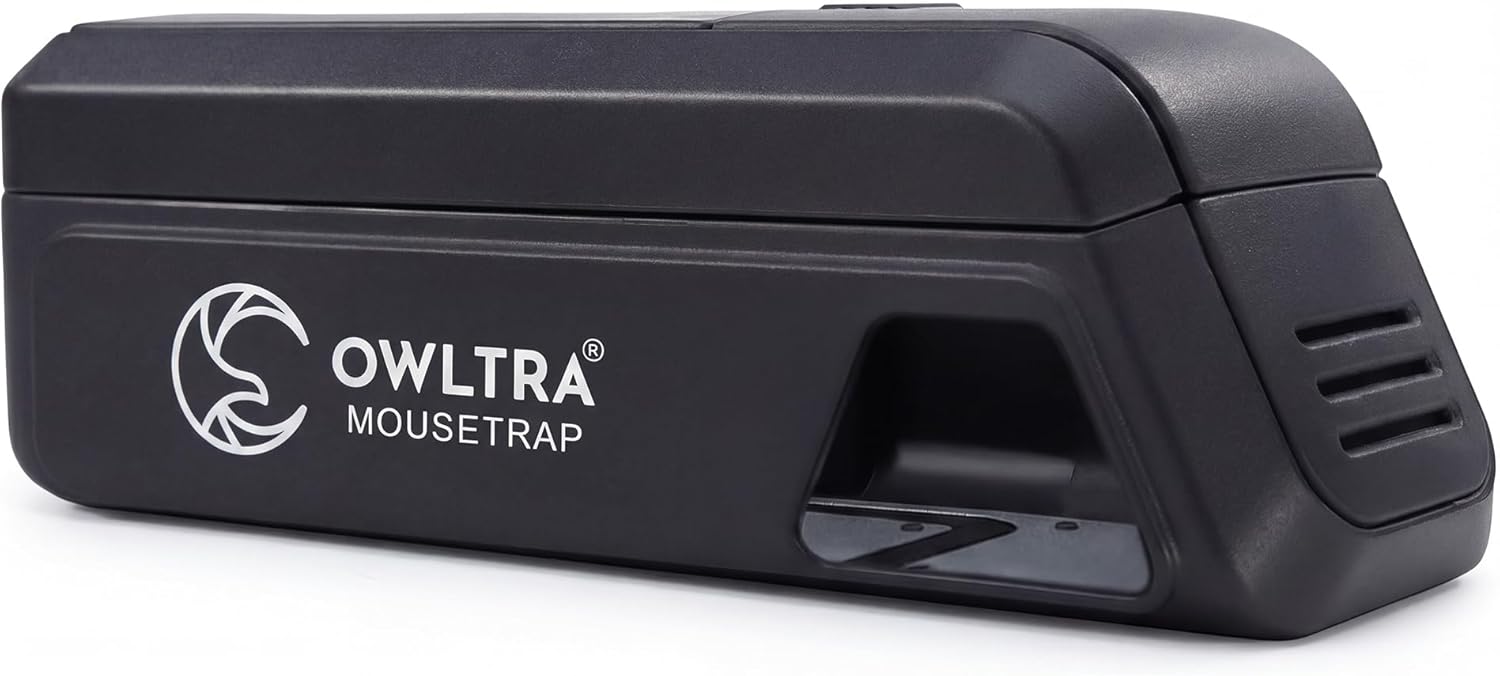
OWLTRA Indoor Electric Mouse Trap (Small)
| Target Species | Mouse, Rat |
|---|---|
| Power Source | Battery Powered |
| Material Type | Plastic |
| Recommended Uses For Product | House |
The OWLTRA Indoor Electric Mouse Trap is a compact, battery-powered device designed to catch and quickly eliminate mice and similar small rodents. It works by luring rodents into a sealed chamber with bait; dual infrared sensors detect an animal and trigger a high-voltage shock to kill it. The top lid is magneted for easy, hands-off disposal and the unit automatically deactivates when opened for safer cleaning. Typical use is placing the trap along walls or near entry points inside the home and refreshing bait as needed. Notable features include pet-safe sensing to reduce false triggers, a no-escape internal design to keep the animal in the chamber, and a small footprint for discreet placement. Practical benefits are straightforward setup, reduced need for poisons, and sanitary disposal without touching the pest. Limitations are that it is intended for mice and small rodents only, requires periodic battery replacement, and its plastic housing may be less durable than heavier-duty units for very high-traffic infestations.
Best for: Homeowners or renters who want a compact, chemical-free indoor solution to eliminate mice quickly while minimizing contact with the pest and reducing risk to pets and children.
Less Ideal for: People needing to control larger rats, very large infestations, or outdoor rodent problems should choose a heavier-duty or larger-capacity solution instead.
- Dual infrared sensors that only activate when a rodent is inside, reducing false zaps
- Hands-free, magnetic lid for no-touch disposal and automatic deactivation when opened
- Battery powered for flexible indoor placement without cords
- Designed specifically for mice and small rodents, with a no-escape chamber
- Suitable only for mice and smaller rodents, not for larger rats
- Requires 4 AA batteries and periodic replacement during heavy use
- Plastic construction may wear faster than metal traps under heavy use
Verdict: A compact, pet-aware indoor electric trap that offers sanitary, chemical-free elimination of mice for households seeking a low-contact solution.
Victor M250BSR-2 Indoor Electronic Mouse Trap, 2-Pack

| Target Species | Mouse |
|---|---|
| Power Source | Battery Powered |
| Unit Count | 2 Count |
| Recommended Uses For Product | Indoor |
| Material Type | Plastic |
The Victor M250BSR-2 is a two-pack of indoor electronic mouse traps designed for quick, hygienic rodent removal. Each unit uses a tunnel design with beveled columns to hold a mouse over the trigger plate, delivering a high-voltage shock when the smart circuit detects activity. The covered housing conceals the catch and the no-touch disposal mechanism lets you remove the spent rodent without handling it directly. Integrated LED lights show green for a successful catch and red when batteries are low, reducing the need for frequent manual checks. Battery-powered operation gives flexible placement along walls where mice travel, and the housing includes safety features intended to limit access by children and pets when used as directed. Limitations to note are that these are for indoor use only and require fresh batteries to keep the electronics reliable; the units also do not provide live-capture or reusable bait containers for non-lethal options. For commercial settings you may need multiple units to cover large spaces and to keep rotations for continuous coverage.
Best for: Buyers who prioritize reliable, sanitary mouse control and want compact, easy-to-check traps that work without daily inspection. Good for facility managers or homeowners who value straightforward electronic solutions backed by established pest-control design.
Less Ideal for: Not a fit for people seeking humane live-capture or for outdoor pest control needs; also not ideal if you need a single unit to cover very large commercial spaces without deploying multiples.
- Two traps per pack for broader coverage without buying multiples
- Covered tunnel and no-touch disposal for hygienic, discreet removal
- LED indicator lights for catch status and low-battery alerts
- Battery-powered cordless design for flexible placement along walls
- Beveled columns and smart circuit reduce escape chances and improve kill reliability
- Intended for indoor use only so not suited to exterior or outbuilding deployment
- Requires batteries and periodic replacement to maintain effectiveness
Verdict: Choose the Victor 2‑pack when you need compact, hygienic electronic traps that give reliable no‑touch elimination and quick status feedback for indoor rodent control.
Tomcat Kill & Contain Mouse Trap, 2-Pack

| Unit Count | 2 Count |
|---|---|
| Target Species | Mouse |
| Power Source | manual |
| Material Type | Plastic |
The Tomcat Kill & Contain Mouse Trap is a disposable, enclosed snap trap designed for indoor use where you want to avoid handling rodents. You bait the trap through a rear bait door, set it with a single press of the side arm, and the covered design both kills and locks the mouse inside so you do not see or touch the carcass. An easy-view indicator shows when a mouse has been caught and a grab tab lets you discard the whole unit. Its compact shape makes it practical for tight spaces like behind appliances, along baseboards, and near pantry areas. Because the trap is plastic and disposable, it removes the need to clean or reset reusable devices, but it does create regular waste and requires replacing after each catch. The trap is manual so it works without power or electronics, but it only targets mice and comes as a 2-pack which may not be enough for larger infestations. For households with pets, the enclosed design reduces accidental access but you should still place traps out of reach of curious animals.
Best for: A buyer who prioritizes hygienic, low-contact rodent control in a pet household and wants a simple, no-fuss solution for indoor mice.
Less Ideal for: Homeowners facing large or ongoing infestations who prefer reusable traps or a multi-trap long-term strategy should consider higher-capacity or reusable options.
- Enclosed design kills and contains rodent for no-touch disposal
- Single-touch set and easy-view catch indicator for straightforward monitoring
- Compact shape suitable for tight indoor spaces like behind appliances
- Disposable unit removes need to clean or handle reusable parts
- Disposable plastic construction generates waste and requires replacement after each catch
- Sold as a 2-pack which may be insufficient for heavy infestations
Verdict: Buy this if you want a simple, hygienic, no-touch disposable mouse trap that is easy to set and safe to keep away from pets.
Motel Mouse Humane Live-Catch Mouse Traps, 2-Pack

| Unit Count | 2 Count |
|---|---|
| Material Type | Plastic |
| Target Species | Mouse |
| Power Source | hand_powered |
| Number of Pieces | 2 |
These Motel Mouse traps are simple, purpose-built live-catch units that let you capture and release mice without killing them. Each two-pack includes reusable plastic traps with a rear release door and extra ventilation so captured animals have room and airflow. Set-up is quick and intuitive, and the traps are hand-powered so they can be used safely around children and pets. The kit also includes a cleaning brush, printed tips, and an online how-to video, which helps reduce mistakes for first-time users. Practical benefits are that the traps avoid poisons and snap-trap injuries, are easy to rinse clean, and can be redeployed many times. Limitations are that they are basic plastic housings rather than heavy-duty metal, so they may not withstand persistent gnawing over very long periods and they require regular checking and a willingness to relocate mice humanely. For a mainstream buyer who prefers a low-risk, nonlethal approach, these traps offer an accessible, effective option for household mouse control.
Best for: Homeowners who want a low-risk, nonlethal method to manage occasional mouse problems and prefer straightforward, safe tools they can use around family and pets.
Less Ideal for: People dealing with large or persistent infestations or those who need a hands-off, long-term rodent exclusion solution.
- Live-catch design with touch-free release reduces direct contact with rodents
- Reusable plastic construction that is easy to clean with included brush
- Simple, hand-powered setup safe to use around children and pets
- Includes instructions and video guidance to help first-time users
- Plastic construction may be less durable against persistent gnawing compared with metal traps
- Requires frequent checking and manual relocation of captured mice
Verdict: A safe, easy-to-use live-catch option for buyers who want a humane, low-risk way to remove occasional mice from the home.
G-Jyuncyou Electric Rat and Mouse Trap (2800V)

| Power Source | ac |
|---|---|
| Number of Pieces | 1 |
This enclosed electric trap uses a 2800V shock delivered through internal metal plates to kill rats and mice quickly and quietly. Designed for indoor use, it is placed along walls, behind appliances, or in corners where rodents run; when an animal enters the tunnel it receives the shock and is retained on a removable tray for hygienic, no-touch cleanup. The unit runs from AC power and includes a USB cable, and its closed chamber helps prevent accidental contact with people or pets when positioned correctly. Practical benefits include fast kills, reusable operation with simple cleaning of the tray, and near-silent operation except for a brief buzzer after a catch. Limitations are that it requires a nearby power source or a compatible adapter since batteries or an adapter are not included, and very large rats may be less reliably restrained depending on placement. The trap is best for homeowners who value a sanitary, hands-off solution rather than messy snap or glue methods.
Best for: Buyers who prioritize a reliable, sanitary, low-contact indoor solution for recurring house mouse or rat problems and who can place the unit near a power source.
Less Ideal for: People who need a fully cordless solution or those dealing exclusively with very large wild rodents that may not fit securely inside the tunnel.
- High-voltage 2800V shock for rapid kills
- Enclosed chamber reduces risk of accidental contact and keeps the kill area contained
- Removable tray enables no-touch disposal and repeated reuse
- Quiet operation with only a short buzzer after a capture
- Requires AC power and does not include an adapter or batteries
- May be less effective for very large rodents depending on placement
Verdict: A dependable, reusable indoor trap that delivers quick, hygienic kills and minimal handling for homeowners focused on reliable rodent control.
blinc Humane Catch-and-Release Mouse Traps (2-Pack)

| Unit Count | 2 Count |
|---|---|
| Target Species | Cat, Mole, Mouse, Rat |
| Power Source | manual |
| Material Type | Acrylonitrile Butadiene Styrene (ABS) |
These blinc traps are simple, no-kill devices that capture mice alive for release. They use a weight-triggered lever and ventilation holes to hold the animal safely until you slide the back door to release it, so you avoid touching the rodent or using poisons or snap-style mechanisms. Typical use is placing the compact traps along walls, inside pantries, garages, or near runways and checking them frequently; after a catch you rinse with warm soapy water and reset. Notable features include a sensitive trigger for small mice, a no-touch release, and reusable ABS construction that cleans easily. The design is low-profile and child- and pet-safe because it contains no toxic bait or exposed springs. The main limitations are that they require regular monitoring and manual relocation of captured animals, and they are intended for single mice at a time so heavy infestations will need multiple units or complementary control methods.
Best for: Buyers who prioritize humane, nonchemical solutions and want a low-risk option for occasional mouse sightings in homes, pantries, garages, or outbuildings.
Less Ideal for: People facing large or persistent infestations, or those who prefer hands-off, long-term elimination methods like professional exclusion or bait programs.
- Humane catch-and-release mechanism avoids killing or injuring mice
- No toxic bait or exposed springs, making it safer around children and pets
- Reusable ABS construction that rinses clean for repeated use
- Sensitive weight-triggered lever can catch very small mice
- Designed to hold one mouse at a time so not ideal for heavy infestations
- Requires frequent checks and manual transport of live captures for release
Verdict: A simple, safe, and reusable humane mouse trap for homeowners who want a no-kill, low-risk way to catch and release occasional mice.
Choosing the Right Pet Safe Mouse Trap: Key Factors to Consider
Type of Capture
The capture method determines both how humane the trap is and how likely it is to be safe around pets. Live-capture boxes confine a rodent without killing it, allowing for relocation, but they require timely checking and a plan for release. Enclosed snap traps keep the lethal mechanism inside a housing that limits access by pets and reduces the chance of accidental contact. Electronic traps often lure the mouse into a contained chamber and deliver an instant kill; their housings can be very effective at keeping pets safe if designed correctly.
Think about how often you can check traps and whether you want to handle live animals. The capture type also affects cleanup, disposal, and the risk of secondary pest attraction from exposed carcasses or bait.
Safety Features for Pets
Look for physical barriers, one-way entry points, or fully enclosed mechanisms that prevent curious pets from reaching bait or trigger parts. Traps with narrow access tunnels let mice enter but block larger snouts and paws. Locking lids, snap-lock housings, or recessed trigger plates reduce accidental activation by animals and children. Some units offer removable collection chambers that minimize direct contact during disposal.
Evaluate where you will place traps; high-traffic pet areas need stronger containment. Even a trap marketed as pet safe should be positioned out of reach when possible to add redundancy to safety features.
Baiting and Attractants
The type and placement of bait affects both capture success and pet safety. Non-toxic bait choices such as peanut butter work well but can attract pets if accessible. Enclosed bait stations keep attractants contained and focused inside the trap so pets cannot remove the bait or ingest it directly. Some traps use bait wells that are only reachable once the mouse is committed to entering the capture chamber.
Consider bait longevity too. Fresh, strong-scented bait draws mice faster but may need replacement in warm or damp locations. Using sealed bait cups or bait pins inside protective housings reduces accidental pet exposure and keeps the lure effective longer.
Placement and Habitat Considerations
Where you place traps changes both effectiveness and pet risk. Mice prefer edges, baseboards, and hidden runs along walls. Place traps perpendicular to walls with the entrance facing the wall so mice encounter the trap naturally. For homes with pets, pick placement sites that are out of paw reach: behind appliances, inside cupboards with pet-proof doors, attic corners, or elevated shelving where pets cannot climb.
Heat, humidity, and outdoor exposure affect trap materials. In garages or sheds choose weather-resistant housings and check them more often. Indoors, avoid placing traps where pets sleep or play to minimize interference.
Ease of Use and Maintenance
A trap that is easy to set, check, and clean reduces the chance of user error and accidental exposure. Removable catch compartments, washable housings, and clear indicators for a successful capture save handling time and make it safer to dispose of or release rodents. Simple mechanical set-and-release mechanisms are usually more reliable for everyday users than fiddly triggers.
Also consider how much handling the trap requires after capture. If a solution requires you to reach into a chamber or touch the dead rodent, that may increase risk to both people and pets. Look for designs that allow sealed disposal or hands-free emptying.
Long-Term Effectiveness and Durability
Durable construction keeps pets safe over time because cracked housings or warped parts can expose trigger mechanisms. Materials that withstand repeated cleaning preserve the trap's safety features and make maintenance practical. For seasonal or occasional use, check that springs, latches, and plastic clips hold up without becoming brittle.
Also weigh the cost of replacement parts or consumables such as bait cups. A well-built trap that lasts several seasons and performs consistently is often the better choice for a household with pets.
Humane Options and When to Use Them
Live-capture traps are a humane choice when you can check them frequently and have an appropriate relocation plan. They are best used in low-traffic areas away from pets and in climates where released animals can survive. Live traps require more follow-through because prolonged confinement risks stress or injury to the trapped animal.
If relocation is not feasible, enclosed lethal traps minimize handling exposure compared with exposed snap traps. Match the humane intent with practical logistics so the method you choose fits your daily routine.
- Live-capture is best when you can check traps at least twice daily.
- Enclosed lethal traps limit pet access while reducing hands-on disposal.
- Decide ahead how you will handle captured animals to avoid delays.
Placement Tips for Pet Households
Position traps along walls and in corners where mice travel, while keeping them out of reach of pets. Use elevated placement or enclosed cabinets to add a physical barrier for pets. In multi-level homes think about basements and attics where rodents enter from outside and pets seldom follow.
- Place traps perpendicular to walls with the entry facing the wall.
- Use adhesive pads or mounting brackets if pets knock traps over.
- Avoid high-scent bait near pet sleeping areas to prevent attraction.
Sanitation and Post-Capture Handling
Sanitation reduces disease risk and lingering scents that attract other pests. Wear disposable gloves when handling traps, and wash hands and tools afterward. If a trap contains a dead rodent, use a sealed disposable bag or a dedicated sealed container for transport to disposal.
For live captures, minimize direct contact and release animals far from dwellings according to local regulations. Clean the trap with a mild disinfectant and let it dry thoroughly before reuse to avoid scent transfer that can deter further captures.
- Keep a cleaning kit with gloves, disinfectant, and sealed bags near trap locations.
- Replace bait after cleaning and before rearming the trap.
- Inspect trap housings for damage that could expose pets to mechanisms.
Integrating Traps Into an Overall Rodent Plan
Traps are one component of controlling mice. Complement trapping with exclusion work such as sealing gaps, removing food sources, and keeping compost and pet food in sealed containers. Reducing attractants lowers the number of traps you need and prevents repeated enticement of both rodents and curious pets.
Regular monitoring and rotating placement improves long-term effectiveness and helps identify new entry points. Document captures and locations to track patterns and adjust strategies seasonally.
- Seal holes larger than a quarter inch with durable materials.
- Store pet food in sealed bins and clean up spilled kibble promptly.
- Use traps as a targeted response rather than a whole-house scatter of devices.
Common Mistakes to Avoid
Placing traps in the middle of open rooms invites pet interference and reduces capture rates. Avoid exposed bait or open triggers that pets can smell and access. Overbaiting can make traps less effective because mice will steal bait without entering the mechanism.
Neglecting to check traps regularly increases stress for live-captured animals and raises the chance that pets find a disturbed trap. Finally, ignoring trap maintenance leads to failures when springs weaken or housings crack.
- Do not use toxic baits if pets have any access to the area.
- Check traps daily in high-traffic zones and at least every other day elsewhere.
- Replace worn parts rather than improvising repairs that reduce safety.
How We Chose the Best Pet Safe Mouse Trap
We narrowed the field by focusing on design features that matter in homes with pets and children. Primary evaluation criteria included physical safety mechanisms that prevent accidental access by paws and noses, and the trap's capture method whether it is live-capture, sealed snap in an enclosed housing, or electronic capture. We also weighed reliability of capture and reset success across varied household settings, because a trap that misses repeatedly increases exposure risk and prolongs infestation. Cleanability and maintenance were assessed to ensure traps can be emptied or sanitized without exposure to contaminants. Durability and weather resistance were considered for traps placed in garages, sheds, or basements. Finally, we checked how straightforward each trap is to set and disarm to reduce handling mistakes. We excluded traps that rely on toxic baits or open, exposed mechanisms that pets could easily trigger. We also filtered out devices that require complex wiring or professional installation since most household users need simple, repeatable solutions. The listed criteria align with our scoring metrics and reflect practical tradeoffs between safety, effectiveness, and day-to-day usability.
FAQ
Are live-capture traps safe to use around pets?
Live-capture traps can be safe if they are placed where pets cannot reach them and are checked frequently. Because captured animals can vocalize or try to escape, keep pets away from containment locations and plan prompt release according to local regulations.
How often should I check pet safe mouse traps?
Check traps at least once daily if possible, especially live-capture units. In lower-risk areas every other day may be acceptable, but frequent checks reduce stress on live animals and limit opportunities for pets to discover disturbed traps.
Can I use regular bait like peanut butter without risking my pet?
Peanut butter is an effective, non-toxic bait but should be secured inside an enclosed bait well to prevent pets from accessing it. Never leave open food baits where pets can smell and reach them, and consider pet-proof housings for extra protection.
What should I do if my pet disturbs a trap?
Disarm the trap carefully, clean the area, and inspect the device for damage before reusing. Move subsequent traps to safer locations and consider mounting or enclosing them so pets cannot knock them over or access bait.
Are electronic traps safe around small pets?
Electronic traps with sealed chambers can be safe if the housing prevents pet access to electrical contacts. Verify the trap's enclosure and place it where pets cannot paw at it. Unenclosed electronic parts should be avoided in homes with inquisitive animals.
How do I dispose of a live-captured mouse painlessly and legally?
Disposal options depend on local regulations. Many people release live-captured mice in appropriate habitats several miles from residences, but this may be restricted in some areas. If euthanasia is necessary, follow humane and legal methods recommended by local animal control or a veterinarian.
Final Verdict
Prioritize traps that combine enclosed mechanisms with simple setup and easy cleaning when choosing a pet safe mouse trap. Balance capture method against how often you can check and maintain devices, and always place traps to add a physical barrier between curious pets and the mechanism. By focusing on safety features, capture reliability, and straightforward maintenance you can manage rodents effectively while minimizing risks to animals in your home.
