

Note: This article contains affiliate links. If you click on these links and make a purchase, I may earn a small commission at no extra cost to you. This helps support my research and content. Read my full affiliate disclosure here.
Choosing the right outdoor plant pot shapes how well your container plants grow, how often you water, and how a patio or garden space looks. The wrong pot can hold too much water, break in a freeze, or limit root development. This guide covers seven top-rated outdoor plant pots shortlisted for real-world use in patios, balconies, and garden beds. We evaluate pots by material longevity, drainage, weight and mobility, and how they support plant health. Read on to see practical tradeoffs and which features matter most before you buy.
Top Picks at a Glance
| Best Overall The best all-around choice for most situations | The HC Companies Eclipse Round Planter with Saucer (16" Cottage Stone) |  |
| Best Quality Built to a higher standard if you want something more solid | Veradek Pure Series Tall Tapered Outdoor Planter with Removable Shelf (2-pack) |  |
| Best Value The sweet spot between price and what you get | Veradek Demi Series Round Outdoor Planter (12") |  |
| Best Budget The cheapest option that still gets the job done reliably | FEED GARDEN 7 Gallon Grow Bags, 4-Pack (300G Non-Woven Fabric) |  |
| Highest Rated A top-rated pick with lots of positive feedback | GreenShip 12-Inch Large Planters Set of 2 |  |
| Most Popular A crowd favorite that many people choose with confidence | VIVOSUN 5-Pack 5-Gallon Fabric Grow Bags with Handles |  |
| Best Seller A high-volume bestseller chosen again and again | Arcadia Garden Products Classic 13×15" Plastic Urn Planter, Brushed Copper |  |
The HC Companies Eclipse Round Planter with Saucer (16" Cottage Stone)

| Material Type | Plastic |
|---|---|
| Other Special Features of the Product | Drainage Hole, Lightweight, UV Resistant, Weather Resistant |
| Mounting Type | Floor Standing |
| Indoor Outdoor Usage | Indoor, Outdoor |
| Size | 16" |
This 16" Eclipse round planter is a basic, durable plastic pot meant for containers of flowers, herbs or small shrubs on patios and porches. Made from UV‑resistant polypropylene with a matte finish, it resists fading and cracking outdoors and is light enough to move when you need to reposition plants or bring them inside. The pot includes pre-drilled drainage holes and a removable saucer so excess water can drain without damaging surfaces, which simplifies routine watering and reduces the risk of root rot. Its simple round profile and neutral Cottage Stone look pair easily with most outdoor styles. Expect the usual limits of lightweight plastic: it will not have the heft or insulation of ceramic or terra cotta, so soil dries faster in hot weather and the pot can tip more easily with top‑heavy plants. For gardeners looking for an affordable, low‑maintenance outdoor planter that shows strong user satisfaction, this is a practical choice.
Best for: Buyers who prioritize a dependable, low‑fuss large outdoor planter with proven user satisfaction and easy maintenance for patios, balconies, or entryways.
Less Ideal for: People who need heavy, highly insulating pots for large specimen plants or who want premium materials like ceramic or cast stone for a weighted look.
- UV‑resistant polypropylene construction that resists fading and cracking outdoors
- Pre-drilled drainage holes with removable saucer to protect surfaces and help prevent overwatering
- Lightweight design makes moving and repositioning plants easy
- Matte finish and neutral styling suit many outdoor settings
- Lightweight plastic offers less thermal insulation than heavier materials so soil can dry faster in heat
- Less stable for tall or top‑heavy plants compared with heavier pots
Verdict: A lightweight, UV‑resistant 16" outdoor planter that reliably handles drainage and regular outdoor wear, making it an easy, low‑maintenance choice for patios and balconies.
Veradek Pure Series Tall Tapered Outdoor Planter with Removable Shelf (2-pack)

| Capacity | 73.6 liters |
|---|---|
| Number of Pieces | 2 |
| Material Type | Polypropylene Plastic |
| Other Special Features | UV Resistant, Weather Resistant |
| Mounting Type | Floor Standing |
The Veradek Pure Series tall taper planters are designed to deliver durable, low-maintenance container planting for patios, entrances, and balconies. Made from molded polypropylene, the pots are lightweight yet impact resistant and treated for UV and weather exposure so they hold up through sun and colder conditions without cracking or heavy fading. Each set includes a removable insert shelf so you can either fill the body with soil for deep-rooted plantings or use the insert for shallower plant mixes and easier repotting; the insert also offers an optional drainage hole. At 30 inches tall these planters create height and presence for elevated displays of perennials, small shrubs, or dramatic succulents. The single-wall construction keeps them easy to move compared with heavy ceramic or metal alternatives but means they do not offer the insulating mass of heavier materials, so soil can warm and cool faster. For gardeners who prioritize robust, weatherproof planters that are simple to manage, these deliver strong real-world performance with a modern profile.
Best for: Gardeners who want durable, low-maintenance planters that create height and impact while remaining easy to move and manage, especially for patio, balcony, or entryway displays.
Less Ideal for: People seeking heavy, decorative materials with built-in insulation or those who prefer natural stone or ceramic aesthetics for formal garden designs.
- UV and weather resistant finish designed to resist fading and cracking
- Lightweight polypropylene construction makes placement and relocation easy
- Removable insert shelf gives flexibility for deep fills or contained inserts
- Tall 30 inch profile provides strong vertical presence for elevated plantings
- Single-wall plastic lacks the thermal mass of ceramic or stone, so root temperatures fluctuate more
- Not insulated; may need protection in extreme freeze-thaw conditions
Verdict: A weatherproof, lightweight pair of tall planters that deliver reliable, low-maintenance performance and strong vertical presence for outdoor container gardens.
Veradek Demi Series Round Outdoor Planter (12")

| Capacity | 14 liters |
|---|---|
| Material Type | Plastic |
| Other Special Features of the Product | UV Resistant, Weather Resistant |
| Mounting Type | Floor Standing |
| Indoor Outdoor Usage | Outdoor |
The Veradek Demi round planter is a lightweight, weather-resistant pot intended for outdoor use with succulents, grasses, or small ornamental plants. Constructed from a patented plastic-stone composite, it mimics a concrete look while remaining crack and UV resistant, so it stands up to freeze and heat conditions. Pre-drilled drainage holes make it straightforward to avoid overwatering and root rot, and the textured, fluted design suits modern porches, patios, and balconies. At roughly a 12 inch size and modest capacity, it is easy to move when planting or rearranging yet still large enough for single small plants or a tight grouping. Because it is plastic-based rather than solid stone, it will not feel as heavy or premium as real concrete but gains durability and frost resistance without the cracking common in ceramic or poor-quality stone. That balance of durability, weather tolerance, and contemporary styling makes it a practical choice for everyday outdoor planters where ease of handling matters more than a heavyweight look.
Best for: Gardeners who want a durable, low-maintenance outdoor pot that looks modern but is easy to move and manage for patios, balconies, and porches.
Less Ideal for: People seeking a heavyweight, true-stone or designer planter for a premium aesthetic or for very large plants should consider larger or solid-material alternatives.
- Plastic-stone composite offers crack and UV resistance for year-round outdoor use
- Pre-drilled drainage holes help prevent overwatering and root rot
- Lightweight compared with real concrete so it is easy to move and rearrange
- Textured, fluted design fits contemporary outdoor decor
- Smaller 12 inch size limits planting to single small plants or compact groupings
- Material does not have the heavy, premium feel of authentic concrete
Verdict: Choose this planter if you want a weatherproof, lightweight outdoor pot with modern styling that is easy to move and keeps plants healthy with built-in drainage.
FEED GARDEN 7 Gallon Grow Bags, 4-Pack (300G Non-Woven Fabric)

| Capacity | 7 gallons |
|---|---|
| Material Type | Nonwoven |
| Unit Count | 4 Count |
| Indoor Outdoor Usage | Indoor, Outdoor |
These FEED GARDEN 7 gallon grow bags are lightweight fabric planters meant for container gardening on patios, balconies, and small outdoor beds. Made from 300G nonwoven material, they provide good airflow and drainage that helps prevent waterlogged soil and encourages fibrous root development. The thicker fabric and reinforced double-stitched handles make them more durable than thin single-season bags and let you move soil-filled pots when rearranging your outdoor space. They are sold as a four-pack and fold flat for off-season storage or apartment gardening. Practical benefits include faster drying between waterings, less root circling than plastic pots, and easy transport when you need to reposition containers for sun or shelter. Limitations are that fabric bags need more frequent watering than rigid pots and they offer less insulation in very hot or cold weather, so plan watering and placement accordingly.
Best for: Budget-minded gardeners who need affordable, space-saving containers for patios, balconies, or small outdoor plots and want breathable pots that are easy to move and store.
Less Ideal for: Gardeners seeking permanent decorative planters or those who need high thermal insulation for temperature-sensitive plants should consider rigid pots or insulated containers instead.
- 300G nonwoven fabric improves airflow and drainage to reduce over-watering and root rot
- Thicker material and double-stitched handles resist tearing for multi-season use
- Foldable, lightweight design stores flat and is easy to transport
- Sold as a four-pack so you can outfit several containers or a small garden area
- Fabric construction requires more frequent watering than solid pots
- Less thermal insulation than rigid containers, which can affect roots in extreme temperatures
Verdict: A practical, budget-friendly four-pack of durable breathable grow bags that make container gardening on small outdoor spaces simple and portable.
GreenShip 12-Inch Large Planters Set of 2
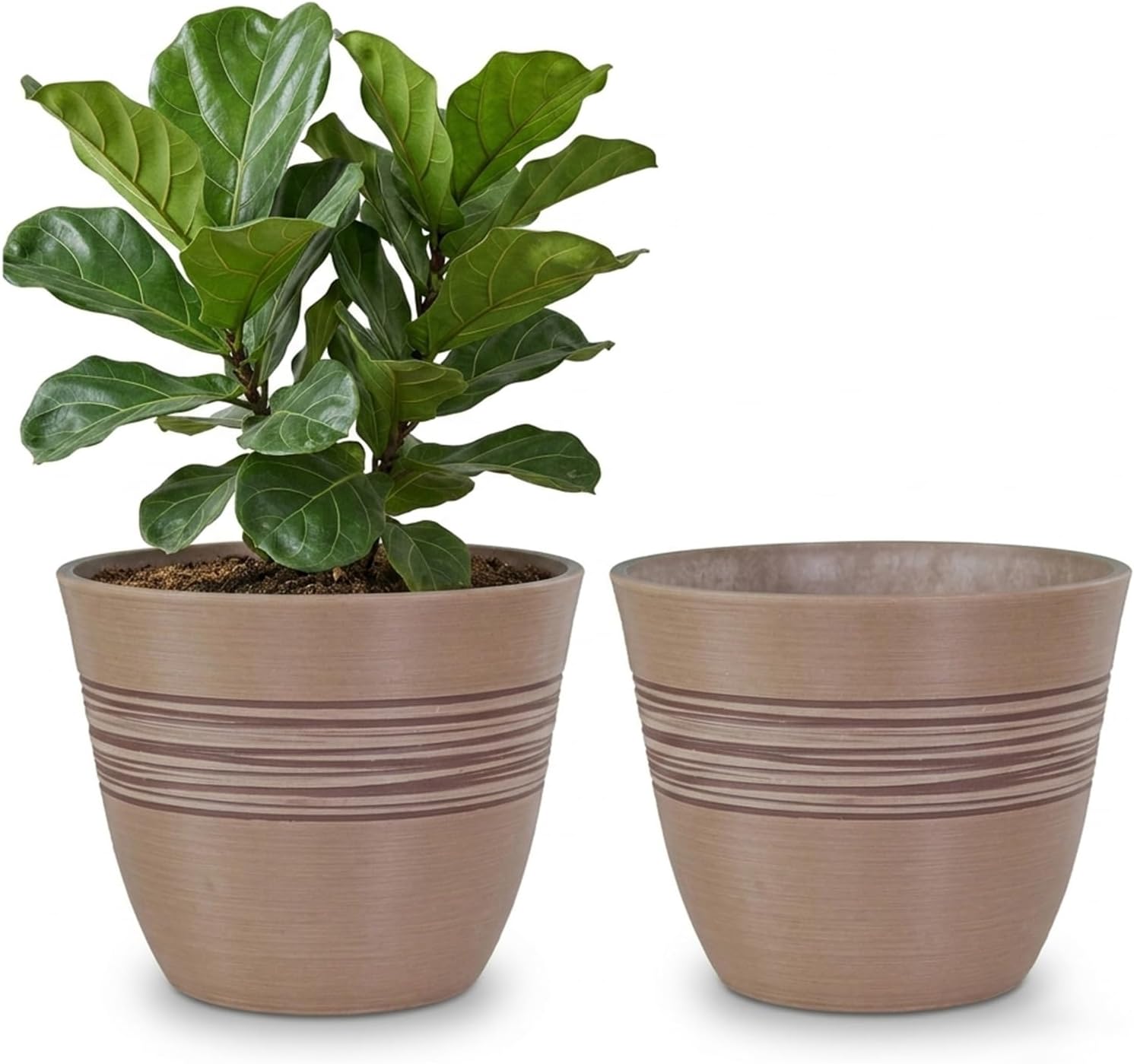
| Material Type | 100% recycled resin and natural stone powder |
|---|---|
| Other Special Features | Drainage Hole, UV Resistant, Weather Resistant |
| Indoor Outdoor Usage | Indoor, Outdoor |
| Number of Pieces | 2 |
These GreenShip planters are a reliable, low-maintenance option for outdoor planting and decorative indoor use. Made from a recycled resin and natural stone powder blend, they look like stone while staying much lighter and more impact-resistant than ceramic. The set of two features a horizontal ribbed design that fits modern and rustic settings, and pre-drilled drainage holes support healthier root systems by preventing overwatering. UV and weather resistance mean the finish should hold up to sun and seasonal exposure without rapid fading or cracking. Because they are lightweight it is easy to move them for seasonal rearranging or winter storage, yet the material feels sturdy enough for larger houseplants, shrubs, and mixed arrangements. The main limitations are that they are tabletop style planters so very large trees or extra-deep root systems will need bigger containers, and the lightweight construction, while durable, will shift in very windy, exposed spots unless anchored or weighted.
Best for: Buyers who prioritize long-lasting, low-maintenance outdoor planters for patios, porches, or balconies and want a stone-like look without heavy ceramic weight.
Less Ideal for: Gardeners seeking very large, deep containers for trees or permanent in-ground replacements should choose larger, heavier planters or professional landscaping options.
- Durable resin and natural stone powder blend that resists cracking and impact
- Built-in drainage hole to prevent overwatering and support healthy roots
- UV- and weather-resistant finish designed to resist fading outdoors
- Lightweight design makes repositioning and seasonal storage simple
- Tabletop size limits use for very deep-rooted or large landscape trees
- May need added weight or anchoring in extremely windy, exposed locations
Verdict: These planters deliver stone-like durability and UV-proof outdoor performance in a lightweight, easy-to-move two-piece set ideal for reliable year-round container gardening.
VIVOSUN 5-Pack 5-Gallon Fabric Grow Bags with Handles

| Capacity | 5 Gallons |
|---|---|
| Material Type | Nonwoven fabric |
| Included Components | 5 Bags |
| Indoor Outdoor Usage | Indoor, Outdoor |
| Other Special Features of the Product | Drainage Hole |
These VIVOSUN grow bags are basic, reliable fabric planters for small- to medium-sized container crops. Made from 300g nonwoven fabric they breathe and drain well, which helps keep roots cooler and reduces waterlogging compared with plastic pots. The set includes five 5-gallon bags that work for vegetables, herbs, and annual flowers in raised beds, patios, or a grow tent. Notable features are reinforced serged handles that make filled bags easier to move and a built-in drainage hole to prevent standing water. Because the fabric encourages air pruning, you can develop a healthier, fibrous root system and reuse the bags for multiple seasons with reasonable care. Limitations are the modest 5-gallon capacity, which is not suitable for large shrubs or trees, and the fabric will eventually show wear if left constantly exposed to UV and abrasion. Occasional hand-washing and storing them out of direct sun when not in use will extend their life.
Best for: Buyers who prioritize proven, well-reviewed basics and want a reliable set of breathable containers for vegetables, herbs, or patio flowers that are easy to move and reuse.
Less Ideal for: Not a good choice for gardeners who need large containers for trees or permanent decorative pots that must withstand long-term outdoor exposure.
- Breathable nonwoven fabric improves drainage and root aeration
- Reinforced serged handles make moving filled bags practical
- Reusable construction for multiple seasons with proper care
- Built-in drainage hole reduces risk of waterlogging
- 5-gallon size limits use to small- and medium-rooted plants
- Fabric will degrade faster than rigid pots if left in constant sun or abrasive conditions
Verdict: A dependable, well-made 5-pack of breathable grow bags that gives risk-conscious gardeners a proven, easy-to-handle solution for small to medium container plants.
Arcadia Garden Products Classic 13×15" Plastic Urn Planter, Brushed Copper

| Capacity | 6.2 quarts |
|---|---|
| Included Components | Pot |
| Material Type | Plastic |
| Indoor Outdoor Usage | Indoor, Outdoor |
| Mounting Type | Floor Standing |
This Arcadia 13×15" urn is a decorative, easy-to-use planter intended for porches, entryways, patios or indoor display. It ships as a two-piece pedestal that screws together without tools, so setup is quick and relocating the planter is straightforward thanks to the lightweight plastic construction. The fluted, traditional profile and brushed copper finish give a classic look suitable for seasonal plantings, faux arrangements, or holiday displays. The planter does not come with drainage holes, but the plastic can be drilled if you prefer planted specimens that need bottom drainage. With a roughly 6.2 quart capacity and an 11" opening it fits medium bedding plants or compact shrubs and offers a roomy interior for potting soil and root growth. Expect good weather resistance from the synthetic material and easy cleaning compared with ceramic or metal urns, though it lacks the heft of heavier materials that can resist tipping in strong wind. Overall it is a practical, attractive choice when you want the look of an urn without the weight or maintenance of traditional materials.
Best for: Someone who wants classic urn styling with minimal fuss and easy placement, especially buyers who prioritize low-maintenance, moveable outdoor decor.
Less Ideal for: People seeking heavy, wind-resistant stone or ceramic planters or gardeners who need built-in drainage and very large soil volume for big shrubs.
- Traditional fluted design adds curb appeal without extra work
- Tool-free two-piece assembly for fast setup
- Lightweight plastic makes it easy to move and reposition
- Durable synthetic material resists weather and UV exposure
- No factory drainage holes so you must drill them for planted specimens
- Lightweight construction can be less stable in strong winds or if top-heavy
Verdict: A lightweight, weather-resistant urn that delivers classic planter styling and quick tool-free assembly for low-maintenance outdoor or indoor displays.
Choosing the Right Outdoor Plant Pot: Key Factors to Consider
Material Durability
The pot material determines how well a container stands up to sun, rain, and freezing temperatures. Terracotta breathes but can crack in freeze-thaw cycles unless frost-resistant. Plastic and resin resist breakage and are generally lightweight, but low-quality plastics can become brittle with prolonged UV exposure. Metal pots can be durable but may heat up in sun and risk corrosion unless treated. Consider the climate where the pot will sit and choose materials rated for outdoor use to avoid frequent replacement.
Long-term durability also affects how the pot performs with heavy or top-heavy plants. Sturdy construction reduces tipping and cracking under root and soil weight. Finish and colorfastness are part of durability too, since sun-faded or flaking surfaces affect appearance over seasons.
Drainage and Water Control
Proper drainage is essential to prevent root rot and ensure oxygen reaches roots. Look for pots with drainage holes or the ability to add them, and consider whether the pot design allows excess water to escape freely. Pots with integrated saucers or self-watering reservoirs change how often you need to water, so match the drainage style to the plants you intend to grow.
Drainage interacts with soil mix choice. For plants that prefer drier conditions, a porous pot plus fast-draining mix is best. For moisture-loving species, a pot that retains some water combined with careful watering habits will work. Also think about where runoff will go on a balcony or patio and whether a saucer or tray is needed to protect surfaces.
Size and Root Volume
Choose a pot sized for the mature root system of the plant. A pot that is too small restricts root growth and stresses plants, while an overly large pot holds excessive moisture and slows warming in spring. Depth matters for plants with long taproots versus those with fibrous root systems. For mixed plantings, pick a container that gives each species adequate space without crowding.
Consider future growth when selecting size. If you plan seasonal repotting or expect rapid growth, opt for a slightly larger container and use internal dividers or separate pots for easy maintenance.
Weight and Mobility
Weight affects where you can place a pot and how easy it is to reposition. Heavy ceramic or concrete pots stay put in wind but are hard to move for seasonal changes. Lightweight resin or plastic pots are easy to rearrange and transport but may need added ballast to prevent tipping with tall plants. Consider whether you will move containers indoors for winter or around the garden for light management.
Mobility also ties to base design. Pots with integrated feet, recessed bottoms, or paired dollies simplify moving. If mobility is important, check compatibility with plant caddies or pot rollers and whether adding casters will affect stability.
Aesthetics and Finish
The pot finish contributes to the visual style of a garden or patio and should complement plant form and foliage. Matte and textured finishes hide soil splashes and minor wear better than high-gloss surfaces. Color choice influences heat absorption; darker pots warm more quickly in sun, which can be helpful in cool climates but risky for heat-sensitive roots.
Consider how the pot ages. Some finishes develop an attractive patina, while others may flake or fade. Choose a look that fits your landscape and the level of maintenance you are willing to perform to keep containers looking their best.
Compatibility with Soil and Plants
Different plants require different soil depths, drainage, and aeration. Make sure the pot supports the soil type you plan to use, whether that is a lightweight mix for succulents or a moisture-retentive blend for moisture-loving perennials. The pot shape affects root circulation and how often you need to top-dress or repot.
Also think about planting technique. Deep narrow pots suit columnar plants, while wide shallow bowls are better for mixed annual displays. Check that the pot allows you to install soil amendments, fertilizer spikes, or root barriers as needed for long-term plant health.
Matching Pots to Common Outdoor Uses
Different outdoor settings and plant types benefit from different pot features. On balconies and small patios, lightweight pots make seasonal moves and container swaps easier. In garden beds or on terraces, heavier pots provide stability for larger shrubs and top-heavy specimens. Consider where you will place the pot and match material and size to that site.
Think about microclimate too. A pot on a south-facing wall will heat up more and may need a material that resists thermal stress. Shaded corners may require darker pots or varieties that tolerate lower light and slower soil drying.
- Balconies and rooftops: prioritize lightweight, non-porous pots with secure drainage management
- Patios and decks: use saucers or stands to protect surfaces from runoff
- Garden beds and borders: heavier pots for stability and to anchor larger plants
Winter Care and Off-Season Storage
Outdoor pots face freeze-thaw cycles that can cause cracking, especially in porous materials. If you live where temperatures drop below freezing, either choose frost-resistant containers or plan to move sensitive pots to sheltered storage. Elevating pots off cold ground reduces direct contact with freezing surfaces and helps drainage.
For filled pots you plan to keep outside, reduce watering in late fall and avoid leaving soggy soil that can expand and damage the container. If moving pots is not practical, consider using insulating wraps or placing pots against sheltered walls to moderate temperature swings.
- Empty and store fragile pots indoors if possible
- Use frost-resistant mixes and avoid excessive late-season fertilizing
- Elevate pots to prevent ground freezing contact
Sourcing and Preparing Potting Mix
The pot you choose is only part of successful container gardening. A potting mix formulated for containers ensures good drainage, aeration, and nutrient retention. For outdoor pots, blends that include coarse components like pine bark fines or perlite help prevent compaction from watering and weather.
Adjust the mix to plant needs. Succulent mixes should be much grittier, while moisture-loving plants benefit from mixes with more organic matter. Top with a light mulch or decorative gravel to slow surface evaporation in hot weather.
- Use mix particle size appropriate to pot depth to maintain drainage
- Avoid garden soil alone in pots to prevent compaction and poor drainage
- Consider adding slow-release fertilizer or liquid feeds during the growing season
Surface Protection and Placement Practicalities
Think through how pots contact surfaces. Clay and ceramic pots can stain or leave mineral marks on wood and stone. Use saucers or protective pads to prevent damage. On patios, ensure drainage will not pool and cause slippery conditions or surface staining.
Placement also affects sunlight and watering needs. Group pots with similar moisture requirements together to simplify maintenance and reduce accidental over- or under-watering.
- Use saucers or pot feet to protect terraces and decking
- Group plants by watering schedule and light needs
- Check wind exposure for tall or lightweight pots that might tip
Customizing Pots for Better Performance
Simple modifications can extend the usefulness of an outdoor pot. Adding a layer of coarse drainage material at the bottom can help water move through the soil, though it will not replace the need for proper drainage holes. Using breathable liners or geo-fabrics can keep soil from washing out while allowing water movement.
For mobility, pot dollies with casters make large pots easy to move. For aesthetics, consider painting pots with exterior-grade paints or applying weatherproof sealants suitable for the material to protect finishes and add color.
- Install or verify drainage holes before planting
- Use breathable liners to stabilize soil without impeding drainage
- Add castors or dollies for heavy pots that need occasional movement
How We Chose the Best Outdoor Plant Pot
To assemble this list we focused on features that matter in real garden use rather than trends or single-test wins. We evaluated pots for material durability and weather resistance, because freeze-thaw cycles and sun exposure determine how long an outdoor container lasts. Drainage and water retention were weighed heavily since overwatering and poor drainage are leading causes of plant stress in containers. Size and root volume were compared to common planting needs for annuals, perennials, and small shrubs. Weight, mobility, and compatibility with pot stands or saucers were considered for installation and repositioning. Finally, construction quality and ease of cleaning were included to reflect long-term maintenance. We excluded indoor-only containers, decorative shells without drainage, and pots made from materials that are impractical for outdoor climates. We did not include large planting systems or built-in planters intended for structural landscaping. Our selections favor pots that combine weather resilience with functional drainage and appropriate sizing for common outdoor plants.
FAQ
Do outdoor plant pots need drainage holes?
Most outdoor plant pots should have drainage holes to prevent waterlogging and root rot. Some decorative containers without holes can be used if you plant in an inner pot with drainage or modify the container to add holes.
What pot material is best for hot sunny locations?
Lighter-colored, UV-resistant materials such as treated resin or glazed ceramic tend to perform well in full sun because they absorb less heat. Metals should be used with caution because they can heat soil quickly unless shaded.
How do I winterize heavy ceramic or concrete pots?
If the pots are frost-resistant you can leave them in place with reduced watering and elevated bases. Otherwise, emptying and storing them in a sheltered area or wrapping them to reduce moisture penetration will help prevent cracking during freeze-thaw cycles.
Can I reuse old garden soil in a pot?
Reusing garden soil alone is not recommended because it can compact and drain poorly in containers. Mix in fresh potting mix components to improve structure, drainage, and nutrients, and consider sterilizing if pest or disease was present.
How large should a pot be for perennial plants?
Choose a pot that accommodates the expected mature root ball with room to grow, typically one to two sizes up from a nursery container. Depth and width depend on the species; many perennials do best in pots that offer several inches of free soil around roots.
Are self-watering pots good for outdoor use?
Self-watering pots can reduce watering frequency and help maintain even moisture, but they must be matched to plant water needs. In very wet climates they can retain too much moisture, while in hot sun they may require more top-ups to the reservoir.
Final Verdict
When choosing an outdoor plant pot prioritize the combination of material durability and drainage that fits your climate and plant choices. Size the pot to match root volume while balancing weight and mobility needs for placement and maintenance. Expect tradeoffs: heavier pots offer stability and longevity but are harder to move, while lightweight options simplify rearranging but may need protection from wind or heat. Focus on the drainage characteristics, material weather resistance, and practical installation details like saucers or dollies. With these priorities in mind you can pick an outdoor plant pot that supports healthy plants and fits your outdoor space needs confidently.
