

Note: This article contains affiliate links. If you click on these links and make a purchase, I may earn a small commission at no extra cost to you. This helps support my research and content. Read my full affiliate disclosure here.
Choosing the right hardwood mulch matters for how your beds look, how much time you spend reapplying material, and how your soil performs season to season. Good hardwood mulch reduces weeds, moderates soil temperature, and slowly contributes organic matter as it breaks down. This guide covers six top hardwood mulches suited to typical home gardens and landscapes and explains the traits that affect longevity, appearance, and soil benefits. Below you will find our shortlisted options plus clear evaluation criteria to help you pick a mulch that fits your maintenance style and planting goals.
Top Picks at a Glance
| Best Overall The best all-around choice for most situations | CountryMax Natural Shredded Hardwood Mulch, 2 cu ft |  |
| Best Quality Built to a higher standard if you want something more solid | Home & Country USA Premium Triple Shredded Hardwood Mulch (2 cu ft) |  |
| Best Value The sweet spot between price and what you get | CountryMax Midnite Black Hardwood Mulch, 2 cu ft |  |
| Best Budget The cheapest option that still gets the job done reliably | GARDENWISE Premium Brown Wood Mulch (0.2 cu ft) |  |
| Highest Rated A top-rated pick with lots of positive feedback | CountryMax Autumn Red Premium Hardwood Mulch, 2 cu. ft. |  |
| Most Popular A crowd favorite that many people choose with confidence | Home And Country USA Triple Shredded Black Hardwood Mulch, 2 cu ft Bag |  |
CountryMax Natural Shredded Hardwood Mulch, 2 cu ft
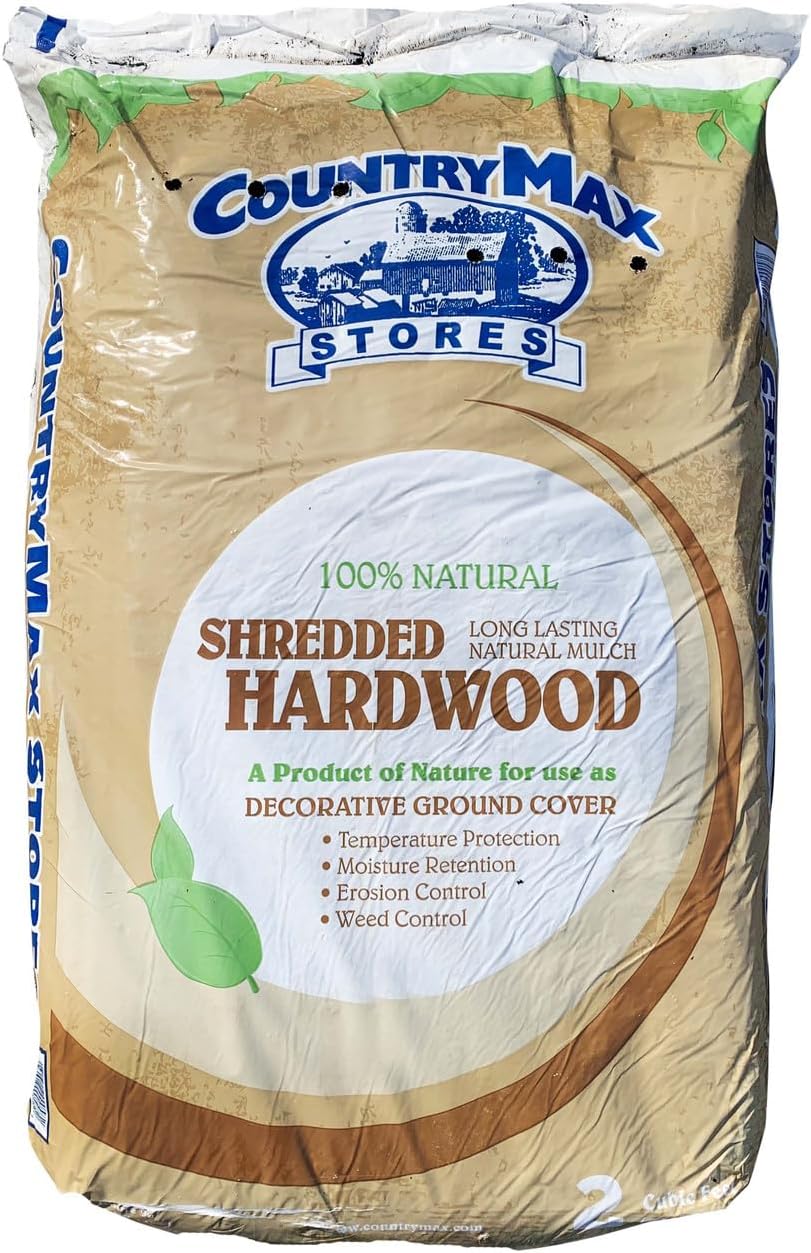
| Manufacturer | CountryMax |
|---|---|
| Product type | Shredded hardwood mulch |
| Bag volume | 2 Cu. Ft. |
CountryMax Natural Shredded Hardwood Mulch is a basic, no-frills hardwood mulch intended for standard landscaping tasks like flower beds, borders, trees, shrubs, and pathways. It is a shredded hardwood product with natural wood tones that provides straightforward ground coverage, helps retain soil moisture, and creates a tidy, finished look. Typical use is spreading a 2 to 3 inch layer around plants to suppress weeds and moderate soil temperature while also improving curb appeal. The shredded texture makes it easy to work with by hand or with a rake, and the natural color blends well with most landscapes. Limitations are that it is a simple hardwood mulch so you should not expect soil-amending properties or long-term color longevity compared with dyed or engineered mulches, and it will decompose over time requiring periodic replenishment. For general-purpose gardeners wanting an economical, attractive mulch, this performs as expected.
Best for: Gardeners who want an affordable, natural-looking mulch for everyday landscape beds and basic weed suppression and moisture retention.
Less Ideal for: If you need long-lasting color retention, soil amendment, or a slow-decomposing engineered mulch, choose a dyed or rubber alternative instead.
- Natural shredded hardwood gives clean, classic appearance in beds and borders
- Helps retain soil moisture and insulates roots
- Shredded texture is easy to spread and conforms around plants
- Suitable for multiple uses including pathways, trees, shrubs and flower beds
- Will decompose over time and needs periodic replenishment
- No added nutrients or soil-amending benefits compared with composted mulches
Verdict: A straightforward, natural shredded hardwood mulch that gives affordable coverage and reliable moisture retention for typical garden beds.
Home & Country USA Premium Triple Shredded Hardwood Mulch (2 cu ft)

| Volume | 2 cubic feet |
|---|---|
| Unit Count | 1 Count |
| Item Type Name | Mulch |
| Manufacturer | Home and Country USA |
This premium triple-shredded hardwood mulch is designed for homeowners and landscapers who want durable, long-lasting coverage with a natural look. It is typically spread 2 to 3 inches deep around flower beds, trees, and garden borders to suppress weeds, conserve soil moisture, and moderate soil temperature. The triple shredding gives good coverage and a tidy finished appearance while breaking down gradually to add organic matter to soil. Because it is made from 100% USA-grown organic hardwood, it supports soil biology as it decomposes and helps retain water in hot, dry spells. Practical benefits include easier maintenance due to fewer weeds and reduced watering frequency, plus a consistent texture that lays flat and resists blowing. Limitations are that color will fade over time and the product will decompose slowly so annual top-ups are likely for peak appearance and performance; also small packaging volume means multiple bags are needed for larger projects.
Best for: Buyers focused on landscape performance who want a durable, natural hardwood mulch that improves soil health, reduces watering, and cuts weed maintenance.
Less Ideal for: Those needing a single bulk delivery for very large projects or buyers who want a permanently colored decorative mulch should look elsewhere.
- Triple-shredded texture provides even coverage and a clean finished look
- Made from 100% USA-grown organic hardwood that contributes organic matter as it decomposes
- Helps retain soil moisture and reduce watering needs
- Suppresses weed germination by creating a light-blocking barrier
- Small 2 cubic foot volume means multiple bags required for large areas
- Color will naturally fade and requires occasional refresh to maintain appearance
Verdict: Choose this triple-shredded hardwood mulch when you want a performance-oriented, natural mulch that improves soil health while suppressing weeds and conserving moisture.
CountryMax Midnite Black Hardwood Mulch, 2 cu ft

| Manufacturer | CountryMax |
|---|---|
| Product type | Hardwood mulch |
| Volume per bag | 2 cu ft |
| Color | Midnite black |
CountryMax Midnite Black is a shredded hardwood mulch intended for flower beds, borders, trees, shrubs, and pathways where a dark, finished look is wanted. You spread it like any bagged mulch to create a 2 to 3 inch protective layer that helps retain soil moisture, moderate soil temperature, and suppress weeds. The rich black color provides strong visual contrast that highlights plants and makes beds look tidy. Being natural hardwood, it breaks down over time and adds organic matter to the soil rather than lasting as long as hardwood nuggets or rubber alternatives. This product is straightforward to use, available in portable 2 cu ft bags, and suitable for routine top-dressing or seasonal refreshes. Expect to replenish it periodically as pieces decompose and thin out; it is not a long-term permanent ground cover. Overall it delivers the look and basic performance most gardeners expect from a premium black hardwood mulch.
Best for: Gardeners who prioritize a reliable, attractive finish and straightforward performance for regular bed maintenance and seasonal refreshes.
Less Ideal for: People looking for a near-permanent ground cover or who need bulk quantities for large commercial projects should consider longer-lasting or bulk alternatives.
- Deep, consistent black color for strong visual contrast in beds
- Shredded hardwood texture that helps retain moisture and allow airflow
- Multipurpose for beds, borders, trees, shrubs and pathways
- Adds organic matter as it decomposes, improving soil over time
- Breaks down over time so requires periodic replenishing
- Sold in 2 cu ft bags which may be less convenient for large projects
Verdict: Choose this shredded midnite black hardwood mulch when you want a dependable, garden-ready black mulch that provides immediate curb appeal and basic moisture and weed control.
GARDENWISE Premium Brown Wood Mulch (0.2 cu ft)
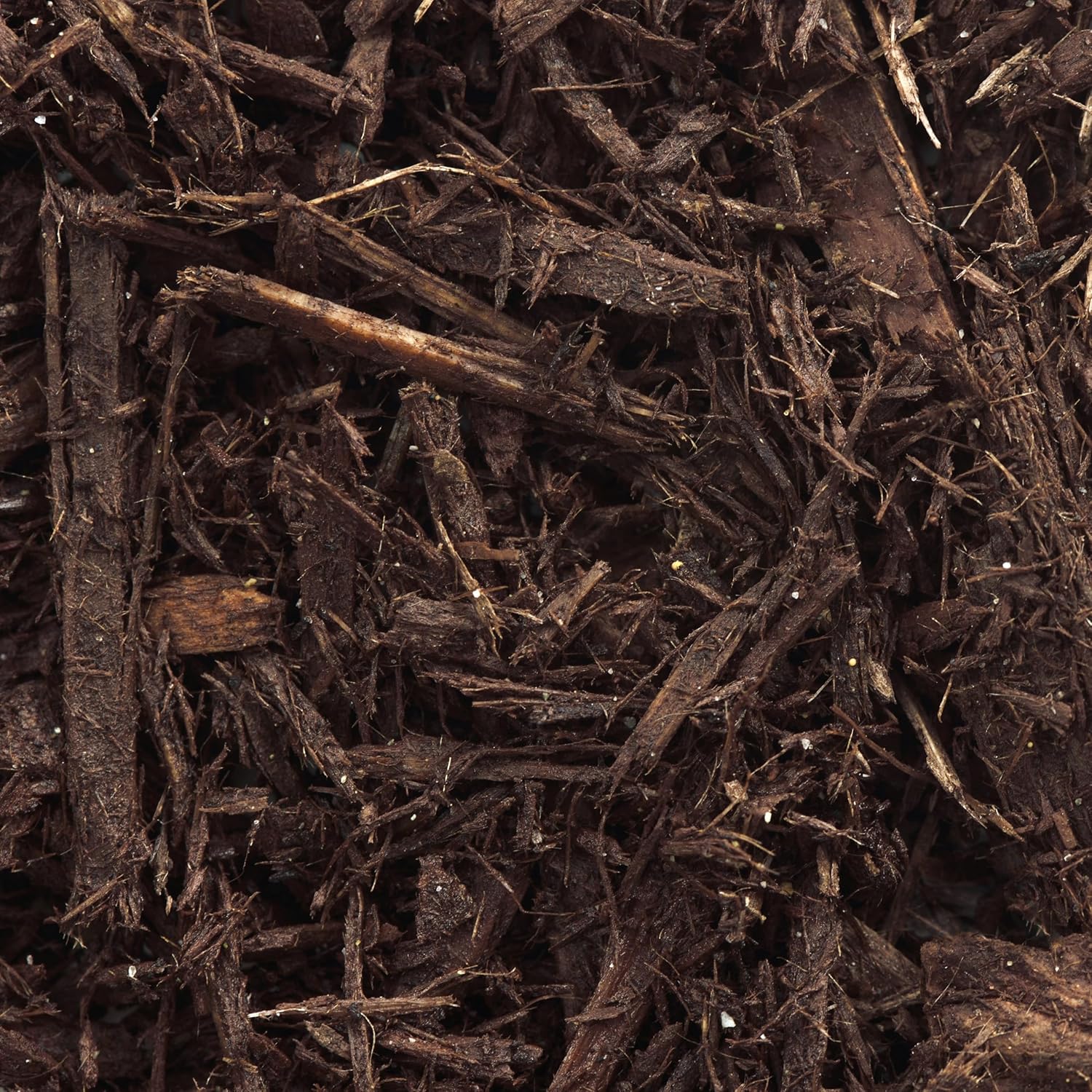
| Included Components | Brown Wood Mulch |
|---|---|
| Unit Count | 1 Count |
| Volume | 0.2 cubic feet |
This GARDENWISE Premium Brown Wood Mulch is a basic hardwood-style mulch sold in a compact 0.2 cubic foot bag intended for small landscaping jobs and potted plants. It is used as a surface layer in garden beds, around trees, or atop container soil to improve appearance, hold soil moisture, and reduce weed growth. The product’s practical benefits are straightforward: the brown wood chips provide a natural look, help stabilize soil temperature, and cut down on watering frequency by retaining moisture. Because the bag is small it is convenient for touch-ups, trial areas, or homeowners who only need mulch for a few planters rather than a full bed. Limitations include the small volume per bag, which means multiple bags are required for larger areas, and limited information about chip size or source wood, so buyers who need uniform nugget size or certified hardwood sourcing may prefer bulk options. For everyday small-scale use this mulch offers easy application and instant visual improvement to planting areas.
Best for: Buyers on a tight budget who need mulch for small areas, container gardening, or occasional top-ups and prefer buying in small increments rather than bulk.
Less Ideal for: Landscapers or homeowners covering large beds who want uniform chip size, certified hardwood, or a bulk supply for a single large project.
- Compact 0.2 cu ft bag convenient for small projects and touch-ups
- Helps retain soil moisture to reduce watering frequency
- Suppresses weeds when applied as a surface layer
- Provides a natural brown finish that improves curb appeal
- Small volume requires many bags for larger beds
- No detailed sourcing or chip-size information provided
Verdict: A practical, small-bag hardwood-style mulch that is ideal for budget-minded gardeners doing small-scale beds or planter refreshes.
CountryMax Autumn Red Premium Hardwood Mulch, 2 cu. ft.

| Manufacturer | CountryMax |
|---|---|
| Product type | Hardwood mulch |
| Bag volume | 2 cu. ft. |
| Color | Autumn red |
CountryMax Autumn Red Premium Hardwood Mulch is a shredded hardwood product meant for beds, borders, trees and pathways where both appearance and basic soil care matter. It is typically spread 2 to 3 inches thick around plants to help reduce weed germination, conserve soil moisture, and moderate soil temperature. The vivid red color provides instant curb appeal and holds color longer than some cheaper mixes because it is hardwood-based. Practical benefits include good coverage per bag for garden beds and a texture that resists compacting, which allows air and water to reach roots. Limitations are that color will fade over time with sun and rain and that hardwood mulch breaks down more slowly than softwood options, so it may not contribute as quickly to soil organic matter. Also, a single 2 cu ft bag covers a modest area, so larger landscapes will require multiple bags and additional handling.
Best for: Buyers who prioritize a reliable, attractive hardwood mulch that provides consistent weed suppression and moisture retention for ornamental beds and small- to medium-scale landscapes.
Less Ideal for: Gardeners who want rapid soil-building organic matter or need to cover large areas with a single purchase should consider composts or bulk softwood mulch instead.
- Attractive autumn red color that improves curb appeal
- Shredded hardwood texture that allows airflow and resists compaction
- Helps retain soil moisture and suppress surface weeds
- Suitable for multiple uses: beds, borders, trees, shrubs and pathways
- Color will gradually fade with weather exposure
- 2 cu ft bag size provides limited coverage for large areas
Verdict: Choose this mulch when you want a dependable, decorative hardwood mulch that helps retain moisture and control weeds in ornamental beds.
Home And Country USA Triple Shredded Black Hardwood Mulch, 2 cu ft Bag

| Material | Hardwood mulch |
|---|---|
| Bag volume | 2 cu ft |
| Origin | USA-sourced |
| Type | Triple shredded |
This triple-shredded black hardwood mulch is a straightforward choice for homeowners wanting a neat, low-maintenance finish in beds, borders and pathways. Sold in 2 cubic-foot bags, the product lays down evenly and provides good coverage for defining planting areas and pathways. The mulch is organic and USA-sourced, so it will gradually break down and contribute nutrients to the soil while helping retain moisture and reducing watering frequency. Its dark color gives a polished, high-contrast look that highlights plants and hides soil between refreshes. Practical benefits include weed suppression through light blockage and a texture that resists wind displacement better than very coarse mulches. Expect to refresh the top layer annually as it decomposes and to stir or rake to maintain an even appearance; color will fade over time like most natural mulches. This is a no-frills, garden-focused product that does what mulch is meant to do without added chemicals or gimmicks.
Best for: Homeowners who want a durable, low-maintenance black mulch to tidy beds and reduce watering and weed work while improving landscape appearance.
Less Ideal for: Gardeners seeking a permanent inorganic groundcover or instant color that will not change over time should consider alternatives like rubber mulch or colored landscape fabric.
- Triple-shredded texture spreads and settles evenly for tidy beds and clean edges
- Made from 100% natural, USA-sourced hardwood that contributes organic matter as it decomposes
- Helps retain soil moisture to reduce watering frequency
- Dark color provides strong visual contrast to plants and improves curb appeal
- Color will gradually fade and requires periodic refreshing to maintain intensity
Verdict: Choose this triple-shredded black hardwood mulch for reliable moisture retention and a clean, high-contrast look that simplifies bed maintenance.
Choosing the Right Hardwood Mulch: Key Factors to Consider
Particle Size and Shape
Particle size influences both appearance and function. Coarser chips and larger shredded pieces create air pockets that improve surface drainage and slow compaction, while fine mulch and sawdust pack down and can form a crust that limits water infiltration. Particle shape matters too: flat, fibrous pieces interlock and resist wind displacement better than irregular splinters. Consider the planting area-beds near foundations or pathways often benefit from a medium-coarse texture that looks tidy but still sheds water.
Uniformity affects maintenance. Mulch with consistent sizing is easier to spread evenly and gives a cleaner, more intentional look. Inconsistent material can lead to zones that break down faster or trap moisture against plant stems, so expect to rotate or top-dress uneven mulches more frequently.
Durability and Breakdown Rate
Hardwood mulches generally decompose more slowly than softwood alternatives, but decomposition still varies with species, particle size, and local climate. Slower breakdown means less frequent replenishing and a longer window of effective weed suppression. In warm, humid climates microbial activity accelerates decay, so even durable hardwood may need topping annually. Cooler or dryer sites extend mulch life.
Think about maintenance rhythm. If you prefer low-effort beds, prioritize longer-lasting hardwood chips and larger particle sizes. If you want faster incorporation into the soil to boost organic matter quickly, choose finer shredded hardwood and plan for more frequent reapplications.
Soil Nutrient Effects and Carbon-Nitrogen Balance
As hardwood mulch decomposes it releases carbon and some nutrients into the soil. The carbon-to-nitrogen ratio influences whether microbes immobilize soil nitrogen temporarily. Coarse hardwood chips with higher carbon content tend to have a slower initial effect on available nitrogen than green or high-nitrogen materials. Surface-applied hardwood mulch normally has minimal impact on root-zone nitrogen for established plants, but heavy incorporation or very fine mulch mixed into planting holes can compete with young plants.
For vegetable beds or recently planted shrubs, monitor growth after spreading new mulch and avoid mixing large volumes of fresh fines into planting soil. Over time, decomposed hardwood contributes stable humus and improves structure, water retention, and biological activity.
Cleanliness and Contaminant Risk
The source and processing of hardwood mulch determine how clean it is. Mulch made from clean, untreated hardwoods minimizes the risk of nails, plastics, paint flakes, or chemically treated wood that can harm plants or soil life. Construction-grade wood waste often contains glue, paint, or preservatives and should be avoided.
Inspect product descriptions and, when possible, the material itself for signs of contamination. Clean processing also reduces dust and fines, improving application and reducing the chance that small particles will be tracked into the house.
Color and Aesthetics
Color influences curb appeal and perceived freshness. Natural hardwood mulches range from tan to deep brown and will mellow over time. Dyed mulches offer vibrant color initially but may fade unevenly and can contain additives that affect long-term color stability.
Choose a color and finish that complements your plant palette and hardscaping. Keep in mind that very dark or dyed mulches can warm soil more in hot climates, which may be beneficial or detrimental depending on plant preferences.
Environmental and Sourcing Considerations
Sourcing matters for sustainability and long-term garden health. Mulch produced from locally sourced, post-harvest hardwood or urban tree-trimming waste reduces transportation impacts and supports circular use of woody biomass. Avoid materials that come from treated lumber or unknown industrial waste streams.
Certification or supplier transparency about feedstock and processing is useful. Responsible sourcing practices usually mean fewer contaminants and a more predictable product performance in your garden.
Best Uses by Garden Area
Different garden zones call for different mulch behavior. Around trees and established shrubs, coarser hardwood chips that allow air movement and slow settling are often the most practical because they reduce the chance of overly wet crowns and require less frequent topping.
In mixed perennial beds and foundation plantings, medium-shredded hardwood gives a neat appearance while still decomposing at a moderate pace. For vegetable plots where you want quick soil improvement, consider using shredded hardwood as a surface layer that is later forked into the soil during seasonal amendments.
- Tree rings: coarse chips, 2 to 4 inches depth
- Perennial beds: medium-shred, 2 to 3 inches depth
- Vegetable beds: use sparingly on top or compost first before incorporation
Applying and Maintaining Hardwood Mulch
Spread hardwood mulch in an even layer rather than piling it against trunks or stems. A 2 to 3 inch layer is usually adequate for weed suppression without creating a moisture trap that can lead to rot. Refresh thin or bare patches each season and avoid exceeding 4 inches except in specific contexts like tree rings.
When top-dressing existing beds, rake the surface lightly to blend new material with older mulch and minimize abrupt layer differences. Replace or refresh mulch where it becomes compacted, heavily mixed with fines, or shows signs of contamination.
- Keep mulch 2 to 3 inches away from plant stems and trunk flare
- Rake annually to break compacted layers and refresh the top surface
- Inspect for weed seedlings and remove them before adding new mulch
Managing Mulch Around Young Plants and Vegetables
Young plants and transplants need careful mulch placement. Leave a small bare ring around stems for the first few months to reduce moisture-related collar rot and to allow direct watering to the root zone. For vegetable beds, avoid incorporating large amounts of fresh hardwood fines directly into planting holes where high microbial activity could temporarily tie up nitrogen.
If you plan to use hardwood mulch in annual vegetable plots to build soil, consider composting it first or combining it with nitrogen-rich amendments so decomposition does not limit plant growth during the season.
- Create a 2 to 3 inch mulch-free collar around young stems
- Compost or age shredded hardwood before mixing into vegetable beds
- Supplement with nitrogen if incorporating large volumes of fresh mulch
Color Options and Seasonal Appearance
Natural hardwood hues change gradually as the material weathers. Expect an initially fresh color to soften over a season or two. Some gardeners prefer the gradual, natural mellowing of undyed material, while others choose dyed options for immediate contrast.
When choosing color-treated mulches, factor in how often you want to refresh the surface. Dyed mulches may require more frequent top-dressing to maintain a uniform look because color fades unevenly under sun exposure.
- Natural colors blend with garden aging and are low-maintenance
- Dyed options give instant impact but may fade and need refreshment
Storing and Handling Bulk Hardwood Mulch
If you buy mulch in bulk, store it on a hard, well-drained surface to avoid waterlogging and anaerobic decomposition. Keep stored piles away from foundations and out of direct contact with plant beds until you are ready to spread the material.
When handling, wear gloves to avoid splinters and a dust mask if you are working with fines during windy, dry conditions. A wheelbarrow and landscape rake will make spreading faster and more uniform than hand placement.
- Store on a tarp or gravel pad to keep material dry and clean
- Use protective gloves and a dust mask when handling fines
- Move material promptly to planting areas to avoid long-term pile wetting
How We Chose the Best Hardwood Mulch
We focused on traits that directly affect garden outcomes rather than marketing claims. Selection prioritized mulches made primarily from hardwood feedstocks because hardwood breaks down more slowly and adds stable organic matter. We used these concrete evaluation criteria when shortlisting options: particle size and uniformity, which influence weed suppression and appearance; decay rate and durability, which determine how often you need to replenish; nutrient contribution and carbon-to-nitrogen balance, since those affect soil biology over time; presence of contaminants like fines, plastic, or construction debris; and color stability and processing, because dyed or overly processed products age differently. We excluded any mixes dominated by softwood bark, construction-grade wood waste, or materials with visible contamination. We also filtered out products with inconsistent particle sizing or unclear provenance. The result is a set of hardwood mulches that prioritize garden performance, longevity, and predictable soil benefits.
FAQ
How thick should I apply hardwood mulch around shrubs?
Apply a 2 to 3 inch layer for most shrubs. This thickness suppresses weeds and conserves moisture without creating excessive moisture against stems. Avoid piling mulch directly against trunks.
Will hardwood mulch rob my soil of nitrogen?
Surface-applied hardwood mulch rarely causes significant nitrogen drawdown for established plants. Very fine fresh mulch or heavy incorporation into planting holes can temporarily immobilize nitrogen, so add extra nitrogen or compost when mixing large amounts into soil.
How often will hardwood mulch need to be replaced?
Replacement frequency depends on particle size and climate. Coarser hardwood chips can last multiple seasons before needing top-dressing, while finer shredded mulch may need annual refreshment, especially in warm, wet climates.
Is dyed hardwood mulch safe for vegetable gardens?
Dyed mulches are generally intended for ornamental beds. For vegetable gardens, opt for natural, untreated hardwood or composted material to avoid uncertain additives and to ensure safe soil amendment.
Can I use hardwood mulch on slopes?
Yes, but choose coarser chips or anchor the material with landscape fabric or mesh if erosion is a concern. Fine mulch can wash away more easily on steep inclines, so heavier particles or mechanical stabilization work better.
Final Verdict
Prioritize particle size, decay rate, and cleanliness when choosing hardwood mulch. Coarse chips give long-lasting coverage with less maintenance, while shredded hardwood provides quicker soil-building at the cost of more frequent topping. Balance aesthetic preferences with practical needs like weed control, moisture management, and how often you are willing to replenish material. Use the factors above to match a mulch type to the specific garden area and maintenance plan so you get the best performance for your landscape.
