

Note: This article contains affiliate links. If you click on these links and make a purchase, I may earn a small commission at no extra cost to you. This helps support my research and content. Read my full affiliate disclosure here.
If you share your home with a curious dog, selecting the right mouse trap matters more than usual. Traps that work well in an empty house can become hazards when a pet noses around counters, under furniture, or into basements. You need solutions that stop rodents without risking accidental pet activation, poisoning, or injury. This guide covers six shortlisted mouse trap options chosen for homes with dogs. We focus on real-world garden and house-adjacent use: placement, durability in damp basements or garages, and how easy the traps are to secure out of a dog's reach. Read on to see the practical criteria we used to evaluate pet safety and trapping reliability before the product blocks below.
Top Picks at a Glance
| Best Overall The best all-around choice for most situations | OWLTRA Indoor Electric Mouse Trap (Small) |  |
| Best Quality Built to a higher standard if you want something more solid | Victor M250BSR-2 Indoor Electronic Mouse Trap, 2-Pack |  |
| Best Value The sweet spot between price and what you get | Motel Mouse Humane Live-Catch Mouse Traps, 4-Pack |  |
| Best Budget The cheapest option that still gets the job done reliably | Tomcat Mouse Killer Disposable Child & Dog Resistant Bait Stations (2-Pack) |  |
| Highest Rated A top-rated pick with lots of positive feedback | G-Jyuncyou Electric Rat and Mouse Trap (2800V) |  |
| Most Popular A crowd favorite that many people choose with confidence | blinc Humane Catch-and-Release Mouse Traps (2-Pack) |  |
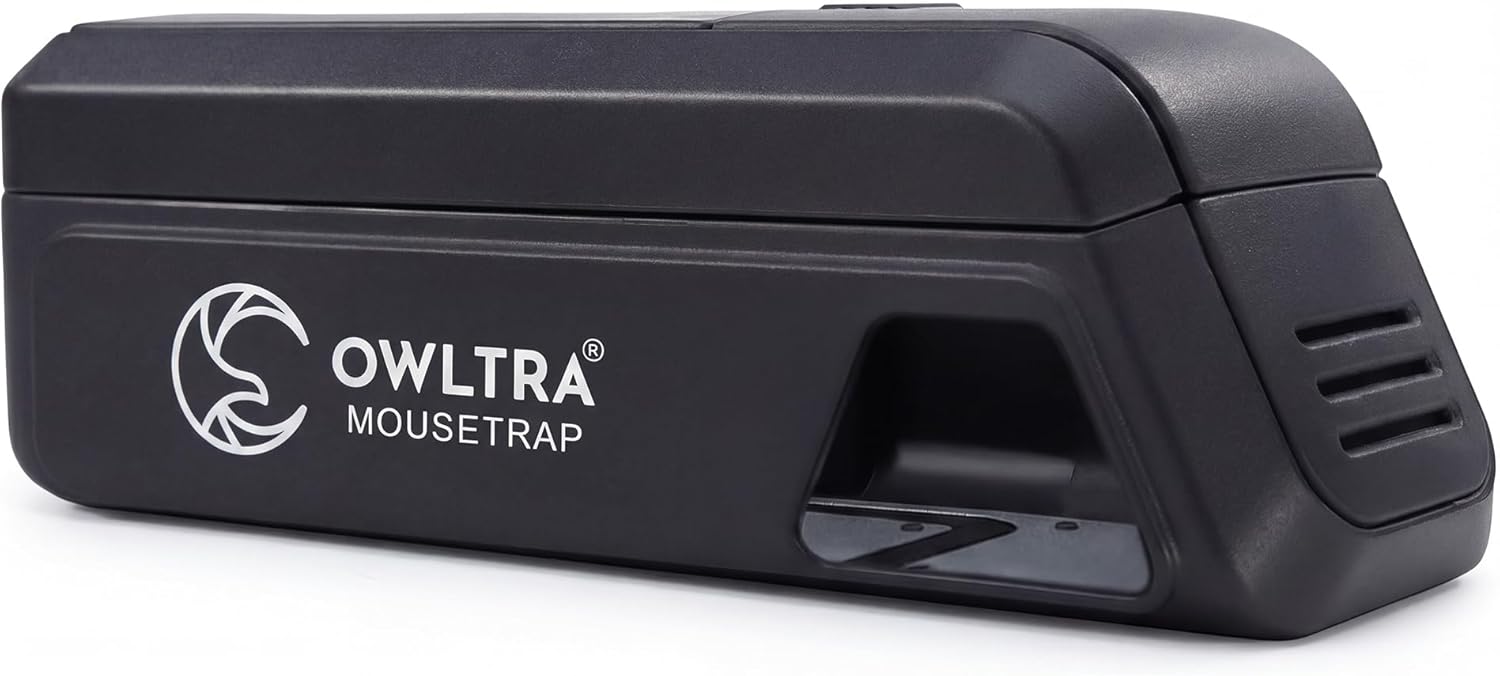
OWLTRA Indoor Electric Mouse Trap (Small)
| Target Species | Mouse, Rat |
|---|---|
| Power Source | Battery Powered |
| Material Type | Plastic |
The OWLTRA indoor electric mouse trap is a compact, battery-powered unit designed to kill mice and small rodents quickly without poisons. You bait the rear chamber, place the trap along walls or near activity, and the dual infrared sensors only activate when a rodent fully enters, which helps prevent accidental zaps. The no-escape interior and high-voltage shock are intended to deliver a fast kill, and magnetic latches let you remove the top and empty the body without touching the rodent. It is sized for indoor use and marketed for homes, and one set of four AA batteries is described as sufficient for multiple kills. Practical benefits include pet-safe activation that reduces risk to curious dogs and children, simple baiting, and low ongoing mess or cleanup. Limitations are that it is meant for mice and smaller rodents only, it requires batteries and occasional disposal, and placement must be controlled so pets cannot tip or access the unit.
Best for: Homeowners with dogs who need a non-chemical indoor solution and want a device that minimizes accidental activation and messy handling.
Less Ideal for: People dealing primarily with larger rats or outdoor infestations should choose a heavier-duty or outdoor-rated solution instead.
- Dual infrared sensors that only trigger when a rodent is fully inside to reduce false activations
- No-escape chamber and high-voltage zap for a fast kill without poisons
- Magnetic lid for hands-free disposal and easy cleaning
- Battery powered for flexible indoor placement without cords
- Designed for mice and small rodents only so it is not suitable for larger rats
- Requires periodic battery replacement and manual emptying after each catch
Verdict: A compact, pet-safe electric trap that lets dog owners control indoor mouse problems quickly without poisons or messy handling.
Victor M250BSR-2 Indoor Electronic Mouse Trap, 2-Pack

| Target Species | Mouse |
|---|---|
| Power Source | Battery Powered |
| Unit Count | 2 Count |
| Recommended Uses For Product | Indoor |
| Material Type | Plastic |
The Victor M250BSR-2 is a two-pack of indoor electronic mouse traps designed for quick, hygienic rodent removal. Each unit uses a tunnel design with beveled columns to hold a mouse over the trigger plate, delivering a high-voltage shock when the smart circuit detects activity. The covered housing conceals the catch and the no-touch disposal mechanism lets you remove the spent rodent without handling it directly. Integrated LED lights show green for a successful catch and red when batteries are low, reducing the need for frequent manual checks. Battery-powered operation gives flexible placement along walls where mice travel, and the housing includes safety features intended to limit access by children and pets when used as directed. Limitations to note are that these are for indoor use only and require fresh batteries to keep the electronics reliable; the units also do not provide live-capture or reusable bait containers for non-lethal options. For commercial settings you may need multiple units to cover large spaces and to keep rotations for continuous coverage.
Best for: Buyers who prioritize reliable, sanitary mouse control and want compact, easy-to-check traps that work without daily inspection. Good for facility managers or homeowners who value straightforward electronic solutions backed by established pest-control design.
Less Ideal for: Not a fit for people seeking humane live-capture or for outdoor pest control needs; also not ideal if you need a single unit to cover very large commercial spaces without deploying multiples.
- Two traps per pack for broader coverage without buying multiples
- Covered tunnel and no-touch disposal for hygienic, discreet removal
- LED indicator lights for catch status and low-battery alerts
- Battery-powered cordless design for flexible placement along walls
- Beveled columns and smart circuit reduce escape chances and improve kill reliability
- Intended for indoor use only so not suited to exterior or outbuilding deployment
- Requires batteries and periodic replacement to maintain effectiveness
Verdict: Choose the Victor 2‑pack when you need compact, hygienic electronic traps that give reliable no‑touch elimination and quick status feedback for indoor rodent control.
Motel Mouse Humane Live-Catch Mouse Traps, 4-Pack

| Unit Count | 4 Count |
|---|---|
| Material Type | Plastic |
| Target Species | Mouse |
| Number of Pieces | 4 |
The Motel Mouse 4-pack is a reusable live-catch system intended to trap mice without harming them and let you release them safely. Each unit is a small plastic enclosure with ventilation, a simple set mechanism, and a trap-door release that lets you free a captured mouse without touching it. Typical use is placement along walls or near suspected runs baited with peanut butter or similar attractants, then checking traps regularly and releasing caught animals away from the home. Notable features include the included cleaning brush and instruction materials, a no-touch release mechanism, and extra air holes to reduce stress for captured mice. Practical benefits are the humane approach to pest control, the ability to reuse traps many times, and safe use around children and pets because there are no snap springs. Limitations are that these are single-mouse traps and require frequent monitoring and relocation for larger infestations, and being plastic they need proper cleaning to avoid scent buildup. For buyers prioritizing humane, low-risk performance, these traps deliver a straightforward, repeatable solution but are not a one-time fix for heavy infestations.
Best for: Buyers who want an effective, animal-friendly trap that prioritizes humane capture and repeatable performance for small to moderate mouse problems.
Less Ideal for: People facing heavy or persistent infestations who need high-throughput or instant population reduction should consider professional services or higher-capacity solutions.
- Reusable live-catch design allows multiple uses after cleaning
- No-touch release door reduces handling and stress on the animal
- Included cleaning brush and instruction materials make setup and maintenance easier
- Ventilation and interior space designed to reduce stress for captured mice
- Captures one mouse at a time so multiple traps or frequent checks are needed for larger problems
- Plastic construction can retain odors if not cleaned thoroughly
Verdict: Choose this four-pack if you want a reliable, reusable humane trap system that lets you catch and release mice safely without harmful mechanisms.
Tomcat Mouse Killer Disposable Child & Dog Resistant Bait Stations (2-Pack)

| Unit Count | 2 Count |
|---|---|
| Target Species | Mouse |
| Item Type Name | for Indoor/Outdoor Use |
| Included Components | Rodent Trap |
Tomcat Mouse Killer disposable stations come ready to use with a preloaded bait block inside a clear-lidded, tamper-resistant housing. You place the small stations where mice travel—along walls, in corners, behind appliances, or near burrows—and the bait attracts and kills mice that feed and leave the station. The clear lid makes it easy to check bait levels and the weather-resistant, child- and dog-resistant design lets you use them in garages, attics, and other semi-exposed spots without worrying about pets or kids accessing the poison. Because each unit is disposable and pre-baited there is no handling of loose bait, which simplifies setup and disposal. The package contains two stations, so this is best for spot treatment rather than an ongoing multi-station program. If you need broader or longer-term control you will want larger packs or a refillable system, but for quick targeted indoor use these stations are simple and effective.
Best for: Buyers who want a low-cost, low-effort spot treatment to quickly address a small indoor mouse problem and who prioritize safety and ease of use over long-term coverage.
Less Ideal for: Homes with heavy or widespread infestations or users who prefer reusable refillable systems for ongoing control should look at larger multi-station or refillable options.
- Ready-to-use pre-baited stations require no handling of loose poison
- Child- and dog-resistant housing reduces accidental access risk
- Clear lid lets you monitor bait without opening the station
- Weather-resistant design suitable for garage and attic placement
- Only two disposable stations in the box so coverage is limited for larger infestations
Verdict: A simple, safety-focused two-station kit that lets budget-minded buyers set and monitor pre-baited mouse poison with almost no setup.
G-Jyuncyou Electric Rat and Mouse Trap (2800V)

| Power Source | ac |
|---|---|
| Number of Pieces | 1 |
This enclosed electric trap uses a 2800V shock delivered through internal metal plates to kill rats and mice quickly and quietly. Designed for indoor use, it is placed along walls, behind appliances, or in corners where rodents run; when an animal enters the tunnel it receives the shock and is retained on a removable tray for hygienic, no-touch cleanup. The unit runs from AC power and includes a USB cable, and its closed chamber helps prevent accidental contact with people or pets when positioned correctly. Practical benefits include fast kills, reusable operation with simple cleaning of the tray, and near-silent operation except for a brief buzzer after a catch. Limitations are that it requires a nearby power source or a compatible adapter since batteries or an adapter are not included, and very large rats may be less reliably restrained depending on placement. The trap is best for homeowners who value a sanitary, hands-off solution rather than messy snap or glue methods.
Best for: Buyers who prioritize a reliable, sanitary, low-contact indoor solution for recurring house mouse or rat problems and who can place the unit near a power source.
Less Ideal for: People who need a fully cordless solution or those dealing exclusively with very large wild rodents that may not fit securely inside the tunnel.
- High-voltage 2800V shock for rapid kills
- Enclosed chamber reduces risk of accidental contact and keeps the kill area contained
- Removable tray enables no-touch disposal and repeated reuse
- Quiet operation with only a short buzzer after a capture
- Requires AC power and does not include an adapter or batteries
- May be less effective for very large rodents depending on placement
Verdict: A dependable, reusable indoor trap that delivers quick, hygienic kills and minimal handling for homeowners focused on reliable rodent control.
blinc Humane Catch-and-Release Mouse Traps (2-Pack)

| Unit Count | 2 Count |
|---|---|
| Target Species | Cat, Mole, Mouse, Rat |
| Power Source | manual |
| Material Type | Acrylonitrile Butadiene Styrene (ABS) |
These blinc traps are simple, no-kill devices that capture mice alive for release. They use a weight-triggered lever and ventilation holes to hold the animal safely until you slide the back door to release it, so you avoid touching the rodent or using poisons or snap-style mechanisms. Typical use is placing the compact traps along walls, inside pantries, garages, or near runways and checking them frequently; after a catch you rinse with warm soapy water and reset. Notable features include a sensitive trigger for small mice, a no-touch release, and reusable ABS construction that cleans easily. The design is low-profile and child- and pet-safe because it contains no toxic bait or exposed springs. The main limitations are that they require regular monitoring and manual relocation of captured animals, and they are intended for single mice at a time so heavy infestations will need multiple units or complementary control methods.
Best for: Buyers who prioritize humane, nonchemical solutions and want a low-risk option for occasional mouse sightings in homes, pantries, garages, or outbuildings.
Less Ideal for: People facing large or persistent infestations, or those who prefer hands-off, long-term elimination methods like professional exclusion or bait programs.
- Humane catch-and-release mechanism avoids killing or injuring mice
- No toxic bait or exposed springs, making it safer around children and pets
- Reusable ABS construction that rinses clean for repeated use
- Sensitive weight-triggered lever can catch very small mice
- Designed to hold one mouse at a time so not ideal for heavy infestations
- Requires frequent checks and manual transport of live captures for release
Verdict: A simple, safe, and reusable humane mouse trap for homeowners who want a no-kill, low-risk way to catch and release occasional mice.
Choosing the Right Mouse Trap with Dogs: Key Factors to Consider
Activation Safety Mechanisms
How a trap triggers determines the risk to a dog. Traps with covered or recessed trigger points reduce the chance that a curious snout or paw will set them off. Some designs use one-way entry tunnels or internal levers so a dog cannot reach the trigger even if it finds the device.
Consider whether the mechanism can be locked or shielded after setup. A trap that allows you to attach it inside a bait station or behind a grill provides extra protection. Also look for mechanisms that do not expose sharp edges or springs where a dog could get injured while investigating the device.
Bait Type and Scent Control
Bait choice matters in pet households because strong-smelling attractants draw dogs as well as rodents. Pellet or block baits with tamper-resistant housings keep scent contained, while enclosed bait trays reduce the chance a dog will access or taste the bait. Non-toxic mechanical baits that do not rely on poison are safer when a dog might find the trap.
Also evaluate how easy it is to refill or replace bait without exposing the attractant. Designs that let you add bait from the outside of an enclosed station help reduce handling and accidental scent transfer to human hands or clothing, which can in turn attract pets.
Placement and Mounting Flexibility
Being able to mount or hide a trap determines whether you can keep it safely out of a dog's reach. Look for traps that can be screwed to joists, attached to walls, anchored under appliances, or placed inside purpose-built stations. Low-profile options that fit in crawl spaces or behind baseboards are easier to hide from pets.
Consider also whether the trap is suitable for use inside dog crates, behind baby gates, or in elevated shelving. If you plan to use traps near garden sheds, check that they can be anchored to prevent curious dogs from dragging them out.
Weather and Environmental Resistance
Traps used near entryways, in garages, or in unheated basements need to resist moisture and dirt. Metal parts should be corrosion-resistant or coated, and plastic housings should be sturdy enough to withstand knocks. A trap that degrades outdoors or in damp areas will fail faster and may become unsafe if rusted springs break or housings crack.
Also think about pests other than mice. Open designs that allow rain, leaves, or insects to accumulate will need more maintenance and could present additional sanitation issues around dogs.
Ease Of Use And Maintenance
You will interact with traps frequently for baiting, inspection, and cleaning, so choose designs that minimize risky handling. Removable trays, tool-assisted emptying, and clear access panels let you service a trap without putting your hands near activation areas. Some traps include indicators that show when there has been activity so you do not have to check them manually as often.
If you need to move traps seasonally between a garage, basement, and shed, lightweight, easy-to-secure options are more convenient. Consider how many times per week you will need to check traps and whether the maintenance routine fits your schedule with a dog in the home.
Safe Placement Strategies for Homes with Dogs
Placement is the easiest way to reduce risk. Keep traps in areas dogs cannot access: inside closed cabinets, in elevated utility closets, behind barriers like baby gates, or within locked bait stations. For outdoor-adjacent locations, mount traps inside the foundation sill or behind lattice where dogs cannot reach them.
- Use mounting holes or brackets to secure traps under shelves or behind appliances.
- Position traps along walls where mice travel, but also where a dog cannot easily fit.
- Consider a small enclosed bait station that only allows rodents to enter through narrow openings.
Using Enclosures and Bait Stations Effectively
Enclosures convert many otherwise risky traps into pet-safe options. A bolt-on or stand-alone bait station hides activation mechanisms and bait from curious dogs while still allowing mice to enter. Choose stations with tamper-resistant latches and small entry ports sized for mice, not dogs.
- Check that the enclosure can be secured down to prevent a dog from tipping or dragging it.
- Place the entrance facing a wall to guide mice in without exposing the housing to open traffic.
- Regularly inspect latches for wear to ensure the enclosure remains pet-safe.
Non-toxic Versus Toxic Approaches Around Pets
When dogs are present, mechanical capture or live-catch approaches typically carry less risk than rodenticides. Traps that capture without poison avoid secondary poisoning and reduce the chance a dog will ingest bait. If using toxic options in areas dogs cannot reach, follow strict placement and containment measures to eliminate exposure risk.
- Prefer enclosed mechanical traps or live-capture boxes where possible.
- Reserve poison-based methods only for inaccessible, locked areas and follow all safety directions.
- Rotate methods if one approach attracts too much pet interest and cannot be secured.
Integrating Traps Into Garage and Shed Workflows
Garages and sheds are common hotspots where mice and dogs overlap. Mount traps above floor level on wall studs or inside shelving units to keep them out of a dog's reach. For seasonal work where you open doors frequently, place traps in inner corners away from doorways so passing dogs are less likely to investigate.
- Anchor traps to studs or shelving to prevent dragging.
- Avoid placing traps near food storage for pets or where pet bowls are kept.
- Check traps more frequently in warm months when rodents are more active.
Sanitation and Monitoring Around Pets
Maintain good sanitation to reduce both mouse and dog interest. Keep pet food sealed, promptly clean up spilled kibble, and store compost or birdseed in rodent-proof containers. Use monitoring tools like non-chemical motion sensors or simple bite indicators to reduce how often you must physically check traps in pet-accessible areas.
- Inspect traps for droppings and replace soiled bait to keep dogs from being attracted.
- Use scent-neutral gloves or tools when servicing traps to avoid transferring human or food smells that attract pets.
- Log checks so you maintain a consistent schedule and reduce surprise encounters with an active trap.
How We Chose the Best Mouse Trap with Dogs
We evaluated options for homes with dogs using practical, gardener-adjacent criteria that reflect how traps perform around buildings, outbuildings, and garage workspaces. Primary filters included pet safety, reliable capture without unnecessary harm, ease of securing or placing the device out of a dog's reach, and suitability for damp or dusty locations common to basements and sheds. Concrete evaluation criteria were: activation safety mechanisms that reduce accidental triggering by pets, baiting and scent control to avoid attracting dogs, secure mounting or enclosure options for placement out of reach, and materials that resist rust and dirt for long-term use near outdoor doors or foundations. We excluded devices that rely primarily on toxic baits or that require frequent hand handling in close quarters with pets. Also removed were options that cannot be safely blocked from pet access or lack clear instructions for pet-safe placement. The final picks are the products that balanced dependable rodent control with thoughtful features for households where dogs are present.
FAQ
Are snap-style traps safe to use in a house with dogs?
Snap-style traps can be safe if they are enclosed or mounted out of reach. Exposed snap traps pose a higher risk to curious dogs, especially small breeds. Consider using enclosed snap systems or placing traps inside locked bait stations to reduce accidental activation by pets.
Can I use live-catch traps when I have a dog?
Live-catch traps are a good option because they avoid poison and immediate harm, but they still need secure placement. You must check them frequently to avoid animal suffering and to prevent your dog from accessing the captured rodent. Use sturdy, lockable housings if the trap will be in a pet-accessible area.
How should I place traps if my dog has free run of the basement?
Mount traps on walls, inside cabinets, or on elevated shelving where the dog cannot reach. Use enclosures and anchor traps so a roaming dog cannot tip them over. Place entrances facing walls or tight corners, which discourages investigation and focuses rodent traffic.
Is poison ever safe in a home with dogs?
Poison carries a higher risk and should be avoided in areas accessible to pets. If poison must be used, it should be deployed only inside locked, tamper-resistant bait stations that dogs cannot open. Even then, secondary poisoning from eaten rodents is a concern, so non-toxic mechanical options are generally preferable.
How often should I check traps in a dog household?
Check traps at least once daily in high-traffic or interior areas, and every one to three days in garages or less-visited outbuildings. Frequent checks reduce the chance a dog encounters an active trap or a dead rodent and let you refresh bait and hygiene promptly.
Final Verdict
Pick traps that let you control placement and minimize pet access. Prioritize activation safety, secure mounting options, and bait containment over raw trapping power so you protect your dog while addressing rodent activity. Balance durability for garage or basement use with easy maintenance to keep traps effective without frequent risky handling. If you prioritize pet-safe mechanisms and installation flexibility, you can manage rodent problems around dogs with confidence. Focus on securing traps out of reach and choosing non-toxic or enclosed systems to reduce hazards and maintenance headaches.
