

Note: This article contains affiliate links. If you click on these links and make a purchase, I may earn a small commission at no extra cost to you. This helps support my research and content. Read my full affiliate disclosure here.
Picking the right Amaryllis fertilizer matters because these bulbs respond to a specific nutrient rhythm: feed too little and blooms stay small or skip a season, feed the wrong ratio and foliage grows at the expense of flowers. This guide focuses on Amaryllis fertilizer options suited to forcing indoors and growing in pots or garden beds. We shortlisted seven top options and evaluated each against practical gardener needs like bloom size, bulb health, ease of use, and feeding schedule. Below you will find the picks followed by clear guidance on how to match a feeding plan to your growing situation.
Top Picks at a Glance
| Best Overall The best all-around choice for most situations | TPS NUTRIENTS Amaryllis Liquid Fertilizer, 32 oz |  |
| Best Quality Built to a higher standard if you want something more solid | FoxFarm Big Bloom Liquid Plant Food, 16 fl oz |  |
| Best Value The sweet spot between price and what you get | Purived All-Purpose Liquid Houseplant Fertilizer, 16 fl oz (Makes 50 Gallons) |  |
| Best Budget The cheapest option that still gets the job done reliably | Miracle-Gro Water Soluble All Purpose Plant Food, 1.5 lb |  |
| Highest Rated A top-rated pick with lots of positive feedback | Espoma Bulb-Tone Organic Fertilizer 3-5-3, 4 lb |  |
| Most Popular A crowd favorite that many people choose with confidence | TPS NUTRIENTS Amaryllis Liquid Fertilizer, 8 oz |  |
| Best Seller A high-volume bestseller chosen again and again | Jobe's Organics Granular Bulb Fertilizer, 4 lb | 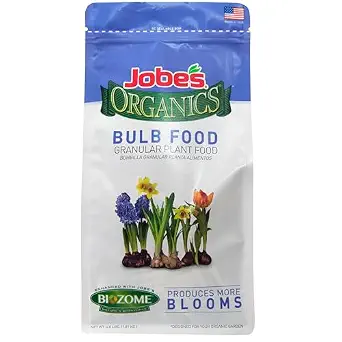 |
TPS NUTRIENTS Amaryllis Liquid Fertilizer, 32 oz

| Item Form | Liquid |
|---|---|
| Target Species | Amaryllis |
| Unit Count | 32 Fluid Ounces |
This 32-ounce liquid fertilizer from TPS Nutrients is formulated for amaryllis bulbs and aims to encourage larger flowers and strong leaf growth. It is designed for regular feeding of potted or garden amaryllis and includes added calcium, magnesium, and kelp to support overall plant vigor and reblooming. The liquid form makes it easy to mix and apply as part of routine watering, and the gentle formula is intended for repeated use without stressing bulbs. Practical benefits include targeted nutrition that supports tall flower stalks and helps maintain consistent flowering cycles, which is useful for indoor holiday bulbs and outdoor plantings alike. Limitations are that the product lists low coverage, so larger plantings will require more product, and specific N-P-K values are not provided on the listing so you cannot compare exact nutrient ratios. For a gardener seeking a straightforward, amaryllis-focused feed, this is a convenient option, but those managing many bulbs or wanting precise macronutrient data may prefer a different formulation.
Best for: Gardeners who want a simple, bulb-specific feed to keep indoor or small outdoor amaryllis healthy and flowering reliably, without fussing over exact nutrient ratios.
Less Ideal for: People managing large beds of bulbs or those who require precise N-P-K information for tailored fertilizing programs should consider a different product.
- Formulated specifically for amaryllis to support bigger blooms and tall flower stalks
- Liquid form mixes and applies easily with regular watering
- Includes calcium, magnesium, and kelp for improved plant vigor and reblooming
- Gentle formula suitable for repeated use on bulbs
- Coverage labeled as low, so one bottle may not be economical for large plantings
- Nutrient ratio (N-P-K) is not specified in the product details
Verdict: A convenient, bulb-focused liquid feed that makes it easy to support bigger amaryllis blooms and reliable reblooming.
FoxFarm Big Bloom Liquid Plant Food, 16 fl oz

| Item Form | Liquid |
|---|---|
| Specific Uses For Product | Organic |
| Application Method | watering can, sprayer, or drip system |
| Liquid Volume | 16 fluid ounces |
| Mixing Ratio | 4 |
Big Bloom is a concentrated liquid bloom fertilizer aimed at boosting flowers and fruit by supplying readily available organic nutrients. It mixes into water (manufacturer recommends 4 tablespoons per gallon) and can be applied with a watering can, sprayer, hose-end siphon, or through drip systems, so you can feed potted plants, beds, or containers without changing your routine. Notable features are its OMRI listing for organic use and the inclusion of bat guano and earthworm castings, which provide phosphorus and organic matter to encourage blooms and seed set. Because it is liquid and fast-acting, you can expect visible perk-up within a short time after feeding, and it is suitable for regular use at watering times to extend flowering. Limitations to consider are the small 16 fl oz size for larger gardens and the presence of phosphorus, which may be restricted in some locales and requires careful application to avoid runoff.
Best for: Gardeners focused on maximizing blooms and fruit who want an organic, fast-acting feed they can add to routine watering for container and bed-grown flowering plants.
Less Ideal for: Large-scale landscapers or very large perennial beds who need bulk fertilizer solutions or want to avoid phosphorus-based products due to local regulations.
- OMRI-listed organic formula with natural inputs like bat guano and earthworm castings
- Liquid concentrate allows fast nutrient uptake and flexible application methods
- Works with watering cans, sprayers, hose-end siphons, and drip systems for easy integration
- Small 16 fl oz bottle may require frequent repurchasing for larger flower beds
- Contains phosphorus so local restrictions on phosphorus fertilizers may apply
Verdict: Choose Big Bloom when you want an OMRI-listed, easy-to-apply liquid fertilizer that delivers fast organic nutrients to boost flowering and fruiting.
Purived All-Purpose Liquid Houseplant Fertilizer, 16 fl oz (Makes 50 Gallons)

| Item Form | Liquid |
|---|---|
| Application Method | soil drench, foliar feed, full & semi hydroponics |
| Target Species | Houseplants |
| Mixing Ratio | 320:1 |
Purived All-Purpose Liquid Houseplant Fertilizer is a concentrated 16 fl oz bottle that mixes 1 cap per gallon to treat up to 50 gallons of water. It is formulated for indoor potted plants and supports multiple application methods including soil drench, foliar spray, and full or semi-hydroponics, so you can use the same product whether you water, mist, or run nutrient solutions. The formula lists primary macronutrients and a range of micronutrients, which helps correct common deficiencies and supports steady growth when used at the recommended dilution. Practical benefits include an easy-to-follow mixing ratio, an odorless solution that is simple to store, and broad compatibility with different feeding routines. Important limits are that the label gives no N-P-K percentages, so precise nutrient planning for sensitive seedlings or specialty plants is not possible, and safety precautions mean you must handle and store it carefully. For new plants, start at or below the recommended dilution and observe growth before increasing frequency.
Best for: Buyers who want a versatile, no-fuss fertilizer for establishing and maintaining new houseplants and who value a single product that works across watering, misting, and basic hydroponic setups.
Less Ideal for: Growers who need exact N-P-K formulations for seedlings, specialty plants, or strict hydroponic nutrient regimens should consider a product with full nutrient breakdown and concentration details.
- Very concentrated so one bottle treats up to 50 gallons, reducing repurchase frequency
- Suitable for multiple application methods: soil drench, foliar feed, and hydroponics
- Includes a range of micronutrients in addition to primary NPK components
- Simple, clear mixing ratio (320:1) that is easy to follow
- No N-P-K ratio listed on the product information, limiting precise nutrient management
- Requires careful handling and storage due to safety warnings
Verdict: A concentrated, easy-to-use all-purpose fertilizer that covers feeding, foliar, and basic hydroponic needs for new houseplants.
Miracle-Gro Water Soluble All Purpose Plant Food, 1.5 lb

| Item Form | Powder |
|---|---|
| Application Method | Watering Can |
| Target Species | For all flowers, vegetables, trees, shrubs and houseplants |
| Mixing Ratio | 24-8-16 |
Miracle-Gro Water Soluble All Purpose Plant Food is a powdered, water-soluble fertilizer formulated to deliver fast nutrition to a broad mix of plants. You mix the powder into a watering can or a garden feeder and apply every 1 to 2 weeks depending on whether plants are indoors or out. The 24-8-16 NPK ratio supplies a strong nitrogen boost for leafy growth along with phosphorus and potassium to support flowering and fruit set. For pepper growers this means it can help produce vigorous plants and encourage fruit development when used at the recommended strengths. Notable features include clear mixing guidance for both indoor and outdoor use and compatibility with container and in-ground plantings. Practical benefits are quick uptake by roots and flexible application options. Important limitations are the high nitrogen proportion, which can favor foliage over fruit if overused, and the need to follow dilution instructions to avoid nutrient burn. This product is best used as a regular boost within a balanced feeding plan rather than the only fertility source for long-term soil health.
Best for: Home gardeners looking for an affordable, easy-to-use boost to support vigorous pepper plant growth and quick results in both containers and garden beds.
Less Ideal for: Growers who want a low-nitrogen or slow-release fertility plan for long-term soil building should consider specialized or organic alternatives.
- Water-soluble powder that feeds plants quickly through the roots
- Clear mixing instructions for indoor and outdoor applications
- Broadly labeled for use on flowers, vegetables, trees, shrubs and houseplants
- Feeds approximately 600 sq. ft. from the 1.5 lb container
- High nitrogen ratio may encourage foliage more than fruit if used too frequently
Verdict: A budget-friendly, fast-acting soluble fertilizer that gives bell pepper plants a regular nitrogen-rich boost to promote vigorous growth and quicker results.
Espoma Bulb-Tone Organic Fertilizer 3-5-3, 4 lb

| Item Form | Granules |
|---|---|
| Specific Uses For Product | Gardening,Organic,Plant Food |
| Coverage | Medium |
| Target Species | bulbs |
| Mixing Ratio | 3:5:3 |
Espoma Bulb-Tone is an organic granular fertilizer designed primarily for planting and feeding spring and fall bulbs, but it can be applied to other allium crops like onions when a balanced, natural boost is desired. It is ready to use out of the bag and recommended for placing in the planting hole for new bulbs or sprinkling on the soil surface for established plants then watering in. Notable features include its 3-5-3 NPK ratio, inclusion of calcium, and Espoma's Bio-tone formula made from organic ingredients approved for organic gardening. In practice this product provides steady nutrient release and helps support root development and flowering; for onions that translates to healthier sets and improved bulb formation when applied at planting and during early growth. Limitations are that it is formulated for bulbs rather than specifically for vegetable onions, so growers seeking higher nitrogen for heavier foliage or a slow-release formulation tailored to vegetable production may want a fertilizer made for vegetables. For gardeners who prioritize natural inputs and predictable, gentle feeding, Bulb-Tone is a dependable choice.
Best for: Gardeners who prefer organic, reliable products and want a gentle, easy-to-apply fertilizer to support bulb and bulb-like crops during planting and early growth.
Less Ideal for: Growers who need a vegetable-specific fertilizer with higher nitrogen or a targeted slow-release program for commercial onion production.
- Organic formula approved for organic gardening
- Ready-to-use granular form that can be placed at planting or sprinkled on soil
- Balanced 3-5-3 NPK with added calcium to support root and bulb development
- Produces steady, gentle nutrient release suitable for sensitive bulb roots
- Formulated for ornamental bulbs rather than specifically for vegetable onions
- Not a high-nitrogen feed if you want vigorous foliage growth
Verdict: Choose Bulb-Tone when you want an organic, ready-to-use granular fertilizer that reliably supports bulb and bulb-like crops with balanced nutrients.
TPS NUTRIENTS Amaryllis Liquid Fertilizer, 8 oz

| Item Form | Liquid |
|---|---|
| Specific Uses For Product | Amaryllis Bulbs |
| Unit Count | 8 Fluid Ounces |
| Coverage | Low |
This 8 oz liquid fertilizer is designed for amaryllis bulbs and offers a kelp-enriched, balanced nutrient mix to encourage larger blooms and stronger flower stalks. It is used as a diluted feed: a teaspoon per quart for routine watering, with weekly applications in high light and monthly feeds in low light, plus an optional foliar spray for more frequent feeding. Notable ingredients include calcium and magnesium for sturdier tissue and seaweed extract for overall vigor, along with a blend of macro and micronutrients. For indoor potted holiday bulbs or garden-planted amaryllis, the small bottle is easy to store and provides targeted nutrition without bulky granular handling. Limitations are its low coverage, so a single bottle treats only a modest number of pots, and the concentrated liquid requires careful measuring to avoid overfeeding. Also follow safety guidance to avoid skin or eye contact. For growers focused on repeat blooms and strong stalks, this product makes routine feeding simple and effective.
Best for: Buyers who prioritize predictable, plant-specific nutrition and want an easy weekly or monthly feeding routine to promote larger amaryllis blooms.
Less Ideal for: Gardeners with many plants or large beds who need high-coverage or bulk fertilizer should consider concentrated granular or larger-volume options instead.
- Formulated specifically for amaryllis to support bloom size and reblooming
- Kelp enrichment plus calcium and magnesium to strengthen foliage and flower stalks
- Flexible dosing: water feed and optional foliar spray schedules provided
- Low coverage from an 8 oz bottle means frequent repurchase for collections of bulbs
- Concentrated liquid requires precise measuring to avoid accidental overfeeding
Verdict: A concentrated, amaryllis-focused liquid feed that makes regular feeding simple for growers aiming for bigger blooms.
Jobe's Organics Granular Bulb Fertilizer, 4 lb

| Item Form | Granules |
|---|---|
| Specific Uses For Product | Plant Growth, Root Development, Seed Development, Soil Conditioning |
| Target Species | bulbs, flowers |
| Mixing Ratio | 3-5-4 |
Jobe's Organics Granular Bulb Fertilizer is an OMRI-listed, pet- and kid-friendly granular formula designed to feed tulips and other spring bulbs through bloom. It uses a 3-5-4 NPK ratio aimed at supporting flowering and root development and is applied every 3 to 5 weeks during the growing season. In practice the granules are easy to measure and sprinkle into bulb beds or mixed into the planting hole, and because it is organic it reduces the risk of burning delicate bulbs when used as directed. The product is versatile for both new plantings and established beds and is intended to minimize runoff and mess compared with liquids. Limitations to know are that granular organics release nutrients more slowly than soluble feeds, so you should expect gradual results rather than an immediate boost, and regular reapplication is required during bloom. For growers seeking steady, low-risk feeding tailored to bulb flowering, this delivers practical, reliable nutrition.
Best for: Gardeners who prioritize steady, low-risk feeding for tulips and other bulb flowers and want an organic product that protects delicate bulbs while supporting bloom production.
Less Ideal for: Growers who need an immediate, dramatic bloom response or who prefer quick-release, water-soluble feeds for rapid correction of nutrient deficiencies.
- OMRI listed organic formula suitable for certified organic production
- 3-5-4 NPK ratio formulated to promote blooms and root development
- Granular form is easy to measure and apply to beds or planting holes
- Labeled safe for use around children and pets when used as directed
- Slower nutrient release than water-soluble fertilizers, so effects are gradual
- Requires repeated applications every 3–5 weeks during the season for best results
Verdict: Choose this product if you want a reliable organic granular fertilizer that steadily promotes bulbs' blooms and root health without risking burn.
Choosing the Right Amaryllis Fertilizer: Key Factors to Consider
Nutrient Ratio and Bloom Support
Amaryllis bulbs respond best to fertilizers that favor phosphorus and potassium once shoots appear. Phosphorus helps flower development while potassium supports overall plant vigor and stem strength.
A product with a low-to-moderate nitrogen level prevents excessive leafy growth that can sap bulb reserves. Check the label for an N-P-K profile geared toward flowering or a balanced feed that specifies use on flowering bulbs.
Feeding Schedule and Timing
Timing feeding to the Amaryllis growth cycle is crucial. During active shoot and bud development, feed more frequently with a diluted liquid or a low-dose granular according to label directions to support blooms.
After flowering, reduce or stop feeding during the initial bulb recovery period, then resume a restorative feeding regime while foliage is still green to replenish bulb energy for the next cycle.
Application Method and Convenience
Different feeders prefer different formats. Liquid concentrates and water-soluble powders let you control dose precisely and are convenient for potted plants and indoor forcing. Slow-release granules reduce maintenance by providing steady nutrition but may deliver nutrients longer than needed if you force bulbs for a short season.
Consider the container size and your routine: if you water frequently, a water-soluble feed integrates easily. If you prefer set-and-forget, choose a slow-release option designed for bulbs.
Salt Buildup and Soil Health
Bulbs are sensitive to salt accumulation from overfeeding or poorly formulated fertilizers. Excess salts can burn roots and reduce water uptake, harming both foliage and bulb regeneration.
Select formulations with lower salt index or those labeled safe for container-grown bulbs. Regular leaching by thorough watering between feedings and using fresh potting medium for successive seasons reduces long-term buildup.
Trace Nutrients and Bulb Recovery
Apart from primary N-P-K values, trace elements like magnesium, calcium, and iron support leaf function and help bulbs recover after flowering. A fertilizer that includes micronutrients helps sustain chlorophyll production and prevents deficiencies that can weaken the bulb over time.
Look for labels that list essential micronutrients or specify suitability for flowering bulbs and bulb recovery.
Safety and Indoor Use Considerations
Amaryllis are often forced indoors, so ease of handling and safety are important. Granules that dust or liquids with strong fumes can be inconvenient in small spaces. Choose formulations that are easy to measure and apply safely around household members and pets.
Also consider storing small quantities and following label precautions to avoid accidental ingestion or skin contact.
When to Start Feeding Amaryllis
Begin feeding once the bulb has produced a healthy shoot and active growth is visible. At that point the plant is pulling resources and will use supplemental nutrients to develop buds and support stem growth.
If you are forcing bulbs indoors, start with a diluted liquid feed every one to two weeks or follow a manufacturer schedule for water-soluble feeds. For bulbs left in the garden bed, a slow-release granular applied at the start of the growth phase can be appropriate.
- Wait until shoots are a few inches tall before applying fertilizer
- Use diluted feeds for potted or forced bulbs to avoid salt shock
- Apply slow-release granules at the start of growth for outdoor bulbs
Preparing Soil and Potting Mix for Bulbs
Healthy blooms start in well-draining, fertile medium. A potting mix with added organic matter, such as compost or well-aged leaf mold, supports steady root development and moisture balance.
Avoid mixes that retain excessive moisture; bulbs prefer a balance between moisture and air. Fresh medium also reduces the risk of salt buildup from previous fertilization cycles.
- Use a free-draining potting mix with some organic content
- Refresh topsoil or repot to renew nutrient availability between seasons
- Ensure containers have drainage holes to prevent waterlogging
Adjusting Feed for Forcing Vs. Outdoor Growth
Forcing Amaryllis indoors compresses the growth cycle, so gardeners often use more frequent, dilute liquid feeds to support rapid bud development without stressing the bulb. Short-term feeding helps achieve larger blooms in a single season.
Outdoor bulbs benefit from a restored feeding plan after flowering that focuses on rebuilding bulb reserves. Slow-release or less frequent feeding reduces maintenance and aligns with longer recovery periods.
- Use frequent, low-strength liquid feeds when forcing indoors
- Give outdoor bulbs restorative feedings while foliage is still green
- Avoid heavy feeding during dormancy
Troubleshooting Common Feeding Problems
If foliage becomes overly lush while buds are few, the fertilizer may be too high in nitrogen or applied too frequently. Reduce nitrogen input and focus on bloom-promoting ratios.
Yellowing leaves after feeding can indicate salt buildup or improper watering. Flush containers with extra water to leach salts and cut back feeding frequency.
- Excess foliage growth suggests too much nitrogen
- Leaf yellowing after feeding can signal salt stress
- Poor bloom set despite feeding may mean inadequate phosphorus
Managing Bulb Care After Flowering
After blooms fade, leave the foliage intact to photosynthesize and return energy to the bulb. Continue a gentle feeding regimen until the leaves yellow naturally; this period is critical for next season's performance.
Once foliage dies back, store bulbs in a cool, dry place if you remove them from pots, and avoid feeding until the next growth cycle begins. Proper post-bloom care preserves bulb health and improves future blooms.
- Keep foliage until it dies back naturally to restore bulb reserves
- Maintain light feeding during the recovery window
- Stop feeding during dormancy and resume with new growth
How We Chose the Best Amaryllis Fertilizer
We applied practical, garden-focused filters to build this list. Primary evaluation criteria included nutrient ratio and bloom support, because the balance of nitrogen, phosphorus, and potassium directly affects flower production and bulb reserves. Application method and ease were assessed to favor fertilizers that fit common container and indoor forcing routines. Longevity of feed and release type mattered for gardeners who prefer single-application convenience versus frequent liquid feeding. Bulb health metrics such as trace elements and salt buildup potential were considered so options that protect dormant bulbs ranked higher. Safety and handling were reviewed for indoor use and around pets or children. We excluded formulations designed exclusively for lawns, trees, or high-nitrogen general feeds that encourage foliage at the expense of flowers. Also removed were specialty blends that require complex preparation or uncommon equipment. The final shortlist reflects products that balance bloom promotion, straightforward application, and long-term bulb health.
FAQ
How often should I fertilize Amaryllis during active growth?
Often depends on the format. For water-soluble or liquid feeds, every one to two weeks at a diluted strength is common. Slow-release granules usually require a single application at the start of the growth period.
Can I use a general houseplant fertilizer on Amaryllis?
Often a general houseplant feed works if it has a balanced or bloom-directed N-P-K ratio. Avoid high-nitrogen formulas that prioritize foliage growth over flowers.
Will fertilizing make my Amaryllis bloom bigger every season?
Fertilizer helps when applied correctly, but bloom size also depends on bulb age, light, and proper post-bloom recovery. Feeding improves chances of larger blooms but is only one factor.
How do I prevent salt buildup from frequent feeding?
Regular leaching with thorough watering between feeding cycles and using lower-strength solutions reduces salt accumulation. Repotting in fresh medium every few seasons also helps.
Should I feed dormant Amaryllis bulbs?
Usually you should not feed during true dormancy. Wait until new shoots appear and then begin a feeding schedule to support active growth and bud development.
Final Verdict
Prioritize a fertilizer that supports blooms with moderate phosphorus and potassium while keeping nitrogen in check. Match the feed format to how you grow Amaryllis: liquids and water-soluble feeds for forced indoor bulbs, and slow-release options for outdoor or low-maintenance situations. Balance feeding with good cultural care, including proper light, watering, and post-bloom recovery. When you focus on nutrient balance, timing, and salt management, you can choose confidently and improve bloom size and bulb longevity.
