

Note: This article contains affiliate links. If you click on these links and make a purchase, I may earn a small commission at no extra cost to you. This helps support my research and content. Read my full affiliate disclosure here.
Succulents need a different feeding strategy than typical houseplants. Too much nitrogen or high soluble salts can cause soft, stretched growth or root stress, while too little nutrition slows recovery after repotting or seasonal growth. This guide looks at the top natural fertilizer options for succulents, shortlisted for formulations and behaviors that suit drought-tolerant, low-feeding plants. We evaluated products for nutrient balance, salt contribution, ease of application, and how they fit into common succulent care routines. Below are our top picks and a practical breakdown of what to consider when feeding your succulents in containers, rock gardens, or mixed dry-slope plantings.
Top Picks at a Glance
| Best Quality Built to a higher standard if you want something more solid | Down To Earth Organic Cactus & Succulent Fertilizer 2-4-8, 1 lb |  |
| Best Value The sweet spot between price and what you get | Covington Naturals Succulent Liquid Fertilizer (32 oz) |  |
| Highest Rated A top-rated pick with lots of positive feedback | Purived Succulent & Cactus Liquid Fertilizer, 16 oz (Makes 50 Gallons) |  |
| Most Popular A crowd favorite that many people choose with confidence | Grow Queen Organic Liquid Indoor Plant Food 5-5-5 with Sea Kelp, 8 oz | 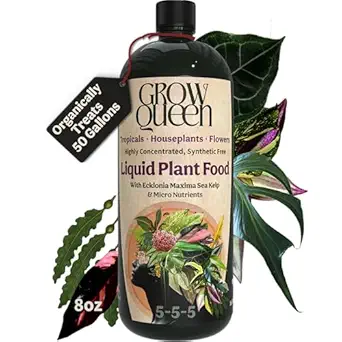 |
| Best Seller A high-volume bestseller chosen again and again | TPS NUTRIENTS Succulent Fertilizer Liquid Plant Food, 8 oz |  |
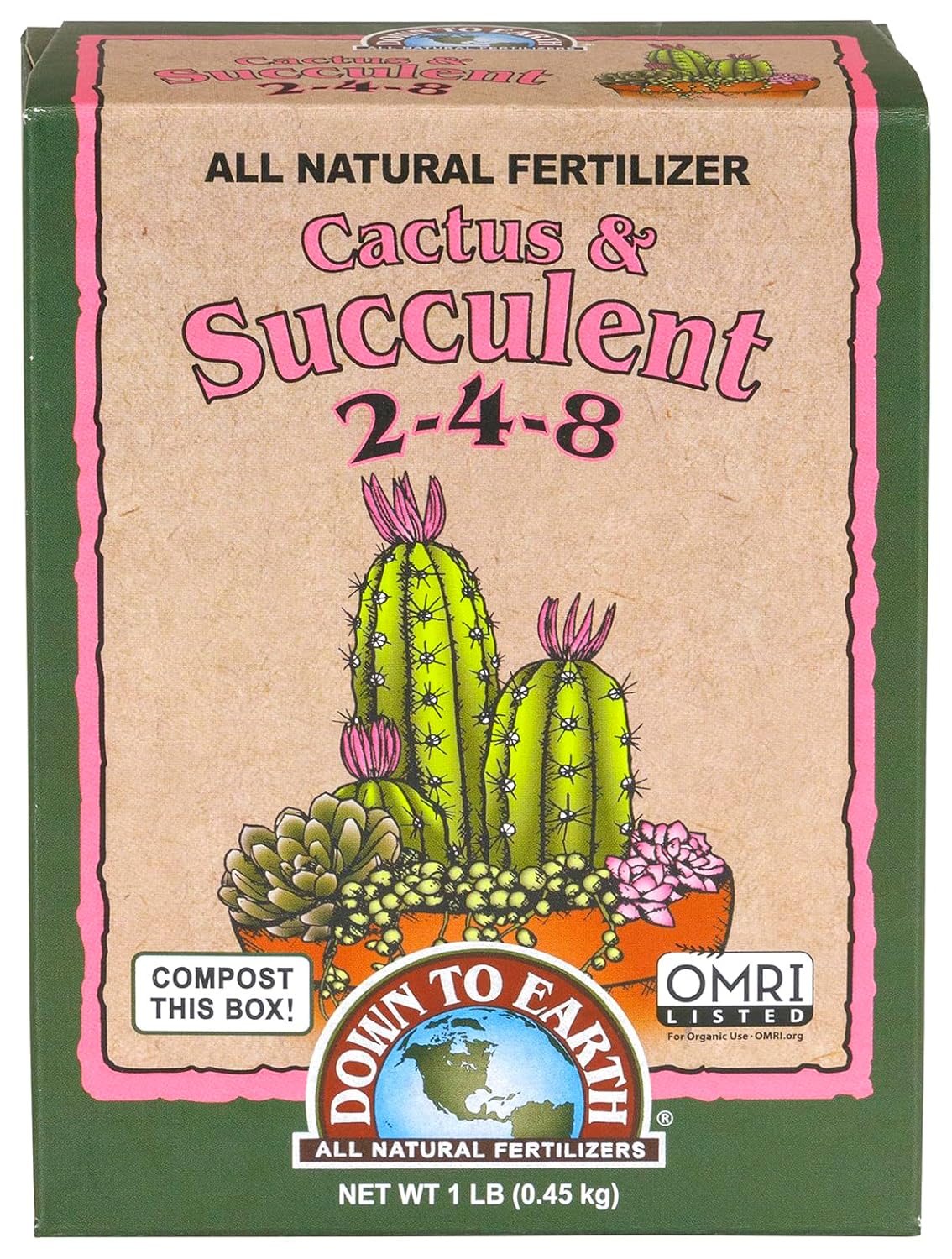
Down To Earth Organic Cactus & Succulent Fertilizer 2-4-8, 1 lb
| Item Form | Powder |
|---|---|
| Specific Uses For Product | Plant Growth, Soil Conditioning, Succulent Care |
| Coverage | Medium |
| Target Species | Cactus |
| Mixing Ratio | 2-4-8 |
This is a purpose-built organic fertilizer for cactuses, agaves, aloes, jades and other succulents that emphasizes low nitrogen and higher potassium to keep plants compact and encourage blooms. It comes as a powder/mini box intended for home gardeners and collectors, and the label recommends mixing into the soil and applying during the active growing season every three to four months. Notable features include an OMRI-friendly formulation built from natural inputs and a 2-4-8 NPK mixing ratio that supports root strength and flower production rather than leafy stretch. In practice the product is easy to store and measure for potted plants and small beds, and its organic nutrients work with soil microbes rather than forcing fast growth. Expect slower, steadier results than with synthetic fertilizers and the need to reapply multiple times per season for continuous feeding. The small 1 pound packaging is convenient for trialing but means frequent repurchase for larger collections or landscape areas.
Best for: Buyers who prioritize plant performance and long-term health for succulents and want an organic, bloom-promoting feed for potted collections or small xeriscapes.
Less Ideal for: Gardeners who need rapid, high-volume feeding for many plants or large landscape areas should consider larger or faster-acting alternatives.
- Low-nitrogen 2-4-8 formula tailored for succulents and cacti
- OMRI-listed organic ingredients that support soil biology
- Simple powder form that is easy to mix into potting media
- Recommended schedule and mixing ratio included for seasonal use
- Small 1 lb size requires frequent repurchase for many plants
- Organic feed works more slowly than synthetic fertilizers
Verdict: Choose this organic 2-4-8 fertilizer when you want a measured, bloom‑focused feed that promotes compact, healthy succulent growth.
Covington Naturals Succulent Liquid Fertilizer (32 oz)

| Item Form | Liquid |
|---|---|
| Specific Uses For Product | Houseplants, Succulents, Fruits, Vegetables, Shrubs, Trees, Ferns |
| Coverage | 5300 Square Feet |
| Liquid Volume | 32 fluid ounces |
| Mixing Ratio | 4-8 oz per gallon of water |
Covington Naturals Succulent Liquid Fertilizer is a 32-ounce concentrated liquid feed designed for routine care of succulents, cacti and general houseplants. You dilute it at the recommended 4 to 8 ounces per gallon (label gives 2–4 ounces per gallon in one spot) and apply it as part of a regular watering routine to boost foliage health and flowering. The formula lists nitrogen, potash, sulfur, iron, humic acids and kelp, which together support nutrient uptake, microbial activity and steady growth without granular mixing. Its liquid form makes quick application and even distribution easy for indoor pots or outdoor containers, and the stated coverage suits multiple plants over a season. Limitations to note are variable dosing instructions on the listing and the need to store and handle a concentrated liquid safely away from children and pets. It is not a one-time soil amendment but a repeat-feed product best used at the intervals recommended on the label for visible results.
Best for: Buyers who want a straightforward, repeat-feed fertilizer to keep potted succulents and houseplants healthy with minimal fuss and predictable mixing.
Less Ideal for: Gardeners seeking a one-time slow-release soil amendment or those who prefer dry granular fertilizers for large in-ground beds should consider other options.
- Concentrated liquid formula for easy dilution and even feeding
- Contains macro and micronutrients plus humic acids and kelp to support uptake and soil microbes
- Suitable for both indoor succulents and outdoor potted cactus
- Clear mixing ratio provided for routine applications
- Made in the USA by a family-owned brand
- Mixing ratio is listed inconsistently in product text which may cause confusion
- Liquid concentrate requires careful storage and handling to keep out of reach of children and pets
Verdict: A no-fuss concentrated liquid fertilizer that makes regular feeding of succulents and houseplants simple and effective.
Purived Succulent & Cactus Liquid Fertilizer, 16 oz (Makes 50 Gallons)

| Item Form | Liquid |
|---|---|
| Application Method | Soil Drench |
| Target Species | Succulent & Cactus Plants |
| Mixing Ratio | 320:1 |
| Liquid Volume | 16 fluid ounces |
This concentrated liquid fertilizer is designed specifically for succulents and cacti and comes in a 16 ounce bottle that makes about 50 gallons of feed solution. It is a water-soluble, odorless soil-drench formula with a balanced 1-2-2 nutrient profile plus calcium and micronutrients, so you can apply it directly when watering to give plants quick, gentle nourishment. Typical use is mixing 1 capful (about 2 teaspoons) per gallon and feeding every other watering during active growth or much less frequently during dormancy. Practical benefits include easy measuring, low smell, and compatibility with a wide range of desert-loving houseplants and outdoor potted cacti. Important limitations are that it is a liquid concentrate that requires dilution and careful dosing to avoid overfeeding, and it is not formulated for heavy-feeding garden plants outside the succulent/cactus group. For someone who wants dependable, no-fuss nutrient boosts for slow-growing succulent collections, this product offers a simple routine; buyers should follow the mixing and seasonal directions to avoid stressing plants.
Best for: Buyers who prioritize consistent, hassle-free care for indoor or potted succulents and cacti and want a reliable, concentrated feed that fits a regular watering routine.
Less Ideal for: Gardeners seeking a general-purpose or high-nutrient fertilizer for vegetables, lawns, or heavy-feeding ornamentals should consider other products tailored to those plants.
- High concentrate makes about 50 gallons from one 16 oz bottle, reducing purchase frequency
- Formulated specifically for succulents and cacti with a 1-2-2 nutrient balance and added calcium
- Water-soluble and odorless, applies easily as a soil drench mixed with watering
- Clear dosing instructions for routine feeding and reduced application during dormancy
- Requires accurate dilution and dosing to avoid overfertilizing sensitive succulent roots
- Not intended for general garden or heavy-feeding plants outside succulents and cacti
Verdict: A concentrated, easy-to-use liquid feed that reliably supplies balanced nutrients to keep succulents and cacti healthy with minimal fuss.
Grow Queen Organic Liquid Indoor Plant Food 5-5-5 with Sea Kelp, 8 oz

| Item Form | Liquid |
|---|---|
| Mixing Ratio | 1:1 |
| Specific Uses For Product | Plant Growth |
| Application Method | Watering |
| Target Species | Plants |
Grow Queen's 8 oz concentrated liquid plant food is a balanced 5-5-5 organic fertilizer designed for regular use on houseplants, tropicals and container gardens. You mix one capful (about 4 ml) per gallon of water and either drench the soil or apply as a foliar mist every one to three weeks, which makes it straightforward to fold into a weekly watering routine. The formula includes Ecklonia maxima sea kelp and trace micronutrients, which help support greener foliage, stronger stems and root development without the burning risk of high-strength synthetic feeds. At the stated dilution the bottle treats up to 50 gallons so it will last a small collection for months. It is also labeled safe for aerated hydroponic systems when reservoirs are changed regularly, though it can form a film in stagnant water so fresh mixes are recommended. The product has an earthy ocean scent from real kelp and excludes perfumes and dyes, but that natural smell may bother some users. Directions are simple and the fertilizer pairs well with slow-release feeds for longer-term nutrition.
Best for: Buyers who want a simple, one-bottle solution to feed a mixed collection of houseplants regularly and prefer organic ingredients and seaweed benefits.
Less Ideal for: Growers who need precision nutrient formulas for specific flowering or high-yield vegetable crops or those who require ready-to-use sprays without mixing.
- Balanced 5-5-5 NPK suitable for general indoor plant feeding
- Concentrated formula stretches up to 50 gallons from an 8 oz bottle
- Contains sea kelp and micronutrients to promote foliage color and root strength
- Safe for regular use at recommended dilution with low burn risk
- Natural kelp scent may be noticeable indoors
- Can form a film in standing water so not ideal for non-aerated reservoirs
Verdict: A concentrated, easy-to-use organic 5-5-5 liquid fertilizer with sea kelp that provides straightforward, all-purpose nutrition for indoor plant collections.
TPS NUTRIENTS Succulent Fertilizer Liquid Plant Food, 8 oz

| Brand | TPS NUTRIENTS |
|---|---|
| Item Form | Liquid |
| Target Species | Cactus |
| Unit Count | 8 Fluid Ounces |
| Mixing Ratio | 1 teaspoon per gallon |
This 8 ounce liquid succulent fertilizer from TPS Nutrients is designed to feed potted succulents and cacti without encouraging leggy, stretched growth. It mixes at a very dilute rate (about 1 teaspoon per gallon) so you can feed small indoor or outdoor containers safely and avoid nutrient buildup. The product promotes firmer leaves, compact habit, and better root development, which is useful for Echeveria, Jade, and other common cacti and succulents. It is a liquid formula, so it dissolves quickly and is easy to apply with routine watering. Practical benefits include a gentle NPK balance targeted at preventing overvigorous top growth and a coverage level suited to medium-sized collections. Limitations are the small bottle size if you have many plants and the need to follow safety warnings to keep it away from children and pets. For gardeners who prefer low-risk, easy-to-control feeding, this is a straightforward option that supports steady, compact growth.
Best for: For cautious plant owners who want a mild, easy-to-control fertilizer to maintain compact, healthy succulents and cacti without risking overgrowth.
Less Ideal for: Not the best choice for gardeners with large outdoor beds or commercial growers who need bulk quantities or higher-strength formulations.
- Formulated specifically to prevent leggy growth and encourage compact succulent form
- Easy-to-mix liquid formula with a very dilute mixing ratio for safe container feeding
- Supports root development and nutrient uptake for healthier plants
- Suitable for indoor and outdoor use on common succulents and cacti
- Small 8 oz bottle may require frequent repurchasing for larger collections
- Not intended for edible food crops and requires careful storage away from children and pets
Verdict: A gentle, easy-to-use liquid fertilizer ideal for risk-averse succulent and cactus owners who want compact, healthy plants.
Choosing the Right Natural Fertilizer for Succulents: Key Factors to Consider
Nutrient Ratio and Release Profile
Succulents prefer modest feeding with a balance that does not promote excessive leaf stretch. Look for fertilizers with lower nitrogen relative to phosphorus and potassium, or options formulated for slow release. A steady-release profile-either via slow organic breakdown or a controlled slow-release matrix-reduces the risk of sudden lush growth that weakens stems and makes plants flop.
Release timing matters because many succulents have seasonal growth pulses. A fertilizer that releases nutrients gradually over several weeks to months reduces the chance of overfeeding during cooler or dormant periods when plants are not actively using nutrients.
Salt Contribution and Electrical Conductivity
Soluble salts concentrate in potting mixes as water evaporates, and succulents are particularly vulnerable to root burn from high-salt feeds. Consider products with low water-soluble salt levels or those intended for dilute application. If you use a concentrated feed, always flush the potting mix with water occasionally to prevent salt accumulation.
Measuring or estimating electrical conductivity can help when repotting or troubleshooting, but practical steps like using lower-strength solutions and leaching pots periodically are often sufficient for home growers. Avoid fertilizers that advertise heavy soluble feed rates unless you have a reliable leaching and watering routine.
Formulation and Ease of Application
Fertilizers come as powders, granules, liquids, or solids intended as topdressings. For succulents, ease of applying a very dilute solution or a light topdressing matters because root volumes are small and roots occupy only a shallow portion of the pot. Liquids that dilute cleanly let you control strength precisely; light granular or organic topdressings release slowly without disturbing roots.
Also consider the risk of overwatering when applying; water-soluble feeds require watering in, which may be difficult to combine with a dry rest. Choose a form that suits your feeding schedule and how much handling the plant tolerates.
Container Suitability and Potting Mix Interaction
Most succulents are grown in fast-draining, lean mixes. Fertilizers with high amounts of organic matter can retain moisture or alter the mix structure over time. A product that integrates well with gritty or coarse mixes without causing compaction or extended wetness is preferable.
If you use small pots, nutrient doses must be scaled down. Consider whether a fertilizer is sold in a form and package size that will let you measure very small, repeatable doses for tiny pots and windowsill collections.
Organic Content and Long-Term Soil Health
Natural fertilizers vary from mineral-rich rock powders to composted organics and fish or seaweed extracts. True organic options supply micronutrients and can improve soil biology, which helps long-term plant health. However, some organic inputs break down at different rates and may attract pests if used incorrectly.
Assess whether you want immediate available nutrients or prefer to gradually build substrate fertility. For collections with mixed species, a gentle organic feed that supports beneficial microbes can be more forgiving than concentrated mineral salts.
Safety, Storage, and Handling
Natural fertilizers are not always inert; some can smell, stain, or attract animals if stored improperly. Consider how easy it is to store the product in a dry place and whether the packaging allows accurate measuring. Also think about application safety: strong-smelling organics or concentrated powders require precautions in indoor settings.
Small-scale succulent growers benefit from packaging that supports microdosing and reseals without exposing the product to humidity, which can reduce clumping and unpredictability in release behavior.
When and How Often to Feed Succulents
Timing feeds to seasonal growth cycles improves outcomes. Many common succulents put on most of their growth in spring and fall when temperatures and light encourage activity. Feed lightly during these active windows and reduce or stop feeding during hot dry summers or cool winters when growth slows.
Use a lower-strength solution than you would for typical houseplants. A common approach is to apply a diluted feed every four to six weeks during the active season or to topdress once early in the growth period and supplement only if plants show clear signs of sluggishness.
- Dilute liquid feeds to a quarter or half strength for routine applications.
- Topdress solids early in the growth season to provide steady background nutrition.
- Always match feeding frequency to the plant's response rather than a calendar alone.
Adjusting Fertilizer for Different Succulent Types
Not all succulents have identical needs. Rosette-forming species and many alpines prefer leaner conditions and benefit from sparser feeding. Larger, caudiciform, or fast-growing succulents may tolerate slightly higher nutrition during active growth.
Observe leaf texture and new growth. Soft, limp, or overly large new leaves can indicate excess nitrogen, while slow, stunted growth with pale new leaves may indicate insufficient feeding or micronutrient gaps.
- Reduce nitrogen for tight compact growth, increase phosphorus slightly for root and flower development.
- Rare or sensitive species often do best with very light or infrequent feeding.
Practical Application Techniques
For potted succulents, the least disruptive methods are dilute liquid feeding and light topdressing. Dilute feeds allow uniform distribution without displacing substrate, while topdressing is useful for slow-release organic inputs.
If you use granular or powdered natural fertilizers, apply them sparingly and avoid piling material against the stem. After applying soluble feeds, allow excess water to drain fully to avoid saturating shallow roots.
- Measure small doses with a teaspoon or micro scoops to ensure consistency.
- Water in with the regular amount you would use for the plant to avoid overwatering.
- Leach pots occasionally by giving a generous water-through to prevent salt buildup.
Signs of Overfeeding and How to Recover
Overfeeding shows as soft growth, leaf drop, brown leaf margins, or white crusts of salts on the surface of the mix. If you suspect excess salts, stop feeding and leach the potting mix multiple times with free-flowing water to reduce soluble salts.
Repotting into fresh, fast-draining mix is the best recovery for severely affected plants. For mild issues, reduce feeding frequency and switch to a gentler formulation with lower salt contribution.
- White crusts on soil or pot rims indicate salt buildup.
- Soft, floppy new growth often signals too much nitrogen.
Combining Fertilizer With Watering and Light
Fertilizer is only one part of cultural care. Adequate light ensures nutrients support firm, compact growth rather than elongated, weak leaves. Watering strategy interacts with feeding because nutrients move with water; erratic watering can concentrate salts and stress roots.
Match feed strength to light levels and growth rate. In brighter, longer days a slightly fuller feed may be tolerated, while in lower light you should scale back feed strength and frequency.
- Increase light first before upping feed strength for leggy plants.
- Use consistent watering intervals to avoid salt concentration spikes between heavy leaches.
How We Chose the Best Natural Fertilizer for Succulents
We focused on factors that matter to succulent care rather than broad garden use. Key evaluation criteria included nutrient ratio and release profile to ensure supplies favor phosphorus and potassium without excessive nitrogen; salt contribution and electrical conductivity because succulents are sensitive to soluble salts; form and ease of application so gardeners can apply dilute feeds or topdress without disturbing shallow root systems; organic content and inert fillers to assess whether a product truly qualifies as natural and how it affects potting mix structure; and safety for container use, including odor and risk of root burn. We excluded broad high-nitrogen fertilizers and products formulated specifically for heavy feeders like annual vegetables. Products had to be suitable for containers and low-water regimes typical of succulent culture. We prioritized sources that provided clear ingredient lists or analysis and that worked with common succulent schedules such as light-season monthly feeding and light summer rest periods. Performance-related observations were weighed against predictable, repeatable behaviors rather than transient marketing claims.
FAQ
How strong should a natural fertilizer solution be for succulents?
Start with a quarter to half the labeled strength and observe plant response. Succulents generally need weaker solutions than leafy houseplants, and erring on the low side avoids soft growth and root burn.
Can I use compost or worm castings with succulents?
Small amounts of well-aged compost or worm castings can supply micronutrients, but use them sparingly in lean potting mixes. Excess organic matter can retain moisture and alter drainage, so apply a thin topdressing rather than mixing large volumes into the root zone.
How often should I leach pots to prevent salt buildup?
Leach containers once or twice per year as routine maintenance, and immediately if you see white crusts or signs of root burn. Frequency depends on your watering routine, pot size, and feed concentration.
Are seaweed or fish-based fertilizers safe for succulents?
Seaweed and fish extracts can be effective at low concentrations because they provide micronutrients and growth regulators. Use them diluted and sparingly to avoid salt buildup and odors, especially on indoor collections.
Should I feed succulents during dormancy?
Usually not. Many succulents enter a slow or dormant period in winter or during very hot weather. Feeding during dormancy can stress roots because the plant is not actively using nutrients, so pause feeds until active growth resumes.
Final Verdict
Choose a natural fertilizer that matches the restrained feeding habits of succulents: modest nutrient ratios, low soluble salts, and a form that lets you microdose are the most reliable characteristics. Consider container size, light levels, and seasonality when deciding frequency and strength. Prioritize a gentle, predictable nutrient supply over aggressive feeding. With careful selection and conservative application, natural fertilizers support compact growth, stronger roots, and long-term substrate health for most succulent collections.
