

Note: This article contains affiliate links. If you click on these links and make a purchase, I may earn a small commission at no extra cost to you. This helps support my research and content. Read my full affiliate disclosure here.
Picking the right full shade ground cover matters because conditions under trees, on north-facing slopes, and beside buildings are fundamentally different from sunny beds. You want plants that tolerate low light, suppress weeds, and hold soil without needing constant fuss. This guide covers six shortlisted full shade ground covers chosen for real garden performance rather than novelty. We evaluate how well each spreads, how much maintenance it needs, resilience to foot traffic, and how they behave in typical shady garden soils. Read on to understand the tradeoffs so you can match a ground cover to the specific shade and use in your yard.
Top Picks at a Glance
| Best Overall The best all-around choice for most situations | Groundcover Pachysandra terminalis Japanese Spurge — 100 Bare Root Plants |  |
| Best Quality Built to a higher standard if you want something more solid | Pachysandra terminalis 'Green Sheen' Groundcover — 100 Bare Root Plants | 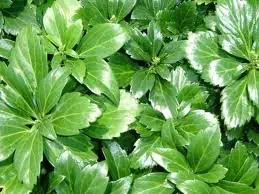 |
| Best Value The sweet spot between price and what you get | Pennington Smart Seed Dense Shade Grass Seed Mix, 7 lb |  |
| Best Budget The cheapest option that still gets the job done reliably | Carpet Creeping Viola sororia Violet Seeds, 200 Count |  |
| Highest Rated A top-rated pick with lots of positive feedback | Loseedsoo Wild Ginger (Asarum canadense) Seeds — 30+ Perennial Woodland Groundcover |  |
| Most Popular A crowd favorite that many people choose with confidence | Outsidepride Irish Moss (Sagina subulata) Ground Cover Seeds, 5000 count |  |
Groundcover Pachysandra terminalis Japanese Spurge — 100 Bare Root Plants

| Quantity | 100 heavily rooted plants |
|---|---|
| Hardiness Zone | 5 to 9 |
| Height | 6 to 12 inches |
| Spread | 1 to 1.5 feet |
| Sun | Part shade to full shade |
This offering supplies 100 heavily rooted Pachysandra terminalis (Japanese spurge) plants designed to establish a dense, low-maintenance evergreen groundcover in part to full shade. Pachysandra spreads by underground stems to form a carpet of dark green foliage 6 to 12 inches high and about 1 to 1.5 feet across, producing small white April blooms. It is typically planted on 6 to 9 inch centers to close in quickly for erosion control, borders, or under trees where grass struggles. The key practical benefits are rapid lateral spread that suppresses weeds, year-round foliage in suitable zones, and very low maintenance once established. Important limits are climate and placement: it is suited to USDA zones 5 to 9 and prefers shady conditions, so it will not perform well in full sun or outside its hardiness range. Buyers should also plan spacing and quantity carefully because the pack size and recommended spacing determine how much area these 100 plants will cover and how long it takes to fill in.
Best for: Gardeners who need a reliable, low-maintenance evergreen groundcover for shaded beds or under trees and want to establish coverage quickly with a ready supply of plants.
Less Ideal for: People seeking a sun-loving groundcover, a flowering show-plant, or those with planting areas outside USDA zones 5 to 9 should look at other options.
- Evergreen foliage that provides year-round groundcover in shaded sites
- Spreads rapidly via underground stems to form a dense, weed-suppressing carpet
- Low maintenance once established, useful for erosion control and borders
- Large quantity (100 heavily rooted plants) lets you cover a substantial area or accelerate fill-in
- Only recommended for part shade to full shade and USDA zones 5 to 9
- Pack requires planning for spacing since 100 plants may not cover very large areas at tight spacing
Verdict: A straightforward, low-maintenance choice for quickly establishing an evergreen carpet in shaded garden areas.
Pachysandra terminalis 'Green Sheen' Groundcover — 100 Bare Root Plants
| Hardiness Zone | 5 to 9 |
|---|---|
| Height | 6 to 12 inches |
| Spread | 1 to 1.5 feet |
| Sun | Part shade to full shade |
| Quantity | 100 bare root plants |
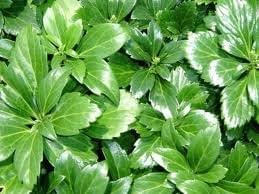
This 100-plant bundle of Pachysandra terminalis 'Green Sheen' is aimed at quickly establishing a glossy, shade-tolerant carpet in parts of the garden where sun is limited. The cultivar produces heavily rooted bare-root plants that spread by underground stems to form dense, dark green foliage 6 to 12 inches tall and about a foot to 1.5 feet across per plant. It performs well in part to full shade, tolerates zones 5 to 9, and offers low maintenance once established, with small white spring flowers and good erosion-control potential. Practical benefits include fast area coverage when planted at the recommended 6 to 9 inch spacing and simplified weed suppression from the dense growth habit. Limitations are that bare-root material requires prompt planting and good initial care to avoid losses, and pachysandra can be aggressive in some settings so it may need edging to prevent unwanted spread into adjacent beds.
Best for: Gardeners who need a high-performance, low-maintenance groundcover to quickly fill and stabilize shady areas and prioritize fast coverage over decorative variety.
Less Ideal for: People who want a non-spreading or highly controlled border plant or those unwilling to plant and establish bare-root material promptly.
- Very shade tolerant and suited for part shade to full shade sites
- Rapid spreading habit creates dense, low-maintenance groundcover that suppresses weeds
- Sold as 100 heavily rooted plants to establish coverage quickly
- Good for erosion control and forming a uniform carpet of foliage
- Bare-root plants must be planted promptly and cared for during establishment
- Can be invasive without edging or management in some landscapes
Verdict: Choose this 100-plant Green Sheen pachysandra pack when you want a fast-establishing, shade-tolerant groundcover that quickly forms a dense, low-maintenance carpet.
Pennington Smart Seed Dense Shade Grass Seed Mix, 7 lb
| Sunlight Exposure | 2-6 Hours |
|---|---|
| USDA Hardiness Zone | 1-12 |
| Moisture Needs | Moderate Watering |
| Included Components | Pennington Smart Seed Dense Shade Grass Mix Bag 7 lb |
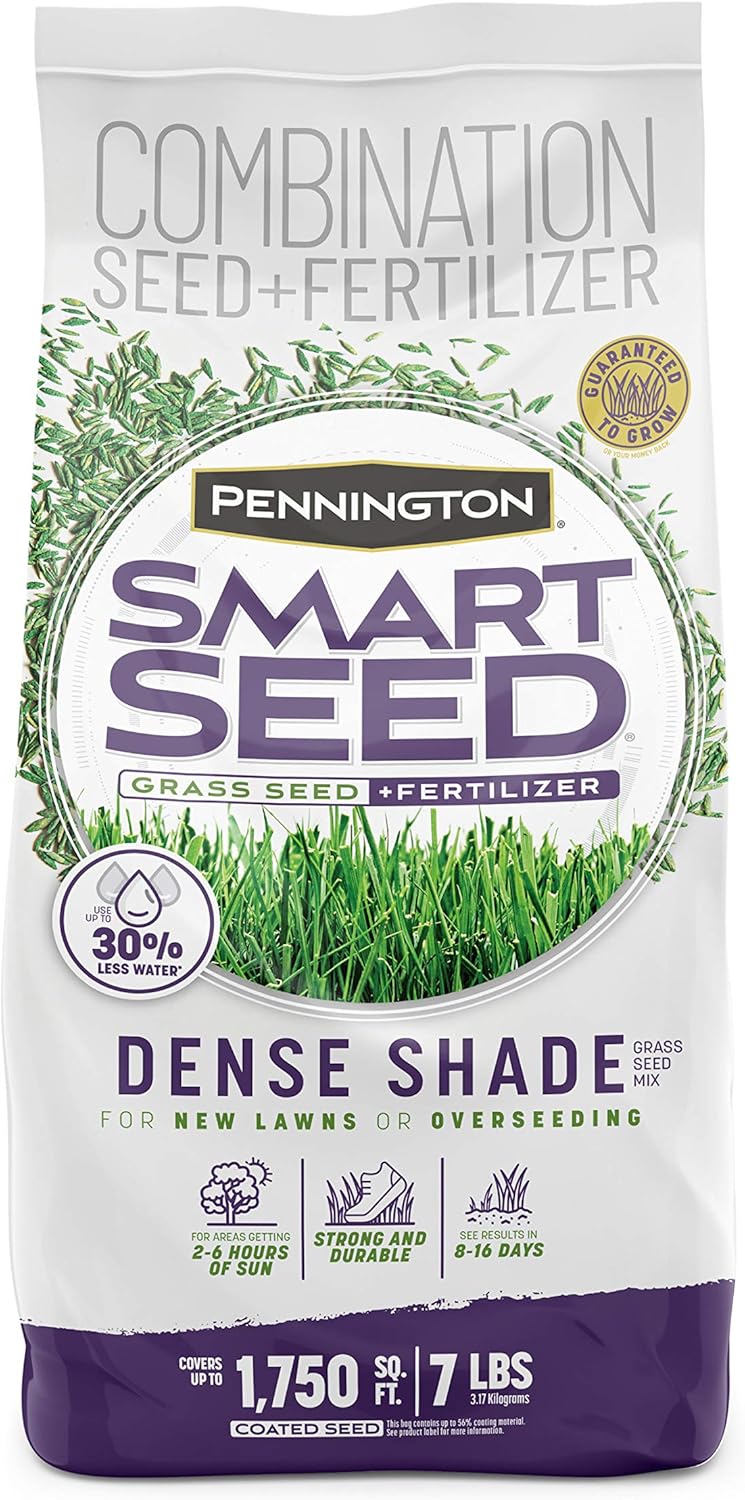
Pennington Smart Seed Dense Shade is a grass seed mix designed specifically for low-light lawn areas. It combines tall fescue, fine fescue and perennial ryegrass with a lightly fertilizer-enhanced seed coat so seedings often germinate and green up quickly. Use it to overseed thin shady patches or to start a new lawn in spots that get only 2 to 6 hours of sun; the manufacturer recommends spring or fall planting and daily shallow watering until seedlings reach about 3 inches. Notable features include coverage guidance (up to 1,750 sq ft for overseeding), a built-in starter fertilizer that speeds establishment, and breeding aimed at improved drought tolerance once established. In practice this means faster visible results and a lawn that can need less water over time compared with ordinary seed. Limitations are typical for shade mixes: success still depends on good seed-to-soil contact, consistent moisture during germination, and realistic expectations in very dense shade or under trees where roots and competition reduce success rates.
Best for: Homeowners who need a practical, proven lawn seed to repair or overseed shady patches and who prefer solutions with built-in fertilizer and research-backed genetics.
Less Ideal for: People seeking an immediate, no-maintenance ground cover for deep, tree-rooted shade or those wanting non-grass ornamental groundcovers that tolerate full shade.
- Formulated for low-light areas that receive 2 to 6 hours of sun
- Seed coat includes starter fertilizer to speed germination and greening
- Mix of tall fescue, fine fescue and perennial ryegrass for durability
- Designed for improved drought tolerance once established
- Requires daily moisture during germination which demands ongoing attention
- Performance can be limited in extremely dense shade or heavy root competition
Verdict: Choose this seed mix when you want a research-backed, fertilizer-coated grass seed that establishes faster and performs better in moderate shade.
Carpet Creeping Viola sororia Violet Seeds, 200 Count

| Unit Count | 200 Count |
|---|---|
| Sunlight Exposure | Full Sun to Full Shade |
| USDA Hardiness Zone | 3 |
| Moisture Needs | Regular Watering |
| Material Features | GMO Free |
These Viola sororia seeds are a straightforward, low-cost way to establish a native violet ground cover in shady or partly sunny areas. The packet contains 200 seeds labeled non-GMO and is intended for outdoor planting in spring; with regular moisture and partial to full shade the plants form low clumps of heart-shaped leaves and produce violet to blue flowers in spring and early summer. Practical benefits include easy maintenance once established, attraction of pollinators and use as a natural weed-suppressing ground layer under trees or in shade gardens. Because they are a native perennial suited to USDA zones down to zone 3 and adaptable to common soil types, they fit a range of temperate garden sites. Limitations are typical for seed products: germination and establishment depend on site preparation, consistent watering, and local conditions so results can vary and some seedlings may be lost to competition or pests; buyers seeking instant coverage should plan for several seasons of growth rather than immediate dense matting.
Best for: Gardeners on a budget who want to convert shady patches into a native, pollinator-friendly groundcover and are willing to grow plants from seed.
Less Ideal for: People who need immediate, dense groundcover or who prefer planting mature plugs or sod for instant results.
- Large 200-count packet provides many seeds for seeding larger shady areas
- Non-GMO native species that attracts bees and butterflies
- Shade tolerant and adapts to a wide range of common soil types
- Low maintenance once established and returns as a perennial in suitable zones
- Seed establishment is slow and results depend on watering and site preparation
- Not an instant groundcover; several seasons may be needed for full coverage
Verdict: An inexpensive seed-based way to establish native violet groundcover in shady gardens that attracts pollinators once established.
Loseedsoo Wild Ginger (Asarum canadense) Seeds — 30+ Perennial Woodland Groundcover

| Botanical Name | Asarum canadense |
|---|---|
| Plant Type | Perennial |
| Light | Partial Shade to Full Shade |
| Unit Count | 1 Count |
These Loseedsoo wild ginger seeds provide a straightforward way to establish Asarum canadense as a durable, shade-tolerant groundcover. The packet includes 30+ seeds intended for partial to full shade planting in rich, moist, well-drained soil. Gardeners typically sow the seeds shallowly, keep the medium consistently moist, and often cold-stratify the seed first to improve germination because seedlings can be slow to appear. Once established, wild ginger forms heart-shaped foliage that spreads gradually to suppress weeds and fill shady borders beneath trees. Notable features are its native provenance, perennial habit, and distinctive low flowers hidden under the leaves. Practical benefits are low long-term maintenance and good performance where many sun-loving plants fail. Important limitations are the slow and sometimes erratic germination from seed and the need for consistent moisture during establishment, so results require patience and some initial care.
Best for: Gardeners who need a reliable, low-maintenance native groundcover for shaded areas and are willing to give seeds careful moisture and time to establish.
Less Ideal for: People who need instant coverage or a guaranteed quick result should choose plugs or established plants instead.
- Shade-adapted perennial suitable for partial to full shade sites
- Provides low, spreading heart-shaped foliage that creates a natural woodland groundcover
- Native species that fits well in shaded borders, beneath trees, and naturalized landscapes
- Includes 30+ seeds, allowing coverage of multiple small planting spots or patches
- Seeds germinate slowly and may require cold stratification and patient care
- Establishment needs consistently moist, rich soil during the early growth period
Verdict: A good choice for gardeners seeking a long-term, shade-loving native groundcover when they can commit to patient seed sowing and moist establishment.
Outsidepride Irish Moss (Sagina subulata) Ground Cover Seeds, 5000 count

| Expected Blooming Period | Spring to Fall |
|---|---|
| Sunlight Exposure | Partial Sun |
| USDA Hardiness Zone | 4 |
| Moisture Needs | Moderate Watering |
| Unit Count | 5000 Count |
Outsidepride Irish Moss seeds are intended to establish a dense, low carpet of green that fills gaps between stepping stones, edges pathways, and acts as a lawn alternative in cooler, moist sites. You surface-sow the fine seeds in spring on well-drained but consistently moist soil and keep them damp while they germinate; the company rates coverage at roughly 100 sq ft for the 5,000-count pack. Notable features are the plant's very low height (1–2 inches), tolerance for partial shade, and small white spring blooms that add subtle texture to rock gardens and borders. In practice this makes Irish Moss a good choice where soils stay cool and slightly wet rather than bone dry, and where foot traffic is light. Limitations are that it needs regular moisture during establishment and performs poorly in heavy foot traffic or hot, fully exposed sites; germination and coverage can be uneven if sowing depth or moisture is inconsistent. For gardeners with shaded, damp patches who want a soft, low-maintenance carpet, Irish Moss delivers attractive, resilient ground cover once established.
Best for: Gardeners with shaded or consistently damp patches who want a low-growing, decorative ground cover that stabilizes soil and softens pathways; buyers who prefer a perennial, low-maintenance lawn alternative and are prepared to keep soil moist while plants establish.
Less Ideal for: People needing a hardwearing surface for frequent walking or play, or those with very dry, hot sunny sites that do not retain moisture.
- Creates a dense, mat-forming carpet ideal for filling gaps between pavers and edging pathways
- Perennial and cold-hardy across a wide USDA range, returning year after year
- Tolerates partial shade and prefers consistently moist, well-drained soils suited to wet-ground spots
- Small white flowers in late spring to early summer add seasonal interest without raising height
- Requires steady moisture during germination and establishment to achieve full coverage
- Not suited to heavy foot traffic or very hot, fully exposed locations
Verdict: Choose these Irish Moss seeds if you want a low, shade-tolerant ground cover that establishes a soft, moisture-friendly carpet for pathways and rock gardens.
Choosing the Right Full Shade Ground Cover: Key Factors to Consider
Light Levels and Microclimate
Not all shade is the same. Dense canopy shade under mature trees can drop light levels dramatically and create dry conditions, while north-facing walls and tall hedges produce cooler, moister shade. Choose a cover that tolerates the actual hours and quality of light at the planting site. Some species survive in deep, filtered light but perform poorly in completely dark, leaf-littered soil.
Microclimate matters because humidity, reflected heat from nearby walls, and proximity to tree roots will affect establishment. A plant that does well beside a damp foundation may struggle under a root-heavy oak that competes fiercely for moisture and nutrients.
Spread Rate and Control
Ground covers vary from slow, clumping species to aggressive runners. Consider how quickly you want the area filled and how easy it should be to control spread. Fast spreaders are useful for quickly stabilizing soil on slopes but may require edging or periodic thinning to protect adjacent beds.
Clumping varieties are lower risk around existing plantings and patios, though they take longer to create a uniform carpet. Think about access for future maintenance: if you dislike regular pruning, choose covers with restrained spread habits.
Maintenance and Long-Term Care
Maintenance includes dividing, pruning, removing dead foliage, and managing pests and disease. Some shade covers hold tidy foliage year-round and need only occasional trimming. Others drop leaves or produce unsightly stems that must be sheared back each season.
Also factor in winter behavior. Evergreen ground covers provide winter interest and erosion control year-round, while deciduous types may leave bare patches until spring. Choose plants that match how much time you are willing to invest.
Tolerance to Foot Traffic and Use
Decide whether the ground cover will be purely ornamental or subject to light foot traffic along paths or between beds. Certain species tolerate occasional stepping and will rebound; others will be crushed and fail to recover. If you plan to use the area as a stepping zone, select covers known for resilience and quick recovery.
For heavy trafficking, consider installing stepping stones and using a tougher turf alternative rather than a delicate shade cover.
Soil Type and Drainage
Shady areas can range from rich woodland loam to shallow, compacted soil near foundations. Some ground covers prefer well-drained soil and will rot in waterlogged conditions, while others handle moisture and light clay. Test or observe your soil and pick species suited to that environment.
Amending soil can help, but deep shade often limits how much you can change the root-zone conditions. Choosing a plant naturally adapted to your soil profile reduces the need for ongoing soil work.
Seasonal Interest and Underplanting Compatibility
Think about how the ground cover will look through the seasons and whether it will coexist with bulbs, small perennials, or tree seedlings. Some covers offer flowers, variegated leaves, or evergreen structure that add year-round interest. Others may smother bulbs or prevent seedlings from establishing.
If you plan to underplant bulbs or integrate companion plants, choose a species with a compatible growth habit and timing so it does not outcompete desirable spring ephemerals.
Preparing a Shady Planting Site
Start by assessing soil moisture and organic matter. Rake away excess leaf litter to locate living soil and observe drainage after a rain. In many cases a light application of compost and topdressing is enough to give new plants a start without disturbing tree roots.
Consider installing a thin layer of mulch to conserve moisture but avoid deep layers that block light to seedlings. If tree roots are competitive, create planting pockets and water more frequently during establishment until the cover is well rooted.
- Remove invasive weeds and perennial grass before planting
- Work only the topsoil to avoid damaging tree roots
- Use mulch sparingly in dense shade to permit light to seedlings
Planting and Spacing Tips for Dense Coverage
Plant closer than you would in sunny beds because low light slows spread. Follow spacing recommendations for a quicker fill, but leave room for the plants to mature without constant crowding. Stagger rows to encourage interlocking growth from the start.
Water deeply at planting and keep soil consistently moist until roots establish. After establishment, many shade-adapted ground covers need less frequent irrigation than sun lovers, but the first season is critical for survival.
- Stagger plants in a bricklike pattern for even coverage
- Plant during cooler, wetter seasons to reduce transplant shock
- Avoid fertilizer-heavy mixes that favor weed growth in shade
Managing Spread Without Heavy Pruning
Use physical edging, root barriers, or strategically placed mulch lines to contain vigorous spreaders. Regularly check borders and thin runners where they encroach on paths or beds. For clumping covers, division every few years keeps plants vigorous and prevents overcrowding.
If you want a low-maintenance appearance, choose evergreen, tidy species and plan for an annual tidy-up rather than constant trimming.
- Edging controls horizontal spread while preserving root health
- Divide dense clumps to rejuvenate plants and improve airflow
- Thin runners early to prevent establishment in undesired areas
Combining Ground Cover with Shade-Loving Plants
A ground cover can serve as a living mulch for bulbs and small perennials. Match plants with different seasonal peaks so bulbs can emerge before the ground cover fully fills in. Leave planting pockets for companion plants rather than relying on the cover to be thinned later.
Choose companions with similar moisture and light needs to avoid competition. Taller shade perennials can provide vertical interest while the ground cover supplies soil protection and weed suppression.
- Plant bulbs in groups where cover will be slower to fill
- Position taller perennials to avoid shading newly established cover
- Monitor water needs when mixing species with slightly different requirements
Seasonal Care and Pest Watch
Inspect for slugs, snails, and fungal patches especially in cool, damp seasons. Remedy issues with cultural fixes: reduce mulch thickness, improve air circulation, and remove affected foliage promptly. Many shade covers are naturally resistant to common pests but dense, wet conditions invite problems.
In late winter or early spring, remove dead leaves and old stems to allow new growth to emerge. This cleanup reduces disease pressure and reveals thin spots that can be replanted before the growing season.
- Thin mulch in wet winters to reduce rot risk
- Clean up dead material in early spring to stimulate new growth
- Address pests with habitat adjustments before chemical controls
How We Chose the Best Full Shade Ground Cover
We focused on characteristics that matter for deep-shade planting rather than ornamental hype. Selection prioritized proven shade tolerance in low-light conditions and documented ground-covering habit so plants establish a dense mat instead of thin patches. Spread control and habit were assessed to favor options that can be managed in beds, borders, and under mature trees without aggressive invasiveness. Maintenance needs were measured by typical pruning, division, or trimming frequency and susceptibility to common shade pests and diseases. Soil adaptability and drought tolerance were considered because shady sites vary from moist woodland duff to dry compacted soil under eaves. We excluded plants that require regular supplemental light, constant grooming, or that are known to become highly invasive in most temperate gardens. Final picks reflect a balance of establishment speed, long-term steadiness, low maintenance, and compatibility with foot traffic and underplanting.
FAQ
Can full shade ground covers grow under large established trees?
Often they can, but success depends on root competition and soil moisture. Choose covers with shallow roots and reserve water at planting. Accept that growth may be slower and select tolerant species rather than high-demand plants.
How long before a ground cover fills in a shady area?
It depends on the species and spacing. Some aggressive spreaders can cover a bed in one season, while clump-forming plants may take two to three years to create a full carpet. Closer spacing speeds coverage but may increase early maintenance.
Will ground covers in full shade prevent weeds?
A dense, healthy ground cover greatly suppresses many weeds by shading the soil, but stubborn perennials and grasses can still appear. Proper establishment and occasional weeding during the first year are important to reduce long-term invasions.
Do shady ground covers need winter protection?
Most hardy shade-adapted covers do not need winter protection, though evergreen varieties may benefit from a light mulch in exposed sites. Protecting young transplants from freeze-thaw cycles and heavy snow can help establishment.
Can I mow or step on shade ground covers?
Light, occasional foot traffic is tolerated by some species, but mowing is generally not appropriate. If you need a walkable surface, use stepping stones or a dedicated pathway to prevent damage.
Final Verdict
Choose a full shade ground cover by first matching the plant to the actual light, soil, and traffic conditions of the site. Prioritize shade tolerance and a spread habit that fits whether you want quick fill or controlled, clumping growth. Account for maintenance frequency you are willing to perform and plan planting so companions and bulbs can coexist. In tight, high-competition spots favor species with proven root-zone tolerance and restrained spread. For larger areas where rapid erosion control matters, accept more vigorous spreaders and use edging. With the right match, a shade ground cover delivers a tidy, low-maintenance floor that reduces weeds and protects soil year-round.
