

Note: This article contains affiliate links. If you click on these links and make a purchase, I may earn a small commission at no extra cost to you. This helps support my research and content. Read my full affiliate disclosure here.
Fungus gnats are a common nuisance in potted plants, seedlings, and indoor gardens because adults flying around pots are only the visible part of a breeding problem. The right insecticide helps stop adult swarms and reduce larval numbers in the soil without stressing tender roots or beneficial microbes. This guide shortlists seven top insecticide options for fungus gnats suited to container and indoor growing situations. We evaluated products for how quickly they reduce adult counts, how well they suppress larvae in potting mix, and how safe and easy they are to use around young plants. Read on to understand the tradeoffs and pick a solution that fits your growing setup and risk tolerance.
Top Picks at a Glance
| Best Overall The best all-around choice for most situations | NATURE'S DOME Fungus Gnat Killer Spray, 16 oz |  |
| Best Quality Built to a higher standard if you want something more solid | Microbe Life Hydroponics FGX Fungus Gnat Killer, BTi Soil Drench, 8 fl oz |  |
| Best Value The sweet spot between price and what you get | Arber Organic Insecticide Concentrate for Indoor & Outdoor Plants, 16 oz |  |
| Best Budget The cheapest option that still gets the job done reliably | Bonide Captain Jack's Neem Max Concentrate, 8 fl oz | 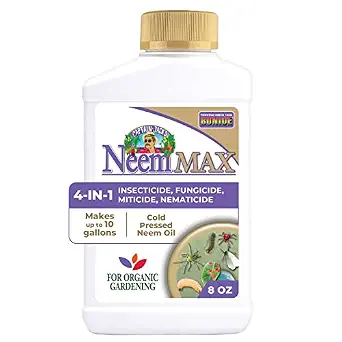 |
| Highest Rated A top-rated pick with lots of positive feedback | Colton's Naturals Fungus Gnat Killer Ready-to-Use Plant Pest Spray, 16 fl oz |  |
| Most Popular A crowd favorite that many people choose with confidence | Kate's Home & Garden Peppermint & Rosemary Plant Spray with 12 Sticky Traps, 16 oz |  |
| Best Seller A high-volume bestseller chosen again and again | Kate's Garden Peppermint & Rosemary Plant Spray for Gnats (16 oz) |  |
NATURE'S DOME Fungus Gnat Killer Spray, 16 oz

| Unit Count | 16 Fluid Ounces |
|---|---|
| Item Form | Liquid |
| Target Species | Gnat, Fruit Fly, Spider Mite |
| Active Ingredients | Geraniol 0.90%; Lemongrass Oil 0.45%; Peppermint Oil 0.40% |
This 16 oz NATURE'S DOME spray is a ready-to-use, plant-focused insecticide that mists evenly and is intended for routine use on houseplants and container gardens. It combines low-concentration botanical actives such as geraniol, lemongrass oil, and peppermint oil with a surfactant so it knocks down adult gnats and fruit flies on contact while coating soil tops to reduce visible adults. Typical use is shaking and misting flying gnats, lightly spraying potting mix and surrounding surfaces, then repeating as needed; the label notes it works wet-on-contact and dries quickly without leaving an oily residue. The bottle design is upgraded for consistent misting and fewer clogs, which makes regular treatments easier. Limitations are that it targets adults and surface pests rather than larvae deep in moist soil, so it is best combined with cultural controls like drying the topsoil or sticky traps for full control. It is marketed for indoor gardening and also labeled for outdoor use on potted plants.
Best for: Plant owners who want a gentle, botanical spray to manage visible adult fungus gnats and other flying pests on houseplants and container gardens.
Less Ideal for: Gardener dealing with heavy larval infestations in large beds or nursery-scale plantings should consider soil drenches or biological larval treatments instead.
- Formulated with plant-based active ingredients effective on contact against adult gnats and fruit flies
- Ready-to-use spray with an even misting bottle that resists clogs
- Fast-drying, non-greasy formula that leaves little residue on leaves and surfaces
- Does not specifically claim systemic or deep-soil larval control so may not eliminate larvae below the soil surface
Verdict: A convenient plant-safe, botanical spray that quickly knocks down adult fungus gnats and flying pests for routine indoor plant care.
Microbe Life Hydroponics FGX Fungus Gnat Killer, BTi Soil Drench, 8 fl oz

| Volume | 8 fl oz |
|---|---|
| Active ingredient | Bacillus thuringiensis israelensis (BTi) |
| Usage | Soil drench for potted plants and hydroponics |
| Registration | EPA registered |
Microbe Life FGX is a targeted, biological fungus gnat treatment formulated around Bacillus thuringiensis israelensis (BTi) that kills gnat larvae in the soil so fewer adults emerge. It is typically used as a soil drench: dilute the product (about 1.5 mL per gallon) and saturate the top 1–2 inches of potting mix every 5–7 days for 2–3 weeks. The EPA‑registered natural formula makes it safe to use around houseplants, hydroponic systems, pets, and people while protecting root health. Because it attacks larvae where they feed, FGX addresses the source of infestations rather than only trapping adults. Practical benefits include easy mixing and application, compatibility with indoor and outdoor container systems, and minimal impact on plants when used as directed. Limitations are that repeated applications are required to cover the gnat life cycle and results depend on correct dilution and thorough soil wetting; it does not provide an immediate kill of flying adults and is not a broad‑spectrum insecticide for pests outside larvae in the root zone.
Best for: Buyers who prioritize effective, low‑toxicity control of fungus gnats and want a solution that treats larvae in soil or hydro systems rather than relying on traps or broad chemical sprays.
Less Ideal for: People who need an immediate knockdown of flying adult insects or a product that controls a wide range of above‑soil pests should consider a different approach.
- BTi active ingredient specifically targets fungus gnat larvae without harming plants, pets, or people
- Designed for soil drenches and hydroponic systems to treat the larvae at the source
- EPA registered and formulated as a natural, non‑toxic option
- Simple dilution and repeat‑use schedule makes treatments easy to integrate into plant care
- Requires multiple applications over weeks to fully interrupt the gnat life cycle
- Does not quickly eliminate adult gnats or other non‑larval pests
Verdict: A performance‑focused, pet‑safe BTi soil drench that treats fungus gnat larvae at the source to deliver reliable, long‑term control when used as directed.
Arber Organic Insecticide Concentrate for Indoor & Outdoor Plants, 16 oz

| Item model number | 1-341712-1 |
|---|---|
| Manufacturer | Arber |
| Date First Available | April 9, 2021 |
This 16 oz Arber concentrate is a biological insecticide and plant wellness product designed to be mixed with water and sprayed over foliage and soil to control pests such as mealybugs, aphids, spider mites, whiteflies and fungus gnats. You dilute it per the label to make up to about 16 gallons of finished spray and apply with a pump or trigger sprayer every 7–10 days or as needed. The formula is derived from fermented soil bacteria and is described as penetrating foliage and soil to disrupt pest life cycles while also supporting a balanced microbiome, so it can help stressed or repotted plants recover as pest pressure falls. Practical benefits include cost efficiency from a concentrate, suitability for both indoor and outdoor use, and an OMRI‑style organic approach that avoids harsh synthetics. Important limits are that it is not an instant knockdown product and requires repeated applications on a schedule to manage overlapping generations, and users must follow safety directions to avoid inhalation or contact. Best results come from integrating it with monitoring and preventive care.
Best for: Buyers who want an economical, organic‑minded solution to reduce mealybugs and other common pests while also supporting plant health and who plan to integrate regular treatments into their care routine.
Less Ideal for: People who need an instant, one‑time knockdown or who prefer ready‑to‑use sprays rather than mixing concentrates.
- Concentrated formula makes up to about 16 gallons of spray for economical coverage
- Biological active ingredients derived from fermented soil bacteria that support plant microbiome
- Formulated for both indoor and outdoor use including pots, raised beds and greenhouses
- Controls a range of pests commonly found on houseplants and garden plants including mealybugs
- Requires repeat applications on a schedule to control overlapping pest generations
- Not an immediate synthetic knockdown so slower visible results compared with chemical insecticides
Verdict: A cost‑efficient organic concentrate that treats mealybugs and other common plant pests while supporting plant microbiome for growers who use scheduled, repeat applications.
Bonide Captain Jack's Neem Max Concentrate, 8 fl oz

| Unit Count | 8 Ounce |
|---|---|
| Item Form | Concentrate |
| Target Species | Multi-Purpose |
| Liquid Volume | 8 fluid ounces |
This concentrated neem oil is designed to be mixed with water and applied as a spray or drench to protect plants from insects and fungal problems. It combines cold-pressed neem oil with a surfactant formula to disperse evenly so coverage is more consistent than plain oil alone. In practice you would dilute the concentrate per label directions and use it on indoor and outdoor ornamentals, vegetables, and container-grown plants to control aphids, mites, beetles, caterpillars and several fungal issues including powdery mildew. The product also claims activity against nematodes, which is useful for potted plants and containers prone to fungus gnat larvae and root pests when applied as a drench. Because it is a botanical concentrate approved for organic gardening, it fits into low-toxicity pest management plans, but it still requires careful mixing and reapplication for persistent infestations. Expect to treat repeatedly and combine good cultural controls for best results rather than rely on a single application for heavy fungus gnat pressure.
Best for: Gardeners who want an organic, low-toxicity concentrated treatment to reduce fungus gnat larvae and common pests across container plants and vegetable beds while stretching product value.
Less Ideal for: Those who need immediate, fast-acting knockdown for severe indoor infestations or who prefer single-application synthetic controls should consider alternatives.
- Concentrated formula covers many applications so a little dilution treats many plants
- Cold-pressed neem oil with surfactant improves dispersion and leaf coverage
- Approved for organic gardening and plant-based active ingredients
- Works as spray or drench, allowing treatment of soil-borne pests like fungus gnat larvae
- Requires correct dilution and repeat applications to control persistent infestations
- Not a quick-kill synthetic insecticide so slower acting on severe outbreaks
Verdict: A concentrated, organic neem product that lets budget-minded gardeners treat both foliage and soil pests like fungus gnat larvae while getting more coverage per bottle.
Colton's Naturals Fungus Gnat Killer Ready-to-Use Plant Pest Spray, 16 fl oz

| Item Form | Spray |
|---|---|
| Target Species | Fungus Gnats |
| Unit Count | 16 Fluid Ounces |
This ready-to-use spray from Colton's Naturals is designed to control fungus gnats and other listed pests around houseplants and in small greenhouse or bench areas. You apply it directly to affected soil surfaces, containers, windowsills, and beneath leaves using the trigger bottle, so no mixing or measuring is required. The product claims to protect plant roots by targeting gnat larvae and can also be used against soil mites, aphids, whiteflies, thrips, and mealybugs, which makes it useful for mixed infestations. Practical benefits include straightforward spot treatment, a purpose-built trigger bottle that is convenient for targeted sprays, and a 16 fl oz size that covers repeated treatments around a collection of indoor plants. Limitations are that it is a surface spray intended for visible infestation areas rather than a systemic soil drench, so heavy or widespread infestations may need repeated applications or complementary control methods. As with any pest spray, follow label directions and avoid contact with edible foliage before harvest.
Best for: Buyers who want a dependable, no-fuss spray to treat visible fungus gnat problems on houseplants and small greenhouse benches and who prioritize straightforward, ready-to-use solutions.
Less Ideal for: Large-scale growers or users needing a systemic soil treatment should consider products designed for broader or deeper soil penetration and adjustable dosing.
- Ready-to-use trigger bottle requires no mixing or special equipment
- Formulated specifically to target fungus gnats and their larvae
- Safe for targeted application around houseplants, pots, and greenhouse benches
- Also lists efficacy against several common plant pests such as aphids and whiteflies
- Designed as a surface spray so it may not reach larvae deep in heavily compacted or very wet soil
- Not a concentrate so you cannot adjust strength for larger or commercial applications
Verdict: A convenient ready-to-use spray that reliably targets fungus gnats and other common plant pests for small-scale indoor plant care.
Kate's Home & Garden Peppermint & Rosemary Plant Spray with 12 Sticky Traps, 16 oz

| Volume | 16 oz |
|---|---|
| Includes | 12 sticky traps |
| Active ingredients | Peppermint oil, Rosemary oil, Geraniol |
| Made in | USA |
This kit combines a 16 oz peppermint and rosemary oil spray with a dozen yellow sticky traps to attack fungus gnats at two stages: larvae in the soil and adults flying around your pots. The spray uses plant-derived ingredients (peppermint oil, rosemary oil, geraniol, sesame oil, soap and water) and is intended for liberal application to soil and foliage after a small leaf test; the sticky traps are placed in pots to catch newly emerged adults. In practice the natural formula is easy to use, leaves no persistent chemical residue, and is appropriate for households with kids and pets when label directions are followed. The traps are a practical supplement because they interrupt the gnat life cycle and make it easier to gauge infestation levels. Expect repeated weekly applications for full control and occasional trap replacement. The product is not a fast-acting synthetic insecticide, so heavy infestations may need additional cultural controls or more aggressive treatments for rapid knockdown.
Best for: Buyers who prioritize low-toxicity, natural solutions and want a combined spray-plus-trap approach to reduce fungus gnats in houseplants and small container gardens.
Less Ideal for: Gardeners facing severe or large-scale gnat outbreaks who need immediate, strong chemical knockdown or professional pest control should consider more aggressive options.
- Plant-based active ingredients (peppermint and rosemary oils) that avoid harsh synthetic chemicals.
- Includes 12 yellow sticky traps to catch adult gnats and help break the life cycle.
- Formulated to evaporate without leaving persistent residue on leaves or soil.
- Clear directions for testing on leaves and targeting soil to address larvae and eggs.
- Made in the USA and biodegradable formulation.
- Not formulated for rapid knockdown of heavy infestations compared with chemical insecticides.
- Requires weekly reapplication and trap replacement for sustained control.
Verdict: A low-toxicity, dual-action kit that uses plant oils plus sticky traps to safely reduce fungus gnats for risk-conscious indoor plant owners.
Kate's Garden Peppermint & Rosemary Plant Spray for Gnats (16 oz)

| Unit Count | 16 Fluid Ounces |
|---|---|
| Item Form | Oil |
| Target Species | Fungus gnats |
| Active Ingredients | rosemary |
This spray uses a simple, plant-based formula of peppermint and rosemary oil to repel and reduce fungus gnats, fruit flies, aphids, and spider mites on houseplants and garden container soil. It is typically used by test-spraying a leaf, then applying liberally to foliage and the soil surface to target adults, eggs, and larvae; directions recommend weekly or as-needed applications. The product is non-toxic when used as directed and marketed for use around children and pets, which makes it a low-risk option for everyday pest control. Practical benefits include a pleasant scent, biodegradable ingredients, and the ability to reapply without leaving noticeable chemical residue on leaves. Important limitations are that results tend to be gradual rather than instantaneous for heavy infestations and that efficacy can vary by pest and infestation level compared with stronger synthetic insecticides. The spray is best for prevention, spot treatments, and light to moderate gnat problems rather than severe, established outbreaks.
Best for: Buyers looking for a low-risk, plant-safe approach to prevent and manage light to moderate fungus gnat problems on indoor and container plants who prioritize non-toxic, natural ingredients.
Less Ideal for: Growers facing severe, widespread gnat infestations or those who need a fast knockdown from a professional-strength insecticide should consider more potent alternatives.
- Plant-based active ingredients (peppermint and rosemary oils) reduce reliance on harsh chemicals
- Safe for use around children and pets when directions are followed
- Designed to target soil-dwelling eggs and larvae as well as adult gnats by directing spray onto soil
- Biodegradable formula that evaporates without obvious residue on foliage
- May be slower and less effective on heavy or well-established infestations compared with stronger synthetic insecticides
- Effectiveness can vary by pest species and environmental conditions
Verdict: A gentle, plant-based spray ideal for risk-averse gardeners who want a safe, regular-use option to prevent and manage light fungus gnat problems.
Choosing the Right Insecticide for Fungus Gnats: Key Factors to Consider
Efficacy Against Both Adults and Larvae
Fungus gnat control requires addressing two life stages. Adult-targeted sprays reduce flying insects and immediate annoyance, but they do not stop larvae already feeding on roots. Larval suppression is crucial to prevent reinfestation because larvae are the life stage that damages seedlings and young roots.
When choosing an insecticide, look for active ingredients or formulations that offer both quick adult control and soil activity. Some products combine a contact adulticide with a systemic or soil-active ingredient to reach larvae. Understanding what a product controls will determine whether you need to pair it with a separate soil treatment or cultural fixes like letting the potting medium dry between waterings.
Plant Safety And Sensitivity
Potted plants, seedlings, and sensitive ornamentals can react poorly to harsh insecticides. Plant safety depends on the active ingredient, concentration, and application method. Soil drenches and systemic products can be absorbed by roots and may stress young plants if used at high rates.
Carefully read label directions regarding dilution, timing relative to transplanting, and any species cautions. Prefer formulations labeled safe for seedlings or indoor ornamentals when treating young or valuable plants. When in doubt, test a small plant or a single pot before treating an entire collection.
Application Method And Convenience
Different formulations suit different gardeners. Ready-to-use sprays are convenient for quick adult knockdown but may have limited soil activity. Concentrates that require mixing give flexibility in application rate and coverage but add prep time and potential for mixing errors. Granules or soil drenches are useful when you want to target larvae directly in potting mix without spraying foliage.
Consider how often you are willing to treat and whether you can safely handle concentrates. Indoor growers may prefer low-odor, drip-free applications. If you keep many small pots, look for easy-dosing options to avoid over- or under-applying product.
Residual Activity And Reapplication Needs
Residual control affects how often you must reapply treatment. Short-lived contact sprays may require frequent reapplication to control new adults, while products with longer persistence in the potting medium can suppress larvae for weeks. However, longer residuals can also increase exposure risk to beneficial organisms or sensitive seedlings.
Match the expected duration of control to your tolerance for follow-up treatments. In high-traffic indoor spaces or around pets, shorter residuals with repeat, targeted use may be preferable. For heavy infestations, a product with sustained soil activity often reduces overall treatment frequency.
Compatibility With Cultural Controls
Insecticides work best alongside cultural practices that reduce fungus gnat breeding. Common measures include allowing soil to dry between waterings, using well-draining potting mixes, removing standing moisture from saucers, and applying a thin surface layer of sand or grit to deter adult egg-laying.
Choose insecticides that integrate safely with these cultural tactics. For example, if you use beneficial nematodes or microbial soil amendments, avoid broad-spectrum products that could kill those allies. A combined approach reduces reliance on chemicals and improves long-term control.
When To Treat Fungus Gnats
Treating is warranted when you see adult gnats hovering near pots, notice larvae in the potting mix, or if seedlings are stunted and roots show signs of feeding damage. Occasional adults may not indicate a large population, but repeated sightings over several days often mean breeding in the soil.
Begin with cultural changes such as reducing surface moisture and repotting into fresh mix if the medium is compacted or heavily organic. Use insecticidal options when cultural fixes do not quickly reduce adult numbers or when larvae are visibly harming plants.
- Visible adults for multiple days suggests active breeding
- Seedling decline or root damage often points to larval feeding
- Persistent infestations usually need both soil and adult treatments
Nonchemical Alternatives And Complementary Methods
Nonchemical tactics can be effective alone for light infestations or as part of an integrated plan. Yellow sticky traps capture adults and help gauge population levels. A surface layer of coarse sand or horticultural grit discourages egg-laying and can reduce new larvae.
Biological controls such as beneficial nematodes or predatory mites target larvae in the soil without chemical residues. These are especially useful for organic-minded growers and can be combined with reduced-risk insecticides when infestations are moderate.
- Sticky traps monitor adult pressure
- Surface grit prevents egg-laying
- Beneficial organisms attack larvae directly
Safe Use Around Indoor Plants And Seedlings
Indoor use demands attention to ventilation, dilution rates, and application timing. Avoid foliar sprays on very young seedlings unless the label explicitly permits it. Soil drenches applied at labeled rates generally reduce foliage exposure and are safer for indoor settings.
Schedule treatments when people and pets are out of the room if the product has notable odor. Follow all label instructions for reentry times and avoid overwatering right after treatment unless the label recommends it to move active ingredients into the root zone.
- Prefer soil drenches for seedlings when possible
- Ventilate indoor spaces during and after application
- Follow label instructions for reentry and watering
Monitoring And Follow-Up
After treatment, continue monitoring with sticky traps and by inspecting the potting mix. Expect to repeat applications according to the product's residual claim and the severity of the infestation. If adult numbers drop but return, focus on larval suppression and cultural fixes.
Record application dates and dilution rates to avoid accidental over-application. If multiple products are used sequentially, wait the recommended interval on labels to prevent phytotoxicity or reduced efficacy.
- Use sticky traps to track progress
- Keep an application log for safe reapplications
- Repeat soil treatments only as label allows
Special Considerations For Seed Starting And Propagation
Seedlings and cuttings are more vulnerable to root damage, so select milder options or nonchemical methods in propagation trays. Sterile, well-draining starting mixes and bottom-watering reduce fungal gnat attraction. If an outbreak occurs in a propagation tray, isolate affected trays to limit spread.
When treating propagation media, dilute strongly and apply sparingly to avoid overwhelming young roots. Consider replacing the top inch of potting mix or repotting vulnerable starts into fresh, sterile mix if infestation is heavy.
- Use sterile mixes and bottom-watering to prevent infestations
- Isolate affected trays to stop spread
- Apply diluted soil treatments cautiously on young roots
How We Chose the Best Insecticide for Fungus Gnats
To assemble this list we applied practical, garden-focused filters that prioritize real-world control of fungus gnats in potted plants and indoor growing. We assessed efficacy against both adults and larvae, giving weight to products with data or consistent user reports showing rapid adult knockdown plus measurable reduction in larval populations. Plant safety was a second major filter, focusing on formulations and application methods that minimize root damage, foliage burn, and harm to beneficial soil organisms. We also considered ease of application for typical home gardeners, including ready-to-use sprays, soil drenches, and granules that do not require specialized equipment. Persistence in potting media and the need for reapplication were included so readers can understand ongoing maintenance needs. We excluded products intended only for greenhouse-scale or professional pest-control use that require specialized licensing or heavy personal protective equipment. Performance in small containers, compatibility with seedlings and houseplants, and clear label directions were the final deciding factors.
FAQ
How long after treatment will adult fungus gnats disappear?
Adults often decline within 24 to 72 hours after an effective adulticide application, but timing depends on the product and infestation size. Residual or repeat treatments may be needed to eliminate newly emerging adults from larvae in the soil.
Can I use insecticide on seedlings and newly rooted cuttings?
You can, but choose formulations labeled safe for seedlings and follow dilution guidelines. Soil drenches at reduced rates are usually safer than foliar sprays for young plants. When possible, try nonchemical measures first.
Will treating the soil harm beneficial microbes or nematodes?
Some soil-active insecticides can reduce populations of beneficial organisms. If you rely on biological controls, select products with targeted modes of action or apply chemical treatments in a limited, local manner to minimize disruption.
Are sticky traps enough to control fungus gnats?
Sticky traps help capture adults and are useful for monitoring, but they rarely control an established infestation alone because they do not affect larvae in the potting mix. Combine traps with soil-focused measures for lasting control.
How often should I reapply a soil drench for fungus gnats?
Reapplication frequency depends on the product's residual activity and infestation severity. Some soil-active treatments last several weeks while others require weekly reapplication. Follow label instructions and base repeats on monitoring results.
Final Verdict
Prioritize products that address both adult flies and larvae in the potting mix, and match the application method to the sensitivity of your plants. For indoor growers and those with many small pots, plant-safe soil drenches or targeted granules often give the best balance of control and low foliage exposure. Keep cultural practices in place to reduce breeding sites and use monitoring to guide reapplication. By weighing adult knockdown, larval suppression, and plant safety, you can choose an insecticide strategy that stops fungus gnats without harming young plants.
