

Note: This article contains affiliate links. If you click on these links and make a purchase, I may earn a small commission at no extra cost to you. This helps support my research and content. Read my full affiliate disclosure here.
If you grow vegetables in a sunny yard or on a hot patio, the wrong shade cloth can stress plants or stunt harvests. You need material that cuts midday heat and UV without choking airflow or reducing light below what productive vegetables need. This guide looks at a short list of top-performing shade cloths for vegetable gardens, chosen for their balance of shade percentage, breathability, and durability in real garden conditions. Read on to see how we evaluated protection level, fabric construction, and installation options to help you pick a solution suited to your growing setup.
Top Picks at a Glance
| Best Overall The best all-around choice for most situations | SUNNY GUARD 35-45% Sun Shade Cloth, 10 x 20 ft |  |
| Best Quality Built to a higher standard if you want something more solid | Coolaroo 50% UV Block Garden Shade Cloth, 6 ft x 15 ft (White) |  |
| Best Value The sweet spot between price and what you get | ShadeMart 30% Black Shade Cloth 8' x 16' Mesh Tarp |  |
| Best Budget The cheapest option that still gets the job done reliably | e.share 40%-50% HDPE Garden Shade Cloth, 6.5 x 6 ft |  |
| Highest Rated A top-rated pick with lots of positive feedback | Amgo 70% Black Shade Cloth 8' x 10' Mesh Cover with Grommets | 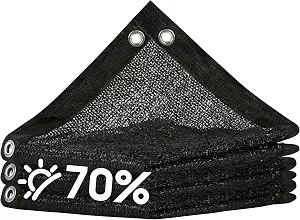 |
| Most Popular A crowd favorite that many people choose with confidence | e.share 40% Black Garden Shade Cloth, 6 x 12 ft, Mesh Tarp with Grommets |  |
SUNNY GUARD 35-45% Sun Shade Cloth, 10 x 20 ft

| Material Type | Fabric (HDPE) |
|---|---|
| Size | 10 FT x 20 FT |
| Model Name | 35-45% Sun Shade Cloth |
| Water Resistance Level | Water Repellent |
| Mount Type | Tie |
This SUNNY GUARD shade cloth is a straightforward way to reduce heat and sun exposure in a vegetable garden while keeping enough light for growth. Made from UV-stabilized HDPE mesh, it is tear resistant and breathable so air circulates and seedlings, tomatoes, and other sun-sensitive crops still receive diffused light. Reinforced hems with evenly spaced aluminum grommets make it easy to secure to a frame, fence, pergola, or greenhouse using rope or zip ties without special tools. The 35–45% shading level is a good middle ground for mixed beds where some sun is needed but midday intensity should be softened. It is water repellent rather than fully waterproof, so it sheds light rain but will not create a sealed canopy. Expect a lightweight, easily handled fabric that may need occasional retensioning after strong winds. For gardeners wanting a durable, no-fuss cover to lower temperatures and reduce sunscald on fruiting plants, this is a practical choice.
Best for: Vegetable gardeners who want moderate sun reduction across mixed beds and prefer an easy-to-install, durable cover to protect plants from heat and sunscald.
Less Ideal for: Growers who need full rain protection, complete blackout shading, or a permanent rigid structure should consider other solutions.
- 35–45% shade level balances protection with enough light for most vegetables
- UV-stabilized HDPE mesh resists tearing and prolongs outdoor life
- Reinforced hems and aluminum grommets simplify secure installation
- Breathable design improves airflow to reduce heat buildup around plants
- Water repellent only so it does not provide a fully waterproof shelter
- Lightweight fabric can shift after heavy wind and may need re-tensioning
Verdict: A practical, mid-density shade cloth that lowers heat and sun stress for vegetable gardens while still allowing enough light for healthy growth.
Coolaroo 50% UV Block Garden Shade Cloth, 6 ft x 15 ft (White)

| Product Style | 50% UV Block |
|---|---|
| Material Type | High Density Polyethylene (HDPE) |
| Water Resistance Level | Water Resistant |
| Mount Type | Tie |
The Coolaroo 50% UV Block Garden Shade Cloth is a breathable HDPE fabric roll made for garden beds, hoop houses, and greenhouses that need moderate sun protection. It is typically draped or tied over frames and beds to reduce direct sun exposure, lower soil and air temperature, and cut evaporation so plants need less frequent watering. Notable features include a 50 percent UV block rating that balances light reduction with photosynthesis, a tie mount style for straightforward fastening, and a tear-resistant knit that stands up to routine outdoor use. The fabric is lightweight and easy to cut to fit irregular beds or hoop supports, and it can be cleaned and reused season after season. Important limitations are that it offers moderate rather than heavy shade so it will not suit heat-sensitive shade plants, and it needs secure installation in windy conditions to avoid movement or damage. Follow the manufacturer guidance to avoid using it in extreme weather.
Best for: Vegetable gardeners who want reliable, reusable moderate sun protection to improve yields and conserve water while maintaining good airflow.
Less Ideal for: Gardeners growing very shade-tolerant or heat-sensitive crops that need heavier light blocking or anyone who cannot secure fabric against strong winds.
- Balances light reduction and airflow with 50% UV block for healthy photosynthesis
- Tear- and fray-resistant HDPE construction for season-long durability
- Easy to cut and mount so it fits beds, hoop houses, and custom frames
- Reduces evaporation to conserve water and can extend the growing season
- Provides only moderate shade and is not suitable where heavy light blocking is required
- Requires secure fastening and is not recommended for use in extreme wind or storms
Verdict: A durable, breathable 50% UV shade cloth that’s ideal for vegetable growers who need moderate sun protection, water savings, and easy custom installation.
ShadeMart 30% Black Shade Cloth 8' x 16' Mesh Tarp

| Shade percentage | 30% shade |
|---|---|
| Material | High-density polyethylene (HDPE) |
| Grommet spacing | Every ~2 feet |
| Includes | 40 zip ties |
The ShadeMart 30% shade cloth is a lightweight HDPE mesh panel intended to cut about 30 percent of incoming sunlight while allowing air and water to pass through. For vegetable gardeners this type of cloth is typically draped over hoop houses, framed low tunnels, or clipped to greenhouse frames to protect seedlings and heat-sensitive crops from intense midday sun and to reduce water evaporation. Key features include UV-stabilized high-density polyethylene, reinforced bound edges, and grommets spaced roughly every two feet plus 40 zip ties for mounting. In practice that makes installation straightforward and provides multiple secure attachment points for wind resistance. Its open-weave construction keeps airflow high so plants do not overheat while still lowering solar load and surface temperatures. Limitations are that 30% only offers light shading suitable for partial-sun crops and young transplants rather than shade-loving plants, and the mesh is not waterproof so it will not shed heavy rain. The included hardware and reinforced hems make it a practical, easy-to-fit option for gardeners who want reliable sun reduction without blocking ventilation.
Best for: Gardeners who want a straightforward, installable shade solution to lower heat and evaporation for seedlings and sun-sensitive vegetables while keeping good airflow.
Less Ideal for: Those needing dense privacy screening, waterproof covers, or heavy shade for shade-loving ornamentals should look at higher-percentage or waterproof alternatives.
- Breathable HDPE mesh reduces sun and heat while maintaining airflow
- Reinforced edges and grommets every ~2 feet simplify secure mounting
- Includes 40 zip ties so no extra basic fasteners are required
- UV-stabilized material improves outdoor longevity for garden use
- Only provides light shading (30%) so not suitable for plants needing heavy shade
- Not waterproof so it will not divert heavy rain from plants
Verdict: A practical, easy-to-install 30% HDPE shade cloth that lowers solar stress on vegetables while preserving airflow and simple mounting.
e.share 40%-50% HDPE Garden Shade Cloth, 6.5 x 6 ft

| Material Type | High Density Polyethylene (HDPE) |
|---|---|
| Size | 40%-6.5 FT x 6 FT |
| Other Special Features | Breathable, Lightweight, Tear Resistant, UV Resistant, Weather Resistant |
| Water Resistance Level | Water Resistant |
| Mount Type | Tie |
This e.share 40%–50% shade cloth is a lightweight, breathable HDPE mesh designed for basic plant protection in vegetable gardens and small raised beds. Typical use is draping or tying the fabric over frames, hoop houses, pergolas, or directly above rows to reduce sunlight, lower leaf stress and help retain soil moisture during hot spells. The knit construction is UV stabilized, tear resistant and water resistant so it lets rain and air through while shading plants; the seller recommends cutting to size and fastening with zip ties or rope for quick installs. Practical benefits include easier microclimate control for tomatoes, seedlings and heat-sensitive greens, simple customization for odd-shaped beds and year-round utility for cooling in autumn and light frost protection in early winter. Limitations are that the small 6.5 x 6 ft size limits coverage for larger plots and the tie-mount setup offers minimal wind resistance compared with reinforced grommeted sails, so extra anchoring is needed in windy sites.
Best for: Home vegetable gardeners working on a tight budget who need an affordable, easy-to-fit shade solution for small beds, seedlings or patio containers.
Less Ideal for: Large vegetable plots, commercial growers, or windy exposed sites where reinforced grommets and larger panels are required.
- Breathable HDPE mesh lets air and water through while reducing sunlight.
- UV-stabilized and tear resistant for seasonal outdoor use.
- Easy to cut and install with zip ties or rope for custom fits.
- Lightweight and water resistant so it can stay in place during rain.
- Small manufacturer-specified size may not cover larger garden beds.
- Attach-with-tie mounting lacks reinforced grommets for heavy-wind installations.
Verdict: A low-cost, easy-to-install HDPE shade cloth ideal for budget-minded home gardeners needing small-area sun and heat protection.
Amgo 70% Black Shade Cloth 8' x 10' Mesh Cover with Grommets

| Sunlight blockage | 70% |
|---|---|
| Material | 100% Virgin HDPE |
| Grommet spacing | Every 2 ft |
| Includes accessories | Bungee balls and ties |
| Intended use | Garden, greenhouse, nursery |
This Amgo 70% shade cloth is designed to protect vegetable beds and greenhouse frames from intense sun while still allowing air and water through. In a typical setup you drape or tension the 8' x 10' panel over hoops, frames, or raised beds and secure it with the included bungee balls and ties using aluminum grommets spaced every 2 feet. The knitted 100% virgin HDPE fabric with anti-aging stabilizers resists tearing and fraying and the reinforced stitched edges help avoid unraveling where it is fastened. Because it blocks roughly 70% of light it lowers canopy temperature by around 10°F, helping prevent leaf burn on sun-sensitive crops while maintaining photosynthesis. Practical limits are that it is not waterproof and will not fully stop strong wind so it needs secure anchoring and occasional inspection for wear in exposed sites. The breathable mesh is good for gardens that need rain penetration but will offer less privacy or total blackout than heavier screens.
Best for: Gardeners who prioritize durable, dependable sun protection for vegetable beds or greenhouse frames and want breathable coverage that preserves airflow and watering.
Less Ideal for: People needing a fully waterproof canopy, complete blackout shade, or a product for extremely exposed, high-wind sites without additional anchoring or support.
- Blocks approximately 70% of sunlight to reduce heat stress on plants
- Knitted HDPE mesh allows air and rain to pass through to prevent pooling
- Reinforced stitched edges and rust-proof aluminum grommets every 2 ft for secure attachment
- Made from 100% virgin HDPE with anti-aging stabilizers for better tear resistance
- Includes accessory kit (bungee balls and ties) for immediate installation
- Not waterproof so it will not keep out driving rain
- Requires secure anchoring in windy locations and periodic inspection
Verdict: Choose this shade cloth when you need reliable, breathable 70% sun protection that reduces heat stress on vegetable crops while standing up to regular outdoor use.
e.share 40% Black Garden Shade Cloth, 6 x 12 ft, Mesh Tarp with Grommets

| Material Type | High Density Polyethylene (HDPE) |
|---|---|
| Shading Rate | 40%-50% |
| Water Resistance Level | Water Resistant |
| Ultraviolet Light Protection | Yes |
| Grommets | Reinforced, spaced every 2 feet |
This e.share shade cloth is a lightweight HDPE mesh designed to give vegetable beds and outdoor areas moderate sun protection without blocking air or water. In typical use you anchor it over raised beds, greenhouse frames, or a patio with the reinforced grommets and standard rope or clips; the extra grommets every 2 feet and two corner grommets add mounting options and help it stay taut. The 40% shading level is suited to sun-loving vegetables that need partial relief from peak afternoon heat rather than deep shade. The knitted polyethylene resists UV degradation, is water resistant, and lets rain and airflow through so plants still receive moisture and ventilation. Expect easy handling and seasonal use, but it is not a heavy-duty blackout fabric so it will not provide full heat blocking or complete privacy. For long, windy exposures you may want stronger anchors or a heavier shade percentage for maximum protection.
Best for: Gardeners who want reliable, moderate sun reduction for vegetable beds and greenhouse covers and who prioritize proven materials and user feedback when choosing protective cloth.
Less Ideal for: People seeking near-total sun blockage, permanent heavy-duty wind protection, or complete visual privacy should consider higher-density or aluminum shade options instead.
- Balanced 40% shade suitable for partial-sun vegetables and seedlings
- HDPE material with UV stabilization for extended outdoor life
- Reinforced grommets plus additional grommets every 2 feet for flexible, secure mounting
- Breathable mesh lets water and air reach plants while reducing heat stress
- Not designed for full blackout or maximum heat reduction
- Lightweight construction may need stronger anchoring in very windy conditions
Verdict: A lightweight, UV-stable 40% shade cloth that reliably reduces heat stress for vegetable gardens while allowing water and airflow to reach plants.
Choosing the Right Shade Cloth for Vegetable Gardens: Key Factors to Consider
Shade Percentage and Crop Light Needs
Shade percentage is the single most actionable spec for gardeners. It indicates how much direct sunlight the fabric blocks under full sun. Vegetables vary widely in tolerance: cool-season greens often do well under 30 to 50 percent shade during heatwaves, while fruiting crops usually need lower shading to ripen properly. Choose a percentage that reduces midday stress without dropping daily light integrals below what your crops require.
Overestimating shade can slow growth and reduce yields, while underestimating it leaves plants vulnerable to sunscald. Also consider seasonal use: many gardeners use higher-percentage cloth only for the hottest months and move to lighter coverage when days shorten.
Fabric Weave and Durability
The weave determines both how much light is diffused and how the material stands up to tears, wind, and abrasion. Tighter weaves offer more uniform shading and can hold up longer in constant sun, but a very tight fabric may also trap heat if airflow is poor. Look for fabrics with reinforced edges or hems and UV-stabilized threads to resist breakdown over time.
Durability matters for multi-season use and for sites exposed to strong wind or storms. Consider how the cloth will be anchored and whether the material includes grommets or needs a framed support. A slightly heavier, well-stitched cloth can last several seasons in a vegetable garden, reducing replacement work and disruption to your beds.
Airflow and Heat Management
Good ventilation prevents hot pockets of air and lowers the chance of fungal disease from damp, stagnant conditions. Breathable shade cloths let wind and moisture pass while still cutting direct solar radiation, helping daytime temperatures at canopy level drop without creating humid microclimates.
Airflow also affects soil temperature. Vegetables often need warm nights and not excessively cool root zones, so a cloth that balances shade and ventilation helps keep soil temperatures in a favorable range while protecting foliage.
Installation Options and Compatibility
How you mount shade cloth affects performance and convenience. Some fabrics are intended for simple clip- or grommet-based attachment to hoops, frames, or existing structures. Others work better when built into a rigid frame. Think about the size of the beds, nearby supports, and whether you need removable seasonal panels or a semi-permanent cover.
Easy-to-adjust systems let you change shade density or angle through the season. Also consider wind load and how the cloth will drain rainwater. A design that allows quick removal before storms will reduce damage risk and maintenance time.
UV Stabilization and Lifespan
UV stabilization is an important chemical treatment that slows molecular breakdown of the polymer fibers under prolonged sun exposure. Fabrics with UV-stabilized yarns will perform closer to their rated shade percentage for longer and resist becoming brittle or developing holes.
UV treatment does not make a cloth invulnerable, but it extends useful life and preserves the physical properties gardeners rely on. Check manufacturer specifications for UV additives and expected lifespan in hours of full-sun exposure if long-term performance is a priority.
Matching Shade Level to Vegetable Types
Different vegetable groups thrive under different light regimes. Leafy greens and many brassicas benefit from higher shade during hot months to reduce bolting, while fruiting crops like tomatoes and peppers need enough direct light to set and ripen fruit. For mixed beds, aim for the lowest effective shade that keeps heat stress in check for the most light-hungry crops.
If you regularly grow both cool-season and warm-season vegetables, consider modular shading that lets you deploy higher-density cloth over sensitive crops and lighter cloth over fruiters. Temporary shade panels can be moved as plants mature or as the season changes.
- 20 to 30 percent: light screening for tomatoes, peppers during peak sun
- 30 to 50 percent: moderate shade for mixed beds and heat-sensitive greens
- 50 percent and above: heavy protection for transplants and delicate leafy crops
Temporary Vs Permanent Shade Installations
Temporary systems are useful when you only need protection during heatwaves or for young plants. They are usually lighter weight and easier to handle, and they let you store cloth in winter to prolong fabric life. Permanent installations give continuous protection but must be designed to handle seasonal weather and require more robust anchoring.
Decide based on how often you need shade, your local wind and storm patterns, and whether you want to change coverage quickly. Many gardeners combine both approaches to get flexibility without excessive wear on the fabric.
- Temporary: easy removal, lower cost, portable
- Permanent: better tensioning, withstands wind, higher initial work
Color, Light Diffusion, and Plant Responses
Shade cloth color affects the quality of transmitted light. Some colors filter specific wavelengths differently, which can influence plant morphology and flowering in subtle ways. Dark green and black are common because they provide even shading and good diffusion, but lighter colors can reflect heat away and slightly increase light quality beneath the cloth.
Diffused light reduces harsh shadows and can improve canopy penetration for lower leaves, supporting more even growth. When choosing color, weigh thermal effects and the way light quality influences crop development in your garden.
- Dark colors: consistent shading and strong diffusion
- Light colors: may reflect heat and keep canopy cooler
Attachment Hardware and Reinforcement
Grommets, reinforced hems, and tie points make a big difference in how a cloth holds up to wind. Materials without pre-installed attachment points often require sewing or additional hardware, which adds time but can increase longevity if done properly. Consider how you will tension the cloth to prevent billowing and rubbing against supports.
Simple clips and bungee systems let you tension and remove cloth quickly. For permanent setups, investing in a frame or taut cable system reduces stress on the fabric and prevents tearing at attachment points.
- Look for pre-reinforced edges to reduce tearing
- Plan for tie points every few feet for larger spans
Seasonal Use and Storage Practices
Storing shade cloth during the off-season extends its useful life. Clean and dry the fabric before folding to avoid mildew. Keep cloth in a cool, dry place away from direct sun when not in use. For multi-year performance, inspect for frays and weakened weave before redeploying and repair small tears promptly.
Rotate or replace panels showing significant UV damage. Proper storage and occasional maintenance save replacement effort and keep your vegetable beds protected when you need it most.
- Dry thoroughly before storage to prevent mold
- Fold loosely and avoid sharp creases to reduce fiber stress
How We Chose the Best Shade Cloth for Vegetable Gardens
We focused on shade cloths that perform reliably in vegetable gardens rather than ornamental or decorative uses. Evaluation prioritized four to six concrete dimensions gardeners care about: actual shade percentage and how it affects plant light needs; fabric weave and durability against UV, tears, and wind abrasion; breathability and airflow to prevent heat trapping and fungal issues; ease of installation and compatibility with common support structures; and maintenance or cleaning requirements for multi-season use. We excluded fabrics intended only for temporary landscaping, decorative solar screens, or products without verifiable material specifications. Our process filtered for materials with clear shade ratings, documented UV stabilization, and practical attachment options so the shortlist represents options suited to sustained vegetable production in beds, raised planters, and small high tunnels.
FAQ
What shade percentage is best for tomatoes?
Tomatoes usually do best under lighter screening during peak heat. A 20 to 30 percent shade often reduces sunscald while still allowing enough light for fruit set, though short-term higher shade can help newly set fruit through extreme heatwaves.
Can I use shade cloth year-round in a vegetable garden?
You can, but year-round use is rarely necessary and may reduce yield for light-loving crops during cooler seasons. Many gardeners use shade cloth seasonally, deploying it in summer and removing it in fall and winter to let in more light.
How should I attach shade cloth to a raised bed frame?
Use clips, grommets, or a taut cable looped along the top of the frame to distribute tension evenly. Reinforce corners with extra fabric or webbing and create multiple tie points along long spans to prevent wind damage.
Does shade cloth reduce airflow and increase disease risk?
A dense, poorly ventilated cover can reduce airflow and raise humidity, which may promote fungal problems. Choosing a breathable cloth and allowing gaps for air movement or removing covers during humid conditions helps manage that risk.
How long does UV-stabilized shade cloth typically last?
Lifespan depends on local sun intensity and material quality. UV-stabilized fabrics often last several seasons under typical garden use, but heavy sun and wind shorten that. Inspect cloth annually and replace when weave integrity or shade performance degrades.
Will a colored shade cloth change vegetable flavor or growth?
Color can slightly alter the light spectrum beneath the cloth and thus influence plant morphology, but it rarely changes flavor directly. The main effects are on growth habit and flowering timing, so select color based on thermal performance and light diffusion rather than taste concerns.
Final Verdict
When choosing shade cloth for vegetable gardens, prioritize the correct shade percentage for your crop mix and a fabric that balances durability with airflow. Consider installation and attachment options that match your beds and local weather so the cloth stays taut and vents well. Tradeoffs are inevitable: heavier, longer-lasting fabrics can reduce light and warmth, while lighter cloths need more frequent replacement or reinforcement. Focus on what will protect yields during your hottest periods while allowing enough light for plants to grow and produce.
