

Note: This article contains affiliate links. If you click on these links and make a purchase, I may earn a small commission at no extra cost to you. This helps support my research and content. Read my full affiliate disclosure here.
Confederate jasmine is prized for fragrant, abundant flowers and dense evergreen foliage, and the right feeding routine makes a big difference in bloom frequency and plant vigor. You want a fertilizer that suits the vine's growth habit, soil type, and your preferred maintenance level, whether you feed monthly, seasonally, or with a slow-release product. This guide shortlists seven top options that gardeners commonly use for Confederate jasmine and explains the practical tradeoffs between nutrient ratios, application methods, and timing. Below we outline the criteria we used and the key things to consider so you can pick the best fertilizer for your planting situation.
Top Picks at a Glance
| Best Overall The best all-around choice for most situations | Perfect Plants Liquid Jasmine Fertilizer, 8 oz Concentrate |  |
| Best Quality Built to a higher standard if you want something more solid | Osmocote Smart‑Release Plant Food Plus Outdoor & Indoor, 2 lb |  |
| Best Value The sweet spot between price and what you get | Miracle-Gro Pour & Feed Liquid Plant Food, 32 fl. oz. | 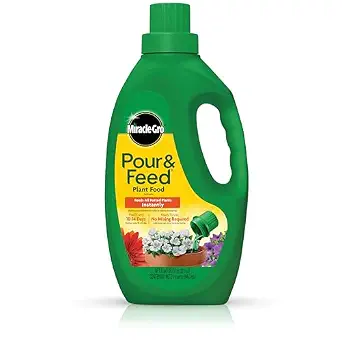 |
| Best Budget The cheapest option that still gets the job done reliably | RAINFLOW Slow-Release Granular Fertilizer 17-17-17 (11.28 oz) |  |
| Highest Rated A top-rated pick with lots of positive feedback | Sovata Jasmine Flower Food Powder (900 g) |  |
| Most Popular A crowd favorite that many people choose with confidence | Miracle-Gro Water Soluble All Purpose Plant Food, 1.5 lb |  |
| Best Seller A high-volume bestseller chosen again and again | Miracle-Gro Water Soluble All Purpose Plant Food, 3 lb |  |
Perfect Plants Liquid Jasmine Fertilizer, 8 oz Concentrate

| Item Form | Liquid |
|---|---|
| Application Method | Water |
| Target Species | Jasminum |
| Mixing Ratio | 9-3-6 |
This liquid jasmine fertilizer is a concentrated 8 ounce bottle designed to be mixed into watering water and used regularly to support vigorous jasmine growth and more frequent blooms. It contains a 9-3-6 NPK ratio plus calcium, sulfur, magnesium, copper, iron, zinc and manganese, so it supplies both macronutrients and common micronutrients jasmine benefits from. Typical use is simple: dilute one teaspoon per gallon and substitute that for plain water once the top couple inches of soil have dried; a single bottle makes roughly 48 gallons of feed. The liquid form means nutrients are immediately available to roots and can be premixed for larger containers or regular watering cycles. Practical benefits include even nutrient distribution, faster uptake compared with granules, and the convenience of feeding at every watering without heavy buildup. Limitations are inherent to concentrated liquid feeds: you need to measure and dilute carefully to avoid overfeeding and the small bottle size means you must store premixed solution or buy multiples if you maintain a large jasmine planting.
Best for: Gardeners who want a straightforward, regular-feed solution to keep jasmine vigorous and flowering through the growing season and prefer fast-acting liquid nutrition over slow-release pellets.
Less Ideal for: People who prefer set-and-forget slow-release fertilizers or who manage very large landscapes where a larger-volume product would be more practical.
- Formulated specifically for Jasminum with a bloom-supporting 9-3-6 NPK ratio
- Includes key micronutrients such as calcium, iron, zinc and magnesium
- Concentrated formula yields about 48 gallons from one 8 fl oz bottle
- Liquid form delivers faster and more uniform nutrient uptake than granules
- Small 8 oz bottle may require premixing or frequent replacement for larger plantings
- Requires careful measuring and dilution to avoid overfeeding
Verdict: A concentrated, easy-to-use liquid feed that delivers fast-acting nutrients to keep jasmine plants greener and blooming more consistently.
Osmocote Smart‑Release Plant Food Plus Outdoor & Indoor, 2 lb

| Item Form | Granules |
|---|---|
| Application Method | Sprinkle |
| Target Species | All plants |
| Mixing Ratio | 1 capful (3 tablespoons) per 2 gallons soil or per 4 sq. ft. |
| Unit Count | 32 Ounce |
Osmocote Smart‑Release Plant Food Plus is a granular, resin‑coated fertilizer designed to feed flowers and other plants steadily for up to six months with 11 essential nutrients. You apply it by sprinkling the recommended amount into the top inch or two of potting mix or garden soil, watering it in, and reapplying every six months; indoor plants use about half the outdoor rate. The resin coating times nutrient release to moisture and temperature, which reduces the need for frequent feedings and lowers the risk of fertilizer burn when used as directed. It works across containers, raised beds, and in‑ground flower beds and covers up to roughly 75 square feet per 2 lb container. Limitations are that a single 2 lb container is only enough for small gardens or several pots, and the slow‑release formula is not suitable when an immediate corrective boost is needed for acute nutrient deficiencies. For gardeners focused on steady, maintenance feeding for flowering plants this is an easy, low‑effort option.
Best for: Gardeners who want reliable, low‑maintenance feeding for flowers and mixed plantings and prefer a consistent supply of nutrients over months rather than frequent liquid feedings.
Less Ideal for: Growers who need fast corrective feeding for visible nutrient deficiencies or those managing very large beds who want bulk fertilizer options to reduce trips to reapply.
- Feeds continuously up to six months with a single application
- Resin coating times nutrient release to plant needs based on moisture and temperature
- Formulated with 11 essential nutrients suitable for a wide range of flowering plants
- No-burn pledge when used as directed reduces risk of overfeeding
- 2 lb container only covers about 75 sq. ft., so frequent repurchase is needed for larger gardens
- Slow‑release formulation does not provide a rapid corrective nutrient boost
Verdict: Choose this product if you want a hands-off, long‑lasting fertilizer that keeps flowering plants fed for months with a single application.
Miracle-Gro Pour & Feed Liquid Plant Food, 32 fl. oz.

| Item Form | Liquid |
|---|---|
| Application Method | Directly to the soil |
| Target Species | potted plants |
| Unit Count | 32 Fluid Ounces |
Miracle-Gro Pour & Feed is a ready-to-use liquid fertilizer designed for container plants and houseplants. You apply it by measuring with the bottle cap and pouring the recommended amount directly onto the soil around each pot, so no mixing or watering-can prep is required. Its convenience makes it easy to maintain a regular 10–14 day feeding schedule for bedding plants like petunias in containers. The product is formulated for potted plants only, and the liquid form gives fairly quick nutrient availability compared with slow-release granules. Practical benefits include simple dosing with the cap, suitability for indoor and outdoor use, and a clearly stated application rhythm that helps keep flowering plants vigorous. Important limitations are that it is not intended for in-ground beds and that frequent applications mean you need to remember regular feedings; it is also a general all-purpose formula rather than a petunia-specific bloom booster.
Best for: A plant owner who prefers simple, low-effort care for container flowers and wants a dependable, easy-to-measure fertilizer to keep petunias and other potted ornamentals blooming.
Less Ideal for: Gardeners seeking a long-term, in-ground soil amendment or those who prefer an infrequent, slow-release feeding schedule should consider other products.
- Ready-to-use liquid requires no mixing so application is fast and low-effort
- Cap-measure dosing makes it easy to apply the correct amount for each container
- Suitable for both indoor and outdoor container plants so one product covers many uses
- Feeds on a 10–14 day schedule for consistent nutrient supply to flowering containers
- Not formulated for in-ground planting so unsuitable for garden beds
- Requires frequent application compared with slow-release fertilizers
Verdict: Use this if you want a no-mix, easy-to-measure liquid fertilizer to keep container petunias fed and blooming on a regular schedule.
RAINFLOW Slow-Release Granular Fertilizer 17-17-17 (11.28 oz)

| Item Form | Granules |
|---|---|
| Application Method | Spread and mix into the soil |
| Coverage | general-purpose, suitable for various plants and gardens |
| Mixing Ratio | 17:17:17 |
| Unit Count | 11.28 Ounce |
This RAINFLOW slow-release granular fertilizer delivers a balanced 17-17-17 NPK dose in a compact 11.28 ounce pack designed for indoor and outdoor use. It is applied by sprinkling or mixing into the soil and lightly covering, with the manufacturer recommending reapplication every 60 days. The granules make it simple to dose for small pots and container gardens using the provided rate guidance, and the slow-release formulation reduces how often you need to feed plants. Practical benefits include support for root development, foliage and stem growth across vegetables, flowers, herbs and potted plants, plus straightforward directions that suit beginner gardeners. Limitations are the small unit size, which means frequent repurchases for larger beds or multiple containers, and the product information does not list trace nutrients or organic certification beyond a generic "organic" claim. Users should measure carefully to avoid overapplication, especially in small pots where recommended grams are low.
Best for: Budget-minded gardeners who need an easy, general-purpose fertilizer for houseplants, small pots, or a few garden beds and prefer infrequent feeding schedules.
Less Ideal for: Large vegetable beds, commercial growers, or gardeners who need trace nutrient formulations or certified organic inputs should consider larger or specialty fertilizers instead.
- Balanced 17-17-17 NPK supports general plant growth across many species
- Slow-release granules feed plants for up to 60 days, reducing application frequency
- Granular form and clear dosing guidance make it easy to measure for pots and containers
- Small 11.28 ounce package requires repeated purchases for larger gardens
- No detailed listing of micronutrients or independent organic certification in the product information
Verdict: A simple, budget-friendly slow-release 17-17-17 granular fertilizer that makes feeding small pots and casual garden projects easy.
Sovata Jasmine Flower Food Powder (900 g)

| Item Form | Powder |
|---|---|
| Application Method | Soil incorporation and foliar spray |
| Coverage | Large |
| Target Species | Jasmine |
Sovata Jasmine Flower Food is an organic powder fertilizer designed for jasmine growers who want bigger blooms and stronger plants. It is applied to soil or used as a foliar spray and claims to boost soil microbe activity, correct pH imbalances, and support root development. In practice the powder format makes it easy to measure and spread across multiple plants or a larger bed, and the microbe-focused formula should improve nutrient uptake over a season rather than delivering instant foliage spikes. Notable features include targeted jasmine formulation and both soil and foliar application options, which gives flexibility for feeding established shrubs or container plants. Because it is organic and promotes gradual improvement in soil health, you can expect steadier, longer-term flowering rather than rapid, short-lived flushes. Limitations are that detailed N-P-K numbers are not provided on the listing so precise dosing and timing require following label instructions closely, and results depend on baseline soil conditions and consistent use.
Best for: Gardeners who prioritize dependable, long-term improvement to jasmine health and bloom production and who prefer organic, soil-building fertilizers for beds or multiple plants.
Less Ideal for: Buyers seeking a fast, high-nitrogen boost for instant foliage growth or those who need precise nutrient ratios for corrective fertilization.
- Formulated specifically for jasmine to encourage abundant flowering
- Organic powder promotes soil microbe activity and healthier root development
- Can be applied as soil incorporation or foliar spray for flexible feeding
- Large coverage suitable for multiple plants or garden beds
- No explicit N-P-K breakdown provided on the product listing
- Effectiveness depends on consistent use and existing soil health
Verdict: Choose this organic jasmine-specific powder if you want a reliable, soil-building fertilizer that encourages abundant blooms over the growing season.
Miracle-Gro Water Soluble All Purpose Plant Food, 1.5 lb

| Item Form | Powder |
|---|---|
| Application Method | Watering Can |
| Target Species | For all flowers, vegetables, trees, shrubs and houseplants |
| Mixing Ratio | 24-8-16 |
Miracle-Gro Water Soluble All Purpose Plant Food is a powder concentrate you mix with water to give a quick nutrient boost to flowers, vegetables, houseplants, shrubs and trees. It is typically dissolved in a watering can or used with a compatible garden feeder to soak soil at the base of plants, delivering nitrogen-heavy nutrition that shows effects faster than granular fertilizers. Notable features include an easy scooping method for indoor and outdoor dosing, compatibility with containers and in-ground planting, and clear directions for feeding every one to two weeks. In practice this makes the product a convenient option when you want visible growth and greener foliage quickly, and the 1.5 lb container covers roughly 600 sq. ft. Important limitations are that it is a fast-release, high-nitrogen formula best used as a regular quick feed rather than a long-term slow-release solution, and it requires careful measuring to avoid overfeeding. For routine maintenance combine with good watering and follow the label to avoid nutrient imbalance.
Best for: Buyers who prefer proven, easy-to-use feeding routines and want noticeable growth quickly for a variety of garden and houseplants, guided by established usage directions and broad user experience.
Less Ideal for: Gardeners seeking a single, long-term slow-release solution or those who prefer organic or low-nitrogen fertilizers for sensitive plantings should consider alternative products.
- Water-soluble powder starts working quickly at the roots when mixed and applied
- Clear, simple dosing for indoor and outdoor use with included scoop guidance
- Suitable for a wide range of plants including vegetables, flowers, shrubs and houseplants
- Covers a large area from a small container (about 600 sq. ft. per 1.5 lb)
- Fast-release formula means benefits are short-term compared with slow-release granular fertilizers
- Requires precise measuring and regular reapplication to avoid overfeeding
Verdict: A reliable, fast-acting water-soluble plant food for gardeners who want easy, repeatable feeding and quick visible results.
Miracle-Gro Water Soluble All Purpose Plant Food, 3 lb

| Item Form | Powder |
|---|---|
| Application Method | Mix with water in a watering can |
| Fertilizer Analysis (N‑P‑K) | 24-8-16 |
| Unit Count | 48 Ounce |
| Coverage | Feeds approximately 1,200 sq. ft. |
Miracle‑Gro Water Soluble All Purpose Plant Food is a powdered NPK 24‑8‑16 formula that dissolves in water to give plants a quick nutrient boost. You mix measured scoops into a watering can and apply to the soil at the base of plants every 7–14 days for outdoor use or every 14 days for houseplants. Notable features include a high nitrogen content for leafy growth, compatibility with containers and in‑ground beds, and guidance for use with a Miracle‑Gro Garden Feeder for larger areas. In practical terms this is a fast‑acting feed that encourages bigger, greener foliage and works well in regular maintenance of perennials like hostas. Limitations are that it is a fast‑release fertilizer rather than a slow‑release option, so it requires regular reapplication and careful measuring to avoid overfeeding. Also, the 24‑8‑16 balance is geared toward vegetative growth, so it is not optimized if you want to prioritize flowering or bloom boosting.
Best for: Buyers who want a reliable, fast‑acting feed to maintain lush, leafy perennials and container plants and who value proven products with broad user endorsement.
Less Ideal for: Gardeners seeking a single, long‑lasting granular fertilizer or a bloom‑focused formula should consider alternative slow‑release or high‑phosphorus products.
- Water‑soluble powder mixes easily for quick uptake by roots
- High nitrogen formula promotes robust leafy growth ideal for shade plants
- Clear mixing and application instructions for both indoor and outdoor use
- Suitable for containers and in‑ground gardens and compatible with garden feeders
- Requires frequent applications so it is not a low‑maintenance, slow‑release option
- High nitrogen ratio is less suitable when the primary goal is more flowers than foliage
Verdict: A fast‑acting, water‑soluble fertilizer that reliably produces bigger, greener hosta leaves when used as directed.
Choosing the Right Fertilizer for Confederate Jasmine: Key Factors to Consider
Nutrient Ratio and Flowering Needs
Confederate jasmine benefits from a balanced nutrient supply with an emphasis on phosphorus and potassium during active bloom periods. A moderate nitrogen level supports evergreen foliage without encouraging excessive leafy growth at the expense of flowers. Examine the NPK ratio and look for formulations that boost bloom development while keeping nitrogen in check.
Micronutrients such as iron, magnesium, and manganese matter when leaves show interveinal chlorosis or slow growth. A fertilizer with trace elements can correct subtle deficiencies and maintain deep green, glossy foliage that sets off the jasmine's white flowers. Consider soil tests to tailor the nutrient balance if you see persistent deficiency symptoms.
Release Profile and Feeding Frequency
Slow-release granular fertilizers supply steady nutrients over weeks to months and reduce the chance of overfeeding, which is useful for established garden plantings and low-maintenance gardeners. They are also less likely to cause root burn when applied at recommended rates.
Water-soluble or liquid feeds produce faster visible responses and let you tweak nutrient ratios more precisely, which is helpful during heavy bloom or recovery from stress. However, they require more frequent applications and careful measuring. Match the release profile to how often you want to feed and how closely you will monitor the vines.
Application Method and Garden Logistics
Consider how the fertilizer is applied relative to your planting arrangement. Granules can be top-dressed around ground vines or broadcast in beds, while spikes and tablets offer targeted delivery for individual plants. Liquids work well for container-grown jasmine where root zones are compact and easy to soak.
Ease of application influences consistency. If you prefer seasonal maintenance, a single early-spring granular feeding might be best. If you manage many containers or use irrigation, a soluble feed applied through a hose-end or hand-watered solution may be more practical.
Soil Type and Drainage
Confederate jasmine prefers well-draining soil with consistent moisture. In heavy clay, choose formulations that reduce salt buildup and supplement with organic matter to improve texture. In sandy soils, slower-release fertilizers and more frequent light feedings prevent nutrients from leaching between applications.
The soil's existing fertility influences how much supplemental fertilizer is appropriate. Conducting a soil test will reveal pH and nutrient levels so you can avoid unnecessary additions that could harm root health or reduce flowering.
Salt Sensitivity and Plant Safety
Evergreen vines can suffer leaf scorch and root stress from high-salt fertilizers, especially in containers where salts concentrate. Look for products with lower salt indices and follow label rates carefully. Leaching containers after regular feedings can minimize accumulation.
Organic or slow-release mineral options generally pose a lower burn risk and add beneficial organic matter to the soil. For established beds, occasional deep watering after feeding flushes excess salts away from roots and protects foliage.
Container Versus In-Ground Suitability
Container-grown Confederate jasmine has a smaller root mass and needs more consistent feeding and watering. Water-soluble fertilizers allow quick corrections in containers, while controlled-release granules formulated for pots reduce application frequency and stabilize nutrient release.
In-ground plantings tolerate wider swings in nutrient availability because of larger root systems and soil buffering. Choose a product that matches your planting environment and adjust application rates downward for pots to avoid overfertilization.
When to Feed Confederate Jasmine
Timing feeds to the plant's growth cycle yields better flowering and healthier foliage. Feed in early spring as new growth begins, then again at the start of the main bloom window. For vigorous specimens, a mid-summer maintenance feed can sustain bloom production without promoting excessive vegetative growth.
Reduce or stop fertilizing in late fall as growth slows to avoid stimulating tender new shoots that could be damaged by cool weather. For container plants, follow a lighter, more frequent schedule because nutrients wash out faster with regular watering.
- Early spring: primary feeding to support seasonal growth
- Bloom period: targeted phosphorus and potassium support
- Mid-summer: light maintenance if heavy flowering continues
- Fall: taper off to harden plants for cooler weather
Organic Options Versus Synthetic Fertilizers
Organic fertilizers supply nutrients more slowly and add organic matter that improves soil structure and microbial life. They are typically gentler and reduce the risk of foliage burn, making them a good choice for long-term soil health and smaller gardens where maintenance time is limited.
Synthetic fertilizers provide predictable nutrient ratios and faster plant responses, which can be useful for correcting deficiencies quickly or when you need an immediate bloom boost. Balance speed and convenience against long-term soil building when choosing between the two.
- Organics build soil and reduce burn risk
- Synthetics deliver rapid, measurable nutrient changes
- Consider mixing approaches: organic base with targeted liquid corrections
Feeding Practices for Containers and Trellised Vines
Containers require more attentive feeding because potting mix holds less nutrient reserve. Use lower rates and higher frequency or a container-formulated slow-release product. Flush pots periodically to avoid salt buildup and repot every few years to refresh media.
For trellised or espaliered vines in beds, focus feedings around the root zone and avoid piling fertilizer against stems. Mulch helps maintain even moisture and slow nutrient release, reducing the need for frequent applications.
- Use container-specific formulas or reduce rates for pots
- Top-dress and water in for in-ground vines
- Flush pots seasonally to reduce salt accumulation
Signs of Overfertilization and Nutrient Deficiency
Overfertilization often shows as leaf burn, browned leaf margins, or wilting despite adequate water. Root damage from salt buildup can reduce flowering and cause overall decline. If you suspect overfeeding, flush the soil with abundant water and hold off further applications.
Deficiencies can appear as pale leaves, reduced flowering, or stunted growth. Iron deficiency shows as yellowing between veins on young leaves, while general nitrogen shortage causes uniform pale foliage. Address deficiencies with the appropriate nutrient form and correct application method.
- Leaf margin browning and tip scorch indicate salt stress
- Pale or yellow leaves suggest nitrogen or iron issues
- Poor flowering can point to low phosphorus or imbalanced feeding
Combining Fertilizer with Cultural Care
Good fertilization works hand in hand with proper watering, pruning, and mulching. Avoid heavy pruning immediately after a strong fertilizer application because rapid new growth may be susceptible to stress. Balanced cultural care reduces the amount of supplemental feeding needed over time.
Mulch conserves soil moisture and slowly contributes organic matter. Regular inspection for pests and diseases prevents stress that would otherwise waste fertilization efforts.
- Match watering to the fertilizer type to prevent root burn
- Prune at appropriate times to direct energy to flowering
- Mulch to retain moisture and slowly release nutrients
How We Chose the Best Fertilizer for Confederate Jasmine
We focused on fertilizer attributes that directly affect Confederate jasmine in garden, container, and espalier settings. Criteria included nutrient balance and NPK ratio suited to flowering vines, the release profile to match feed frequency preferences, and formulation compatibility with common soil types where jasmine grows. We also evaluated ease of application because many gardeners prefer simple granular or slow-release options over frequent liquid feeds. Safety and salt accumulation were checked to avoid foliage burn in evergreen leaves, and suitability for container versus in-ground use was considered to ensure reliable root uptake. We excluded specialty fertilizers intended only for houseplants, products that require unusual application equipment, and formulations with unverified claims about flowering stimulation. The final shortlist emphasizes measurable specs gardeners can compare: NPK and micronutrients, release type, salt index or salinity risk, ease of application, and suitability for soil or container plantings. Those are the dimensions that guided inclusion and ranking.
FAQ
How often should I fertilize Confederate jasmine in a container?
Containers need more frequent feeding than in-ground plants. Use a diluted liquid feed every four to six weeks during the growing season or a slow-release pot formulation that supplies nutrients for three to four months.
What NPK ratio is best for encouraging jasmine blooms?
A balanced formula with slightly higher phosphorus and potassium relative to nitrogen supports flowering. Look for moderate nitrogen levels paired with adequate phosphorus to encourage bud set without forcing excessive leafy growth.
Can I use all-purpose garden fertilizer on Confederate jasmine?
All-purpose fertilizers often work fine when used at appropriate rates, but they may not optimize flowering. If you choose an all-purpose product, consider supplementing during bloom with a feed that emphasizes phosphorus and potassium.
Will organic fertilizers produce the same flowering results as synthetic ones?
Organic fertilizers release nutrients more slowly and improve soil health, which can support steady flowering over time. They may not deliver the rapid bloom boost that a synthetic feed provides, but they reduce burn risk and build long-term fertility.
What should I do if leaves show brown tips after feeding?
Brown tips often indicate salt buildup or overfeeding. Flush the soil thoroughly with water, reduce future application rates, and switch to a gentler release product if the problem persists. Inspect roots if decline continues.
Is a soil test necessary before feeding Confederate jasmine?
A soil test is useful but not always required. Testing helps identify pH and specific nutrient shortages so you can choose a targeted fertilizer. For routine maintenance, follow general feeding guidelines and adjust if deficiency signs appear.
Final Verdict
Choose a fertilizer for Confederate jasmine by matching the product to your planting situation and maintenance style. Prioritize nutrient balance that promotes flowers without excessive leafy growth, pick a release profile that fits how often you will feed, and account for container versus in-ground needs. Watch for salt buildup and adjust rates or switch formulations if you see leaf scorch. Focus on steady, appropriate feeding and proper cultural care to get the best flowering performance. With the right approach, you can confidently pick a fertilizer that keeps Confederate jasmine healthy and blooming reliably.
