

Note: This article contains affiliate links. If you click on these links and make a purchase, I may earn a small commission at no extra cost to you. This helps support my research and content. Read my full affiliate disclosure here.
If you want vibrant containers that thrive on a sunny patio, choosing plants suited to full sun makes the difference between nonstop bloom and constant frustration. Plants that handle long hours of direct light, heat, and the fast-drying conditions of pots let you spend time enjoying the space instead of babysitting it. This guide presents six strong performers selected for container culture in full sun, emphasizing heat tolerance, compact habit, and simple watering routines. Below we outline what mattered when we shortlisted these patio plants, explain how they behave in containers, and highlight the practical traits to check when you pick plants for your own sunny pots.
Top Picks at a Glance
| Best Overall The best all-around choice for most situations | American Plant Exchange Live Crown of Thorns (6-inch pot) — Flowering Succulent |  |
| Best Quality Built to a higher standard if you want something more solid | Southern Living Obsession Nandina Shrub (2 Gal) |  |
| Best Value The sweet spot between price and what you get | Perfect Plants Peach Drift Rose, 1 Gallon Live Flower Plant |  |
| Best Budget The cheapest option that still gets the job done reliably | Mixrug Gazania Perennial Mix Flower Seeds (300 Count) |  |
| Highest Rated A top-rated pick with lots of positive feedback | CitronellaKing Hesperaloe (Red Yucca) 2-Plant Starter Pack |  |
| Most Popular A crowd favorite that many people choose with confidence | Perfect Plants Confederate Jasmine (2-Pack), Star Vine, 1 Gal |  |
American Plant Exchange Live Crown of Thorns (6-inch pot) — Flowering Succulent

| Indoor Outdoor Usage | Outdoor |
|---|---|
| Expected Blooming Period | Year Round |
| Sunlight Exposure | Partial Shade |
| USDA Hardiness Zone | 9,10,11 |
| Moisture Needs | Little To No Watering |
This Crown of Thorns (Euphorbia milii) arrives as a ready-to-display 6-inch potted succulent that brings bold red flowers and sculptural, spiny stems to sunny patios or windowsills. It is typically used as a container specimen or part of a sun-loving mixed pot where continuous color and low upkeep are priorities. Notable features include year-round blooming in warm conditions, high drought tolerance, and a preference for bright direct light and very well-draining soil. Practically, that means you get a striking, water-wise flowering plant that needs watering only after the soil dries and rewards bright exposure with more abundant blooms. Important limitations are its sensitivity to overwatering and that blooms depend on light, temperature, and plant maturity so it may not flower heavily in cooler, low-light environments. Also handle carefully around pets and children since Euphorbia sap can be irritating. For balanced gardeners who want a durable, showy pot plant for full sun, this is an easy-care option that adds color with minimal fuss.
Best for: Gardeners who want a low-maintenance, flowering succulent for full-sun pots or a sunny windowsill and prioritize continuous color with minimal fuss.
Less Ideal for: People seeking a non-toxic houseplant or those who cannot provide bright direct light and well-draining soil should consider different species.
- Drought-tolerant and stores water in thick stems for low watering needs
- Produces bright red blooms for much of the year in warm, sunny conditions
- Compact 6-inch potted size fits well in containers, patios, and windowsills
- Attracts pollinators when in flower, adding ecological value to sunny gardens
- Susceptible to root rot if kept in poorly draining or consistently moist soil
- Sap is irritating and requires cautious handling around pets and children
Verdict: A resilient, low-water flowering succulent that delivers bright, long-lasting color for full-sun pots with minimal maintenance.
Southern Living Obsession Nandina Shrub (2 Gal)

| Sunlight Exposure | Full Sun to Part Shade |
|---|---|
| USDA Hardiness Zone | 6, 7, 8, 9, 10 |
| Moisture Needs | Moderate Watering |
| Expected Planting Period | Year Round |
The Southern Living Obsession Nandina is a 2-gallon evergreen shrub prized for intense red foliage that holds color through much of the year. It is marketed for outdoor beds and containers, and performs in full sun to part shade across USDA zones 6 to 10. Typical use is as an accent in mixed borders, a colorful container specimen on a patio, or a low hedge where a 3- to 4-foot mature height is acceptable. Practical benefits include low maintenance, deer resistance, and moderate water needs once established; the plant is described as organic and suited to loam soils with well-drained conditions. Limitations to consider are that it does not produce notable blossoms and requires routine watering while establishing; it will also reach about 48 inches, so plan placement or pruning accordingly. For container use, choose a generous pot and monitor soil moisture to keep foliage vibrant in hot, sunny sites.
Best for: Gardeners who want a low-maintenance, colorful evergreen for patio containers or small landscape accents and value year-round foliage interest.
Less Ideal for: People seeking a showy flowering shrub or those who need a very small dwarf variety for tight spaces should consider other options.
- Bright red evergreen foliage provides season-long color
- Suitable for containers or landscape beds thanks to compact mature size
- Tolerates full sun to part shade across USDA zones 6–10
- Low maintenance and described as deer resistant
- Does not produce significant blossoms for floral interest
- Requires consistent watering until established
Verdict: Choose this nandina when you want an easy-care, brightly colored evergreen that performs well in pots and small garden settings.
Perfect Plants Peach Drift Rose, 1 Gallon Live Flower Plant

| Indoor Outdoor Usage | Outdoor |
|---|---|
| Sunlight Exposure | Full Sun |
| Other Special Features of the Product | Drought Tolerant |
| Expected Blooming Period | Winter |
| Moisture Needs | Moderate Watering |
The Peach Drift rose is a compact, groundcover-style rose sold as a 1-gallon live plant intended for outdoor planting in full sun. It produces peach-colored blooms for much of the year and is offered with plant food to help establishment. Typical uses are massing along walkways, in pots on sunny patios, or as a low hedging/groundcover where a 1 to 2 foot plant height and spreading habit are desired. Notable features listed are drought tolerance, winter hardiness across multiple USDA zones, and moderate water needs, which together make it forgiving for busy gardeners and suitable for containers that drain well. Practical benefits include long bloom periods, attractive low-maintenance form, and easy placement in full-sun spots. Limitations are that it ships as a small 1-gallon specimen so it will take a season or two to fill a space, and it is not suitable for shady locations or climates outside the listed hardiness zones.
Best for: Buyers who want a low-maintenance, sun-loving container plant or groundcover that provides long-lasting color with minimal fuss and proven customer satisfaction.
Less Ideal for: Gardeners seeking an instant, mature specimen or plants for shady locations should look elsewhere.
- Long bloom period with peach-colored flowers for seasonal interest
- Drought tolerant and winter hardy across several USDA zones for low-maintenance care
- Compact, groundcover growth habit works well in pots or mass plantings
- Includes easy-to-use plant food to support establishment
- Arrives as a 1-gallon plant so it needs time to reach mature spread and height
Verdict: An easy-care, sun-loving rose that delivers long-lasting peach blooms in containers or mass plantings for gardeners who prioritize reliable performance.
Mixrug Gazania Perennial Mix Flower Seeds (300 Count)

| Indoor Outdoor Usage | Outdoor |
|---|---|
| Expected Blooming Period | Spring to Fall |
| Sunlight Exposure | Full Sun |
| USDA Hardiness Zone | 5 |
| Moisture Needs | Regular Watering |
These Mixrug Gazania seeds are designed to establish a low, spreading carpet of bright daisy-like blooms in full-sun locations and work well in patio pots, hanging baskets, or sunny flower beds. You sow 2 to 3 seeds per plant and can expect large multicolored flowers from early summer until frost in favorable climates, with the plants reseeding themselves if allowed. Key practical benefits are the showy long bloom period, tolerance for a range of soils, and drought tolerance once established, which reduces watering needs for container gardeners. The mix is labeled GMO free and attracts pollinators, adding value for pollinator-friendly patios. Limitations to plan for: in northern zones Gazania behaves as an annual or short-lived perennial, so you may need to reseed yearly, and germination and performance can vary with seed mixes, so not every plant will match catalog colors. Also the packet is a general mix rather than named cultivars, so you get variety rather than a uniform palette. For sunny patios where low maintenance and continuous color matter, these seeds are a sensible, budget-friendly choice.
Best for: Gardeners who want an inexpensive way to add reliable, long-blooming color to sunny patio pots and prefer low-maintenance, pollinator-friendly planting.
Less Ideal for: Growers seeking uniform, named cultivars or permanent perennial beds in cold climates where winter survival is required.
- Large 300-count pack useful for filling multiple pots or repeat plantings
- Formulated for full sun with long bloom period from early summer to frost
- Low-spreading habit suits patio pots, ground cover, and hanging baskets
- GMO free and attractive to pollinators
- Short-lived perennial in cool climates so may require annual reseeding
- Seed mix offers varied colors but not specific named cultivars so results are unpredictable
Verdict: A high-count, budget-friendly seed mix that delivers bright, low-growing color for sunny patio pots with minimal upkeep.
CitronellaKing Hesperaloe (Red Yucca) 2-Plant Starter Pack

| Sunlight Exposure | Full Sun to Partial Shade |
|---|---|
| USDA Hardiness Zone | 5-11 |
| Expected Blooming Period | Spring, Summer, Fall |
| Soil Type | Well-Draining Soil |
These two Hesperaloe (red yucca) starter plants are low-maintenance evergreen succulents meant for full sun sites where strong vertical form and long-lasting coral-red blooms are desired. Supplied in 3.5" nursery cubes, the plants are typically set into well-draining soil and established with moderate watering until roots take hold, then tolerated to long dry periods. Notable features include drought and cold hardiness across USDA zones 5–11, tall flower spikes that attract hummingbirds, and narrow arching foliage that keeps the base tidy year-round. Practical benefits are obvious for sunny, low-water landscapes: they provide durable structure, seasonal color without frequent care, and work well in xeriscapes, rock gardens, and large containers. Limitations are that they need full sun to perform best and will require space at maturity since plants can spread several feet and produce very tall bloom stalks; beginners should plan planting locations accordingly. Overall these are reliable sun-loving perennials for gardeners who want striking, low-effort color in hot, dry sites.
Best for: Gardeners who prioritize dependable, low-water plants for sunny exposures and want long-lasting architectural form with seasonal blooms and minimal ongoing care.
Less Ideal for: People with small shady yards, crowded plantings, or those who need compact, slow-growing foliage for very tight container spaces.
- Very drought- and heat-tolerant once established, suited to xeriscapes
- Cold-hardy across USDA zones 5–11 for wide climate adaptability
- Produces tall coral-red flower spikes that attract pollinators
- Low-maintenance evergreen habit that stays tidy at the base
- Requires full sun to reach best flowering and form
- Can spread and produce tall bloom stalks that need spacing and occasional pruning
Verdict: A dependable, sun-loving perennial that delivers low-water structure and long-lasting coral-red blooms for reliable direct-sun landscaping.
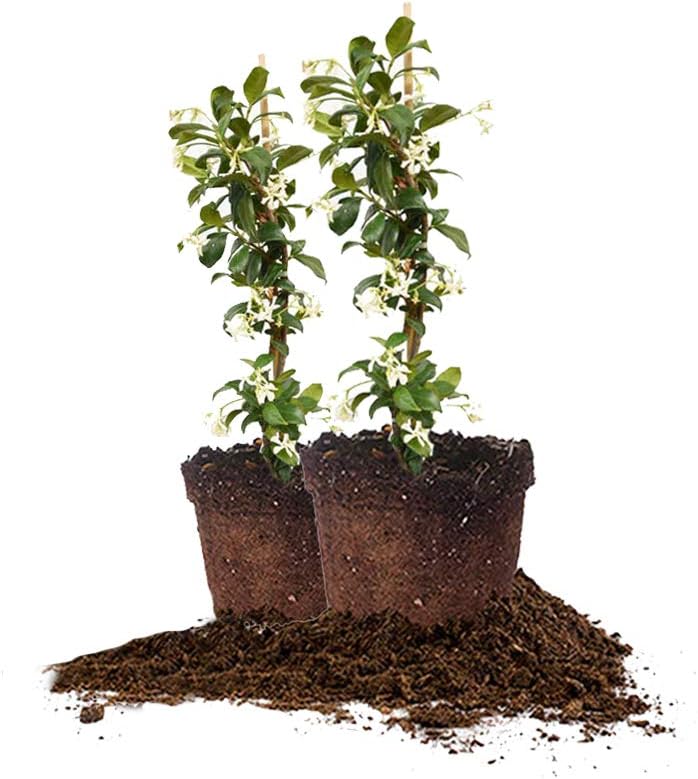
Perfect Plants Confederate Jasmine (2-Pack), Star Vine, 1 Gal
| Indoor Outdoor Usage | Outdoor |
|---|---|
| Expected Blooming Period | Spring |
| Sunlight Exposure | Full Sun, Partial Shade |
| Moisture Needs | Moderate Watering |
| Unit Count | 1 Count |
These two Confederate jasmine vines arrive in individual 1‑gallon nursery pots and are meant to be trained on fences, trellises, railings or other supports to form a fragrant, evergreen screen. They perform best in full sun to part shade and are rated for USDA zones 7–11, so on a shaded porch they will tolerate lower light but bloom most reliably where they get some sun. The plants are described as easy to establish; new arrivals need deep watering every day or two for the first two weeks and can drop some leaves while roots settle. Notable features are the glossy evergreen foliage, sweet white pinwheel flowers in spring and early summer, and organic plant material. Limitations include that each order contains small 1‑gallon pots so expect a period of growth before reaching the listed mature height, and some variability between the two plants. Buyers should plan to provide a structure and basic training to get a neat coverage and to monitor moisture while the plants establish.
Best for: Gardners who want a fragrant, evergreen climbing vine to train on a porch trellis or railing and who prefer a low‑maintenance plant that establishes quickly with basic watering.
Less Ideal for: Those seeking instant privacy or mature coverage right away or gardeners unwilling to train or support vines as they grow.
- Two evergreen vines per order for quicker coverage when planted together
- Fragrant white spring blooms that add scent to a porch area
- Tolerates full sun to partial shade, making it adaptable to sheltered porches
- Ships in 1‑gallon nursery pots so plants are ready to plant immediately
- Described as easy to establish with straightforward watering guidance
- Plants are small 1‑gallon specimens so visual impact takes time as they grow to mature height
- Some leaf drop and minor shipping damage to stems is possible during establishment
Verdict: A practical choice for porch gardeners who want a fragrant, adaptable evergreen vine they can train for seasonal blooms and long‑term screening.
Choosing the Right Plants for Patio Pots in Full Sun: Key Factors to Consider
Sun Exposure and Microclimate
Full sun on a patio can vary from six hours of direct morning light to all-day western exposure with intense afternoon heat. Knowing the amount and intensity of sunlight your pots receive is critical because some sun-loving plants tolerate long, hot afternoons while others prefer bright morning light and slightly cooler evenings.
Microclimate matters too. Heat reflected from siding, brick, or concrete raises pot temperatures and increases water loss. Assess the actual conditions where your pots will sit and choose plants whose sun and heat tolerance align with that environment.
Pot Size and Root Space
A plant's root system is constrained in a container, so choose species with habits suited to the planter size you have. Small pots dry out faster and favor compact or shallow-rooted plants, while larger containers support bigger-rooted annuals or small shrubs that provide more long-term structure.
Consider the final mature size of the plant relative to the container. Crowding reduces airflow, stresses roots, and shortens bloom cycles. If you want fewer waterings and steadier growth, opt for larger pots or plants known for compact container habits.
Watering Frequency and Drought Response
Containers in full sun dry faster and often need more frequent watering than in-ground plantings. Choose plants that either tolerate periodic drying or recover quickly after a deep soak. Plants with succulent leaves or deep root reserves handle intermittent drought better, while flimsy-leaved species may wilt quickly and require daily attention in hot spells.
Also plan your irrigation approach. Self-watering inserts, soaker hoses, or scheduled hand-watering each have tradeoffs. Match the plant's drought response to the level of maintenance you can provide.
Soil Mix and Nutrient Needs
Container mixes drain faster than garden soil, so you need a potting blend that balances moisture retention with good drainage. Many sun-loving container plants need regular feeding because nutrients are flushed more quickly from pots during frequent watering.
Choose a mix with organic matter and moisture-retaining components for thirsty plants, or a lighter, fast-draining blend for drought-tolerant species. Match fertilizer frequency and formulation to the plant's growth and bloom patterns to maintain vigor without causing excessive, leggy growth.
Growth Habit and Maintenance
Some sun-loving plants stay neatly mounded and compact, which is ideal for a single-pot focal point. Others trail, spill, or reach upright, making them better in mixed containers or hanging baskets. Decide whether you want a single dramatic specimen, a mixed combination, or a cascading look when selecting plants.
Maintenance needs vary. Long-blooming annuals often benefit from deadheading and periodic trimming to encourage continuous flowers. Perennial or semi-woody species may need light pruning to keep them in scale with the pot and to remove spent stems.
Seasonal Longevity and Overwintering
Determine whether you want plants that provide a single season of high-impact color or specimens that can overwinter and return next year. Annuals often give nonstop summer flowers but die with frost, while certain perennials and subshrubs can survive mild winters in containers with proper protection.
Overwintering in pots requires special consideration because roots are more exposed to cold than in-ground plantings. Choose species appropriate for your climate and be prepared to move containers or insulate them if you intend to keep plants through colder months.
Designing a Sunny Patio Pot
Plan the overall look before buying plants. A well-composed pot usually combines a thriller for height, a spiller for cascading interest, and a spiller or filler to create texture and color balance. In full sun, use plants that can tolerate the same intensity so one species does not outperform or suffer compared with the rest.
Think about foliage contrast as much as flowers. Silver, gray, and textured leaves stand out in bright light and help prevent the composition from looking flat when blooms fade. Also consider the pot finish and color because dark containers absorb heat and can increase root-zone temperatures.
- Choose one upright or tall focal plant paired with lower fillers
- Use trailing species on the pot edge to soften the container silhouette
- Select foliage colors that maintain interest between bloom cycles
Watering Strategies for Hot Conditions
Create a watering plan tailored to pot size and plant drought tolerance. Small clay pots will need more frequent checks than large resin containers. During heat waves, morning watering is best to hydrate plants before intense afternoon sun.
Adjust frequency rather than amount. Deep, less frequent watering encourages roots to explore the container instead of staying at the surface. For plants that resent constantly wet soil, allow the top inch to dry before watering again.
- Check moisture at root level with a finger or moisture meter
- Mulch top of soil with decorative gravel or thin organic layer to slow evaporation
- Consider self-watering pots for high-maintenance flowering annuals
Feeding and Deadheading for Longer Blooms
Many sun-loving container plants are heavy feeders because of frequent watering. Use a balanced, water-soluble fertilizer on a regular schedule during the active growing season to maintain bloom production and foliage health. Slow-release granules in the potting mix can reduce the number of applications.
Deadheading spent flowers often prolongs blooming in many annuals and some perennials. Regular light pruning also helps maintain shape and prevents legginess under intense sun, which can promote rapid, weak growth if nutrients and water are imbalanced.
- Feed every 2 to 4 weeks with a balanced liquid fertilizer during peak season
- Remove spent flower heads to encourage continued blooming
- Trim overly vigorous stems to keep plants in proportion to the planter
Managing Pests and Heat-Related Stress
Full sun can both deter and attract pests. Some insects prefer shade, while others thrive in hot, dry conditions. Watch for signs of stress like leaf scorch, wilting, or stippling that can be mistaken for poor watering but may indicate pest pressure or sunburn.
Integrated approaches work best. Keep plants spaced for airflow, rinse undersides of leaves when you spot pests, and remove heavily infested material promptly. Healthy, well-fed plants recover faster from pest attacks and heat stress than undernourished specimens.
- Inspect pots weekly for insects and disease symptoms
- Rinse plants or use targeted controls when necessary
- Increase shade or move pots temporarily during extreme heat spikes
Seasonal Transitions and Replanting
As seasons change, re-evaluate plant performance and replace tired specimens for continued patio appeal. Many sun-loving annuals begin to decline late in the season; swapping in fresh plants or switching to fall-hardy species keeps containers looking intentional.
When replanting, refresh the potting mix and check root health. Compacted or depleted soil reduces water infiltration and nutrient availability. A light top dressing or partial soil replacement restores vigor without disturbing established roots excessively.
- Refresh soil annually or when plants show decline
- Stagger plantings to maintain continuous color
- Protect tender containers and plant roots from early frosts
How We Chose the Best Plants for Patio Pots in Full Sun
We prioritized plants that perform reliably in containers exposed to direct sunlight for several hours a day. Key editorial filters included heat and drought tolerance, compact or controlled growth habit suitable for pots, and a track record of steady flowering or attractive foliage through peak summer. We favored species and cultivars that tolerate the quick moisture swings typical of containers, plus those that respond well to regular feeding and light pruning for continued vigor. Practical criteria also guided selection: root system size relative to common pot dimensions, pest and disease resilience in outdoor settings, and ease of establishment from nursery-grown specimens. We excluded plants that need highly specific microclimates, excessive shade, or large ground space to thrive. The final choices reflect plants that balance visual impact with manageable care for gardeners using patio pots in full sun.
FAQ
How often should I water patio pots in full sun?
Watering frequency depends on pot size, substrate, and plant type. Small pots may need daily checks in hot weather, while larger containers might be fine every few days. Check the top inch of soil and adjust to keep plants hydrated without waterlogging.
Can I mix drought-tolerant and thirsty plants in the same pot?
Mixing plants with very different water needs is usually problematic because one will be overwatered or the other underwatered. Pair plants with similar moisture requirements, or use separate pots so you can tailor watering.
Will container soil dry out faster in darker pots?
Yes, dark or metal pots absorb more heat and can raise root-zone temperatures, increasing evaporation. Lighter-colored or insulating containers moderate temperature swings and can reduce drying rates.
What is the best soil mix for full-sun patio plants?
Use a well-draining potting mix with organic matter and some water-retention components. For drought-tolerant species, a lighter mix helps prevent root rot. For thirsty bloomers, include moisture-retentive ingredients and consider slow-release fertilizer.
How do I protect potted plants during heat waves?
Move pots to a spot with afternoon shade if possible, water deeply in the morning, and use temporary shade cloth during extreme heat. Mulching and grouping pots can reduce evaporation and moderate temperature spikes.
Final Verdict
Choosing plants for sunny patio pots comes down to matching species traits with your microclimate and maintenance capacity. Prioritize heat and drought tolerance if your pots get long, hot afternoons, or select more moisture-loving plants if you can provide frequent watering and larger containers. Balance bloom duration, container habit, and nutrient needs when you plan compositions. With the right plant choices and simple seasonal care, you can create containers that stay healthy and colorful through the hottest parts of the season.
