

Note: This article contains affiliate links. If you click on these links and make a purchase, I may earn a small commission at no extra cost to you. This helps support my research and content. Read my full affiliate disclosure here.
Placing plants in pots around a pool changes the microclimate near your water feature. Plants facing reflected heat, frequent splash, and higher humidity need to tolerate wet leaves, occasional chlorine residue, and strong sun. Choosing the right container plants helps you keep foliage healthy, reduce maintenance, and create a polished poolside look. This guide covers seven carefully shortlisted plants for pots around pool areas. Each pick is chosen for traits gardeners care about: sun and heat tolerance, root behavior in containers, salt or chlorine splash resilience, and seasonal maintenance. Read on to understand which characteristics matter most for poolside planters and how to match plant habits to your pool area conditions.
Top Picks at a Glance
| Best Overall The best all-around choice for most situations | Southern Living Obsession Nandina Shrub (2 Gal) |  |
| Best Quality Built to a higher standard if you want something more solid | Ttranewsoo Artificial Agave Plants 2-Pack (Outdoor UV-Resistant) |  |
| Best Value The sweet spot between price and what you get | Phliofd 6-Pack Artificial Tall Grass (UV Resistant) |  |
| Best Budget The cheapest option that still gets the job done reliably | CitronellaKing Hesperaloe Red Yucca Plants (2 pack) |  |
| Highest Rated A top-rated pick with lots of positive feedback | Beach Morning Glory (Ipomoea pes-caprae) Live Plant — Purple-Flowering Coastal Vine, 4-inch Pot |  |
| Most Popular A crowd favorite that many people choose with confidence | Perfect Plants Confederate Jasmine (2-Pack), Star Vine, 1 Gal |  |
| Best Seller A high-volume bestseller chosen again and again | PERFECT PLANTS Frostproof Gardenia Live Plant, 1 Gallon |  |
Southern Living Obsession Nandina Shrub (2 Gal)

| Sunlight Exposure | Full Sun to Part Shade |
|---|---|
| USDA Hardiness Zone | 6, 7, 8, 9, 10 |
| Moisture Needs | Moderate Watering |
| Expected Planting Period | Year Round |
The Southern Living Obsession Nandina is a 2-gallon evergreen shrub prized for intense red foliage that holds color through much of the year. It is marketed for outdoor beds and containers, and performs in full sun to part shade across USDA zones 6 to 10. Typical use is as an accent in mixed borders, a colorful container specimen on a patio, or a low hedge where a 3- to 4-foot mature height is acceptable. Practical benefits include low maintenance, deer resistance, and moderate water needs once established; the plant is described as organic and suited to loam soils with well-drained conditions. Limitations to consider are that it does not produce notable blossoms and requires routine watering while establishing; it will also reach about 48 inches, so plan placement or pruning accordingly. For container use, choose a generous pot and monitor soil moisture to keep foliage vibrant in hot, sunny sites.
Best for: Gardeners who want a low-maintenance, colorful evergreen for patio containers or small landscape accents and value year-round foliage interest.
Less Ideal for: People seeking a showy flowering shrub or those who need a very small dwarf variety for tight spaces should consider other options.
- Bright red evergreen foliage provides season-long color
- Suitable for containers or landscape beds thanks to compact mature size
- Tolerates full sun to part shade across USDA zones 6–10
- Low maintenance and described as deer resistant
- Does not produce significant blossoms for floral interest
- Requires consistent watering until established
Verdict: Choose this nandina when you want an easy-care, brightly colored evergreen that performs well in pots and small garden settings.
Ttranewsoo Artificial Agave Plants 2-Pack (Outdoor UV-Resistant)

| Plant or Animal Product Type | Agave |
|---|---|
| Number of Items | 2 |
| Indoor Outdoor Usage | Indoor, Outdoor |
| Material Type | Plastic |
| Additional Features | UV Resistant, Water Resistant, Weather Resistant |
These faux agave plants are built to give the look of durable succulents without maintenance. Each set includes two potted artificial agaves made from plastic with wired leaves and a sturdy central stem so you can shape the foliage for a natural silhouette. They are marketed as UV resistant, water and weather resistant, and wrinkle resistant, which makes them suitable for placing in pots around a pool or on a sun-exposed patio where real plants would struggle. Typical use is simple: unpack, reshape leaves as needed, position in heavy planters or urns, and enjoy instant greenery year-round. The pieces are lightweight for repositioning but substantial enough to read as full plants at a medium distance. Limitations are that the material look can reveal plastic texture up close and they arrive compressed so you must carefully tease and arrange the leaves to restore a natural form. They do not come with decorative pots or weighted bases, so secure them in heavy containers if wind is a concern.
Best for: Buyers who want durable, low-maintenance greenery to place in pots around a pool and who prioritize long-term outdoor performance over live planting care.
Less Ideal for: Those seeking the tactile detail and seasonal variation of real succulents or buyers who need a fully finished, weighted planter ready to display immediately.
- UV resistant and weather resistant for outdoor exposure
- Low maintenance compared with live plants—no watering or pruning
- Wired leaves and a sturdy central stem allow shaping for a natural appearance
- Comes as a two-pack to fill matching pots or flank a poolside feature
- Plastic construction can look synthetic up close and under scrutiny
- No included pots or weighted bases so additional anchoring may be required
Verdict: A weatherproof, low-maintenance two-pack of artificial agaves made for durable, no-fuss poolside pots.
Phliofd 6-Pack Artificial Tall Grass (UV Resistant)

| Number of Items | 6 |
|---|---|
| Material Type | Plastic |
| Indoor Outdoor Usage | Indoor, Outdoor |
| Additional Features | Dust Resistant, Foldable, Lightweight, Tear Resistant, Weather Resistant |
These Phliofd artificial grass stems are a budget-friendly way to add year-round greenery around a pool area without maintenance. Each pack contains six 17–18 inch stems with plastic leaves mounted on a flexible wire core so you can bend or trim them to fit planters or poolside pots. The material is described as UV resistant and weather resistant, so the color and shape should hold up better than cheaper faux stems when exposed to sun and occasional moisture. They are lightweight and easy to arrange in groupings or mixed with other faux plants for fuller displays. Expect a fairly artificial look up close since the leaves and stems are plastic, but from a short distance they create a bright, low-effort accent that brightens deck and patio settings. Note that they are not fireproof and should be kept away from direct heat, and very windy locations may require anchoring inside heavy pots because the stems are light.
Best for: Buyers wanting an inexpensive, no-fuss way to add bright color and texture to pots around a pool who prioritize low upkeep over botanical realism.
Less Ideal for: Anyone seeking highly realistic botanical specimens or heavy-duty outdoor plants that must withstand high winds without additional anchoring.
- Low maintenance for poolside use with no watering or pruning required
- UV and weather resistant materials designed for outdoor exposure
- Flexible wire stems can be trimmed or bent to fit pots and arrangements
- Leaves and stems are clearly plastic and look artificial up close
Verdict: A low-cost, weather-resistant option to add permanent, maintenance-free greenery to poolside pots and planters.
CitronellaKing Hesperaloe Red Yucca Plants (2 pack)

| USDA Hardiness Zone | 5-11 |
|---|---|
| Sunlight Exposure | Full Sun to Partial Shade |
| Expected Blooming Period | Spring, Summer, Fall |
| Soil Type | Well-Draining Soil |
| Moisture Needs | Moderate Watering |
These two Hesperaloe red yucca starter plants arrive ready to plant in nursery cubes and are meant to provide low-maintenance vertical interest in drought-tolerant landscapes. They form neat, arching rosettes of narrow foliage and send up tall coral-red flower spikes that attract pollinators through spring to fall. Use them in full sun to partial shade beds, rock gardens, or large containers on well-draining soil; water sparingly after establishment and keep the top inch of soil dry between waterings. Notable features include broad USDA hardiness (zones 5–11), evergreen foliage, and strong drought and cold tolerance, which reduce seasonal chores and replacement risk. As starter plants they require transplanting and some early-season attention to settle in, and they will take a season or two to reach the reported mature height and bloom potential. If you need instant, full-size impact you will need to supplement with larger specimens, but for reliable, low-effort long-term structure in low-water designs these are a practical choice.
Best for: Buyers who prioritize reliable, low-maintenance perennial plants for drought-tolerant landscapes and want long-term structural interest with minimal ongoing care.
Less Ideal for: Gardeners seeking immediate large specimens, instant screening, or plants for heavily shaded locations should consider alternatives.
- Drought-tolerant and cold-hardy across USDA zones 5–11 for dependable outdoor performance
- Evergreen, architectural foliage with tall coral-red flower spikes that attract hummingbirds
- Low maintenance once established and suited to xeriscapes, rock gardens, borders, and containers
- Arrives as ready-to-plant nursery cubes that simplify initial planting and establishment
- Starter size means several seasons of growth are needed to reach full height and spread
- Not a quick fix for instant privacy or immediate large-scale impact
Verdict: A dependable, low-care choice for adding architectural form and long-lasting coral-red blooms to drought-tolerant gardens and containers.
Beach Morning Glory (Ipomoea pes-caprae) Live Plant — Purple-Flowering Coastal Vine, 4-inch Pot

| Sunlight Exposure | Partial Sun |
|---|---|
| Expected Blooming Period | Spring, Summer, Fall |
| USDA Hardiness Zone | 9-11 |
| Moisture Needs | Allow soil to dry slightly between waterings |
This Beach Morning Glory arrives as a 4-inch potted live plant intended for quick establishment as a low, spreading coastal ground cover or container accent around pools. It produces vibrant purple blooms in spring through fall and tolerates heat, drought periods, salt spray and UV exposure, which makes it practical for poolside zones and sandy soils. Typical use is planting at pool edges, in large pots, or in beds where it can sprawl; it prefers full sun to partial sun and well-draining potting mix and benefits from balanced liquid fertilizer during the growing season. The plant is grown from cuttings and marketed as fast growing and drought tolerant, so you can expect fairly rapid coverage when conditions match USDA zones 9 to 11. Limitations are that it requires warm, humid climates to thrive, will not tolerate frost, and needs some space to spread so it can look sparse in small tight pots until established.
Best for: Gardeners who need a reliable, low-maintenance flowering vine for warm, coastal or poolside settings and who prioritize plants that establish quickly and tolerate heat and salt.
Less Ideal for: People in cool climates, those who want a compact non-spreading container specimen, or gardeners seeking a frost-hardy plant for winter display.
- Heat, drought, and salt tolerant so it withstands poolside conditions
- Produces showy purple blooms across spring to fall for seasonal color
- Fast growing ground cover habit useful for stabilizing sandy or exposed areas
- Arrives as an established live plant in a nursery pot ready to transplant
- Not hardy below USDA zones 9 to 11 so it will decline with frost or prolonged cold
- Needs room to spread and can appear sparse in very small containers until established
Verdict: A fast-establishing, salt- and heat-tolerant purple-flowering vine that reliably performs as a poolside ground cover in warm coastal climates.
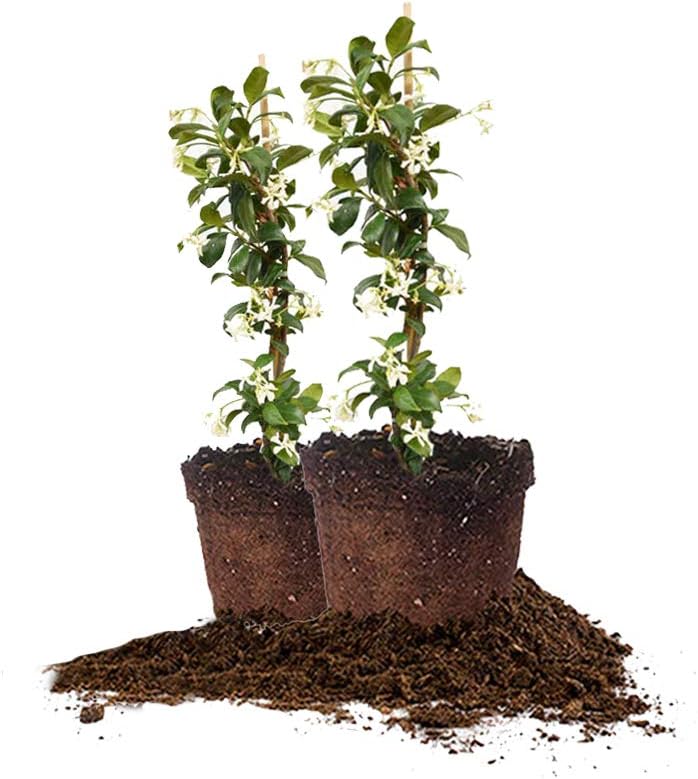
Perfect Plants Confederate Jasmine (2-Pack), Star Vine, 1 Gal
| Indoor Outdoor Usage | Outdoor |
|---|---|
| Expected Blooming Period | Spring |
| Sunlight Exposure | Full Sun, Partial Shade |
| Moisture Needs | Moderate Watering |
| Unit Count | 1 Count |
These two Confederate jasmine vines arrive in individual 1‑gallon nursery pots and are meant to be trained on fences, trellises, railings or other supports to form a fragrant, evergreen screen. They perform best in full sun to part shade and are rated for USDA zones 7–11, so on a shaded porch they will tolerate lower light but bloom most reliably where they get some sun. The plants are described as easy to establish; new arrivals need deep watering every day or two for the first two weeks and can drop some leaves while roots settle. Notable features are the glossy evergreen foliage, sweet white pinwheel flowers in spring and early summer, and organic plant material. Limitations include that each order contains small 1‑gallon pots so expect a period of growth before reaching the listed mature height, and some variability between the two plants. Buyers should plan to provide a structure and basic training to get a neat coverage and to monitor moisture while the plants establish.
Best for: Gardners who want a fragrant, evergreen climbing vine to train on a porch trellis or railing and who prefer a low‑maintenance plant that establishes quickly with basic watering.
Less Ideal for: Those seeking instant privacy or mature coverage right away or gardeners unwilling to train or support vines as they grow.
- Two evergreen vines per order for quicker coverage when planted together
- Fragrant white spring blooms that add scent to a porch area
- Tolerates full sun to partial shade, making it adaptable to sheltered porches
- Ships in 1‑gallon nursery pots so plants are ready to plant immediately
- Described as easy to establish with straightforward watering guidance
- Plants are small 1‑gallon specimens so visual impact takes time as they grow to mature height
- Some leaf drop and minor shipping damage to stems is possible during establishment
Verdict: A practical choice for porch gardeners who want a fragrant, adaptable evergreen vine they can train for seasonal blooms and long‑term screening.
PERFECT PLANTS Frostproof Gardenia Live Plant, 1 Gallon

| Indoor Outdoor Usage | Outdoor |
|---|---|
| Other Special Features of the Product | Deer Resistant, Fragrant |
| Expected Blooming Period | Summer |
| Sunlight Exposure | Full Sun, Partial Shade |
| Expected Planting Period | Spring |
This 1-gallon Frostproof gardenia is a compact, fragrant shrub intended for outdoor landscape use. It arrives as a live plant with a recommended mature height around 5 feet and is typically planted in mulch beds, as a low hedge, or as an accent near entries where its scent can be enjoyed. Notable features include deer resistance, a history of reliable spring and summer blooms, and included easy-to-use plant food for a simpler start. The plant prefers full sun to partial shade, so it will tolerate some shaded locations but performs best where it receives several hours of direct light. Practical benefits for a cautious buyer are straightforward care, minimal pruning to maintain shape, and an aromatic presence that enhances small gardens or patios. Limitations are that it is sold as a 1-gallon specimen so it will need time to reach mature size, and the product text notes shipping exclusions to a few states which affects availability for some buyers.
Best for: Buyers who want an easy-care, scented shrub for a small garden or patio and prefer reliable, low-maintenance plants that establish steadily rather than instant large specimens.
Less Ideal for: Gardeners seeking an immediate tall screening hedge or a plant for deep, full shade should consider alternative species better suited to dense shade or instant privacy needs.
- Fragrant white blooms that enhance outdoor seating areas during spring and summer
- Deer resistant variety reduces need for protective measures in deer-prone yards
- Includes plant food to simplify initial establishment
- Tolerates partial shade, allowing placement in spots without full sun all day
- Sold as a small 1-gallon plant so it requires time to reach mature size
- Per product notes it does not ship to certain states which limits access for some buyers
Verdict: Choose this gardenia if you want a low-maintenance, fragrant shrub that tolerates some shade and adds seasonal white blooms to small outdoor spaces.
Choosing the Right Plants for Pots Around Pool: Key Factors to Consider
Sun and Heat Tolerance
Pool areas often get intense reflected sunlight from the water surface. Plants that handle long hours of sun without leaf scorch will retain better color and require less replacement. Consider leaf structure and color as well; some plants with silver or thick leathery leaves reflect light and cope with heat better.
Sun and heat tolerance affects where you place pots: full-sun plants belong on sunny pool decks, while shade-tolerant options work under umbrellas or nearby trees. If your pool has lots of reflective surfaces, pick species rated for higher heat levels to avoid premature stress.
Tolerance to Splash and Pool Chemicals
Plants close to the pool will be exposed to occasional splashes that may contain chlorine, bromine, or mineral-laden water. Some species tolerate these conditions with little damage, while others develop leaf burn or discoloration after repeated exposure.
When choosing plants, prefer those with tougher leaf cuticles or waxy surfaces that shed water and resist chemical contact. Also think about placement: elevating pots slightly or positioning them where splash likelihood is lower reduces long-term chemical exposure.
Container Root Behavior and Size Management
Plants behave differently in pots than in the ground. Some species develop dense, compact roots that thrive in containers, while others become root-bound quickly or send out aggressive runners. Understanding a plant's root tendencies determines pot size, frequency of repotting, and whether you will need root pruning.
Choose plants with predictable container habits unless you plan on frequent maintenance. For tighter pool decks, prioritize slow-spreading or clumping plants that hold their shape and do not require constant division.
Watering Needs and Drought Resilience
Poolside microclimates can be drier due to heat and wind, but splash events add irregular moisture. Plants that can tolerate brief dry spells and recover quickly reduce the chance of stress when watering is inconsistent.
Match plants to your irrigation plan: if you rely on manual watering, select forgiving species. If pots are on automatic drip or soaker systems, you can include slightly thirstier plants but still avoid those that demand saturated soils.
Maintenance and Seasonal Care
Poolside pots should look tidy year-round with minimal fuss. Consider the pruning, deadheading, and winter protection needs of candidate plants. Some will need routine grooming to remove old blooms or to prevent floppy growth, while others hold an attractive form without much care.
Factor in how much time you want to spend on container upkeep. Plants that require re-potting, annual division, or frequent pest control may not suit low-maintenance pool areas.
Aesthetic Traits and Scale
Beyond survival, plants contribute to the poolside atmosphere through texture, color, and scale. Consider foliage color and bloom timing to create the desired mood-tropical lushness, Mediterranean restraint, or minimalist architectural planting.
Scale is crucial: oversized plants overwhelm small pool decks, while tiny specimens disappear in large open areas. Select container-friendly sizes and shapes that complement your hardscape and furniture.
Matching Plant Size to Pot and Space
Measure the planting area and select pot sizes that support mature root volumes without overpowering circulation space around the pool. A general guideline is to choose a pot that allows 1 to 2 years of root growth before repotting for most perennials and shrubs grown in containers.
- Use heavier materials like ceramic or concrete for tall pots to prevent tipping near wind or splash areas.
- Group smaller pots for visual impact and easier maintenance instead of a single oversized container.
Soil Mix and Drainage for Poolside Containers
A well-draining, lightweight container mix reduces the risk of root rot from splashes and makes it easier to manage irrigation. Add grit or perlite for drainage and include a quality organic component for nutrient retention. Ensure pots have sufficient drainage holes and consider a shallow saucer only if it does not collect water that could degrade roots.
- Top-dress pots with mulch or decorative gravel to reduce evaporation and splash soil onto pool decks.
- Avoid heavy in-ground soil in containers; it compacts and holds too much moisture for many poolside plants.
Placement Strategies to Minimize Splash Damage
Consider sight lines and typical movement around the pool when placing pots. Position splash-sensitive specimens where umbrellas, pergolas, or overhangs reduce direct exposure. Elevate pots on pedestals or stands if pavement splash is a recurring problem.
- Keep salt-tolerant or splash-tolerant species closest to high-splash zones like diving or play areas.
- Create buffer plantings with tough-textured grasses or succulents to protect more delicate foliage.
Seasonal Rotation and Container Refreshing
For year-round interest, plan seasonal swaps of bedding plants or switch containers between sun and shade positions as light changes. Rotate pots indoors or to sheltered spots when frost threatens, and refresh potting mix periodically to restore nutrients and structure.
- Use liners or inner pots to make seasonal plant swaps quicker and reduce root disturbance.
- Label pots with planting dates to track when repotting or division will be needed.
Pest and Disease Considerations for Pool Areas
Poolside microclimates can attract pests like snails, spider mites, or scale, especially on warm, sheltered walls and under furniture. Monitor foliage regularly and address issues early with physical removal, pruning, or targeted organic controls to avoid infestations that spread across grouped containers.
- Avoid dense, wet foliage that retains moisture and encourages fungal problems.
- Space pots to allow airflow and reduce humidity build-up around leaves.
How We Chose the Best Plants for Pots Around Pool
Our shortlist focuses on plants that perform reliably in containerized, poolside settings. We prioritized traits gardeners face at pools: tolerance of reflected heat and full sun, resilience to occasional splash with pool water, compact or manageable root systems for containers, and low-to-moderate maintenance needs for busy outdoor spaces. Aesthetic factors such as year-round foliage interest, bloom timing, and texture variety were considered where they affect long-term container composition. We applied sizing filters to exclude plants that typically become woody trees or require deep, in-ground rooting without extensive pruning. We excluded species known to be highly susceptible to common pool chemicals or that demand constant misting or sheltering. Selections were also limited to plants that adapt to pot soil mixes and standard container drainage, and that can be pruned or divided to maintain neat poolside proportions. Final choices balance visual impact with practical durability and caretaker effort required.
FAQ
Can I use the same potting mix for all poolside plants?
It depends. Most poolside plants benefit from a well-draining mix with organic matter, but thirstier plants may require mixes that hold more moisture. Adjust the blend for drought-tolerant species by increasing grit and for moisture-loving species by adding more compost.
How close can I place plants to the pool edge?
Place pots far enough to avoid frequent tipping and to keep splash to a minimum. For splash-prone activities, leave extra distance or choose splash-tolerant species nearest the water. Sturdy pot bases and heavier containers help prevent accidents.
Will pool chemicals harm container plants?
Occasional light splashes are usually tolerated by many tough-leaved plants, but repeated exposure to concentrated chemical water can damage foliage and soil life. Position sensitive plants away from direct splash and rinse leaves with freshwater if heavy splashes occur.
How often should I repot poolside plants?
Repotting frequency depends on the species and pot size. Fast-growing perennials may need repotting or division every 1 to 2 years, while slower growers can stay in the same container for several years. Watch for root-bound signs like reduced growth and rapid drying of the potting mix.
Are tropical plants a good choice around pools?
Tropical plants can create a lush look but often require consistent moisture and protection from cold. They do well in warm climates or if you can move containers to shelter in cooler months. Choose tropical species that handle sun and occasional splash if they will sit close to the water.
Final Verdict
Focus on matching plant traits to the specific stresses of poolside life: intense sun, reflected heat, splash exposure, and container confinement. Prioritize sun and splash tolerance, predictable container root behavior, and low-to-moderate maintenance when making choices. By balancing aesthetic goals with practical durability, you can create attractive pot groupings that stay healthy through the season and need only routine care. Select plants with appropriate scale and robustness for your pool area, and plan for periodic repotting or seasonal swaps to keep containers looking their best.
