

Note: This article contains affiliate links. If you click on these links and make a purchase, I may earn a small commission at no extra cost to you. This helps support my research and content. Read my full affiliate disclosure here.
A shaded porch is a different environment from a sunny garden bed. Cooler temperatures, filtered light, and periodic dryness mean many outdoor plants struggle while a few species flourish. Choosing the right plants for porch shade matters because the wrong selection wastes space and effort, while the right plants provide year-round texture, color, and low-maintenance interest. This guide covers six top plants suited for porch shade, shortlisted for their proven tolerance of low light, adaptability to container or hanging settings, and straightforward care. We evaluate options against light tolerance, water and feeding needs, pest resilience, and seasonal interest to help you pick the best fit for your shaded entry or covered patio.
Top Picks at a Glance
| Best Overall The best all-around choice for most situations | Greenwood Nursery Japanese Painted Fern (Athyrium niponicum) — 2 Pint Pots |  |
| Best Quality Built to a higher standard if you want something more solid | Southern Living Obsession Nandina Shrub (2 Gal) |  |
| Best Budget The cheapest option that still gets the job done reliably | Carpet Creeping Hosta Seeds — 300 Count |  |
| Highest Rated A top-rated pick with lots of positive feedback | Blooming & Beautiful Sawtoothed Japanese Aucuba, Live Evergreen Shrub, 3 Gallon |  |
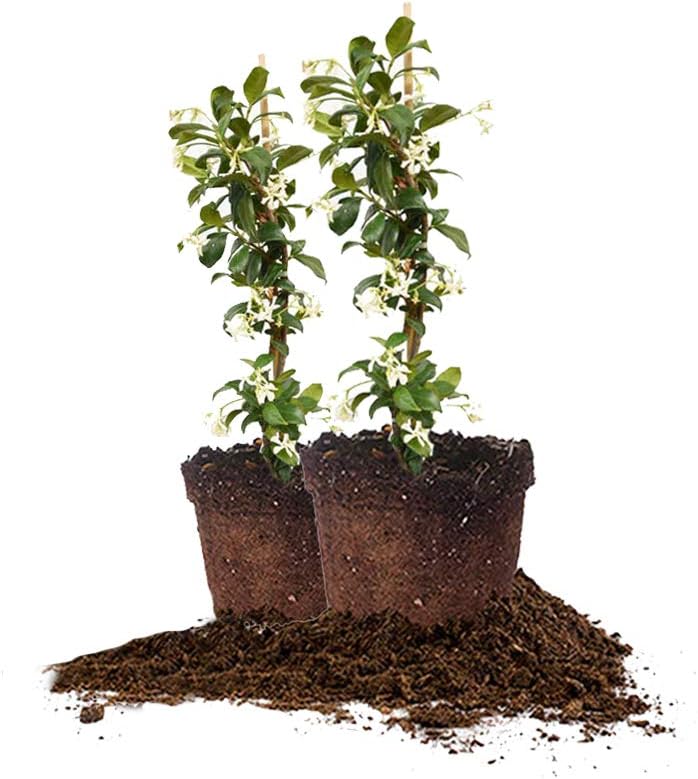
| Most Popular A crowd favorite that many people choose with confidence | Perfect Plants Confederate Jasmine (2-Pack), Star Vine, 1 Gal |  |
| Best Seller A high-volume bestseller chosen again and again | HOME GROWN Coleus Rainbow Mix Seeds |  |
Greenwood Nursery Japanese Painted Fern (Athyrium niponicum) — 2 Pint Pots

| Sunlight Exposure | Full Shade, Partial Shade |
|---|---|
| USDA Hardiness Zone | 3, 4, 5, 6, 7, 8 |
| Moisture Needs | Moderate Watering |
| Expected Planting Period | Spring to Summer |
| Unit Count | 2 Count |
These are slow‑spreading Japanese painted ferns (Athyrium niponicum) offered as two live potted plants that perform best in part to full shade. They are typically used as low‑growing texture plants for porch shade, woodland borders, or containers where cool, moist, well‑drained soil is available. Notable features from the listing include hardiness across USDA zones 3–8, moderate water needs, and an expected mature height around 24 inches, which makes them large enough to readably fill a shaded corner without overwhelming small porches. The seller packs plants either bare‑root or potted with hydration measures and includes planting and care instructions. Practical benefits are the fern’s silvery‑green and burgundy frond tones that brighten shady spots and its low maintenance once established. Limitations are a slow growth rate, so it will take seasons to form a substantial clump, and the plants prefer consistently moist, not dry, conditions so they are less suitable for droughty porch locations without supplemental watering.
Best for: Gardeners who want a low‑maintenance, decorative fern for a shaded porch or container and prioritize visual texture and multi‑season interest over rapid fill‑in.
Less Ideal for: Those seeking fast groundcover or plants that tolerate prolonged dry, sunny porches should consider faster‑spreading or more drought‑tolerant alternatives.
- Attractive silver and burgundy‑toned fronds that brighten shaded areas
- Hardy across USDA zones 3–8 for wide climate adaptability
- Arrives as potted or bare‑root stock with care packing and planting instructions
- Moderate water requirement makes care predictable for porch containers
- Slow grower so it takes time to form a noticeable clump
Verdict: A decorative, shade‑loving perennial fern that reliably adds silvery color and texture to porch planters and shady corners.
Southern Living Obsession Nandina Shrub (2 Gal)

| Sunlight Exposure | Full Sun to Part Shade |
|---|---|
| USDA Hardiness Zone | 6, 7, 8, 9, 10 |
| Moisture Needs | Moderate Watering |
| Expected Planting Period | Year Round |
The Southern Living Obsession Nandina is a 2-gallon evergreen shrub prized for intense red foliage that holds color through much of the year. It is marketed for outdoor beds and containers, and performs in full sun to part shade across USDA zones 6 to 10. Typical use is as an accent in mixed borders, a colorful container specimen on a patio, or a low hedge where a 3- to 4-foot mature height is acceptable. Practical benefits include low maintenance, deer resistance, and moderate water needs once established; the plant is described as organic and suited to loam soils with well-drained conditions. Limitations to consider are that it does not produce notable blossoms and requires routine watering while establishing; it will also reach about 48 inches, so plan placement or pruning accordingly. For container use, choose a generous pot and monitor soil moisture to keep foliage vibrant in hot, sunny sites.
Best for: Gardeners who want a low-maintenance, colorful evergreen for patio containers or small landscape accents and value year-round foliage interest.
Less Ideal for: People seeking a showy flowering shrub or those who need a very small dwarf variety for tight spaces should consider other options.
- Bright red evergreen foliage provides season-long color
- Suitable for containers or landscape beds thanks to compact mature size
- Tolerates full sun to part shade across USDA zones 6–10
- Low maintenance and described as deer resistant
- Does not produce significant blossoms for floral interest
- Requires consistent watering until established
Verdict: Choose this nandina when you want an easy-care, brightly colored evergreen that performs well in pots and small garden settings.
Carpet Creeping Hosta Seeds — 300 Count

| Indoor Outdoor Usage | Outdoor |
|---|---|
| Other Special Features of the Product | High Germination Rate |
| Sunlight Exposure | Full Sun |
| Moisture Needs | Moderate Watering |
| Material Features | GMO Free |
These hosta seeds are a budget-friendly option for adding shade-tolerant foliage to containers or a shady border. The packet contains roughly 300 seeds and is described as non-GMO, open-pollinated, and having a high germination rate, which makes it suitable for sowing in flats or direct into container mixes. Hostas grown from seed will take a couple of seasons to reach a full clump, but they reward patience with increased foliage each year and durable leaves that tolerate cool summers and mild winters. Typical use is sowing in spring after stratification, keeping medium moisture, and moving seedlings into deep pots or shaded beds. Practical benefits are low per-seed cost and the ability to grow multiple plants for containers, walkways, or massing under trees. Limitations are the long wait time compared with buying mature plants and variable outcomes from open-pollinated seed mixes, so you may not get identical cultivars and will need to thin and select the best plants.
Best for: Gardeners on a tight budget who want to produce many shade-loving container plants from seed and are willing to wait and select seedlings over a few seasons.
Less Ideal for: Buyers who need immediate mature hostas for instant container display or those who require guaranteed, uniform cultivars for a planned design.
- Large 300-count seed quantity lowers cost per plant for filling multiple containers
- Open-pollinated, non-GMO seed suitable for gardeners who prefer heirloom stock
- Marketed with a high germination rate to improve the chance of successful seedlings
- Described as shade-tolerant and suitable for container culture in cool to mild climates
- Hostas from seed take several seasons to develop into full clumps compared with purchased divisions
- Open-pollinated mixed seed can produce variable foliage and flower traits rather than uniform cultivars
Verdict: If you want the lowest-cost way to grow many shade-tolerant container hostas and can wait for seedlings to mature, this bulk seed pack is a practical choice.
Blooming & Beautiful Sawtoothed Japanese Aucuba, Live Evergreen Shrub, 3 Gallon

| Sunlight Exposure | Partial Shade |
|---|---|
| Moisture Needs | Moderate Watering |
| Soil Type | Sandy Soil |
| Expected Blooming Period | Fall, Winter |
The Sawtoothed Japanese Aucuba is a low-maintenance evergreen shrub built for shady spots where many plants struggle. Typically grown in a 3 gallon pot and planted in the landscape or a large container, it prefers full to partial shade and moderately moist, well-draining soil. Notable features are its dark, glossy serrated leaves that give a tropical look year-round and the potential for red berries in fall and winter if a male aucuba is present nearby. It reaches a mature height and spread that make it useful for background planting, under tree canopies, or as a foliage-focused container specimen. Practical benefits include reliable year-round greenery in USDA zones 6 to 10 and tolerance for a range of climates once established. Important limitations are its intolerance of too much sun, which can yellow and burn leaves, and the berry production depends on having the opposite sex plant close enough to pollinate. Expect straightforward care but plan placement for consistent shade.
Best for: Homeowners who need a dependable, low-maintenance shade plant for containers or shaded garden beds and prioritize consistent evergreen foliage over seasonal flowers.
Less Ideal for: Gardeners who want a sun-loving flowering shrub or those seeking an immediate privacy screen from small plants should look for faster-growing or sun-tolerant alternatives.
- Performs reliably in full to partial shade where many plants fail
- Year-round glossy evergreen foliage provides continuous screening or focal interest
- Low maintenance once established and tolerant of various climatic challenges
- Can produce ornamental red berries in fall and winter when a male plant is nearby
- Leaves can yellow and burn in too much sun, limiting placement options
- Berry set requires a nearby male aucuba, so a single plant may not fruit
Verdict: Choose this aucuba when you need a tough, low-maintenance evergreen that reliably thrives in shaded pots or beds.
Perfect Plants Confederate Jasmine (2-Pack), Star Vine, 1 Gal
| Indoor Outdoor Usage | Outdoor |
|---|---|
| Expected Blooming Period | Spring |
| Sunlight Exposure | Full Sun, Partial Shade |
| Moisture Needs | Moderate Watering |
| Unit Count | 1 Count |
These two Confederate jasmine vines arrive in individual 1‑gallon nursery pots and are meant to be trained on fences, trellises, railings or other supports to form a fragrant, evergreen screen. They perform best in full sun to part shade and are rated for USDA zones 7–11, so on a shaded porch they will tolerate lower light but bloom most reliably where they get some sun. The plants are described as easy to establish; new arrivals need deep watering every day or two for the first two weeks and can drop some leaves while roots settle. Notable features are the glossy evergreen foliage, sweet white pinwheel flowers in spring and early summer, and organic plant material. Limitations include that each order contains small 1‑gallon pots so expect a period of growth before reaching the listed mature height, and some variability between the two plants. Buyers should plan to provide a structure and basic training to get a neat coverage and to monitor moisture while the plants establish.
Best for: Gardners who want a fragrant, evergreen climbing vine to train on a porch trellis or railing and who prefer a low‑maintenance plant that establishes quickly with basic watering.
Less Ideal for: Those seeking instant privacy or mature coverage right away or gardeners unwilling to train or support vines as they grow.
- Two evergreen vines per order for quicker coverage when planted together
- Fragrant white spring blooms that add scent to a porch area
- Tolerates full sun to partial shade, making it adaptable to sheltered porches
- Ships in 1‑gallon nursery pots so plants are ready to plant immediately
- Described as easy to establish with straightforward watering guidance
- Plants are small 1‑gallon specimens so visual impact takes time as they grow to mature height
- Some leaf drop and minor shipping damage to stems is possible during establishment
Verdict: A practical choice for porch gardeners who want a fragrant, adaptable evergreen vine they can train for seasonal blooms and long‑term screening.
HOME GROWN Coleus Rainbow Mix Seeds

| Indoor Outdoor Usage | Indoor, Outdoor |
|---|---|
| Other Special Features of the Product | Attracts Pollinators, Drought Tolerant, Easy-to-Follow-Instructions, High Germination Rate, Packaging May Vary |
| Expected Blooming Period | Spring to Summer |
| Sunlight Exposure | Full Sun |
| USDA Hardiness Zone | 3, 4, 5, 6, 7, 8, 9, 10 |
These HOME GROWN Coleus Rainbow seeds are an easy-to-grow ornamental option for adding bold, multicolored foliage to shady porches and containers. The packet is marketed as non-GMO and heirloom and includes a bonus grow guide, which helps especially cautious gardeners follow recommended sowing and care steps. Coleus from this mix is described as tolerant of shade, drought resilient once established, and suited to spring planting with peak foliage from spring through summer. In practice you can start seeds indoors or sow directly in loam-based potting mix, keep soil moderately moist during germination, then move seedlings into sheltered, partly shaded porch sites where they will develop dense, decorative foliage to late autumn. Limitations to note are that this is a foliage ornamental rather than a flowering display and individual plants in a mix can vary in color and pattern, so appearance is not uniform. For risk-averse gardeners the included instructions and high germination claim reduce uncertainty but expect normal seed variability and routine thinning or transplanting to get the best-looking groups.
Best for: Gardeners who want a low-risk, decorative foliage plant for a shaded porch or container and prefer clear growing instructions to ensure reliable germination and establishment.
Less Ideal for: Growers seeking uniform, consistent color across many plants or those wanting a strong flowering display rather than foliage interest.
- Non-GMO heirloom seeds with a bonus grow guide to support successful germination
- Described shade tolerant and suitable for indoor or outdoor porch locations
- High germination rate claim which helps reduce planting risk
- Attractive, long-running foliage color from spring through summer
- Color and pattern vary widely between individual plants so results are not uniform
- Foliage-focused ornamental with limited flowering interest
Verdict: A dependable choice for adding bold, shade-tolerant foliage to a porch with step-by-step instructions that reduce planting risk.
Choosing the Right Plants for Porch Shade: Key Factors to Consider
Light Level and Quality
Not all shade is the same. North-facing porches and fully covered entries receive different light than porches with bright, reflected light or dappled shade. Assess the actual hours of direct sun and the intensity of ambient light throughout the day. Some plants will tolerate deep shade but produce little flowering, while others need a few hours of morning or filtered afternoon light to bloom.
Matching plant selections to the real light conditions prevents disappointment. Measure or observe light patterns for several days before choosing plants, and place more light-demanding specimens nearer the porch edge or where reflected light is strongest.
Container Size and Drainage
Most porch plants live in pots or hanging baskets, so container selection directly affects plant health. Choose containers large enough for root development and with adequate drainage holes to avoid waterlogging. Heavy, wide pots retain moisture and stabilize taller plants, while lightweight containers are easier to move but dry out faster.
Soil volume also buffers temperature swings that are common near buildings. Consider frost sensitivity and planters that can be moved indoors or to a protected spot during cold snaps.
Watering Frequency and Soil Mix
Shrinking or overwatering are common causes of porch plant failures. Shaded porches often dry more slowly than sunny spots, but wind and reflected heat from siding can increase water loss. Choose plants with water needs that match how often you can realistically water. Use a well-draining potting mix with organic matter to hold moisture while preventing root rot.
Group plants with similar moisture requirements together to simplify care. For long, dry spells or infrequent watering, select species known for drought tolerance in containers.
Maintenance and Seasonal Care
Consider how much pruning, deadheading, repotting, and fertilizing you are willing to do. Many shade-tolerant porch plants need minimal grooming, but some require periodic division or repotting to stay healthy in a container. Plan for seasonal tasks such as cutting back foliage after frost, overwintering tender specimens, or refreshing potting mix every couple of years.
Realistic maintenance expectations will affect how long plants remain attractive and vigorous on a porch. Choose lower-maintenance varieties if you prefer a mostly hands-off display.
Pest and Disease Vulnerability
Porch microclimates can concentrate pests like slugs, snails, scale, or fungal pathogens due to humidity and limited airflow. Pick plants that show resistance to common pests or that tolerate occasional infestation without major decline. Inspect new purchases and quarantine them briefly before adding them to an established porch grouping.
Good airflow, clean containers, and prompt removal of dead foliage reduce disease risk. For sensitive plants, plan to monitor regularly and treat problems early with cultural controls.
Aesthetic Role and Seasonal Interest
Decide whether your porch plants are focal points, filler foliage, or seasonal color accents. Some shade-tolerant plants offer bold foliage contrast, while others give seasonal flowers or attractive winter structure. Balcony and porch environments often benefit from layering heights and mixing textures to maintain interest through the year.
Think about how plants will look from the perspective of visitors entering the home and choose combinations that provide pleasing contrast and continuity across seasons.
Best Containers and Soil Mixes for Shaded Porches
Containers for shaded porches should balance moisture retention with drainage. A high-quality potting mix with compost or coconut coir provides water-holding capacity while a chunky ingredient such as perlite or bark helps prevent compaction and root rot.
Choose wider pots for stable groupings and to allow more root volume for larger shade plants. Use saucers or a catch tray to protect porch flooring, but empty them after watering to keep roots from sitting in water. Consider adding a slow-release fertilizer formulated for container plants to maintain steady nutrition through the growing season.
- Select pots with multiple drainage holes and a saucer to catch excess water
- Use a light, well-draining potting mix with organic matter
- Match container size to mature root volume to reduce frequent repotting
- Consider self-watering planters for drier porches or infrequent watering
Placement and Grouping Strategies
Arrange plants by light and moisture needs, placing more light-tolerant specimens closer to the edge of the porch. Taller plants should be placed toward the back or corners to create depth, with trailing varieties in hanging baskets or the front of containers.
Group containers together to create a microclimate that moderates temperature and humidity. Clustering also simplifies watering and fertilizing and creates a fuller, more intentional display than single pots spaced widely apart.
- Cluster plants with similar care requirements
- Use height and texture to create visual layers
- Consider movable plant stands for seasonal repositioning
Dealing with Common Porch Pests
Shaded porches often attract slugs, snails, and soft-bodied insects. Cultural controls are the first line of defense: clean up fallen leaves, reduce excess moisture on pot surfaces, and use physical barriers or traps where appropriate.
For persistent pest issues, select resilient plants and use targeted, low-toxicity treatments. Regular inspection and early intervention prevent outbreaks from spreading across clustered containers.
- Remove debris and dead foliage promptly
- Avoid overwatering to reduce slug and fungal problems
- Inspect new plants before adding them to existing displays
Seasonal Care and Winter Considerations
Porch plants may face colder temperatures and more variable conditions than in-ground specimens. Plan for frost protection for tender species by moving containers to sheltered areas or indoors when necessary. Mulching the top of containers with organic material can help buffer root temperature.
Cut back spent stems and refresh potting mix in spring for vigorous new growth. For semi-hardy perennials, consider lifting and storing containers in an unheated garage or wrapping pots with insulating material to reduce freeze-thaw stress.
- Bring tender plants indoors or to a protected area before hard frosts
- Refresh potting mix every 1-2 years for healthy root growth
- Group pots for winter to reduce heat loss and simplify protection
Combining Foliage and Flowering Plants
Balanced porch plantings combine foliage contrast with occasional blooms to provide interest without heavy maintenance. Use bold-leaved species as anchors and add a few flowering plants for seasonal pops of color. Trailing plants soften container edges while upright specimens add structure.
Consider complementary leaf colors and textures rather than relying solely on flowers. This approach keeps the porch appealing even when shade-tolerant bloomers are not at peak flowering.
- Pair large-leafed plants with fine-textured trailers
- Choose 2-3 contrasting foliage tones for a cohesive palette
- Include at least one seasonal bloomer for periodic color
How We Chose the Best Plants for Porch Shade
We focused on plants that reliably perform in low- to moderate-shade porch conditions and that adapt well to containers, hanging baskets, or foundation pots. Key evaluation criteria included shade tolerance, container adaptability, maintenance burden, resistance to common pests and diseases, and seasonal visual interest. We prioritized species with flexible soil and watering requirements that fit typical porch microclimates such as drafts, reflected heat from walls, or occasional dry spells. Plants with high sun requirements, species that need large in-ground root zones, or those requiring specialized propagation or greenhouse conditions were excluded. We also filtered out plants known to be invasive in many landscapes or those that routinely need intensive pruning and treatment. The final shortlist balances dependable performance with easy care for gardeners who want a welcoming, low-effort shaded porch display.
FAQ
How much light does a shaded porch actually need for flowering plants?
It depends on the species. Many shade-tolerant bloomers need a few hours of bright, indirect light or morning sun. If your porch gets less than two hours of direct sun, prioritize foliage interest and choose bloomers known for low-light flowering.
Can I use indoor houseplant varieties on a covered porch?
Often you can. Many houseplants adapt well to sheltered porches if temperatures stay within their tolerance and humidity is reasonable. Acclimate them gradually to outdoor conditions and monitor for pests that are more common outdoors.
How often should I fertilize container plants on a porch?
Container plants generally need more frequent feeding than in-ground plants. Use a balanced liquid fertilizer every 2 to 4 weeks during the active season or a slow-release formula applied according to label directions, depending on the plant's growth rate.
What is the best soil mix for porch containers in shade?
A high-quality potting mix with added organic matter such as compost or coconut coir and some perlite or bark for drainage works well. Avoid using garden soil, which compacts in containers and limits root oxygen.
How do I prevent fungal problems on a shaded porch?
Improve air circulation by spacing containers and removing dense inner foliage. Water at the soil level rather than wetting foliage, avoid overwatering, and remove dead leaves promptly. Adjusting watering frequency to the slower drying conditions of shade reduces fungal risk.
Final Verdict
When choosing plants for a shaded porch, prioritize shade tolerance, container adaptability, and maintenance level. Match plants to the porch microclimate, including light, temperature swings, and how often you can water and groom them. Balance visual interest with realistic care expectations. By selecting species that fit your specific porch conditions and grouping them thoughtfully, you can create an attractive, low-maintenance entry that performs well across the seasons.
