

Note: This article contains affiliate links. If you click on these links and make a purchase, I may earn a small commission at no extra cost to you. This helps support my research and content. Read my full affiliate disclosure here.
If you are new to houseplants, choosing the right potted plants matters more than picking something pretty. Beginner-friendly potted plants are forgiving of uneven watering, adapt to typical indoor light levels, and recover from small mistakes so you can learn basic care without constant stress. This guide shortlists seven reliable options that perform well in everyday homes, apartments, and offices. Each pick is chosen for simple light requirements, tolerant watering habits, and ease of propagation. Below we explain how each plant behaves in a real indoor setting, the care tradeoffs to expect, and the criteria used to assemble this shortlist.
Top Picks at a Glance
| Best Overall The best all-around choice for most situations | Altman Plants Snake Plant (Laurentii) in 4 in Grower Pot |  |
| Best Quality Built to a higher standard if you want something more solid | Altman Plants 20-Pack Live Succulent Assortment (2" Pots) |  |
| Best Value The sweet spot between price and what you get | Plants for Pets Essential Houseplant Collection, 4‑Pack (4.25" Nursery Pots) | 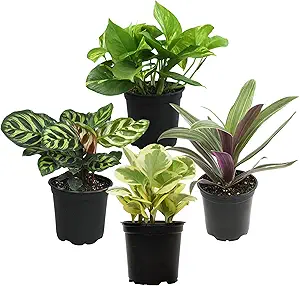 |
| Best Budget The cheapest option that still gets the job done reliably | THE NEXT GARDENER.COM Succulent Plants 4-Pack, Fully Rooted in 2" Pots |  |
| Highest Rated A top-rated pick with lots of positive feedback | LoLite 3‑Pack Haworthia, Gasteria & Cacti with Two‑Tone Ceramic Pots |  |
| Most Popular A crowd favorite that many people choose with confidence | Costa Farms Money Tree (Pachira aquatica) Live Indoor Plant in Decorative Pot |  |
| Best Seller A high-volume bestseller chosen again and again | Plants for Pets Pothos 4-Pack (4" Assorted) |  |
Altman Plants Snake Plant (Laurentii) in 4 in Grower Pot

| Indoor Outdoor Usage | Indoor, Outdoor |
|---|---|
| Other Special Features of the Product | Low Maintenance |
| Sunlight Exposure | Full Sun |
| USDA Hardiness Zone | 10, 11, 12 |
| Soil Type | Sandy Soil |
The Altman Plants Laurentii is a classic variegated snake plant that provides tall, architectural foliage with minimal fuss. Sold fully rooted in a 4-inch grower pot, it is grown to handle typical indoor conditions and is frequently used as a low-light office or home plant to add vertical structure and color. Notable features are its tolerance for a wide range of light levels, drought resilience, and simple watering needs — water only when the top few inches of soil dry out. Because it is hardy and low maintenance it works well on shelves, in corners, or near windows with indirect light and helps improve indoor air quality. Limitations are inherent to the small nursery pot size on arrival, which means you may want to repot within a few months for fuller growth, and it is listed for warm USDA zones if placed outdoors. Overall care is straightforward, making it a reliable pick for someone who wants a durable, low-effort plant.
Best for: Buyers who want a no-fuss, durable houseplant to brighten low-light rooms or busy environments without frequent care. Ideal for people seeking a reliable, easy-care plant that can be left to dry between waterings.
Less Ideal for: Gardeners wanting instant, large statement plants or those who need outdoor-hardy specimens for cooler climates should look elsewhere.
- Very low maintenance and drought tolerant, suitable for irregular watering
- Tolerates low, medium, and bright indirect light, versatile placement indoors
- Variegated leaves add height and visual interest to small spaces
- Arrives fully rooted in a grower pot so it can be displayed immediately
- Ships in a small grower pot which may require repotting for faster growth
- Not cold-hardy outside except in warm USDA zones listed
Verdict: A tough, variegated snake plant that delivers low-light tolerance and minimal care, perfect for practical buyers who want a dependable, low-effort indoor plant.
Altman Plants 20-Pack Live Succulent Assortment (2" Pots)

| Indoor Outdoor Usage | Indoor, Outdoor |
|---|---|
| Moisture Needs | Little To No Watering |
| Sunlight Exposure | Full Sun |
| USDA Hardiness Zone | 5 |
This 20-pack from Altman Plants delivers a varied selection of 2" succulents intended for starting container displays, terrariums, or gifting. Each pack contains ten paired varieties such as Echeveria, Crassula, Sedum and others, so you get color and texture variety without sourcing plants individually. The plants are grown to be drought tolerant and prefer bright light and sandy, well-draining media, which makes them easy to place in small pots or mixed container gardens. Practical benefits include low watering needs, year-round interest, and visibly healthy nursery-rooted stock suited to DIY arrangements. Limitations to note are the small nursery pot size, so plan to pot up into larger containers for long-term growth, and full sun preferences mean some indoor spots may require very bright light or supplemental light. For container projects these give a quick, coordinated start but expect to replant or group them for mature displays.
Best for: Buyers who want a reliable, low-maintenance way to start multiple container displays or DIY succulent projects and who value visible social proof that the mix performs well for other gardeners.
Less Ideal for: Gardeners seeking mature, display-size specimens or those who need plants for consistently low-light indoor spots should consider larger, sun-tolerant varieties or shade-adapted houseplants instead.
- Twenty individually potted succulents provide immediate variety for mixed container arrangements
- Pairs of ten different varieties make it easy to create balanced, symmetrical plantings
- Low watering needs and drought tolerance reduce maintenance for container growers
- Suitable for both indoor and outdoor container use when given bright light
- Plants come in 2" nursery pots and will need repotting for sustained growth
- Many varieties prefer full sun, which can limit bright indoor placement options
Verdict: A convenient, low-maintenance 20-pack that gets container succulent projects started quickly with a variety of ready-to-pot plants.
Plants for Pets Essential Houseplant Collection, 4‑Pack (4.25" Nursery Pots)

| Indoor Outdoor Usage | Indoor, Outdoor |
|---|---|
| Other Special Features of the Product | Air Purification, Compact, Low Maintenance |
| Sunlight Exposure | Partial Sun |
| Moisture Needs | Regular Watering |
This four-pack of assorted houseplants delivers a convenient starter set for low-light indoor spaces by shipping four healthy greenhouse-grown plants in 4.25" nursery pots. The assortment includes popular, easy-care genera such as Pothos, Philodendron, Peperomia, Calathea and similar foliage plants that tolerate indirect or lower light. Typical use is to place these on shelves, desks, or bathrooms with limited sunlight and follow simple care guidance: bright indirect to partial sun and water when the soil begins to dry. Notable features are the hand-selected stock from climate-controlled greenhouses, small nursery pots for easy placement, and emphasis on low maintenance and air purification. Practical benefits include variety in foliage types for quick visual impact, minimal initial upkeep for new plant owners, and plant choices that broadly tolerate lower light. Important limitations are the small pot size which means more frequent watering and earlier repotting for long-term growth, and the exact varieties are randomized so you cannot guarantee a specific species in each pack.
Best for: Buyers who want a practical, low-effort way to add greenery to dim rooms and prefer a ready-to-place assortment that requires minimal initial care.
Less Ideal for: Collectors who need specific species or mature specimens and gardeners who want plants already planted in decorative or larger containers.
- Includes four different, easy-care houseplants that tolerate indirect and lower light
- Shipped in small 4.25" nursery pots that are easy to place around the home
- Plants are greenhouse-grown and hand-selected for health and vibrant foliage
- Promoted as low-maintenance with general air purification benefits
- Small nursery pots limit long-term growth and require repotting sooner
- Assortment is randomized so you may not receive a specific desired variety
Verdict: A convenient, low-maintenance four-pack of small houseplants that makes it easy to add tolerant foliage to low-light indoor spaces.
THE NEXT GARDENER.COM Succulent Plants 4-Pack, Fully Rooted in 2" Pots

| Indoor Outdoor Usage | Indoor |
|---|---|
| Sunlight Exposure | Partial Sun |
| Soil Type | Sandy Soil |
| Moisture Needs | Moderate Watering |
| Unit Count | 4 Count |
This 4-pack of succulents arrives fully rooted in 2-inch grower pots and is aimed at buyers who want low-maintenance houseplants without a big investment. The plants are hand-packed from the seller's farm and shipped with well-draining potting mix, so you can pot them into decorative containers or keep them in the provided grower pots on a sunny windowsill. They need moderate watering only after the soil dries and prefer partial sun, making them suitable for kitchens, small apartments, and desktop displays. The pack includes common varieties that are resilient to occasional drought and are simple to propagate or re-pot when they outgrow the small pots. Limitations to expect are the small nursery pot size and limited selection control since varieties are grouped as common types, so buyers seeking specific cultivars or larger specimens should look elsewhere. For casual plant owners and gift buyers this pack provides an easy, low-cost way to start a succulent collection.
Best for: People looking to start a succulent collection on a tight budget or to add easy-care greenery to small indoor spaces without much maintenance fuss.
Less Ideal for: Collectors seeking rare or mature specimen plants or gardeners who want exact control over plant varieties and sizes.
- Four fully rooted plants included, ready to display or re-pot
- Low maintenance care with infrequent watering required
- Hand-packed and shipped with well-draining soil
- Small 2-inch pots make them easy to place in compact spaces
- Plants come in small nursery pots and will need re-potting as they grow
- Variety selection is generic so you may not receive specific cultivars
Verdict: An affordable, low-effort pack for beginners or shoppers who want small, easy succulents to brighten compact indoor spaces.
LoLite 3‑Pack Haworthia, Gasteria & Cacti with Two‑Tone Ceramic Pots

| Indoor Outdoor Usage | Indoor |
|---|---|
| Other Special Features of the Product | Drought Tolerant |
| Sunlight Exposure | Full Sun |
| Moisture Needs | Moderate Watering |
| Unit Count | 3 Count |
This LoLite set brings three small, live succulents—typically one cactus plus Haworthia and Gasteria varieties—prepotted in matching two‑tone ceramic planters for immediate indoor display. They are presented as a grower’s choice assortment about 4 to 6 inches tall that do well in bright, indirect light and tolerate lower light than many succulents. Use them as a grouped tabletop arrangement, a windowsill accent kept out of direct sun, or as easy gifts for new plant owners. Notable features include the decorative ceramic pots that remove the need to repot for presentation, drought tolerance that lets you water roughly every other week, and wide temperature tolerance for typical home conditions. Limitations are that the plants arrive as a mixed assortment so you cannot pick exact varieties, and the small prefilled pots mean you will need to repot if you want larger plants or different soil for long‑term growth. These are best for low‑maintenance indoor décor rather than collectors seeking specific rare varieties.
Best for: Buyers who want an easy, attractive indoor succulent trio for low‑maintenance decor or gift giving and prefer ready‑to‑display plants over source‑selecting specific varieties.
Less Ideal for: Collectors who need specific species or larger specimens, or gardeners who prefer to control potting mix and container size from the start.
- Three live, low‑light tolerant succulents included for an instant indoor display
- Comes in decorative two‑tone ceramic pots ready to gift or display
- Drought tolerant care means infrequent watering works well
- Sized for small spaces and easy to arrange as a trio
- Grower’s choice assortment means you cannot select exact species or appearance
- Small decorative pots limit long‑term growth without repotting
Verdict: A convenient, low‑maintenance three‑plant set that delivers attractive, ready‑to‑display succulents ideal for indoor decor and gifting.
Costa Farms Money Tree (Pachira aquatica) Live Indoor Plant in Decorative Pot

| Indoor Outdoor Usage | Indoor |
|---|---|
| Other Special Features of the Product | Air Purification, Low Maintenance, Pet Friendly |
| Sunlight Exposure | Partial Shade |
| Moisture Needs | Moderate Watering |
| Product Care Instructions | Bright, Indirect Light, Water Weekly |
The Costa Farms Money Tree is a beginner-friendly indoor tree grown and shipped ready to display in a decorative pot. It is typically used as a tabletop or small floor accent where bright, indirect light is available. Notable features include the signature braided trunk, pet-safe foliage, and packaging designed to protect the plant during transit. Practically, it offers easy care: water when the top 2 inches of soil feel dry and keep it in bright, filtered light, which makes it forgiving if you miss an occasional watering. The pre-potted presentation removes the immediate need to repot and gives an instant finished look for desks, entryways, or living rooms. Limitations to expect are that it prefers consistent indirect light and moderate moisture, so darker rooms or chronic overwatering will hamper growth, and the medium size is a tabletop rather than a large floor specimen. For buyers focused on easy success and decorative impact, this Money Tree balances aesthetics and low effort, though long-term growers may eventually want to repot for fuller development.
Best for: Buyers who want an attractive, low-effort houseplant that looks finished out of the box and is safe around pets, especially those who value straightforward care and reliable arrival. Ideal for people adding easy greenery to desks, shelves, or small living spaces.
Less Ideal for: Experienced collectors seeking a large specimen tree or anyone needing a plant that thrives in dim light should consider other options.
- Arrives pre-potted in a decorative planter for immediate display
- Pet-safe, non-toxic foliage suitable for households with cats and dogs
- Forgiving care needs that tolerate occasional missed waterings
- Distinctive braided trunk adds architectural, designer appeal
- Not ideal for low-light rooms since it prefers bright, indirect light
- Medium/tabletop size may be too small for buyers seeking a large floor statement plant
Verdict: A stylish, pet-safe Money Tree that delivers easy, low-stress greenery already potted and ready to display.
Plants for Pets Pothos 4-Pack (4" Assorted)

| Indoor Outdoor Usage | Indoor |
|---|---|
| Other Special Features of the Product | Air Purification |
| Sunlight Exposure | Full Sun |
| Moisture Needs | Regular Watering |
| USDA Hardiness Zone | 3 |
This four-pack delivers beginner-friendly pothos varieties that suit low-light rooms and simple indoor care routines. Each plant comes rooted in a 4" nursery pot and the assortment rotates between familiar types such as Marble Queen, Golden, Neon, and Satin, so you get visual variety without extra effort. Pothos are typically grown in hanging planters, on shelves, or trained up a support; they prefer bright, indirect light but tolerate lower light levels that many apartments and offices have. The listing emphasizes air-purifying benefits and gives clear care guidance: allow the soil to dry between waterings and keep temperatures above about 60 F. Practical strengths are resilience, fast trailing growth for a lush look, and compatibility with common indoor spots like living rooms, kitchens, or bathrooms. Limitations are that you may receive different varieties than pictured and plants arrive in small 4" pots, so plan to repot sooner if you want bigger specimens or longer-term display without frequent watering.
Best for: Buyers who want low-maintenance greenery for indoor spaces and prefer reliable, easy-to-care-for plants that tolerate lower light and occasional neglect.
Less Ideal for: Growers seeking large, mature plants ready for instant statement displays or those who want guaranteed, specific rare varieties.
- Easy to grow and tolerant of low to bright indirect light
- Four different varieties provide visual variety in one purchase
- Ships in small nursery pots that establish quickly and are ready for hanging or shelving displays
- Listed care guidance is straightforward for first-time plant owners
- Arrives in 4" pots so plants may need repotting soon for faster growth or long-term display
- Specific varieties are not guaranteed and assortment can vary
Verdict: A simple, low-maintenance way to add trailing, low-light-friendly pothos to your home with minimal fuss.
Choosing the Right Potted Plants for Beginners: Key Factors to Consider
Light Requirements
Light determines where a potted plant will thrive. Some beginner plants tolerate low or indirect light and will survive in north-facing rooms or shaded corners, while others need bright indirect light or a sunny windowsill to maintain compact growth.
Assess the natural light in the spot where you plan to keep the plant for several hours during the day. If light is limited, choose species known for shade tolerance and expect slower growth. In brighter locations, pick plants that avoid sun-scorched leaves or overly rapid stretching.
Watering Tolerance
Different indoor plants have very different water needs and tolerances for lapses. Watering tolerance covers how widely a plant survives fluctuations in soil moisture and how quickly it shows stress from under- or overwatering.
Beginners benefit from plants that recover from a missed watering and that do not quickly rot in moist conditions. Look for species with moderate water demands and clear visual cues-wilting or leaf yellowing-that tell you when to adjust care.
Potting Mix And Drainage Needs
Soil and drainage shape root health. A free-draining potting mix prevents water from pooling around roots and reduces rot risk, while denser mixes retain more moisture and can suit moisture-loving species.
Consider the plant's native habitat when selecting a mix. Cacti and succulents need gritty mixes, while tropical foliage often prefers aerated, moisture-retentive blends. Always use a pot with drainage holes or add an internal layer that encourages excess water to escape.
Growth Rate And Mature Size
How fast a plant grows and how large it becomes affects pot choice and long-term maintenance. Rapid growers may need frequent repotting or pruning; slow growers remain compact and suit small spaces.
Estimate mature size before buying to avoid rehoming later. For beginners, slower-to-moderate growers are easier to manage and less likely to outgrow their space quickly.
Pest Susceptibility
Pests like spider mites, scale, and mealybugs can appear on indoor plants and are easier to manage if caught early. Some species attract fewer pests because of leaf texture, sap composition, or slower growth.
Select plants with a track record of low pest pressure or with visible leaf surfaces that make early detection simple. Regularly inspect new plants and quarantine them briefly to prevent infestations from spreading.
Ease Of Propagation
Plants that root easily from cuttings let beginners expand a collection or replace damaged specimens without buying new stock. Propagation also teaches basic skills like selecting healthy stems and rooting techniques.
Choose plants that propagate from stem cuttings, division, or leaf cuttings with high success rates. That way, you can practice propagation in low-stakes situations and quickly recover from pruning mistakes.
Matching Plants To Light Levels
Map your home by light: bright indirect, moderate, or low. Bright indirect works for most popular houseplants and supports steady growth without leaf scorch. Moderate and low-light tolerant species are better for bedrooms, bathrooms with small windows, or apartments with limited sun.
Place plants requiring brighter conditions within a few feet of east- or west-facing windows. For lower light, choose plants with darker, thicker leaves that can photosynthesize efficiently with less intensity.
- Bright indirect: near east or west windows, filtered sun
- Moderate: a few feet from a window or well-lit room
- Low: interior rooms or north-facing windows
Watering Routines That Work
Create a simple, repeatable watering routine rather than guessing day-to-day. For most beginner potted plants, water when the top inch of soil feels dry and let excess drain away. Use your finger or a moisture meter to check the root zone before irrigating.
Adjust frequency seasonally. Plants grow faster in spring and summer and may need more water. In colder months, reduce watering and check soil more often for lingering moisture to prevent root rot.
- Check soil moisture before watering
- Water thoroughly, then allow excess to drain
- Reduce frequency during cooler, lower-light months
Pot Size, Repotting, And Root Health
Choose pots just one size larger than the current root ball. Oversized pots hold excess water and increase rot risk. Use breathable materials when possible and ensure drainage holes are present.
Repot when roots circle the pot or push up drainage holes, typically every 12 to 24 months for fast growers. When repotting, refresh the potting mix and trim any damaged roots to encourage new growth.
- Use a pot only slightly larger than the root ball
- Prefer pots with drainage holes
- Refresh soil at repotting to maintain nutrient and drainage balance
Handling Common Indoor Problems
Yellowing leaves can mean overwatering or nutrient deficiency. Wilting usually indicates underwatering but can also follow root rot. Brown tips often point to low humidity or inconsistent watering.
Address pests with prompt isolation and gentle cleaning. Wiping leaves, using insecticidal soap, or removing affected growth often solves early infestations. Keep a quarantine area for new plants until you are sure they are healthy.
- Inspect new plants for pests before adding them to a collection
- Diagnose leaf symptoms by comparing watering habits and light exposure
- Treat common pests early with physical removal and gentle sprays
Styling And Placement For Small Spaces
Think vertically when floor space is limited. Use shelves, hanging baskets, or wall-mounted planters to add greenery without crowding. Pick compact varieties that can tolerate slightly lower light if placed farther from windows.
Group plants with similar light and watering needs to simplify care and create a cohesive display. Mixing textures and leaf colors adds interest while keeping maintenance predictable.
- Use hanging pots and shelves to maximize small spaces
- Group plants by light and water needs for easier care
- Choose compact cultivars for tabletops and shelves
How We Chose the Best Potted Plants for Beginners
We prioritized plants that succeed under common beginner conditions: limited or indirect light, inconsistent watering, and standard indoor temperatures. Selection emphasized species with documented resilience to missed waterings, straightforward pruning or propagation, and low pest susceptibility. We also favored plants that show clear visual health cues so new growers can learn from leaf color, new growth, or droop patterns. Key evaluation criteria were light tolerance, watering forgiveness, ease of propagation or recovery, growth rate and size control, and pest and disease resistance. We excluded species that require specialized humidity, strict temperature ranges, or advanced pruning and grafting techniques. Plants needing constant high light, daily misting, or precise fertilizing schedules were filtered out because they are ill-suited to most beginner environments. The final list balances aesthetic variety, differing growth habits, and practical care differences so beginners can pick a plant that matches their available light and commitment level. These are the plants we would confidently recommend to someone starting indoor gardening.
FAQ
How often should a beginner water indoor potted plants?
Frequency depends on species and conditions, but a common approach is to check the top inch of soil and water when it feels dry. Most beginner houseplants need less water in cooler, lower-light months and more during active spring and summer growth.
Can I keep potted plants in low-light rooms?
Yes, some species adapt to low light and will perform adequately in bedrooms or interior rooms. Expect slower growth and choose plants with darker, thicker leaves that are efficient at capturing light.
What are easy signs of overwatering versus underwatering?
Overwatering often shows as yellowing leaves, soft stems, or a musty soil smell. Underwatering usually causes wilting, dry leaf edges, and brittle soil. Checking the root zone and soil moisture helps distinguish the two.
Should beginners fertilize indoor potted plants?
Fertilize lightly during the growing season using a balanced houseplant fertilizer according to label guidance. Many beginners do fine with a diluted feeding every 4 to 8 weeks in spring and summer and little to no fertilizer in fall and winter.
How do I prevent pests on newly purchased plants?
Quarantine new plants for a week or two and inspect them closely for signs of pests. Wipe leaves, remove any loose soil, and avoid placing new plants directly next to established specimens until you are confident they are pest-free.
Is humidity important for beginner houseplants?
Humidity matters for some tropical species, but many beginner-friendly plants tolerate average indoor humidity. If leaves brown at the tips, consider increasing humidity by grouping plants, using a tray of water with pebbles, or using a small humidifier for sensitive species.
Final Verdict
Pick a beginner potted plant based on the light you actually have, how much time you want to spend watering, and whether you prefer fast visual results or slow, steady growth. Prioritize light tolerance and watering forgiveness first, then consider size and propagation potential. A small, resilient plant that fits your space will teach core care habits with minimal frustration. Start simple, observe how your plant responds, and adjust care gradually to build confidence as you expand your indoor garden.
