

Note: This article contains affiliate links. If you click on these links and make a purchase, I may earn a small commission at no extra cost to you. This helps support my research and content. Read my full affiliate disclosure here.
If you grow rhododendrons, azaleas, blueberries, or other acid-loving plants, the wrong compost can leave leaves yellowed and blooms sparse. Choosing compost formulated for acid-loving plants matters because it affects soil pH, nutrient availability, and microbial activity in the root zone. This guide profiles six shortlisted composts suited to acid-preferring gardens, explaining why each type made the list and which garden situations they match best. We evaluated pH stability, organic matter content, and how each mix interacts with common garden soils to help you pick the right amendment for beds, containers, or raised planters.
Top Picks at a Glance
| Best Overall The best all-around choice for most situations | Premium Azalea Bonsai Soil Mix with Japanese Kanuma and Mycorrhizae (2.5 qt) |  |
| Best Quality Built to a higher standard if you want something more solid | Coast of Maine Organic Planting Soil for Acid-Loving Plants (20 Qt, 4 Pack) |  |
| Best Value The sweet spot between price and what you get | My Garden Pool Coast of Maine AL3500 Acid-Loving Planting Soil, 20 qt (with soil test strips and gloves) |  |
| Best Budget The cheapest option that still gets the job done reliably | Perfect Plants Blueberry Soil Mix, 4 qt — Acidic Potting Mix for Berries |  |
| Highest Rated A top-rated pick with lots of positive feedback | Coast of Maine Acid-Loving Planting Soil, 20 qt |  |
| Most Popular A crowd favorite that many people choose with confidence | Soil Sunrise Acid-Loving Potting Soil Mix (12 Quarts) |  |
Premium Azalea Bonsai Soil Mix with Japanese Kanuma and Mycorrhizae (2.5 qt)
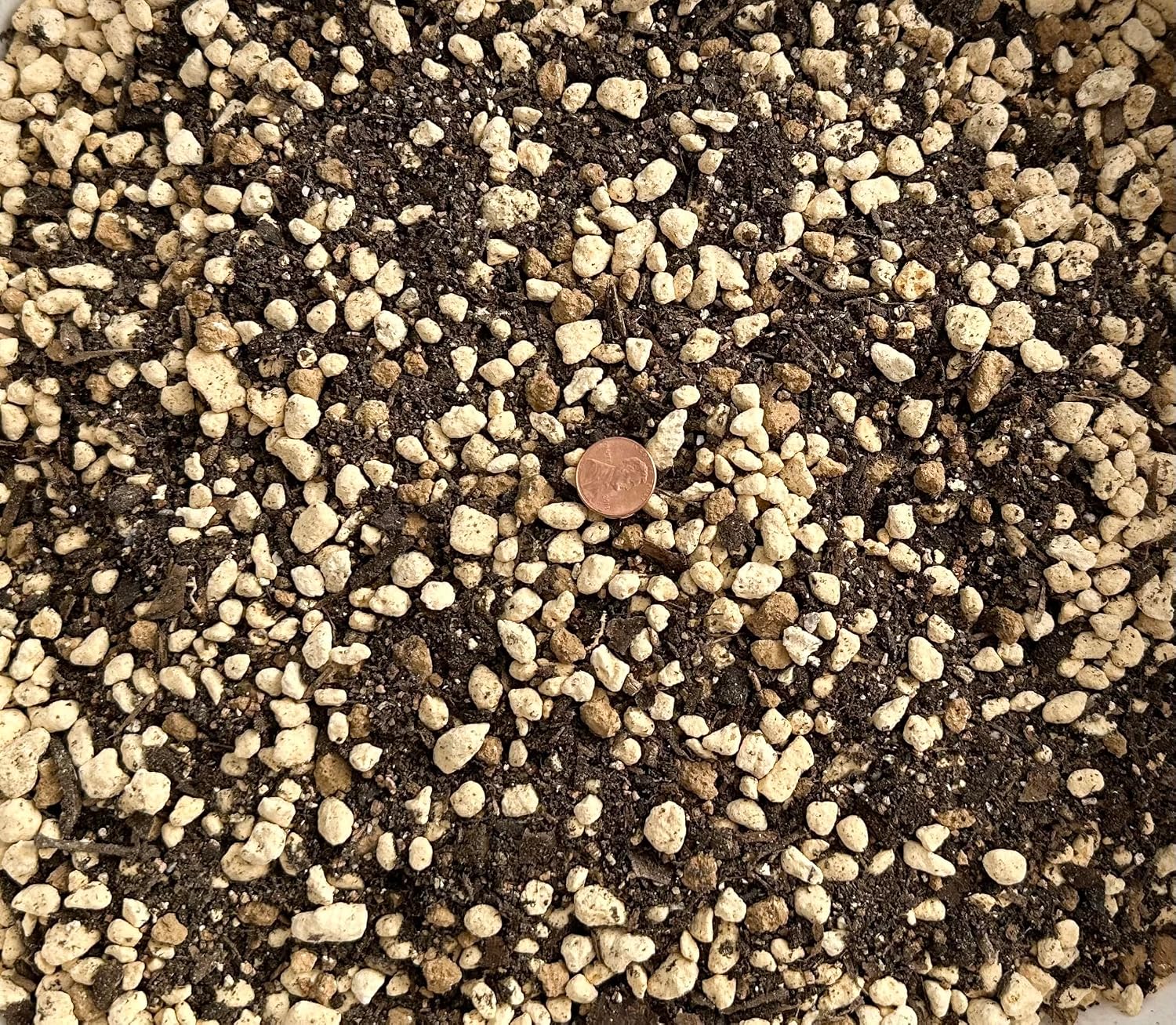
| pH | 5.4 – 5.6 |
|---|---|
| Volume | 2.5 Quarts |
| Grain size | Medium (6–10 mm) |
This 2.5 quart premium azalea bonsai soil is a ready-to-use acidic mix designed for container-grown acid-loving plants. It combines Japanese Kanuma with composted fir bark, oak leaf mold and added mycorrhizae to create a medium-grain, well-draining substrate with a measured pH of about 5.4 to 5.6. Typical uses include repotting azaleas, rhododendrons, camellias and bonsai where you need an acidic, airy media that resists compaction and promotes root colonization by beneficial fungi. The medium particle size helps maintain oxygen around roots while organic components retain enough moisture between waterings. Because it is a specialist blend in a small 2.5 quart package, it is convenient for single pots, small bonsai, or for topping and amendment rather than large-scale garden beds. Expect to pay attention to supply quantities if you need to treat many plants, and supplement nutrients over time since the mix focuses on structure and acidity rather than long-term fertilization.
Best for: Buyers who want a dependable, specialty acidic soil for repotting azaleas, camellias or bonsai and who prioritize consistent pH and root-friendly structure for small containers.
Less Ideal for: People needing bulk soil for garden beds or large numbers of plants should choose larger volume products or mix this as an amendment rather than the sole media.
- Formulated for acid-loving plants with Kanuma and oak leaf mold to maintain low pH
- Includes mycorrhizae to support root health and nutrient uptake
- Medium-grain texture provides good drainage and aeration
- Ready-mixed and convenient for repotting small plants or bonsai
- Small 2.5 quart volume limits use to single pots or as an amendment for multiple plants
- Does not list any preloaded fertilizer so regular feeding may be required
Verdict: A reliable, ready-made acidic bonsai and azalea mix that delivers the right pH and root-friendly structure for small container-grown acid-loving plants.
Coast of Maine Organic Planting Soil for Acid-Loving Plants (20 Qt, 4 Pack)

| Unit Count | 20 Ounce |
|---|---|
| Volume | 20 quarts |
| Style Name | 4 Pack |
| OMRI Listed | Yes |
This Coast of Maine planting soil is an organic, low-pH blend designed for azaleas, rhododendrons, blueberries and other acid-loving plants. It arrives ready to use and is typically worked into planting holes, mixed into existing beds, or used to top-dress containers to lower pH and improve structure. Notable features include a mix of composted manure, sphagnum peat moss and marine-derived amendments that supply slow-release nutrients and encourage soil life. In practice the soil offers lighter texture than heavy native loam, so it improves root penetration and drainage while retaining enough moisture for sensitive shrubs and berries. Because it is OMRI-associated and made from natural inputs it supports longer-term soil biology rather than quick-release chemical feeding. Important limitations are that pH and nutrient specifics are not listed on the product page so you may still want to test your soil and supplement with targeted fertilizers or sulfur to reach exact blueberry preferences, and the bags are bulky to handle when wet. For gardeners focused on plant performance, it is a practical organic base for establishing or rejuvenating blueberry planting sites when combined with soil testing and a tailored feeding plan.
Best for: Gardeners who prioritize plant performance and sustainable inputs and want an organic, low-pH base to establish or improve blueberry beds.
Less Ideal for: Those who need precise, lab-verified pH or NPK values out of the bag or who prefer lightweight, pre-amended container mixes formulated for immediate fruiting without additional testing.
- Formulated for acid-loving plants so it supports blueberries and similar shrubs
- OMRI-listed organic ingredients that build soil biology over time
- Balanced texture that improves drainage while retaining moisture
- Contains composted manure and marine amendments for slow-release nutrients
- No explicit pH or guaranteed nutrient analysis provided on the product detail
- Bags are heavy and awkward to move when saturated
Verdict: A performance-focused organic planting soil that gives blueberry plantings a low-pH, biologically rich foundation for stronger roots and better long-term growth.
My Garden Pool Coast of Maine AL3500 Acid-Loving Planting Soil, 20 qt (with soil test strips and gloves)

| Brand Name | My Garden Pool |
|---|---|
| Style Name | moisture-retaining, nutrient-rich |
| Volume | 640 fluid ounces |
This ready-to-use planting soil is blended for acid-loving shrubs and flowering plants, combining compost and organic material to improve texture, nutrient availability, and water retention. You use it as a planting mix or topdress around azaleas, rhodies, and hydrangeas to keep root-zone pH in the preferred acidic range and to give young plants an easier start. Notable features include a moisture-retaining formula and the included 7-in-1 soil test strips and gardening gloves, which help you verify soil conditions and handle planting without extra purchases. In practice the blend should reduce the need for frequent watering and routine amendments compared with generic garden soils, and the organic matter supports healthier root growth over time. Limitations are that specific pH or nutrient percentages are not listed on the packaging and the volume suits small beds, containers, or targeted amendments rather than wholesale soil replacement for large areas.
Best for: Buyers who want a ready-made, low-fuss soil mix to maintain acidic conditions for ericaceous shrubs and container plantings and who value convenience tools for quick soil checks.
Less Ideal for: Gardeners replacing soil across large beds or landscaping wide areas should consider bulk soil or amendments sold by the yard instead.
- Formulated specifically for acid-loving plants like azaleas and rhododendrons
- Contains compost and organic material to improve soil texture and root development
- Designed to retain moisture, reducing watering frequency for potted plants and small beds
- Includes 7-in-1 soil test strips and gloves for quick on-site pH checks and planting
- Does not list exact pH range or nutrient analysis on the product page
- Packaged volume is intended for targeted use rather than amending large garden areas
Verdict: A convenient, pre-mixed acidic planting soil with organic matter and included soil test strips that makes establishing and maintaining azaleas, rhododendrons, and hydrangeas easier.
Perfect Plants Blueberry Soil Mix, 4 qt — Acidic Potting Mix for Berries

| Unit count | 128 Ounce |
|---|---|
| Item type | Blueberry Soil Mix 4qt |
| Fertilizer | 18-6-8 slow release |
| Style | Acidic, Fast Draining, and Nutrient retaining soil |
This 4 quart blueberry soil from Perfect Plants is a purpose-built potting mix for container or small-bed blueberry culture. The blend centers on peat moss to naturally lower pH, with composted pine bark and granite sand for medium drainage and good aeration. It also contains an 18-6-8 slow-release fertilizer intended to supply nutrients for up to 12 months, which reduces the need for frequent feeding early in the season. The resealable heavy-duty bag makes it convenient to store between uses for small home gardens. Practical benefits include an acidified, well-draining medium that suits rabbiteye and highbush varieties and saves time by combining amendment and fertilizer in one product. Important limitations are the small 4 quart volume, which means multiple bags are required for larger containers or beds, and the peat-based formula, which some gardeners avoid for sustainability reasons. For gardeners who prefer to fine-tune pH or nutrient schedules, this premixed approach may require adjustment or supplementing over time.
Best for: Home gardeners who want a ready-made, low-maintenance potting mix for blueberry containers or small beds and prefer a product that combines pH adjustment with long-lasting feed.
Less Ideal for: Large-scale plantings or growers who want to customize soil components and feeding schedules should consider bulk amendments or building their own mix.
- Peat moss naturally lowers pH, suitable for acid-loving blueberries
- Includes composted pine bark and granite sand for improved drainage and aeration
- 18-6-8 slow-release fertilizer that claims up to 12 months of feeding
- Resealable heavy-duty bag convenient for storage between uses
- Small 4 quart volume may require multiple bags for pots or beds
- Peat-based formula may be a concern for gardeners avoiding peat on environmental grounds
Verdict: A convenient, ready-to-use acidic potting mix that simplifies growing blueberries in containers or small beds by combining peat-based pH adjustment with a 12-month slow-release fertilizer.
Coast of Maine Acid-Loving Planting Soil, 20 qt

| Volume | 20 quarts |
|---|---|
| Style Name | Peat Moss, Compost, Aged Bark |
| OMRI Listed | Yes |
This Coast of Maine planting soil is formulated for acid-loving plants and works well as a potting/top-up mix for potted hydrangeas. The blend of sphagnum peat moss, composted manure, and aged bark produces a naturally lower pH and a loose texture that helps roots access nutrients while retaining enough moisture to keep hydrangeas hydrated between waterings. It is OMRI listed and uses organic amendments, so it supports living soil biology rather than relying on synthetic additives. In practice the 20 qt bag is lightweight and easy to work with for container fills or refreshing the top few inches of potting media. Expect better foliage color and bloom performance in plants that prefer acid conditions, and follow the brand guidance to mix with existing soil for planting holes or reapply annually. Limitations are the modest bag volume for larger containers and the peat-based formula, which some gardeners avoid for sustainability reasons, so it is best for routine potting tasks rather than large-scale bed renovation.
Best for: Gardeners who want an off-the-shelf organic potting/top-up mix that creates acidic, nutrient-accessible conditions for potted hydrangeas and similar acid-loving plants.
Less Ideal for: Growers who need bulk soil for large containers or beds or who prefer peat-free formulations should consider other options.
- Formulated with a naturally low pH specifically for acid-loving plants like hydrangeas
- Blend of peat moss, composted manure, and aged bark improves moisture retention, drainage, and aeration
- OMRI listed organic ingredients that support soil biology
- Lightweight 20 qt bag is easy to handle for container gardening and top dressing
- 20 qt bag provides limited volume for large pots or multiple containers
- Contains peat moss, which some gardeners avoid for environmental reasons
Verdict: A ready-to-use organic planting soil that simplifies potting and top-dressing for hydrangeas by providing a naturally acidic, moisture-balanced medium.
Soil Sunrise Acid-Loving Potting Soil Mix (12 Quarts)

| Volume | 12 quarts |
|---|---|
| Ingredients | Peat moss, vermiculite, pine bark, pine needles, sphagnum moss |
| Brand Name | Soil Sunrise |
This 12-quart Soil Sunrise mix is built specifically for acid-loving container plants and combines peat moss, sphagnum, pine bark, pine needle mulch and vermiculite to deliver a consistently acidic, well-aerated medium. In practice it is easiest used for repotting azaleas, rhododendrons and blueberries or filling decorative containers where maintaining lower pH and steady moisture retention matter. The peat and sphagnum hold water and nutrients between waterings while pine bark and vermiculite keep the mix loose so roots do not suffocate. Because it is hand-blended in small batches with natural components, the texture and pH are tailored for long-term health rather than quick-release feeding. Expect improved root development and fewer problems with compaction compared with standard all-purpose mixes. Limitations are the modest bag size for larger shrubs and that it does not include fertilizer, so feeding is still required for fruiting or heavy bloom cycles.
Best for: Gardeners seeking reliable performance for container-grown acid-loving plants who prioritize consistent pH and healthy root environments over convenience blends.
Less Ideal for: Large-scale plantings or gardeners who want an all-in-one fertilized mix for immediate heavy bloom or fruit production.
- pH-balanced blend formulated for acid-loving species
- Peat moss and sphagnum retain moisture and nutrients between waterings
- Pine bark and vermiculite improve drainage and prevent compaction
- Hand-blended small-batch mix made from natural ingredients
- No added fertilizer, so plants will need separate feeding for fruiting or heavy blooms
- 12-quart bag is small for large containers or multiple shrubs
Verdict: Choose this mix when you need a purpose-built, pH-balanced potting medium that promotes strong roots and moisture management for acid-loving container plants.
Choosing the Right Compost for Acid Loving Plants: Key Factors to Consider
pH Balance
Acid-loving plants thrive in a lower soil pH, often between about 4.5 and 6.0 depending on species. Compost that trends acidic or at least does not raise pH is important because it preserves availability of iron, manganese, and other micronutrients these plants need. Over time some composts buffer soil toward neutral, so prefer materials with consistently acidic inputs like conifer needles, leaf mold, or sphagnum-based components.
When evaluating options, look for documented pH ranges or ingredient lists that indicate acidic feedstocks. If using compost in containers, remember pots hold pH more stably than ground beds, so starting pH matters more and should be matched to the plant's preference.
Organic Matter and Soil Biology
High organic matter improves soil structure, moisture retention, and nutrient-holding capacity while feeding soil microbes that help roots access nutrients. For acid-loving plants, the type of organic matter matters: partially decomposed leaf mold and woody composts release acids slowly and support the fungal-dominated soil ecology many ericaceous plants prefer.
Avoid overly rich green-waste composts that break down quickly and temporarily tie up nitrogen. Aim for a stable, humus-rich compost that improves long-term soil health rather than one that provides a short burst of fertility that could alter pH unpredictably.
Drainage and Structure
Many acid-loving shrubs need sharp drainage to prevent waterlogged roots. Compost that is too fine or heavy can retain excess water and increase disease risk. Look for mixes with a balanced particle size, incorporating coarse materials like shredded bark or fine grit to maintain aeration while holding enough moisture for steady root growth.
In-ground beds often tolerate richer, chunkier compost than containers. For pots and raised planters choose lighter blends that include components to improve porosity and reduce compaction over time.
Nutrient Balance and Release
Compost supplies a baseline of nutrients and a slow-release source of nitrogen, phosphorus, and potassium. For acid-loving plants, steady, moderate nutrient release is preferable to high soluble nitrogen that encourages soft growth and may increase susceptibility to pests. Composts including well-aged leaf mold or woody material tend to release nutrients slowly and support the slow-growing habit of many ericaceous species.
Also consider micronutrient content and whether the compost will supply or lock up nutrients in your native soil. If your soil test shows deficiencies, choose a compost that complements those needs without shifting pH upward.
Salt and Contaminant Levels
High soluble salts can damage sensitive roots, especially in containers where salts accumulate quickly. Compost for acid-loving plants should have low electrical conductivity and avoid inputs like manure or processed biosolids that can raise salt levels. Also be mindful of heavy metals or persistent herbicides in feedstock sources; these contaminants are rare in reputable composts but can harm long-lived shrubs.
When in doubt, seek quality assurances or test a small batch in a container before applying broadly. Low-salt, clean feedstocks protect roots and encourage steady establishment.
How Compost Changes Soil Chemistry
Compost affects soil chemistry through three main mechanisms: direct pH contribution from its feedstocks, buffering interactions with the existing soil, and biological activity from microbes that alter nutrient forms. Acid-forming materials such as pine needles or leaf mold add organic acids as they break down, while alkaline inputs like shell or lime shift pH upward.
In practice this means the same compost can behave differently depending on your native soil. Sandy, low-organic soils will show faster pH change from an acidic compost than heavy clay that buffers acidity. Test pH before and after amendment and adjust your application rate accordingly.
- Acidic feedstocks produce weak organic acids during decomposition.
- Soil buffering capacity determines how much compost changes pH.
- Microbial activity can release or immobilize nutrients, affecting availability.
Using Compost in Garden Beds
In established garden beds, integrate compost gently into the top 4 to 6 inches of soil to improve root zone conditions. For acid-loving shrubs, focus on creating a loose, humus-rich root environment rather than deep, heavy amendments that could change drainage.
Apply compost as a thin working-in amendment in spring or fall, and topdress annually with a light layer to replenish organic matter without overwhelming soil chemistry.
- Work no more than 20 to 30 percent compost into existing soil by volume.
- Topdress 1 to 2 inches annually to maintain organic levels and acidity.
Compost Choices for Containers and Planters
Containers concentrate root zones and any soluble salts or pH shifts, so choose a sterile, well-draining compost blend for acid-loving plants. A mix that includes coarse bark, perlite, or grit with an acidic organic base works well for blueberries and rhododendrons in pots.
Repotting every few years and flushing containers periodically helps prevent salt buildup and pH drift. Always pre-wet compost and check drainage before planting to ensure roots do not sit in saturated material.
- Use lighter, coarser blends in pots to maintain aeration.
- Flush containers with water seasonally to reduce salt accumulation.
Amending New Planting Holes
When planting acid-loving shrubs, avoid excessive backfilling with pure compost. Instead, create a slightly larger hole and backfill with a mix of native soil and compost at a ratio that preserves drainage and prevents a compost-only pocket around roots.
Aim for a blend that improves texture and nutrition while keeping the root ball's transition gradual to the surrounding soil. This reduces the risk of roots circling or failing to establish due to abrupt changes in moisture or pH.
- Mix up to 30 percent compost with native soil for backfill.
- Ensure the planting depth matches the original root collar to prevent crown rot.
Testing and Monitoring Soil Over Time
Regular soil testing is the most reliable way to track pH and nutrient trends after adding compost. Test pH in spring and fall, and monitor for signs like yellowing leaves that indicate iron deficiency from rising pH.
If tests show pH creeping upward, switch to more acidic feedstocks or add acidifying mulches. Conversely, if pH drops too low, a light application of lime can rebalance soil, but use this sparingly with acid-loving species to avoid negating compost benefits.
- Test soil pH annually to detect gradual shifts.
- Adjust compost type or mulch strategy based on test results.
How We Chose the Best Compost for Acid Loving Plants
We focused on attributes that actually change growing conditions for acid-loving plants. Primary filters included measured or typical pH range and buffering stability so the compost helps maintain the lower pH these plants prefer. We also assessed organic matter percentage and the type of organic inputs, since leaf mold, peat alternatives, and pine-based materials release acids differently and supply distinct nutrients. Physical structure and drainage were evaluated because acid-loving shrubs often need airy, well-drained soils to avoid root rot. Nutrient profile and slow-release nitrogen content mattered for steady growth without causing pH spikes. Finally, we checked for low lime/calcareous inputs and avoided composts with obvious alkaline additives. Excluded from the list were generic backyard composts with unknown feedstocks, mixes that contained crushed shell or lime, and any formula lacking clear pH or ingredient information. The selections reflect what gardeners can expect in a variety of conditions: beds amended with native soil, container mixes, and raised-planter blends. Our scoring emphasized pH behavior, organic content, structure, nutrient balance, and suitability for container versus in-ground use.
FAQ
Can I use regular garden compost for acid-loving plants?
Often regular compost is fine but it depends on its feedstocks. Composts dominated by grass clippings or green food waste tend to be more neutral and can slowly raise pH. For sensitive acid-loving species, choose a compost with acidic components or test and monitor pH after application.
How much compost should I add to planting holes for acid-loving shrubs?
A common approach is mixing up to 30 percent compost with native backfill by volume. This improves texture and nutrients without creating a compost-only pocket that alters drainage or pH abruptly.
How often should I reapply compost to maintain acidity?
Topdressing once a year with a thin layer of acidic compost or leaf mold is usually sufficient for maintaining organic matter and a slight acidifying effect. Monitor soil pH and adjust frequency based on test results rather than a fixed schedule.
Is peat the only option for lowering pH in the soil?
No. While sphagnum peat is acidic, there are alternatives such as well-aged leaf mold, pine bark, and composts made from coniferous materials. These can provide acidity and structure without relying solely on peat.
Will compost alone fix iron chlorosis in acid-loving plants?
Compost can improve iron availability when it lowers or maintains appropriate pH and boosts microbial activity, but severe iron chlorosis may need targeted treatments. If symptoms persist after amending with appropriate compost, test soil and consider foliar or chelated iron applications as directed.
Final Verdict
Choose compost for acid-loving plants by prioritizing pH behavior, organic matter type, and physical structure. Match the compost to where you will use it: lighter, coarse blends for containers and well-draining, humus-rich compost for beds. Monitor soil pH and adjust annually rather than relying on a single amendment. The right compost supports steady nutrient release, healthy root growth, and the acidic conditions these plants prefer. Focus on feedstock transparency and low-salt, well-structured mixes to make confident choices that help acid-loving plants thrive.
