

Note: This article contains affiliate links. If you click on these links and make a purchase, I may earn a small commission at no extra cost to you. This helps support my research and content. Read my full affiliate disclosure here.
Growing healthy African violets depends more on the potting medium than many growers expect. The right compost gives those shallow roots a light, well-aerated environment with consistent moisture and gentle nutrients so plants set abundant, compact blooms without crown rot or floppy leaves. This guide focuses on composts formulated for African violets and similar small, rosette-forming houseplants. We shortlisted seven top compost options that suit different growing styles and container setups. Each pick was evaluated on texture, moisture control, nutrient profile, and ease of use so you can match a compost to your routine and environment. Read on for the factors that matter and practical tips for using compost with African violets.
Top Picks at a Glance
| Best Overall The best all-around choice for most situations | Hoffman Organic African Violet Soil Mix, 4 Dry Quarts |  |
| Best Quality Built to a higher standard if you want something more solid | Sun Gro Horticulture Black Gold African Violet Mix (8 qt) |  |
| Best Value The sweet spot between price and what you get | Espoma Organic Premium Potting Mix for African Violets (4 qt) |  |
| Best Budget The cheapest option that still gets the job done reliably | Doter Organic African Violet Potting Mix (1 qt) |  |
| Highest Rated A top-rated pick with lots of positive feedback | Sun Gro African Violet Potting Mix, 2-Pack (8 qt total) |  |
| Most Popular A crowd favorite that many people choose with confidence | Midwest Hearth African Violet Potting Soil Mix (4 Dry Quarts) |  |
| Best Seller A high-volume bestseller chosen again and again | Back to the Roots Organic Indoor Potting Mix, 6 Quart |  |
Hoffman Organic African Violet Soil Mix, 4 Dry Quarts

| Unit Count | 148.94 Fluid Ounces |
|---|---|
| Item Type Name | Organic African Violet Soil Mix |
| Manufacturer | Hoffman |
| Volume | 4 quarts |
This Hoffman Organic African Violet Soil Mix is a ready-to-use potting medium made specifically for African violets and similar small houseplants. It combines sphagnum peat moss and vermiculite to provide light texture, good drainage, and moisture retention so roots stay aerated without becoming waterlogged. The mix is convenient for potting and repotting since no additional amendments are required, and the formulation is intended to promote longer blooming cycles. Practical benefits include easier watering control, reduced need to blend your own media, and a consistent, fine texture that suits small pots and shallow root systems. Important limitations are the small 4-quart volume, which means frequent repurchase if you pot many plants, and the peat-based formula may compact over time and require occasional fluffing or top dressing. Follow the safety note to avoid inhaling dust when handling the dry mix.
Best for: Buyers who want a no-fuss, purpose-made potting mix to keep African violets healthy and flowering without blending ingredients themselves.
Less Ideal for: Growers who need bulk quantities for many plants or who prefer peat-free, fully organic compost alternatives.
- Formulated specifically for African violets for compatible texture and moisture balance
- Ready to use with no mixing required, simplifying repotting
- Contains sphagnum peat moss and vermiculite for light, well-draining structure
- Small 4-quart volume may be insufficient for growers with many plants
- Peat-based mixes can compact over time and may need occasional refresh or aeration
Verdict: A convenient, violet-specific potting mix that simplifies potting and helps maintain the light, well-drained root environment African violets need.
Sun Gro Horticulture Black Gold African Violet Mix (8 qt)

| Unit Count | 296 Ounce |
|---|---|
| Item Type Name | Sun Gro Horticulture Black Gold African Violet Mix |
| Manufacturer | BFG Supply |
| Volume | 8 quarts |
This Black Gold African Violet Mix is a ready-to-use potting medium tailored to the needs of African violets and other small indoor flowering plants. The blend pairs sphagnum peat moss for moisture retention with perlite and volcanic pumice to improve drainage and aeration, while earthworm castings add gentle organic fertility. Dolomite lime helps stabilize pH so the soil stays within the neutral-to-slightly-acid range violets prefer. In practice the mix is easy to work with when repotting single plants or topping up small containers, and the 8 quart package is convenient to handle and store. Because it is a focused blend rather than a general-purpose potting soil, you get predictable moisture behavior and fewer adjustments compared with making your own mix. Limitations are that it is a small-volume retail bag and does not include slow-release fertilizer, so high-performing growers will likely supplement with liquid feed or controlled-release nutrition for heavier bloom cycles.
Best for: Growers who prioritize reliable, plant-specific performance and want a ready-made medium that gives consistent moisture and aeration for African violets.
Less Ideal for: Gardeners who need large volumes of soil for many plants or those who prefer a potting mix with pre-mixed long-term fertilizer included.
- Formulated specifically for African violets with peat-based moisture retention and added aeration
- Includes earthworm castings for mild organic nutrient support
- Dolomite lime included to help maintain an appropriate pH
- Light, airy texture from perlite and pumice helps prevent root rot in small pots
- No built-in slow-release fertilizer so regular feeding is required for maximum flowering
- Small 8 quart bag may be insufficient for multiple plants or frequent repots
Verdict: Choose this mix when you want a consistent, airy peat-based medium that supports healthy roots and reliable bloom performance in African violets.
Espoma Organic Premium Potting Mix for African Violets (4 qt)

| Brand | Espoma |
|---|---|
| Unit Count | 128 Ounce |
| Included Components | Espoma Organic Natural and Organic Premium Potting Soil Mix |
| Volume | 4 quarts |
This Espoma mix is designed specifically for African violets and other indoor flowering houseplants. It combines sphagnum peat moss, humus, perlite and yucca extract to create a light, well-draining medium that helps roots breathe and encourages blooming. Typical use is potting new violets or repotting plants into slightly larger containers; the blend is ready to use out of the bag with no need to amend for basic houseplant needs. Notable features include organic ingredients and a focus on aeration and moisture retention balance, which reduces the risk of root rot from overwatering while still holding enough moisture for frequent bloomers. Because it contains only natural components and no synthetic fertilizers, growers who prefer low-chemical or organic care will appreciate it. Limitations are the small 4 quart volume, which means multiple bags are needed for several plants, and it does not include a built-in fertilizer, so feeding on a regular schedule is still necessary for vigorous flowering over time.
Best for: A cautious indoor gardener who prefers organic, low-chemical products and wants a ready-made soil that supports healthy root aeration and reliable flowering in African violets and similar houseplants.
Less Ideal for: People who need large volumes of potting mix for many plants or who want an all-in-one mix with built-in long‑term fertilizer.
- Formulated specifically for African violets and indoor flowering houseplants
- Light, well-draining mix (peat moss and perlite) that reduces risk of waterlogged roots
- Uses organic, natural ingredients without synthetic plant foods
- Includes yucca extract to help wetting and even moisture distribution
- Small 4 quart bag limits coverage for multiple plants
- No added fertilizer so separate feeding is required for sustained bloom
Verdict: Choose this Espoma African violet mix when you want a small, organic, well‑draining potting medium that supports healthy flowering in indoor violets.
Doter Organic African Violet Potting Mix (1 qt)
| Brand Name | Doter |
|---|---|
| Item Type Name | Garden soil |
| Volume | 1 quarts |
| Item Weight | 224 g |
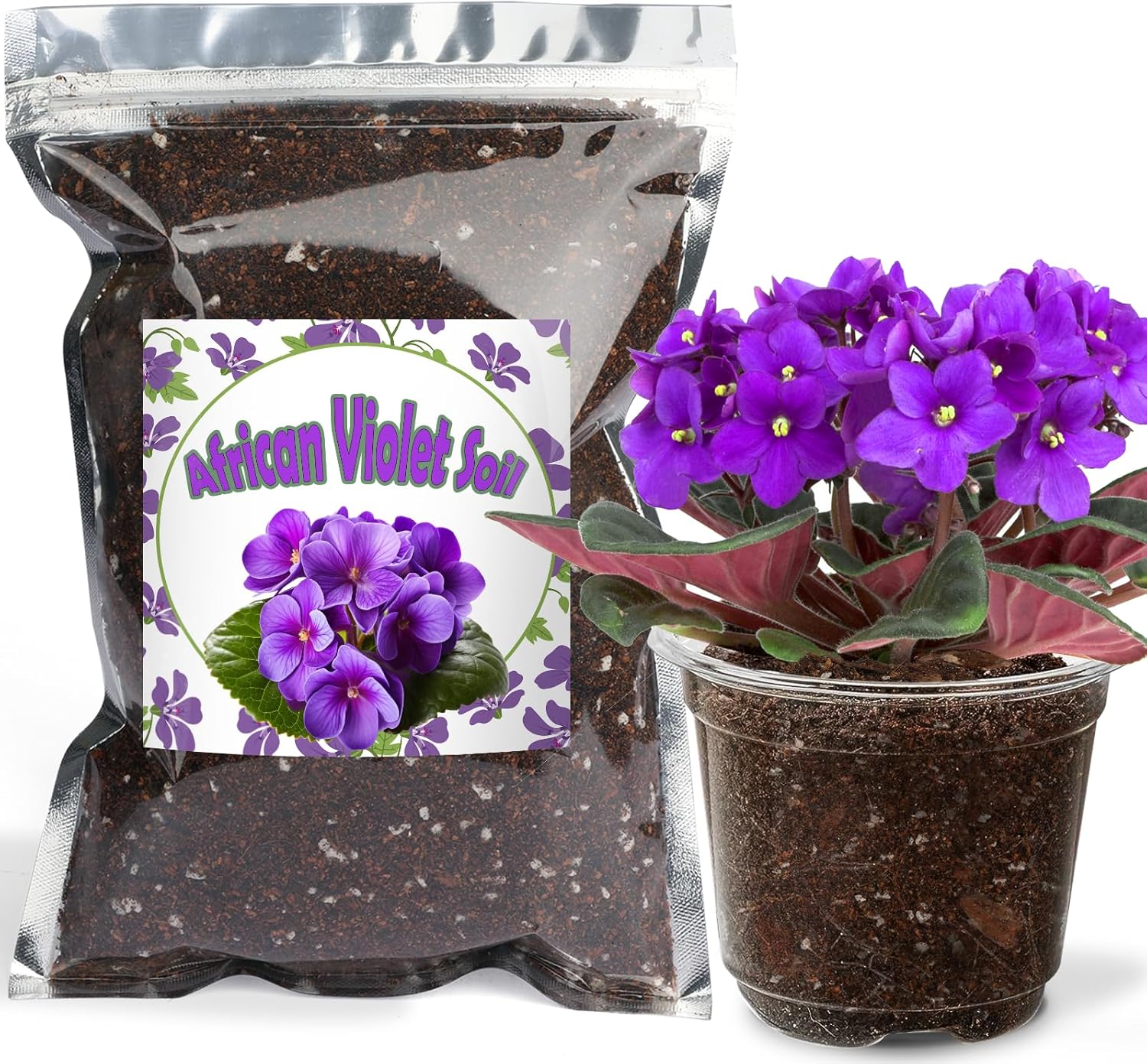
This 1 quart Doter potting mix is made specifically for African violets and similar small indoor plants. It combines peat moss, perlite, and bark to create a fine, airy medium that resists compaction and helps delicate roots get oxygen while holding enough moisture between waterings. The mix is described as slightly acidic and fortified with nutrients to support steady leaf growth and frequent flowering, so you can use it straight from the bag for repotting or topping up small pots. Practical benefits include easier watering control in shallow violet pots and reduced need to amend with extra perlite for drainage. Limitations are the small 1 quart volume, which means frequent repurchases if you maintain multiple plants, and the product guidance is general rather than giving specific feeding schedules or exact pH numbers. It is best used for routine repotting of single plants and as a ready blend for hobbyists who want a violet‑focused soil without custom mixing.
Best for: Plant owners who want an affordable, ready‑to‑use potting mix tailored to African violets and prefer not to mix their own media.
Less Ideal for: Enthusiasts who grow large collections, repot often, or need bulk soil for many plants should choose larger bags or prepare a custom mix.
- Formulated for African violets with a slightly acidic pH to improve nutrient uptake
- Fine, airy texture from peat moss, perlite, and bark that prevents compaction
- Fortified with nutrients to support flowering and foliage without immediate amendments
- Works straight from the bag for repotting small indoor pots
- Small 1 quart volume requires frequent repurchase for multiple plants
- No specific pH value or feeding schedule provided on product details
Verdict: A convenient, budget‑friendly 1 qt potting mix that gives African violets a light, nutrient‑ready medium for healthy foliage and more blooms.
Sun Gro African Violet Potting Mix, 2-Pack (8 qt total)

| Number of Packs | 2 |
|---|---|
| Unit Count | 2 Ounce |
| Style Name | Peat Moss,Potting |
| Volume | 8 quarts |
This Sun Gro African Violet Potting Mix is a peat moss blend designed specifically to support indoor African violets and other small flowering houseplants. The mix combines Canadian sphagnum peat moss with compost, perlite, and earthworm castings to improve drainage, aeration, and nutrient-holding capacity without added chemicals. Typical use is straightforward: replace or top-dress potting media in violet-sized containers or repot plants into the mix to encourage root development and fuller foliage. The inclusion of perlite helps prevent waterlogging while the organic components retain moisture between waterings, which reduces the chance of root rot when used with correct watering. It comes in two 8-quart bags, so you have enough for several pots. Important limitations are that the product is peat-based, so it will compress over time and may need periodic reworking or refreshment, and it does not include measured fertilizer so you will need to manage feeding separately. Also follow safety guidance to avoid contact with eyes and skin and keep away from pets and food.
Best for: Buyers who prioritize a reliable, ready-to-use potting medium tailored to African violets and want predictable drainage and moisture retention for indoor flowering plants.
Less Ideal for: Those seeking a soil with built-in, measured fertilization or a peat-free, sustainably sourced alternative should consider other mixes.
- Formulated specifically for African violets with a peat-perlite-compost blend
- Good drainage and aeration from perlite to reduce waterlogging
- Includes organic components like compost and earthworm castings to support root health
- Two 8-quart bags provide enough soil for multiple repots or several plants
- No built-in fertilizer or nutrient analysis provided so feeding schedule must be managed separately
- Peat-based mix can compress over time and may require refreshing or remixing
Verdict: A dependable peat-based potting mix made for African violets that delivers consistent drainage and root support for reliable indoor flowering results.
Midwest Hearth African Violet Potting Soil Mix (4 Dry Quarts)

| Brand Name | Midwest Hearth |
|---|---|
| Item Type Name | Potting Soil |
| Unit Count | 128 Ounce |
| Style Name | Peat Moss, Perlite, Vermiculite Potting Soil Mix |
| Volume | 4 quarts |
This ready-to-use mix is designed specifically for African violets and aims to supply the loose, well-drained but moisture-retentive medium those plants prefer. You use it straight from the bag for repotting or top-dressing without needing to amend; the combination of peat moss, perlite and vermiculite creates aeration to protect delicate roots while holding enough moisture to avoid rapid drying. The mix is pH-controlled to match African violet needs and is the same formulation the brand positions as professional grower quality. Practical benefits include reduced mixing time, consistent texture across pots, and a visible color/weight change that helps time watering. Limitations are the small 4-quart bag size for hobbyists with many plants and potential skin irritation for sensitive users when handling dry media. For growers who prefer to tailor their own blends, this premix leaves less room to adjust components or fertility.
Best for: Buyers who value an off-the-shelf, proven potting medium for African violets and want a consistent, low-effort mix that mimics professional grower formulas.
Less Ideal for: Growers who prefer to custom-blend soils, those managing large collections that need bulk bags, or users who want an already-fertilized/boosted mix.
- Formulated specifically for African violets with pH control
- Ready-to-use mix requires no additional amendments
- Peat moss, perlite and vermiculite balance aeration and moisture retention
- Consistent texture suitable for delicate, shallow rooting systems
- Small 4-quart bag may require frequent replenishing for multiple plants
- Dry mix can irritate sensitive skin if handled without protection
Verdict: Choose this ready-made, pH-balanced mix when you want a low-effort, professional-style soil that reliably supports African violet root health.
Back to the Roots Organic Indoor Potting Mix, 6 Quart

| Unit Count | 192 Fluid Ounces |
|---|---|
| Item Type Name | Indoor Potting Mix 6qt |
| Item Highlight | Peat-free, 100% organic, made in the USA |
| Ingredients | Coconut Coir, Yucca, Mycorrhizae, Perlite, Horticultural Sand |
This Back to the Roots indoor potting mix is a ready-to-use, 6-quart blend designed for common houseplants such as pothos, monstera and ferns. It combines coconut coir, yucca extract, mycorrhizae, perlite and horticultural sand to improve moisture retention, drainage and root development without peat. In practice it feels light and friable, so it is easy to pot seedlings or repot mature plants and it reduces compaction that can suffocate roots. The added mycorrhizae helps young roots establish and take up nutrients more efficiently while yucca extract helps the mix hold water between waterings, which is convenient for forgetful or busy plant owners. Because it is peat-free and made in the USA, it is a more sustainable choice versus traditional peat-based mixes. Limitations are the small 6-quart size, which means frequent repurchasing for larger collections, and the bag does not include fertilizer so you will need to feed plants separately as they grow.
Best for: Buyers who prioritize low-risk, easy-care houseplant solutions and want an organic, ready-to-use potting mix that reduces watering hassles and supports healthy root growth.
Less Ideal for: Not ideal for gardeners who need large-volume soil for many pots or for those expecting a mix that includes built-in fertilizer for long-term feeding.
- Peat-free organic formula that reduces environmental impact
- Yucca extract improves moisture retention between waterings
- Contains mycorrhizae to support root development and nutrient uptake
- Light, well-draining texture suitable for repotting seedlings and houseplants
- Small 6-quart volume may require frequent repurchasing for larger plant collections
- Does not include fertilizer so additional feeding is necessary
Verdict: A compact, peat-free potting mix that simplifies indoor plant care by holding moisture and boosting root establishment.
Choosing the Right Compost for African Violets: Key Factors to Consider
Particle Size and Mix Texture
African violets have a dense, shallow root system that needs a light, open medium. Particle size controls aeration, drainage, and how easily roots move through the compost. A mix with a balance of fine sphagnum, small bark chips, and perlite or vermiculite provides pockets of air while still supporting moisture for the tiny feeder roots.
Too fine a compost compacts around the crown and restricts oxygen, increasing the risk of rot. Too coarse a mix drains too fast and forces frequent watering, which stresses the plant and can reduce bloom count. Look for a texture described as light, fluffy, or airy and avoid mixes labeled only as general-purpose potting soil if you want consistent results.
Moisture Management and Drainage
Good compost for African violets holds enough water to support regular growth between waterings but releases excess quickly so the crown does not sit in water. Materials like sphagnum peat or coir retain moisture; perlite, small bark, or sand improve drainage. The right balance reduces the chances of root rot while letting you maintain a predictable watering schedule.
Consider your watering habits and local humidity. If you run a dry apartment, favor mixes with slightly higher water-holding components. If you tend to overwater, choose composts with more drainage amendments. Also check how the mix rehydrates when it dries out, because some mixes repel water after drying and require soaking to rewet.
Nutrient Balance and Release Rate
African violets do best with low to moderate baseline fertility and steady, slow nutrient release. Compost that is too rich can cause leggy growth and reduce blooming, while completely inert mixes require frequent feeding. Ideal compost provides a gentle nutrient backdrop, enabling routine light fertilizing without sudden nutrient spikes.
Look for mixes described as formulated for bloom houseplants or that include slow-release components in small amounts. Avoid composts with heavy garden compost or high concentrations of fresh manure. Understand the expected feeding cadence for the mix so you can plan a fertilizer schedule that keeps leaf color and flower production consistent.
pH and Mineral Stability
African violets prefer a slightly acidic to neutral medium. Compost that drifts toward alkaline or that has unstable pH with repeated watering can limit nutrient uptake, causing yellowing or poor blooms. Stable pH in the root zone supports steady growth and predictable fertilizer response.
Check whether a mix is labeled pH-adjusted or buffered for acid-loving houseplants. If your water is very hard, consider a compost with good buffering capacity or plan to use filtered or softened water when watering to avoid gradual pH rise and mineral buildup.
Disease Cleanliness and Sterility
Indoor plants are susceptible to soil-borne pests and pathogens that spread easily in pots. Compost that has been properly pasteurized or produced under hygienic conditions reduces the risk of introducing fungal pathogens, root nematodes, or weed seeds into your pots.
Avoid using homemade outdoor compost that may contain weed seeds or plant pathogens unless it has been heat-treated. For repotting, a clean commercial compost reduces the chance of damping-off or crown rot and makes it easier to maintain healthy, attractive plants.
Handling, Rewetting, and Longevity
How a compost behaves during potting and over time affects routine care. Some mixes compress with watering and need fluffing at repotting, while others maintain structure for longer. Rewetting behavior is important because dried-out mixes that repel water are inconvenient and stressful to plants when you try to revive them.
Choose a compost that rehydrates evenly without forming impermeable clods. Consider how often you repot and whether you prefer top-dressing. A longer-lasting structure means less frequent repotting and more consistent root health over the plant's active season.
Preparing Compost for Repotting Sessions
Repotting African violets is easiest when the compost is already the right texture and moisture. If a ready mix seems compacted, break it up with your fingers and add small amounts of perlite or fine bark to open the structure. Slightly moisten the compost before potting so it holds shape without being soggy.
Use a shallow pot with good drainage and handle the crown gently to avoid burying it too deeply. Fill the pot so the crown sits just above the compost line. Press lightly to eliminate large air pockets but keep the mix loose around the roots to encourage branching.
- Moisten mix until it holds shape but no water squeezes out.
- Gently tease old roots and remove dead material before repotting.
- Choose pots with drainage holes and avoid oversized containers.
Watering Practices With Specialized Compost
Compost suited to African violets changes how you water. Because these mixes balance retention and drainage, you can water from the top or use bottom watering to encourage even moisture without wetting the crown too frequently. Watch the top centimeter of mix; when it feels slightly dry, water until excess runs from the drain hole.
If using bottom watering, allow the pot to sit in water briefly then drain to avoid over-saturation. Regular light feedings paired with consistent moisture tend to produce the best bloom set with these composts.
- Top water when upper surface feels dry to the touch.
- Try bottom watering to keep crowns drier and reduce splash.
- Adjust frequency for season and indoor humidity.
Adjusting Fertility for Bloom and Leaf Health
Compost that supplies light baseline fertility lets you fine-tune blooms with supplemental feeding. Use a balanced, dilute houseplant fertilizer or one formulated for African violets at a reduced strength on a regular schedule. Watch for signs of over-fertilizing such as brown leaf edges or reduced flowering.
If the compost is largely inert, plan for a slightly more frequent feeding routine. If it contains slow-release nutrients, reduce supplemental applications accordingly. Keep fertilizer concentrations low and steady rather than occasional heavy doses to maintain compact, floriferous plants.
- Feed with low-strength fertilizer every 2 to 4 weeks during active growth.
- Reduce or pause feeding in winter when growth slows.
- Flush pots occasionally to prevent mineral buildup if using hard water.
Managing pH and Mineral Buildup
Over time, mineral salts from water and fertilizer collect in compost. Periodically leach pots with clear water to prevent salt buildup, which harms root function and leaf color. If your tap water is hard, consider using rainwater or filtered water to reduce mineral accumulation.
Test pH if leaf symptoms appear and adjust practices rather than relying on heavy amendments. Maintaining slightly acidic conditions and avoiding alkaline water helps keep nutrient availability steady for African violets.
- Leach pots with ample water every few months.
- Use softer water if available to reduce mineral deposits.
- Monitor leaf color for early signs of nutrient imbalance.
DIY Mix Ideas and Small-Batch Adjustments
You can customize commercial compost for African violets by adding controlled amounts of perlite, fine bark, or sphagnum moss to tweak aeration and moisture retention. Small-batch adjustments let you tune the mix to your watering habits and indoor climate.
When modifying a mix, change only one element at a time and observe plant response over several weeks. Keep notes on proportions so you can repeat a successful recipe.
- Add 5 to 15 percent perlite to increase drainage.
- Mix in a small amount of horticultural charcoal to improve aeration and reduce odors.
- Use coarse sphagnum to boost moisture retention in dry interiors.
How We Chose the Best Compost for African Violets
We selected composts that meet the real-world needs of African violet growers by applying practical, garden-focused filters. Key evaluation criteria included particle texture and aeration, because these plants have fine, shallow roots that need light, fluffy mixes to avoid compaction. We assessed moisture management, looking for composts that retain enough water between lightings but drain quickly to prevent crown and root rot. Nutrient profile and release rate were judged to ensure steady, low-concentration feeding suitable for frequent-light-feeding houseplants. We also considered pH stability and buffering since African violets prefer slightly acidic to neutral mixes that do not swing with repeated watering. Ease of handling and rewet characteristics matter for indoor growers who repot or top-dress regularly, so we favored mixes that rehydrate predictably without forming hard clumps. Exclusions: we excluded heavy garden compost, plain outdoor leaf mold, and mixes intended for large outdoor shrubs because they are too coarse or nutrient-dense for this use. The final list balances physical structure, moisture behavior, and gentle fertility – the dimensions gardeners actually notice when growing African violets.
FAQ
How often should I repot African violets into fresh compost?
Repotting every 12 to 18 months is common because fine roots and compost breakdown reduce aeration over time. If growth slows or the mix looks compacted, repot sooner. Repotting also gives a chance to refresh nutrients and inspect roots.
Can I use garden compost or outdoor leaf mold for African violets?
Garden compost and outdoor leaf mold are usually too heavy or inconsistent for African violets and may contain pests or weed seeds. They can also retain too much moisture and lack the airy structure these plants need. Use a purpose-formulated indoor compost or modify a mix with drainage amendments instead.
Should I moisten compost before potting African violets?
Yes. Slightly moistening the compost before potting ensures even settling and helps avoid dry pockets. The mix should hold shape when squeezed gently but not drip water. Avoid potting with a soggy medium to prevent crown rot.
Is peat-free compost suitable for African violets?
Peat-free mixes can work well if they provide similar water retention and aeration, such as blends with coir, fine bark, and perlite. Check that the texture remains light and that the mix rehydrates predictably. You may need to adjust watering frequency compared with peat-based options.
How can I tell if the compost is causing poor blooms?
Look for signs such as fewer flowers, pale or mottled leaves, or overly soft crowns. These can indicate nutrient imbalance, poor drainage, or compaction. Assess moisture management, fertilizing routine, and consider repotting into a lighter, better-draining mix if problems persist.
Final Verdict
Prioritize an airy, well-draining compost that still holds modest moisture and provides gentle nutrition when choosing a medium for African violets. Balance texture, water retention, and a stable pH to match your watering habits and indoor conditions. Small adjustments to mix components or feeding frequency let you tailor performance, so focus on predictable moisture behavior and low-concentration fertility for the best blooms and compact growth.
