

Note: This article contains affiliate links. If you click on these links and make a purchase, I may earn a small commission at no extra cost to you. This helps support my research and content. Read my full affiliate disclosure here.
Getting compost right for Alstroemeria makes a noticeable difference in root development, stem strength, and how long flower stems hold up in bouquets. Whether you grow Alstroemeria in beds, large containers, or patio planters, the right compost helps bulbs and crowns settle in, resist rot, and produce consistent blooms. This guide narrows the options to six strong compost choices suited for Alstroemeria growing situations. We focused on real garden outcomes like drainage, nutrient balance, and long-term soil structure so you can pick a mix that fits your soil, watering style, and potting needs. Read on to see the evaluation criteria and practical tips for using compost with Alstroemeria.
Top Picks at a Glance
| Best Quality Built to a higher standard if you want something more solid | Espoma Organic Land and Sea Gourmet Compost with Lobster & Crab Meal, 1 cu ft |  |
| Best Value The sweet spot between price and what you get | R&M Organics Cow Manure Compost Soil Amendment (10 lb) |  |
| Best Budget The cheapest option that still gets the job done reliably | Readi Soil 10 lb Organic Worm Castings and Peat Moss Blend |  |
| Highest Rated A top-rated pick with lots of positive feedback | Earth Science Premium Earthworm Castings, 3 lb |  |
| Most Popular A crowd favorite that many people choose with confidence | Brut Organic Worm Castings, 5 lb |  |
| Best Seller A high-volume bestseller chosen again and again | Back to the Roots Organic All-Purpose Compost Mix, 25.7 qt |  |
Espoma Organic Land and Sea Gourmet Compost with Lobster & Crab Meal, 1 cu ft

| Item Form | Granules |
|---|---|
| Specific Uses For Product | Soil Conditioning, Plant Growth, Seed Development, Root Development |
| Included Components | Lobster and crab meal |
| Ingredients | Aged forest products, sphagnum peat moss, humus, limestone, lobster meal & crab meal |
Espoma Organic Land and Sea is a premium, ready-to-use compost intended for amending garden beds, planters, and transplant holes. The mix combines aged forest products, sphagnum peat moss, humus, limestone for pH adjustment, and lobster and crab meal to deliver organic nutrients and slow-release nitrogen. It also includes a mycorrhizae blend to help root establishment and nutrient uptake. In practice this product is mixed into native soil when planting or used to refresh container mixes, and it noticeably improves moisture retention and soil texture while adding a food source for vegetables, flowers, trees, and shrubs. Because it is a finished compost you do not need to wait for further decomposition before planting. Limitations are typical of peat-containing mixes: it is somewhat bulky to handle and not a concentrated fertilizer for rapid greening, so heavy feeders may still need supplemental feedings during the season. Overall it is a convenient, performance-focused soil amendment for gardeners who want an organic, biologically active boost at planting time.
Best for: Gardeners who prioritize reliable, organic soil improvement at planting time and want a biologically active amendment that supports root development and steady plant performance.
Less Ideal for: Buyers seeking an instant, high-nitrogen fertilizer or those who strictly avoid peat-based products should consider alternatives.
- Finished, ready-to-use compost suitable for immediate planting
- Contains lobster and crab meal for slow-release organic nutrients
- Includes endo and ecto mycorrhizae to support root growth and nutrient uptake
- Improves soil texture and moisture retention for containers and beds
- Contains peat moss which some gardeners avoid for sustainability reasons
- Not formulated as a high-concentration fertilizer for rapid greening
Verdict: A ready-to-use organic compost that boosts soil biology and root performance at planting for gardeners focused on steady, long-term results.
R&M Organics Cow Manure Compost Soil Amendment (10 lb)

| Item Form | Solid |
|---|---|
| Specific Uses For Product | Organic |
| Application Method | Apply a thin layer around plants or mix into soil |
| Coverage | All-purpose |
| Target Species | fruits, vegetables, flowers, lawns, trees |
This 10 lb bag of R&M Organics compost is a straightforward, all-purpose soil amendment aimed at improving soil health in garden beds, containers, and raised beds. Made from cured cow manure and fully composted, it is low-odor and easy to work with — apply a thin quarter-inch layer around established plants or mix into planting soil at the recommended 5:1 ratio for new beds. The compost enhances moisture retention, aeration, and organic matter, which helps roots establish and reduces watering frequency. Its small bag size and modest weight make it convenient for small to medium projects and for gardeners who prefer incremental soil improvements. Because the product is pure compost rather than a balanced fertilizer, it is best used as a long-term soil builder rather than a quick nutrient fix; you may still need targeted fertilizers for heavy-feeding vegetables or to correct specific nutrient deficiencies. The simplicity and low odor make it a practical choice for backyard growers who want a reliable organic amendment without handling fresh manure or bulk deliveries.
Best for: Gardeners who prefer incremental, low-effort soil improvement for beds and containers and who prioritize organic, low-odor amendments for everyday maintenance.
Less Ideal for: Large-scale gardeners or landscapers who need bulk amendments or immediate corrective fertilizers for specific nutrient deficiencies should look for bulk compost or formulated plant foods.
- Fully composted cow manure reduces pathogens and minimizes odor compared with raw manure
- Improves soil structure and moisture retention for beds, containers, and raised beds
- Small 10 lb bag is easy to carry, store, and apply for small to medium gardens
- Versatile all-purpose amendment suitable for fruits, vegetables, flowers, lawns, and trees
- Not a formulated fertilizer so it may not supply immediately available nutrients for heavy feeders
- Bag size is small for larger beds or bulk soil rebuilding projects
Verdict: A convenient, low-odor organic compost that steadily improves soil structure and moisture retention for small to medium garden beds.
Readi Soil 10 lb Organic Worm Castings and Peat Moss Blend

| Brand Name | Readi Soil |
|---|---|
| Unit Count | 160 Ounce |
| Volume | 10 liters |
| OMRI Listed | Yes |
This Readi Soil blend pairs organic worm castings with peat moss to create a lightweight, moisture-retaining amendment aimed at container gardening and patio plantings. Typical use is mixing it into potting mixes or using it as a top dressing when repotting larger patio plants, hanging baskets, or balcony vegetables. The worm castings provide slow-release organic nutrients and beneficial microbes while the peat moss helps the mix hold water at the root zone so plants stay hydrated between waterings. The texture helps prevent compaction in pots, which supports root aeration for sensitive flowering plants. It is OMRI listed and presented as odorless and clean for indoor use, so handling is straightforward. Limitations are the modest 10 lb/10 liter volume, which means multiple bags are needed for larger garden beds, and peat moss is not a long-term carbon-stable solution compared with some alternatives. For Alstroemeria grown in containers, this product supplies gentle nutrients and improved moisture control, but growers needing large volumes or a peat-free option should consider other amendments.
Best for: Gardeners who grow Alstroemeria and other flowering plants in containers or on balconies and want an affordable, easy-to-use organic amendment to improve moisture control and root health.
Less Ideal for: People preparing large in-ground garden beds, those seeking peat-free organic amendments, or growers who need bulk volumes for landscape-scale projects.
- Blend of worm castings and peat moss improves moisture retention and reduces watering frequency
- Worm castings supply gentle, slow-release organic nutrients safe for sensitive flowers
- Texture reduces potting soil compaction and supports root aeration in containers
- OMRI listed and described as odorless and clean for indoor handling
- Small 10 lb/10 liter bag is not cost-effective for large beds or bulk use
- Contains peat moss, which some gardeners avoid for sustainability reasons
Verdict: A handy, budget-friendly organic amendment for container-grown Alstroemeria that improves moisture retention and root aeration.
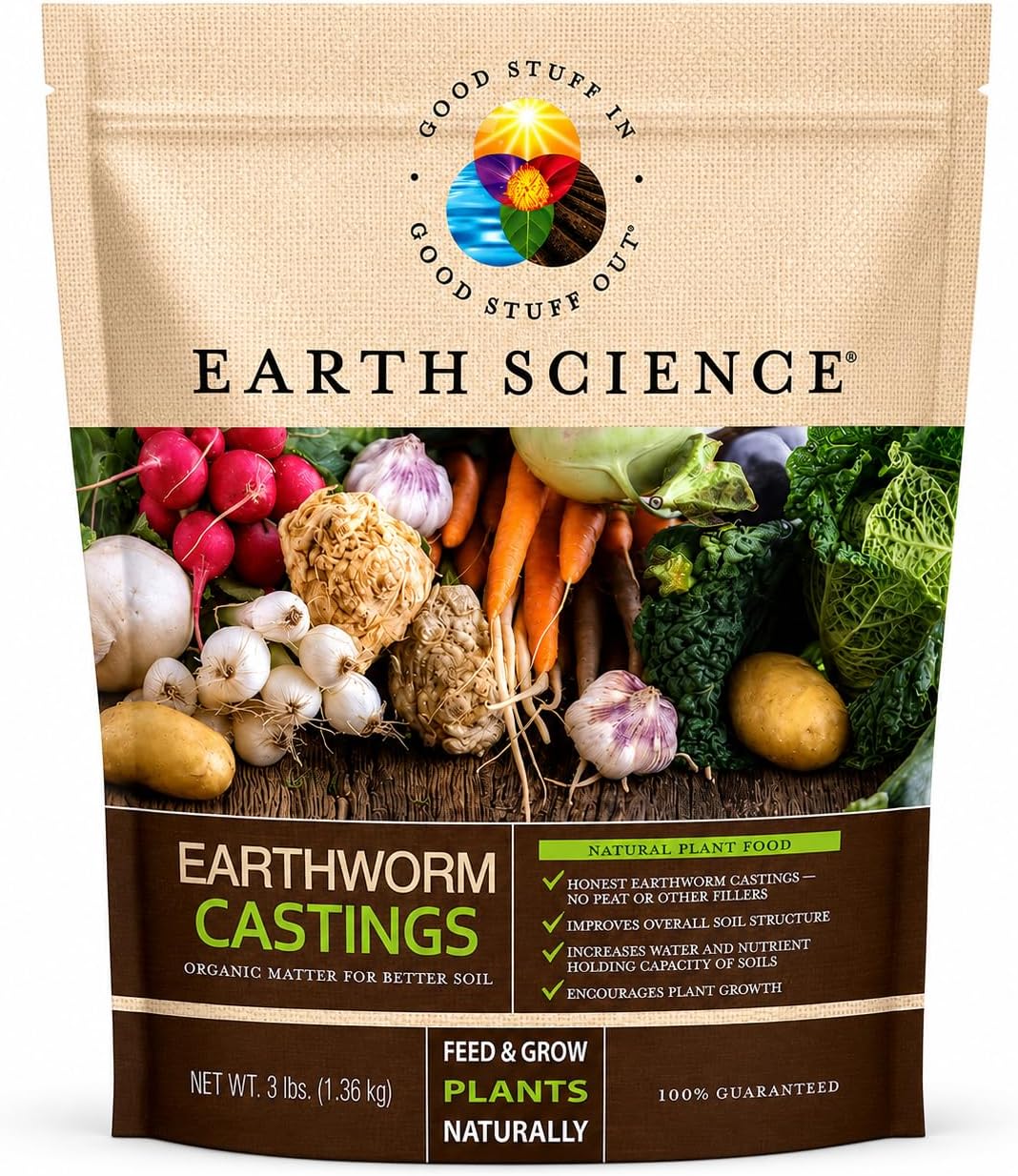
Earth Science Premium Earthworm Castings, 3 lb
| Item Form | Granules |
|---|---|
| Specific Uses For Product | Organic,Plant Food,Plant Growth |
| Coverage | Medium |
| Target Species | gardens, flower beds, fruits, trees, shrubs |
| Mixing Ratio | 1:4 |
Earth Science Premium Earthworm Castings are a pure vermicompost product intended to enrich garden and potting soils. Gardeners typically use it as a top dressing, mixed into potting mixes at about 1:4 castings to soil, or incorporated into garden beds at 1/4 to 1/2 inch and watered in; it can also be brewed as compost tea. The castings add organic matter that helps soil retain moisture, supports beneficial microbes, and can reduce compaction by improving aggregation. Practical benefits include a straightforward application for vegetables, flower beds, trees, and shrubs and the flexibility to use in pots, compost piles, or on lawns. The product is free of fillers and presented as a slow-release, natural fertilizer rather than a quick synthetic boost, so expect gradual improvements over weeks to months rather than immediate greening. Because this is a small, concentrated pouch, frequent reapplication during the growing season is recommended for larger beds or heavy-feeding crops.
Best for: Gardeners who prioritize dependable, natural soil improvement for organic vegetable beds and potted edibles and prefer steady, biology-driven results over quick chemical fixes.
Less Ideal for: Growers who need rapid, high-N fertilizer responses for a single fast-growing crop or who require large-volume amendments for extensive beds without frequent reapplication.
- 100% vermicompost with no peat or fillers
- Versatile uses: top dressing, potting mix amendment, compost tea, and compost layering
- Improves soil structure and water retention while feeding beneficial microbes
- Slow-acting nutrient release not suited for immediate greening or fast corrective feeding
Verdict: Use this pure earthworm castings product when you want a reliable, natural soil conditioner that builds long-term fertility for an organic vegetable garden.
Brut Organic Worm Castings, 5 lb

| Item Form | Granules |
|---|---|
| Specific Uses For Product | Gardening,Organic |
| Target Species | All plants |
| Mixing Ratio | 1:5 |
Brut Organic Worm Castings function as a concentrated, natural soil amendment you mix into potting mixes or top-dress garden beds and raised beds. Typical use is mixing at the recommended 1:5 ratio for new indoor plants, sprinkling a cup around established houseplants, or working into outdoor planting holes and beds according to the brand directions. The product is OMRI/CDFA listed and produced in controlled conditions, which supports consistent nutrient content and beneficial microbial life that help roots establish, improve soil structure, and increase moisture retention without burning plants. Practical benefits for raised garden beds include improved aeration, slow-release nutrients, and a boost in microbial activity that supports long-term fertility. Limitations are that it is not a complete NPK fertilizer for immediate heavy feeding needs and larger beds require significant quantities to hit the suggested per-square-foot rates, so frequent applications or bulk purchases may be needed for big projects.
Best for: Gardeners who prioritize dependable, organic soil improvement for raised beds and container gardens and prefer predictable, low-risk amendments that support long-term soil health.
Less Ideal for: Those needing immediate, high-NPK feeding for heavy-feeding crops or gardeners who want to amend very large beds without buying supplemental bulk material.
- Certified organic and produced indoors for consistent purity
- Rich in beneficial microbes that improve soil structure and plant vigor
- Easy-to-use granular form suitable for mixing or top-dressing
- Not a standalone high-NPK fertilizer for rapid nutrient correction
- Five-pound bag may be small for large raised beds and repeated seasonal use
Verdict: Use this OMRI/CDFA-listed worm castings product to reliably build long-term fertility and microbial health in raised beds and containers.
Back to the Roots Organic All-Purpose Compost Mix, 25.7 qt

| Item Highlight | Organic compost soil amendment for raised beds, gardens and plants; peat-free blend with yucca and gypsum; 25.7 quart bag |
|---|---|
| Unit Count | 822.4 Ounce |
| Item Type Name | garden soil |
| Brand Name | Back to the Roots |
| Style Name | Compost |
This Back to the Roots compost is a ready-to-use organic soil amendment designed to enrich raised beds and containers for vegetables, herbs, fruits, and flowers. It mixes easily into existing bed soil or can be used as part of a potting blend to boost nutrient content and improve moisture behavior. Notable features include a peat-free base made from upcycled plant matter and wood fines, dolomitic limestone for pH adjustment, gypsum to aid water absorption, and yucca extract for better moisture control. In practical use it helps promote healthier root growth and can reduce watering frequency thanks to improved moisture retention and absorption. The bag size covers small to medium raised beds when incorporated as an amendment but may require multiple bags for larger projects. This product is focused on organic, sustainable inputs rather than synthetic fertilizers, so gardeners seeking an all-in-one high-NPK concentrate may need to supplement with targeted fertilizers as plants mature.
Best for: Gardeners who prioritize sustainable, organic amendments and want an easy-to-use compost to blend into raised beds and containers to improve soil health and moisture behavior.
Less Ideal for: Gardeners who need a single high-NPK soil or who are filling large commercial-scale beds from scratch without willingness to buy multiple bags.
- 100% organic and peat-free base made from upcycled plant matter
- Includes dolomitic limestone and gypsum to help balance pH and improve water uptake
- Yucca extract helps with moisture control to reduce over- or under-watering
- Formulated for raised beds, containers, and in-ground use across edible and ornamental plants
- Bag volume is modest for larger raised beds so multiple bags may be needed
- Not formulated as a high-concentration fertilizer so additional feeding can be necessary for heavy-feeding crops
Verdict: A sustainably made, peat-free compost mix that quickly improves raised-bed and container soil health and moisture control.
Choosing the Right Compost for Alstroemeria: Key Factors to Consider
Drainage and Aeration
Alstroemeria crowns and tubers need a compost that drains freely to avoid sitting in water. Good drainage reduces the risk of crown and root rot, especially in cool, wet seasons when the plant is less active.
Look for mixes with coarse organic components such as well-rotted bark, coarse peat alternatives, or grit that maintain pore space. In containers, adding perlite or horticultural grit to the compost can preserve aeration as the mix settles. For in-ground beds, an open-structured compost helps integrate with native soil without turning the planting site into a water trap.
Nutrient Balance
Alstroemeria benefits from steady but moderate nutrient availability rather than heavy, fast-release feeding. Compost should supply a baseline of nitrogen, phosphorus, and potassium as well as micronutrients that support flowering and stem strength.
Avoid mixes overloaded with high-nitrogen amendments that encourage lush foliage at the expense of blooms. A compost with moderate slow-release fertilizer or balanced organic nutrients helps sustain bloom flushes without causing nutrient burn in container situations.
Organic Matter Stability
Stable organic matter resists rapid breakdown and compaction over a growing season. If the compost decomposes too fast it can settle and reduce aeration, forcing more frequent repotting or top-ups.
Choose composts labeled as well-aged or matured. These maintain structure longer, feed soil life slowly, and encourage a steady release of nutrients. Stable humus also improves water-holding capacity without making the mix soggy, which is useful in variable weather.
pH and Chemical Suitability
Alstroemeria prefers a soil pH close to neutral to slightly acidic. Compost that swings strongly acidic or alkaline can impair nutrient uptake and stunt growth.
Check that the compost is formulated or amended to a pH range compatible with flowering perennials. Avoid composts with extreme liming content unless you know your soil is very acidic. Balanced chemical composition also means low soluble salts to prevent seedling or crown stress, particularly in container-grown plants.
Texture and Ease of Planting
The physical feel of the compost matters when planting crowns or dividing clumps. A medium-coarse texture allows crowns to be positioned with good root contact without compacting under pressure.
Very fine, dusty mixes make planting fiddly and can impede root penetration, while very chunky media may leave gaps around crowns. For repotting or establishing new plants, aim for a compost that crumbles easily but still holds enough body to support stems.
Compatibility with Containers and Beds
Different growing locations need different compost behavior. Containers require mixes that retain moisture between waterings but still shed excess, while in-ground beds benefit from compost that integrates into native soil without creating an impermeable layer.
Consider whether the compost is marketed for potting versus soil conditioning. For containers, look for mixes with water-retentive particles balanced by drainage components. For beds, choose compost that can be forked into the topsoil and will improve long-term structure and biology.
Preparing the Planting Hole or Pot
When planting Alstroemeria, prepare the site so the compost contacts existing soil or potting mix without creating a barrier. For in-ground planting, mix one part compost into two to three parts native soil to preserve drainage while improving organic content. In containers, use compost as part of a blended potting mix rather than as a straight fill to avoid compaction.
Place crowns at the recommended depth for the variety and avoid burying them under a thick layer of fresh compost. Fresh compost can be slightly warmer or wetter than surrounding soil, so allow a transition zone of blended material to reduce stress on roots during establishment.
- Blend compost with native soil for beds to maintain permeability
- Use a blend for containers: compost plus loam or potting mix and grit
- Avoid piling deep unblended compost over crowns at planting
Top-Dressing and Seasonal Feeding
Top-dressing with a light layer of mature compost in spring provides nutrients as growth begins and helps conserve moisture. Apply a shallow 1 to 2 cm layer around the crown, keeping compost away from direct contact with stems to reduce rot risk.
For sustained bloom production, combine top-dressing with targeted feeding using low-to-moderate strength liquid or granular fertilizers during the main flowering season. Do not rely on a single compost application for the entire season if your plants are in containers or heavy feeding regimes.
- Apply thin spring top-dressings, avoiding crown contact
- Supplement with balanced, moderate feeding during bloom flushes
- Refresh container compost annually to maintain structure
Managing Moisture Across Seasons
Alstroemeria often experiences different water needs through its growth cycle. During active growth and flowering the plants want consistent moisture; during dormancy or cooler months they need drier conditions. Choose and manage compost with that cycle in mind.
Improve surface drainage in beds and ensure container drainage holes are clear. Mulches over compost can moderate surface moisture but avoid overly insulating mulches in poorly drained sites, which can prolong crown wetness.
- Match compost water retention to local rainfall and irrigation habits
- Clear container drainage and avoid saucers that trap water
- Use mulch judiciously to reduce surface evaporation without keeping crowns wet
Adjusting Compost for Heavy or Sandy Soils
If your soil is heavy clay, choose compost that improves structure and adds coarse particles to open pores. Mix generously but maintain an overall soil profile that sheds excess water. In sandy soils, select compost with higher stable organic matter to increase moisture and nutrient retention.
In both cases, balance is critical. Over-amending can create layers that interfere with natural drainage. Work compost into the upper soil and monitor how water moves through the amended zone after a heavy rain.
- Add coarse compost components to clay soils to improve porosity
- Use higher humus content compost in sandy soils to raise water-holding
- Incorporate compost into the top 15 to 25 cm of soil for best results
Repotting and Renewing Container Compost
Container-grown Alstroemeria often needs annual attention to avoid spent, compacted compost. Repotting into fresh blended compost each season restores aeration and nutrient availability. If full repotting is not practical, top up with fresh compost and loosen the existing mix to improve pore space.
Inspect root systems for signs of compaction or root crowding and divide clumps as needed. Fresh compost at repotting time is also a good opportunity to adjust pH and add any soil amendments that were missing in the previous season.
- Repot or refresh container compost annually for best flowering
- Loosen compacted mixes and remove rotten material before adding fresh compost
- Divide and replant crowded clumps when repotting
How We Chose the Best Compost for Alstroemeria
We shortlisted composts that match the needs of Alstroemeria plants in common garden and container settings. Selection favored mixes designed to encourage firm root anchorage while avoiding excessive moisture retention that can invite crown rot. We tested product specifications for particle size, organic matter content, and presence or absence of peat and added drainage components. Evaluation emphasized nutrient balance suitable for flowering perennials, stable pH in the slightly acidic to neutral range, and long-term structure so the compost does not compact quickly. We also considered amendments such as slow-release fertilizer, lime or sulfur for pH adjustment, and beneficial microbes or humus content that support root health. Practical handling factors like texture for planting crowns, suitability for top-dressing, and compatibility with container media were part of the filter. We excluded mixes formulated only for acid-loving shrubs, seed-starting mixes that are too fine, and heavy clay soil improvers that do not suit container-grown Alstroemeria. The result is a focused set of compost options that meet drainage, nutrition, and handling expectations for this crop.
FAQ
Can I use general garden compost for Alstroemeria?
Often yes, provided it is well-aged and has good structure. Avoid very fine or waterlogged garden composts. Blend general compost with coarse material or grit when using it for container plantings to maintain drainage.
How deep should compost be when planting Alstroemeria bulbs or crowns?
Planting depth depends on variety, but the compost layer should allow crowns to sit at their natural level with roots spread below. Use a shallow blended layer and avoid burying crowns too deep under fresh compost to reduce rot risk.
Should I add fertilizer to compost when planting Alstroemeria?
A compost with balanced slow-release nutrients can be sufficient as a baseline. For peak bloom production, supplement with moderate, balanced feeding during the growing season rather than heavy doses at planting.
Is peat-based compost a good choice for Alstroemeria?
Peat-based mixes can work if balanced for drainage and pH, but they are often fine-textured and may compact. Consider peat alternatives or add coarse components to improve aeration and stability, especially in containers.
How often should I refresh compost in pots with Alstroemeria?
Typically annually or every second year depending on plant vigor and compost stability. Refreshing prevents compaction and nutrient depletion and helps maintain steady bloom performance.
Final Verdict
Choose compost for Alstroemeria by prioritizing drainage and a balanced nutrient profile while keeping organic matter stable enough to avoid rapid compaction. Match the compost texture to your planting situation: lighter, more free-draining mixes for containers and structured, humus-rich compost for in-ground beds. Consider seasonal management such as spring top-dressing and annual container refreshes to sustain bloom performance. Focus on the tradeoff between water retention and aeration. If you balance those priorities and adjust compost components to your site, you will support healthy roots, stronger stems, and longer-lasting blooms without making frequent corrective moves.
