

Note: This article contains affiliate links. If you click on these links and make a purchase, I may earn a small commission at no extra cost to you. This helps support my research and content. Read my full affiliate disclosure here.
Hot spells can quickly sap vigor from lawns, annuals, vegetables, and container plants. Choosing the right fertilizer for heat stress matters because the wrong balance or application timing can worsen leaf scorch, tip burn, or root stress. This guide looks at six shortlisted options suited to stressed plants and hot conditions, and explains how each type supports recovery, root function, and water-use efficiency. We evaluate nutrient ratios, how fast nutrients become available, and how easy each product is to apply in real garden settings. Read on to understand what to prioritize for your situation.
Top Picks at a Glance
| Best Overall The best all-around choice for most situations | Arbortote Summer Heat Defense 6-14-6 Liquid Lawn Fertilizer, 32 oz (Hose‑End) |  |
| Best Quality Built to a higher standard if you want something more solid | Bloom City Liquid Silica Boost Fertilizer & Supplement, 1 Gallon |  |
| Best Value The sweet spot between price and what you get | Yard Mastery 7-0-20 Summer Lawn and Turf Stress Granular Fertilizer, 45 lb |  |
| Highest Rated A top-rated pick with lots of positive feedback | Blue Planet Nutrients Liquid Kelp Seaweed Fertilizer Concentrate (32 oz) | 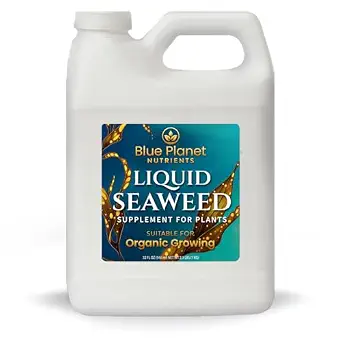 |
| Most Popular A crowd favorite that many people choose with confidence | SUPERthrive Plant Vitamin Solution with Kelp, Liquid Concentrate, 4 fl oz |  |
| Best Seller A high-volume bestseller chosen again and again | TPS Nutrients Cal‑Mag Liquid Plant Supplement, 8 fl oz |  |
Arbortote Summer Heat Defense 6-14-6 Liquid Lawn Fertilizer, 32 oz (Hose‑End)

| Item Form | Liquid |
|---|---|
| Specific Uses For Product | Plant Growth, Root Development, Soil Conditioning |
| Application Method | Hose-end |
| Liquid Volume | 32 fluid ounces |
This liquid hose-end fertilizer is designed as a mid-summer “step” in a seasonal program to help lawns cope with heat stress. With a 6-14-6 NPK mix it reduces nitrogen and raises phosphorus to focus on root development rather than rapid top growth, and the included iron, potassium and seaweed and fish extracts supply additional micronutrients to improve soil conditioning. You apply it with the hose-end bottle for quick, even coverage across turf without mixing concentrates or using spreaders. In practice it suits routine summer maintenance: use it when high temperatures are stressing turf to help anchors and vigor rather than push lush growth. Limitations to note are that it is a single-season, targeted treatment so it works best as part of a broader lawn program and a single 32 oz bottle covers a finite area compared with concentrated fertilizers that require dilution control. Also, hose-end application can be less precise than measured liquid feeders on complex or ornamental plantings.
Best for: Buyers who want a simple, season-targeted product to shore up lawns during peak summer heat and prefer an easy hose-end application within a multi-step lawn care routine.
Less Ideal for: People managing large commercial lawns or those who need highly precise dosing for mixed planting beds should consider concentrated or professional-grade alternatives.
- Formulated 6-14-6 NPK favors root strengthening over excessive top growth during heat.
- Hose-end bottle enables fast, even application without extra equipment.
- Includes micronutrients and natural extracts to support soil conditioning and nutrient availability.
- Specifically positioned for mid-summer heat stress as part of a seasonal program.
- 32 oz volume limits coverage compared with concentrated professional formulas.
- Hose-end delivery offers less precise dosing than measured tank or pump sprayers.
Verdict: Choose this hose-end 6-14-6 formula when you want a simple, summer-focused treatment that strengthens lawn roots and helps turf survive peak heat.
Bloom City Liquid Silica Boost Fertilizer & Supplement, 1 Gallon

| Item Form | Liquid |
|---|---|
| Specific Uses For Product | Plant Growth, All Stages of Growth and Blooom, Indoor and Outdoor Environments |
| Application Method | Add to every watering |
| Unit Count | 128 Ounce |
| Mixing Ratio | 750:1 |
Bloom City Liquid Silica Boost is a concentrated, water-soluble silica supplement intended to add bioavailable silica to regular feedings. It is typically mixed into irrigation water or applied as a foliar spray and is labeled for use in pots, garden beds, and hydro or soil systems. Notable features include a concentrated formula (128 fl oz) with clear mixing guidance for routine feeding and foliar applications, and compatibility with other nutrient systems so it can be added before primary feeds. In real-world use it helps plants resist environmental stress by strengthening cell walls, which can reduce wilting and stem collapse during heat or drought. The practical benefits are larger, sturdier plants and an easy add-on step to an existing fertilizing routine. Important limitations are that it is a supplement rather than a complete fertilizer so users still need a balanced nutrient program, and effective results require consistent application at the recommended dilution rates. Also higher-volume foliar use needs careful measuring to avoid waste.
Best for: Gardeners focused on maximizing plant resilience and structural performance during heat and other stressors who already use a staged nutrient program and want a targeted supplement.
Less Ideal for: Casual plant owners seeking an all-in-one fertilizer or beginners who prefer single-product simplicity rather than adding a supplemental step to every watering.
- Provides highly bioavailable liquid silica to strengthen cell walls and stems
- Concentrated 1-gallon volume suits repeated applications across seasons
- Compatible with other nutrient systems and can be added to feed water or used as foliar spray
- Clear mixing ratios for both routine watering and weekly foliar feeding
- Not a complete fertilizer so must be used alongside a full nutrient program
- Requires careful dilution and consistent use to see benefits
Verdict: Use this concentrated silica supplement to strengthen plants and improve heat and drought resilience as part of a performance-focused feeding routine.
Yard Mastery 7-0-20 Summer Lawn and Turf Stress Granular Fertilizer, 45 lb

| Analysis (N-P-K) | 7-0-20 |
|---|---|
| Coverage | 15000 |
| Item Form | Granules |
| Target Species | lawn grasses |
| Unit Count | 720 Ounce |
This Yard Mastery 7-0-20 granular fertilizer is designed to boost potassium and iron for summer-stressed lawns while providing a slow, maintenance-friendly feed. It is typically applied at 3 lb per 1,000 sq ft and should be worked into turf with irrigation or rainfall within 48 hours; one 45 lb bag is sized to cover roughly 15,000 sq ft, so it suits larger yard applications. Notable features include the N-P-K ratio focused on potash for stress tolerance, added iron for improved color, and a Bio-Nite component intended to support soil biology. Practical benefits are easier coverage planning for big areas, fewer frequent applications thanks to the 30–45 day reapplication window, and visible color improvement from iron. Important limitations are that it contains no phosphorus so it will not promote root initiation, it is a granular product that requires spreading equipment for uniform results, and users must follow safety guidance to avoid contact with skin and to prevent staining on hard surfaces.
Best for: Homeowners who want a straightforward, maintenance-focused product to revive and maintain color in established lawns across medium to large yards and who prioritize predictable coverage and scheduling.
Less Ideal for: People establishing new lawns, overseeding, or seeking a balanced starter fertilizer with phosphorus should choose a different product.
- High potash (20) formula targets drought and heat stress recovery
- Includes iron to quickly improve lawn color
- Large 45 lb bag covers about 15,000 sq ft for efficient application on bigger lawns
- Clear application instructions with a defined rate (3 lb/1,000 sq ft) and irrigation timing
- No phosphorus in the formula so it will not encourage new root development
- Granular form requires a spreader for even distribution and may need cleanup from hard surfaces
Verdict: Choose this 7-0-20 granular when you need a large-bag, potassium-focused fertilizer to restore color and stress tolerance across an established summer lawn.
Blue Planet Nutrients Liquid Kelp Seaweed Fertilizer Concentrate (32 oz)

| Item Form | Liquid |
|---|---|
| Unit Count | 32 Fluid Ounces |
| Specific Uses For Product | Kelp Seaweed Supplement Fertilizer For All Gardens and Plants |
| Mixing Ratio | 1:650, 1:325, 1:162 |
This liquid kelp concentrate delivers seaweed-derived growth hormones, trace minerals, and amino acids in a highly soluble formula suited to soil, hydroponic, coco, and foliar applications. Typical use is dilution at low rates (half to two teaspoons per gallon) as a weekly root drench, foliar spray, transplant soak, or reservoir additive. Notable features include cold-water Ascophyllum nodosum extract, compatibility with nutrient programs, and a non-clogging, pH-neutral concentrate that the manufacturer says is safe from seedling to harvest. In practice the product supports stronger root systems and improved resilience against heat, cold, and transplant shock, which helps plants recover and maintain productivity during stress. The concentrate yields a large volume of ready-to-use solution from one quart, so it is economical for regular use across an entire garden. Limitations are that it is a supplement rather than a complete fertilizer so it should be paired with a balanced nutrient program, and users must follow dilution guidance carefully to avoid overapplication.
Best for: Gardeners who prioritize consistent, dependable stress protection and root support across vegetables, ornamentals, and container/indoor systems and want a supplemental product that integrates into an existing feeding routine.
Less Ideal for: Buyers seeking an all-in-one macronutrient fertilizer or those unwilling to measure and dilute concentrates for each application should consider alternative complete fertilizers.
- Highly concentrated so one quart makes up to hundreds of gallons of ready-to-use solution
- Derived from Ascophyllum nodosum with natural growth hormones and 60+ trace minerals
- 100% soluble and non-clogging, suitable for foliar spray, reservoirs, and seedling use
- Compatible and pH-neutral for mixing with other nutrient programs
- Not a complete N-P-K fertilizer so needs to be used alongside regular fertilization
- Requires careful dilution and dosing for different applications and plant stages
Verdict: Choose this concentrated liquid kelp when you want a reliable, easy-to-mix supplement that strengthens roots and improves plant resilience to heat stress.
SUPERthrive Plant Vitamin Solution with Kelp, Liquid Concentrate, 4 fl oz

| Item Form | Liquid |
|---|---|
| Specific Uses For Product | Root Development |
| Application Method | Dilute in water |
| Target Species | All Variety of Greenery for Home Gardeners and Professionals Alike |
SUPERthrive is a small, concentrated liquid vitamin solution formulated to support root development and reduce transplant shock when added to water or fertilizer. You dilute it into irrigation or transplant mixes and apply it at the recommended low dosage; the product is marketed for use with both outdoor and indoor plants, trees, and seedlings. Notable features include its kelp-enriched formula and non-toxic, plant-focused ingredients that aim to restore vigor and encourage stronger roots. In practical use it is easy to mix and very economical because a little goes a long way, making it convenient for routine maintenance, transplanting, or seed starting. Important limitations are that it is a vitamin solution rather than a complete fertilizer so it should be used alongside regular fertilization when feeding established outdoor beds; also the small 4 fl oz bottle is concentrated but will require careful measuring and storage to keep potency. For risk-averse gardeners it offers a familiar, widely used option to support young or stressed plants without harsh chemicals.
Best for: Gardeners who prioritize safe, gentle support for transplants and young outdoor plants and want an easy-to-use additive that reduces shock and encourages root development.
Less Ideal for: Gardeners wanting an all-in-one granular or liquid fertilizer to meet macro nutrient needs for large established beds should look for a balanced fertilizer instead.
- Concentrated formula yields many treatments from a small bottle
- Kelp-enriched vitamin solution supports root vigor and reduces transplant shock
- Non-toxic ingredients suitable for use around ornamental beds and young plants
- Simple to apply by diluting into water or adding to fertilizer mixes
- Not a complete fertilizer so it must be paired with regular nutrient feeding for mature outdoor plants
- Small bottle size may require frequent replacement for large gardens
Verdict: Use SUPERthrive when transplanting or starting plants outdoors to reduce shock and strengthen roots with a safe, concentrated kelp vitamin solution.
TPS Nutrients Cal‑Mag Liquid Plant Supplement, 8 fl oz

| Item Form | Liquid |
|---|---|
| Specific Uses For Product | Plant Growth |
| Target Species | plants |
| Liquid Volume | 8 fluid ounces |
| Mixing Ratio | 1/2 to 1 tsp per gallon of feedwater |
This 8 fl oz Cal‑Mag concentrate is designed to correct and prevent calcium and magnesium deficiencies that cause yellowing and weak growth. You dilute 1/2 to 1 teaspoon per gallon of feedwater and add it to irrigation or foliar feeds for indoor plants, vegetables like tomatoes, containers, and hydroponic systems. The formula includes iron and other micronutrients so it can improve nutrient uptake and help plants maintain stronger cell walls and steadier development during stress periods such as heat. Because it is a liquid concentrate it mixes quickly and integrates easily into an existing feeding schedule. Important limitations are safety and usage precautions: dilute carefully, avoid direct contact with skin or eyes, and do not apply to food crops intended for human consumption per the label. The small 8 oz size is convenient for trialing but means frequent repurchases for larger gardens or heavy users.
Best for: For gardeners who prefer cautious, proven nutritional fixes and want an easy way to address yellowing and weakness in vegetables, containers, or indoor plants without changing their feeding routine.
Less Ideal for: Not a good fit for large-scale or high‑volume growers who need bulk dosing or for those who want an all‑in‑one complete fertilizer rather than a corrective supplement.
- Provides readily available calcium and magnesium to correct common deficiencies
- Includes iron and micronutrients to support overall nutrient uptake
- Liquid concentrate mixes quickly into feedwater or foliar sprays
- Suitable for soil, container and hydroponic systems for flexible use
- Small 8 fl oz bottle requires frequent repurchase for larger gardens
- Label warnings restrict use on food crops intended for human consumption
Verdict: A compact, easy‑mix Cal‑Mag concentrate that reliably corrects calcium and magnesium deficiencies to help plants cope with heat stress.
Choosing the Right Fertilizer for Heat Stress: Key Factors to Consider
Nutrient Balance and Ratios
Heat-stressed plants need a nutrient balance that supports maintenance and recovery rather than rapid top growth. Lower or controlled nitrogen relative to phosphorus and potassium helps plants maintain leaf integrity without driving excessive shoot elongation that increases water demand. Higher phosphorus can support root function after heat damage, while potassium improves stomatal control and water-use efficiency.
When assessing labels, look beyond the simple N-P-K headline. Secondary nutrients and the ratio between nitrogen forms can materially change how a fertilizer affects a stressed plant. Pick a formula that stabilizes, rather than accelerates, aboveground growth during heat events.
Nitrogen Form and Release Rate
The form and release pattern of nitrogen determines how quickly plants respond and how much additional stress feeding causes. Fast-release ammonium or nitrate will green foliage quickly but can increase transpiration and burn roots when soil moisture is low. Controlled-release or a higher proportion of organic nitrogen reduces short-term demand peaks and supplies steadier nutrition.
For heat periods, choose options that moderate nitrogen availability or allow precise, lower-rate applications to avoid stimulating growth that the plant cannot sustain under hot, dry conditions. This factor also affects how often you need to reapply and the risk profile for sensitive containers.
Micronutrients and Trace Elements
Micronutrients such as magnesium, calcium, iron, and zinc play outsized roles in leaf function and stress tolerance. Magnesium is central to chlorophyll and photosynthesis, while calcium stabilizes cell walls and reduces tip burn. Boron and zinc can influence reproductive development and fruit set under heat.
A fertilizer that includes or complements a program for micronutrient correction helps plants maintain physiological function during and after heat bouts. Consider whether your soil or potting mix has known deficiencies and whether a fertilizer supplies the missing elements or works well alongside a targeted foliar micronutrient treatment.
Application Method and Timing
How a fertilizer is applied affects safety and effectiveness in hot weather. Foliar feeds can deliver micronutrients quickly but should be applied in the cooler parts of the day to avoid leaf scorch. Soil-applied liquids or controlled-release granules work differently: liquids act faster, while granules provide longer support with fewer applications.
Timing also matters. Apply restorative feeds during cooler mornings or evenings and after irrigation to reduce burn risk. For containers, smaller, more frequent doses are usually safer than large single applications. The chosen method should match the gardener's watering routine and ability to follow label instructions.
Salt Index and Risk of Fertilizer Burn
Fertilizer burn is a common problem when salts concentrate in the root zone, especially in containers or poor-draining soils. High-soluble formulations or overapplication during heat can desiccate roots and worsen stress. The salt index of a product and the recommended application rates both influence burn risk.
Avoid heavy, high-salt applications during hot, dry spells. Prefer products with lower soluble salt content for containers and shallow-rooted plants, and ensure a plan to flush medium or water thoroughly after application if buildup is possible.
Compatibility With Irrigation and Mulch Practices
Irrigation frequency and mulch choices interact with fertilizer performance in hot weather. Drip or targeted delivery forces nutrient placement near roots and reduces foliar contact, while overhead irrigation plus foliar sprays can create different uptake patterns. Mulch influences soil temperature and moisture retention, which in turn affects nutrient availability and release rates.
Choose fertilizers whose recommended use fits your irrigation method. In heavily mulched beds, slow-release forms may match the moderated soil temperatures, whereas in bare, heat-exposed soils you might prefer lighter liquid feeds timed with watering to avoid rapid nutrient loss or volatilization.
When to Feed During Heat Waves
Feed only when plants show signs of recovery or when soil moisture is adequate. Applying fertilizer to a dry, heat-stressed root zone increases the chance of burn and rarely helps. Plan applications for early morning or evening when temperatures are lower and transpiration is reduced.
For annuals and vegetables that must be supported through a short hot spell, lighter, more frequent feeds are safer than a single heavy application. For established shrubs and perennials, defer nonessential feeding until temperatures moderate unless the plant shows clear nutrient deficiency symptoms.
- Avoid feeding midday when leaf temperatures peak
- Water thoroughly before soil-applied fertilizer
- Consider foliar micronutrient sprays in cool hours for rapid correction
Balancing Recovery Vs. New Growth
The gardener's objective during heat stress is often recovery rather than pushing new growth. That means favoring support for root repair and leaf maintenance over high-nitrogen formulas that promote lush shoots and higher water demand. Choose a strategy that reduces risk while providing enough nutrients for photosynthesis and root function.
If you need to encourage regrowth once temperatures drop, plan a transition to a more balanced feed as the plant recovers rather than doubling down during the heat.
- Prioritize potassium and phosphorus for stress tolerance
- Use lower nitrogen rates during peak heat
- Reserve higher-nitrogen applications for cooler periods
Container Plants and Small-Space Strategies
Containers heat up and dry out faster than in-ground beds, making fertilizer choice and schedule more critical. Slow-release granules can provide steadier nutrition with less risk of sudden salt spikes, while dilute liquid feeds allow quick correction without overloading the medium.
Check potting mixes and flush containers periodically if soluble salts build up. Also match fertilizer concentration to container size and plant stage to avoid shock.
- Use lower-concentration liquid feeds for weekly maintenance
- Apply controlled-release pellets sparingly in midsummer
- Repot or top-dress if salt accumulation or root crowding is evident
Using Micronutrient Sprays Safely
Micronutrient foliar sprays can rapidly correct deficiencies that become obvious under heat, such as interveinal chlorosis or tip burn. Apply these sprays during the coolest part of the day and follow label dilution rates strictly to avoid leaf scorch.
Foliar applications are a targeted, short-term fix and are best used alongside a soil fertility plan rather than as a long-term sole source of nutrients.
- Apply in morning or evening, not under direct sun
- Test on a small area if using a new spray
- Combine with soil amendments only when compatible per label
Soil Testing and Long-Term Heat Resilience
A current soil test is invaluable for tailoring fertilizer choices to actual deficiencies. Knowing pH, available phosphorus, and micronutrient levels lets you pick products that correct problems without creating imbalances that worsen heat sensitivity.
Long-term resilience also comes from improving soil structure and organic matter. Better water-holding capacity and root-friendly soils mean fertilizers act more predictably in hot conditions and reduce the need for reactive feeding.
- Test every 2 to 3 years for garden beds
- Adjust lime or sulfur based on pH recommendations
- Add compost to improve moisture retention and nutrient buffering
How We Chose the Best Fertilizer for Heat Stress
We focused on fertilizers that demonstrably help plants cope with high temperatures, looking for formulas and application methods that reduce stress without encouraging excessive top growth during heat. Key evaluation criteria included nutrient balance for stress tolerance, nitrogen form and rate control, micronutrient inclusion for leaf health, and delivery method suitability for containers, beds, and turf. We also judged ease of application, label clarity for heat-period use, and the likelihood of foliar or root burn when used as directed. Products were excluded if labels recommended heavy feeding during heat, if nutrient ratios favored unchecked vegetative flushes, or if the format was impractical for typical home-garden heat-management (for example treatments only suitable for large-scale agricultural equipment). The final list emphasizes usable solutions that support root recovery, maintain leaf function, and lower the risk of fertilizer-related injury under hot, dry conditions.
FAQ
Can I apply a regular fertilizer during a heat wave?
You can, but it often increases risk of burn if soil is dry or temperatures are extreme. Prefer lighter, diluted applications and water thoroughly before applying soil fertilizers. Defer heavy nitrogen feeds until temperatures cool when possible.
Are foliar sprays safe when plants are heat stressed?
Foliar sprays can be safe and effective if applied during cool hours and at recommended dilutions. Avoid spraying in direct sun or at the hottest point of the day to reduce the chance of leaf scorch.
How often should I feed container plants in hot weather?
Usually more frequently at lower rates is safer for containers. Weekly or biweekly dilute liquid feeds can maintain nutrition without causing salt buildup, whereas large single applications raise burn risk.
Do micronutrients matter during heat stress?
Yes. Micronutrients support photosynthesis and cell stability, which helps plants cope with heat. Targeted correction via foliar or soil-applied micronutrients often makes a measurable difference in recovery.
Will slow-release fertilizers work in high temperatures?
Slow-release forms still work but may release faster with higher soil temperatures. Choose products with predictable release ranges and adjust application rate downward if soil temperatures are consistently high.
Should I change my irrigation routine when fertilizing in heat?
Yes. Always water before applying soil fertilizers and avoid feeding when the root zone is dry. Post-application watering helps move nutrients into the root zone and lowers the risk of concentrated salts at the root surface.
Final Verdict
When managing plants through heat stress, prioritize steady support for roots and leaf function rather than pushing rapid aboveground growth. Focus on nutrient balances that favor recovery, include micronutrient support when needed, and match fertilizer form to your irrigation and container practices. By accepting modest, carefully timed feeding and avoiding heavy nitrogen during hot spells, you reduce the risk of burn and give plants a better chance to recover as temperatures moderate.
